 YardMate

Provence Rose
Rosa gallica
Easy · Beginner friendlyAbout Provence Rose
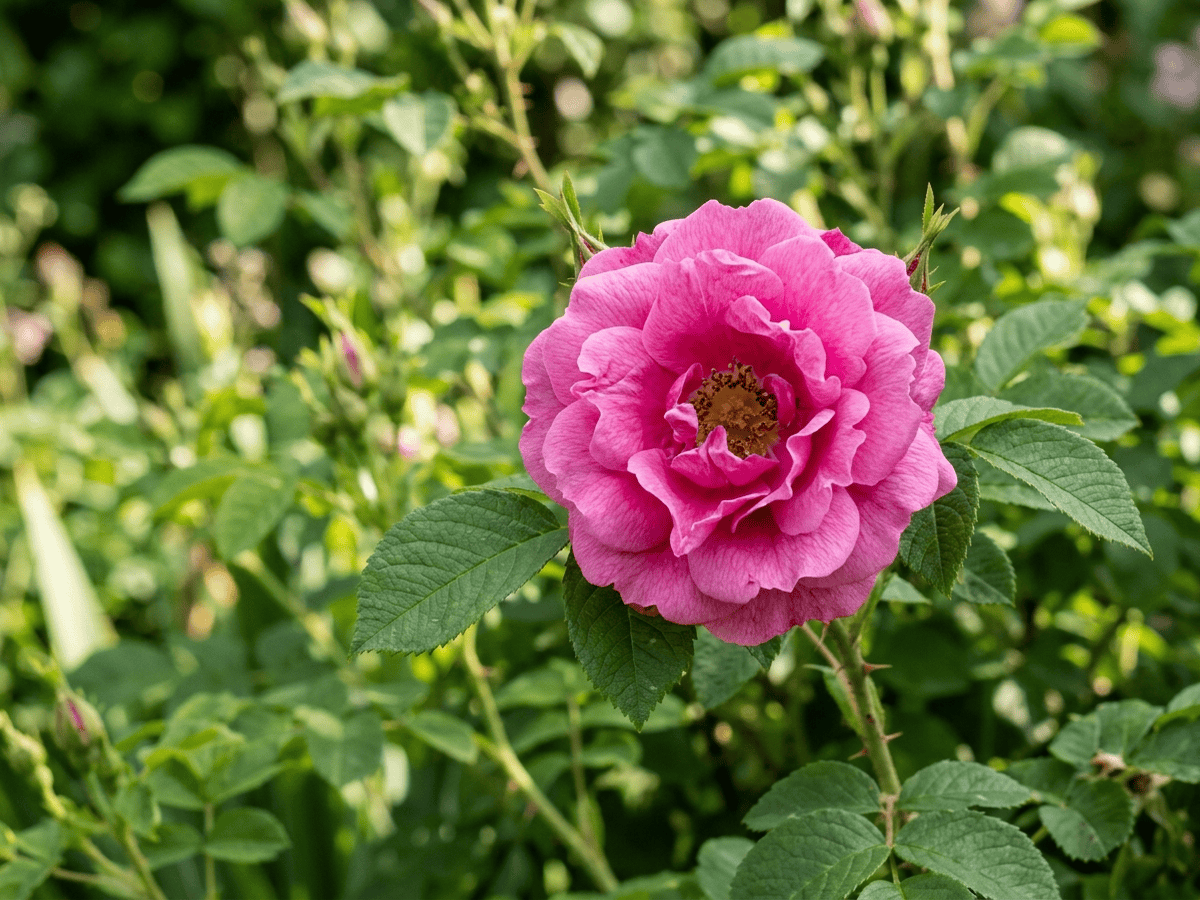
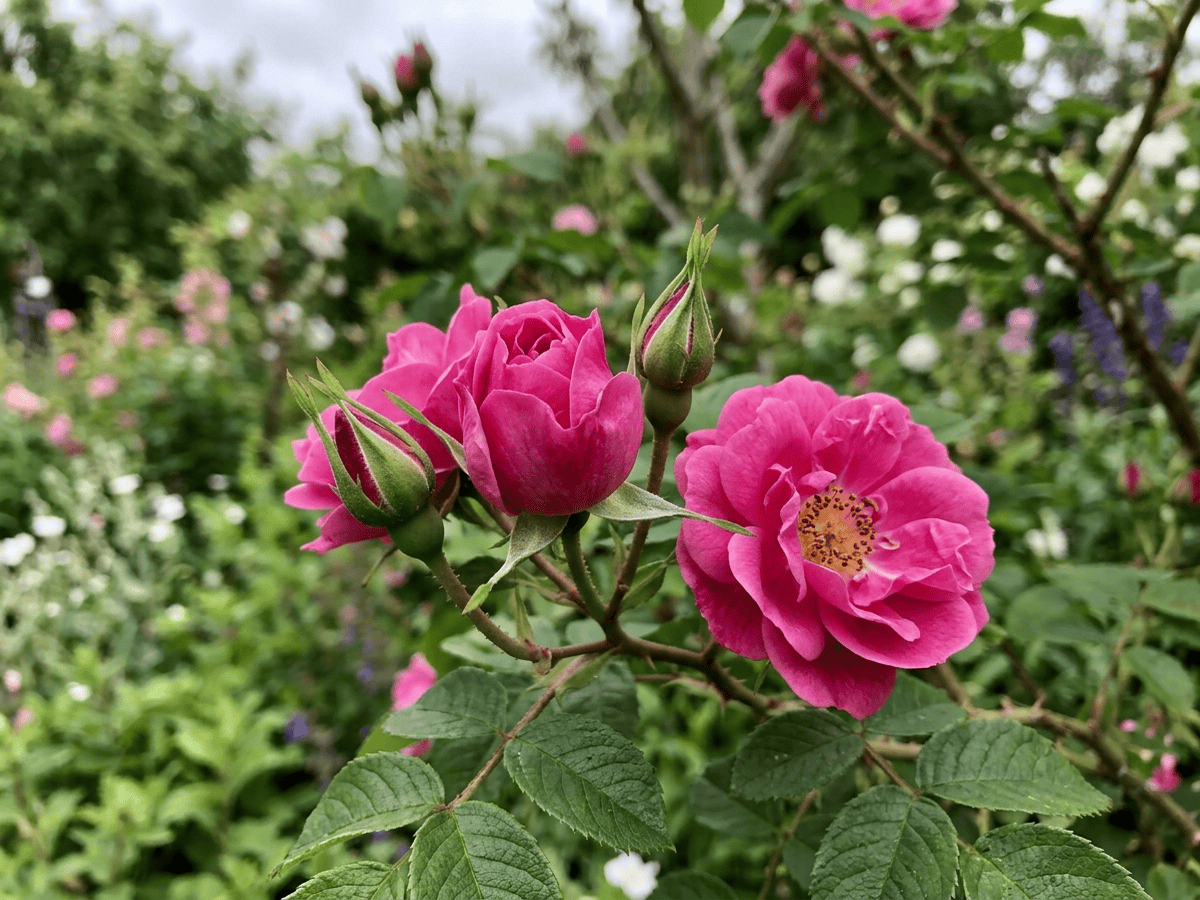
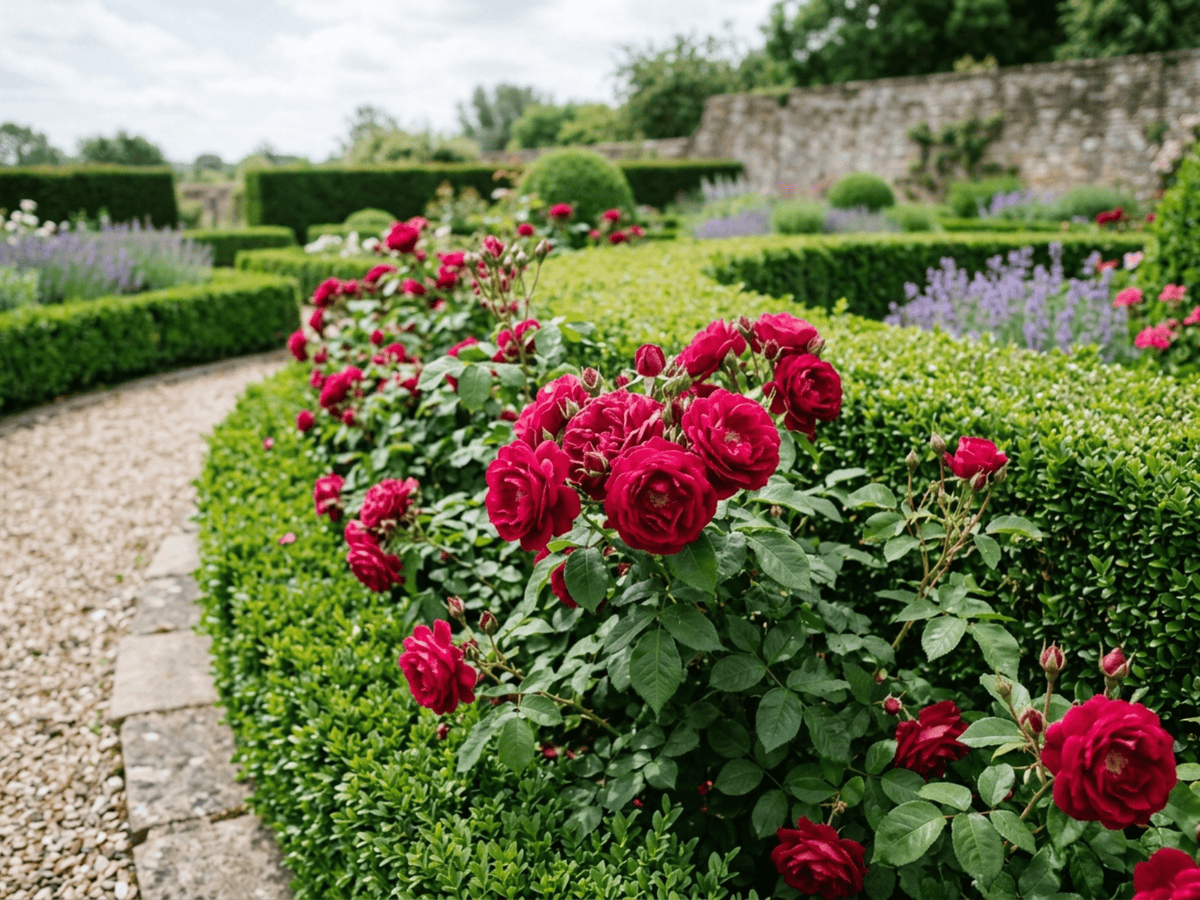
Rosa gallica, the French rose or apothecary's rose, is one of the oldest cultivated roses in the world and the ancestor of most European garden roses. It forms a compact, suckering shrub reaching about 1 meter with semi-double, deep pink to crimson flowers that have an intense, sweet fragrance. The petals retain their scent even when dried — a rare quality that made it invaluable to medieval apothecaries. It blooms once in early summer. The variety 'Officinalis' is the famous 'Red Rose of Lancaster' from the English Wars of the Roses.
- Medicinal
- Fragrant
How to care for Provence Rose
Watering
- Springevery 5 days
- Summerevery 3 days
- Fallevery 7 days
- Winterevery 14 days
Soil · Rich & loamy
- Top dressingBark mulch15%
- Main mixRich loam + compost 3:170%
- DrainageGravel15%
Use fully finished compost — fresh compost burns roots.
FERTILIZER
Balanced Feed 14-14-14
An even feed covers all three needs at once, keeping leaves, roots and blooms moving together with nothing pushed out of balance.
- Nitrogen · Leaves
- Phosphorus · Roots + Blooms
- Potassium · Strength
- Springevery 30 days
- Summerevery 30 days
- Fallevery 45 days
At a Glance
- NativeMediterranean, Western Asia
- Height3–5 ft (0.9–1.5 m)
- Spread3–4 ft (0.9–1.2 m)
- Flower colorPink, Red, Purple
- Foliage colorGreen
- Fruit colorRed
- SoilLoamy, Well-drained, Rich
- LocationsYard
Bloom time
BLOOM CYCLE
Peak bloom
May–Jun
Once-blooming in early summer; petals retain scent when dried
Fragrance
STRONG FRAGRANCE
Deep complex rose fragrance; particularly famous for retaining scent when dried.
Toxicity
No toxicity has been reported for this plant. Still, it is wise to keep pets from chewing on any houseplant.
Educational information, not medical or veterinary advice. If exposure is suspected, contact a doctor or veterinarian.
DISTRIBUTION


- Native
- Introduced
- Mediterranean
- Western Asia
History
Rosa gallica is native to central and southern Europe and the Caucasus, and is one of the oldest cultivated roses known, with evidence of Roman-era cultivation and possibly earlier Greek use. The 'Apothecary's Rose' (R. gallica 'Officinalis') became the centerpiece of medieval European herbal medicine, grown in huge volumes around the French town of Provins (south of Paris) from the 13th century onward to produce dried rose petals and rose preserves — Provins roses were a major medieval export. The species retains its fragrance when dried better than almost any other rose, which is why it dominated the medicinal rose trade for 700 years.
It was also heavily hybridized in 19th-century France to produce hundreds of 'gallica' garden roses, many of which remain in commerce today. Non-toxic to pets. Rosa gallica 'Officinalis' was the rose grown in medieval monastery gardens for medicine — 'officinalis' means 'of the apothecary's shop.'
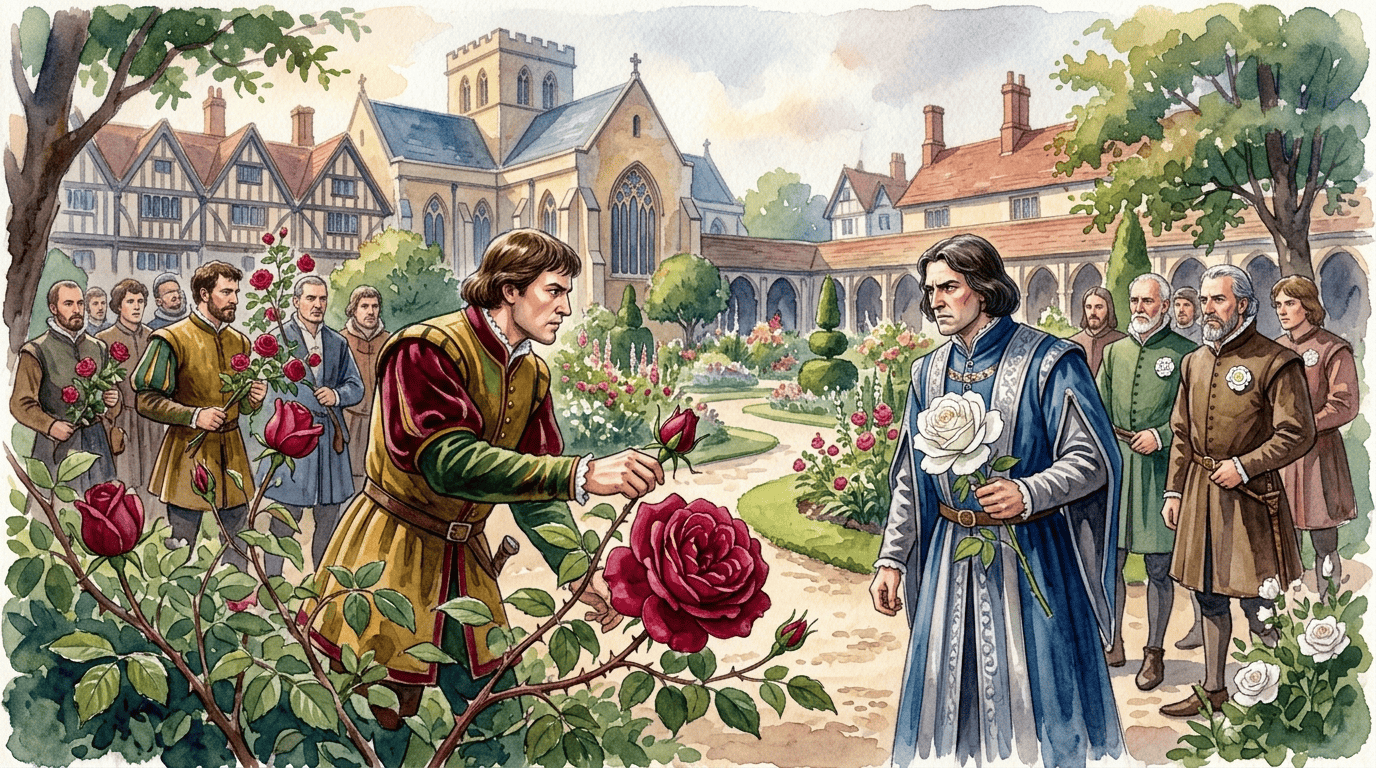
The town of Provins, France, built its entire economy around this rose from the 13th century, producing rose conserves, syrups, and medicines. When Edmund, Earl of Lancaster, plucked a red Rosa gallica as his emblem, and the Duke of York chose a white rose, the stage was set for the Wars of the Roses (1455–1487). The surviving Rosa gallica cultivars are among the oldest living garden plants, with some varieties unchanged for over 500 years.
Symbolism & meaning
What It Symbolizes
Provence Rose is the old apothecary romance of petals, fragrance, and southern light. Its double pink flowers helped shape the European imagination of the rose as both ornament and useful harvest. Symbolically it is concentrated memory: a bloom that carries gardens, perfumers, and old villages in its scent.
- Passion — The deepest red among old roses, representing intense emotion and desire
Where the Name Comes From
Rosa from Latin for rose. Gallica means 'of Gaul (France),' where it was most extensively cultivated.
Uses & Fun Facts
- Apothecary's rose used historically in tonics and salves
- Crimson semi-double blooms hold intense sweet rose perfume
- Petals dried for potpourri, sachets, and rose preparations
- Ancestor of most European garden roses with deep heritage
Related plants
More Rosa plants
 About FaceRosa 'About Face'
 Abraham DarbyRosa 'Abraham Darby'
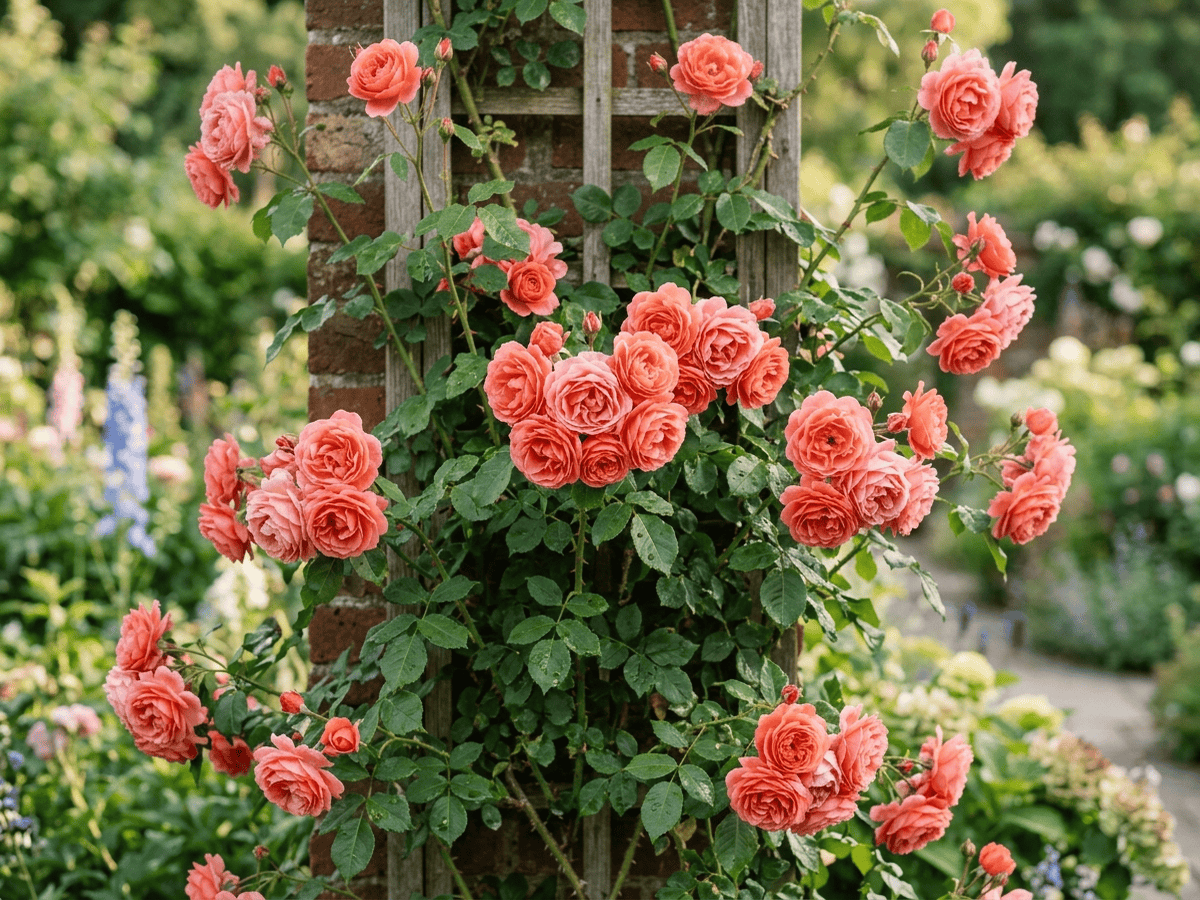 AmericaRosa 'America'
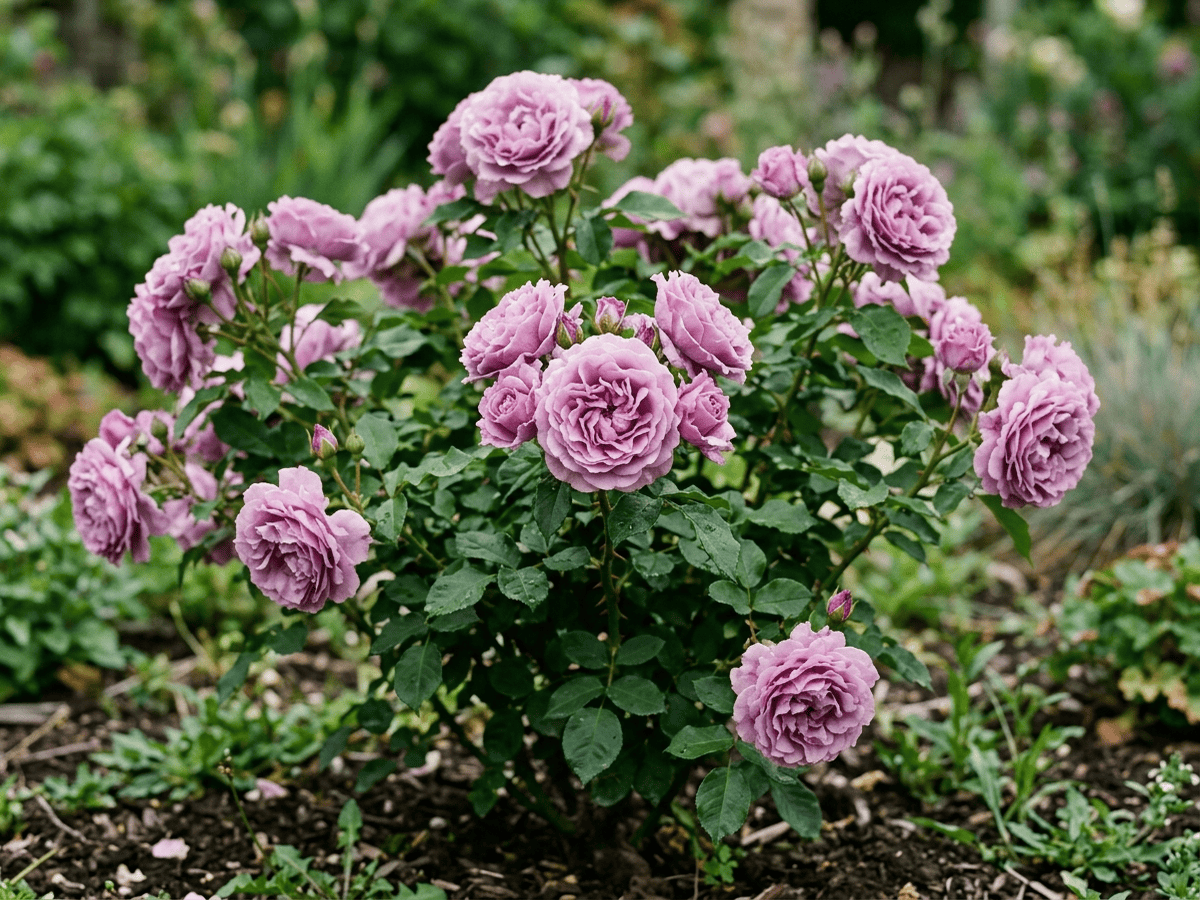 Angel FaceRosa 'Angel Face'
Plants with similar care
 Chinese AbeliaAbelia chinensis
 Fragrant AbeliaAbelia mosanensis
 Large-Flowered AbeliaAbelia uniflora
 Glossy AbeliaAbelia x grandiflora
Frequently asked questions
How often should I water Provence Rose?
In summer, water about every 3 days; in winter, about every 14 days. Adjust for heat, pot size and drainage.
How much light does Provence Rose need?
Full sun: 6+ hrs direct. Watch the leaves — scorching or stretching means the light needs adjusting.
Is Provence Rose toxic to cats or dogs?
No toxicity has been reported for this plant. Still, it is wise to keep pets from chewing on any houseplant. Educational information, not medical or veterinary advice. If exposure is suspected, contact a doctor or veterinarian.
Is Provence Rose easy to grow?
Yes — it is considered an easy, beginner-friendly plant.
When does Provence Rose bloom?
It typically blooms May–Jun in the Northern Hemisphere.
YardMate
Identify any plant in seconds
Snap a photo — YardMate names the plant, diagnoses problems, and reminds you when to water.
Download on the App Store