 YardMate

Australian Umbrella Tree
Schefflera actinophylla
Easy · Beginner friendlyAbout Australian Umbrella Tree
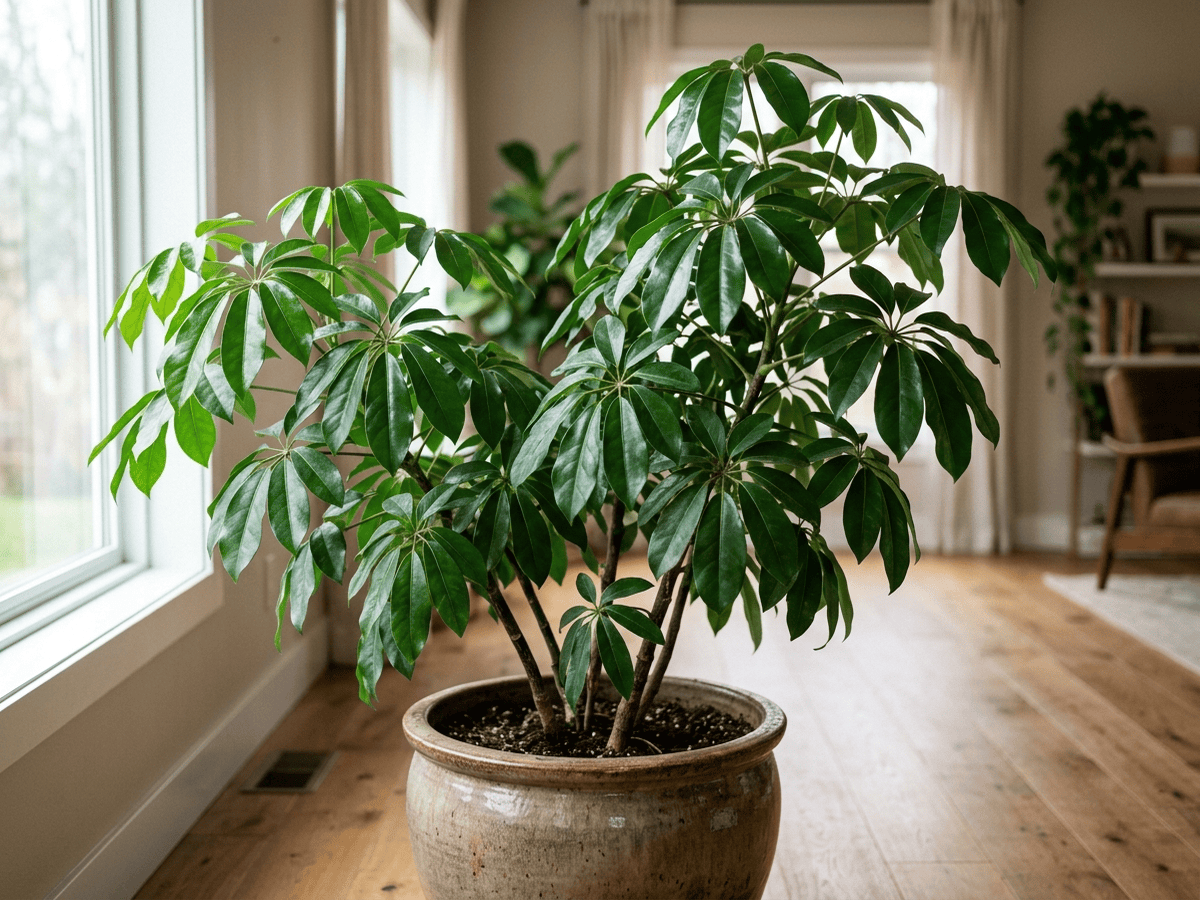
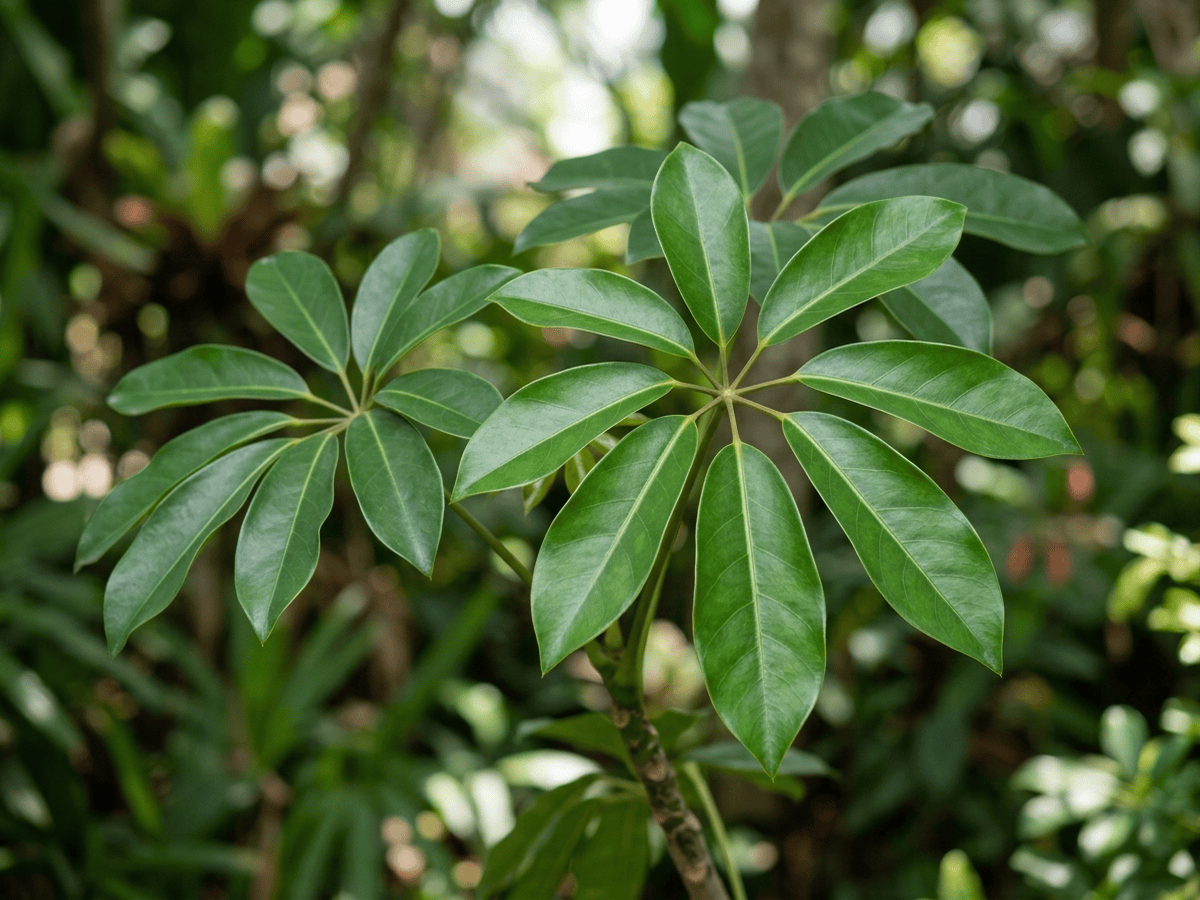
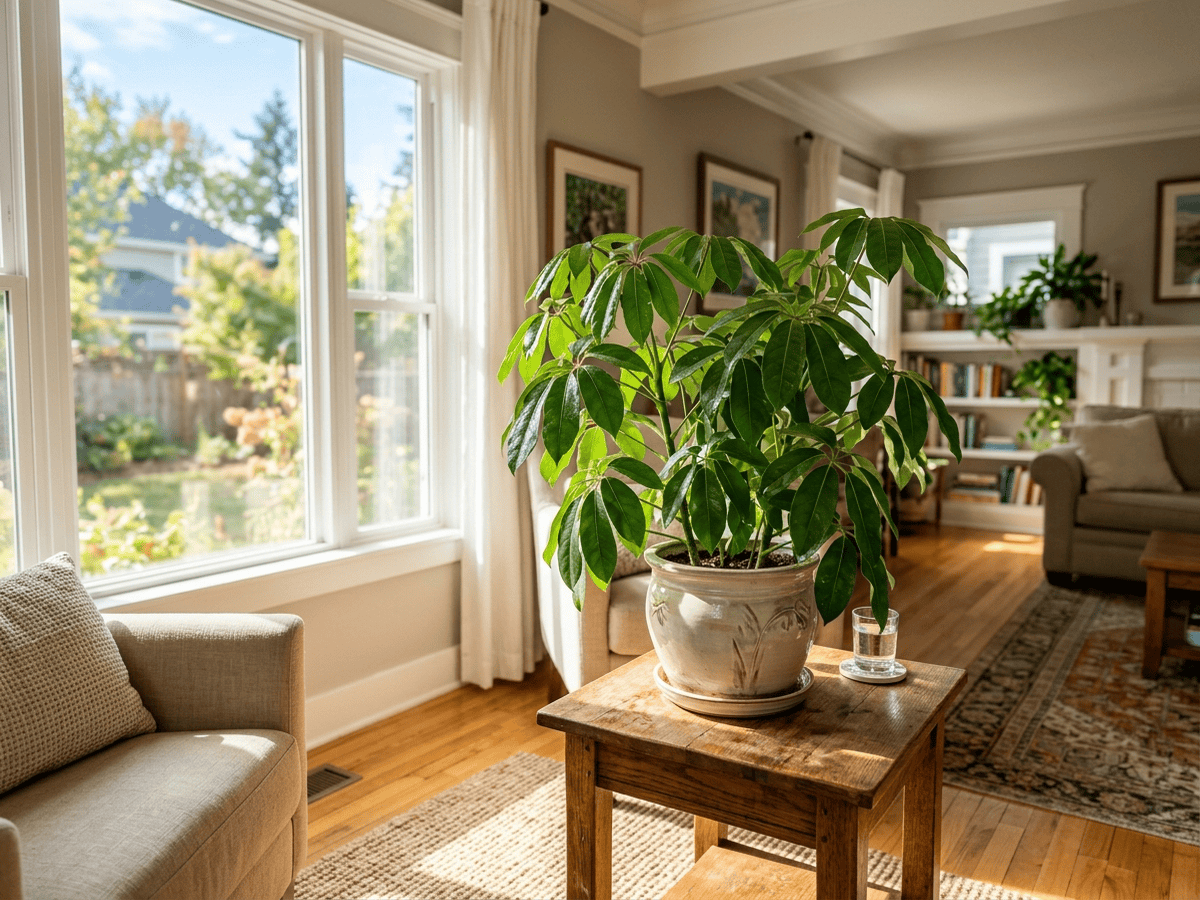
Schefflera actinophylla, the umbrella tree, is a bold tropical plant with large, palmate compound leaves radiating like umbrella spokes from a central point. Each leaf consists of 7–16 glossy leaflets up to 30 cm long. Native to Australian rainforests and New Guinea, it grows into a large tree outdoors but is easily maintained as a 2–3 meter indoor specimen with pruning. The dramatic red flower clusters that appear on mature outdoor specimens resemble inverted octopus tentacles, earning it the nickname 'octopus tree.' It tolerates low light but grows best in bright indirect conditions.
- Air-purifying
- Architectural
How to care for Australian Umbrella Tree
Watering
- Springevery 7 days
- Summerevery 5 days
- Fallevery 10 days
- Winterevery 14 days
Soil · Well-draining
- Main mixLoam + bark + perlite 2:1:175%
- DrainageLECA25%
Bark keeps the mix from compacting under a heavy root ball.
FERTILIZER
Balanced Feed 14-14-14
An even feed covers all three needs at once, keeping leaves, roots and blooms moving together with nothing pushed out of balance.
- Nitrogen · Leaves
- Phosphorus · Roots + Blooms
- Potassium · Strength
- Springevery 30 days
- Summerevery 30 days
- Fallevery 60 days
At a Glance
- NativeAustralasia
- Height8–15 ft (2.4–4.6 m)
- Spread4–6 ft (1.2–1.8 m)
- Flower colorRed
- Foliage colorGreen, Variegated
- Fruit colorRed, Black
- SoilLoamy, Well-drained
- LocationsIndoor
Bloom time
BLOOM CYCLE
Peak bloom
Jun–Aug
Red octopus-like flower clusters; only outdoors on mature trees
Fragrance
NO FRAGRANCE
Not fragrant.
Toxicity
Humans Moderate · Pets Moderate
calcium oxalate, saponins, and terpenoids
Moderate
- Leaf
- Stem
- Sap
- Contact
- Ingestion
EXPOSURE Touching leaves, stems, and sap. Eating leaves, stems, and sap.
EFFECT Oral burning, tongue swelling, GI upset and skin dermatitis from sap.
NOTE More severely irritating than most aroids because of the combination of oxalates and saponins.
Moderate
- Leaf
- Stem
- Ingestion
EXPOSURE Eating leaves and stems.
EFFECT Oral irritation, intense burning of mouth, drooling, vomiting, difficulty swallowing and per ASPCA.
NOTE More severely irritating than most aroids because of the combination of oxalates and saponins.
Moderate
- Leaf
- Stem
- Ingestion
EXPOSURE Eating leaves and stems.
EFFECT Oral irritation, intense burning of mouth, drooling, vomiting, difficulty swallowing and per ASPCA.
NOTE More severely irritating than most aroids because of the combination of oxalates and saponins.
Educational information, not medical or veterinary advice. If exposure is suspected, contact a doctor or veterinarian.
DISTRIBUTION


- Native
- Introduced
- Australasia
History
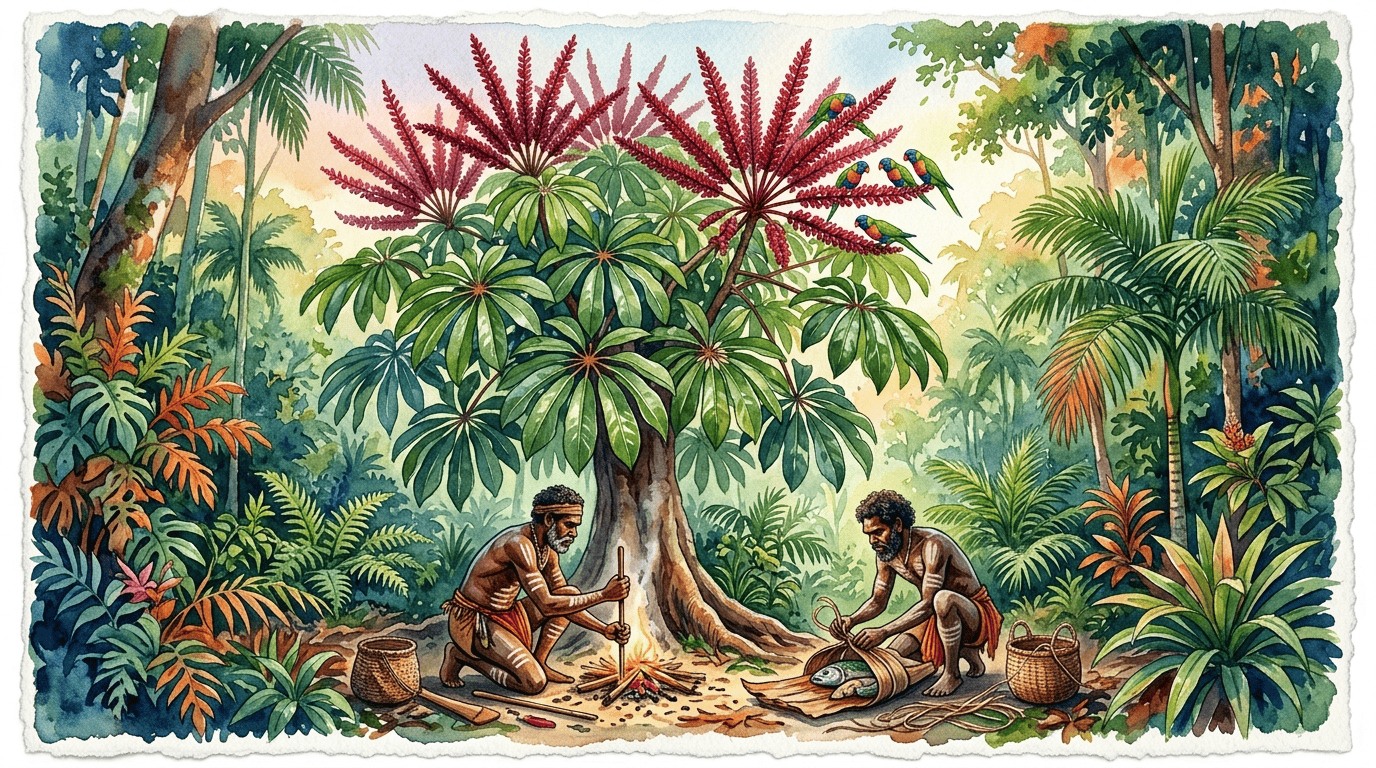
Schefflera actinophylla is native to the rainforest of tropical northeastern Australia (Queensland) and New Guinea, where it can grow as a hemi-epiphyte or large free-standing tree up to 15 meters tall, producing dramatic red inflorescences that attract lorikeets and fruit bats. Introduced as an ornamental in the 19th century, it has become a serious invasive weed in south Florida and the Hawaiian islands, where it strangles native trees and dominates disturbed forest. Modern taxonomy places it in the genus Heptapleurum, though Schefflera dominates the horticultural trade.
As an indoor tree it has been a steady performer since the 1960s, prized for its umbrella-like whorled palmately compound leaves. This aggressive behavior has made it an invasive species in Florida, Hawaii, and Puerto Rico, where it colonizes buildings and infrastructure.
Indigenous Australian peoples used the soft wood for fire-making and the bark for wrapping food during cooking. All parts are moderately toxic to pets due to calcium oxalate plus saponins.
Symbolism & meaning
What It Symbolizes
The Australian Umbrella Tree is, by form alone, an emblem of shelter — its umbrella-like canopy of leaves spreading wide overhead like a sheltering hand. In its native rainforest, that canopy genuinely shades and protects countless smaller lives below. Indoors, it brings the same gesture into the home: a green roof, a small claim of safe haven made out of leaves.
- Shelter — Its umbrella-like canopy represents protection and safe haven
Where the Name Comes From
The name Australian Umbrella Tree describes umbrella-like whorls or canopy form. Schefflera honors Jacob Christian Scheffler, 18th-century botanist from Danzig. Actinophylla means 'ray-leaved' from Greek 'aktinos' (ray) and 'phyllon' (leaf).
Uses & Fun Facts
- Umbrella-spoke compound leaves as bold tropical interior accent
- Easy floor plant for bright living rooms and atriums
Related plants
More Schefflera plants
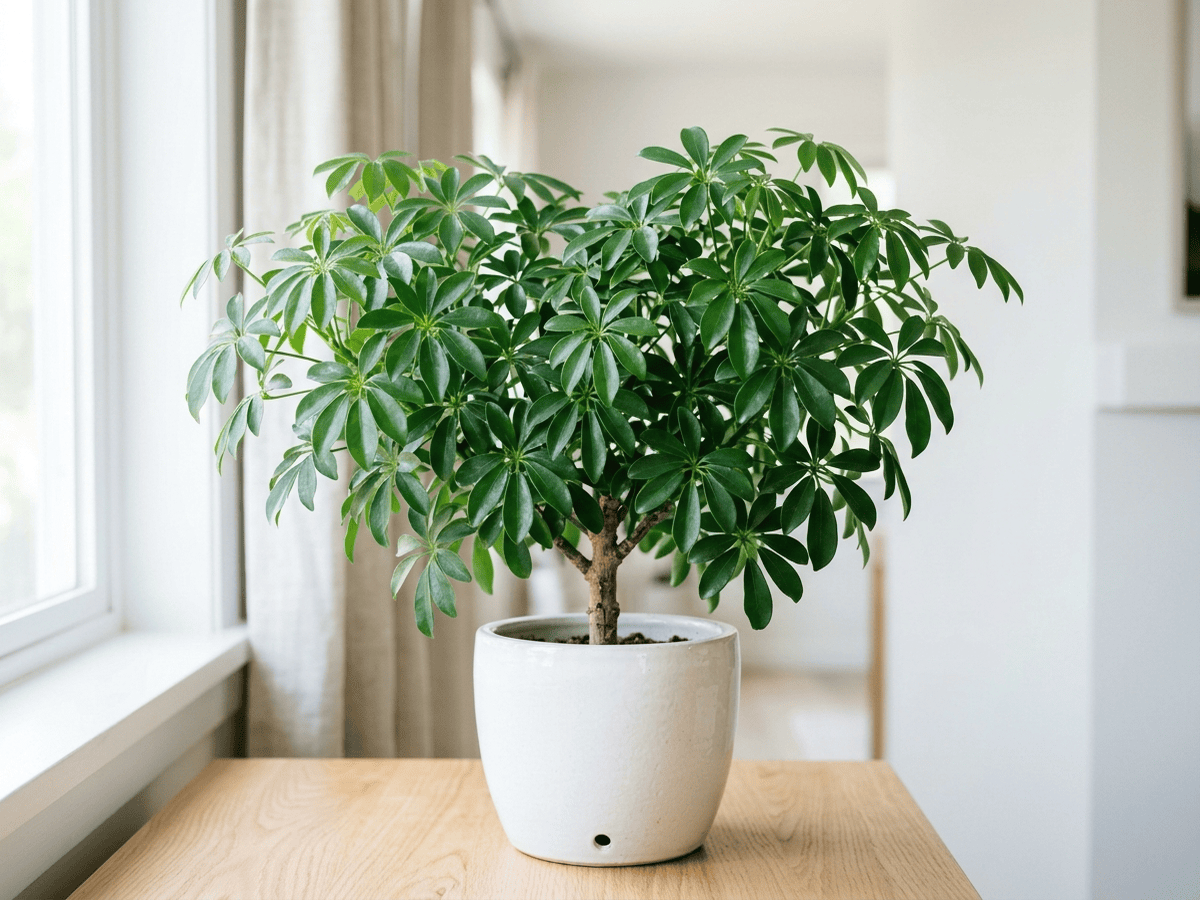
Plants with similar care
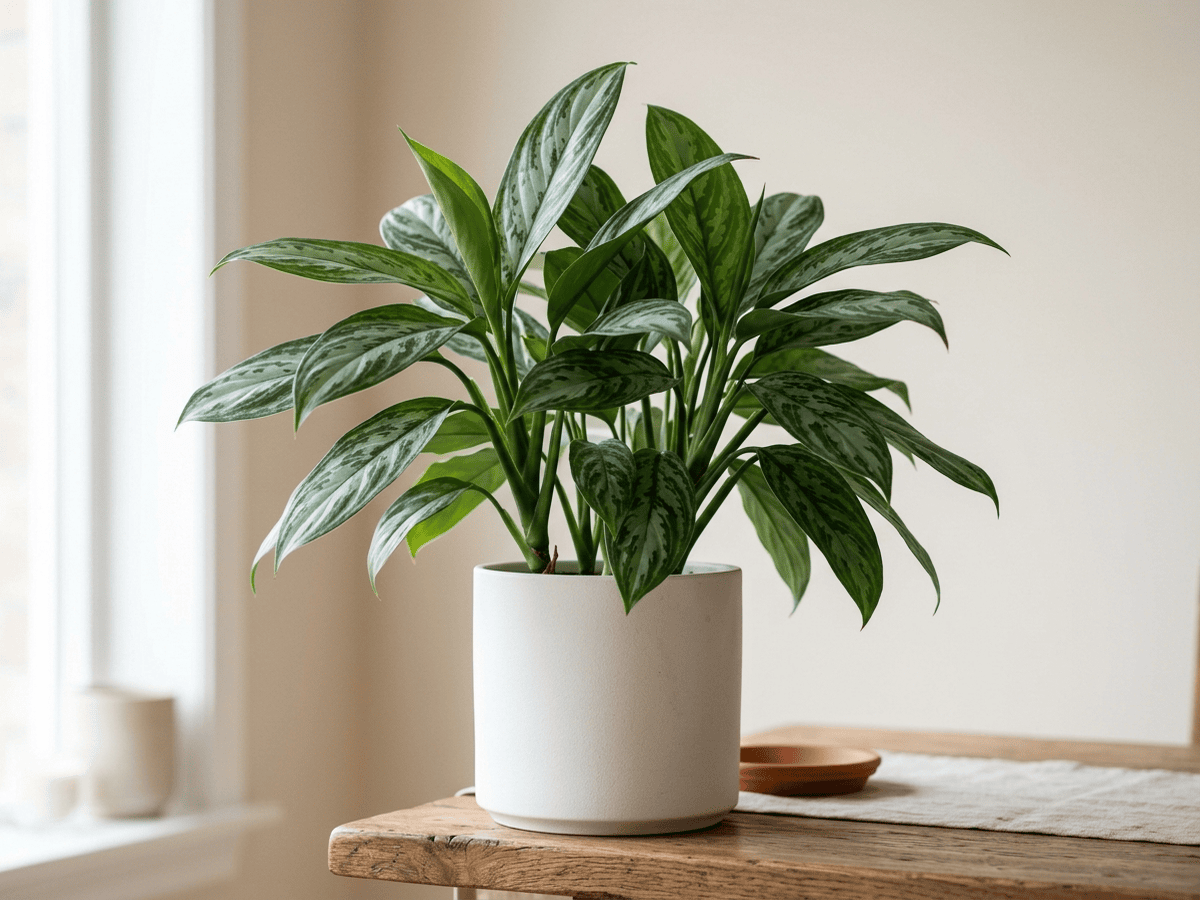 Philippine EvergreenAglaonema commutatum
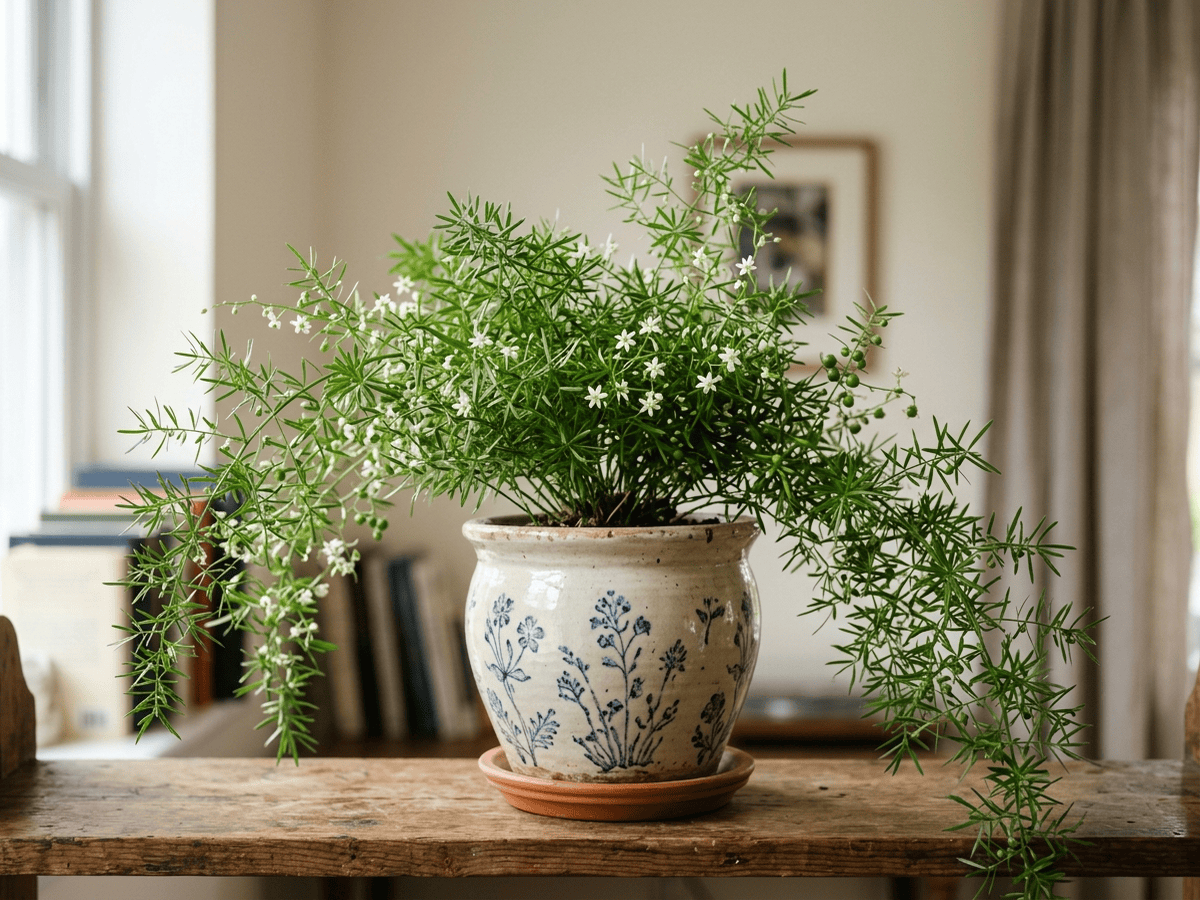 Sprenger's AsparagusAsparagus densiflorus
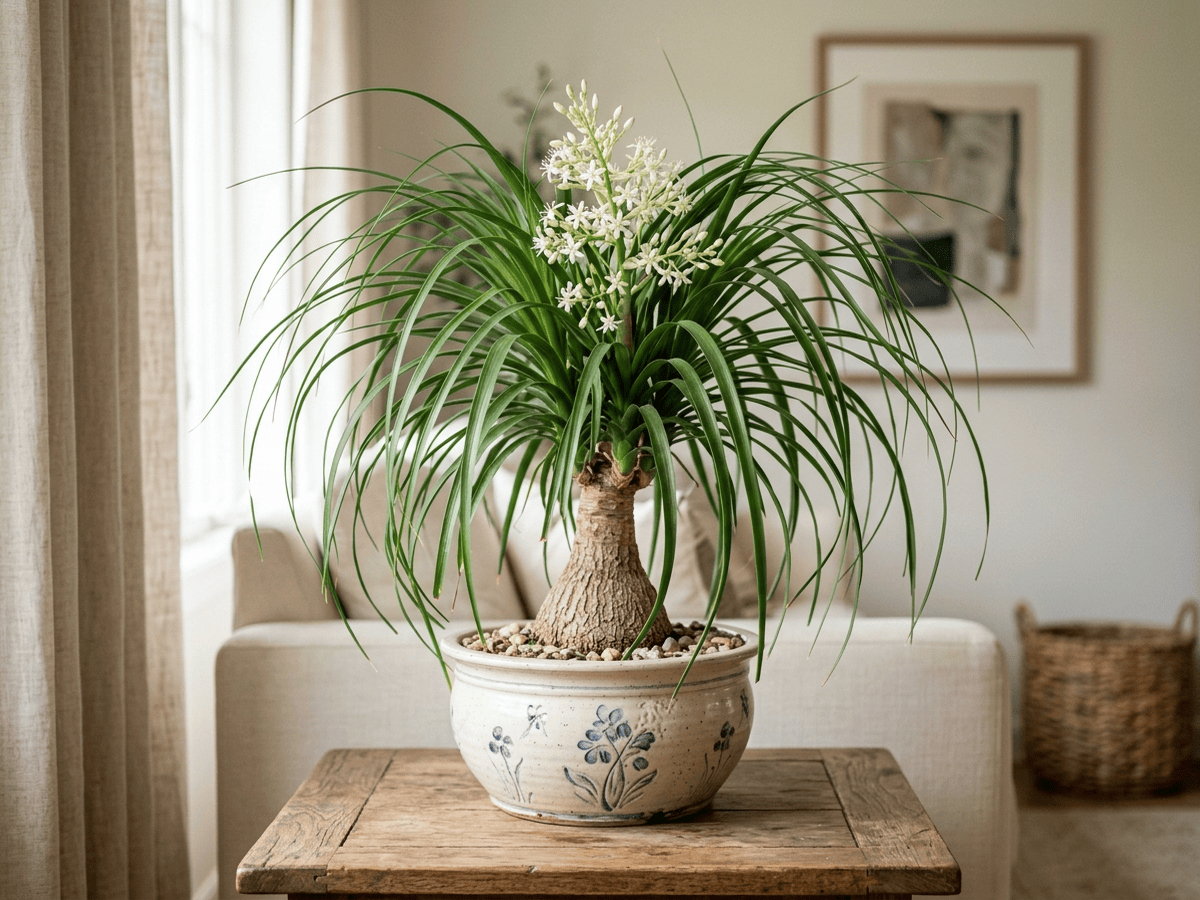 Ponytail PalmBeaucarnea recurvata
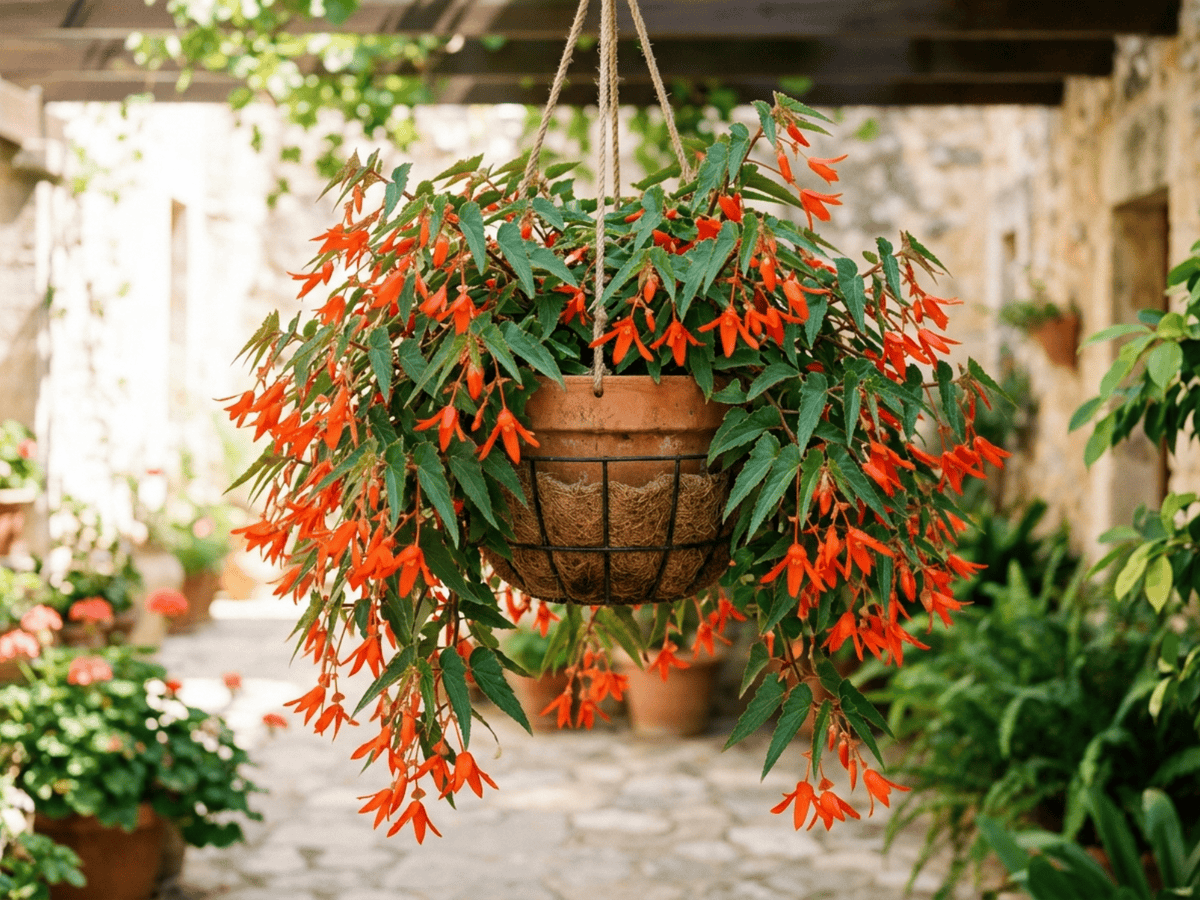 Tuberous BegoniaBegonia boliviensis
Frequently asked questions
How often should I water Australian Umbrella Tree?
In summer, water about every 5 days; in winter, about every 14 days. Adjust for heat, pot size and drainage.
How much light does Australian Umbrella Tree need?
Part shade: 2–4 hrs direct. Watch the leaves — scorching or stretching means the light needs adjusting.
Is Australian Umbrella Tree toxic to cats or dogs?
Pets Moderate (Dogs Moderate · Cats Moderate) Educational information, not medical or veterinary advice. If exposure is suspected, contact a doctor or veterinarian.
Is Australian Umbrella Tree easy to grow?
Yes — it is considered an easy, beginner-friendly plant.
Can Australian Umbrella Tree be grown indoors?
Yes, it adapts well to indoor growing given the right light.
When does Australian Umbrella Tree bloom?
It typically blooms Jun–Aug in the Northern Hemisphere.
YardMate
Identify any plant in seconds
Snap a photo — YardMate names the plant, diagnoses problems, and reminds you when to water.
Download on the App Store