 YardMate


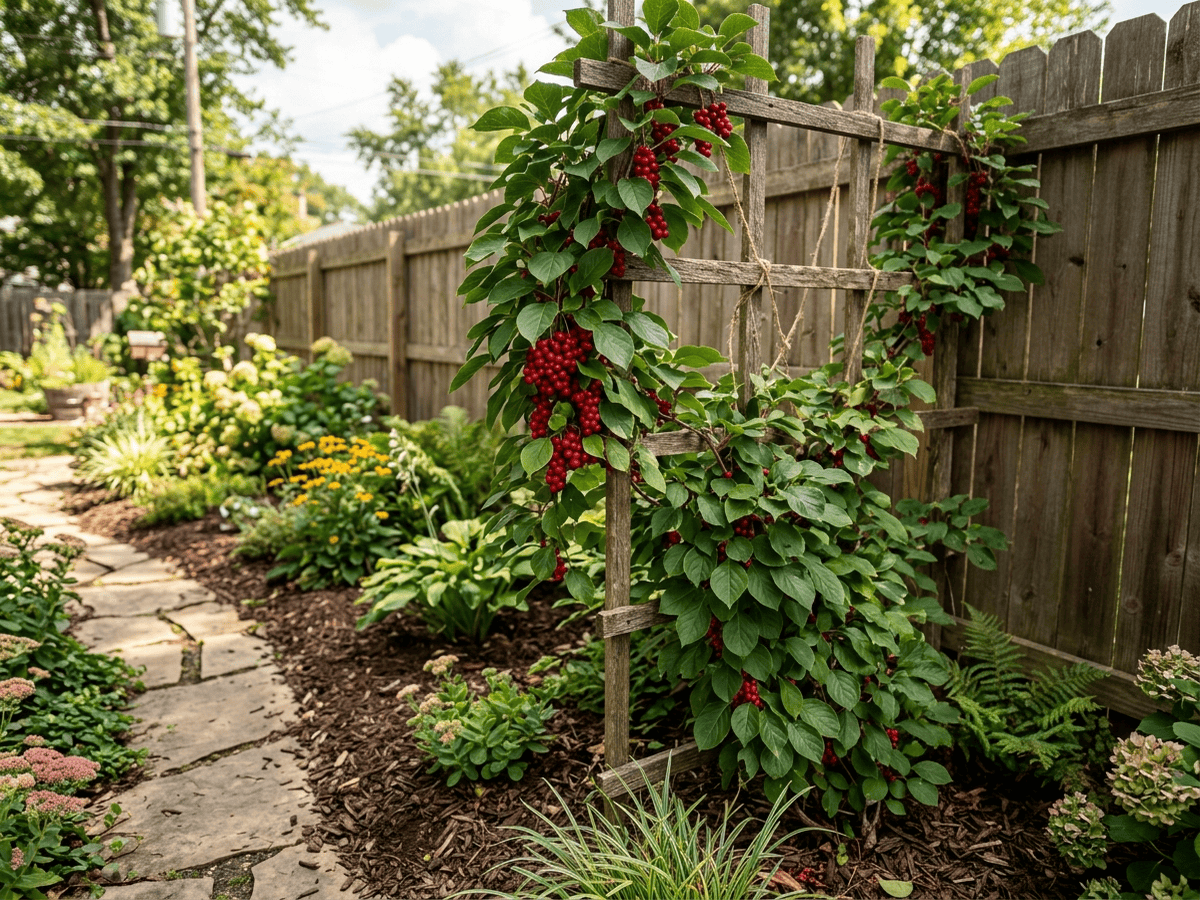
Chinese Magnolia-Vine
Schisandra chinensis
Medium · Some experienceAbout Chinese Magnolia-Vine
Schisandra chinensis, Chinese magnolia-vine, is a twining deciduous climber from northeastern China, Korea, and the Russian Far East. Glossy leaves and small fragrant creamy flowers appear in spring, followed on female plants by dangling clusters of brilliant red berries if a male pollinator is nearby. The berries are called five-flavor fruit because they seem to hold sour, sweet, salty, bitter, and pungent notes at once. They have a long place in East Asian food and traditional practice, often dried or made into teas and syrups. In gardens, schisandra is best for cool climates with moist acidic soil, morning sun, and afternoon shade. It is useful, ornamental, and quietly elegant on a trellis.
- Edible
- Medicinal
- Fragrant
- Climbing
How to care for Chinese Magnolia-Vine
Watering
- Springevery 7 days
- Summerevery 5 days
- Fallevery 10 days
- Winterevery 21 days
Soil · Well-draining
- Top dressingPine bark mulch10%
- Main mixPotting soil + perlite 2:170%
- DrainageLECA / gravel20%
Never skip the drainage layer — standing water is the top cause of root rot.
FERTILIZER
Balanced Feed 14-14-14
An even feed covers all three needs at once, keeping leaves, roots and blooms moving together with nothing pushed out of balance.
- Nitrogen · Leaves
- Phosphorus · Roots + Blooms
- Potassium · Strength
- Springevery 30 days
- Summerevery 45 days
At a Glance
- NativeEast Asia
- Height15–25 ft (4.6–7.6 m)
- Spread6–10 ft (1.8–3 m)
- Flower colorPink, Cream, White
- Foliage colorGreen, Yellow
- Fruit colorRed
- SoilLoamy, Moisture-retentive, Acidic
- LocationsYard
Bloom time
BLOOM CYCLE
Peak bloom
May–Jun
Fragrant cream-pink flowers May to June
Fragrance
MODERATE FRAGRANCE
Sweet lemon-ylang-like fragrance from flowers.
Toxicity
Pets Slight
schisandrins (lignans)
Not reported
EXPOSURE No exposure route is reported.
EFFECT No toxic effect is reported.
NOTE No toxicity is reported for humans in this catalog; this is not evidence that the plant is edible or harmless.
Slight
- Fruit
- Ingestion
EXPOSURE Eating fruit.
EFFECT Possible GI upset.
NOTE Berries are a traditional Chinese medicinal food. Well tolerated at food doses.
Slight
- Fruit
- Ingestion
EXPOSURE Eating fruit.
EFFECT Possible GI upset.
NOTE Berries are a traditional Chinese medicinal food. Well tolerated at food doses.
Educational information, not medical or veterinary advice. If exposure is suspected, contact a doctor or veterinarian.
DISTRIBUTION


- Native
- East Asia
History

Schisandra chinensis is native to northeastern China, Korea, Japan, and the Russian Far East. Turczaninow described it in 1832. Its best-known Chinese medicinal name, wu wei zi, means five-flavor berry, because the dried red fruit seems to hold all five classical tastes at once: sweet, sour, bitter, salty, and pungent.
Listed in early materia medica, it has been used for more than 2,000 years as a tonic and adaptogen in formulas for fatigue, stress, insomnia, respiratory complaints, and liver support. Modern research has identified lignans such as schisandrin with hepatoprotective and neuroprotective activity, though traditional claims remain broader than clinical evidence. The plant itself is a dioecious deciduous vine with fragrant pale flowers and dangling clusters of bright red autumn berries. In contemporary Western gardens it has found a new audience among permaculture and edible-landscape growers.
Symbolism & meaning
What It Symbolizes
Chinese Magnolia-Vine carries the mystery of five flavors in one red berry: sour, sweet, salty, bitter, and pungent. Climbing through cool forests and garden trellises, it asks for both shade and attention. Its symbolism is complexity: a vine that refuses to be understood by a single taste.
- Completeness — fruit with all five flavors
- Balance — harmony of sweet, sour, and bitter
Where the Name Comes From
The name Chinese Magnolia-Vine describes its vining or arching growth. From Greek 'schizein' (split) and 'andros' (male), referring to separated stamens; 'chinensis' means of China.
Uses & Fun Facts
- Tart five-flavor berries used in juices, wines, and tonics
- Classical Chinese adaptogen wu wei zi for liver and lungs
- Twining vine trained on trellises, arbors, and fences
- Wu wei zi central to traditional Chinese herbal pharmacopoeia
Related plants
Plants with similar care
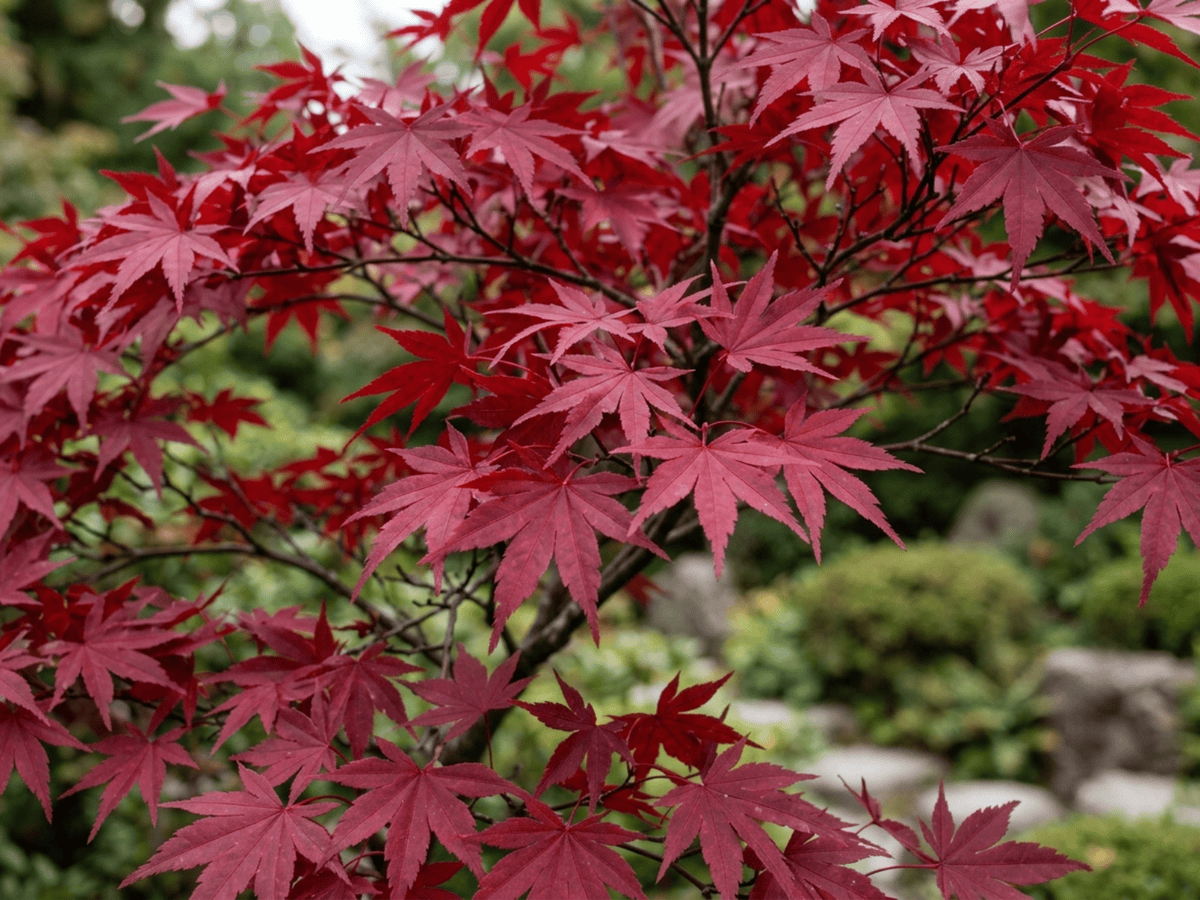 Japanese MapleAcer palmatum
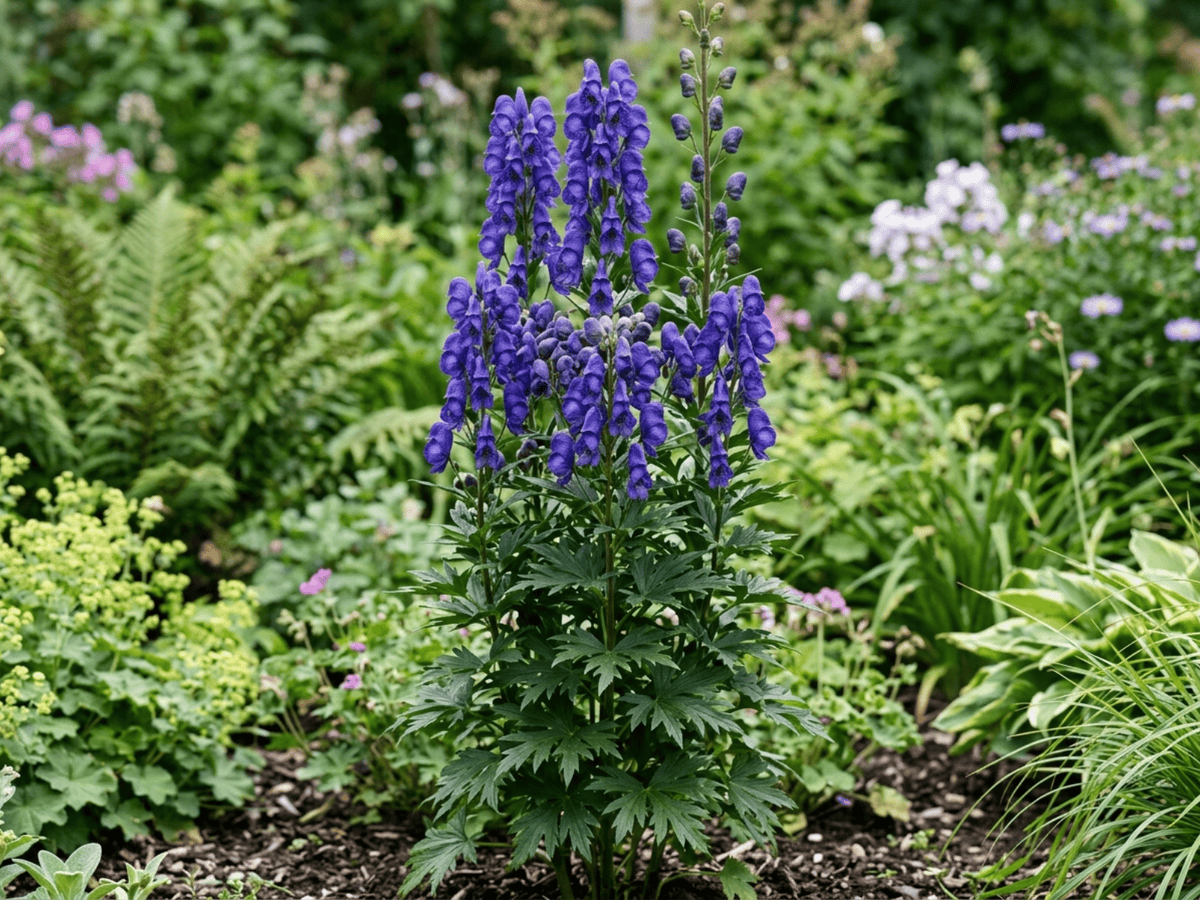 Azure MonkshoodAconitum carmichaelii
 Florida HobblebushAgarista populifolia
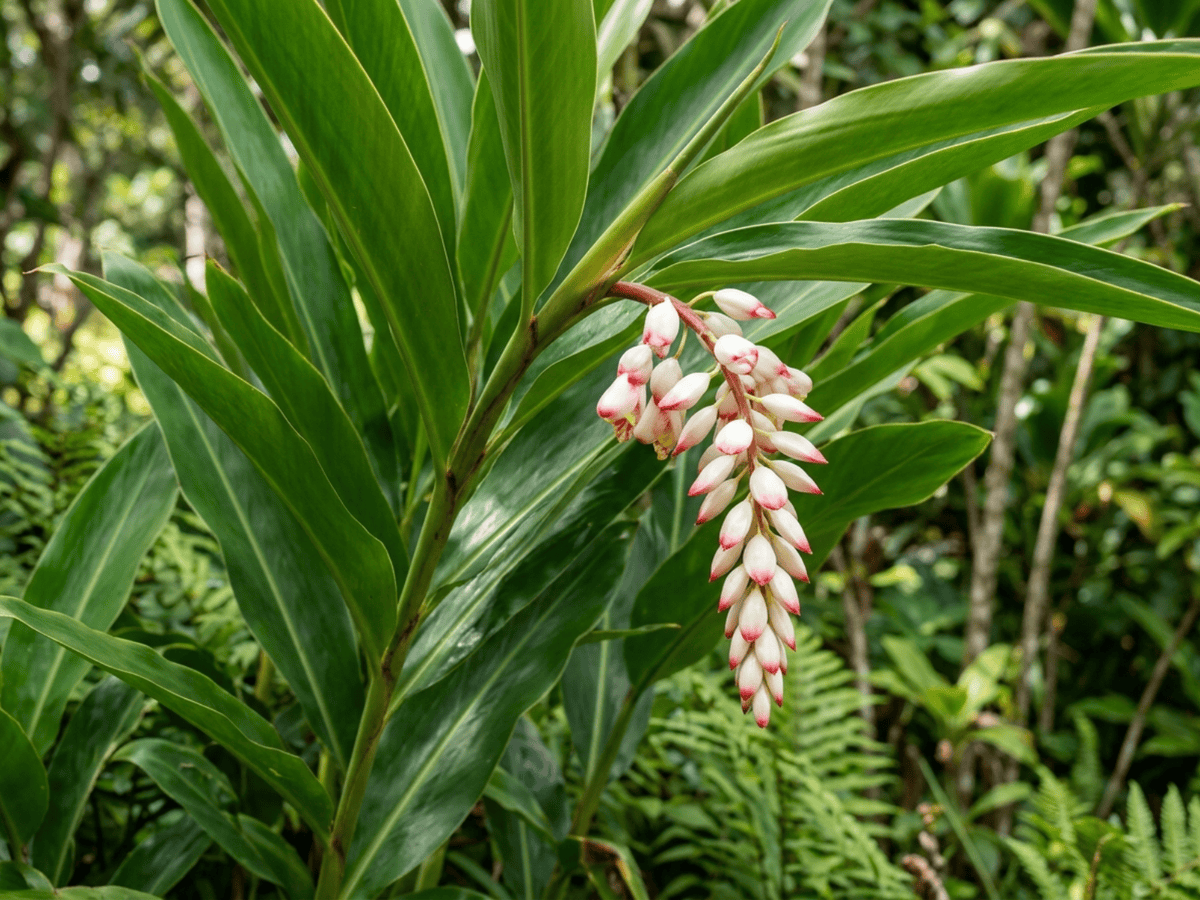 Shell GingerAlpinia zerumbet
Frequently asked questions
How often should I water Chinese Magnolia-Vine?
In summer, water about every 5 days; in winter, about every 21 days. Adjust for heat, pot size and drainage.
How much light does Chinese Magnolia-Vine need?
Part shade: 2–4 hrs direct. Watch the leaves — scorching or stretching means the light needs adjusting.
Is Chinese Magnolia-Vine toxic to cats or dogs?
Pets Slight (Dogs Slight · Cats Slight) Educational information, not medical or veterinary advice. If exposure is suspected, contact a doctor or veterinarian.
Is Chinese Magnolia-Vine easy to grow?
It is moderately demanding: a good choice once you have a little experience.
When does Chinese Magnolia-Vine bloom?
It typically blooms May–Jun in the Northern Hemisphere.
YardMate
Identify any plant in seconds
Snap a photo — YardMate names the plant, diagnoses problems, and reminds you when to water.
Download on the App Store