 YardMate

Canada Goldenrod
Solidago canadensis
Easy · Beginner friendlyAbout Canada Goldenrod
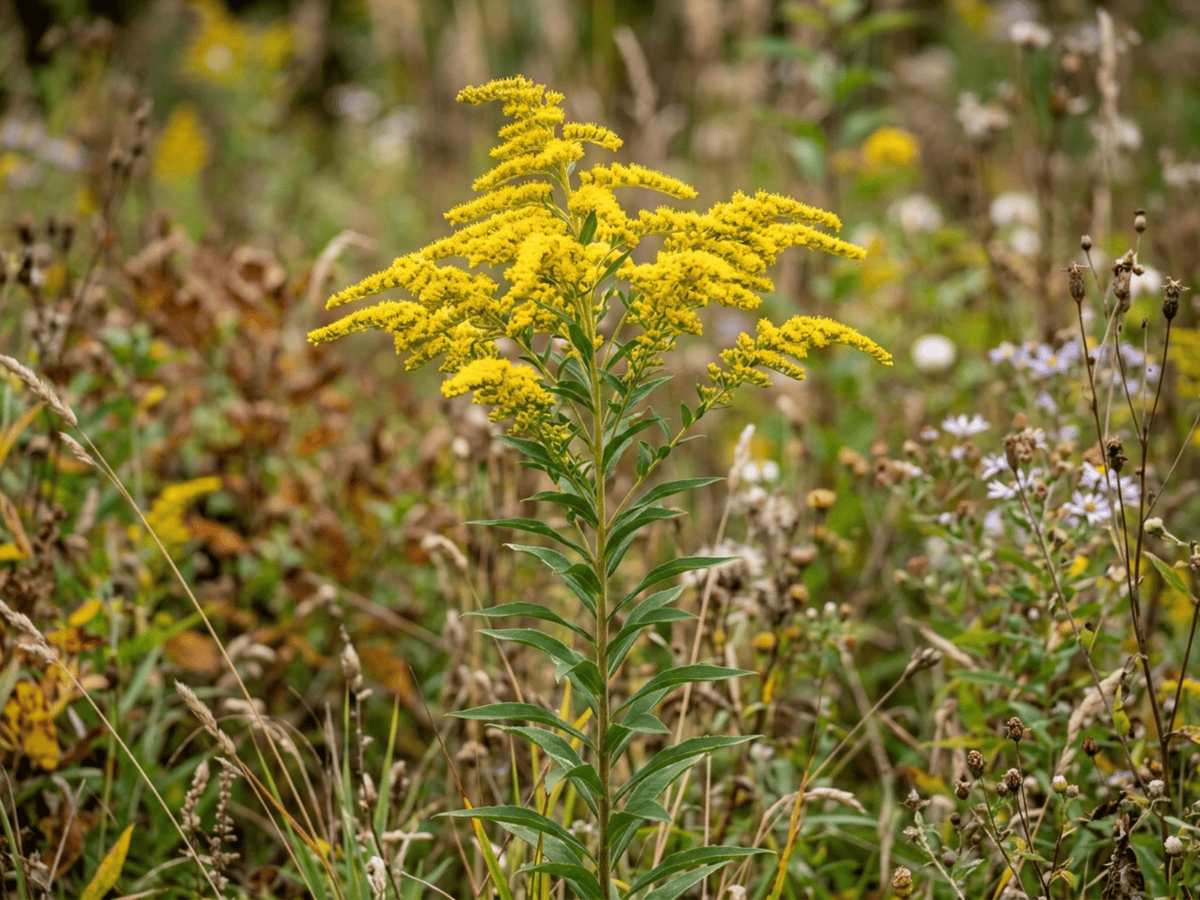
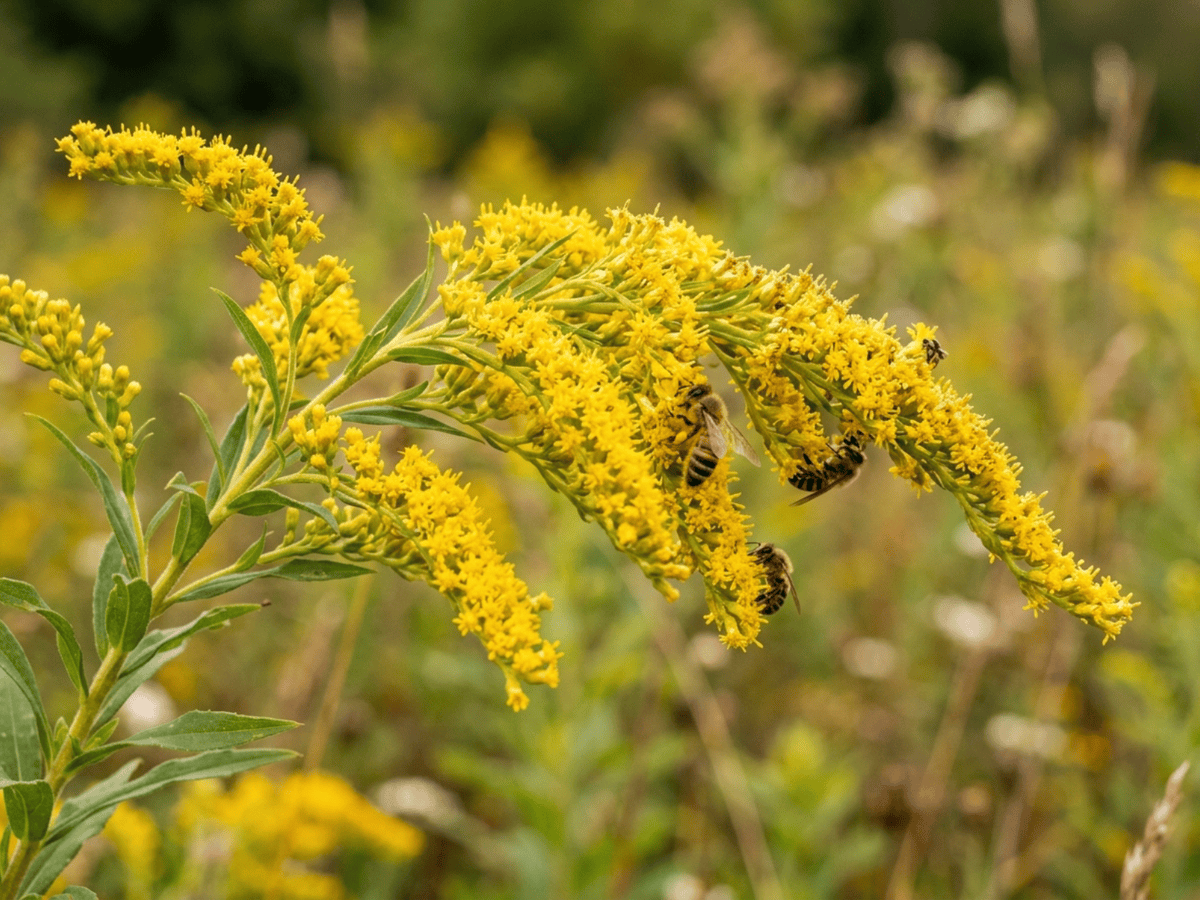
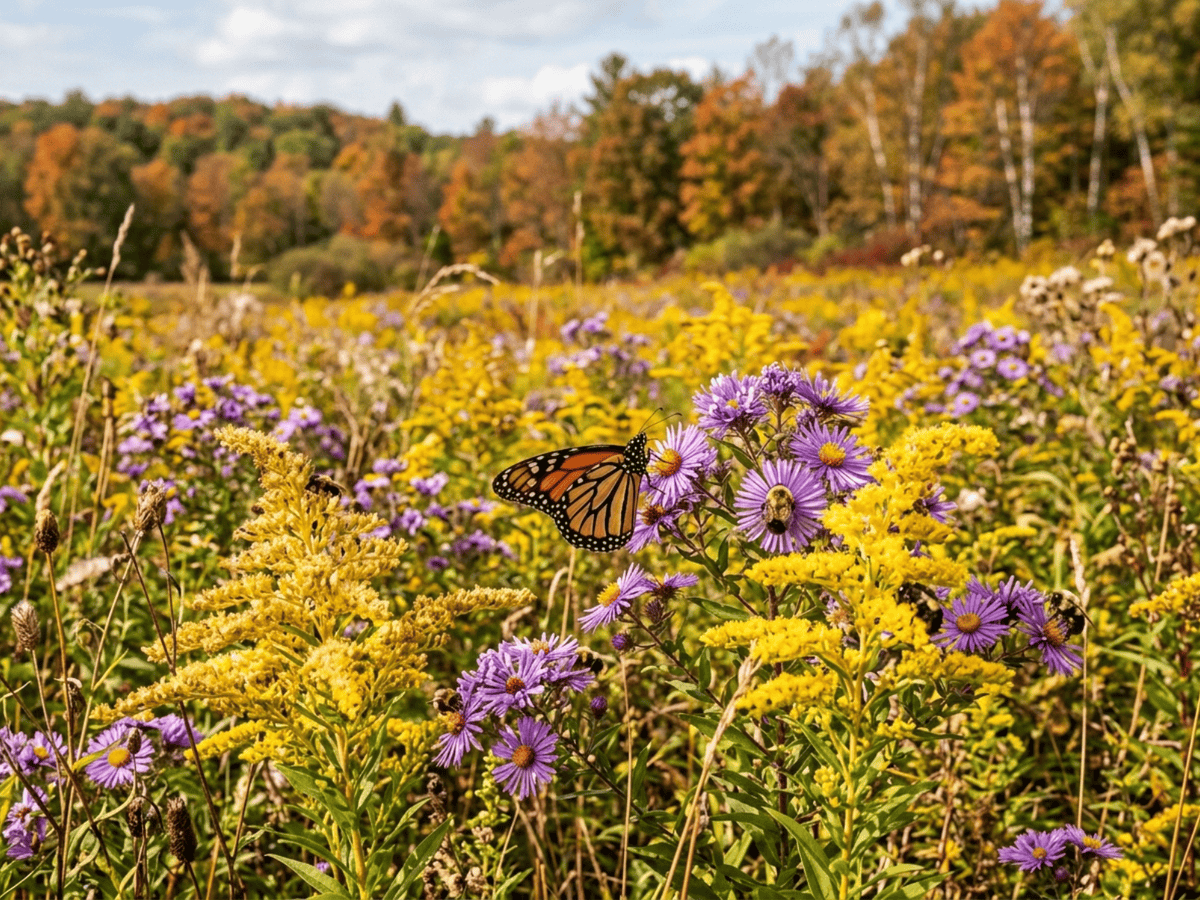
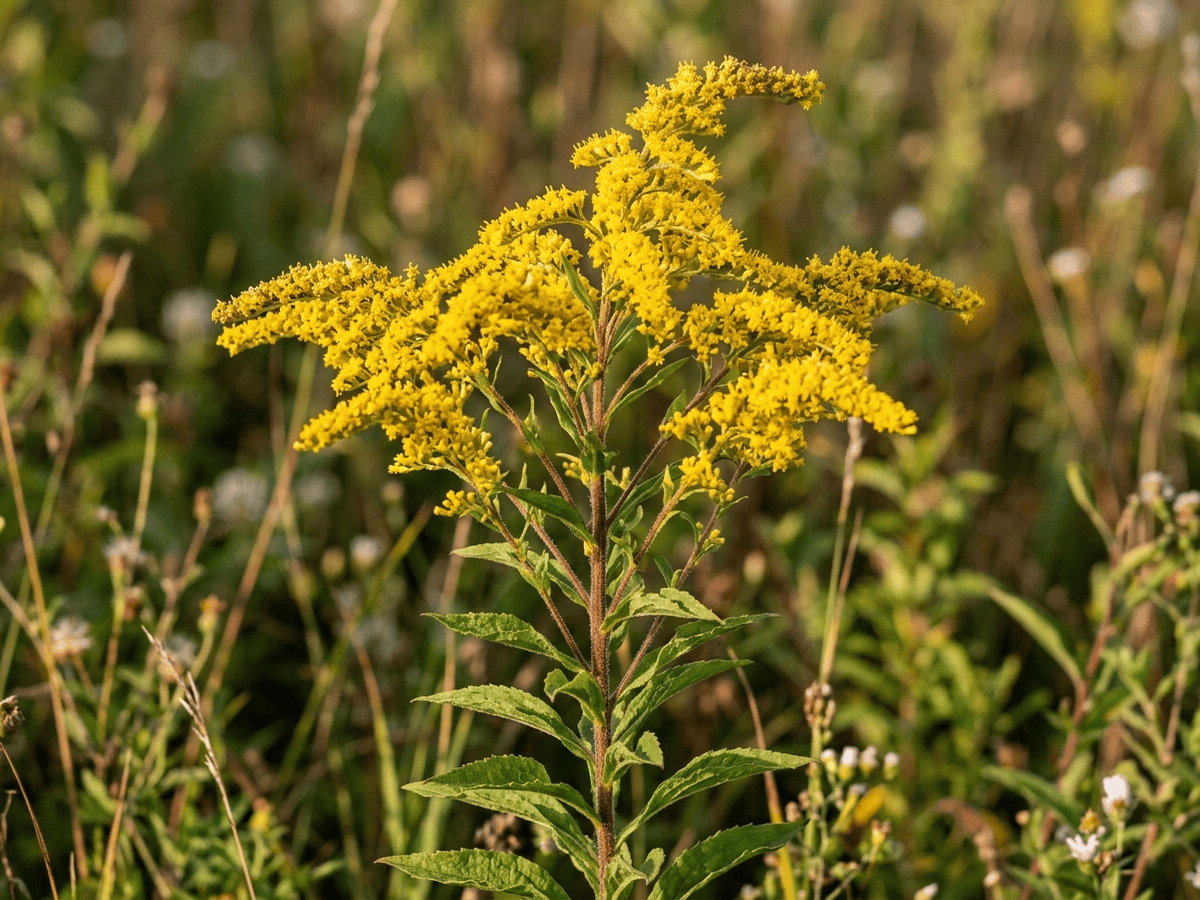
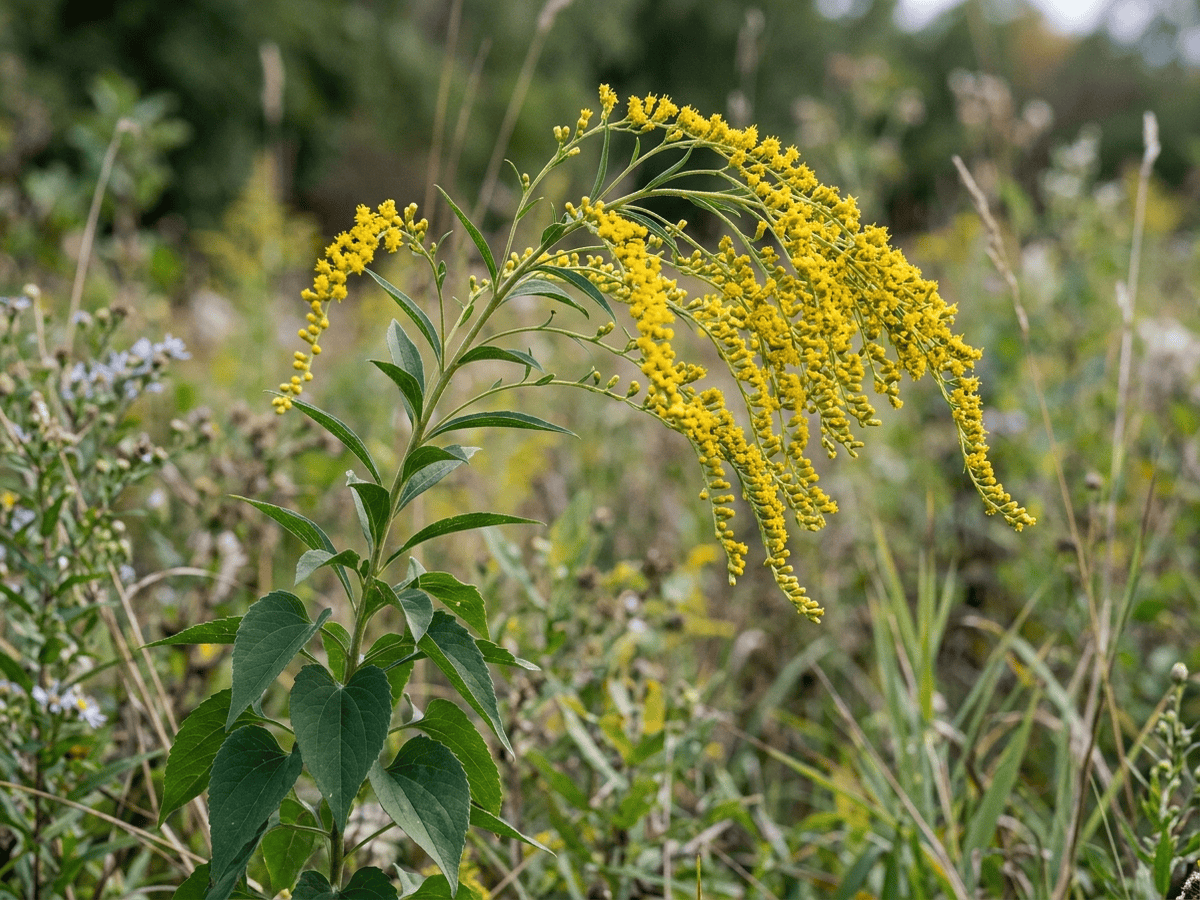
Solidago canadensis, Canada goldenrod, is a vigorous perennial wildflower native to North America. From late summer through fall, it produces arching plumes of tiny golden-yellow flowers that set entire meadows ablaze with color. Growing 60 to 150 cm tall, it spreads both by seed and by underground rhizomes, forming dense, impressive colonies. Often wrongly blamed for hay fever — the true culprit is wind-pollinated ragweed (Ambrosia), which blooms simultaneously — goldenrod is actually insect-pollinated and poses minimal allergy risk. It is one of the most important late-season nectar sources for migrating monarch butterflies, native bees, and beneficial predatory insects. The plant thrives in full sun and average to poor soil, requiring virtually no care. It can be aggressive in rich garden soil, so pairing it with equally vigorous companions like native grasses keeps it in check. Goldenrod has been used in traditional medicine, dyeing, and even rubber production research by Thomas Edison.
- Native
- Pollinator-friendly
How to care for Canada Goldenrod
Watering
- Springevery 7 days
- Summerevery 5 days
- Fallevery 14 days
- Winterevery 30 days
Soil · Well-draining
- Top dressingPine bark mulch10%
- Main mixPotting soil + perlite 2:170%
- DrainageLECA / gravel20%
Never skip the drainage layer — standing water is the top cause of root rot.
FERTILIZER
This plant needs little to no feeding.
At a Glance
- NativeNorth America
- Height3–5 ft (0.9–1.5 m)
- Spread2–3 ft (0.6–0.9 m)
- Flower colorYellow
- Foliage colorGreen
- SoilLoamy, Well-drained
- LocationsYard
Bloom time
BLOOM CYCLE
Peak bloom
Aug–Oct
Cut back by half in June (Chelsea Chop) for shorter, bushier plants; critical late-season pollinator resource
Fragrance
LIGHT FRAGRANCE
Light honey-like scent attractive to late-season pollinators.
Toxicity
No toxicity has been reported for this plant. Still, it is wise to keep pets from chewing on any houseplant.
Educational information, not medical or veterinary advice. If exposure is suspected, contact a doctor or veterinarian.
DISTRIBUTION

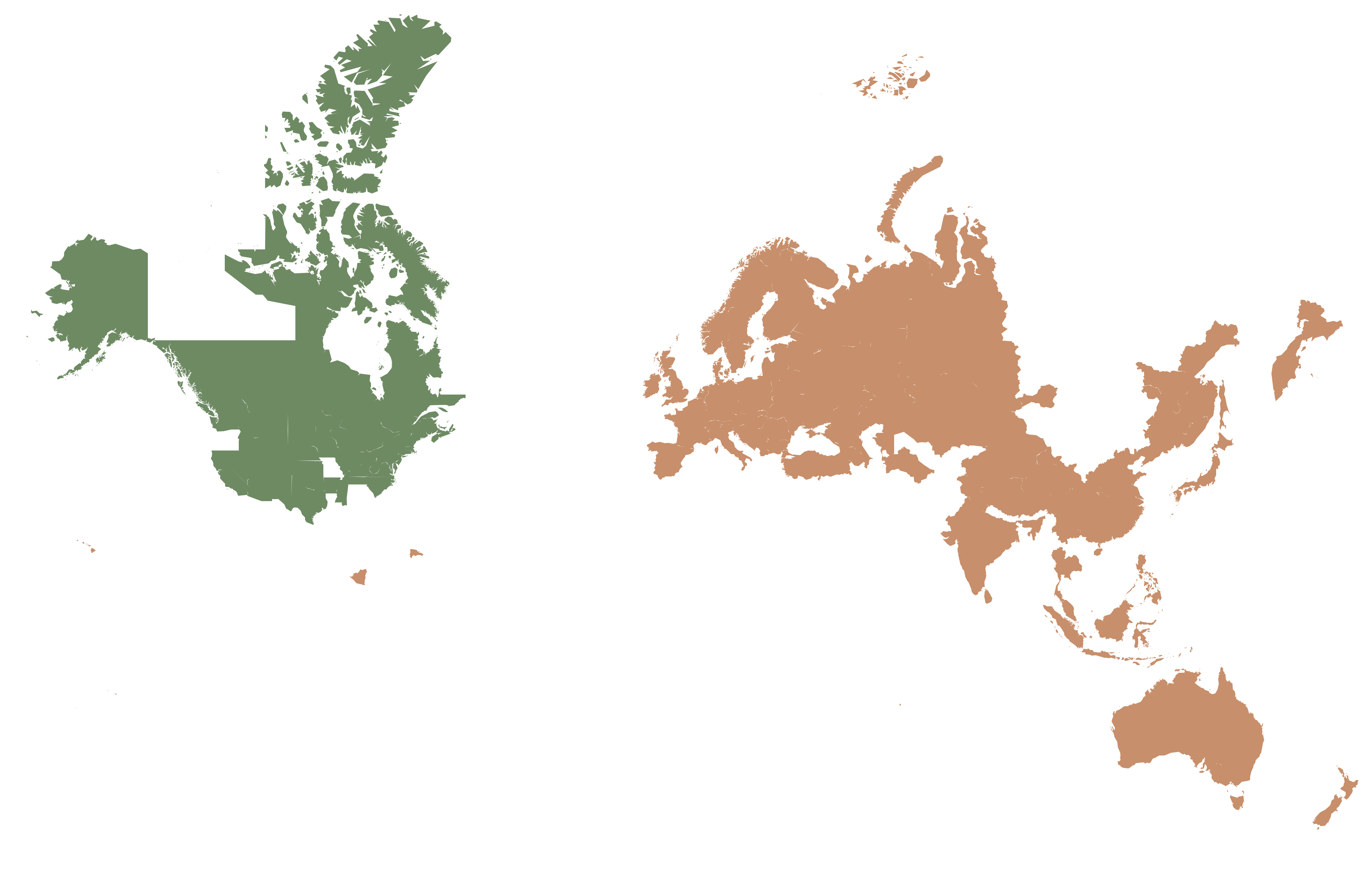
- Native
- Introduced
- North America
History
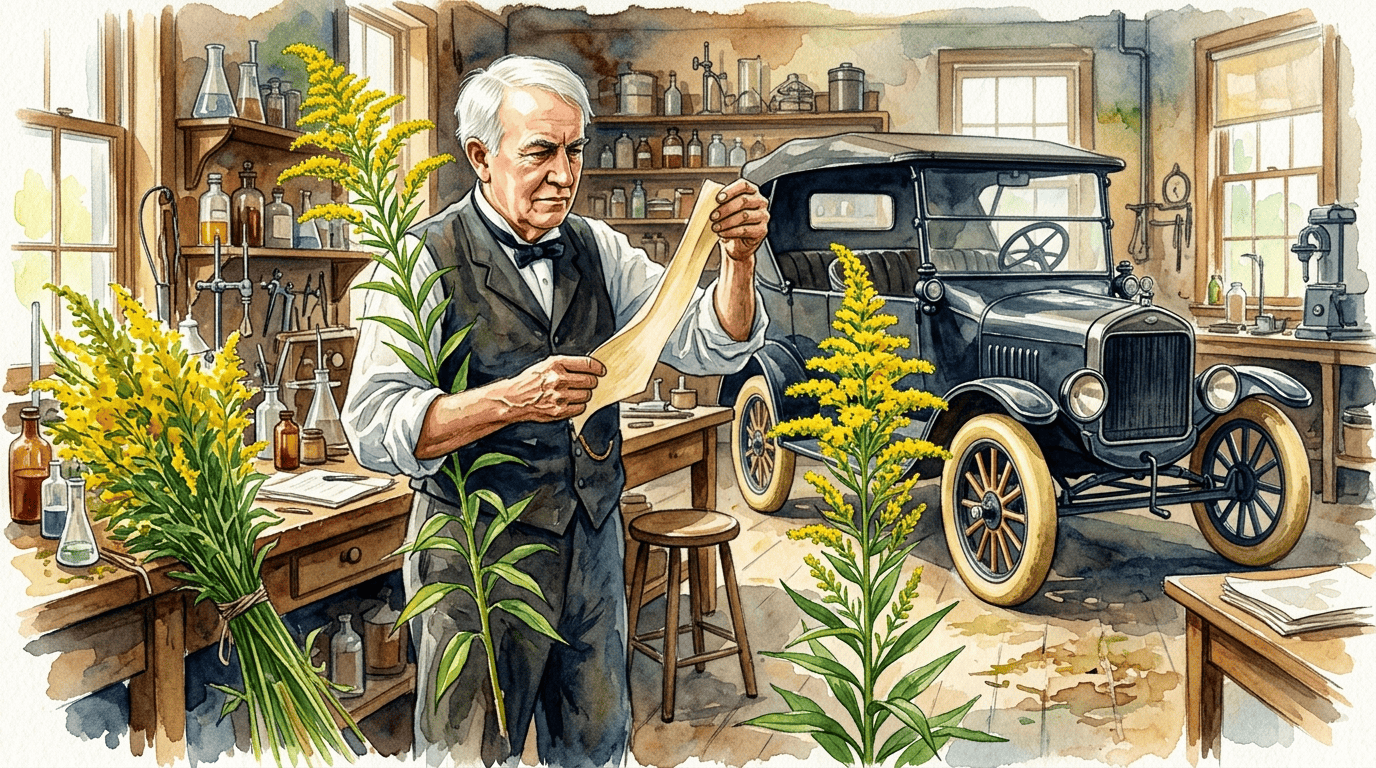
Solidago canadensis is native to most of North America and is a dominant component of late-summer and fall prairie, meadow, and roadside vegetation across the continent. It produces tall 90-180 cm plumes of small yellow daisy flowers in dense pyramidal panicles from August through October. In the late 19th and 20th centuries it was introduced to Europe as an ornamental and rapidly escaped, and it has now become one of the most serious invasive plants of central and eastern European grasslands, Japanese abandoned farmland, and parts of northeastern China — where it forms dense monocultures that exclude native vegetation and reduce pollinator diversity. Multiple European countries, Japan, and Chinese agricultural authorities have active control programs.
The species has long been unfairly blamed for autumn hay fever (seasonal allergic rhinitis): goldenrod flowers are large, yellow, insect-pollinated, and produce heavy, sticky, non-airborne pollen that does not travel far from the plant. The actual hay-fever villain is common ragweed (Ambrosia artemisiifolia), which is wind-pollinated, produces enormous quantities of small airborne pollen grains, and happens to bloom at the same time of year as goldenrod. Because ragweed's flowers are small and green while goldenrod's are large and yellow, goldenrod is visible and blamed while ragweed is invisible and guilty.
The species is a valuable late-season nectar and pollen source for native bees, wasps, and migrating monarch butterflies. Thomas Edison experimented with Solidago as a domestic rubber source during the 1920s, successfully producing rubber from goldenrod latex. Henry Ford gave Edison a Model T with goldenrod-rubber tires. The plant has been used in Native American medicine for centuries — the Ojibwe used root preparations for body pain, while Appalachian folk medicine prescribed goldenrod tea for kidney and urinary ailments. In Europe, where it was introduced as a garden ornamental, it became invasive in many countries and is now considered a problematic weed in parts of Central Europe.
Symbolism & meaning
What It Symbolizes
Canada Goldenrod offers encouragement, its bright golden plumes signaling hope and cheer as summer wanes into autumn meadows. It also stands for abundance — prolific blooming stands for harvest-time plenty and pollinator generosity, supporting countless bees and butterflies before frost. A native wildflower long unfairly blamed for ragweed's hay fever, still doing the slow autumn work of feeding the field.
- Encouragement — Its bright golden plumes signal hope and cheer as summer wanes into autumn
- Abundance — Prolific golden blooms represent harvest-time plenty and generosity
Where the Name Comes From
The common name highlights its golden coloring. Solidago comes from Latin 'solidare' meaning to make whole, an old herbal reference. Canadensis indicates its Canadian and North American origin.
Uses & Fun Facts
- Late-summer plumes mob bees, wasps, and migrating monarchs
- Seedheads feed sparrows and goldfinches into winter
- Traditional herbal tea for kidney and urinary complaints
Related plants
More Solidago plants
Plants with similar care
 Chinese AbeliaAbelia chinensis
 Fragrant AbeliaAbelia mosanensis
 Large-Flowered AbeliaAbelia uniflora
 Glossy AbeliaAbelia x grandiflora
Frequently asked questions
How often should I water Canada Goldenrod?
In summer, water about every 5 days; in winter, about every 30 days. Adjust for heat, pot size and drainage.
How much light does Canada Goldenrod need?
Full sun: 6+ hrs direct. Watch the leaves — scorching or stretching means the light needs adjusting.
Is Canada Goldenrod toxic to cats or dogs?
No toxicity has been reported for this plant. Still, it is wise to keep pets from chewing on any houseplant. Educational information, not medical or veterinary advice. If exposure is suspected, contact a doctor or veterinarian.
Is Canada Goldenrod easy to grow?
Yes — it is considered an easy, beginner-friendly plant.
When does Canada Goldenrod bloom?
It typically blooms Aug–Oct in the Northern Hemisphere.
YardMate
Identify any plant in seconds
Snap a photo — YardMate names the plant, diagnoses problems, and reminds you when to water.
Download on the App Store