 YardMate

Autumn Goldenrod
Solidago sphacelata
Easy · Beginner friendlyAbout Autumn Goldenrod
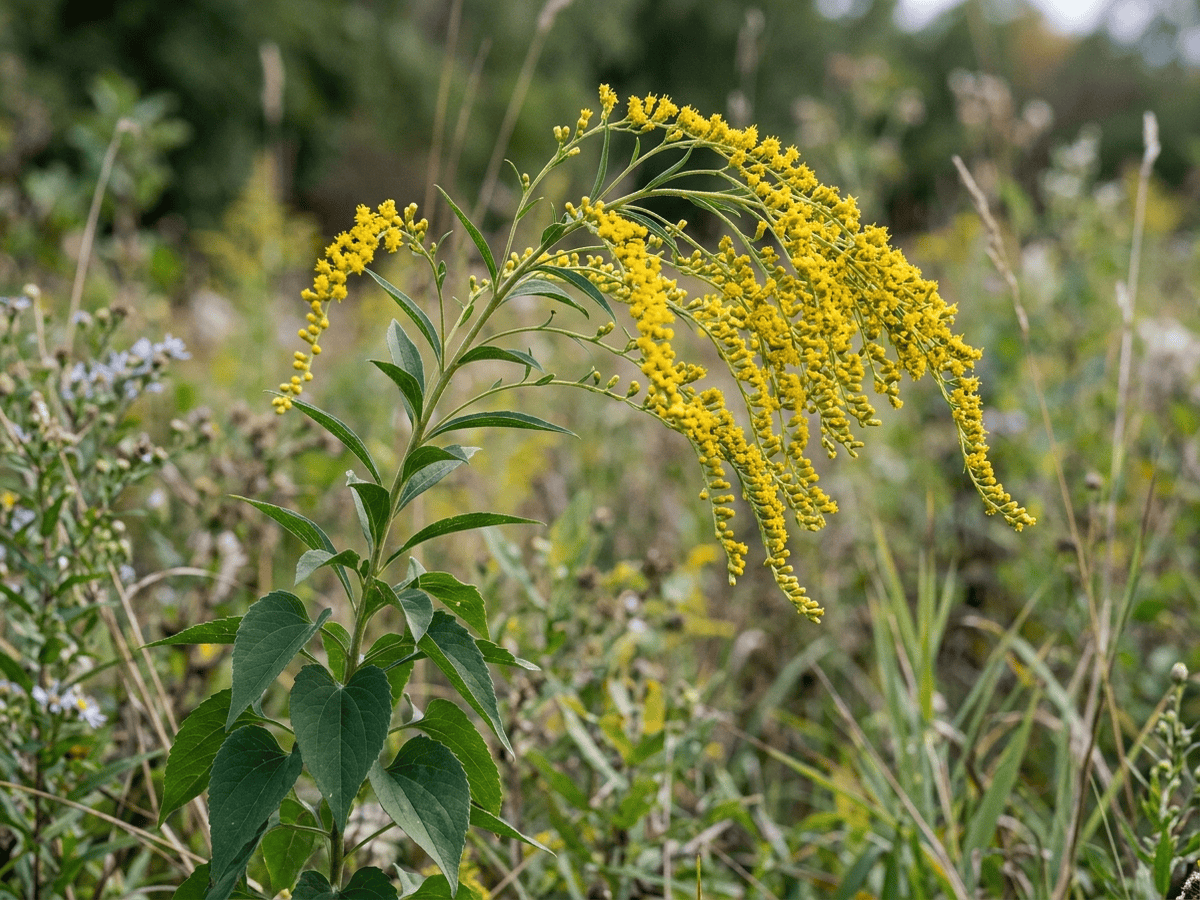
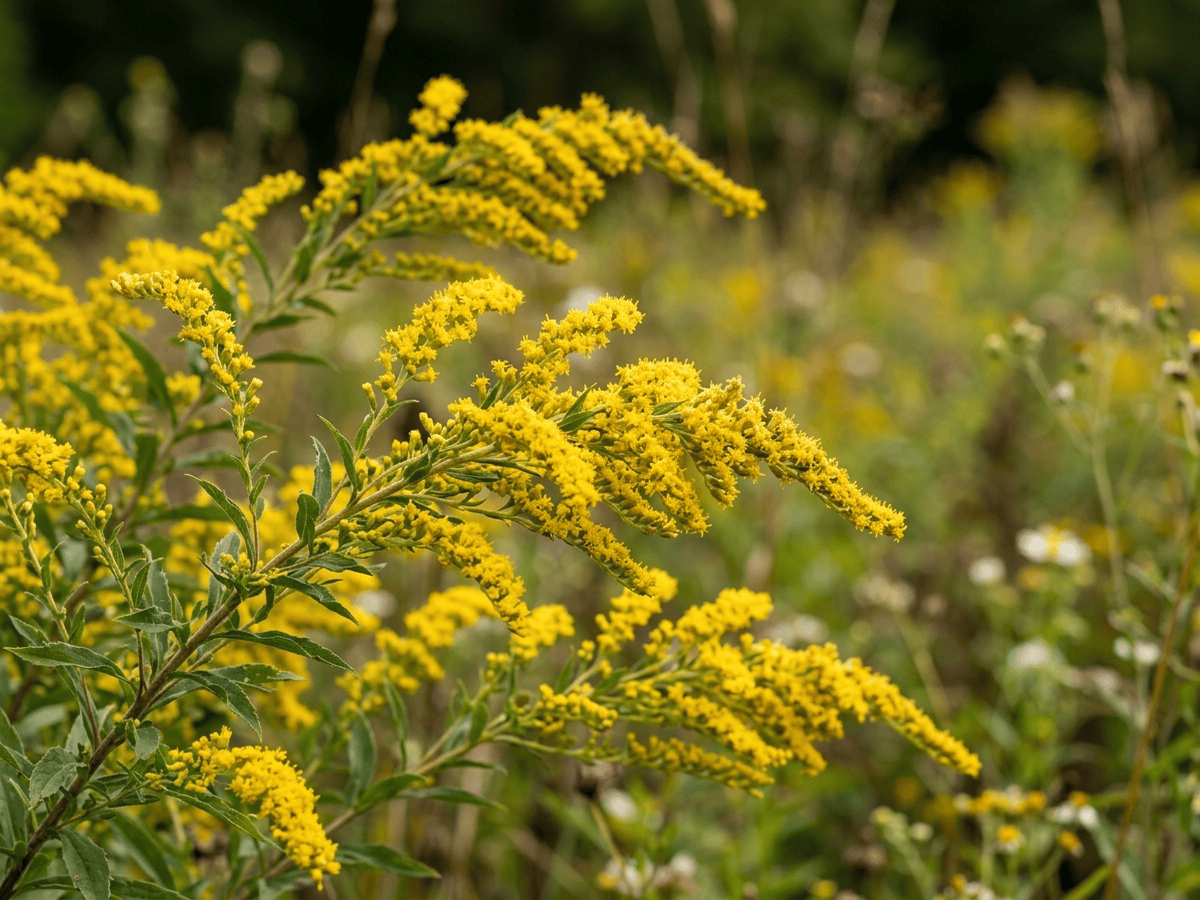
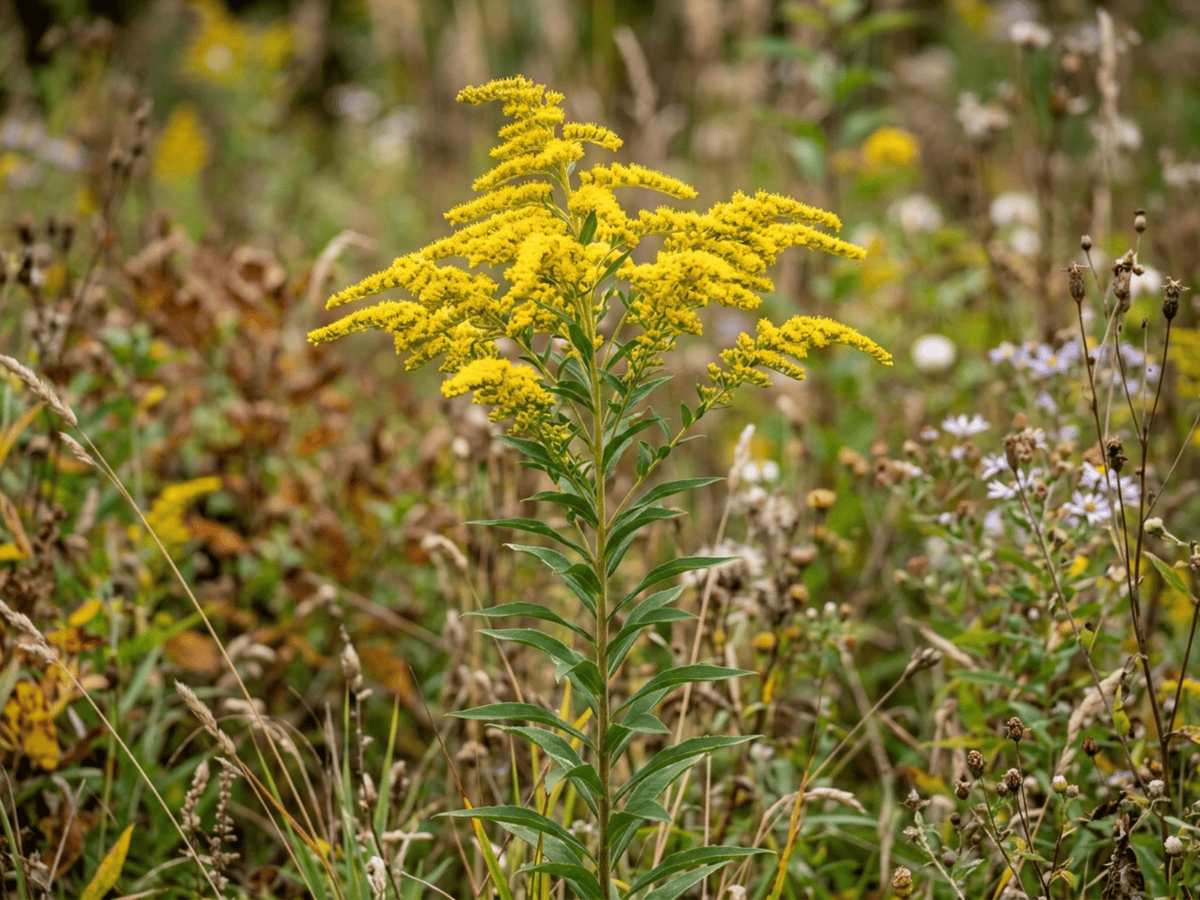
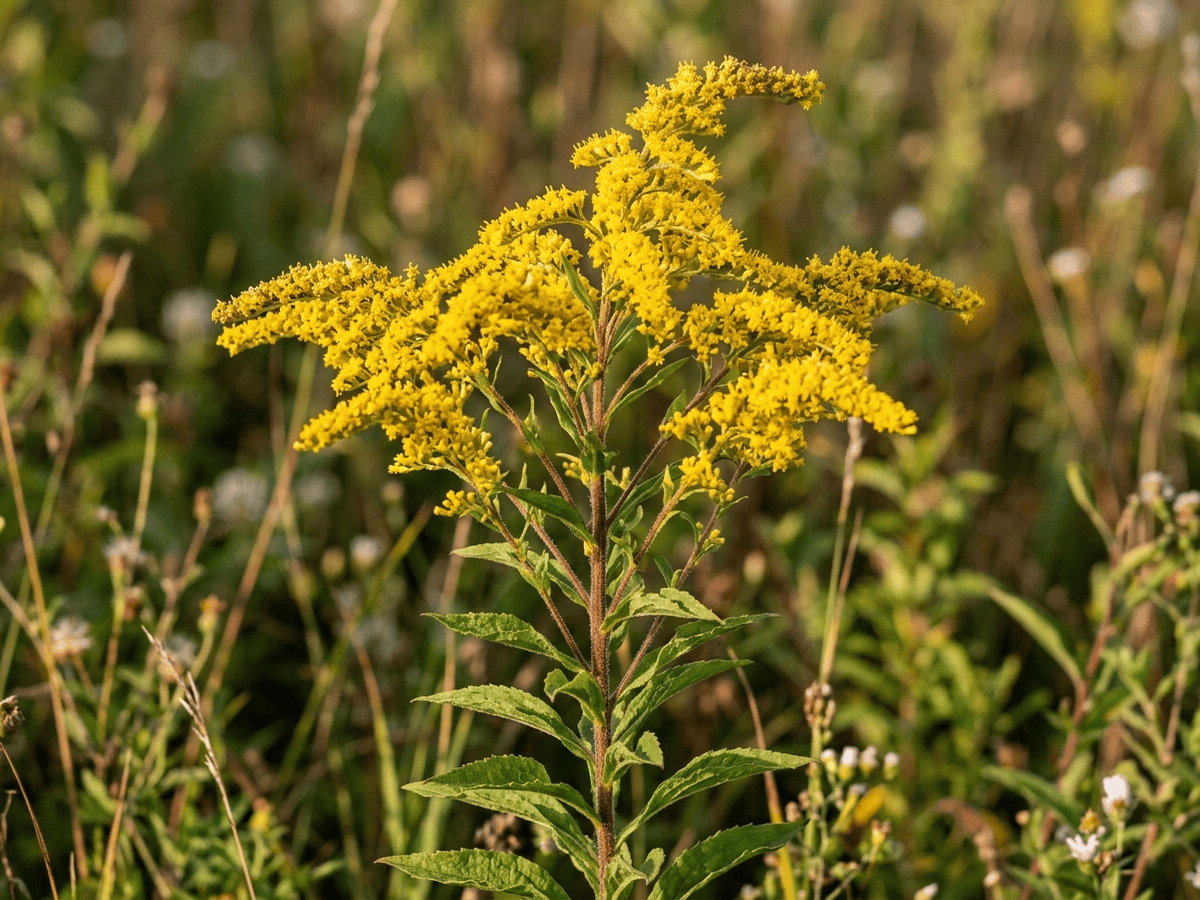
Autumn Goldenrod is a southeastern US native perennial producing arching wands of tiny bright golden-yellow flowers in early to mid fall. Growing 18 to 36 inches tall with heart-shaped basal leaves, it forms clumps that spread slowly by rhizomes. The 'Golden Fleece' cultivar transformed this humble native into a garden standout for American pollinator and meadow plantings.
- Drought-tolerant
- Deer-resistant
- Native
- Pollinator-friendly
How to care for Autumn Goldenrod
Watering
- Springevery 7 days
- Summerevery 5 days
- Fallevery 7 days
- Winterevery 14 days
Soil · Well-draining
- Top dressingPine bark mulch10%
- Main mixPotting soil + perlite 2:170%
- DrainageLECA / gravel20%
Never skip the drainage layer — standing water is the top cause of root rot.
FERTILIZER
- Springevery 45 days
- Summerevery 60 days
At a Glance
- NativeNorth America
- Height1.5–3 ft (0.5–0.9 m)
- Spread1.5–2.5 ft (0.5–0.8 m)
- Flower colorYellow
- Foliage colorGreen
- SoilLoamy, Well-drained
- LocationsYard
Bloom time
BLOOM CYCLE
Peak bloom
Sep–Oct
Arching golden wands September into October
Fragrance
LIGHT FRAGRANCE
Flowers lightly honey-scented to pollinators; barely perceptible to humans.
Toxicity
No toxicity has been reported for this plant. Still, it is wise to keep pets from chewing on any houseplant.
Educational information, not medical or veterinary advice. If exposure is suspected, contact a doctor or veterinarian.
DISTRIBUTION


- Native
- North America
History
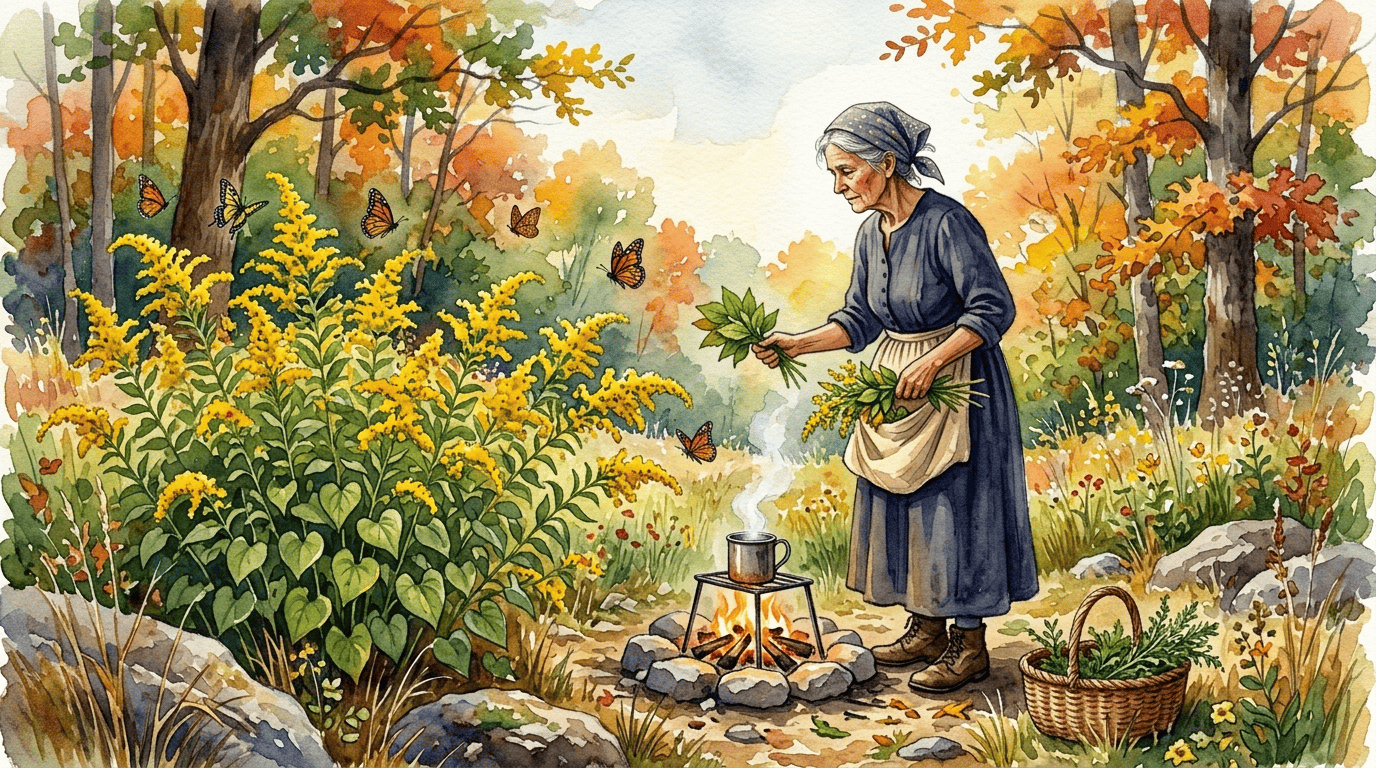
Solidago sphacelata, autumn or false goldenrod, inhabits limestone glades, river bluffs, and open woodlands across Kentucky, Tennessee, and neighboring states. Rafinesque published the species in 1820. Southern Appalachian herbalists historically steeped the leaves to treat sore throats and poulticed them on wounds, following general folk uses of goldenrod.
The species was little known in horticulture until 1985, when Mt. Cuba Center in Delaware selected a compact, heart-leaved clone and introduced it as 'Golden Fleece', which became one of the Perennial Plant Association's most widely grown goldenrods. Unlike many rangier species, it forms a tidy mound and spreads modestly by rhizomes, making it a popular small-garden choice for bees, butterflies, and fall color.
Native to the southeastern US Appalachian region. The 'Golden Fleece' cultivar selected by American nurseryman John Elsley in the 1980s earned a Pennsylvania Horticultural Society Gold Medal in 1992, helping rehabilitate the reputation of native goldenrods in American gardens.
Symbolism & meaning
What It Symbolizes
Autumn Goldenrod brings good fortune at the season's close — wand-like golden plumes long associated with wealth and prosperity in folk tradition, lighting the late border. Its arching grace distinguishes its from it ranker prairie cousins, an elegant goldenrod that earns space in formal gardens. It is the plant that proves the year's last gold can be kinder, more refined, than the year's first.
- Good fortune — gold flowers symbolize wealth
- Arching grace — wand-like golden plumes
Where the Name Comes From
The common name highlights its golden coloring. 'Solidago' comes from Latin elements meaning to make whole, an old herbal reference; 'sphacelata' from Greek means gangrenous, an obscure reference to leaf marking.
Uses & Fun Facts
- Golden fall flowers feed migrating monarchs and native bees
- Native perennial for autumn borders and pollinator meadows
- Slow rhizomes form clumps suitable for rock garden edges
Related plants
More Solidago plants
Plants with similar care
 Chinese AbeliaAbelia chinensis
 Fragrant AbeliaAbelia mosanensis
 Large-Flowered AbeliaAbelia uniflora
 Glossy AbeliaAbelia x grandiflora
Frequently asked questions
How often should I water Autumn Goldenrod?
In summer, water about every 5 days; in winter, about every 14 days. Adjust for heat, pot size and drainage.
How much light does Autumn Goldenrod need?
Full sun: 6+ hrs direct. Watch the leaves — scorching or stretching means the light needs adjusting.
Is Autumn Goldenrod toxic to cats or dogs?
No toxicity has been reported for this plant. Still, it is wise to keep pets from chewing on any houseplant. Educational information, not medical or veterinary advice. If exposure is suspected, contact a doctor or veterinarian.
Is Autumn Goldenrod easy to grow?
Yes — it is considered an easy, beginner-friendly plant.
When does Autumn Goldenrod bloom?
It typically blooms Sep–Oct in the Northern Hemisphere.
YardMate
Identify any plant in seconds
Snap a photo — YardMate names the plant, diagnoses problems, and reminds you when to water.
Download on the App Store