 YardMate

Common Wrinkle-Leaved Goldenrod
Solidago rugosa
Easy · Beginner friendlyAbout Common Wrinkle-Leaved Goldenrod
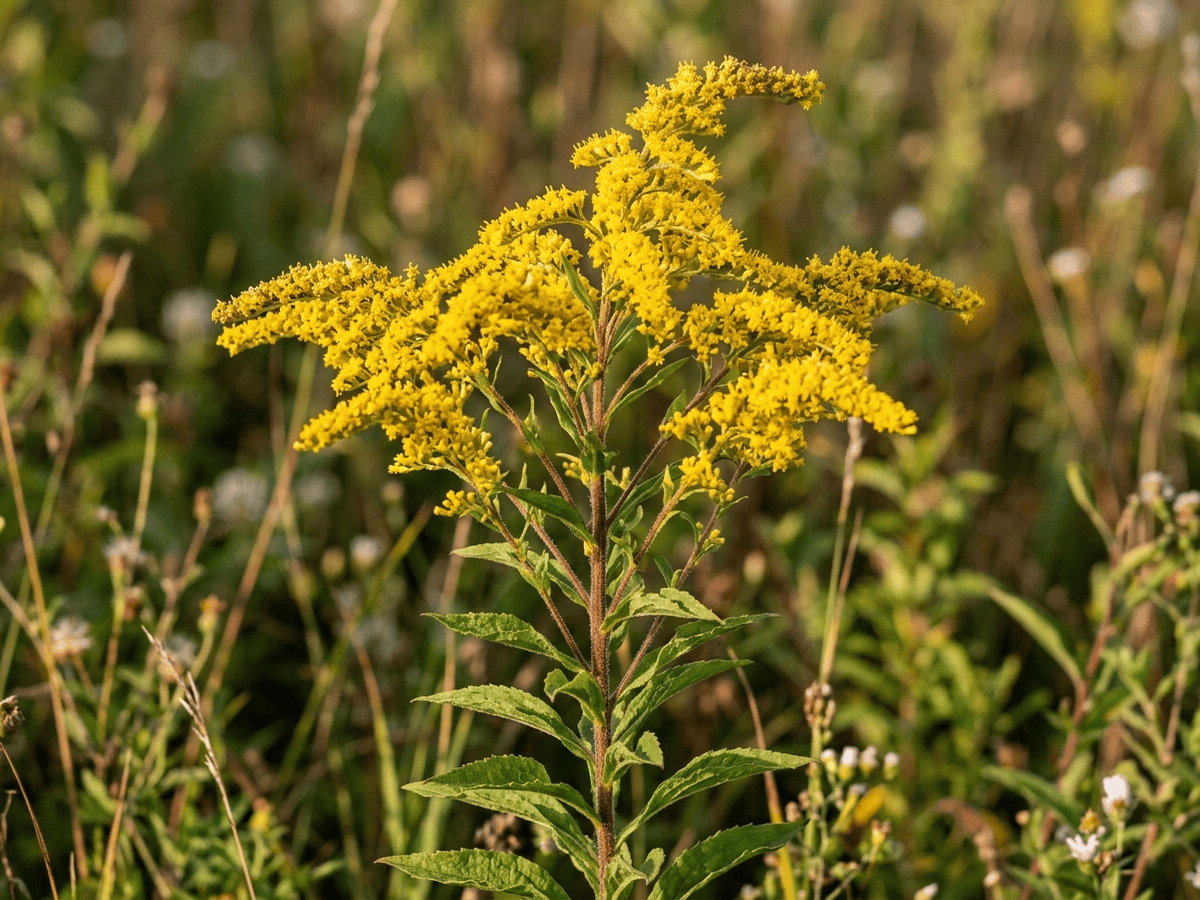
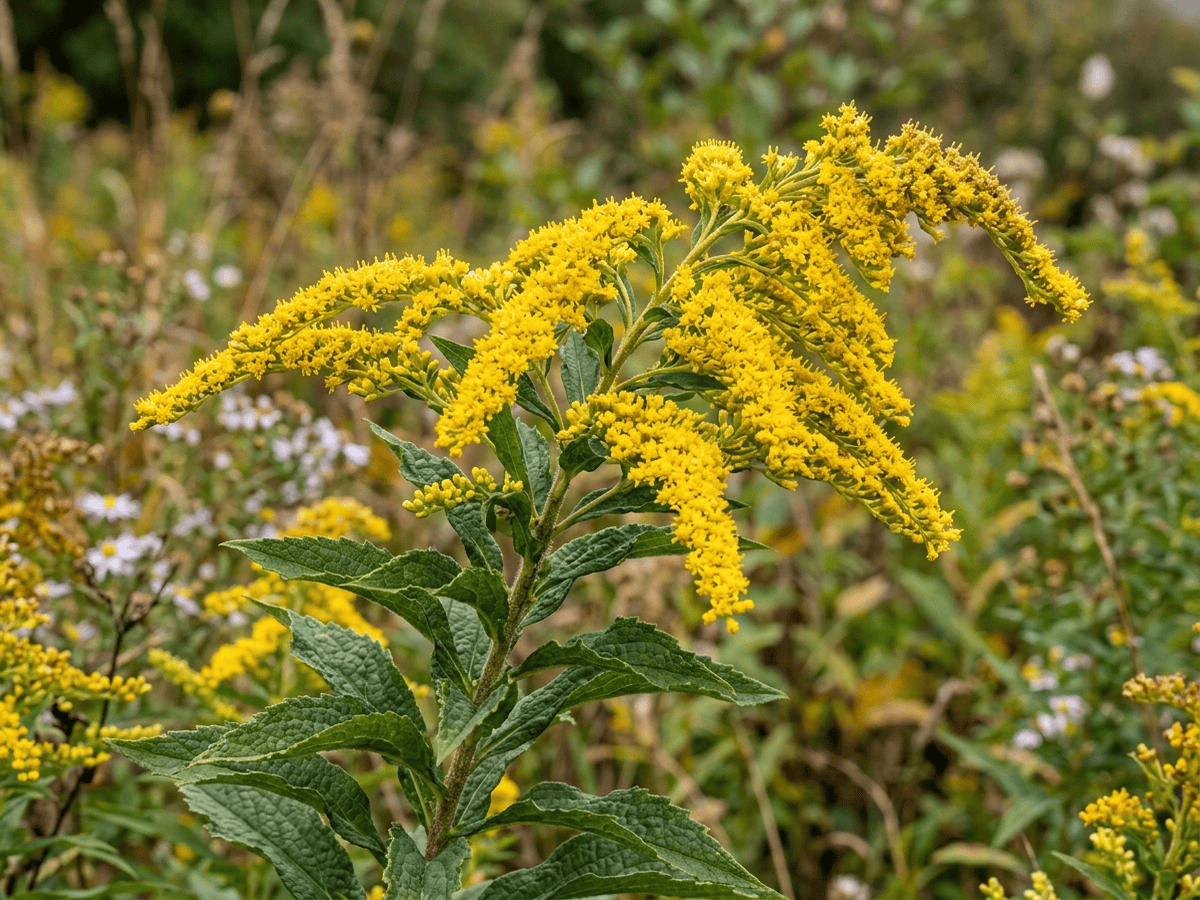
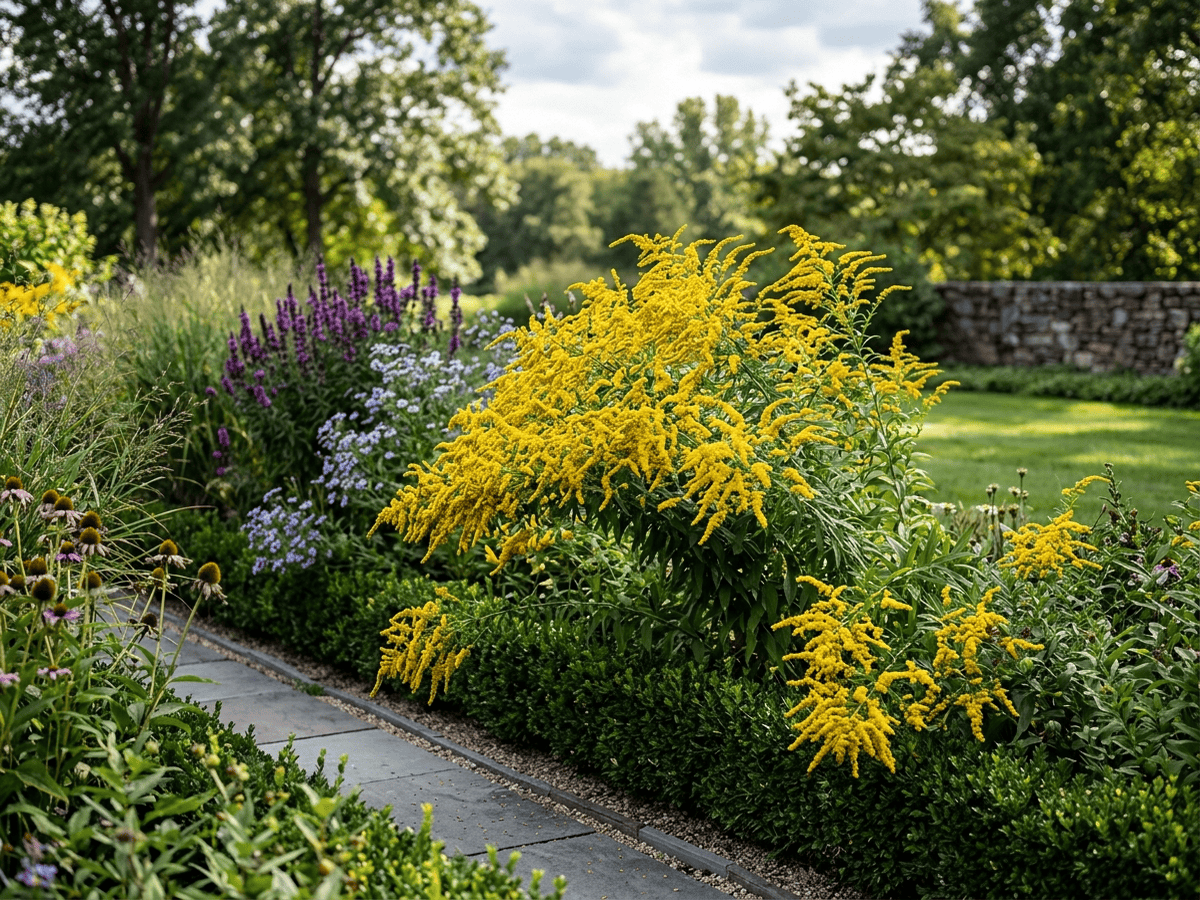
Wrinkleleaf Goldenrod is an eastern North American native perennial producing massive sprays of tiny golden-yellow flowers on arching stems in early fall. Growing 2 to 5 feet tall with rough wrinkled leaves, it forms spreading clumps ideal for naturalistic plantings. The 'Fireworks' cultivar has become one of the most celebrated American native perennials, winning PHS Gold Medal and Perennial Plant of the Year in 2003.
- Drought-tolerant
- Architectural
- Native
- Pollinator-friendly
How to care for Common Wrinkle-Leaved Goldenrod
Watering
- Springevery 5 days
- Summerevery 3 days
- Fallevery 7 days
- Winterevery 14 days
Soil · Well-draining
- Top dressingPine bark mulch10%
- Main mixPotting soil + perlite 2:170%
- DrainageLECA / gravel20%
Never skip the drainage layer — standing water is the top cause of root rot.
FERTILIZER
- Springevery 45 days
- Summerevery 60 days
At a Glance
- NativeNorth America
- Height3–5 ft (0.9–1.5 m)
- Spread2–3 ft (0.6–0.9 m)
- Flower colorYellow
- Foliage colorGreen
- SoilWell-drained, Loamy
- LocationsYard
Bloom time
BLOOM CYCLE
Peak bloom
Sep–Oct
Arching firework-like golden sprays September to October
Fragrance
LIGHT FRAGRANCE
Flowers mildly honey-sweet; foliage faintly anise-like when crushed.
Toxicity
No toxicity has been reported for this plant. Still, it is wise to keep pets from chewing on any houseplant.
Educational information, not medical or veterinary advice. If exposure is suspected, contact a doctor or veterinarian.
DISTRIBUTION

- Native
- Introduced
- North America
History
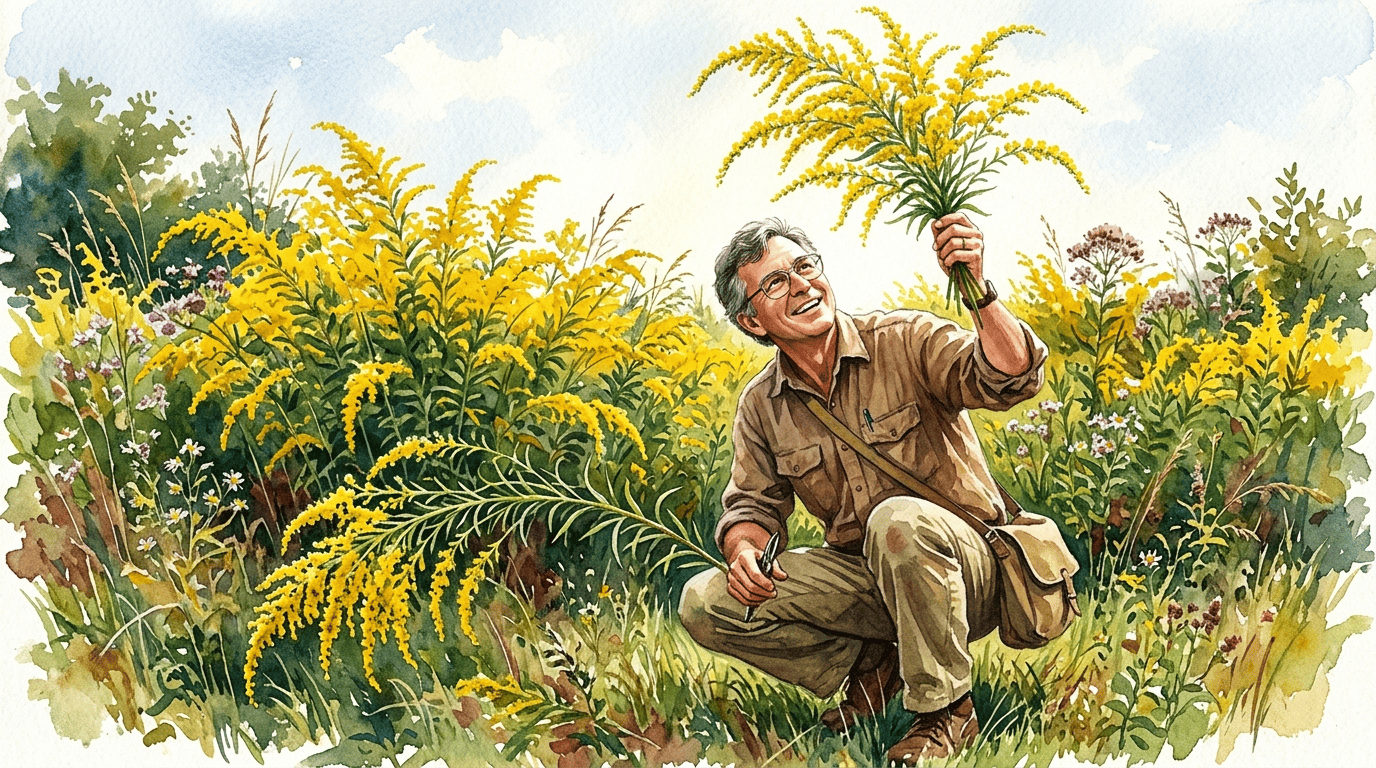
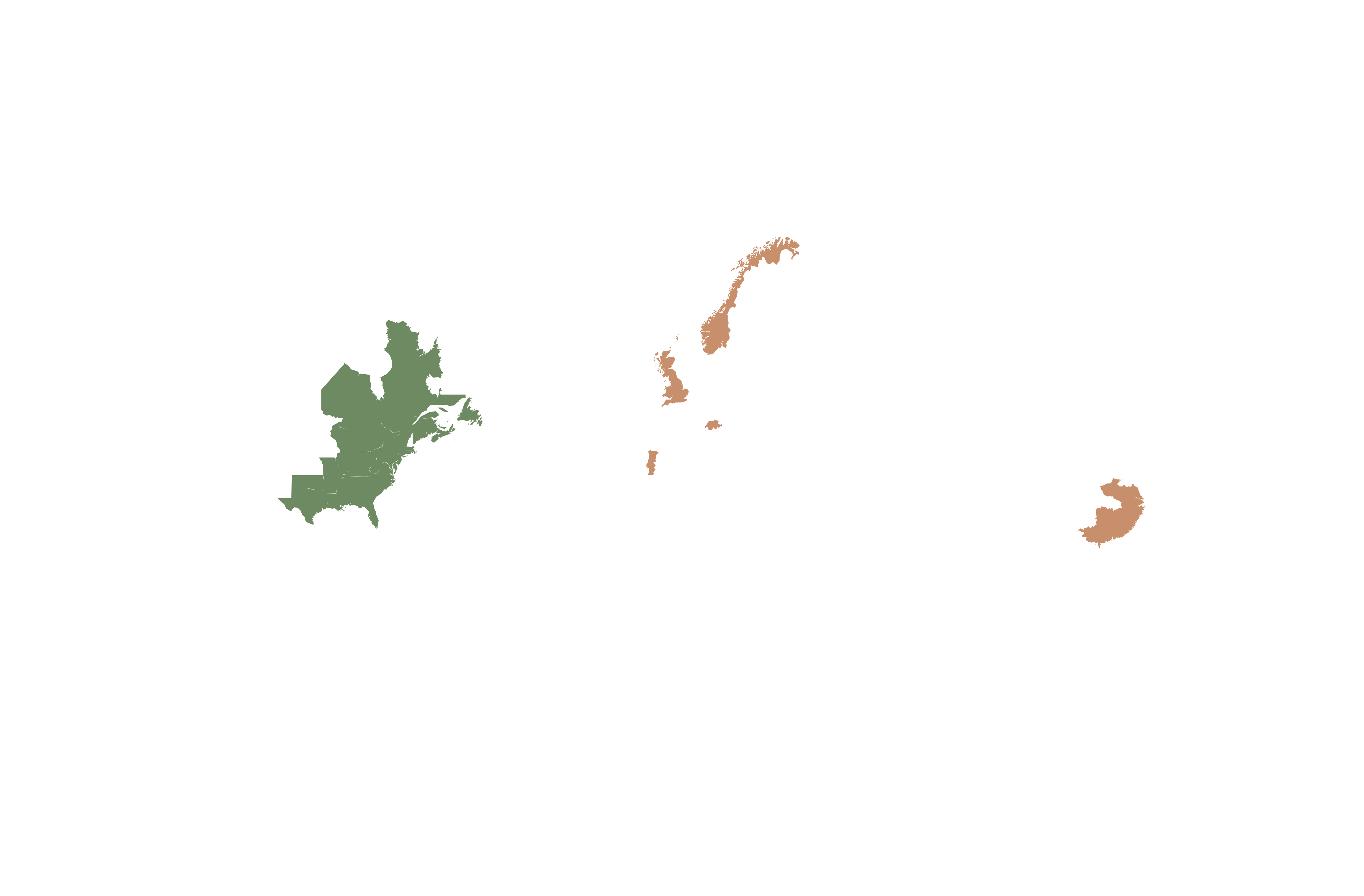
Solidago rugosa ranges across wet meadows, roadsides, and old fields from Newfoundland to Texas. Miller described it in 1768. Iroquois infusions of the roots treated bladder complaints, and the Cherokee used it for colds and fevers.
European beekeepers imported goldenrods in the 1700s as late-season nectar plants. The species' horticultural breakthrough came in 1988, when Ken Moore of the North Carolina Botanical Garden collected a striking arching form in Wilmington. Released in 1993 as 'Fireworks', its cascading yellow plumes transformed perennial borders and earned multiple Plant-of-the-Year awards. It has since become one of the most planted native perennials in North American public landscapes and naturalistic designs. The 'Fireworks' cultivar selected by Mount Cuba Center in the 1990s became the celebrated poster child for American native goldenrods, helping convince gardeners these plants belong in formal borders not just wild edges.
Symbolism & meaning
What It Symbolizes
Common Wrinkle-Leaved Goldenrod offers encouragement just as autumn begins to fade, its bright gold rays cheering the shortening days. Firework grace shapes its arching plumes, which spray outward like slow-motion golden sparks at the close of the gardening year. Its meaning is the timely lift of color when the garden most needs it — a native cheerleader for the long slow descent into winter.
- Encouragement — bright gold cheers fading autumn
- Firework grace — arching rays like golden fireworks
Where the Name Comes From
The common name highlights its golden coloring. 'rugosa' from Latin means wrinkled, for the distinctive rough wrinkled foliage texture.
Uses & Fun Facts
- Late-season yellow plumes feed migrating monarchs and bees
- Arching golden sprays brighten autumn native borders
- Seeds and stems shelter overwintering native insects
Related plants
More Solidago plants
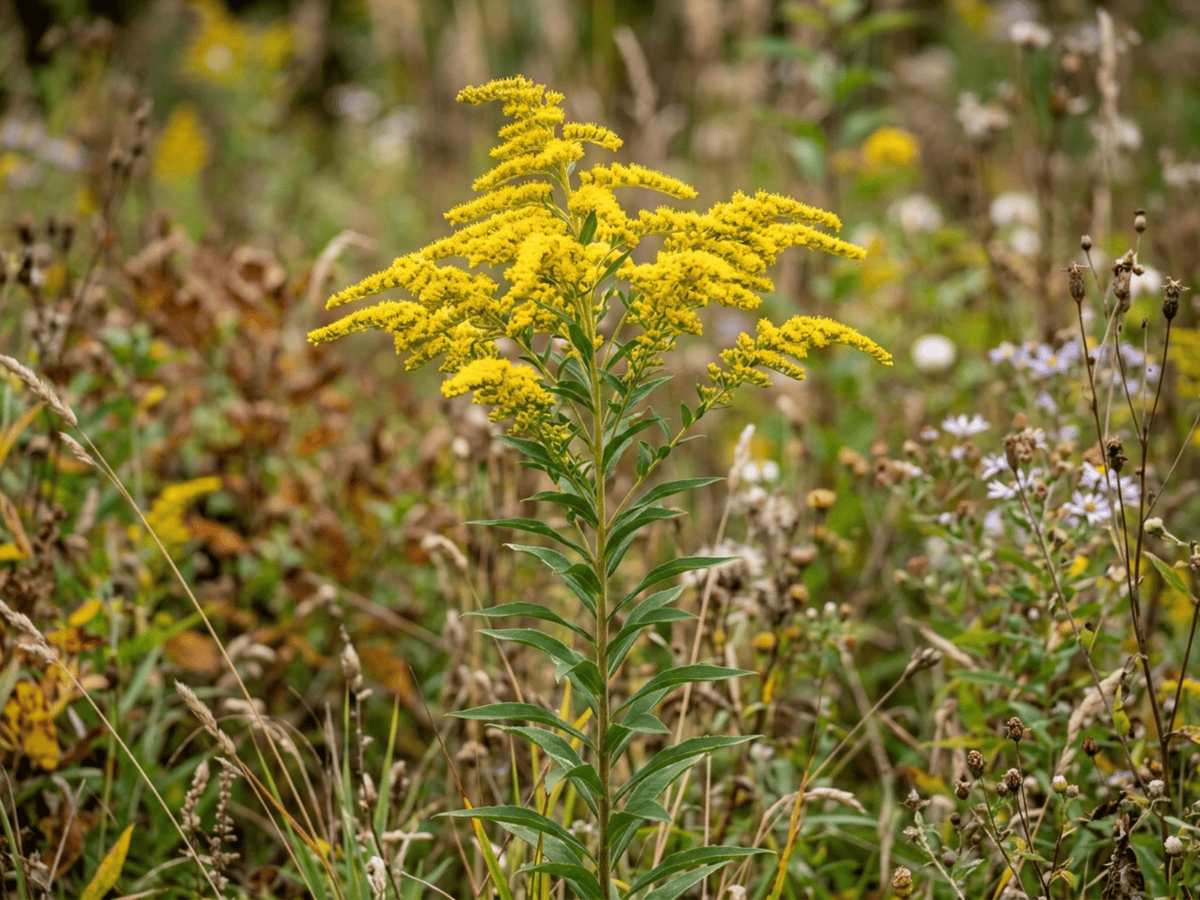
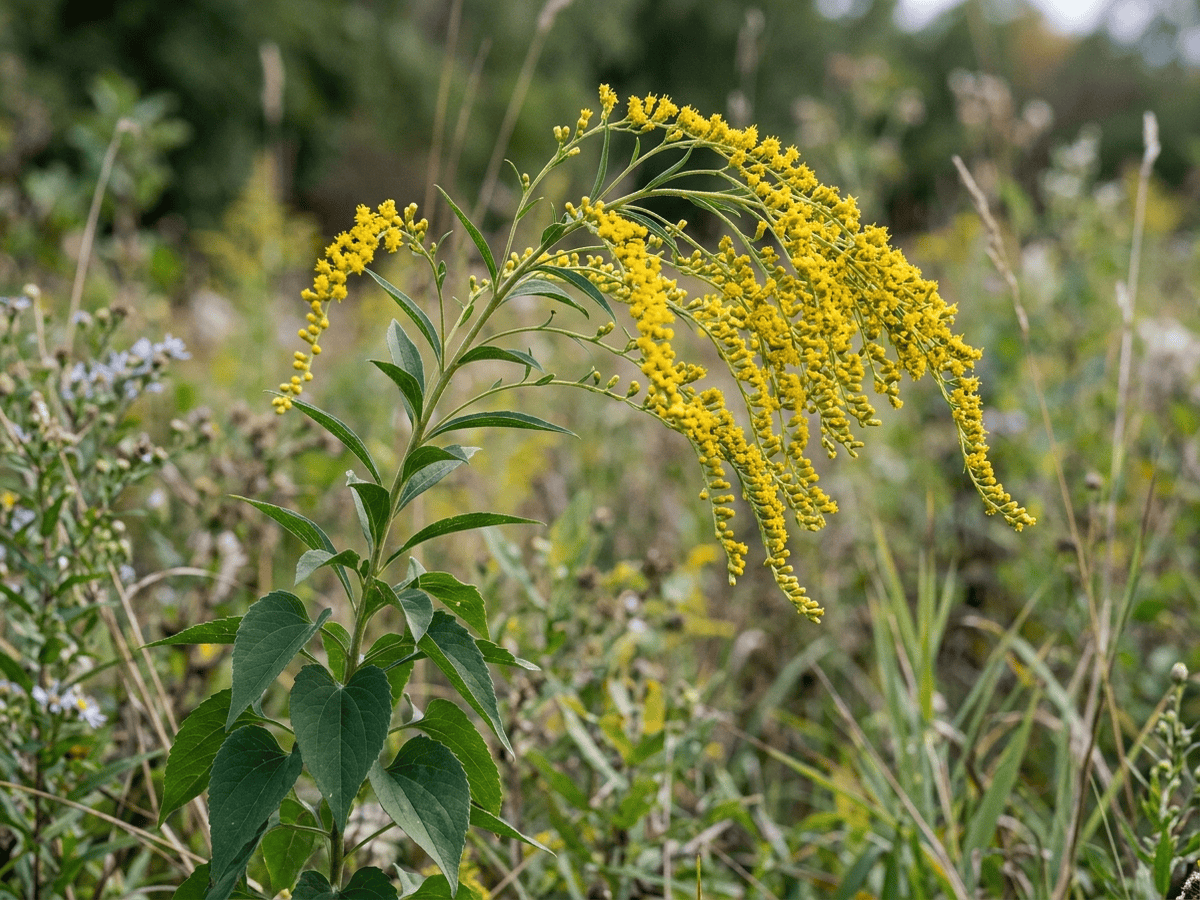
Plants with similar care
 Chinese AbeliaAbelia chinensis
 Fragrant AbeliaAbelia mosanensis
 Large-Flowered AbeliaAbelia uniflora
 Glossy AbeliaAbelia x grandiflora
Frequently asked questions
How often should I water Common Wrinkle-Leaved Goldenrod?
In summer, water about every 3 days; in winter, about every 14 days. Adjust for heat, pot size and drainage.
How much light does Common Wrinkle-Leaved Goldenrod need?
Full sun: 6+ hrs direct. Watch the leaves — scorching or stretching means the light needs adjusting.
Is Common Wrinkle-Leaved Goldenrod toxic to cats or dogs?
No toxicity has been reported for this plant. Still, it is wise to keep pets from chewing on any houseplant. Educational information, not medical or veterinary advice. If exposure is suspected, contact a doctor or veterinarian.
Is Common Wrinkle-Leaved Goldenrod easy to grow?
Yes — it is considered an easy, beginner-friendly plant.
When does Common Wrinkle-Leaved Goldenrod bloom?
It typically blooms Sep–Oct in the Northern Hemisphere.
YardMate
Identify any plant in seconds
Snap a photo — YardMate names the plant, diagnoses problems, and reminds you when to water.
Download on the App Store