 YardMate
Birch-Leaved Spirea
Spiraea betulifolia
Easy · Beginner friendlyAbout Birch-Leaved Spirea
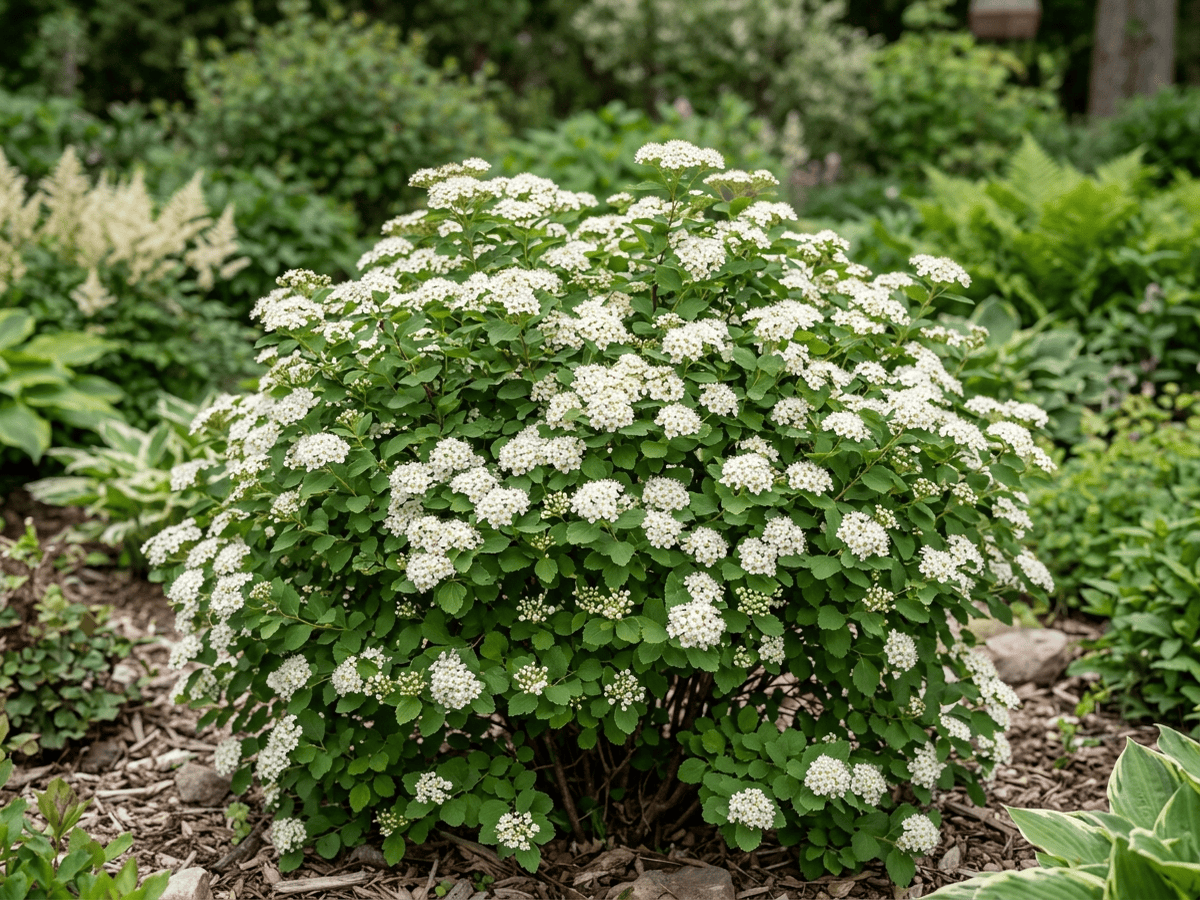
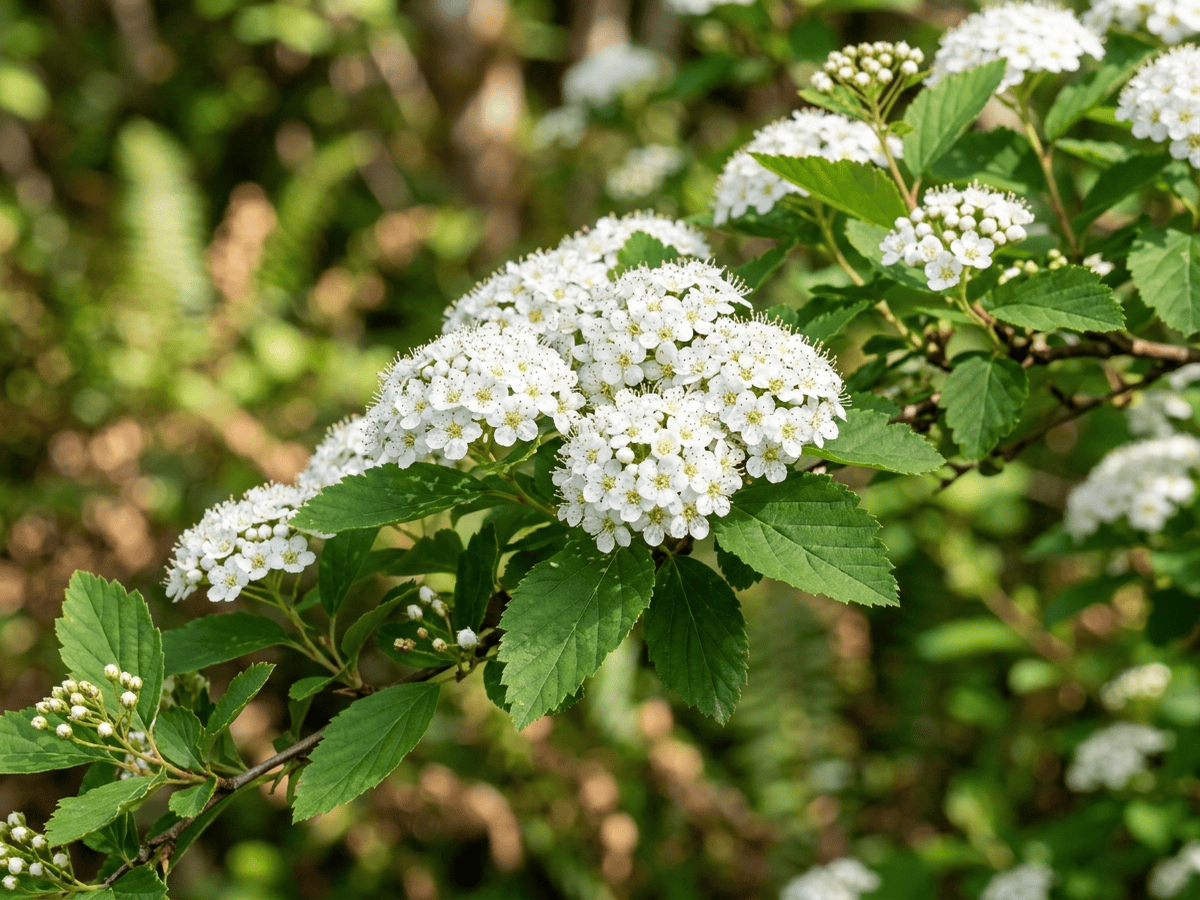
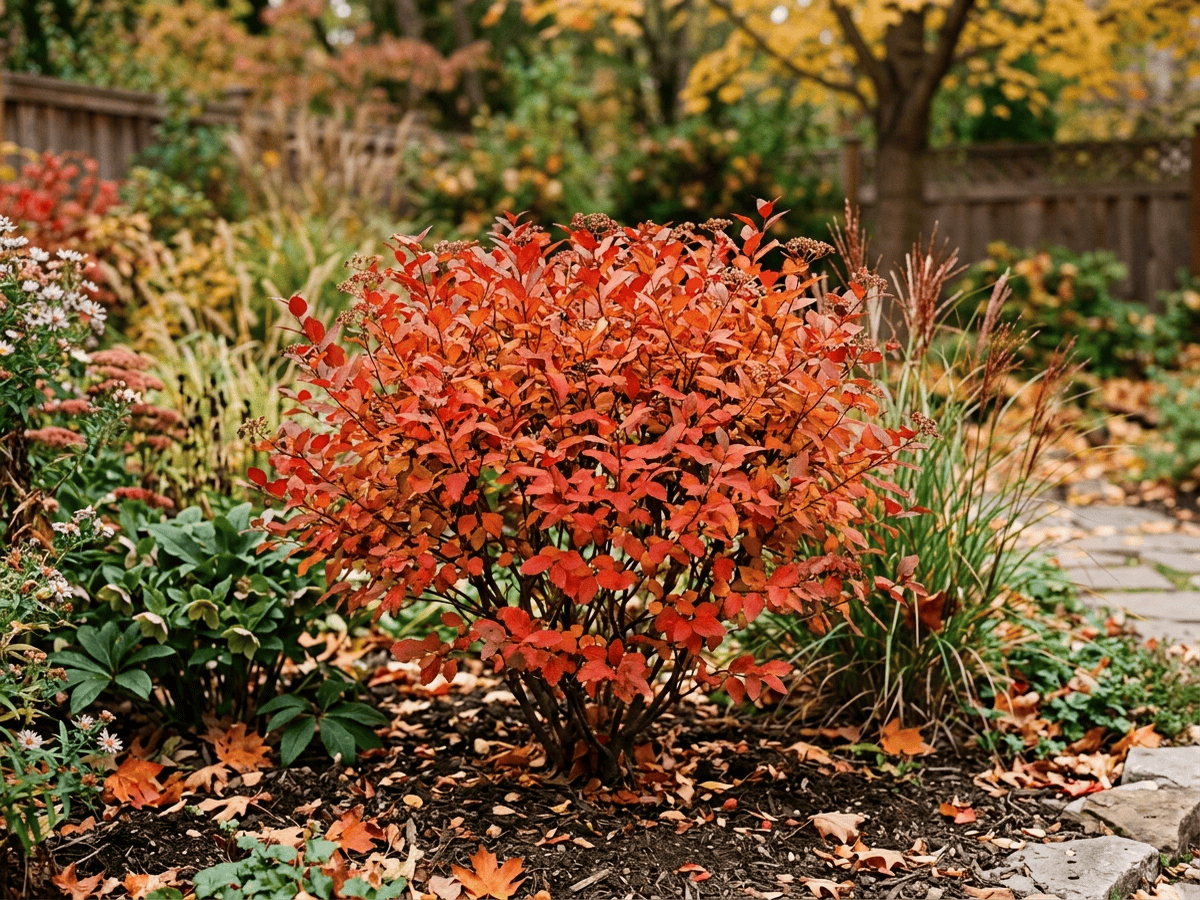
Birchleaf Spirea is a compact native North American and East Asian deciduous shrub growing 2 to 3 feet tall with rounded birch-like leaves that turn brilliant orange-red in fall. Producing flat-topped clusters of white flowers in early summer, it offers three-season interest: spring foliage emergence, summer bloom, and spectacular fall color. A versatile shrub for American mixed borders and foundation plantings.
- Deer-resistant
- Low-maintenance
- Compact
- Fall-color
How to care for Birch-Leaved Spirea
Watering
- Springevery 5 days
- Summerevery 3 days
- Fallevery 7 days
- Winterevery 14 days
Soil · Rich & loamy
- Top dressingBark mulch15%
- Main mixRich loam + compost 3:170%
- DrainageGravel15%
Use fully finished compost — fresh compost burns roots.
FERTILIZER
Balanced Feed 14-14-14
An even feed covers all three needs at once, keeping leaves, roots and blooms moving together with nothing pushed out of balance.
- Nitrogen · Leaves
- Phosphorus · Roots + Blooms
- Potassium · Strength
- Springevery 45 days
- Summerevery 60 days
At a Glance
- NativeEast Asia, Mediterranean
- Height2–4 ft (0.6–1.2 m)
- Spread2–4 ft (0.6–1.2 m)
- Flower colorWhite
- Foliage colorGreen, Red, Bronze, Purple
- SoilLoamy, Well-drained, Moisture-retentive
- LocationsYard
Bloom time
BLOOM CYCLE
Peak bloom
May–Jun
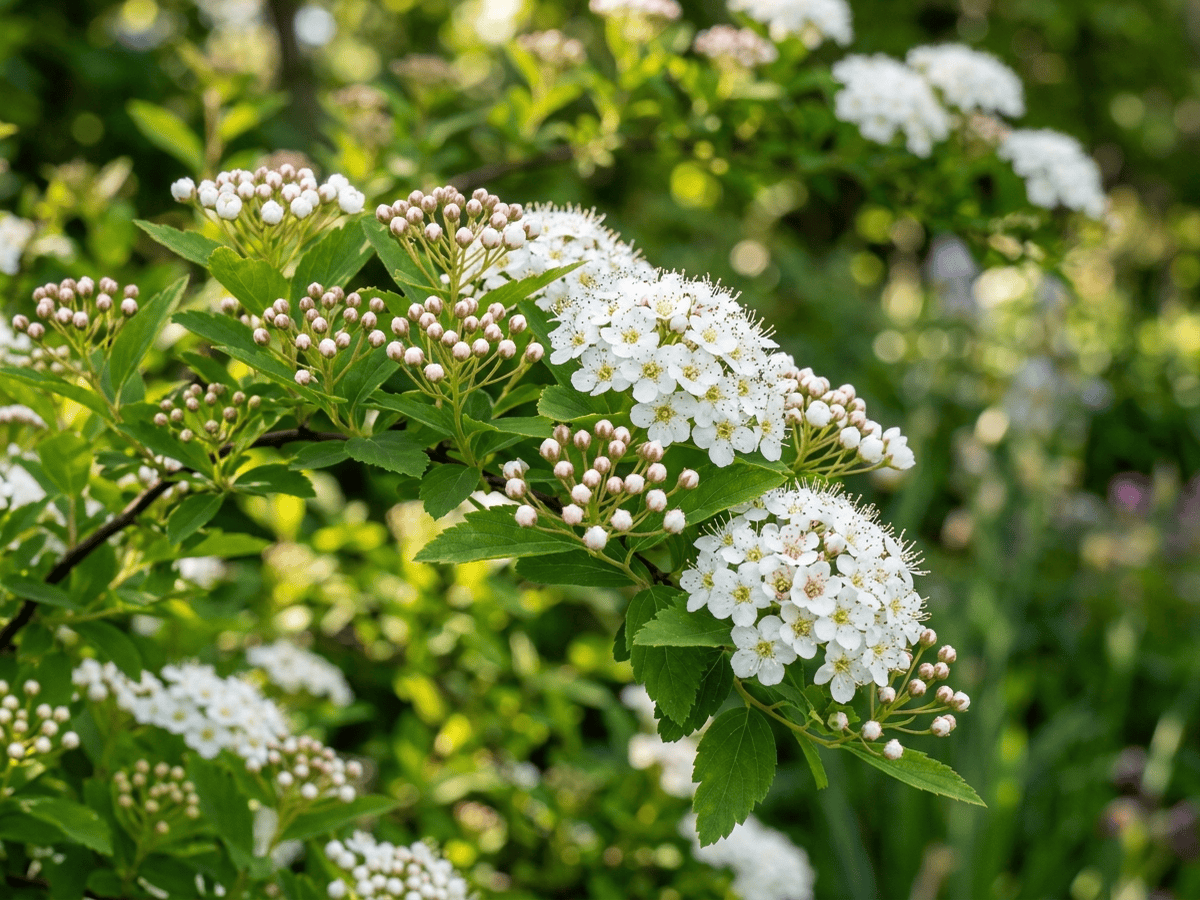
Flat white clusters in early summer
Fragrance
LIGHT FRAGRANCE
The flowers have a lightly honey-scented scent.
Toxicity
No toxicity has been reported for this plant. Still, it is wise to keep pets from chewing on any houseplant.
Educational information, not medical or veterinary advice. If exposure is suspected, contact a doctor or veterinarian.
DISTRIBUTION

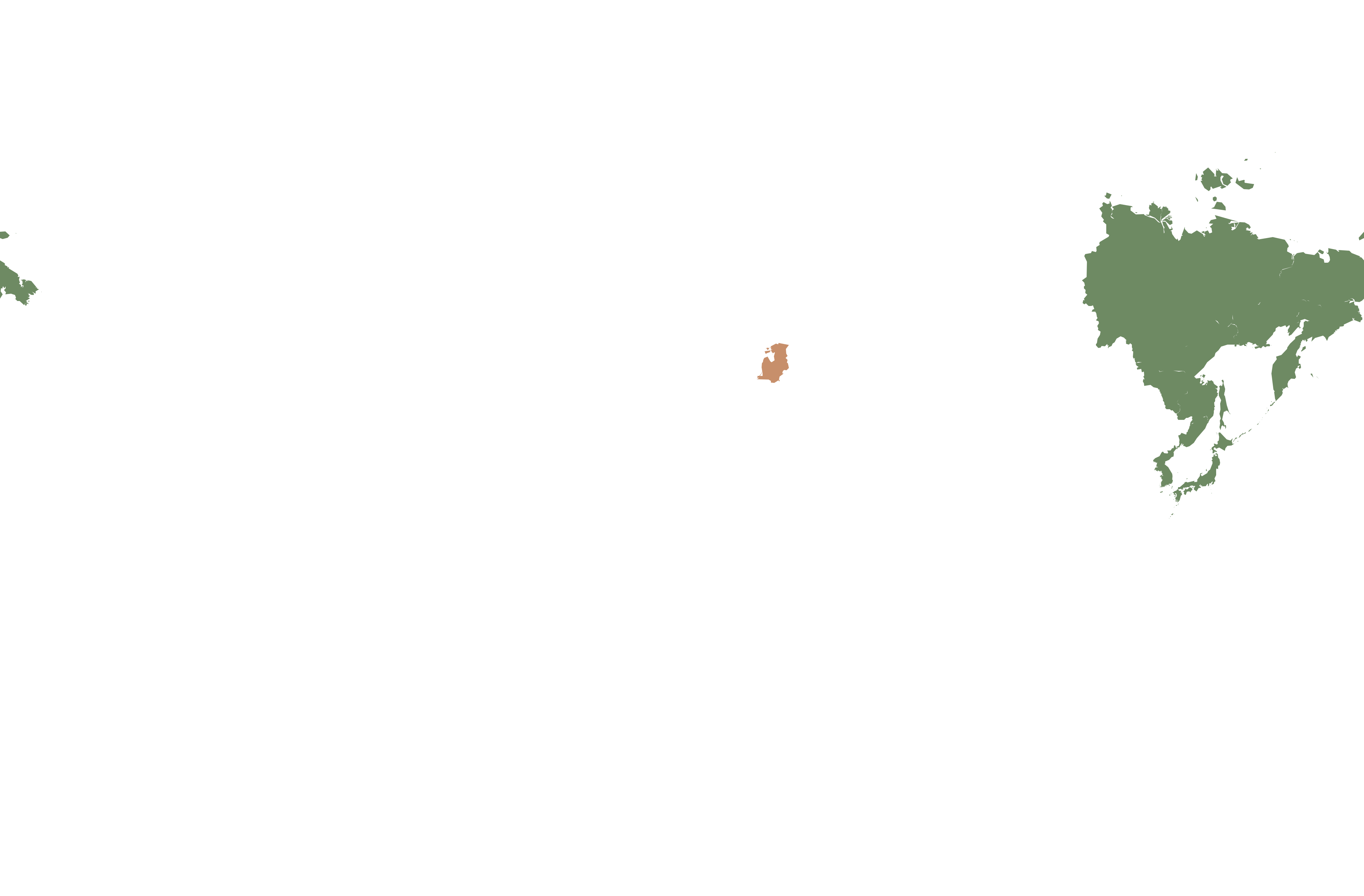
- Native
- Introduced
- East Asia
- Mediterranean
History

Spiraea betulifolia inhabits rocky slopes and open forest clearings from eastern Siberia through Korea and Japan; related North American populations (sometimes split as S. lucida) extend through the Rocky Mountains. The German-Russian naturalist Peter Simon Pallas described the species in 1784 during his Siberian expeditions. Japanese and Korean gardeners cultivated it for centuries, and the species reached European gardens in the late 18th century via the St. Petersburg Botanical Garden.
Unlike taller classic spireas, it forms a dense rounded mound 60-90 cm tall, with birch-like leaves and flat white flower clusters in early summer. Its fiery autumn color made it a breakthrough in modern shrub breeding.
The compact cultivar 'Tor' (also sold as 'Glow Girl' in gold-leaved form) from Skagit Gardens is now ubiquitous in North American landscapes. Native across boreal North America from Alaska to British Columbia and Northeast Asia. Introduced to American horticulture with the 'Tor' cultivar in the 1980s, which offers superior compact habit and exceptional fall color.
Symbolism & meaning
What It Symbolizes
Birchleaf Spirea is quiet elegance across three seasons — fresh green leaves and flat white flower clusters in spring and summer, then a clean coral fall color that few other compact shrubs can match. Its refined form fits naturally into smaller modern gardens. It is the shrub for the gardener who values the unobtrusive performer that simply does its job, beautifully, every month of the growing year.
- Three seasons — spring, summer bloom, fall color
- Quiet elegance — refined compact form
Where the Name Comes From
'Spiraea' from Greek 'speiraia' for a wreath-plant used in garlands; 'betulifolia' from Latin means birch-leaved.
Uses & Fun Facts
- Compact birchleaf shrub for low foundation hedges
- White flowers in summer and orange-red autumn foliage
- Flat-topped flower clusters attract bees and beneficial insects
Related plants
More Spiraea plants
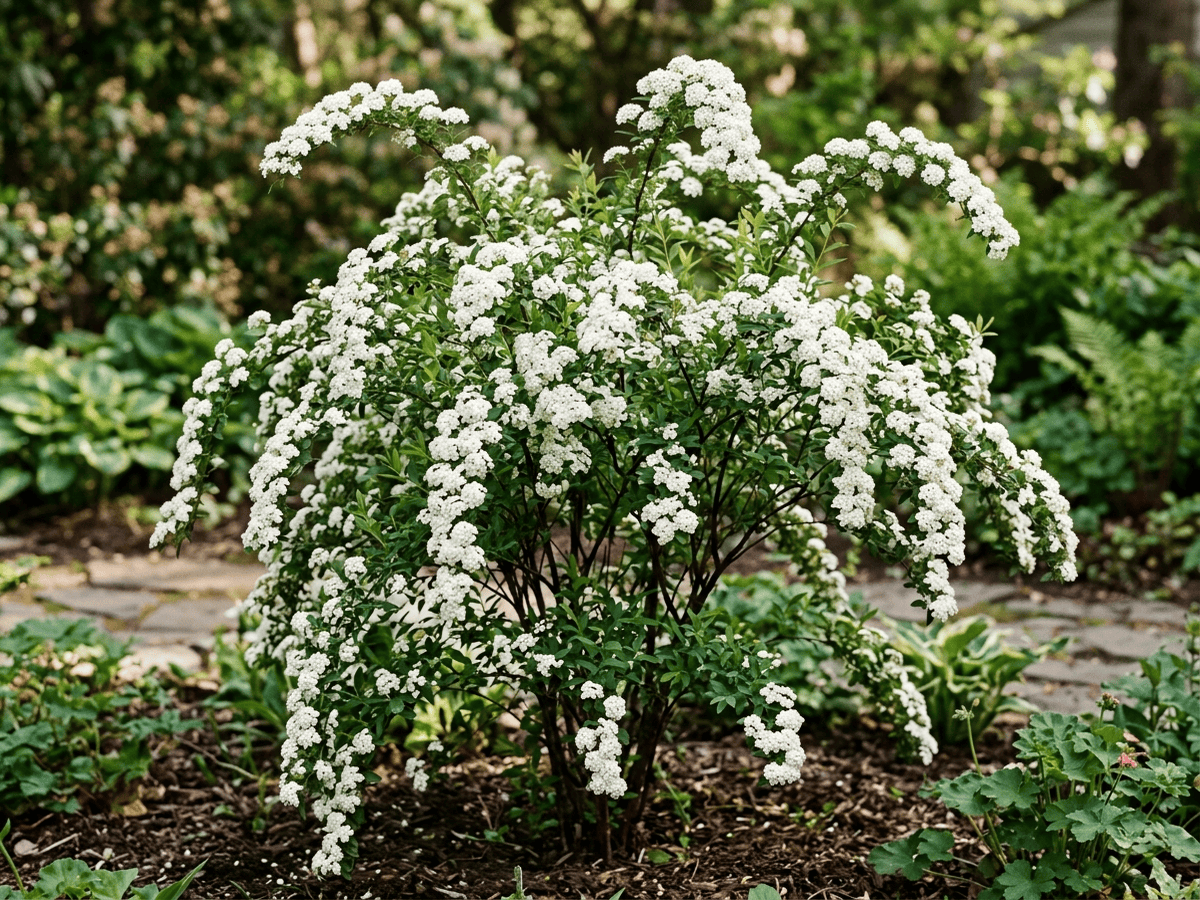 Reeve's SpireaSpiraea cantoniensis
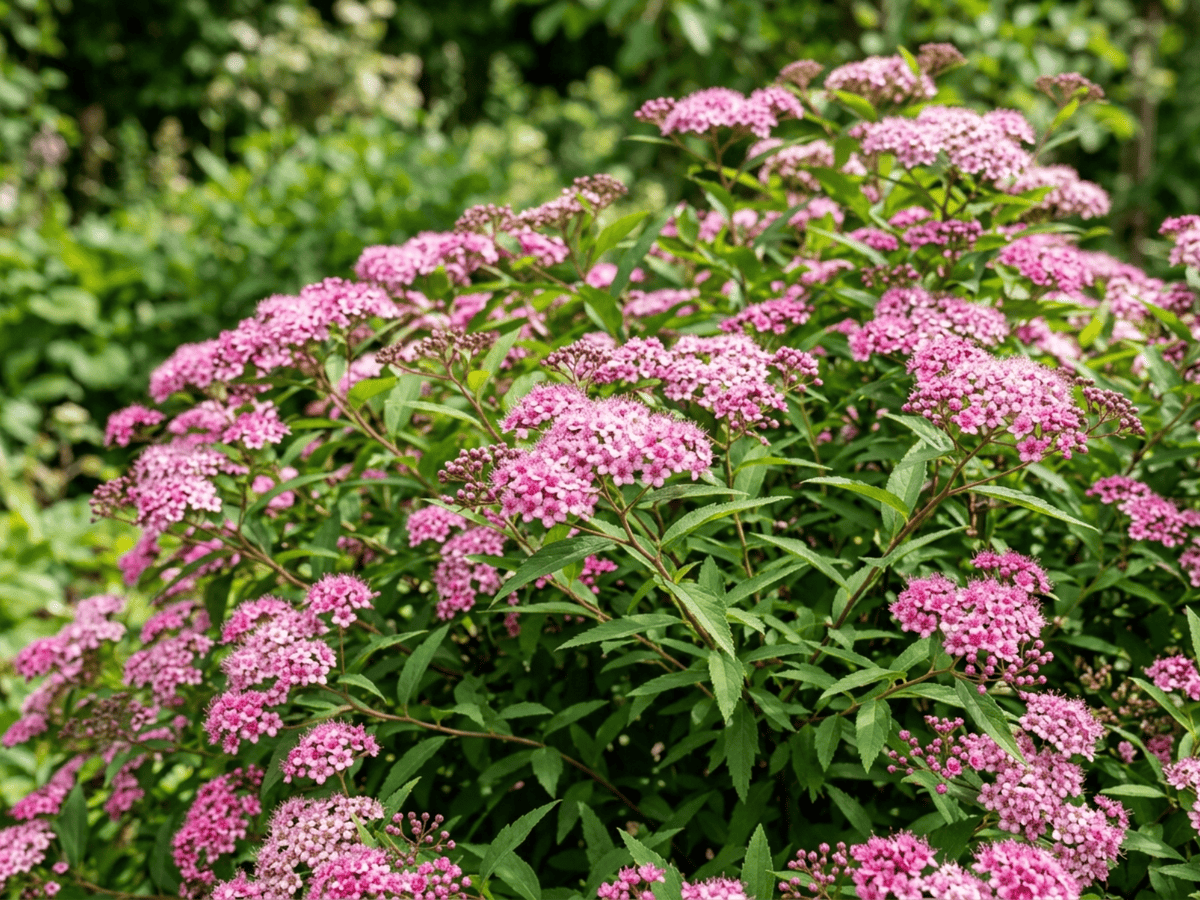 Japanese SpireaSpiraea japonica
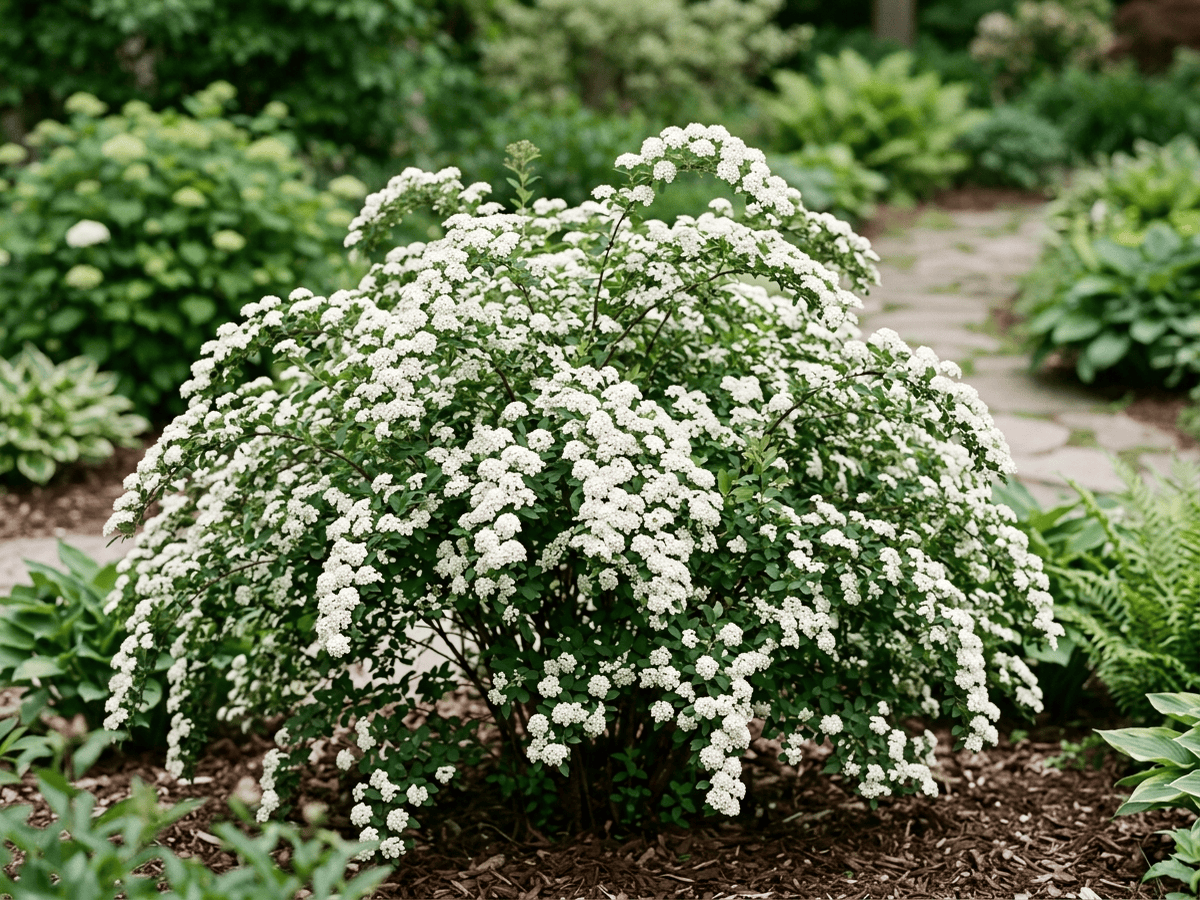 Snowmound SpireaSpiraea nipponica
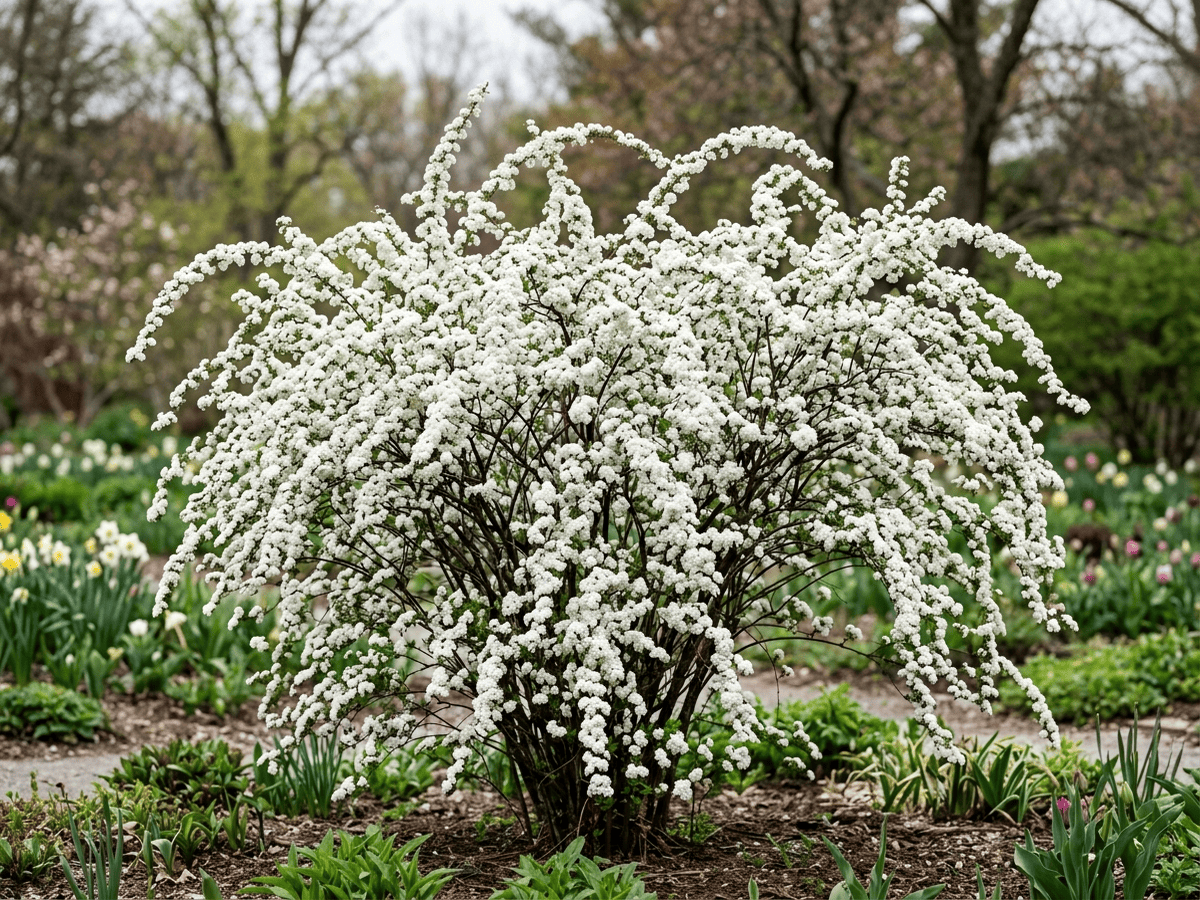 Bridal-WreathSpiraea prunifolia
Plants with similar care
 Chinese AbeliaAbelia chinensis
 Fragrant AbeliaAbelia mosanensis
 Large-Flowered AbeliaAbelia uniflora
 Glossy AbeliaAbelia x grandiflora
Frequently asked questions
How often should I water Birch-Leaved Spirea?
In summer, water about every 3 days; in winter, about every 14 days. Adjust for heat, pot size and drainage.
How much light does Birch-Leaved Spirea need?
Full sun: 6+ hrs direct. Watch the leaves — scorching or stretching means the light needs adjusting.
Is Birch-Leaved Spirea toxic to cats or dogs?
No toxicity has been reported for this plant. Still, it is wise to keep pets from chewing on any houseplant. Educational information, not medical or veterinary advice. If exposure is suspected, contact a doctor or veterinarian.
Is Birch-Leaved Spirea easy to grow?
Yes — it is considered an easy, beginner-friendly plant.
When does Birch-Leaved Spirea bloom?
It typically blooms May–Jun in the Northern Hemisphere.
YardMate
Identify any plant in seconds
Snap a photo — YardMate names the plant, diagnoses problems, and reminds you when to water.
Download on the App Store