 YardMate


Japanese Spirea
Spiraea japonica
Easy · Beginner friendlyAbout Japanese Spirea
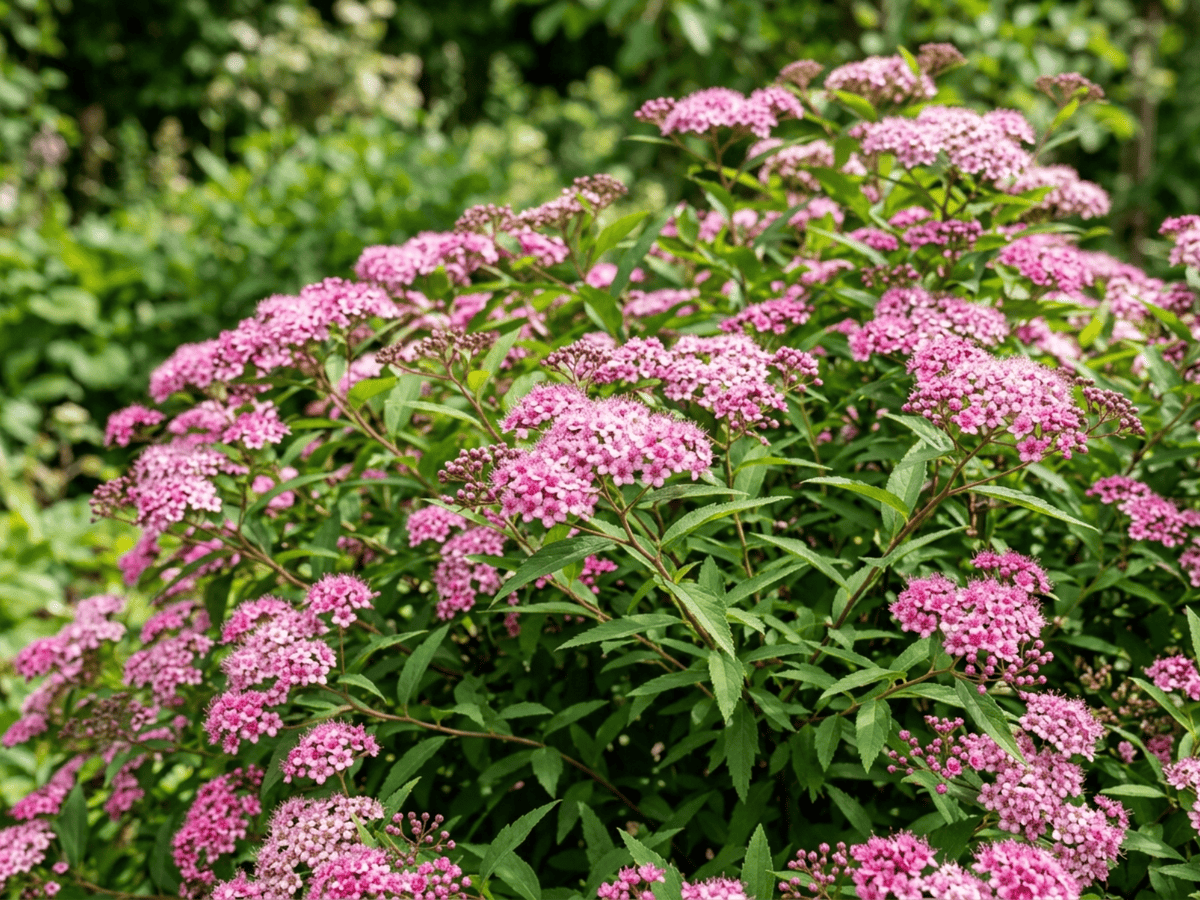
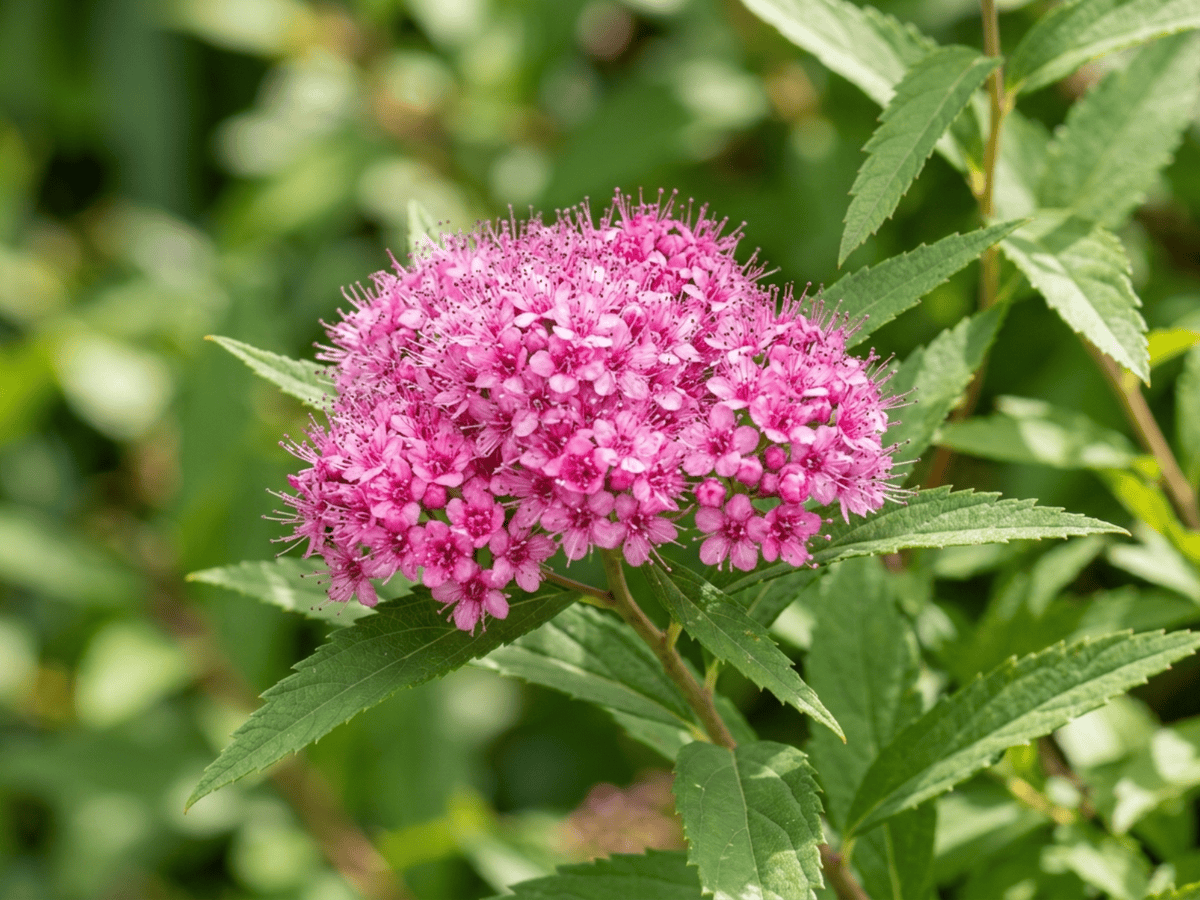
Spiraea japonica, the Japanese spirea, is a compact deciduous shrub native to Japan and China that has become one of the most widely used landscape plants in temperate regions. Growing 2 to 5 feet tall, it forms a dense mound of fine-textured foliage topped with flat clusters of tiny pink, rose, or white flowers from early to midsummer. Many cultivars offer colorful foliage — 'Goldflame' emerges bronze-red, turns gold, then green, then orange-red in autumn, providing season-long color. The plant is extremely easy to grow, tolerating a wide range of soils, heat, cold, and humidity. It blooms on new wood, making it one of the few flowering shrubs that can be pruned hard in late winter or early spring without sacrificing flowers. Deadheading spent flowers often encourages a second flush of bloom. While individual flowers are tiny, the overall effect of hundreds of flat corymbs across a well-grown plant is impressive. Its low, mounding habit makes it ideal for foundation plantings, mass plantings, and low hedges.
- Low-maintenance
- Compact
- Long-blooming
How to care for Japanese Spirea
Watering
- Springevery 5 days
- Summerevery 4 days
- Fallevery 10 days
- Winterevery 30 days
Soil · Rich & loamy
- Top dressingBark mulch15%
- Main mixRich loam + compost 3:170%
- DrainageGravel15%
Use fully finished compost — fresh compost burns roots.
FERTILIZER
Balanced Feed 14-14-14
An even feed covers all three needs at once, keeping leaves, roots and blooms moving together with nothing pushed out of balance.
- Nitrogen · Leaves
- Phosphorus · Roots + Blooms
- Potassium · Strength
- Springevery 45 days
At a Glance
- NativeEast Asia
- Height3–5 ft (0.9–1.5 m)
- Spread4–6 ft (1.2–1.8 m)
- Flower colorPink, Red, White
- Foliage colorGreen, Yellow, Red, Bronze
- SoilLoamy, Well-drained
- LocationsYard · Indoor · Balcony
Bloom time
BLOOM CYCLE
Peak bloom
Jun–Aug
Pink flower clusters in summer on new wood; deadhead for repeat bloom. Can be pruned hard in late winter to rejuvenate
Fragrance
NO FRAGRANCE
No notable fragrance.
Toxicity
No toxicity has been reported for this plant. Still, it is wise to keep pets from chewing on any houseplant.
Educational information, not medical or veterinary advice. If exposure is suspected, contact a doctor or veterinarian.
DISTRIBUTION

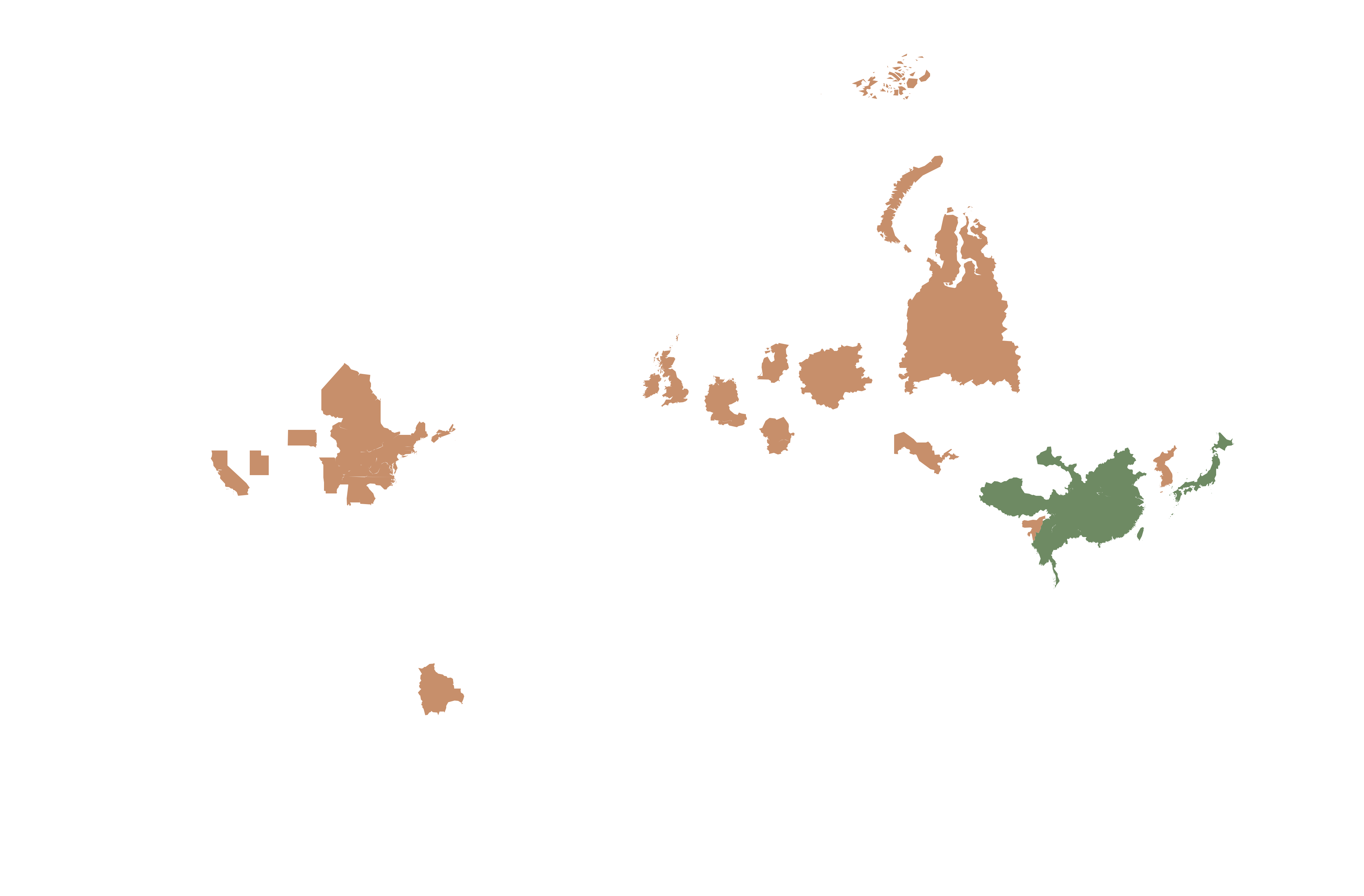
- Native
- Introduced
- East Asia
History
Spiraea japonica is native to Japan, Korea, and China. It was introduced to Western horticulture in the 1870s and rapidly became one of the most widely planted small landscape shrubs in temperate North America and Europe due to its compact 1-meter habit, tolerance of urban conditions, and long summer flowering of flat pink corymbs. Major cultivars include "Anthony Waterer" (dating to the 19th-century Knap Hill Nursery), "Goldflame," "Little Princess," "Magic Carpet," and the Double Play series from Proven Winners (2000s-2010s).
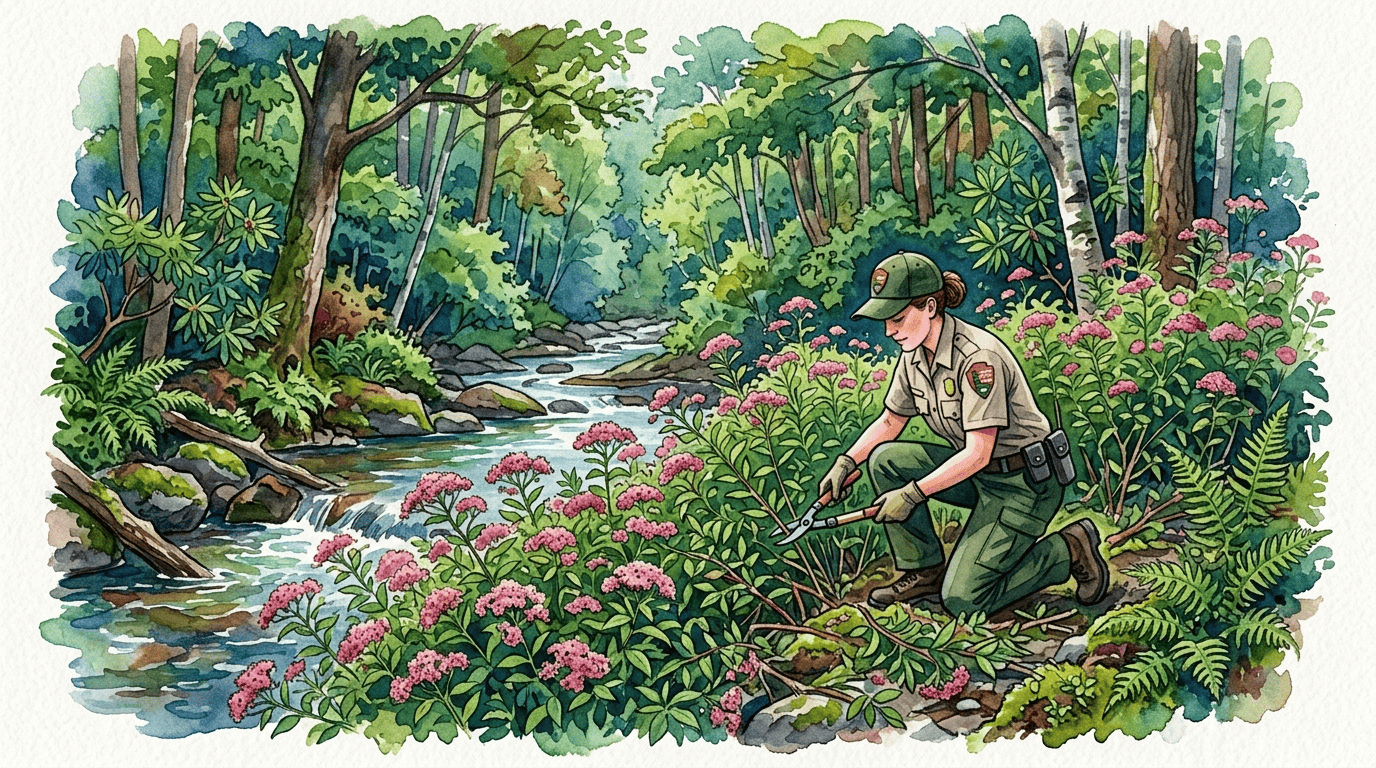
However, since the late 20th century Japanese spiraea has become an invasive species in parts of the eastern United States, particularly in the southern Appalachian Mountains (Great Smoky Mountains National Park is actively managing it) and Mid-Atlantic forest edges and streamsides, where it forms dense thickets that displace native understory vegetation. Connecticut lists it as invasive, and several states including Tennessee and Kentucky have formal concern. Newer sterile or low-seed-set cultivars aim to reduce the invasive risk while preserving horticultural value.
Spiraea japonica was introduced to Western gardens from Japan in 1870 and rapidly became a landscape staple. The genus Spiraea is the origin of the name 'aspirin' — salicylic acid was first isolated from Spiraea plants before being synthesized. Modern breeding has produced dozens of compact, colorful-leaved cultivars that rank among the best-selling ornamental shrubs in the nursery industry.
Symbolism & meaning
What It Symbolizes
Japanese Spirea blooms with quiet modesty, its small flowers gathered into flat-topped clusters that decorate the shrub without demanding attention. Through summer its diligence shows: bloom flush after bloom flush, steady and unhurried. In its humble pinks and whites lies the gentle case that reliability is its own kind of beauty.
- Modesty — The small but profuse flowers represent humble beauty and quiet grace
- Diligence — Continuous blooming through summer symbolizes steady effort and perseverance
Where the Name Comes From
The name Japanese Spirea points to Japan. 'Spiraea' from Greek 'speira' (wreath or coil), as the flexible branches were used for garlands. 'Japonica' means 'of Japan'.
Uses & Fun Facts
- Compact mound forms low foundation hedges and edging
- Pink flat flower clusters cover summer landscapes for weeks
- Long bloom season feeds butterflies and small native bees
Related plants
More Spiraea plants
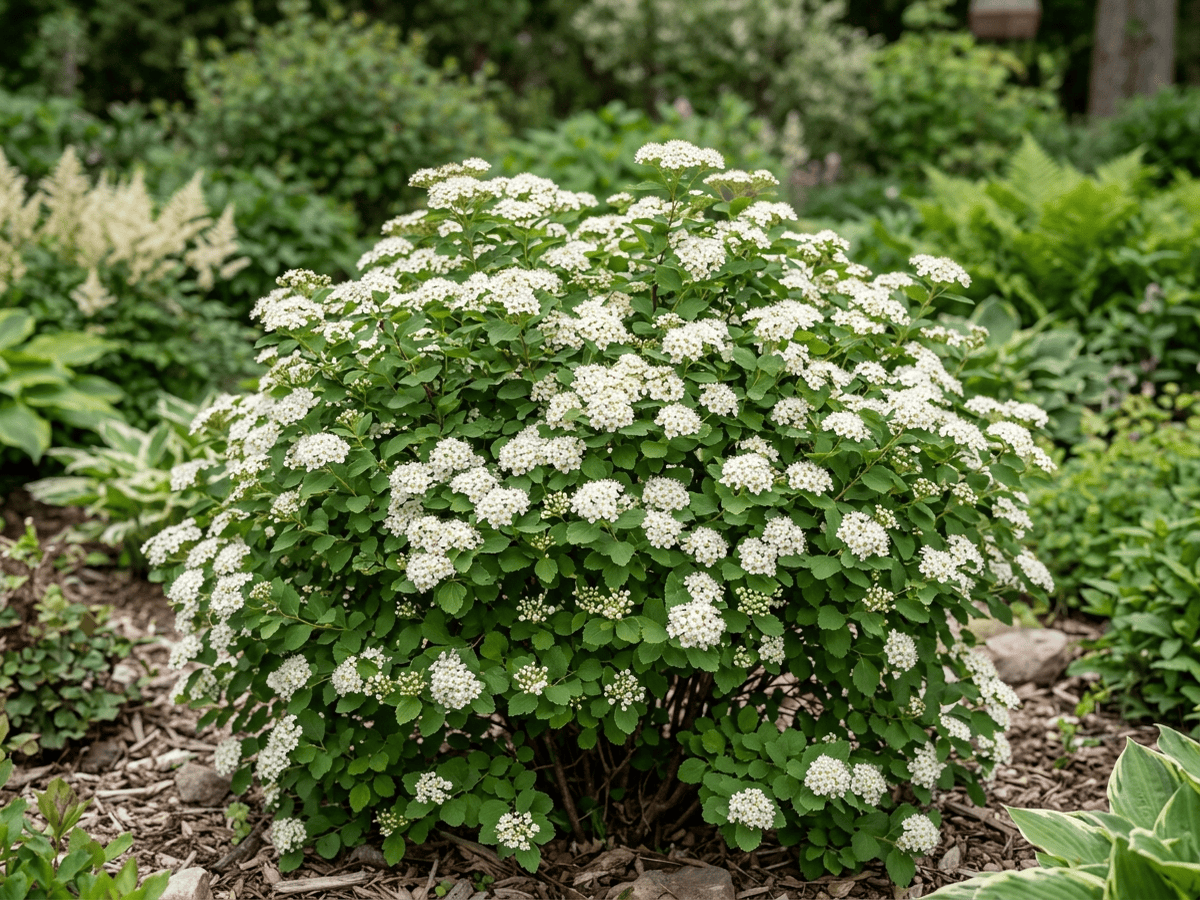 Birch-Leaved SpireaSpiraea betulifolia
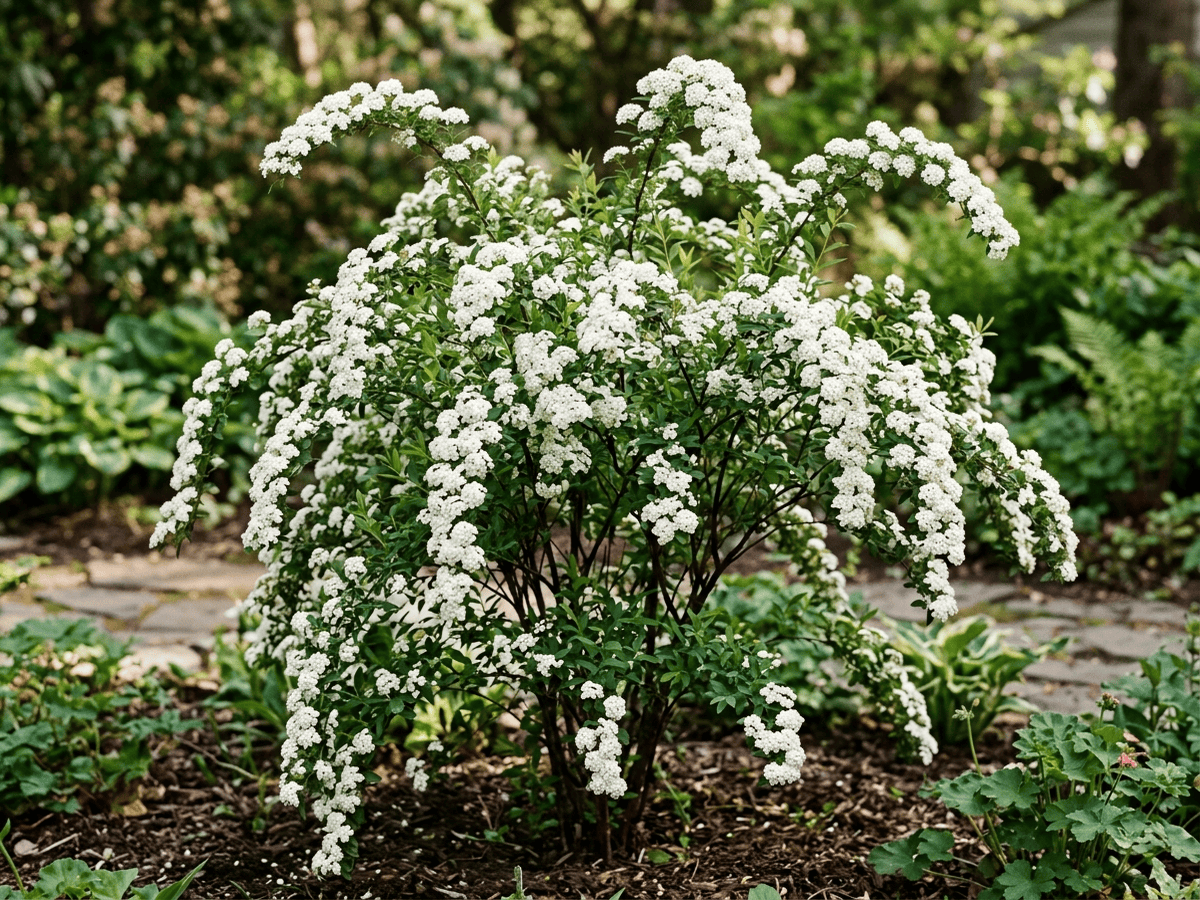 Reeve's SpireaSpiraea cantoniensis
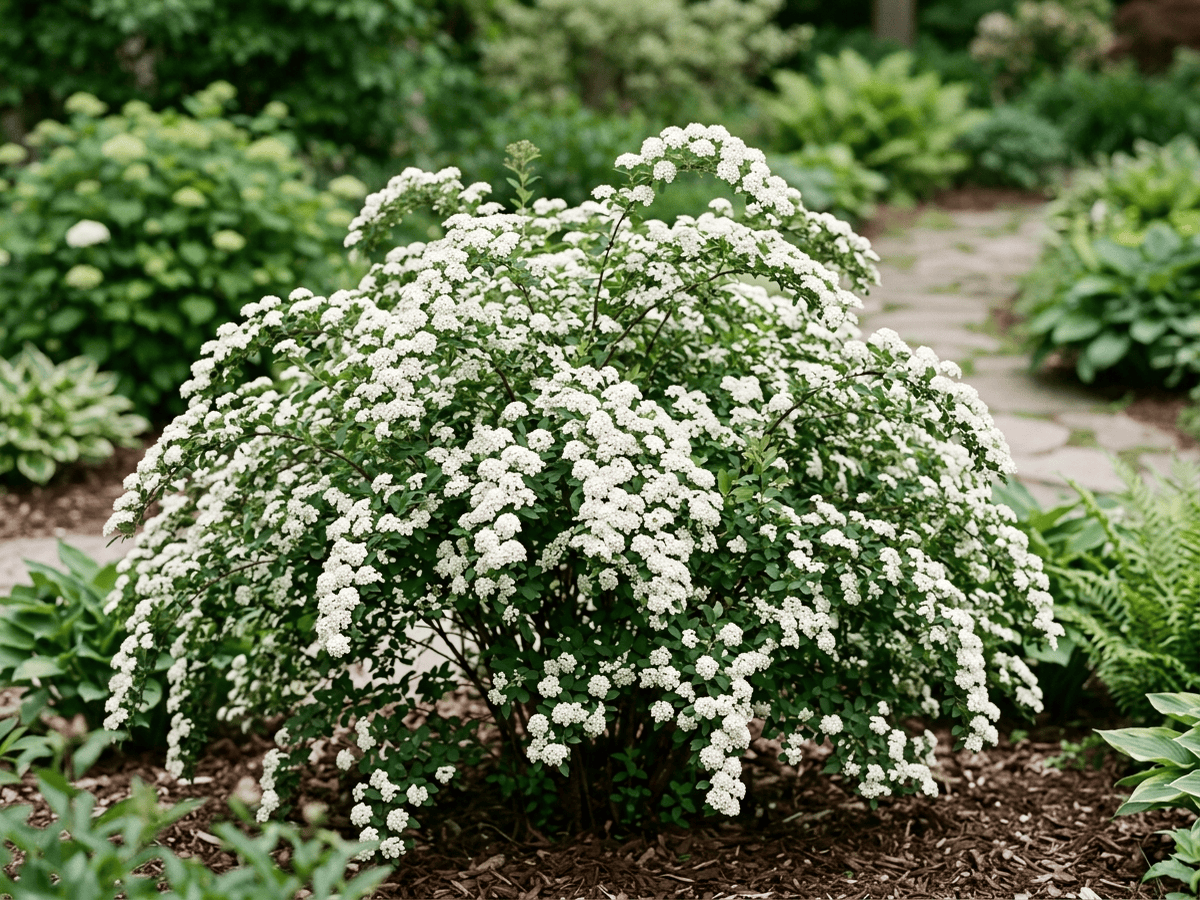 Snowmound SpireaSpiraea nipponica
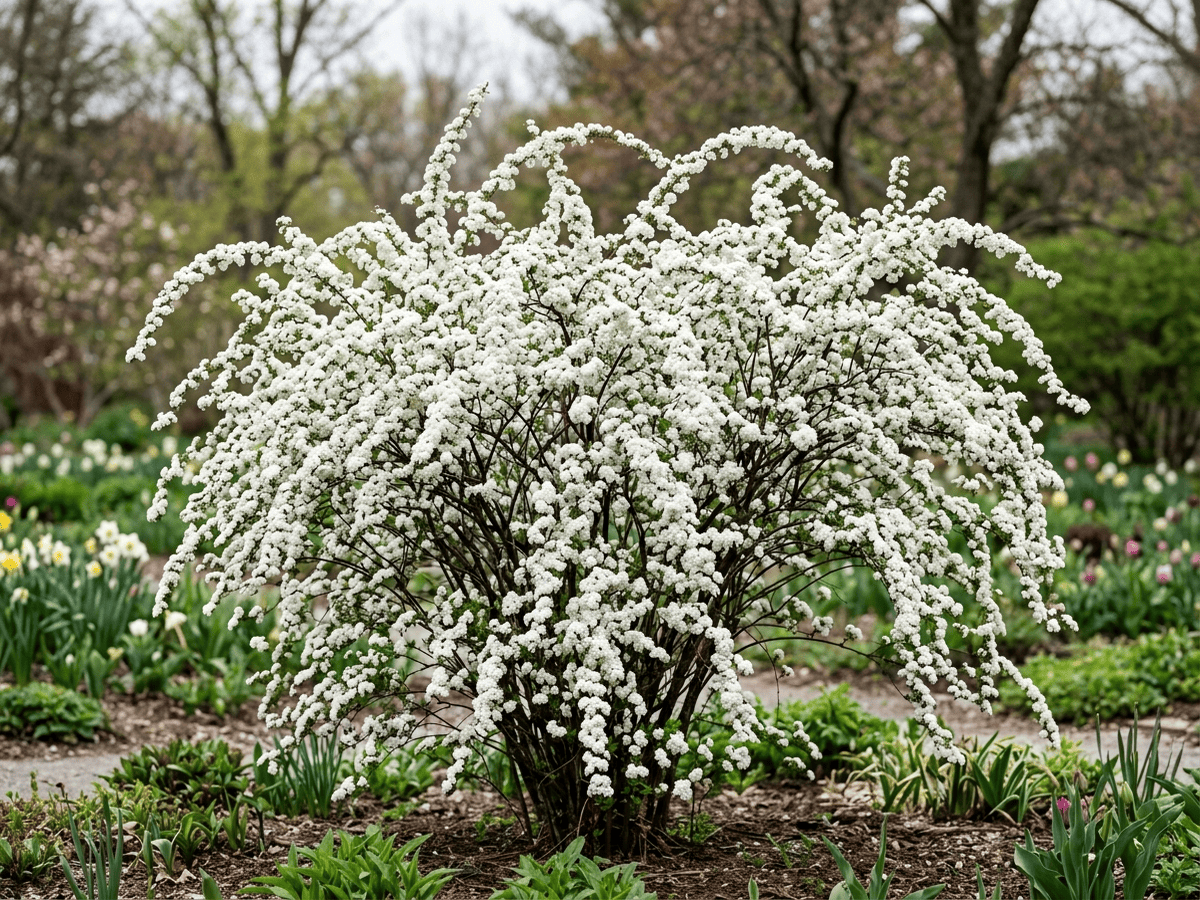 Bridal-WreathSpiraea prunifolia
Plants with similar care
 Chinese AbeliaAbelia chinensis
 Fragrant AbeliaAbelia mosanensis
 Large-Flowered AbeliaAbelia uniflora
 Glossy AbeliaAbelia x grandiflora
Frequently asked questions
How often should I water Japanese Spirea?
In summer, water about every 4 days; in winter, about every 30 days. Adjust for heat, pot size and drainage.
How much light does Japanese Spirea need?
Full sun: 6+ hrs direct. Watch the leaves — scorching or stretching means the light needs adjusting.
Is Japanese Spirea toxic to cats or dogs?
No toxicity has been reported for this plant. Still, it is wise to keep pets from chewing on any houseplant. Educational information, not medical or veterinary advice. If exposure is suspected, contact a doctor or veterinarian.
Is Japanese Spirea easy to grow?
Yes — it is considered an easy, beginner-friendly plant.
Can Japanese Spirea be grown indoors?
Yes, it adapts well to indoor growing given the right light.
When does Japanese Spirea bloom?
It typically blooms Jun–Aug in the Northern Hemisphere.
YardMate
Identify any plant in seconds
Snap a photo — YardMate names the plant, diagnoses problems, and reminds you when to water.
Download on the App Store