 YardMate

Fragrant Snowbell
Styrax obassia
Medium · Some experienceAbout Fragrant Snowbell
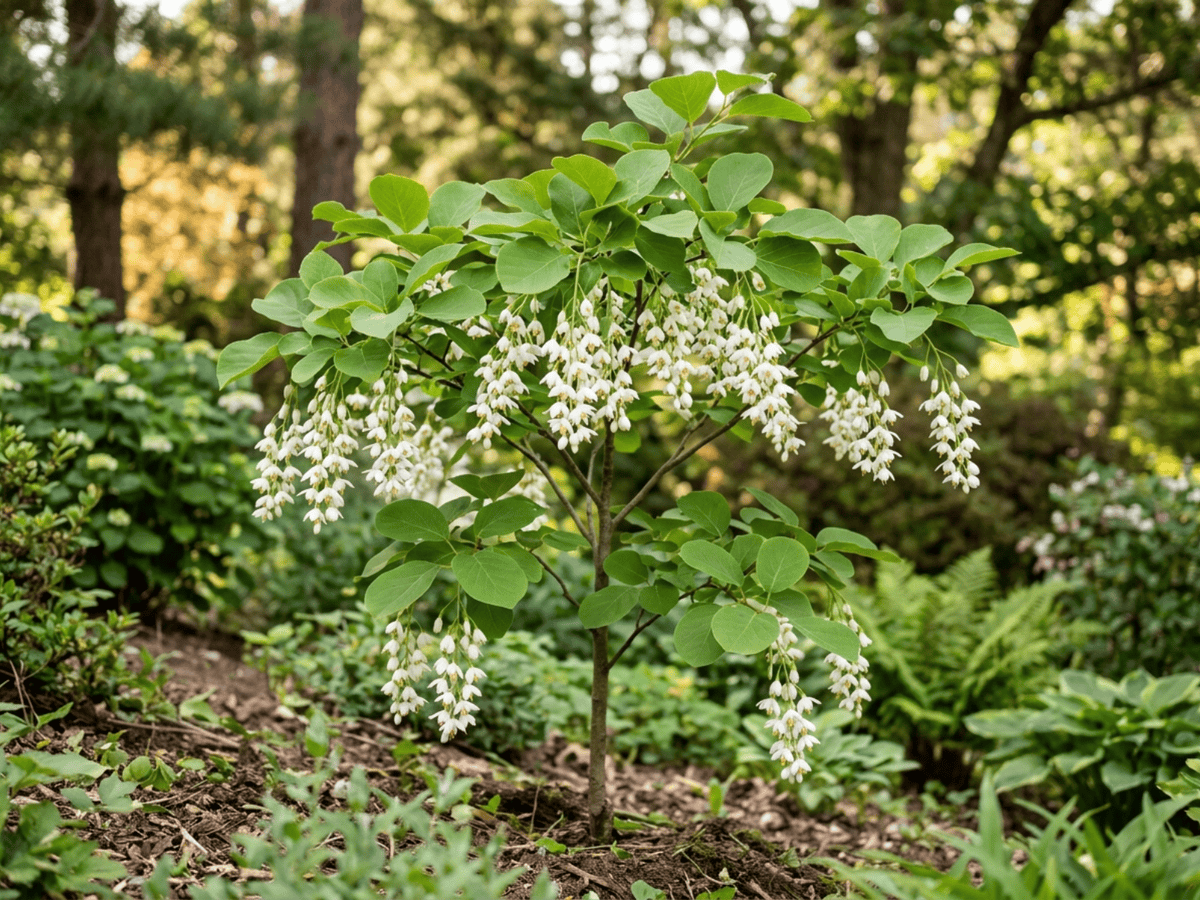
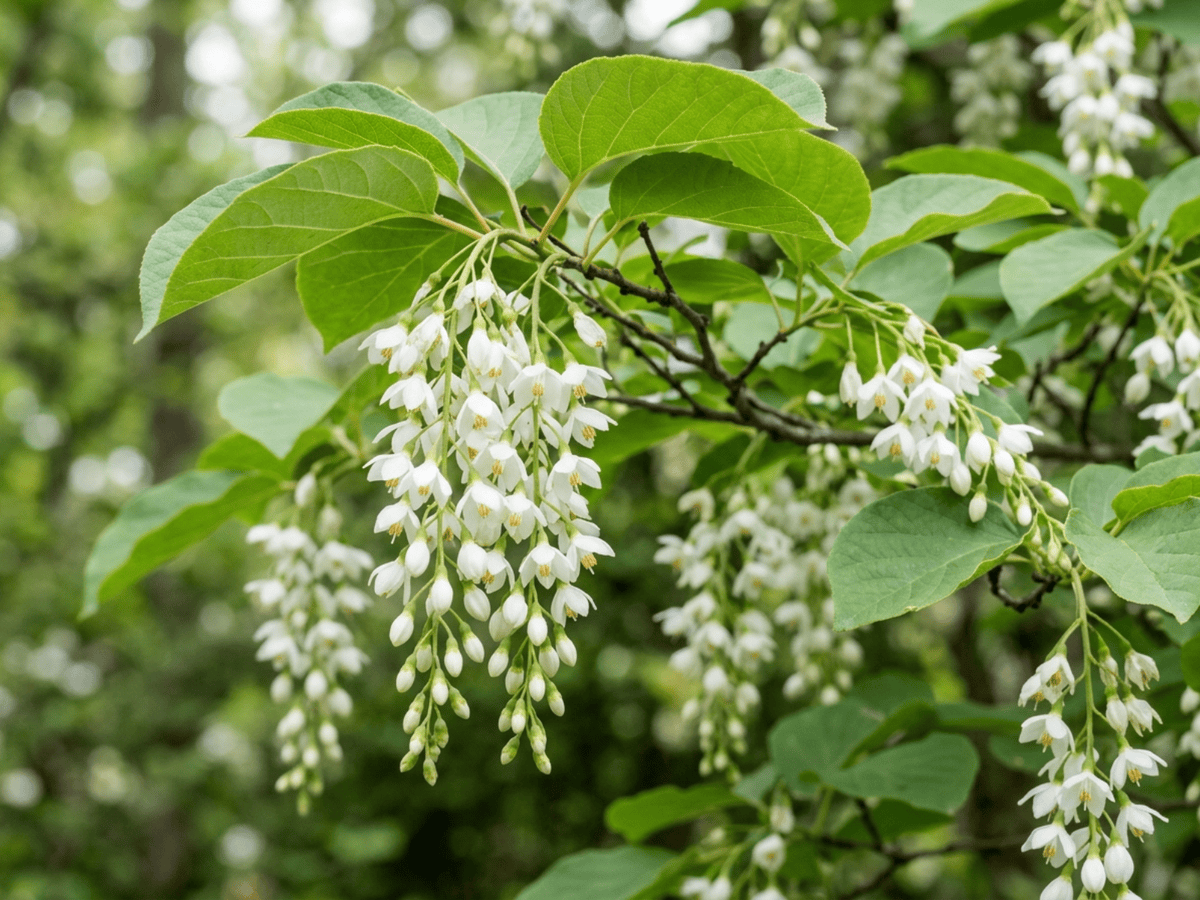
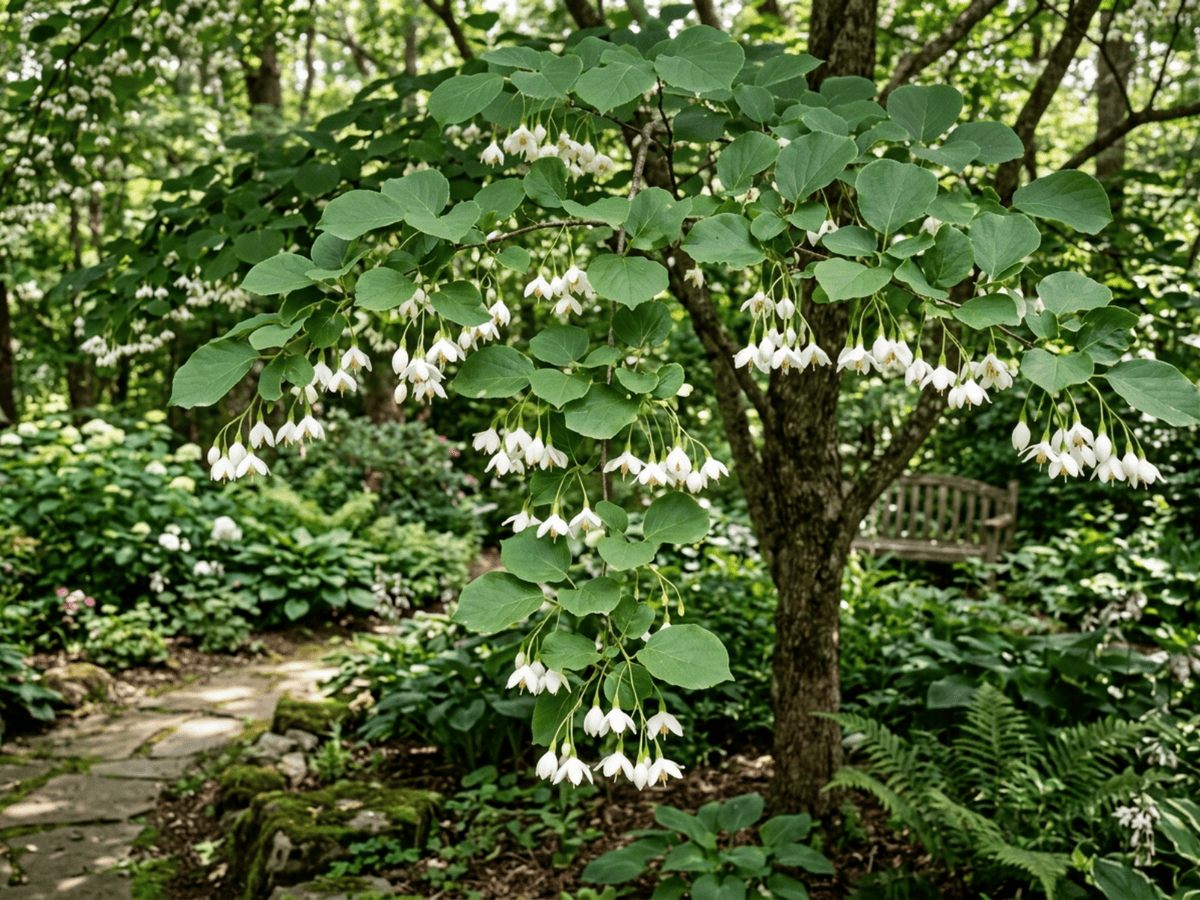
Fragrant Snowbell is a Japanese and Korean tree growing 20-30 feet tall with large rounded leaves up to 8 inches across and pendulous racemes of fragrant white bell-shaped flowers in late spring. Coarser-textured than its cousin Styrax japonicus, its bold foliage lends distinctive character to American gardens. Hardy in USDA zones 5-8, it offers reliable summer shade and powerfully sweet perfume during bloom.
- Fragrant
- Pollinator-friendly
How to care for Fragrant Snowbell
Watering
- Springevery 7 days
- Summerevery 5 days
- Fallevery 10 days
- Winterpause watering
Soil · Acidic · pH 4.5–6
- Top dressingPine needle mulch10%
- Main mixAcid-lover mix + peat 3:175%
- DrainageGravel15%
Never add lime or wood ash — it cancels out the acidity.
FERTILIZER
Balanced Feed 14-14-14
An even feed covers all three needs at once, keeping leaves, roots and blooms moving together with nothing pushed out of balance.
- Nitrogen · Leaves
- Phosphorus · Roots + Blooms
- Potassium · Strength
- Springevery 60 days
- Summerevery 60 days
At a Glance
- NativeEast Asia
- Height20–30 ft (6.1–9.1 m)
- Spread15–25 ft (4.6–7.6 m)
- Flower colorWhite
- Foliage colorGreen, Yellow
- Fruit colorGreen
- SoilMoisture-retentive, Loamy, Acidic
- LocationsYard
Bloom time
BLOOM CYCLE
Peak bloom
May–Jun
Fragrant white racemes May to June
Fragrance
STRONG FRAGRANCE
The flowers have a sweet, intense scent.
Toxicity
No toxicity has been reported for this plant. Still, it is wise to keep pets from chewing on any houseplant.
Educational information, not medical or veterinary advice. If exposure is suspected, contact a doctor or veterinarian.
DISTRIBUTION


- Native
- East Asia
History

Styrax obassia grows in moist montane forests of Japan, Korea, and northeastern China. Japanese botanist Takenoshin Nakai formally described the species, though the name traces to earlier work by Siebold and Zuccarini. English plant hunter Charles Maries collected specimens for James Veitch & Sons during his 1877-79 East Asian expedition, introducing it to European horticulture.
Unlike the small narrow leaves of S. japonicus, this species bears dramatic large rounded leaves 5-8 inches across reminiscent of Catalpa, giving it bolder texture. The flower racemes are long pendant 6-8 inch chains of fragrant white bell flowers with particularly strong sweet perfume in late May-early June. It reaches 25-30 feet and makes a superb small specimen tree.
The Korean common name jjokdongbaek references medicinal use of the bark. It is less common in cultivation than S. japonicus but prized by connoisseurs. Introduced to the United States by the Arnold Arboretum in 1879 from Japan. Used historically in Japan for making bows, paper, and umbrellas. The bold-leafed, fragrant form brings a refined yet substantial presence to American gardens, often chosen as a patio tree where its cascading spring flowers can be appreciated at close range.
Symbolism & meaning
What It Symbolizes
Fragrant Snowbell makes visible Generosity — abundant white bell-shaped flowers cascading in long racemes each spring, perfuming the air with sweetness on warm afternoons. It also offers Shelter, with broad rounded leaves casting cool, dappled shade beneath the small tree's spreading canopy. A modest tree that gives both fragrance overhead and welcome relief beneath at once.
- Generosity — abundant fragrant flowers
- Shelter — bold leaves provide rich shade
Where the Name Comes From
The name Fragrant Snowbell describes its noticeable scent. 'Obassia' comes from the Japanese name for the tree, 'obachisa'.
Uses & Fun Facts
- Pendant white flowers release sweet vanilla-honey perfume
- Fragrant snowbell tree highlights woodland-edge plantings
- Large rounded leaves and showy blooms in late spring
Related plants
More Styrax plants
Plants with similar care
 Mexican AbeliaAbelia floribunda
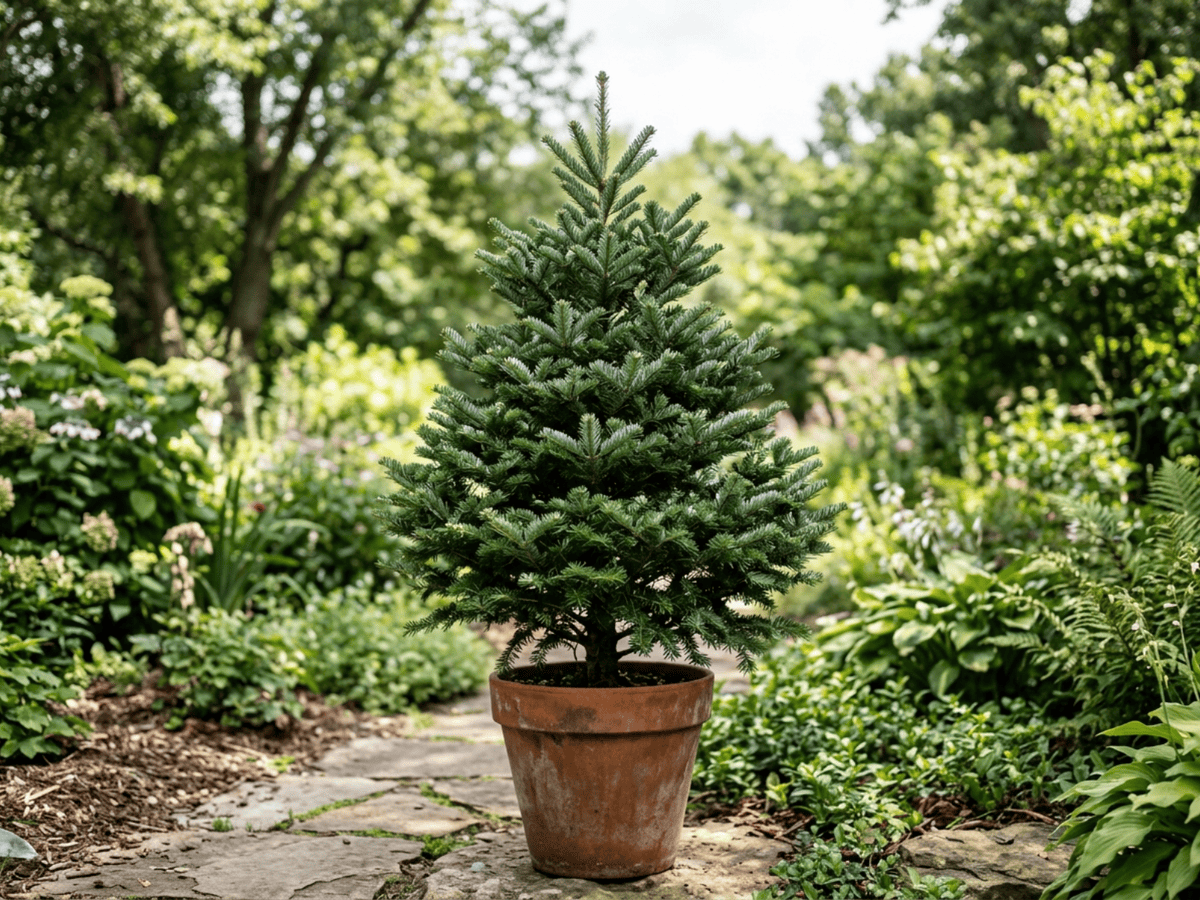 Fraser FirAbies fraseri
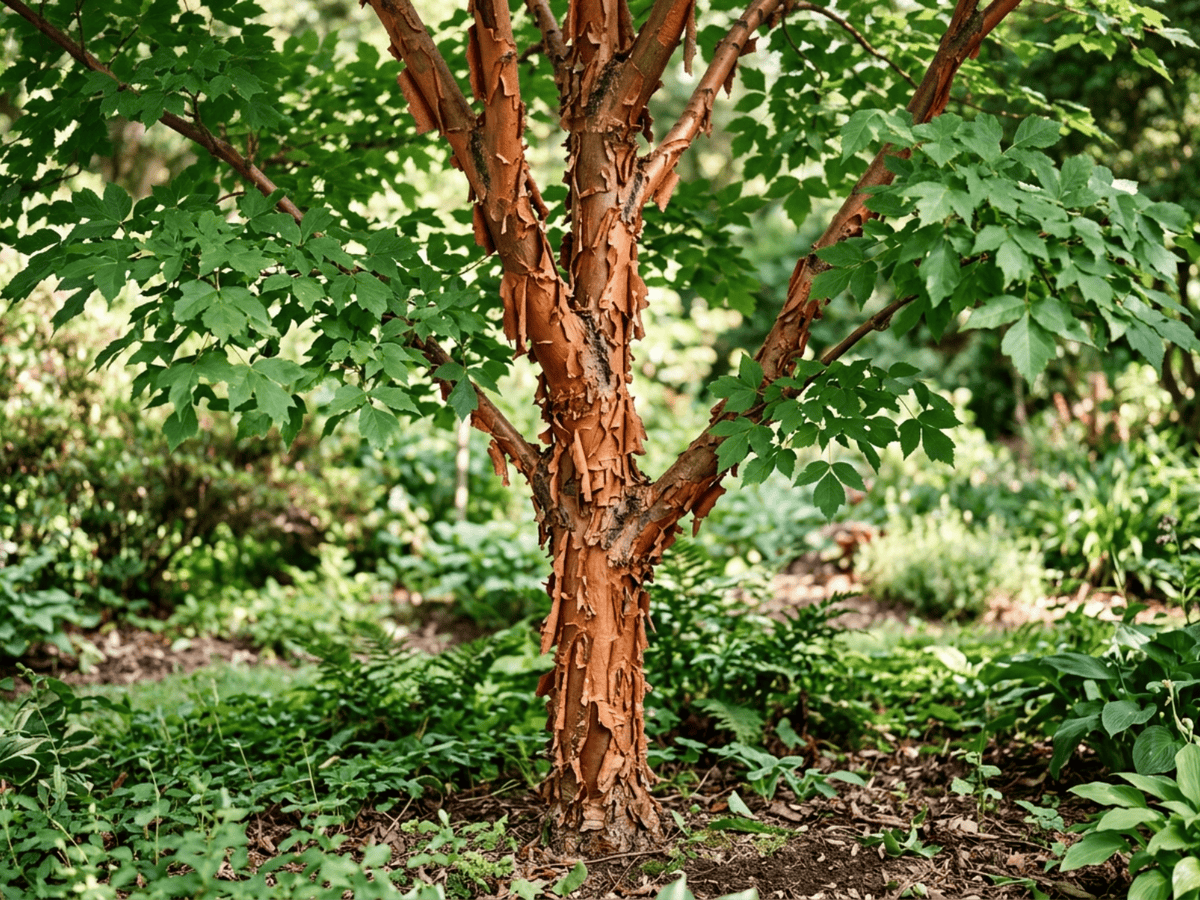 Paperbark MapleAcer griseum
 Sugar MapleAcer saccharum
Frequently asked questions
How often should I water Fragrant Snowbell?
Water about every 7 days during the growing season, and always let excess water drain away.
How much light does Fragrant Snowbell need?
Full sun: 6+ hrs direct. Watch the leaves — scorching or stretching means the light needs adjusting.
Is Fragrant Snowbell toxic to cats or dogs?
No toxicity has been reported for this plant. Still, it is wise to keep pets from chewing on any houseplant. Educational information, not medical or veterinary advice. If exposure is suspected, contact a doctor or veterinarian.
Is Fragrant Snowbell easy to grow?
It is moderately demanding: a good choice once you have a little experience.
When does Fragrant Snowbell bloom?
It typically blooms May–Jun in the Northern Hemisphere.
YardMate
Identify any plant in seconds
Snap a photo — YardMate names the plant, diagnoses problems, and reminds you when to water.
Download on the App Store