 YardMate

Japanese Snowbell
Styrax japonicus
Medium · Some experienceAbout Japanese Snowbell
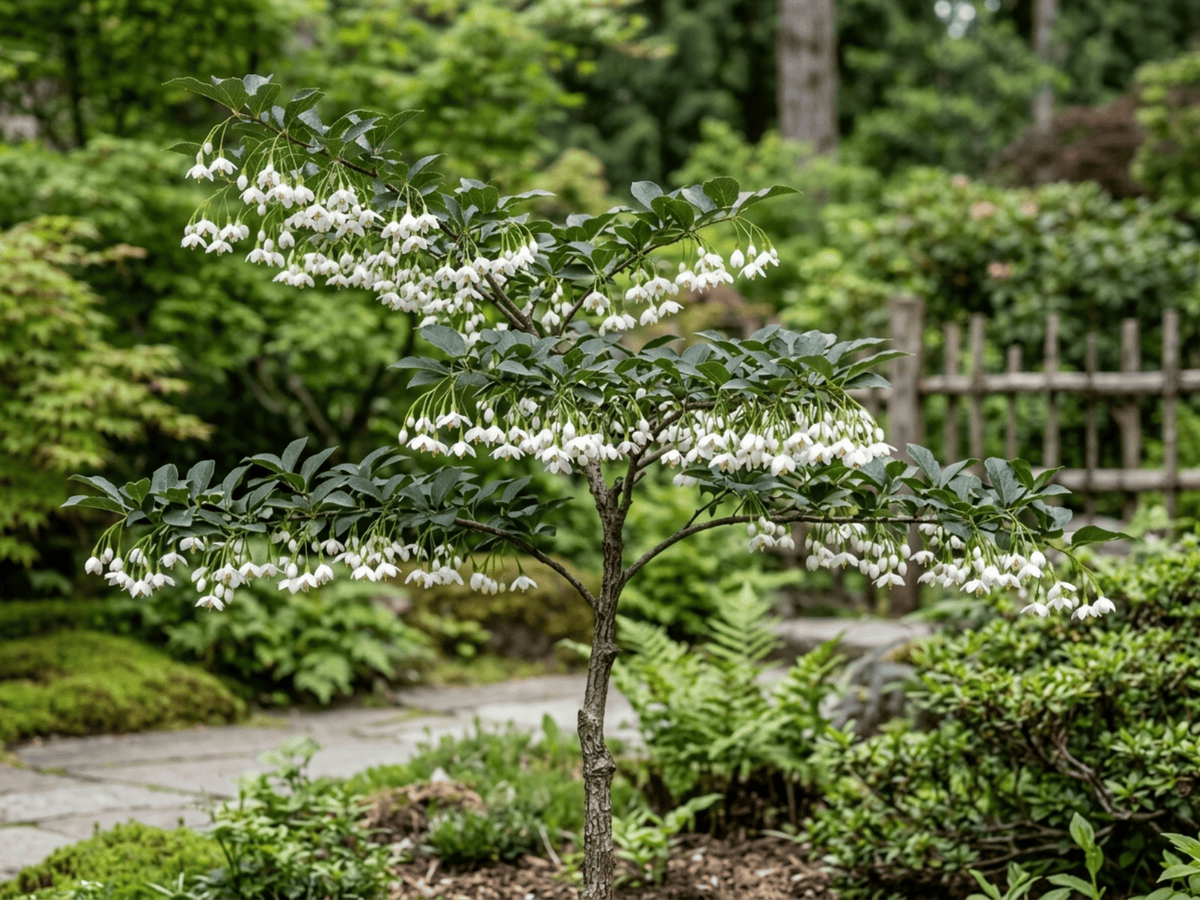
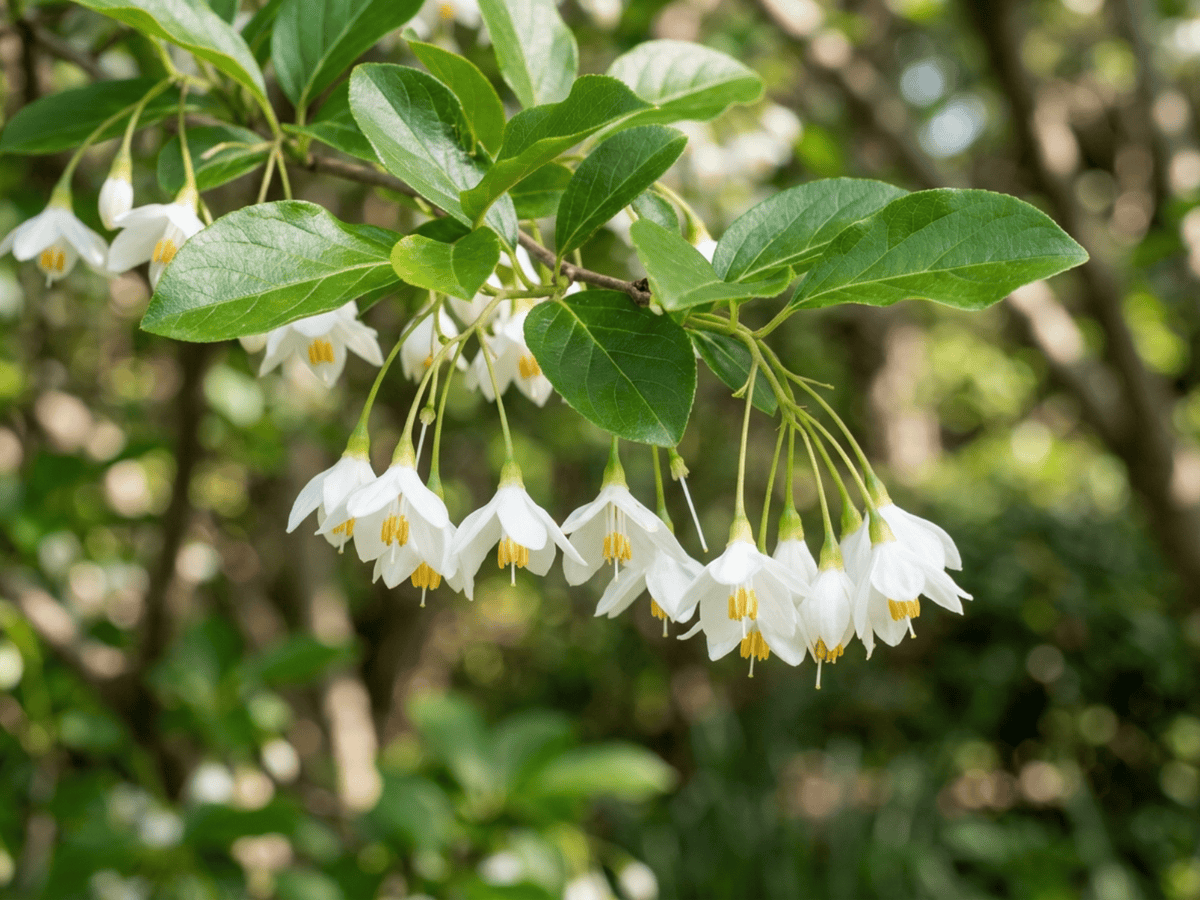
Japanese Snowbell is an elegant small flowering tree from Japan and East Asia, producing hundreds of fragrant bell-shaped pure white flowers dangling beneath the spreading horizontal branches in late spring. Growing 20-30 feet tall with a graceful layered canopy, it is one of the most refined small ornamental trees available for American gardens, hardy in USDA zones 5-8. The cultivar 'Pink Chimes' with rose-pink flowers is especially popular.
- Fragrant
- Pollinator-friendly
How to care for Japanese Snowbell
Watering
- Springevery 7 days
- Summerevery 5 days
- Fallevery 10 days
- Winterpause watering
Soil · Acidic · pH 4.5–6
- Top dressingPine needle mulch10%
- Main mixAcid-lover mix + peat 3:175%
- DrainageGravel15%
Never add lime or wood ash — it cancels out the acidity.
FERTILIZER
Balanced Feed 14-14-14
An even feed covers all three needs at once, keeping leaves, roots and blooms moving together with nothing pushed out of balance.
- Nitrogen · Leaves
- Phosphorus · Roots + Blooms
- Potassium · Strength
- Springevery 60 days
- Summerevery 60 days
At a Glance
- NativeEast Asia
- Height20–30 ft (6.1–9.1 m)
- Spread20–30 ft (6.1–9.1 m)
- Flower colorWhite, Pink
- Foliage colorGreen, Yellow
- Fruit colorGreen
- SoilLoamy, Acidic, Moisture-retentive
- LocationsYard
Bloom time
BLOOM CYCLE
Peak bloom
May–Jun
Dangling white bells May to June
Fragrance
LIGHT FRAGRANCE
The flowers have a sweet, light scent.
Toxicity
No toxicity has been reported for this plant. Still, it is wise to keep pets from chewing on any houseplant.
Educational information, not medical or veterinary advice. If exposure is suspected, contact a doctor or veterinarian.
DISTRIBUTION


- Native
- Introduced
- East Asia
History

Styrax japonicus is native to Japan, Korea, and eastern China. English botanist Richard Oldham, working for Kew, collected specimens during his 1862 expedition to Japan before his untimely death in Amoy. The species reached American horticulture through the Arnold Arboretum in the late 19th century.
Its horizontal tiered branching creates elegant layered architecture, and in late spring-early summer hundreds of pendant bell-shaped fragrant white flowers dangle below the branches like tiny snow-white lanterns—best appreciated from below while standing under the tree, giving rise to the preference for siting it on slopes or near paths. Pink-flowered forms including 'Pink Chimes' were developed in Japan and introduced to Western trade in the 1970s. It is a quintessential specimen tree for small gardens.
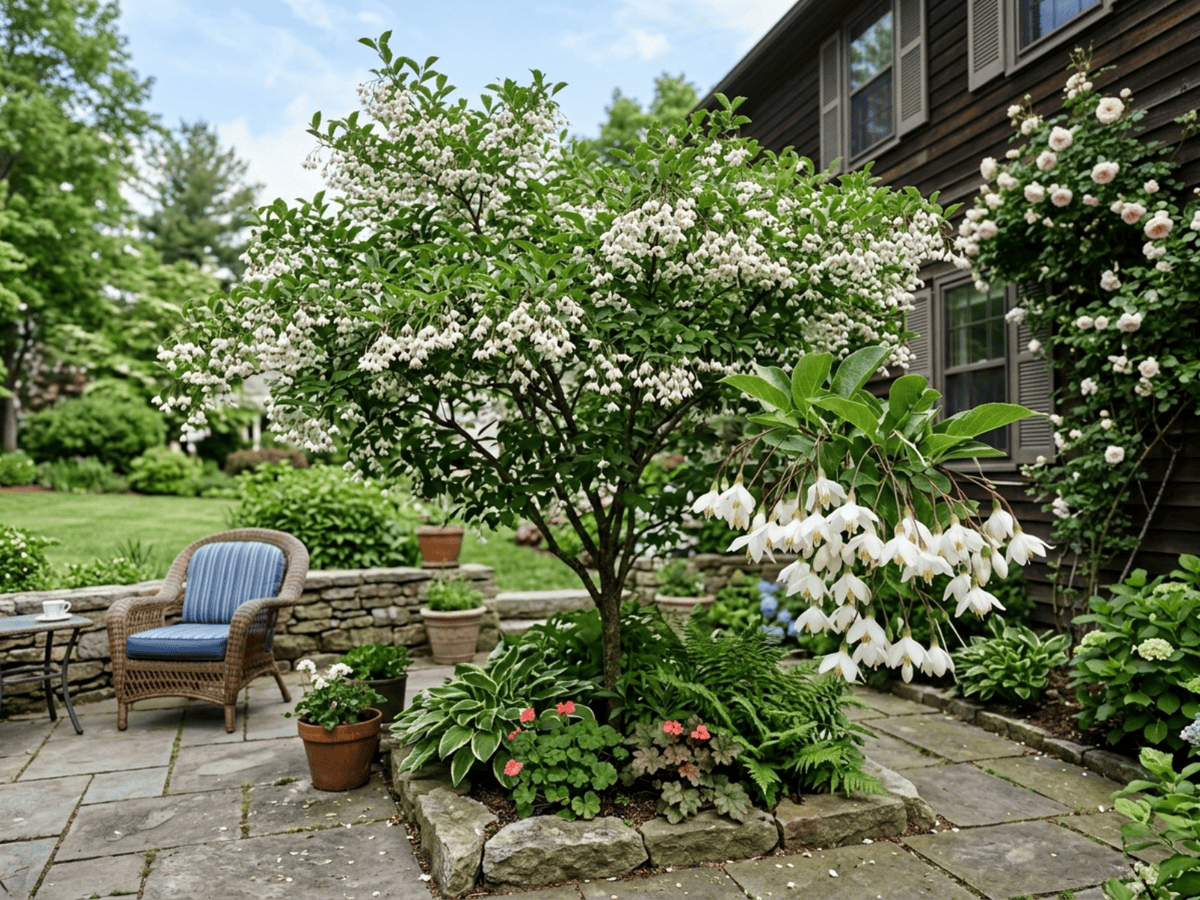
Introduced to Europe by Philipp Franz von Siebold in 1862 and to North America shortly after. The best effect comes from placing the tree where its flowers can be seen from below—next to a path, patio, or deck. A signature small tree in Japanese gardens and modern American Asian-inspired landscape design.
Symbolism & meaning
What It Symbolizes
Japanese Snowbell is grace held overhead — in late spring its horizontal branches drip with hundreds of fragrant white bell-flowers seen best from below, an entire small tree turned into a chandelier. Its serene Japanese aesthetic of restraint and balance has made it the favorite small ornamental tree of refined gardens worldwide. It is the tree planted to be walked beneath, slowly, in May.
- Grace — elegant cascading bell flowers
- Serenity — refined Japanese aesthetic
Where the Name Comes From
The name Japanese Snowbell describes its bell-shaped flowers. 'Styrax' is an ancient Greek name; 'japonicus' refers to Japan.
Uses & Fun Facts
- Layered horizontal canopy as refined small patio focal tree
- Hundreds of pendant white bells perfume spring gardens
- Bell flowers attract bees and beneficial pollinators
Related plants
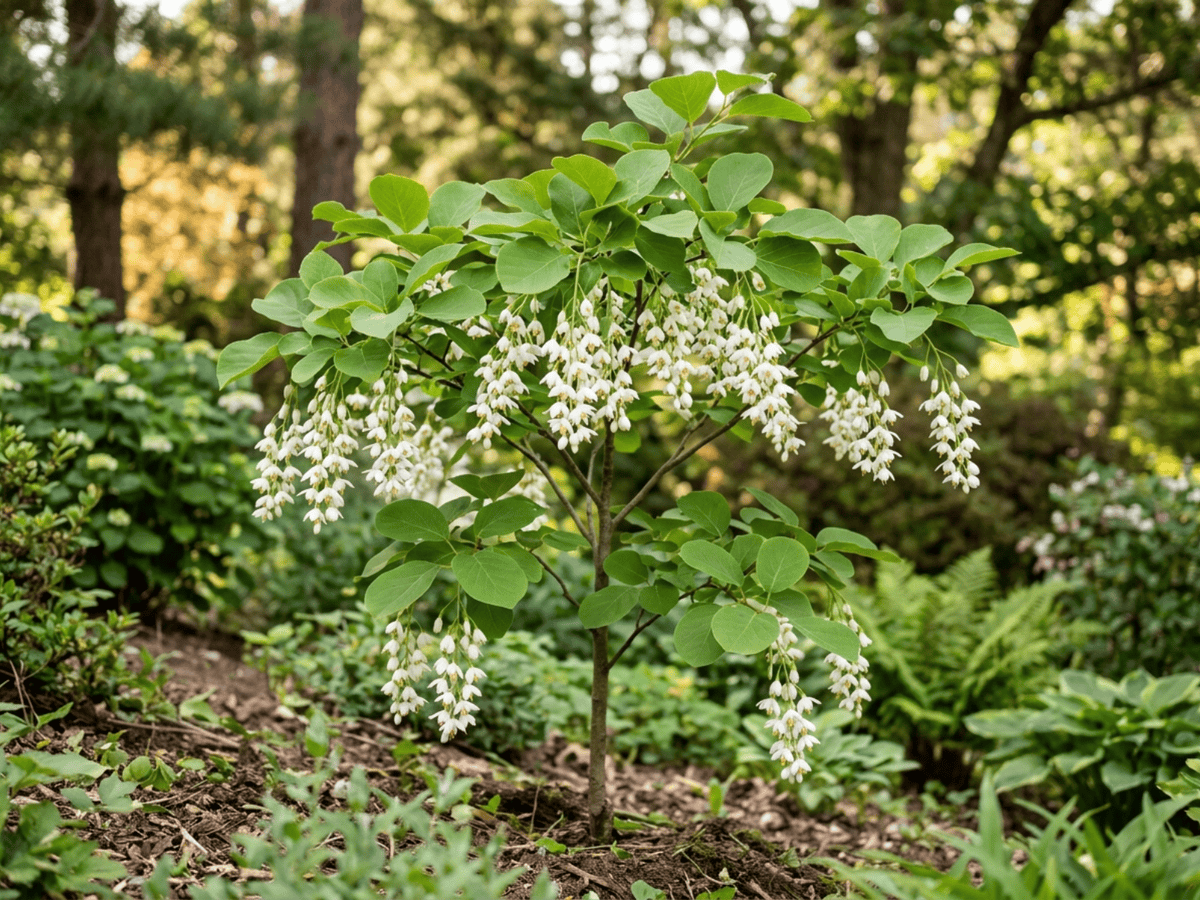
More Styrax plants
Plants with similar care
 Mexican AbeliaAbelia floribunda
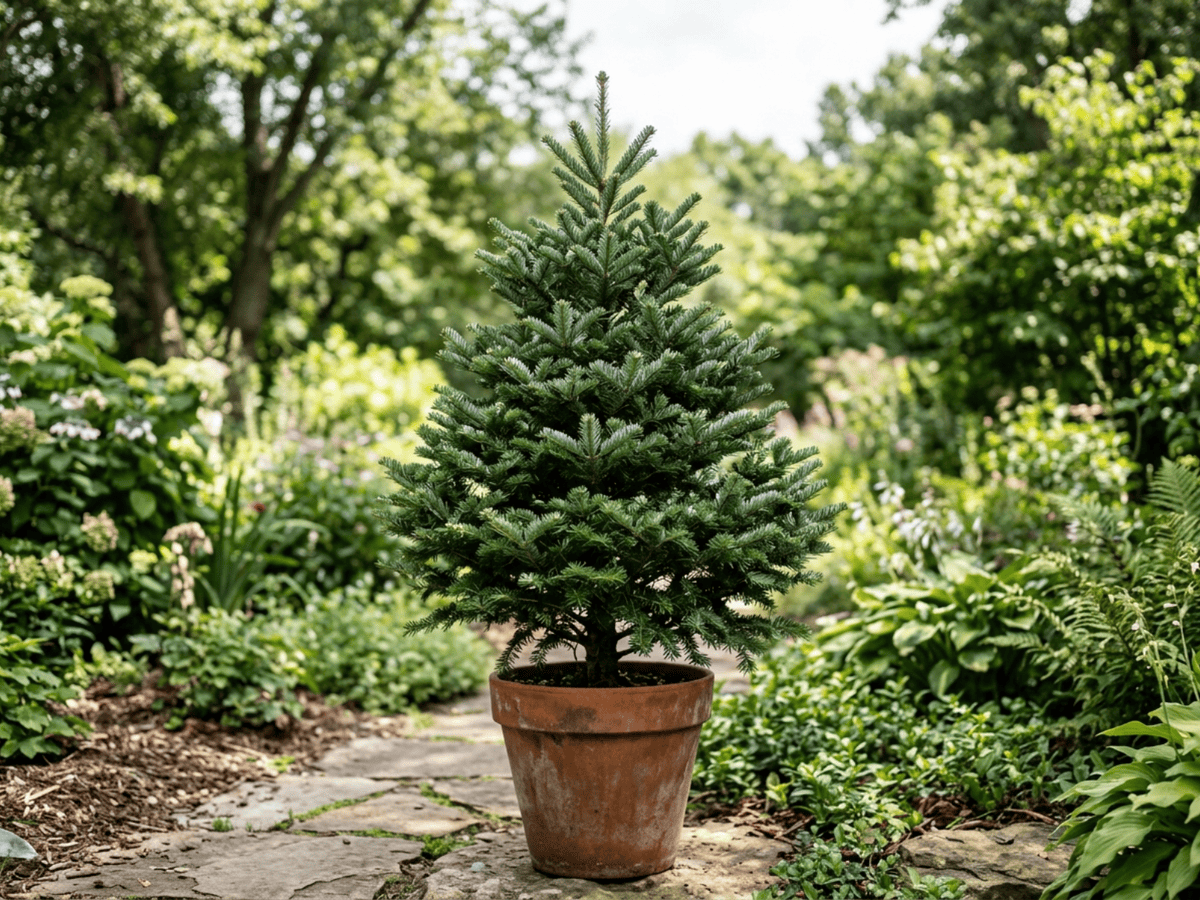 Fraser FirAbies fraseri
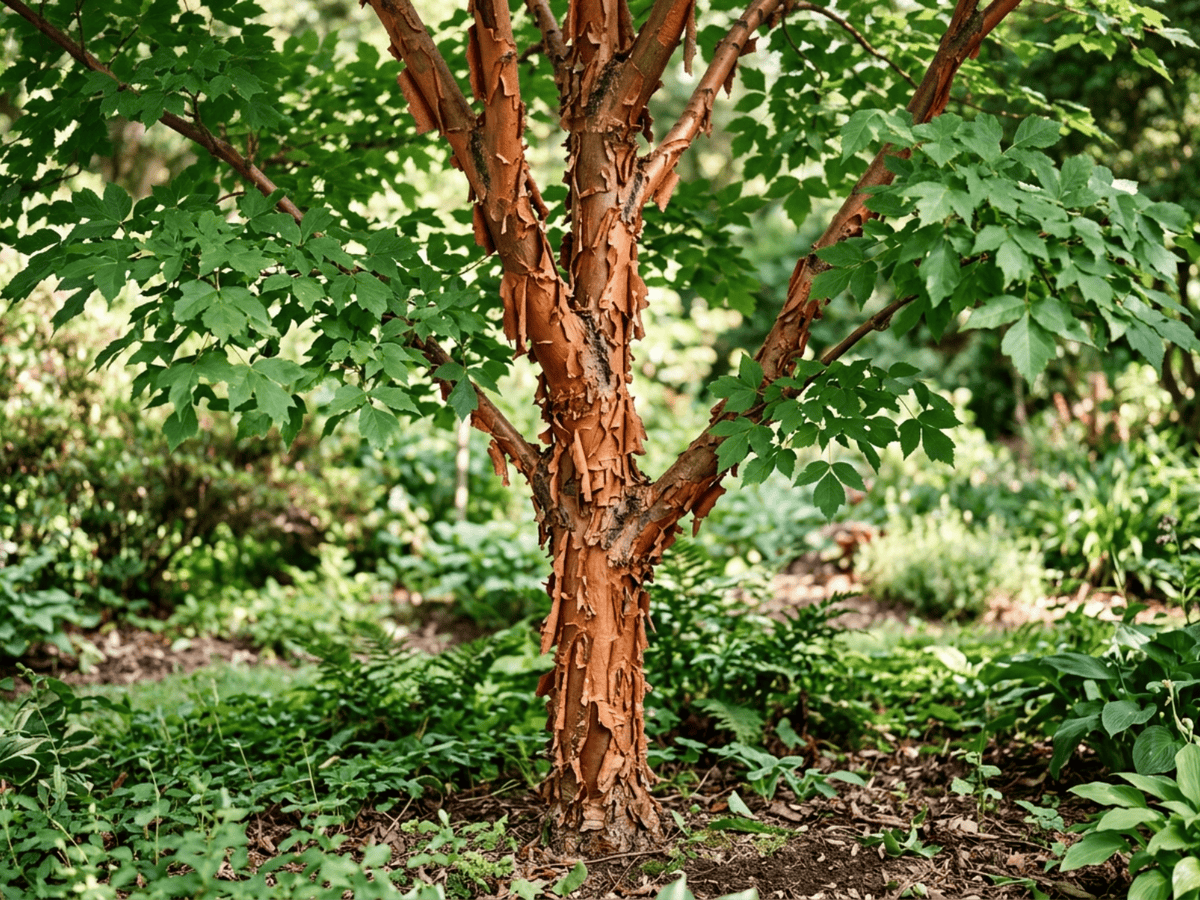 Paperbark MapleAcer griseum
 Sugar MapleAcer saccharum
Frequently asked questions
How often should I water Japanese Snowbell?
Water about every 7 days during the growing season, and always let excess water drain away.
How much light does Japanese Snowbell need?
Full sun: 6+ hrs direct. Watch the leaves — scorching or stretching means the light needs adjusting.
Is Japanese Snowbell toxic to cats or dogs?
No toxicity has been reported for this plant. Still, it is wise to keep pets from chewing on any houseplant. Educational information, not medical or veterinary advice. If exposure is suspected, contact a doctor or veterinarian.
Is Japanese Snowbell easy to grow?
It is moderately demanding: a good choice once you have a little experience.
When does Japanese Snowbell bloom?
It typically blooms May–Jun in the Northern Hemisphere.
YardMate
Identify any plant in seconds
Snap a photo — YardMate names the plant, diagnoses problems, and reminds you when to water.
Download on the App Store