 YardMate
White Heath Aster
Symphyotrichum ericoides
Easy · Beginner friendlyAbout White Heath Aster
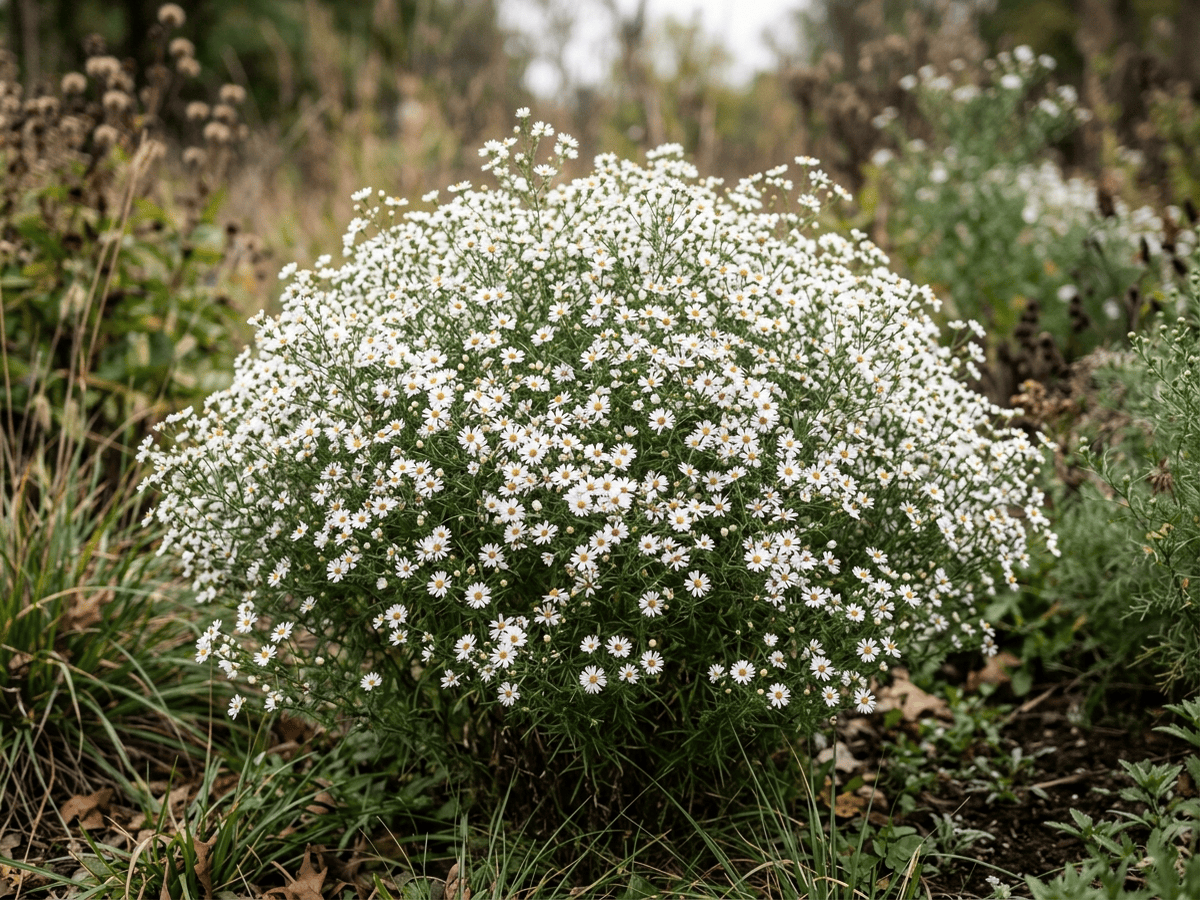
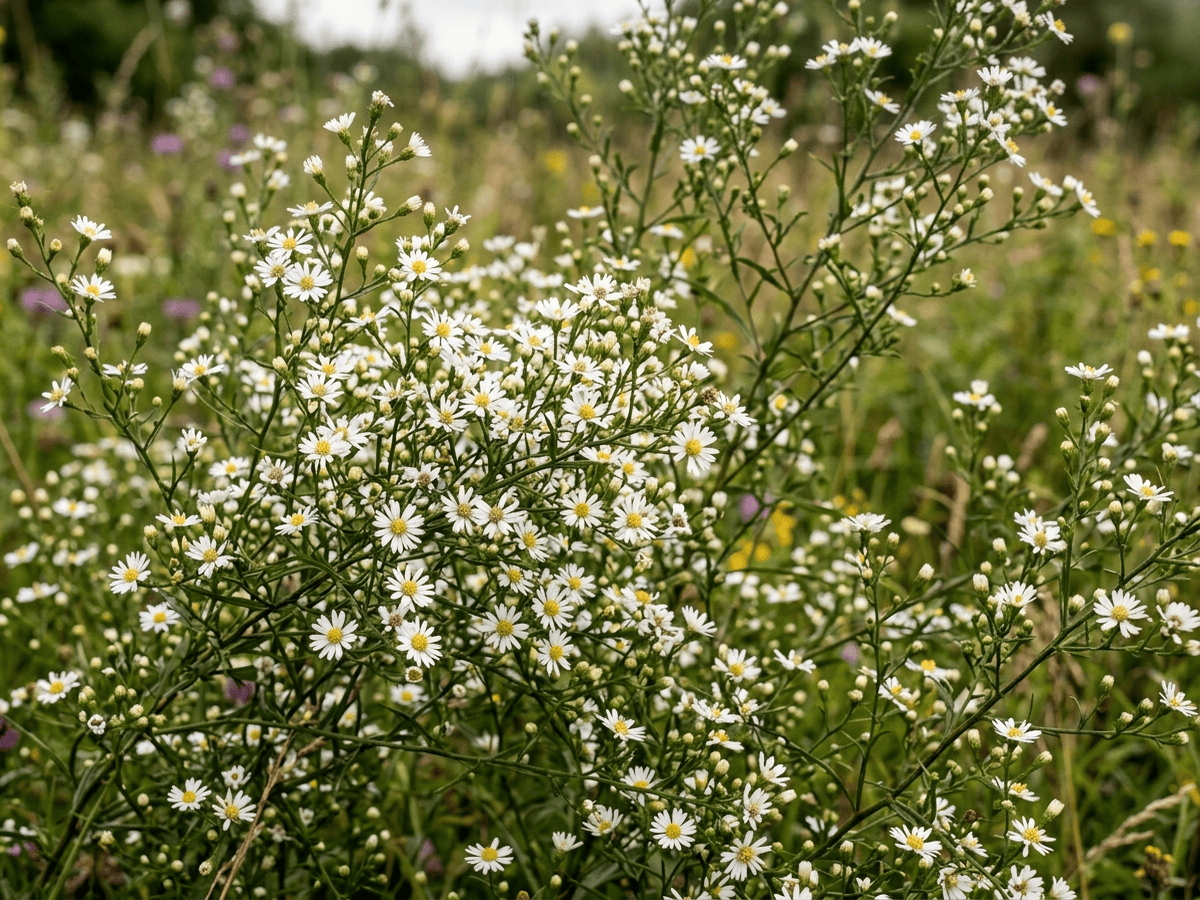
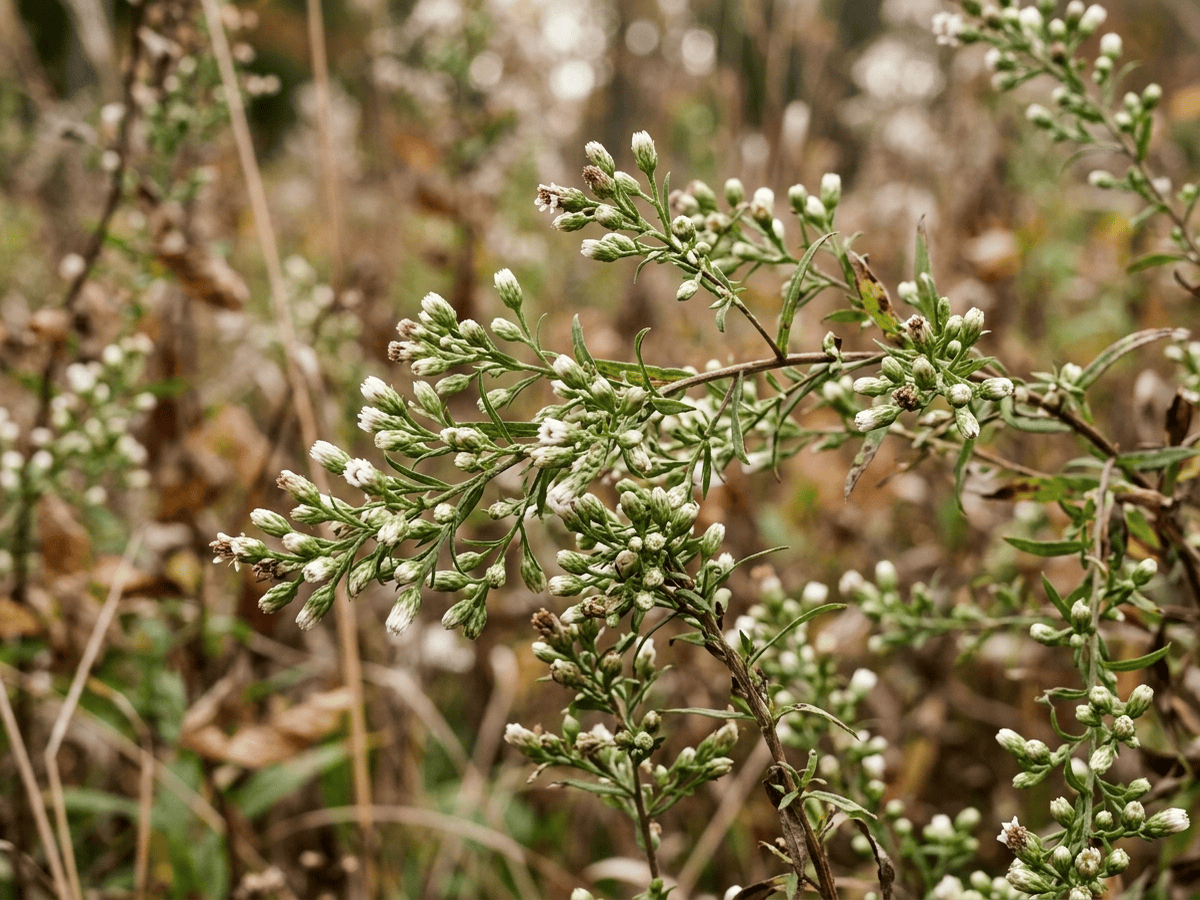
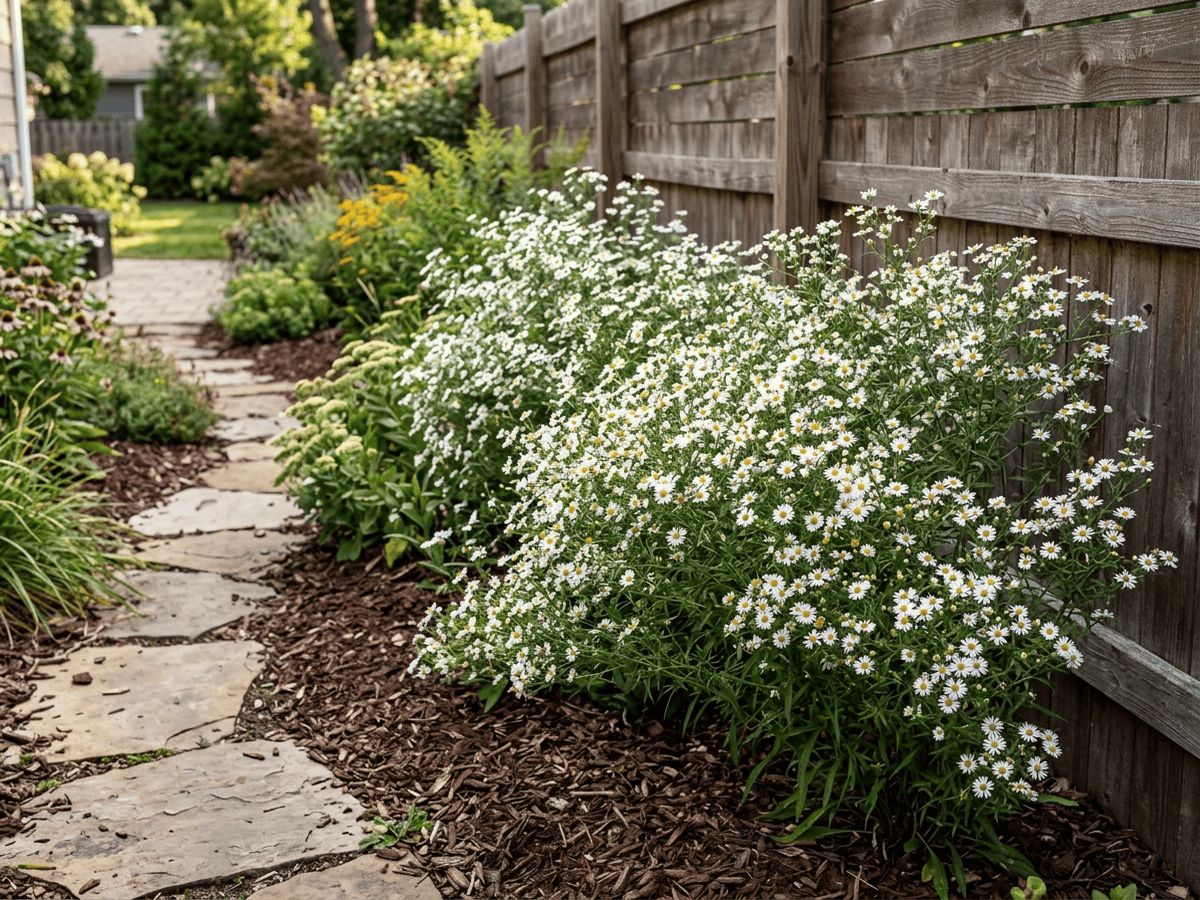
Heath Aster is a North American native perennial producing clouds of tiny white daisy flowers on wiry branched stems in late summer and fall. Growing 1 to 3 feet tall with narrow needle-like heath-like leaves, it forms dense colonies in prairies and open fields across most of the US. A signature native fall pollinator plant and airy cottage-garden filler in American meadow gardens.
- Drought-tolerant
- Deer-resistant
- Native
- Pollinator-friendly
How to care for White Heath Aster
Watering
- Springevery 7 days
- Summerevery 4 days
- Fallevery 7 days
- Winterevery 14 days
Soil · Well-draining
- Top dressingPine bark mulch10%
- Main mixPotting soil + perlite 2:170%
- DrainageLECA / gravel20%
Never skip the drainage layer — standing water is the top cause of root rot.
FERTILIZER
- Springevery 45 days
- Summerevery 60 days
At a Glance
- NativeNorth America
- Height1–3 ft (0.3–0.9 m)
- Spread1–2 ft (0.3–0.6 m)
- Flower colorWhite, Pink
- Foliage colorGreen
- SoilLoamy, Well-drained
- LocationsYard
Bloom time
BLOOM CYCLE
Peak bloom
Sep–Oct
Clouds of tiny white flowers September to October
Fragrance
LIGHT FRAGRANCE
Foliage faintly aromatic when brushed; flowers nearly scentless.
Toxicity
No toxicity has been reported for this plant. Still, it is wise to keep pets from chewing on any houseplant.
Educational information, not medical or veterinary advice. If exposure is suspected, contact a doctor or veterinarian.
DISTRIBUTION


- Native
- Introduced
- North America
History

Symphyotrichum ericoides, commonly called heath aster or white heath aster, is native to dry prairies and open woodlands across most of North America. The Lakota and Cheyenne burned its dried foliage as a smudging herb believed to drive away ghosts and ward off lightning, while the Zuni chewed the root as a stimulant. Linnaeus published it as Aster ericoides in Species Plantarum (1753).
It reached European gardens by the early 1800s and became a staple of cottage borders for its masses of tiny white daisies in autumn. Guy Nesom's 1994 molecular revision moved it into Symphyotrichum. Modern cultivars like 'Snow Flurry' and 'Pink Cloud' extend its role as a compact, drought-tolerant pollinator plant.
Native from Canada to Mexico across most of the US. Champion late-season forage plant for bees preparing for winter. The Snow Flurry groundcover cultivar revolutionized American groundcover use of this humble native wildflower.
Symbolism & meaning
What It Symbolizes
White heath aster is autumn elegance — clouds of tiny white star-flowers covering its arching stems in such numbers that the whole plant seems to be lifted by its own bloom. As fall pollinator hub it provides critical late-season forage for bees building winter stores, butterflies fueling for migration. A modest native, indispensable both to the September border and to the insects that depend on it.
- Elegance — airy clouds of tiny flowers
- Fall pollinator hub — critical late-season bee forage
Where the Name Comes From
'Symphyotrichum' from Greek means grown-together hairs; 'ericoides' means resembling Erica (heath), for the needle-like foliage.
Uses & Fun Facts
- Tiny white asters cover plants in autumn for migrating monarchs
- Heath-like native aster forms airy late-season prairie clouds
Related plants
More Symphyotrichum plants
Plants with similar care
 Chinese AbeliaAbelia chinensis
 Fragrant AbeliaAbelia mosanensis
 Large-Flowered AbeliaAbelia uniflora
 Glossy AbeliaAbelia x grandiflora
Frequently asked questions
How often should I water White Heath Aster?
In summer, water about every 4 days; in winter, about every 14 days. Adjust for heat, pot size and drainage.
How much light does White Heath Aster need?
Full sun: 6+ hrs direct. Watch the leaves — scorching or stretching means the light needs adjusting.
Is White Heath Aster toxic to cats or dogs?
No toxicity has been reported for this plant. Still, it is wise to keep pets from chewing on any houseplant. Educational information, not medical or veterinary advice. If exposure is suspected, contact a doctor or veterinarian.
Is White Heath Aster easy to grow?
Yes — it is considered an easy, beginner-friendly plant.
When does White Heath Aster bloom?
It typically blooms Sep–Oct in the Northern Hemisphere.
YardMate
Identify any plant in seconds
Snap a photo — YardMate names the plant, diagnoses problems, and reminds you when to water.
Download on the App Store