 YardMate

New England Aster
Symphyotrichum novae-angliae
Easy · Beginner friendlyAbout New England Aster
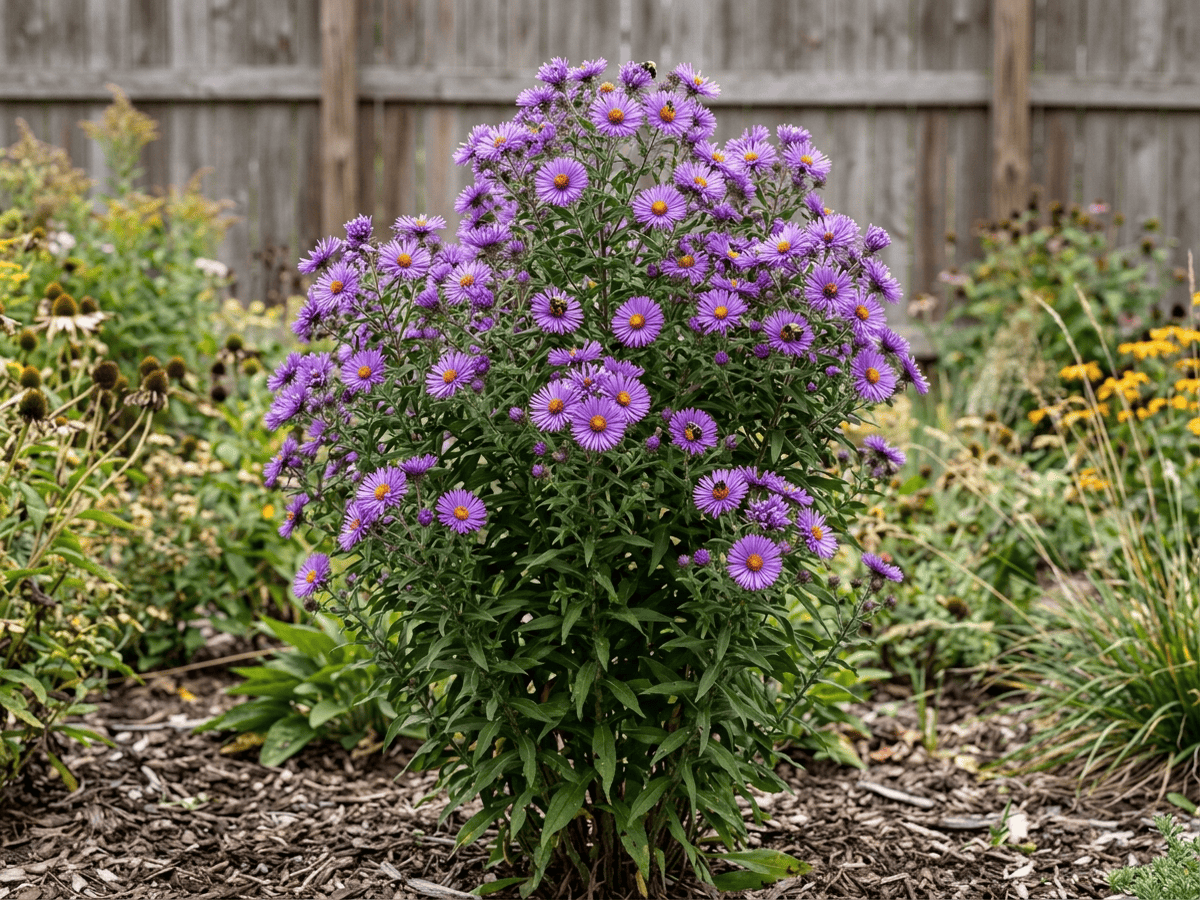
Symphyotrichum novae-angliae (formerly Aster novae-angliae), New England aster, is a showy native herbaceous perennial of eastern and central North American meadows. Tall 1-2 m stems carry abundant 4-5 cm purple, violet, or pink flowers with gold centers from late August through October — the defining late-season flower of American prairie and roadside flora.
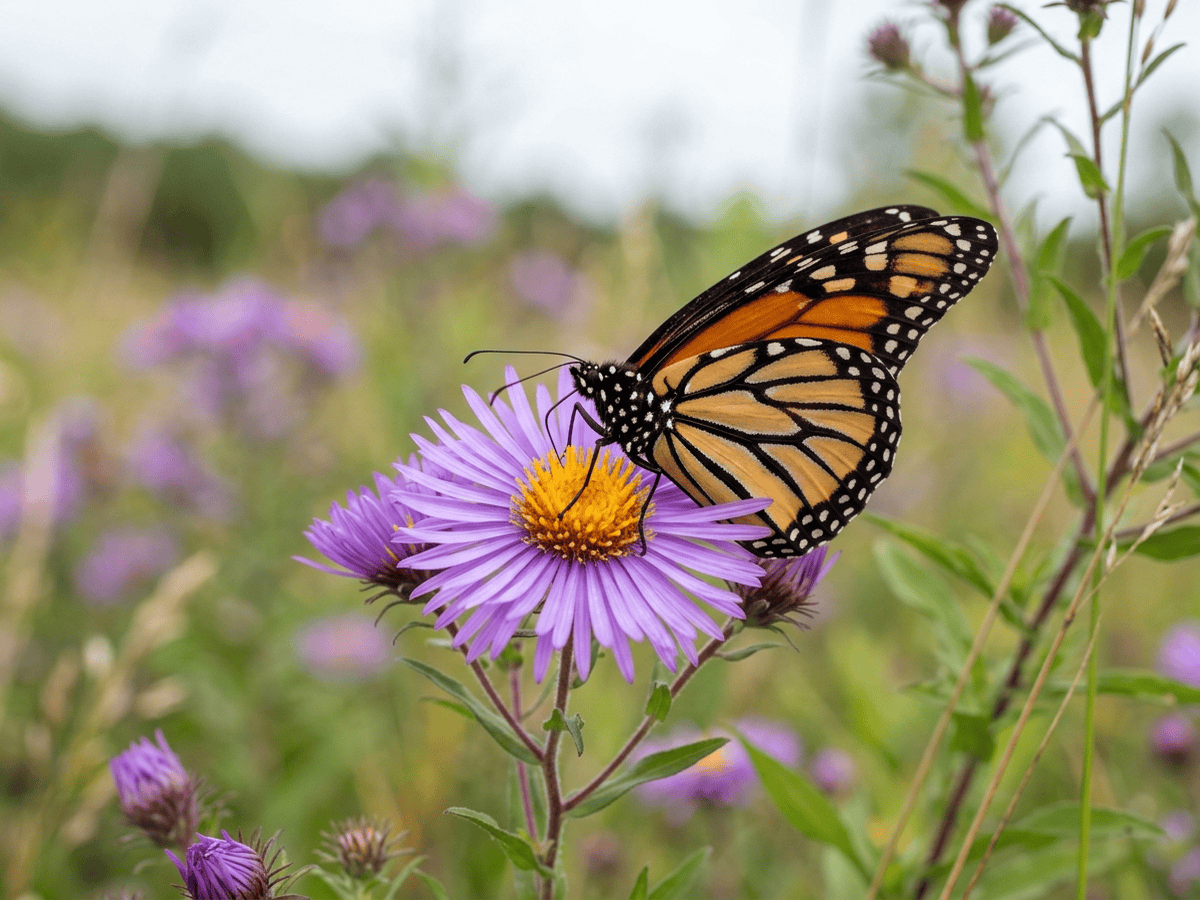
It is one of the most important late-season nectar plants for monarch butterflies during their fall migration to Mexico and the final crucial nectar source for native bees preparing for winter.
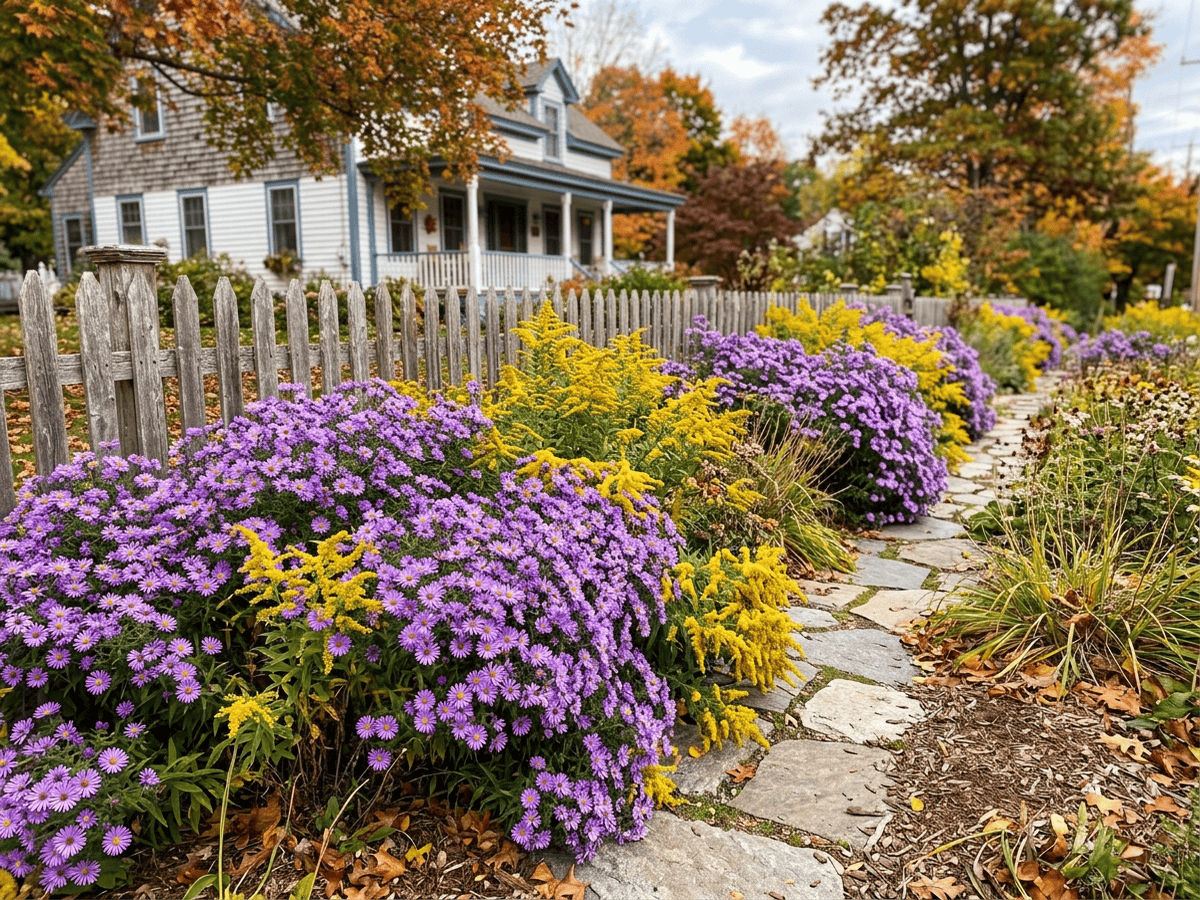
Cultivars include 'Alma Pötschke' (hot pink), 'Purple Dome' (compact deep purple), 'Harrington's Pink,' and 'Andenken an Alma Pötschke' (scarlet-pink). Hardy to USDA zone 3. Tolerates clay and seasonal wet soils where many garden asters fail.
- Pollinator-friendly
- Native
How to care for New England Aster
Watering
- Springevery 7 days
- Summerevery 5 days
- Fallevery 10 days
- Winterpause watering
Soil · Well-draining
- Top dressingPine bark mulch10%
- Main mixPotting soil + perlite 2:170%
- DrainageLECA / gravel20%
Never skip the drainage layer — standing water is the top cause of root rot.
FERTILIZER
Bloom Booster 10-52-10
A phosphorus-forward feed fuels abundant blooms, with just enough nitrogen and potassium to keep foliage and roots steady.
- Nitrogen · Leaves
- Phosphorus · Roots + Blooms
- Potassium · Strength
- Springevery 30 days
- Summerevery 45 days
At a Glance
- NativeNorth America
- Height3–6 ft (0.9–1.8 m)
- Spread2–3 ft (0.6–0.9 m)
- Flower colorPurple, Pink
- Foliage colorGreen
- Fruit colorBrown
- SoilRich, Loamy, Well-drained
- LocationsYard
Bloom time
BLOOM CYCLE
Peak bloom
Sep–Oct
Purple to pink daisies September-October; pinch in early summer for denser shorter plants.
Fragrance
LIGHT FRAGRANCE
The flowers have a light earthy-floral scent.
Toxicity
No toxicity has been reported for this plant. Still, it is wise to keep pets from chewing on any houseplant.
Educational information, not medical or veterinary advice. If exposure is suspected, contact a doctor or veterinarian.
DISTRIBUTION


- Native
- Introduced
- North America
History
Symphyotrichum novae-angliae (New England aster) is native to eastern and central North America, from Quebec and Ontario south to Alabama and Georgia and west to the Dakotas and Kansas. It was described by Linnaeus in 1753 as Aster novae-angliae from specimens sent from the New England colonies. American taxonomist Guy Nesom moved the species to the new genus Symphyotrichum in 1994 based on molecular evidence, splitting New World asters from Old World Aster.
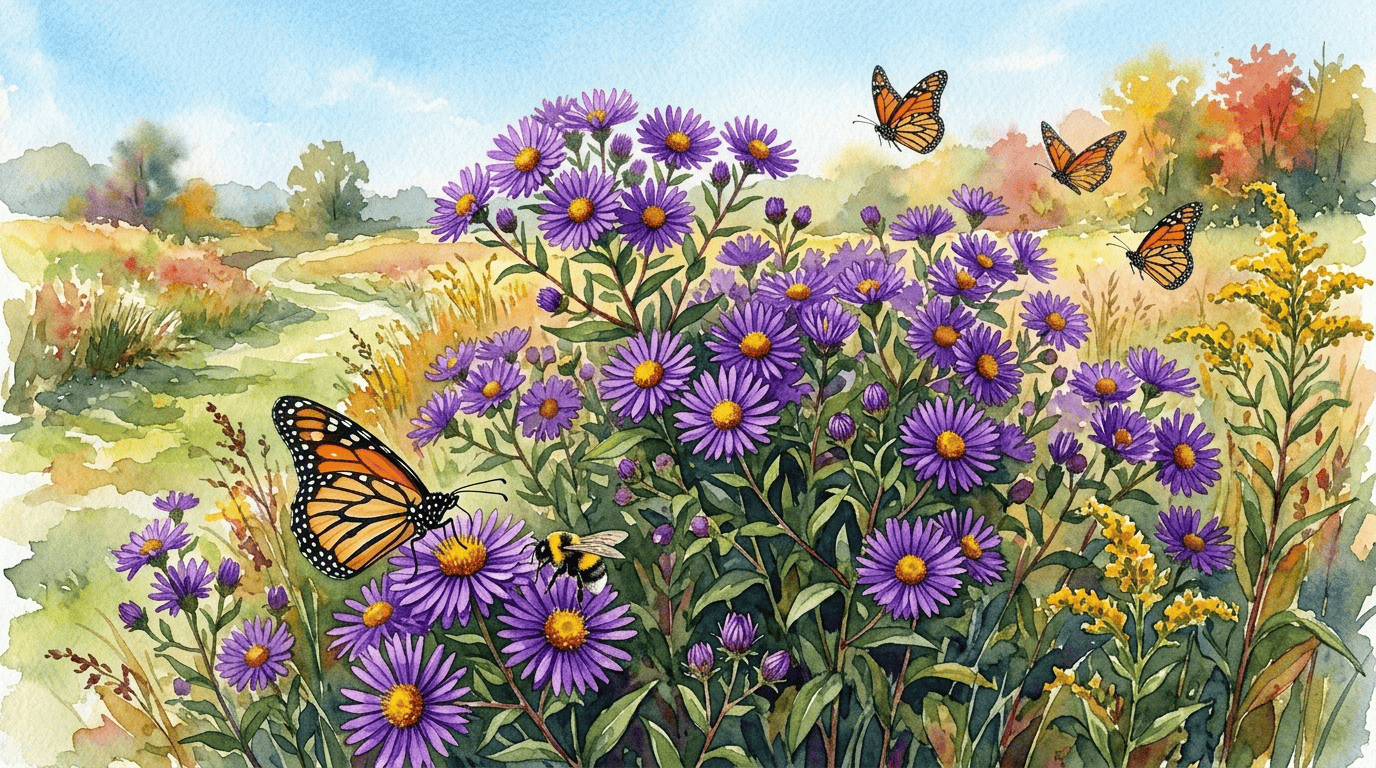
New England aster is one of the most ecologically important fall wildflowers of the American Northeast: its late August-October flowering overlaps exactly with the southbound monarch butterfly migration to Mexico, providing critical high-energy nectar. Honeybees, native bumblebees, leafcutter bees, and autumn soldier beetles depend on asters for their final winter-preparation foraging.
Cultivar 'Alma Pötschke' was selected at a German nursery in 1968 and became the standard hot-pink form. 'Purple Dome' (Mount Cuba Center, 1982) is a compact naturally non-floppy selection for smaller gardens. Hardy to USDA zone 3 and tolerates clay soils where many garden asters struggle.
Symbolism & meaning
What It Symbolizes
The New England Aster makes visible patience, waiting until late September to reveal its full glory of purple-pink blooms above tall, leafy stems. When most of the garden has surrendered to cooler nights, it can symbolize resilience, flowering on through the very first frosts. This is the wildflower of perseverance — a native aster that knows the value of a late entrance and refuses to rush its season's grand finale.
- Patience — Waits until late September to reveal its full glory
- Resilience — Blooms through first frosts when little else does
Where the Name Comes From
Symphyotrichum from Greek 'symphysis' (growing together) + 'trichos' (hair), referring to the pappus; 'novae-angliae' means of New England.
Uses & Fun Facts
- New England Aster flowers nourish foraging bees and pollinators
Related plants
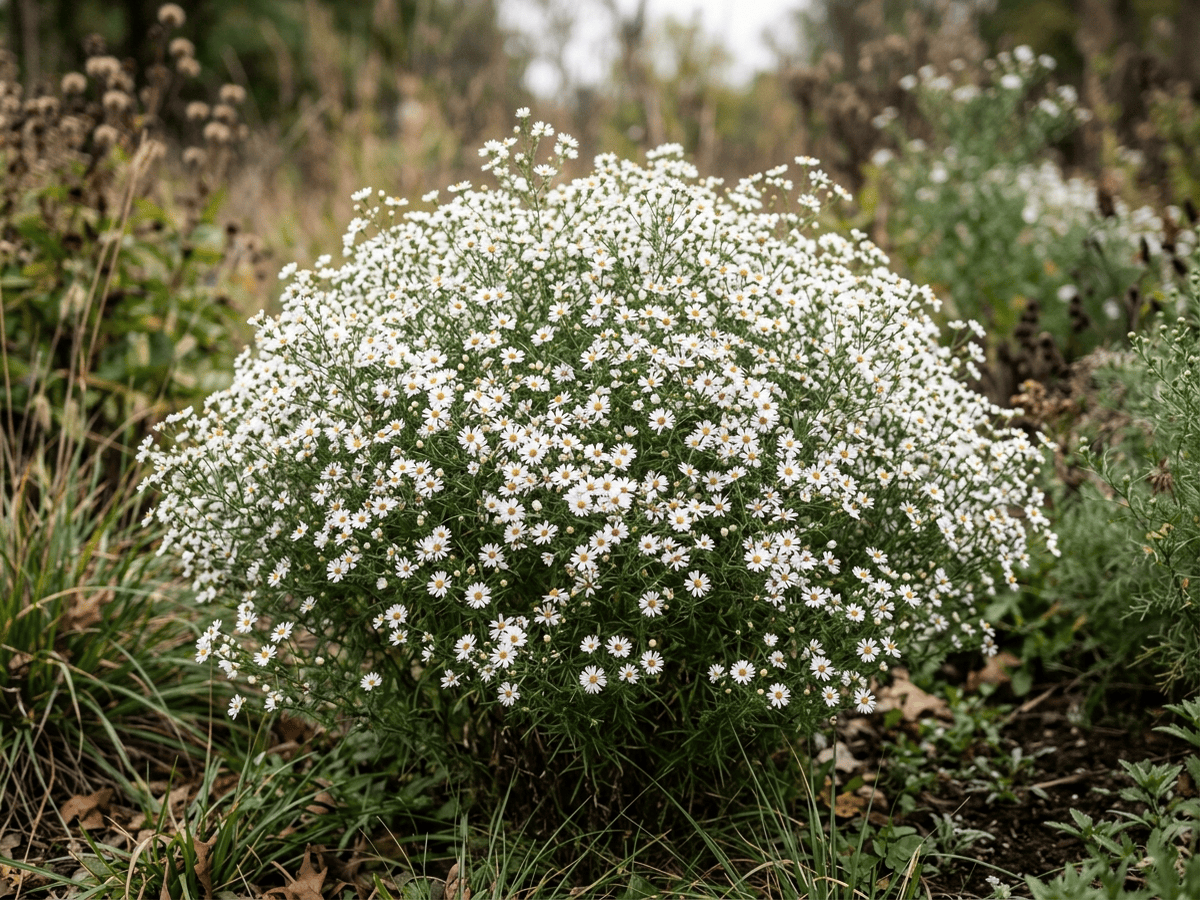
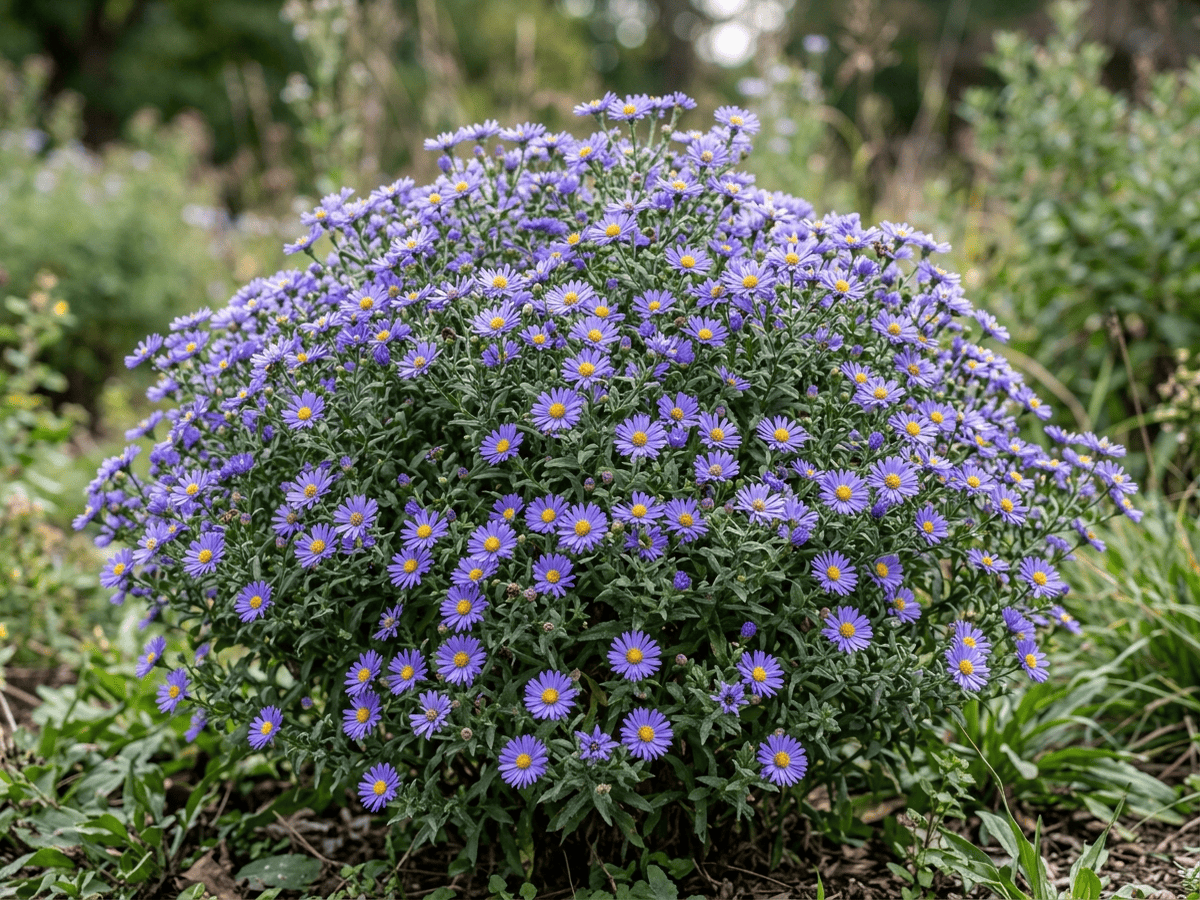
More Symphyotrichum plants
Plants with similar care
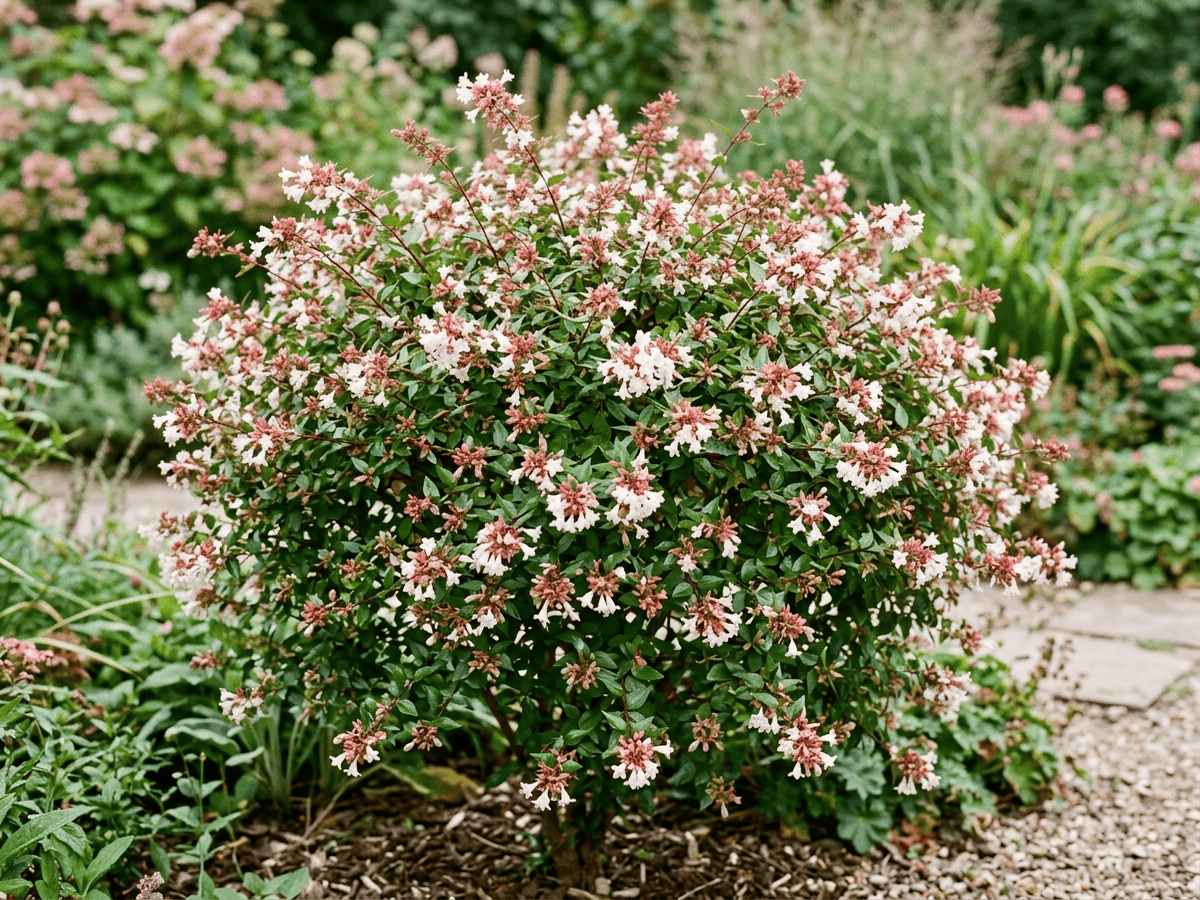 Chinese AbeliaAbelia chinensis
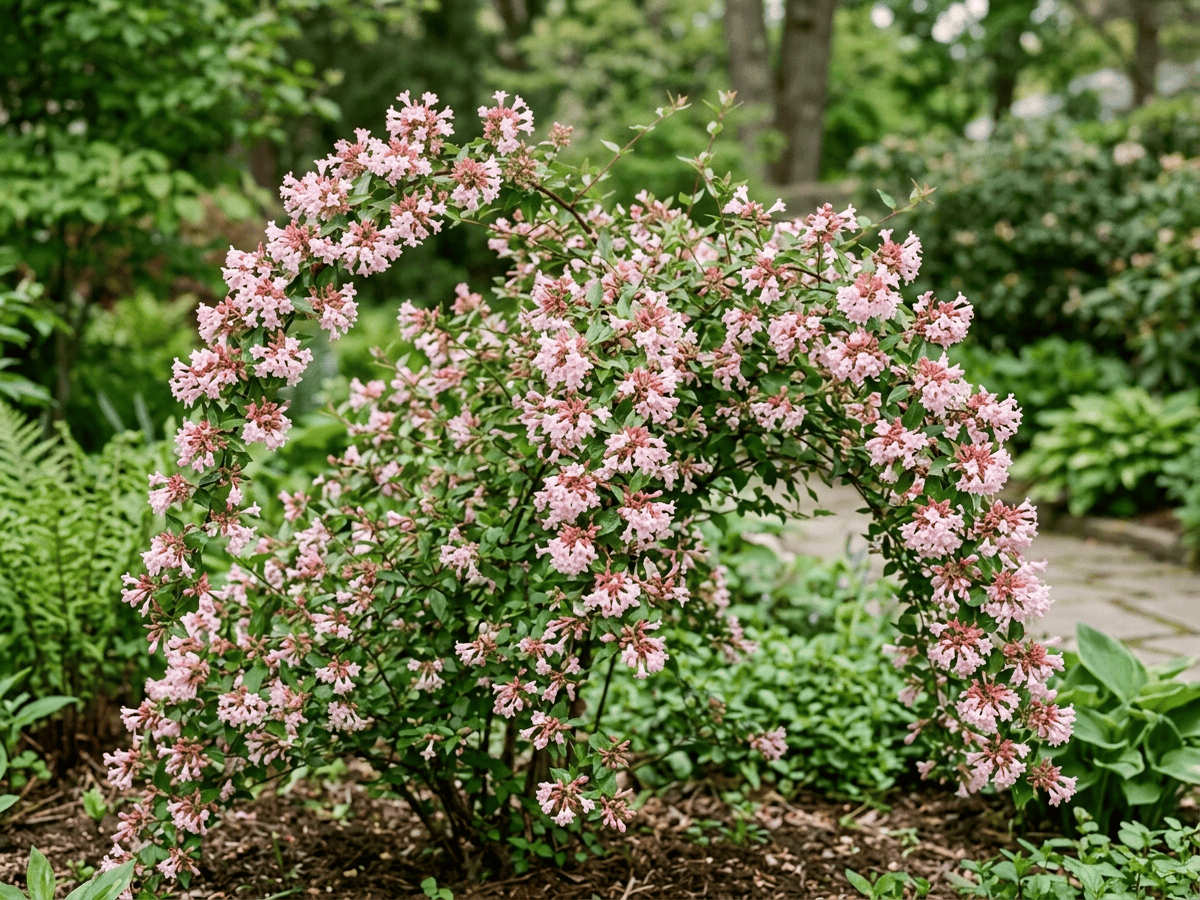 Fragrant AbeliaAbelia mosanensis
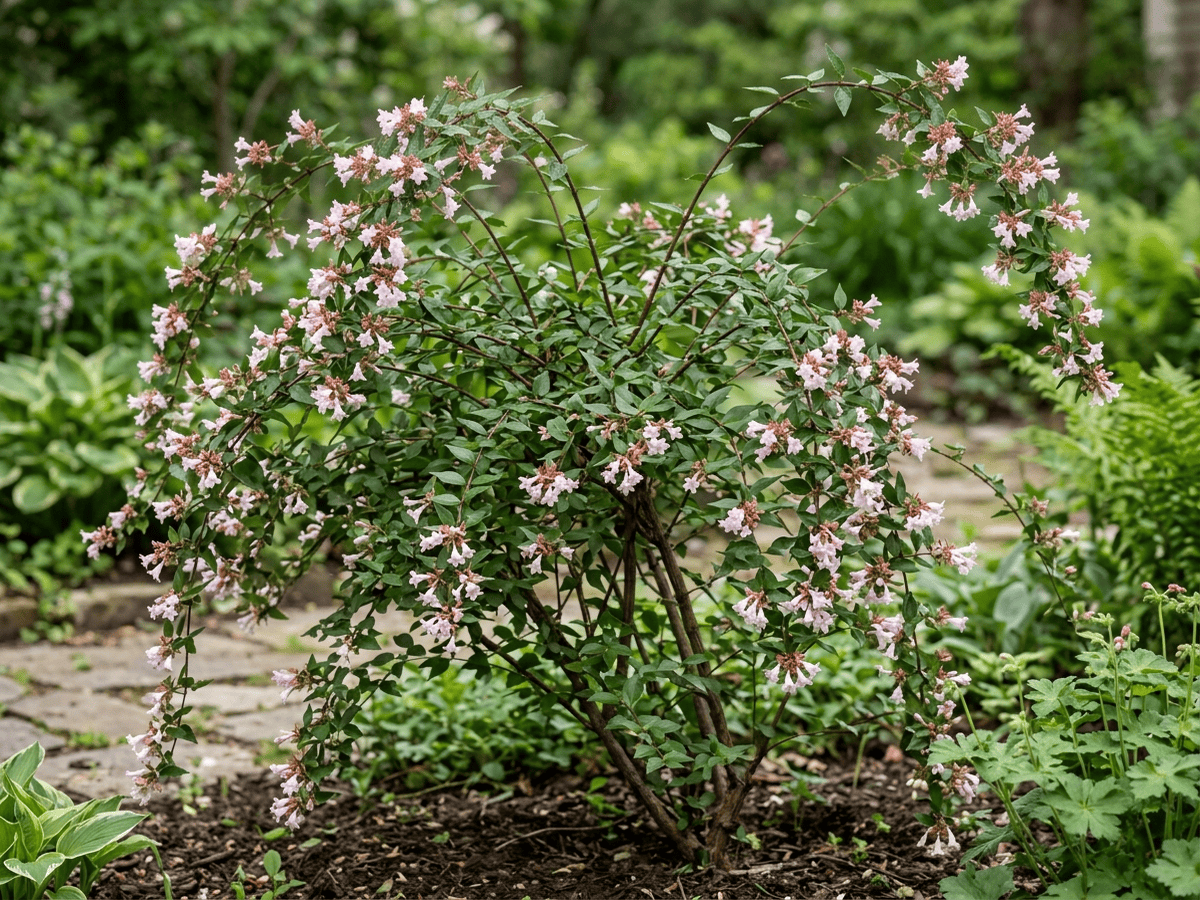 Large-Flowered AbeliaAbelia uniflora
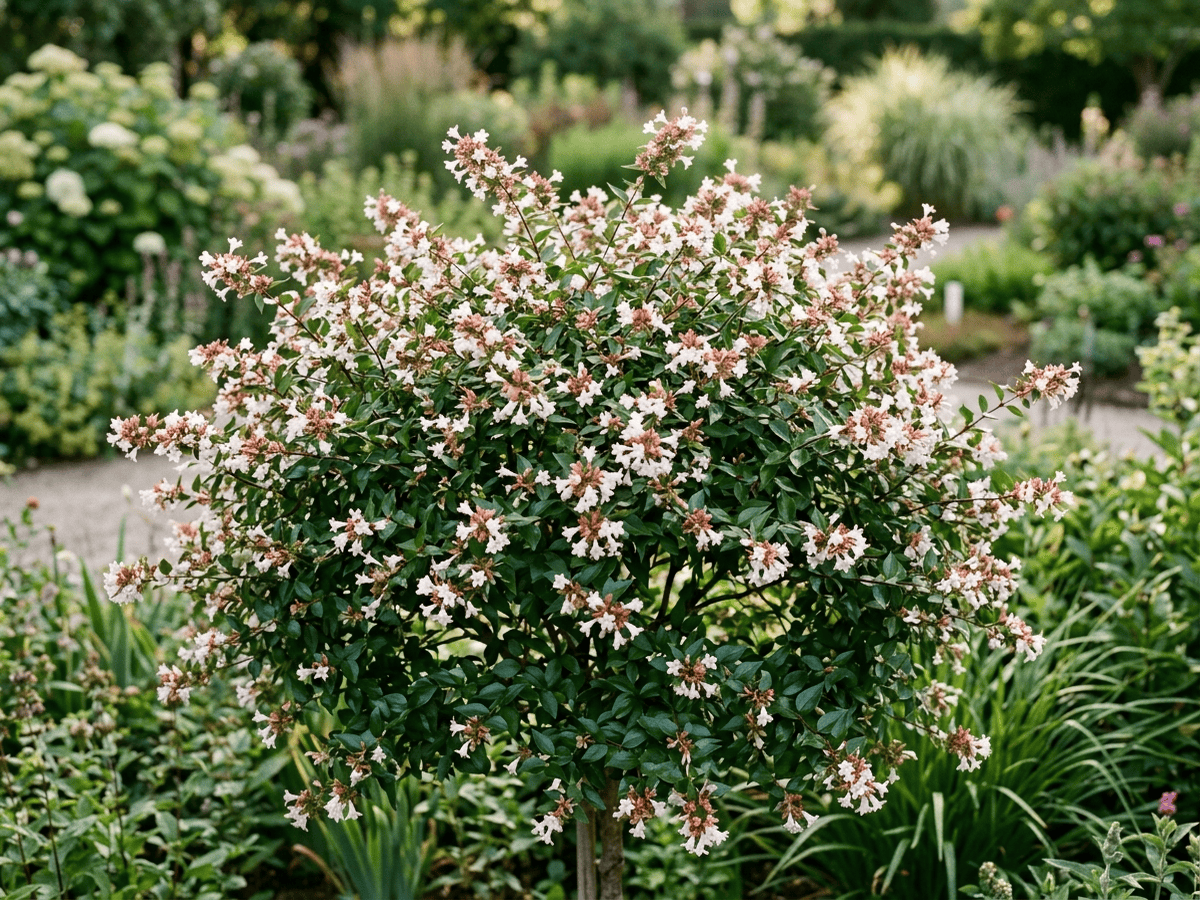 Glossy AbeliaAbelia x grandiflora
Frequently asked questions
How often should I water New England Aster?
Water about every 7 days during the growing season, and always let excess water drain away.
How much light does New England Aster need?
Full sun: 6+ hrs direct. Watch the leaves — scorching or stretching means the light needs adjusting.
Is New England Aster toxic to cats or dogs?
No toxicity has been reported for this plant. Still, it is wise to keep pets from chewing on any houseplant. Educational information, not medical or veterinary advice. If exposure is suspected, contact a doctor or veterinarian.
Is New England Aster easy to grow?
Yes — it is considered an easy, beginner-friendly plant.
When does New England Aster bloom?
It typically blooms Sep–Oct in the Northern Hemisphere.
YardMate
Identify any plant in seconds
Snap a photo — YardMate names the plant, diagnoses problems, and reminds you when to water.
Download on the App Store