 YardMate

Basswood
Tilia americana
Easy · Beginner friendlyAbout Basswood
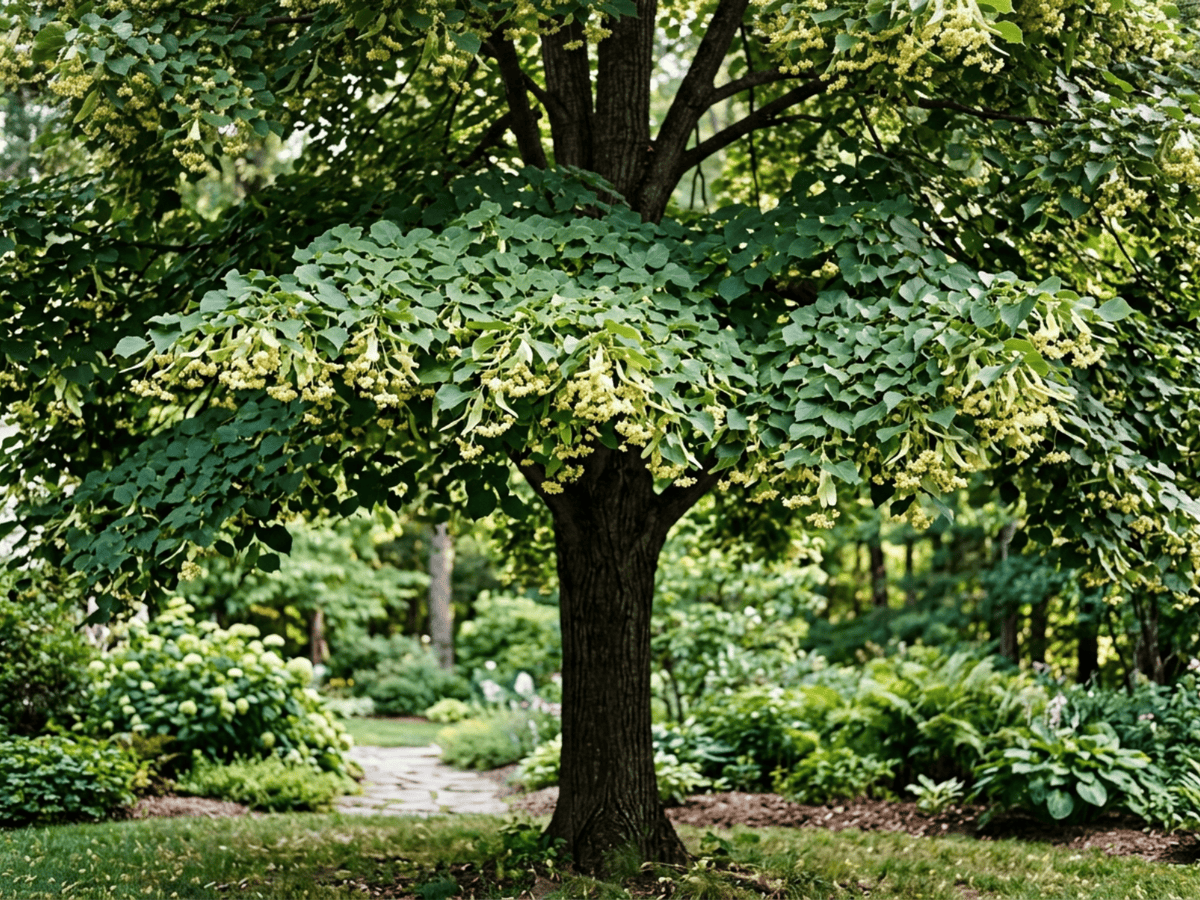
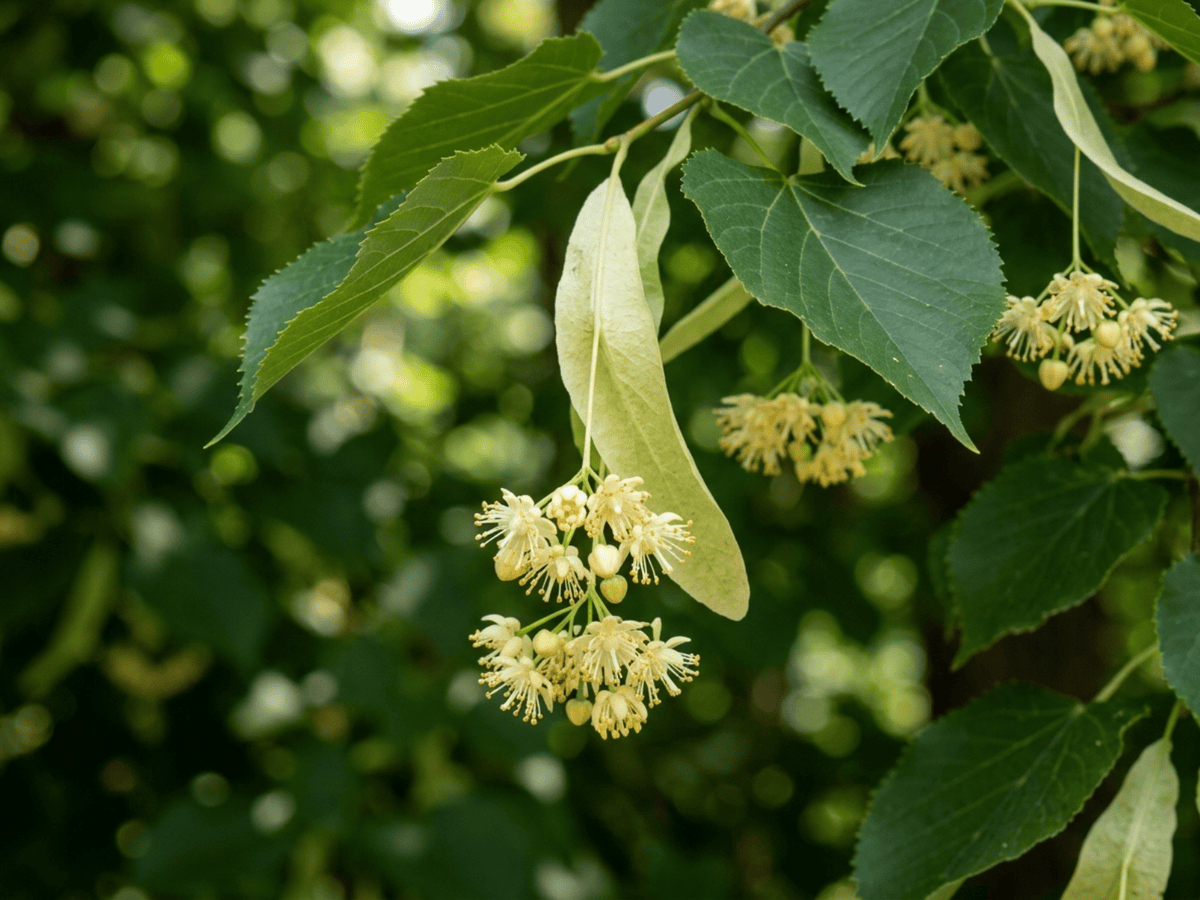
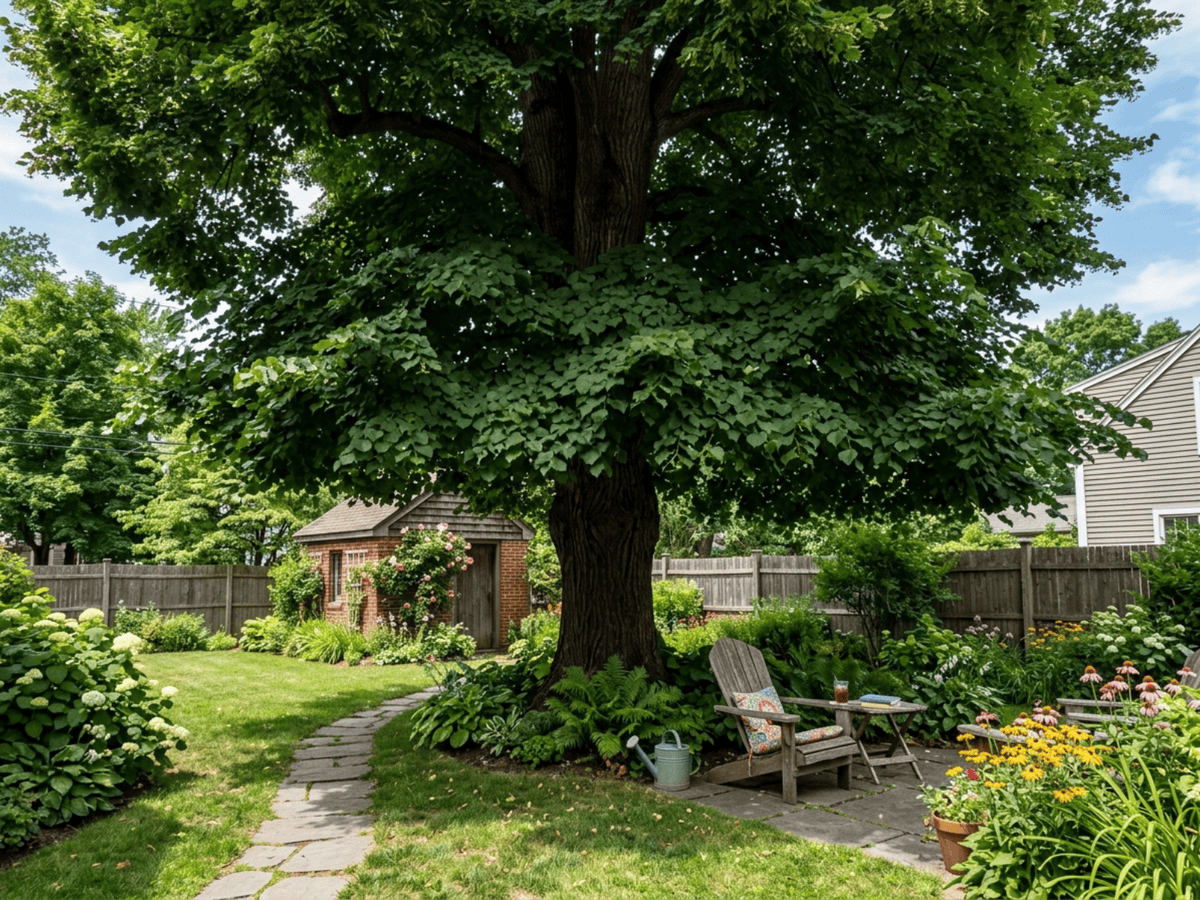
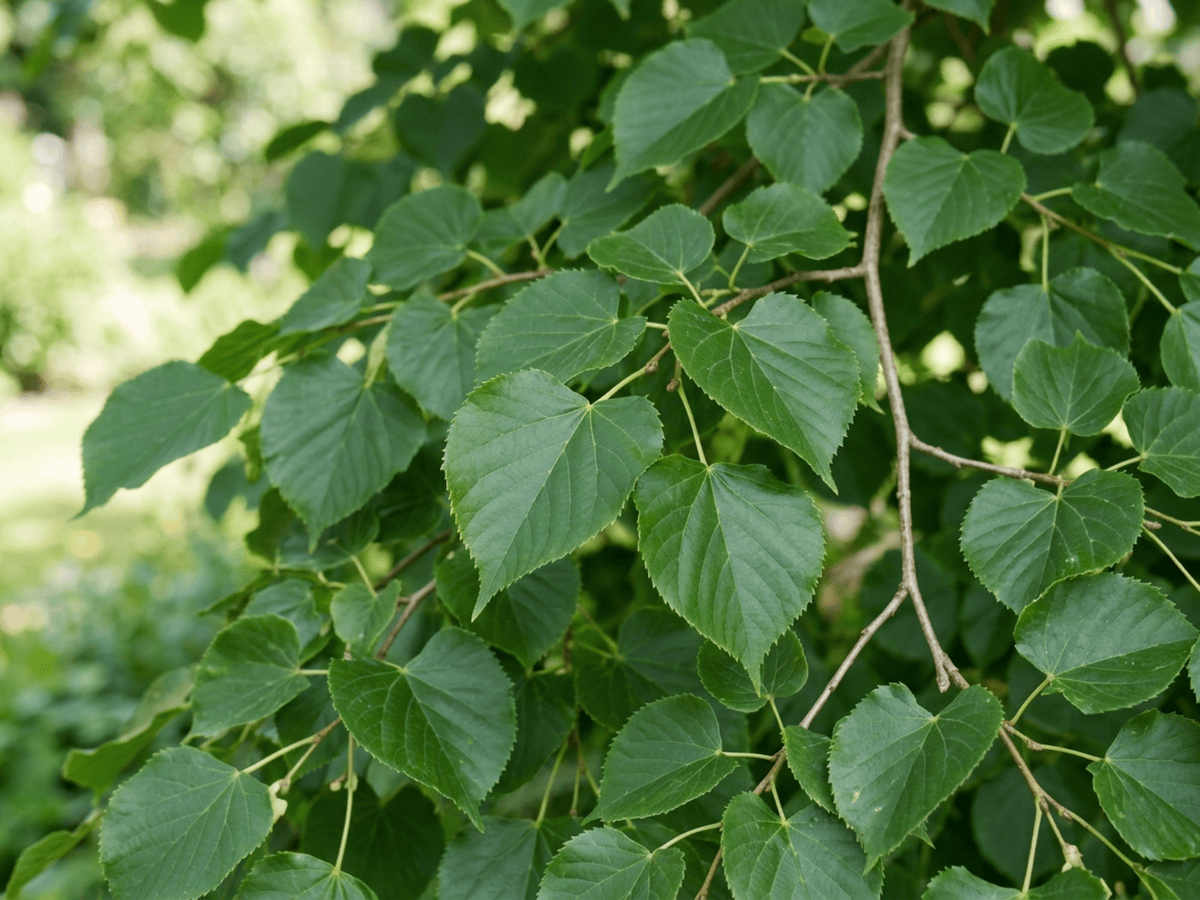
American Basswood is a majestic deciduous tree native to eastern and central North America, reaching 60-80 feet. Large heart-shaped leaves and fragrant pale yellow flowers in early summer attract bees in such numbers the tree seems to hum—yielding one of the finest honeys. Also known as American Linden, it casts deep shade and features pale, straight-grained wood historically used in carving, musical instruments, and hand tools.
- Fragrant
- Native
- Pollinator-friendly
How to care for Basswood
Watering
- Springevery 7 days
- Summerevery 5 days
- Fallevery 10 days
- Winterpause watering
Soil · Well-draining
- Top dressingPine bark mulch10%
- Main mixPotting soil + perlite 2:170%
- DrainageLECA / gravel20%
Never skip the drainage layer — standing water is the top cause of root rot.
FERTILIZER
Balanced Feed 14-14-14
An even feed covers all three needs at once, keeping leaves, roots and blooms moving together with nothing pushed out of balance.
- Nitrogen · Leaves
- Phosphorus · Roots + Blooms
- Potassium · Strength
- Springevery 60 days
- Summerevery 60 days
At a Glance
- NativeNorth America
- Height60–80 ft (18.3–24.4 m)
- Spread30–50 ft (9.1–15.2 m)
- Flower colorCream, Yellow
- Foliage colorGreen, Yellow
- Fruit colorBrown
- SoilMoisture-retentive, Loamy, Neutral
- LocationsYard
Bloom time
BLOOM CYCLE
Peak bloom
Jun
Fragrant pale yellow flowers in June
Fragrance
STRONG FRAGRANCE
The flowers have a honey-sweet scent.
Toxicity
No toxicity has been reported for this plant. Still, it is wise to keep pets from chewing on any houseplant.
Educational information, not medical or veterinary advice. If exposure is suspected, contact a doctor or veterinarian.
DISTRIBUTION

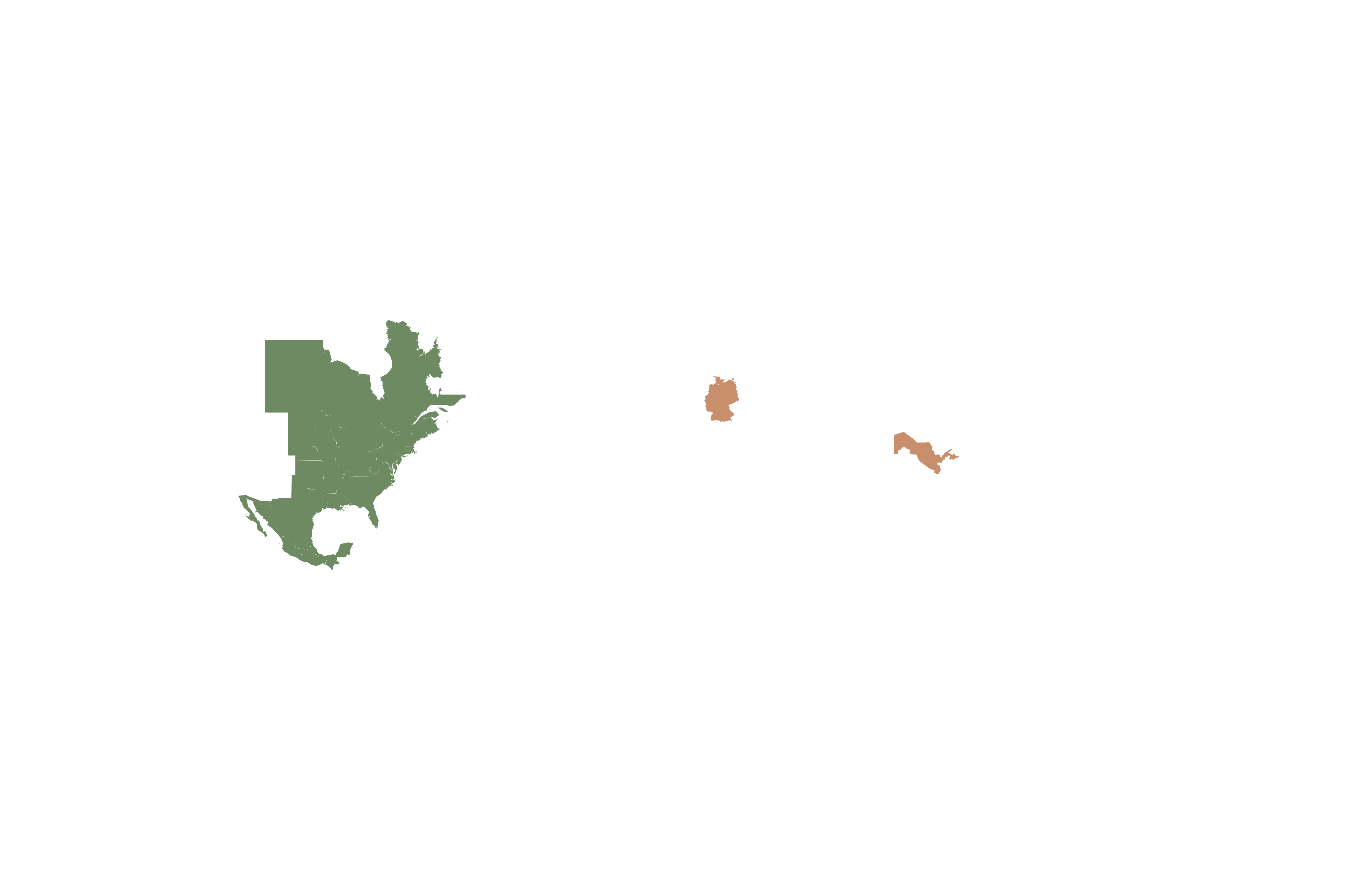
- Native
- Introduced
- North America
History
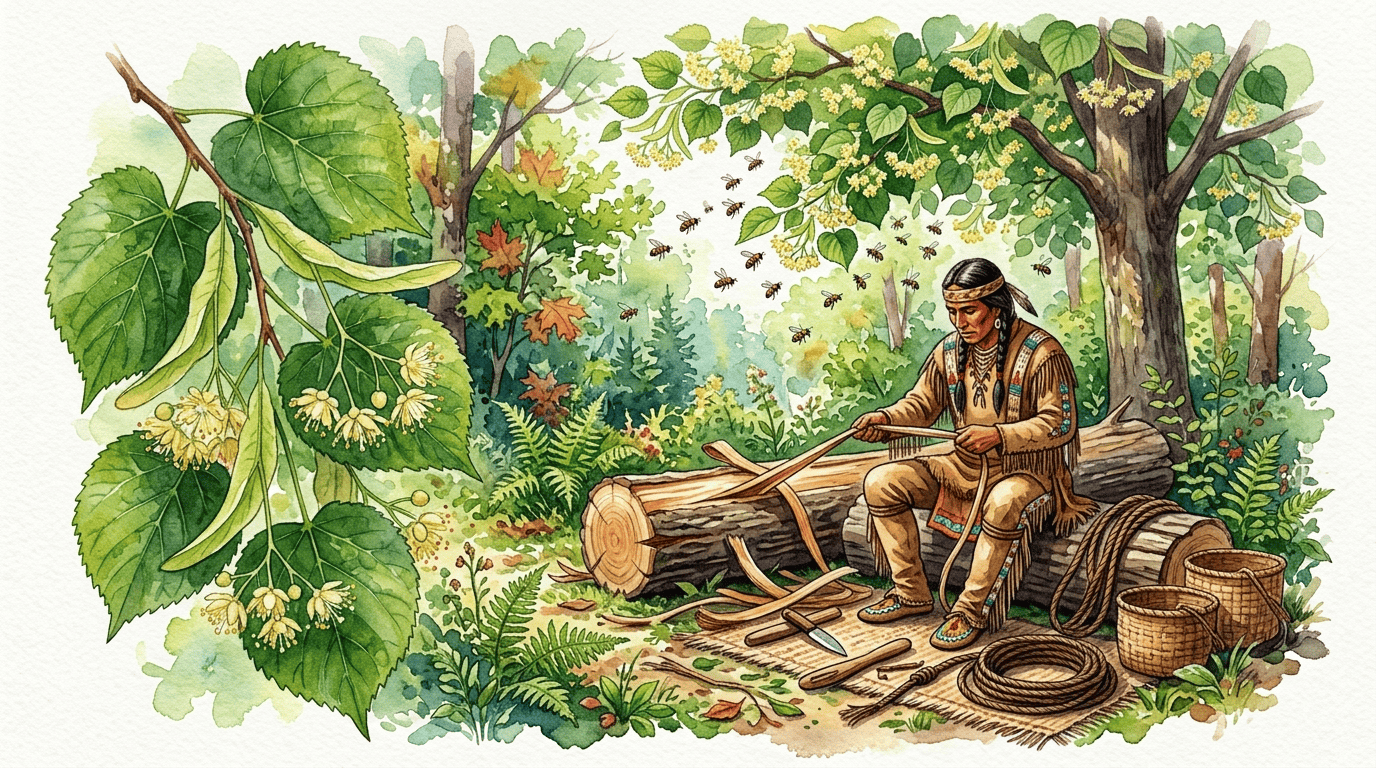
Tilia americana ranges across eastern North America from Manitoba to New Brunswick south to Virginia and west to Kansas. Linnaeus described it in 1753. Its fragrant pale-yellow pendant flowers in June-July are among the finest nectar sources for honeybees in North America—linden or basswood honey is prized for its distinctive flavor, often pale and aromatic.
Indigenous peoples across its range including the Ojibwe, Iroquois, and Cherokee stripped the tough fibrous inner bark (bast) for cordage, rope, fishnets, baskets, and woven mats. The common name basswood derives from bast-wood. The soft fine-grained pale wood was historically used for piano keys, carving blocks, and turnery.
The species reaches 80-100 feet with heart-shaped leaves up to 6-8 inches across. The cultivar 'Redmond' was selected for denser pyramidal form for street use. 'Sentry' offers a columnar alternative. Linden flower tea has calming uses in European traditional medicine.
Symbolism & meaning
What It Symbolizes
The Basswood carries Conjugal love — sacred to lovers in European tradition, where village lindens were planted at crossroads and courtship was conducted beneath their fragrant summer canopy. It is also a tree of Craft, its soft pale wood prized as the premier material for fine carving and detailed sculpture. Romance and craftsmanship rooted in one tall, honey-scented tree.
- Conjugal love — sacred to lovers in European tradition
- Craft — premier wood for fine carving
Where the Name Comes From
'Tilia' is Latin for linden; 'americana' indicates its North American origin; basswood from 'bastwood'.
Uses & Fun Facts
- Tall pyramidal canopy shades streets and parks
- Cream summer flowers fill the air with honey scent
- Blooms feed huge numbers of honeybees and native bees
- Soft pale wood favored by carvers and instrument makers
Related plants
More Tilia plants

Plants with similar care
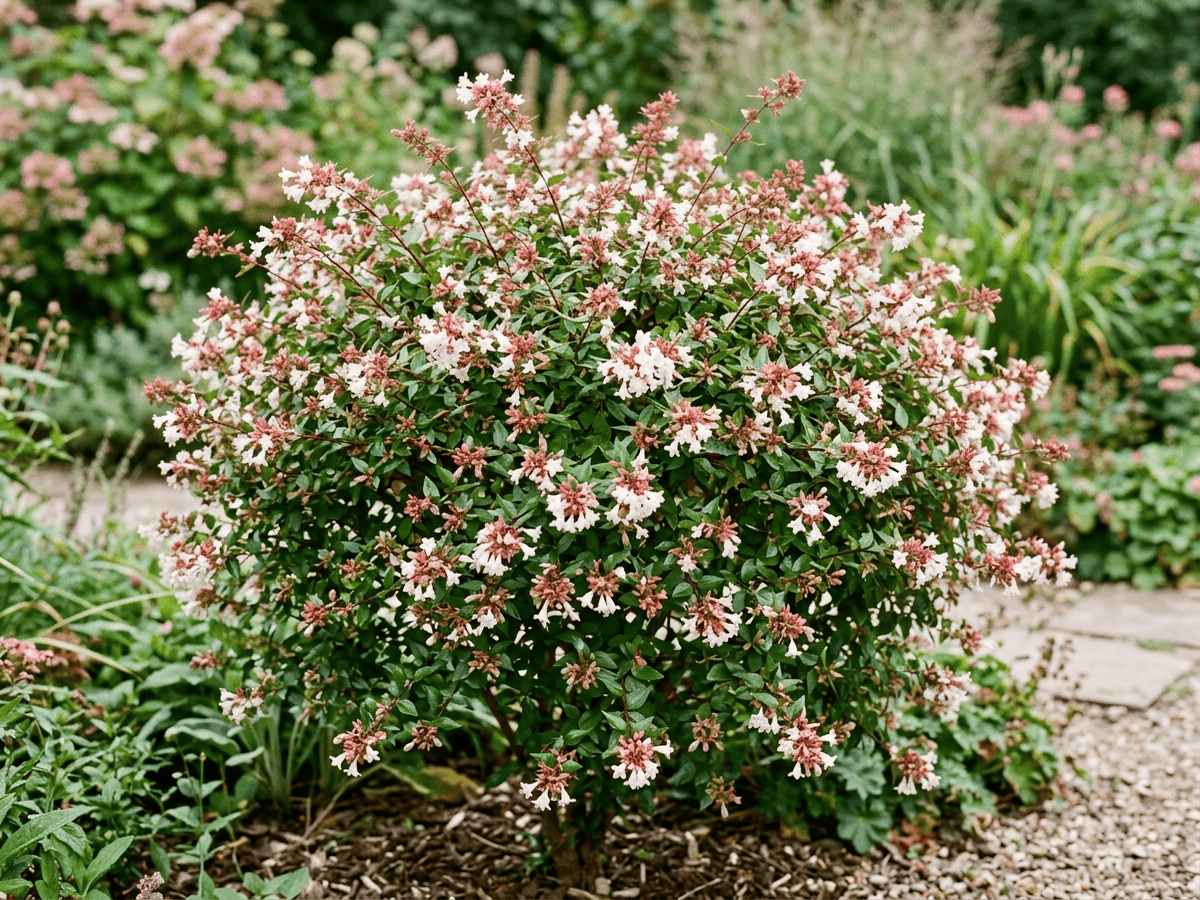 Chinese AbeliaAbelia chinensis
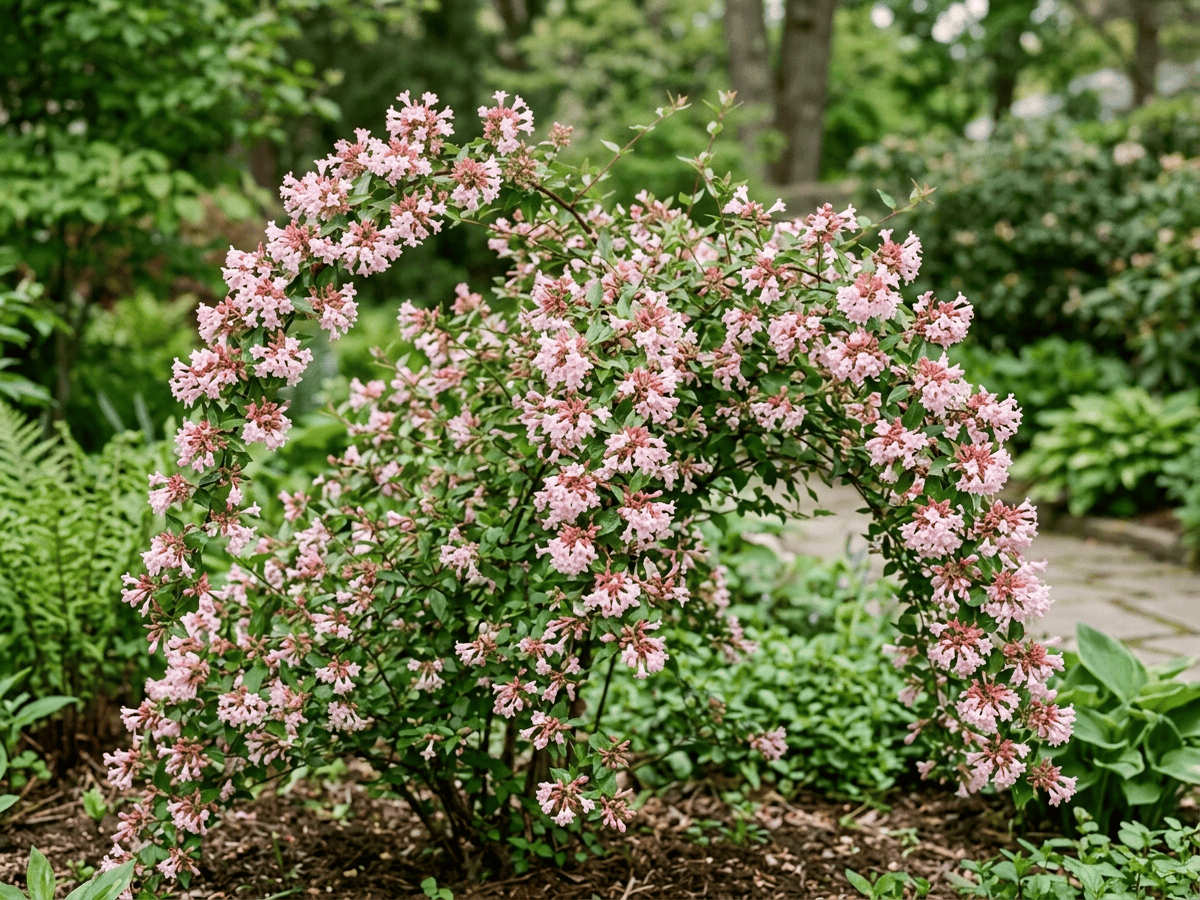 Fragrant AbeliaAbelia mosanensis
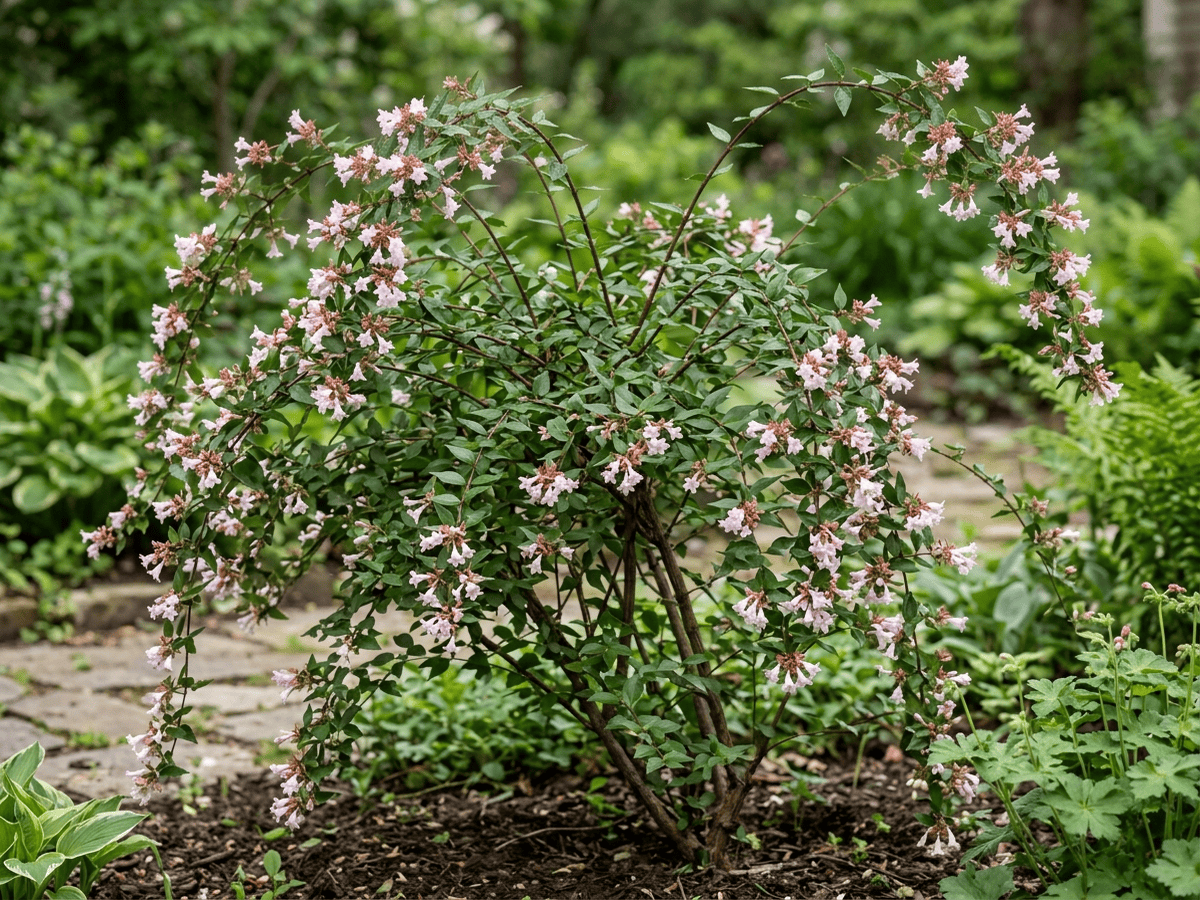 Large-Flowered AbeliaAbelia uniflora
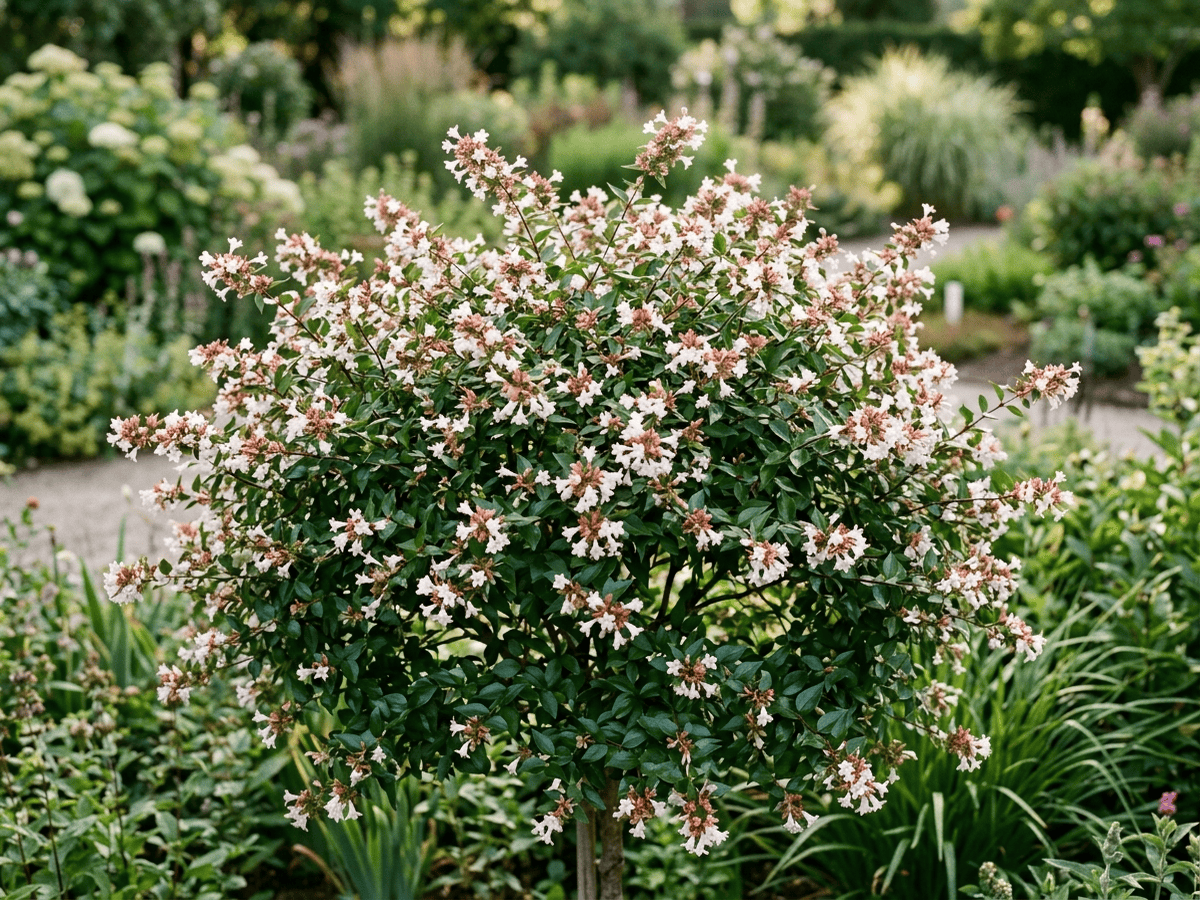 Glossy AbeliaAbelia x grandiflora
Frequently asked questions
How often should I water Basswood?
Water about every 7 days during the growing season, and always let excess water drain away.
How much light does Basswood need?
Full sun: 6+ hrs direct. Watch the leaves — scorching or stretching means the light needs adjusting.
Is Basswood toxic to cats or dogs?
No toxicity has been reported for this plant. Still, it is wise to keep pets from chewing on any houseplant. Educational information, not medical or veterinary advice. If exposure is suspected, contact a doctor or veterinarian.
Is Basswood easy to grow?
Yes — it is considered an easy, beginner-friendly plant.
When does Basswood bloom?
It typically blooms Jun in the Northern Hemisphere.
YardMate
Identify any plant in seconds
Snap a photo — YardMate names the plant, diagnoses problems, and reminds you when to water.
Download on the App Store