 YardMate

Small-Leaved Lime
Tilia cordata
Easy · Beginner friendlyAbout Small-Leaved Lime
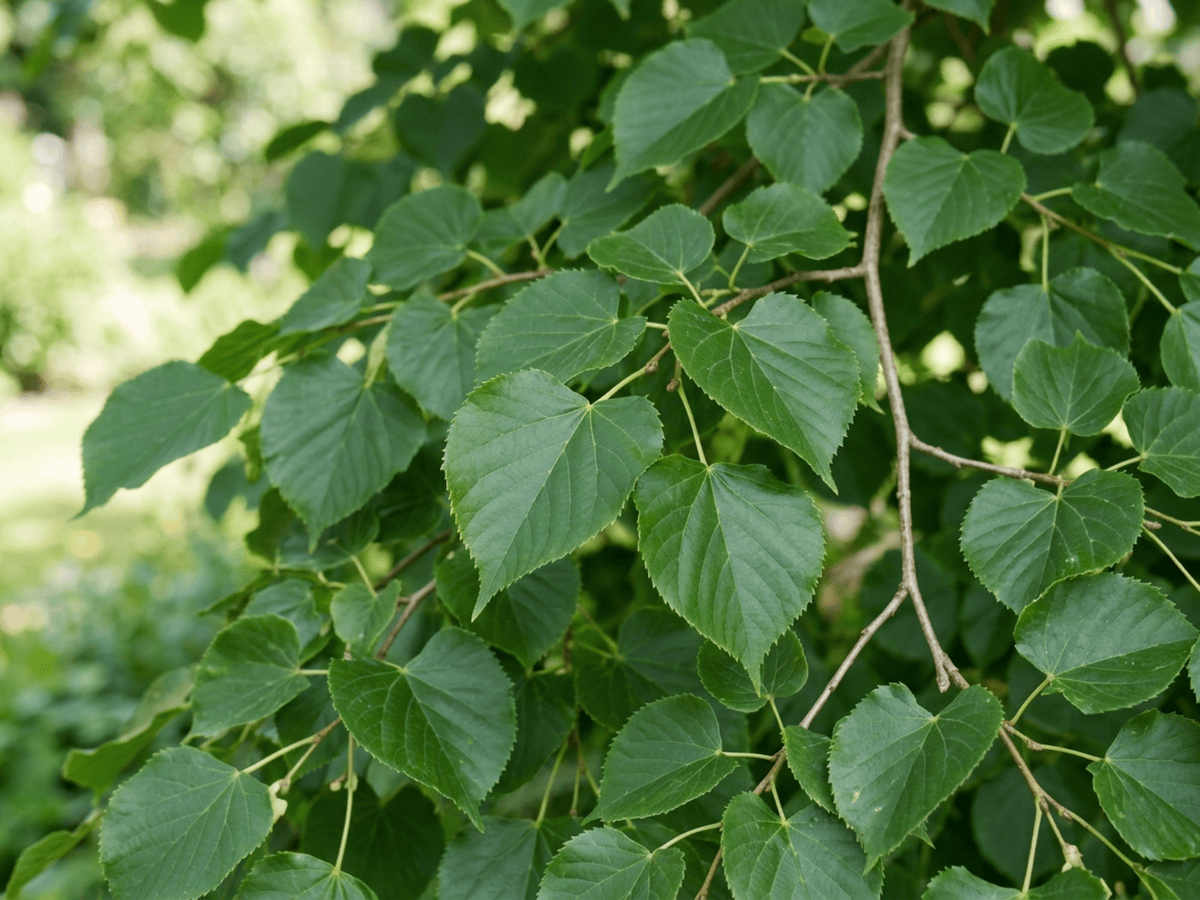
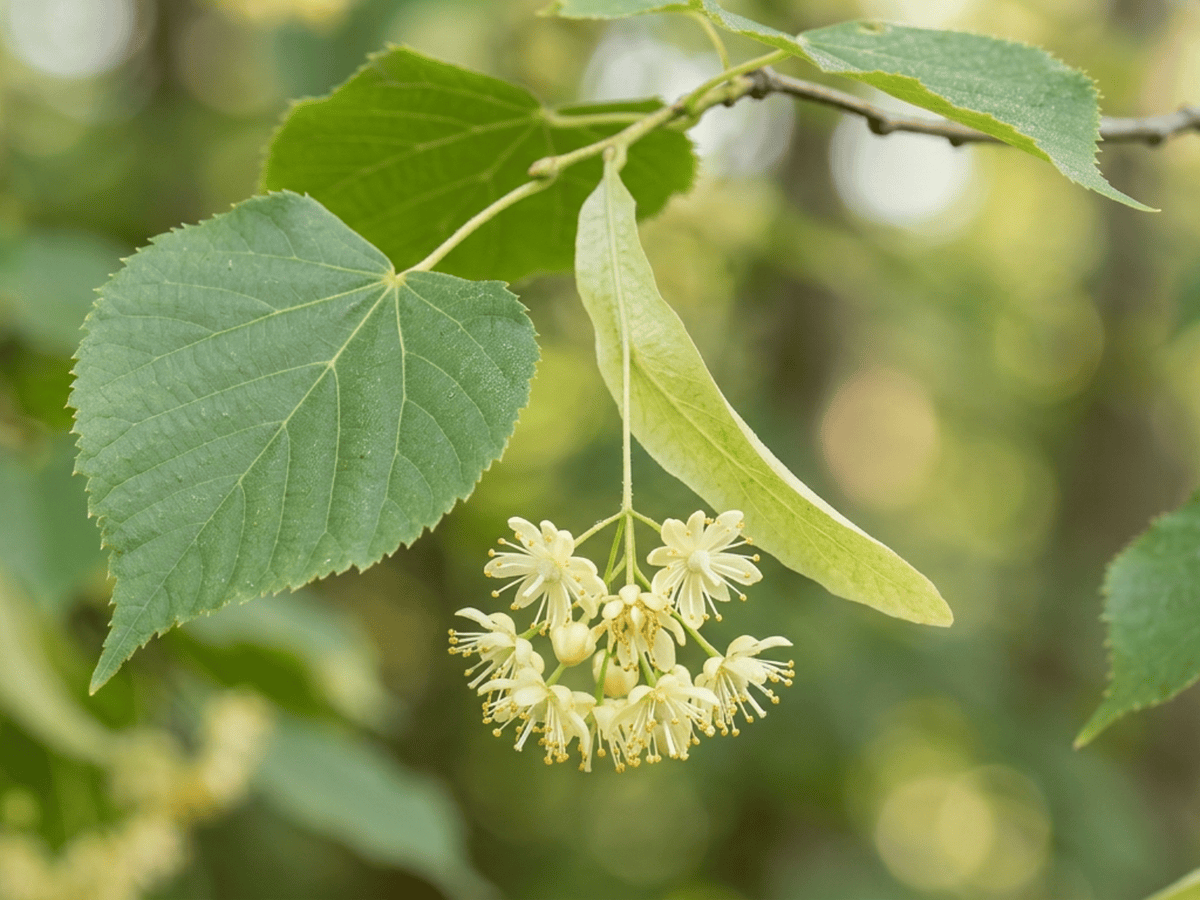
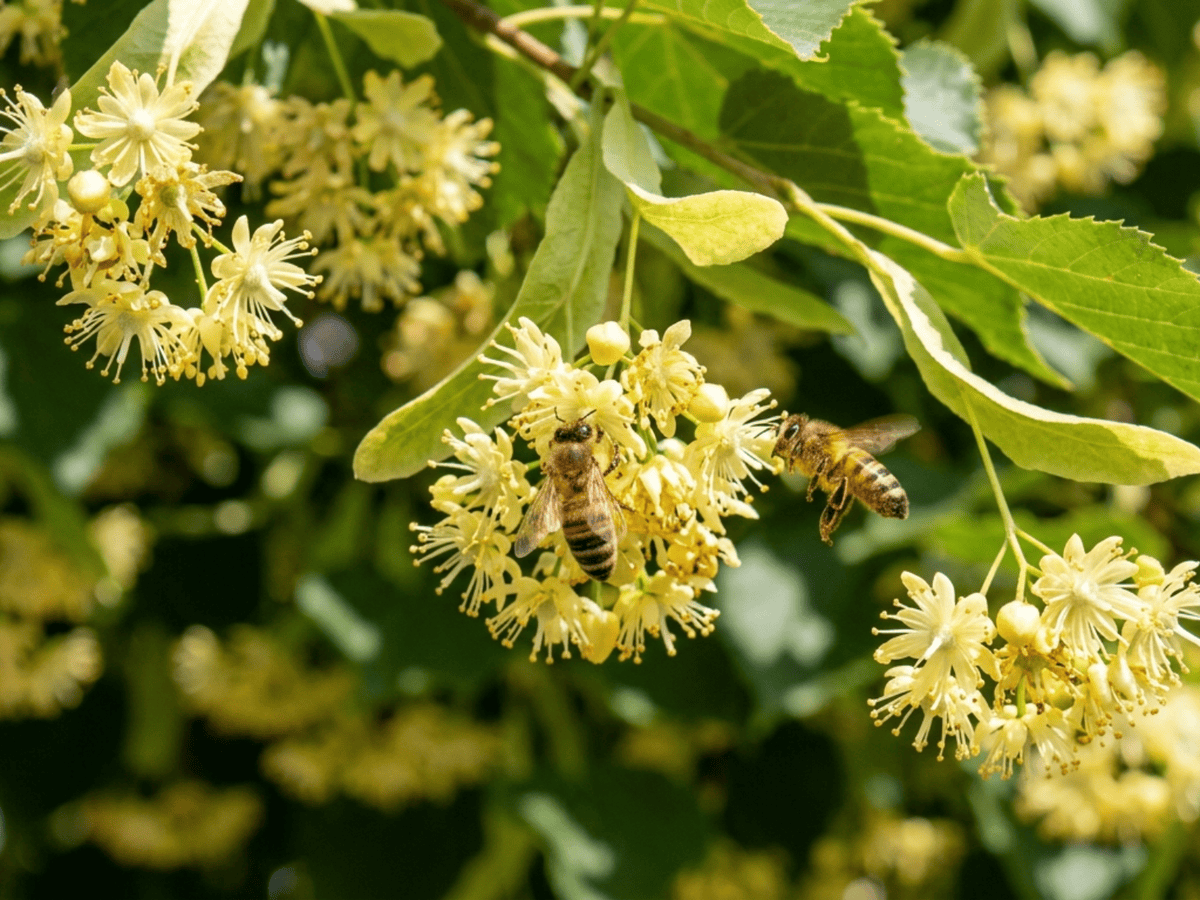
Tilia cordata, the small-leaved linden or little-leaf lime, is one of Europe's most beloved and culturally significant deciduous trees. Native from Britain to the Urals, it grows 20 to 30 meters tall with a dense, domed crown of heart-shaped leaves that turn golden yellow in autumn. In midsummer it produces clusters of fragrant pale yellow flowers that fill entire neighborhoods with their sweet honey scent and attract enormous numbers of bees — linden honey is among the most prized varieties in Europe. The dried flowers have been brewed into a calming herbal tea (tilleul) for centuries, especially popular in France and Germany for relieving anxiety and promoting sleep. Linden wood is exceptionally soft, fine-grained, and easy to carve, making it the traditional choice for sculpture, puppet-making, and detailed ornamental woodwork. The tree thrives in deep, moist, well-drained soil and tolerates shade, pollution, and urban conditions well. Village lindens served as communal gathering trees across Central Europe, with benches built around their trunks for social assembly and courts of justice.
- Fragrant
- Pollinator-friendly
How to care for Small-Leaved Lime
Watering
- Springevery 10 days
- Summerevery 7 days
- Fallevery 14 days
- Winterevery 45 days
Soil · Well-draining
- Top dressingPine bark mulch10%
- Main mixPotting soil + perlite 2:170%
- DrainageLECA / gravel20%
Never skip the drainage layer — standing water is the top cause of root rot.
FERTILIZER
Balanced Feed 14-14-14
An even feed covers all three needs at once, keeping leaves, roots and blooms moving together with nothing pushed out of balance.
- Nitrogen · Leaves
- Phosphorus · Roots + Blooms
- Potassium · Strength
- Springevery 60 days
At a Glance
- NativeEurope, Western Asia
- Height50–70 ft (15.2–21.3 m)
- Spread30–45 ft (9.1–13.7 m)
- Flower colorCream, Yellow
- Foliage colorGreen, Yellow
- SoilLoamy, Well-drained, Moisture-retentive
- LocationsYard
Bloom time
BLOOM CYCLE
Peak bloom
Jul
Intensely fragrant yellow flower clusters in midsummer attract masses of bees; excellent honey tree
Fragrance
STRONG FRAGRANCE
Intensely sweet-honey fragrance from early summer flowers; major nectar source.
Toxicity
Humans Safe · Pets Safe
None reported
Safe
EXPOSURE No exposure route is reported.
EFFECT Widely consumed as tea and honey.
NOTE Listed as non-toxic for humans; avoid eating ornamental plants unless confirmed edible.
Safe
EXPOSURE No exposure route is reported.
EFFECT Not listed as toxic.
NOTE Listed as non-toxic for dogs; avoid eating ornamental plants unless confirmed edible.
Safe
EXPOSURE No exposure route is reported.
EFFECT Not listed as toxic.
NOTE Listed as non-toxic for cats; avoid eating ornamental plants unless confirmed edible.
Educational information, not medical or veterinary advice. If exposure is suspected, contact a doctor or veterinarian.
DISTRIBUTION

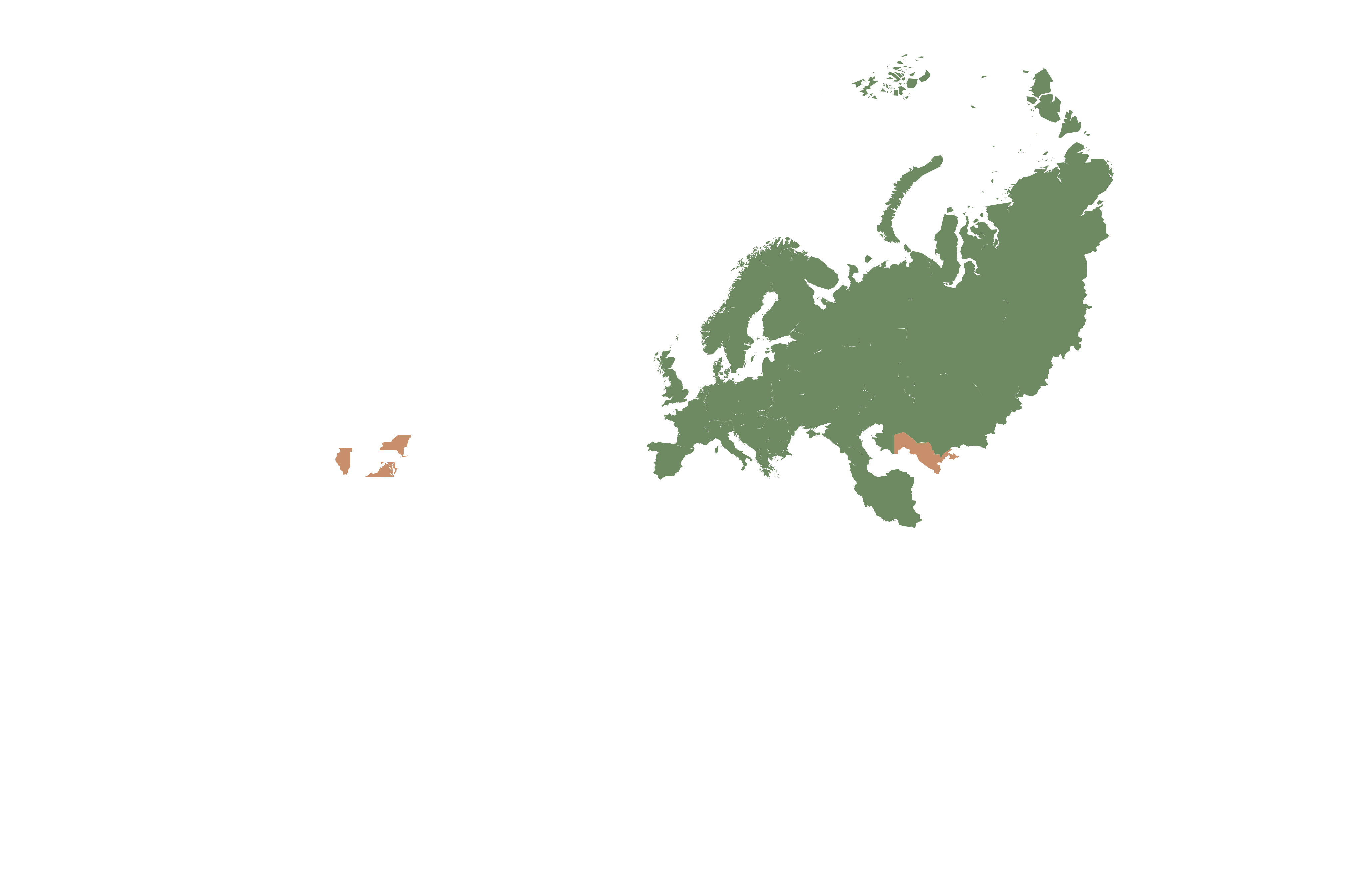
- Native
- Introduced
- Europe
- Western Asia
History
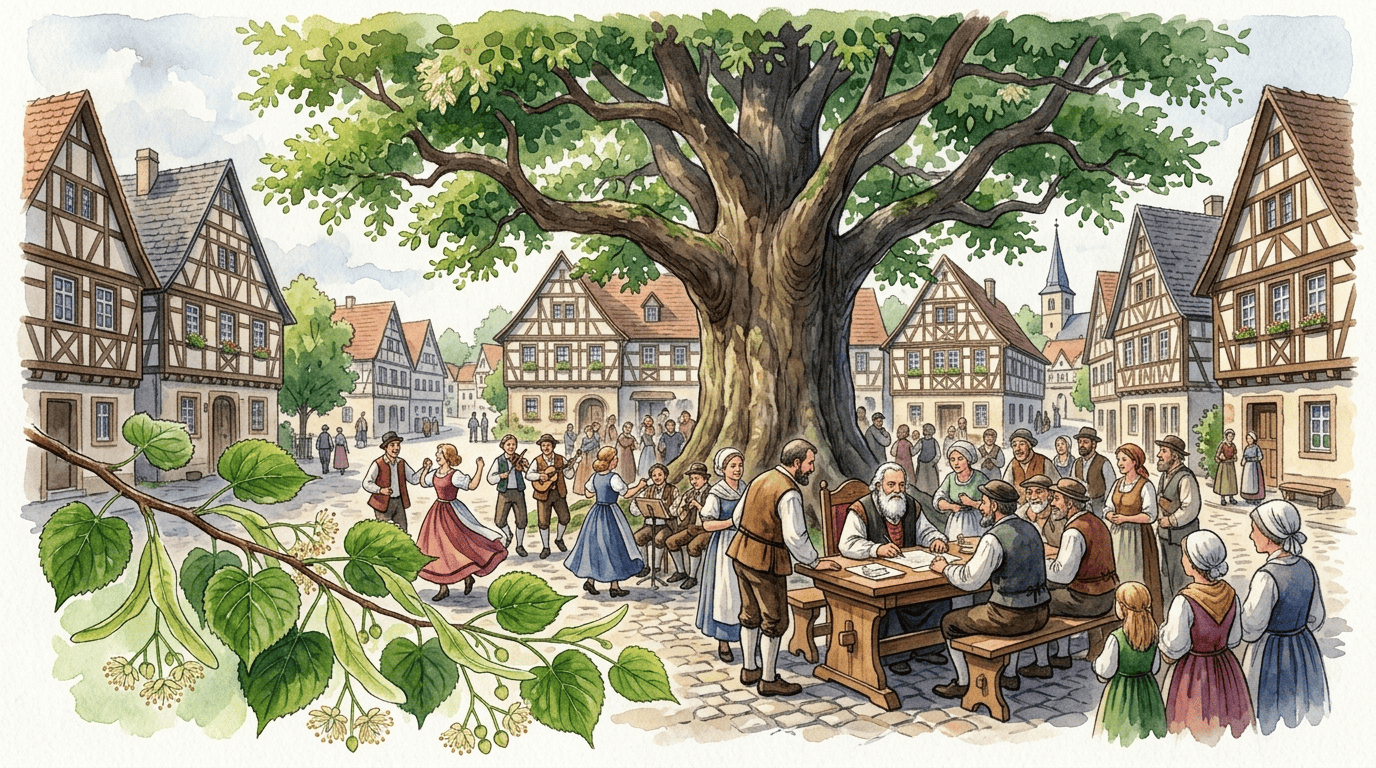
Tilia cordata is native to most of Europe and parts of western Asia. Germanic and Slavic cultures held linden trees central to village life — the "Dorflinde" (village linden) served as the meeting point for community councils, the local court of justice ("Gerichtslinde"), and the location for dances and celebrations. The most famous, the 1,000-year-old Linde von Schenklengsfeld in Hesse, Germany, was planted around 760 CE. Russian, Polish, Czech, and Slovak cultures share similar traditions (Russian "lipa," Polish "lipa").
The name of the city of Leipzig traces to a Slavic word for linden. Berlin's grand Unter den Linden boulevard takes its name from the lime trees planted down its length. Linden flowers produce one of the finest honeys in Europe — intensely aromatic and prized — and are steeped into "tilleul" or "linden tea," a traditional French and German calmative.
Linden wood is soft, light, and easily carved, making it the preferred wood for European sculpture; Tilman Riemenschneider's 15th-century Franconian altarpieces are carved from linden. The tree also appears in classical Greek myth as Philyra, mother of the centaur Chiron. In Germanic tradition, the linden was the tree of Freya, goddess of love, and villages gathered beneath it for assemblies, dances, and courts of justice. The wood was the preferred medium of master carvers like Tilman Riemenschneider and Veit Stoss, whose intricate altarpieces in lime wood are masterpieces of Gothic sculpture.
Symbolism & meaning
What It Symbolizes
The Small-Leaved Lime carries love in every heart-shaped leaf, sacred to the Norse goddess Freya and long chosen as the meeting place of village lovers. Beneath its broad canopy, communities have gathered for justice, festival, and council across centuries. In its honeyed flowers and fragrant shade, the European linden became the tree of both private affection and public life.
- Love — Sacred to Freya, goddess of love; linden trees were traditional sites for romantic meetings
- Community — Village linden trees served as gathering places for justice, celebration, and civic life
Where the Name Comes From
The name Small-Leaved Lime describes its small leaves. Tilia is the classical Latin name for linden. Cordata means 'heart-shaped' in Latin, describing the distinctive leaves.
Uses & Fun Facts
- Fragrant flowers brewed into traditional linden herbal tea
- Dense rounded crown shades European-style avenues and squares
- Honeybees produce prized linden honey from midsummer blossoms
- Soft pale wood favored for fine carving and turnery
Related plants
More Tilia plants

Plants with similar care
 Chinese AbeliaAbelia chinensis
 Fragrant AbeliaAbelia mosanensis
 Large-Flowered AbeliaAbelia uniflora
 Glossy AbeliaAbelia x grandiflora
Frequently asked questions
How often should I water Small-Leaved Lime?
In summer, water about every 7 days; in winter, about every 45 days. Adjust for heat, pot size and drainage.
How much light does Small-Leaved Lime need?
Full sun: 6+ hrs direct. Watch the leaves — scorching or stretching means the light needs adjusting.
Is Small-Leaved Lime toxic to cats or dogs?
Pets Safe (Dogs Safe · Cats Safe) Educational information, not medical or veterinary advice. If exposure is suspected, contact a doctor or veterinarian.
Is Small-Leaved Lime easy to grow?
Yes — it is considered an easy, beginner-friendly plant.
When does Small-Leaved Lime bloom?
It typically blooms Jul in the Northern Hemisphere.
YardMate
Identify any plant in seconds
Snap a photo — YardMate names the plant, diagnoses problems, and reminds you when to water.
Download on the App Store