 YardMate


Silver Lime
Tilia tomentosa
Easy · Beginner friendlyAbout Silver Lime
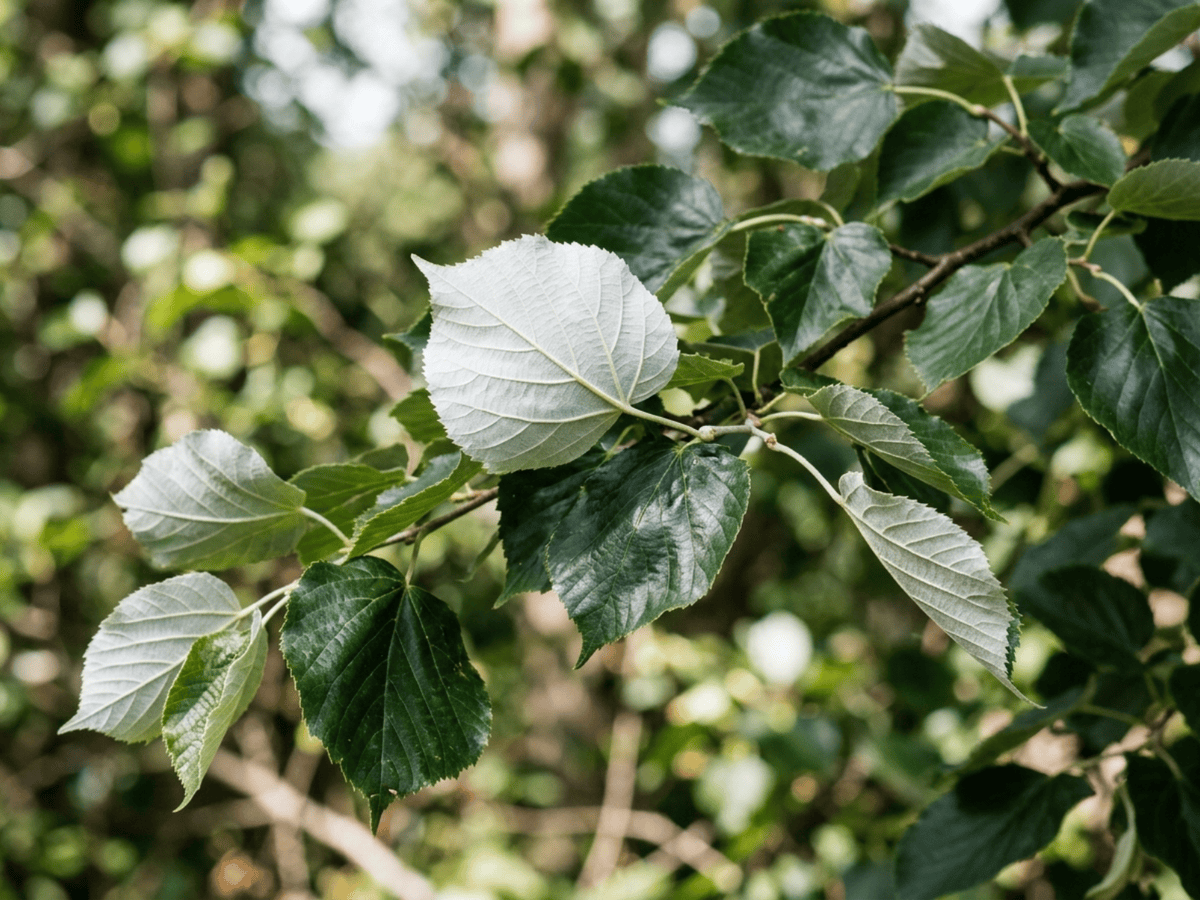
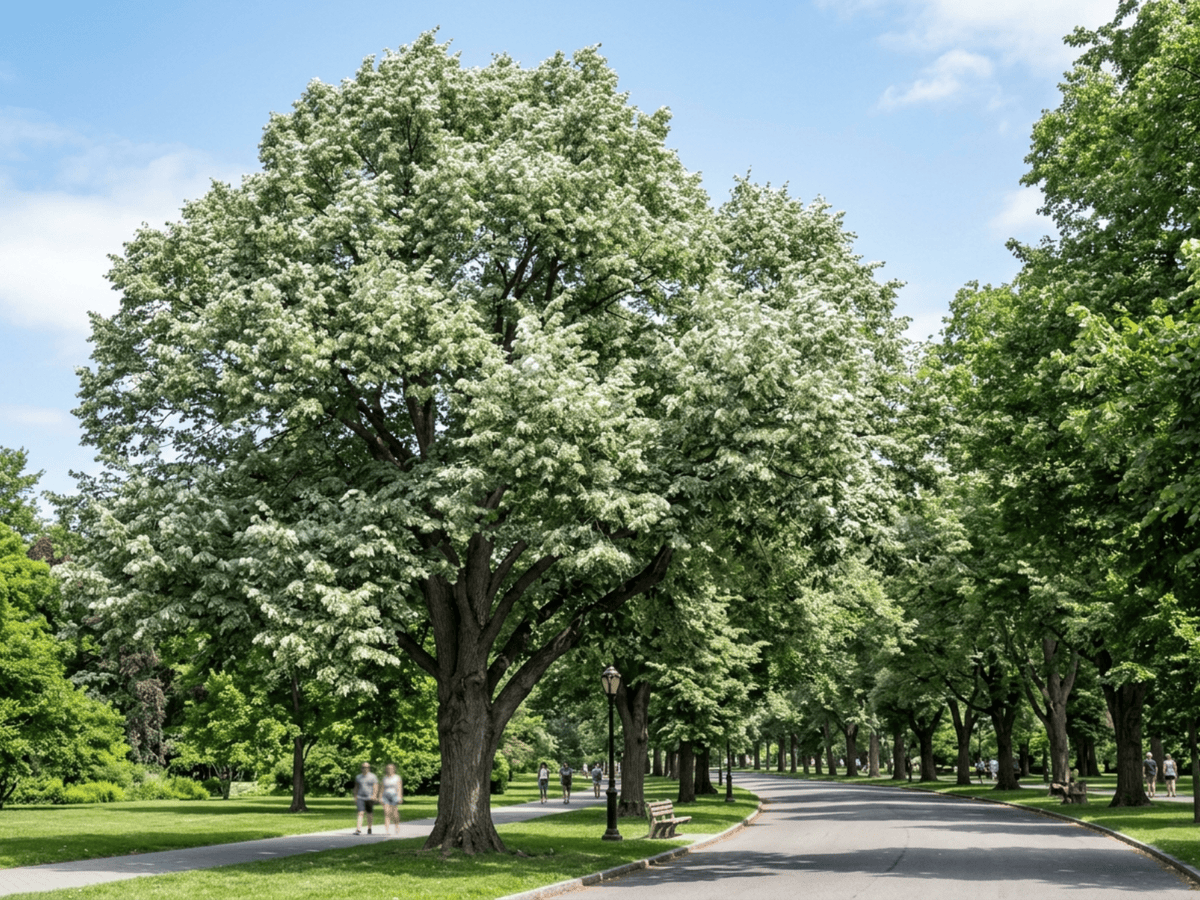
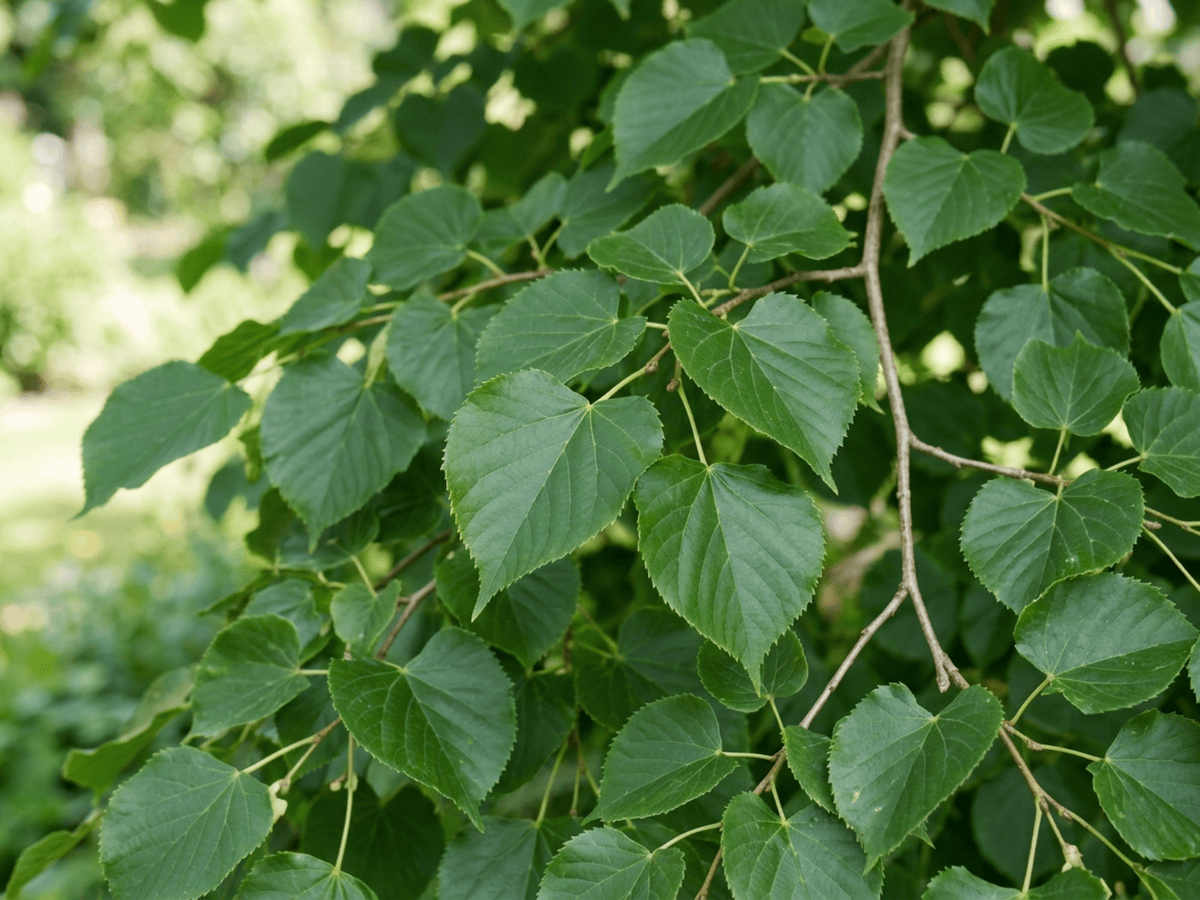
Silver Linden is a stately deciduous tree native to southeastern Europe and Asia Minor, reaching 50-70 feet. Distinguished by leaves with brilliant silvery-white undersides that shimmer in the slightest breeze. Intensely fragrant cream flowers in mid-summer attract bees from great distances. Highly tolerant of heat, drought, and urban pollution, it has become a favored shade and street tree in US cities with hot summers.
- Fragrant
- Drought-tolerant
- Pollinator-friendly
How to care for Silver Lime
Watering
- Springevery 7 days
- Summerevery 5 days
- Fallevery 10 days
- Winterpause watering
Soil · Well-draining
- Top dressingPine bark mulch10%
- Main mixPotting soil + perlite 2:170%
- DrainageLECA / gravel20%
Never skip the drainage layer — standing water is the top cause of root rot.
FERTILIZER
Balanced Feed 14-14-14
An even feed covers all three needs at once, keeping leaves, roots and blooms moving together with nothing pushed out of balance.
- Nitrogen · Leaves
- Phosphorus · Roots + Blooms
- Potassium · Strength
- Springevery 60 days
- Summerevery 60 days
At a Glance
- NativeEurope, Western Asia
- Height50–70 ft (15.2–21.3 m)
- Spread25–40 ft (7.6–12.2 m)
- Flower colorCream, Yellow
- Foliage colorSilver, Yellow
- Fruit colorBrown
- SoilLoamy, Well-drained
- LocationsYard
Bloom time
BLOOM CYCLE
Peak bloom
Jul
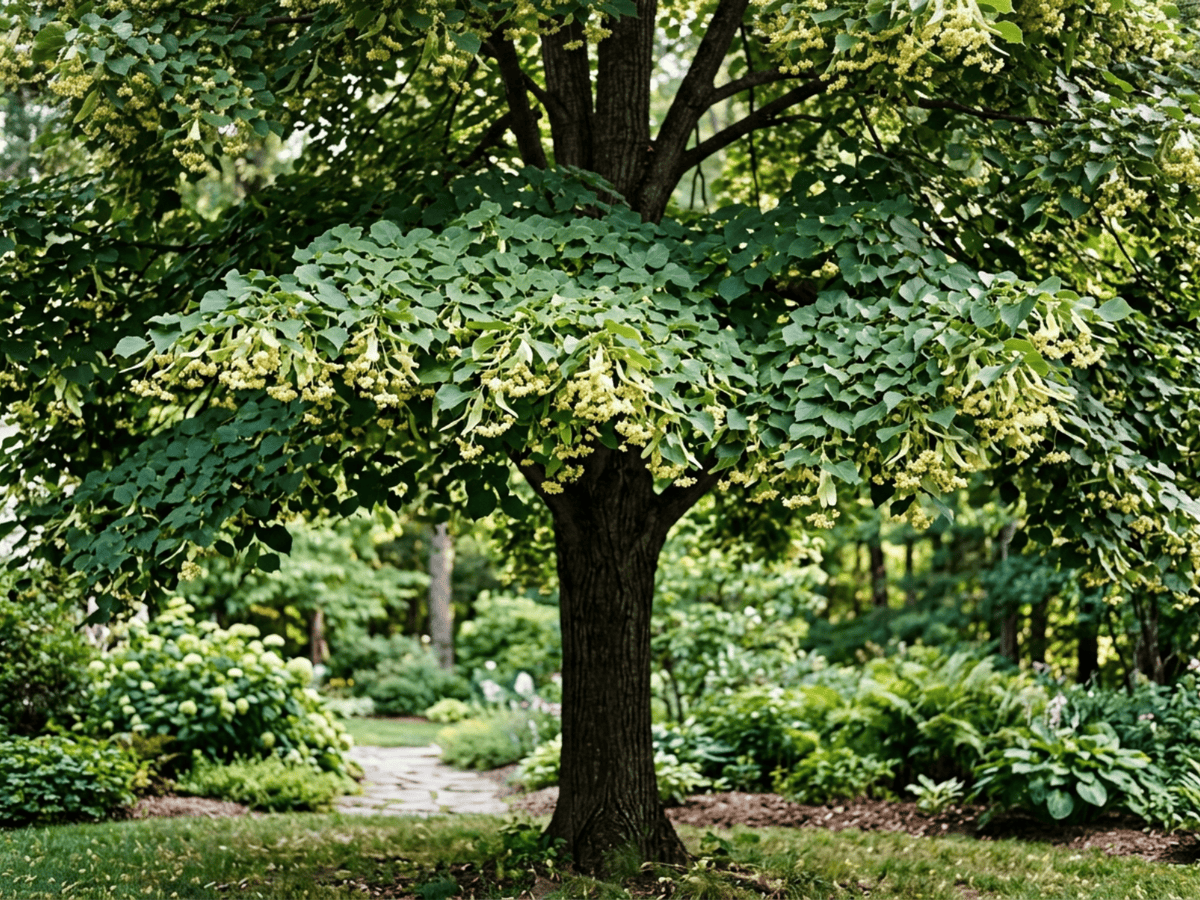
Fragrant cream flowers in July
Fragrance
STRONG FRAGRANCE
The flowers have a honey-sweet, intense scent.
Toxicity
Humans Safe · Pets Safe
mannose
Safe
EXPOSURE No exposure route is reported.
EFFECT No toxic effect is reported.
NOTE Listed as non-toxic for humans; avoid eating ornamental plants unless confirmed edible.
Safe
EXPOSURE No exposure route is reported.
EFFECT No toxic effect is reported.
NOTE Listed as non-toxic for dogs; avoid eating ornamental plants unless confirmed edible.
Safe
EXPOSURE No exposure route is reported.
EFFECT No toxic effect is reported.
NOTE Listed as non-toxic for cats; avoid eating ornamental plants unless confirmed edible.
Educational information, not medical or veterinary advice. If exposure is suspected, contact a doctor or veterinarian.
DISTRIBUTION


- Native
- Introduced
- Europe
- Western Asia
History
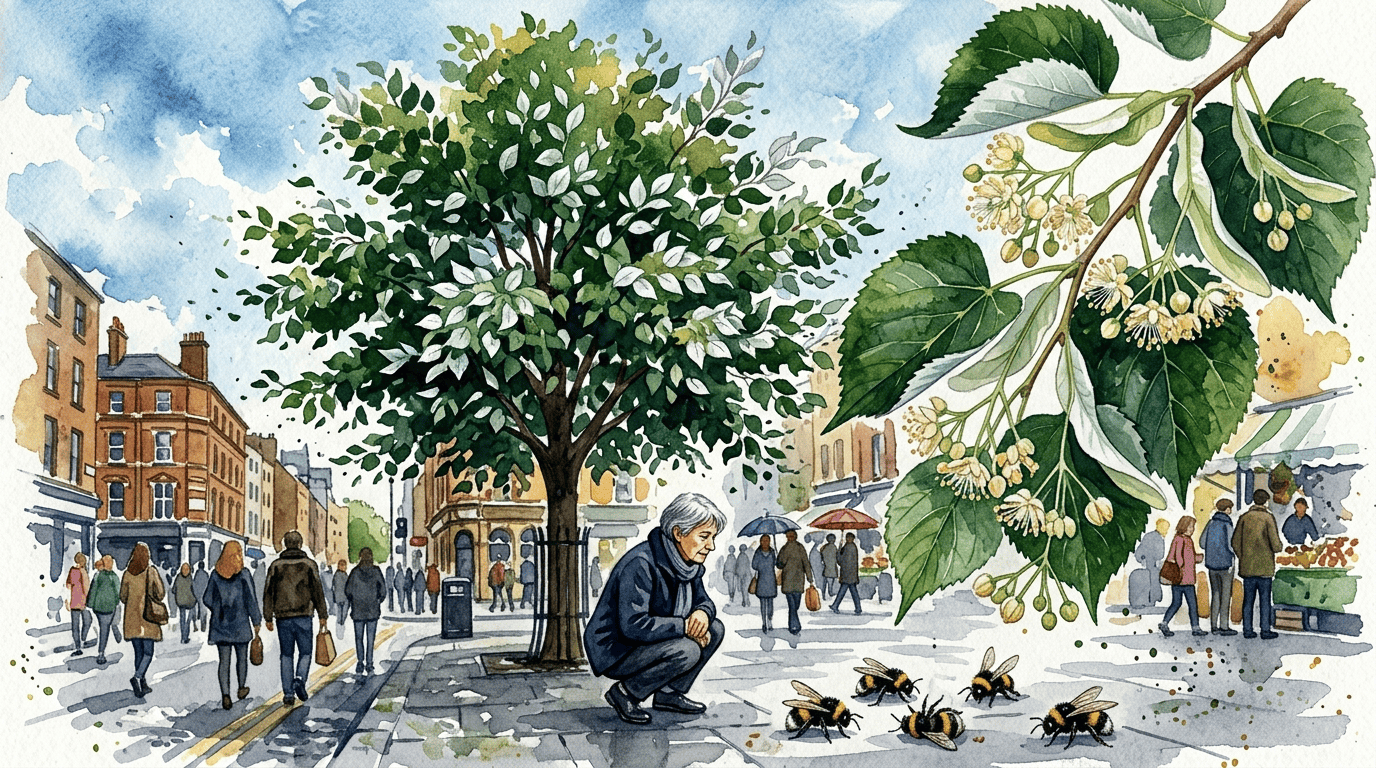
Tilia tomentosa grows wild in southeastern Europe and western Asia from Hungary through the Balkans to Ukraine and northern Turkey. German botanist Conrad Moench formally described it in 1785. The specific epithet tomentosa refers to the dense white or silver trichomes covering leaf undersides, petioles, and young shoots, producing the silvery-green appearance that flashes dramatically in wind.
It reached Western European cultivation in the 18th century and American horticulture by the 19th. An unusual ecological phenomenon documented since the 1970s is that nectar from T. tomentosa flowers contains compounds (including mannose) that cause paralysis and sometimes death in bumblebees—dead bees are often found beneath blooming trees. Honeybees appear less affected.
Despite this concern, the species remains popular as a street tree for its pollution tolerance, strong form, silvery foliage, and late flowering. Cultivars 'Sterling' and 'Green Mountain' are widely grown. The cultivar 'Sterling' was selected at the Scanlon Nursery in Ohio and became one of the most widely planted urban trees in the US.
Symbolism & meaning
What It Symbolizes
The Silver Lime can symbolize devotion, traditionally planted at European churchyards, town squares and family homes as a long-lived guardian tree. Another layer is fragrance, for in midsummer the small flowers scent entire summer evenings and feed bees so generously the lower branches can hum. To plant tilia tomentosa is to host a slow social presence, a tree under which generations gather, devotion measured by how reliably the same branches shade the same ceremonies year after year.
- Devotion — planted at European churches and homes
- Fragrance — flowers scent summer evenings
Where the Name Comes From
'Tomentosa' means densely hairy, referring to the silver-felted underside of the leaves.
Uses & Fun Facts
- Silver linden flowers carry honey perfume in summer
- Top nectar tree for honey bees in midsummer
- Broad pyramidal canopy provides excellent street shade
Related plants
More Tilia plants
Plants with similar care
 Chinese AbeliaAbelia chinensis
 Fragrant AbeliaAbelia mosanensis
 Large-Flowered AbeliaAbelia uniflora
 Glossy AbeliaAbelia x grandiflora
Frequently asked questions
How often should I water Silver Lime?
Water about every 7 days during the growing season, and always let excess water drain away.
How much light does Silver Lime need?
Full sun: 6+ hrs direct. Watch the leaves — scorching or stretching means the light needs adjusting.
Is Silver Lime toxic to cats or dogs?
Pets Safe (Dogs Safe · Cats Safe) Educational information, not medical or veterinary advice. If exposure is suspected, contact a doctor or veterinarian.
Is Silver Lime easy to grow?
Yes — it is considered an easy, beginner-friendly plant.
When does Silver Lime bloom?
It typically blooms Jul in the Northern Hemisphere.
YardMate
Identify any plant in seconds
Snap a photo — YardMate names the plant, diagnoses problems, and reminds you when to water.
Download on the App Store