 YardMate

Inchplant
Tradescantia zebrina
Easy · Beginner friendlyAbout Inchplant
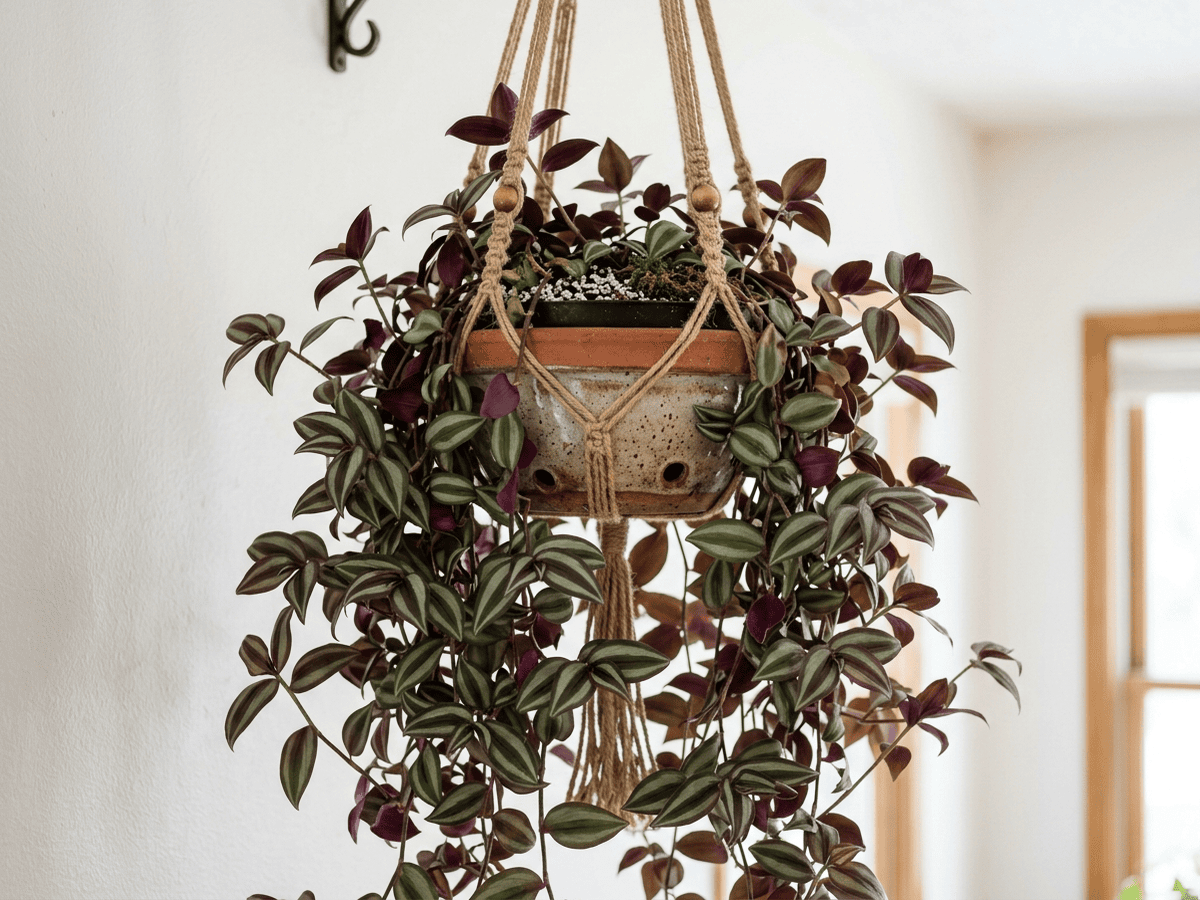
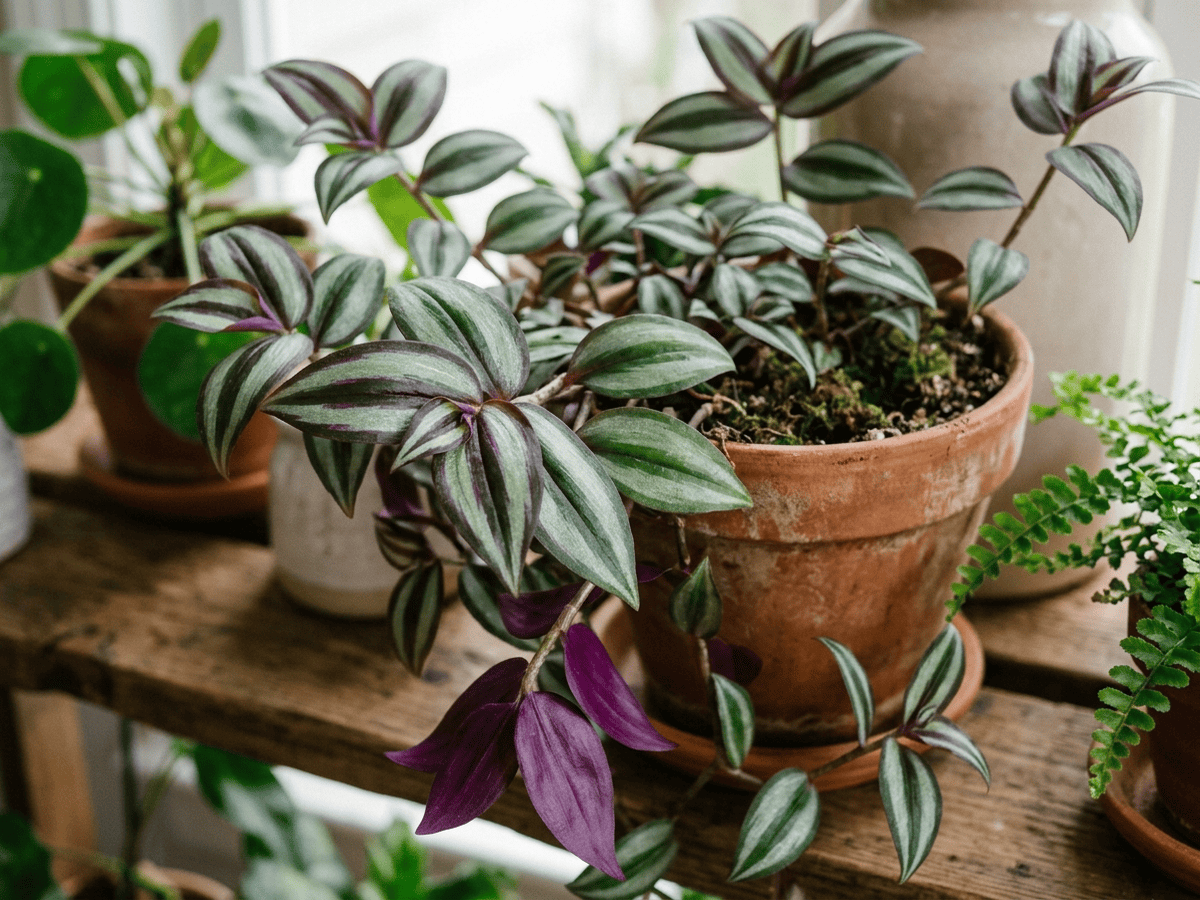
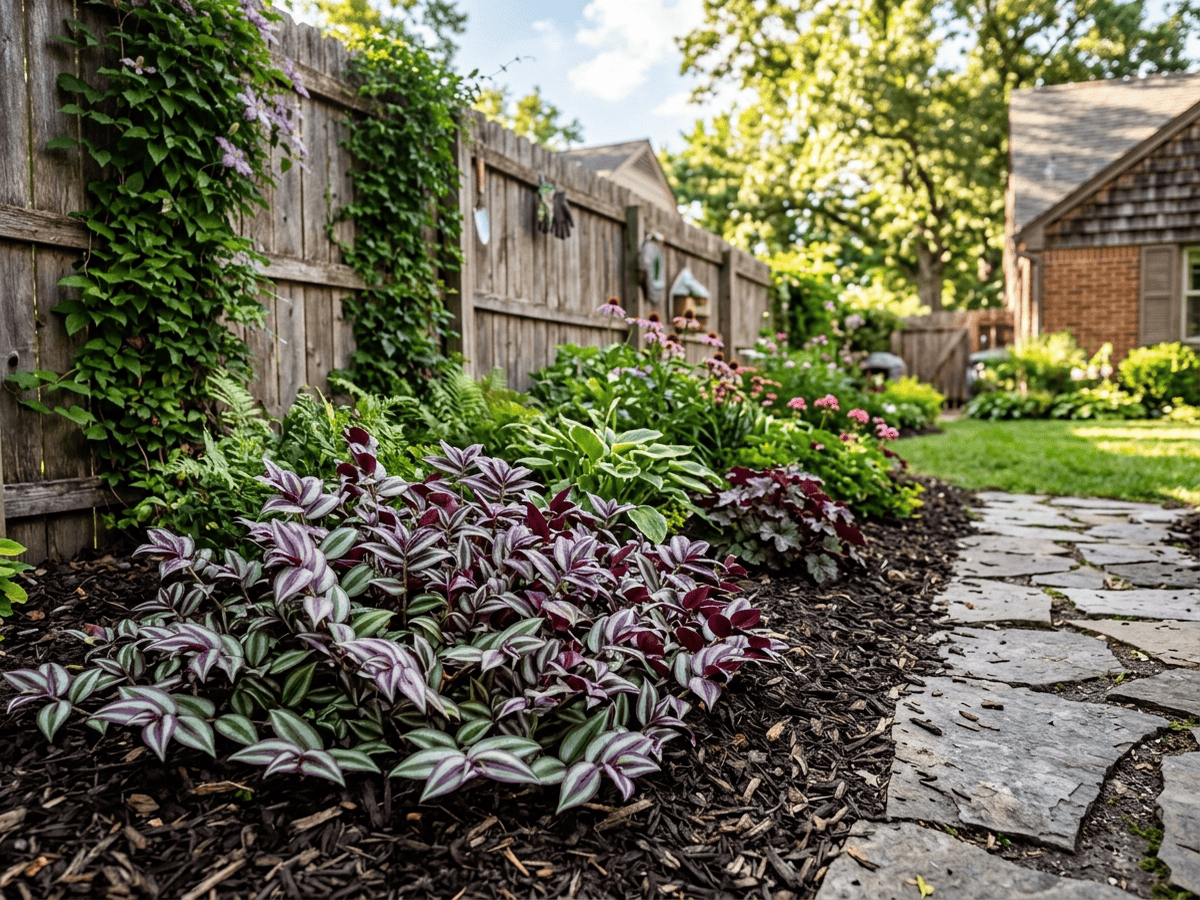
Tradescantia zebrina, the wandering dude, is a fast-growing trailing plant with iridescent purple-and-silver striped leaves that shimmer in the light. Native to Mexico and Central America, it is remarkably easy to grow — stem cuttings root in water within days. The trailing stems can reach over a meter, making it ideal for hanging baskets. It thrives in bright indirect light, which intensifies the purple coloring; in low light, it turns mostly green. Frequent pinching encourages bushier growth. Outdoors in warm climates, it can become invasive ground cover.
- Trailing
- Fast-growing
How to care for Inchplant
Watering
- Springevery 5 days
- Summerevery 4 days
- Fallevery 7 days
- Winterevery 10 days
Soil · Well-draining
- Top dressingPine bark mulch10%
- Main mixPotting soil + perlite 2:170%
- DrainageLECA / gravel20%
Never skip the drainage layer — standing water is the top cause of root rot.
FERTILIZER
Balanced Feed 14-14-14
An even feed covers all three needs at once, keeping leaves, roots and blooms moving together with nothing pushed out of balance.
- Nitrogen · Leaves
- Phosphorus · Roots + Blooms
- Potassium · Strength
- Springevery 30 days
- Summerevery 30 days
- Fallevery 60 days
At a Glance
- NativeNorth America, Central America
- Height0.5–1 ft (0.2–0.3 m)
- Spread1–2 ft (0.3–0.6 m)
- Flower colorPink, Purple
- Foliage colorGreen, Silver, Purple, Variegated
- SoilLoamy, Well-drained
- LocationsIndoor · Balcony
Bloom time
BLOOM CYCLE
Peak bloom
Jun–Aug
Small pink-purple three-petaled flowers
Fragrance
NO FRAGRANCE
Not fragrant.
Toxicity
Humans Slight · Pets Slight
unidentified sap irritants
Slight
- Sap
- Contact
EXPOSURE Touching sap.
EFFECT Mild contact dermatitis in sensitive individuals.
NOTE Not severely toxic; main issue is contact dermatitis from sap.
Slight
- Leaf
- Stem
- Sap
- Contact
- Ingestion
EXPOSURE Touching leaves, stems, and sap. Eating leaves, stems, and sap.
EFFECT Allergic dermatitis where sap contacts skin or belly, ingestion may cause mild GI upset, and per ASPCA.
NOTE Not severely toxic; main issue is contact dermatitis from sap.
Slight
- Leaf
- Stem
- Sap
- Contact
- Ingestion
EXPOSURE Touching leaves, stems, and sap. Eating leaves, stems, and sap.
EFFECT Allergic dermatitis where sap contacts skin, ingestion may cause mild GI upset, and per ASPCA.
NOTE Not severely toxic; main issue is contact dermatitis from sap.
Educational information, not medical or veterinary advice. If exposure is suspected, contact a doctor or veterinarian.
DISTRIBUTION

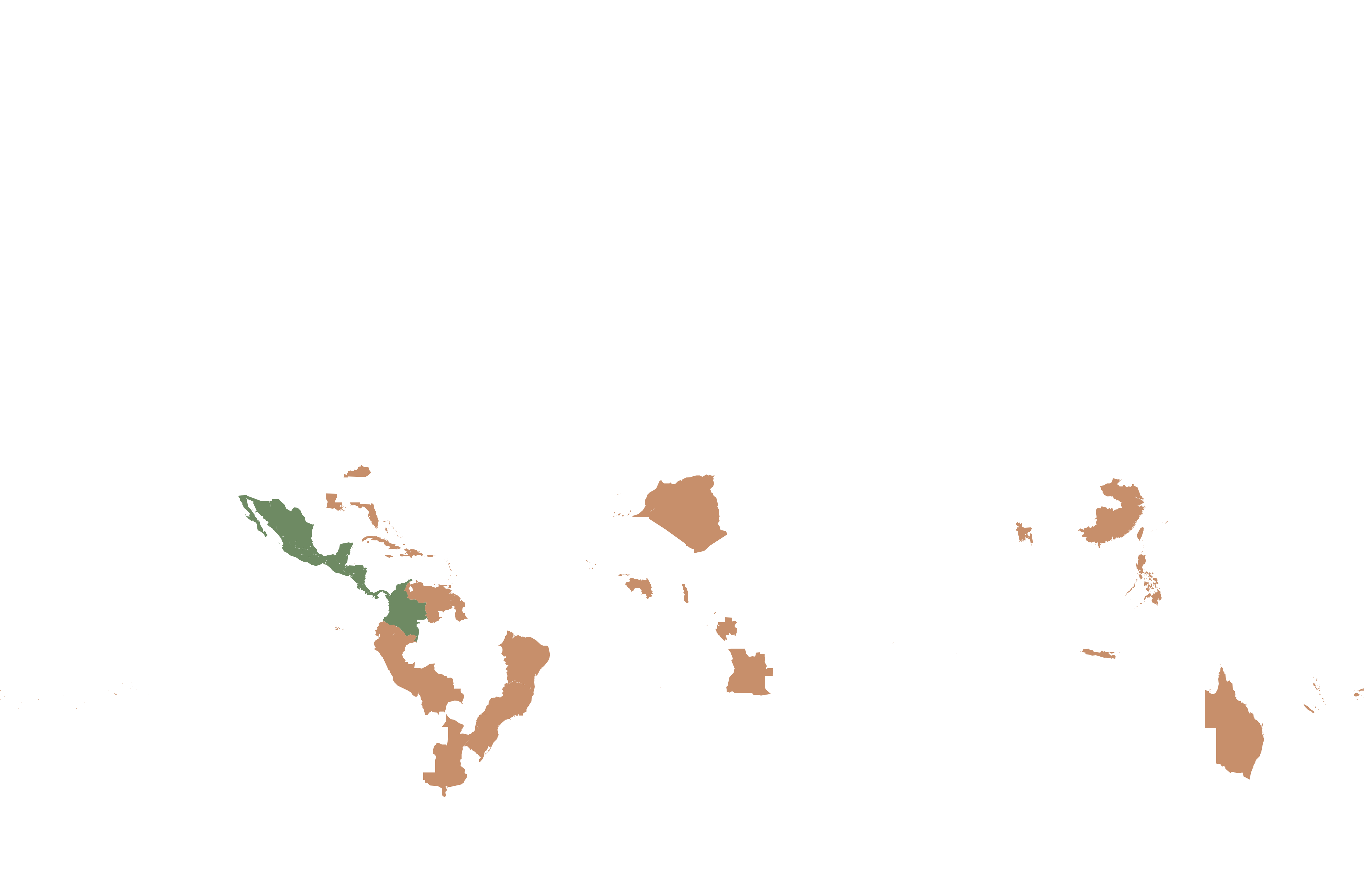
- Native
- Introduced
- North America
- Central America
History
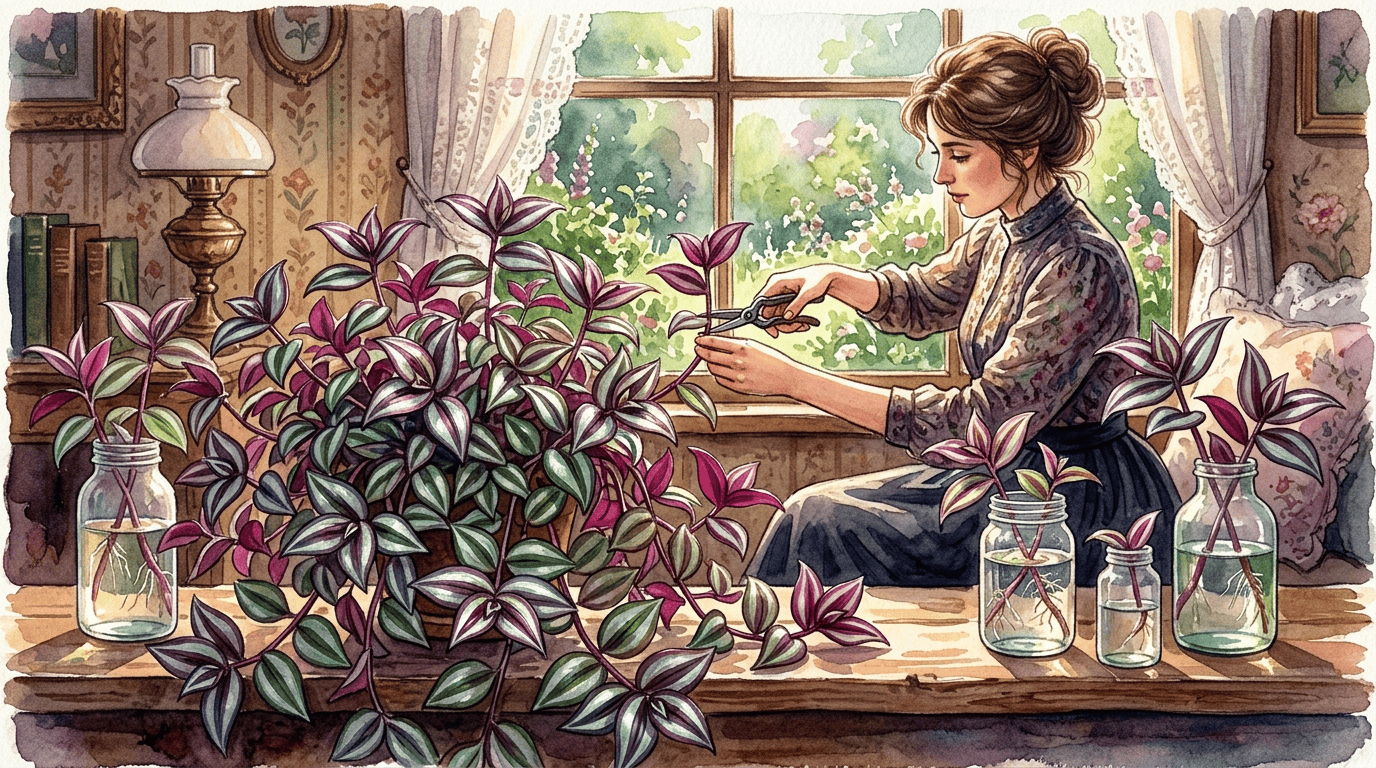
Tradescantia zebrina is native to southern Mexico, Guatemala, and Belize, where it grows as a fast-spreading mat in forest understory. The genus honors John Tradescant the Elder and Younger, seventeenth-century English gardeners and plant collectors.
The plant entered Western cultivation in the nineteenth century and became a classic Victorian and twentieth-century houseplant because stem cuttings root so easily. That same vigor has allowed it to naturalize or become weedy in humid regions such as parts of Australia, New Zealand, Hawaii, Florida, and the tropics.
Its silver-purple iridescence comes from specialized leaf cells that reflect light, a structural effect more often associated with butterfly wings than houseplants. Older English common names have increasingly been replaced by names such as inch plant or silver inch plant, which better suit modern horticultural use.
Symbolism & meaning
What It Symbolizes
Inchplant carries wanderlust in every joint — break a stem anywhere, drop it almost anywhere damp, and within a week it has rooted and started growing again. That easy-rooting, far-traveling habit makes it the houseplant of adventure and adaptability, often passed cutting-by-cutting between friends across cities and continents. Few plants travel so cheerfully or move into new homes so willingly.
- Wanderlust — Its easy-rooting, far-traveling nature symbolizes adventure and adaptability
Where the Name Comes From
Named after John Tradescant (c.1570–1638), English naturalist and royal gardener. Zebrina means 'zebra-striped.'
Uses & Fun Facts
- Purple-and-silver striped leaves grown as cascading indoor pot plant
- Trailing stems form vivid carpets in shaded tropical beds
Related plants
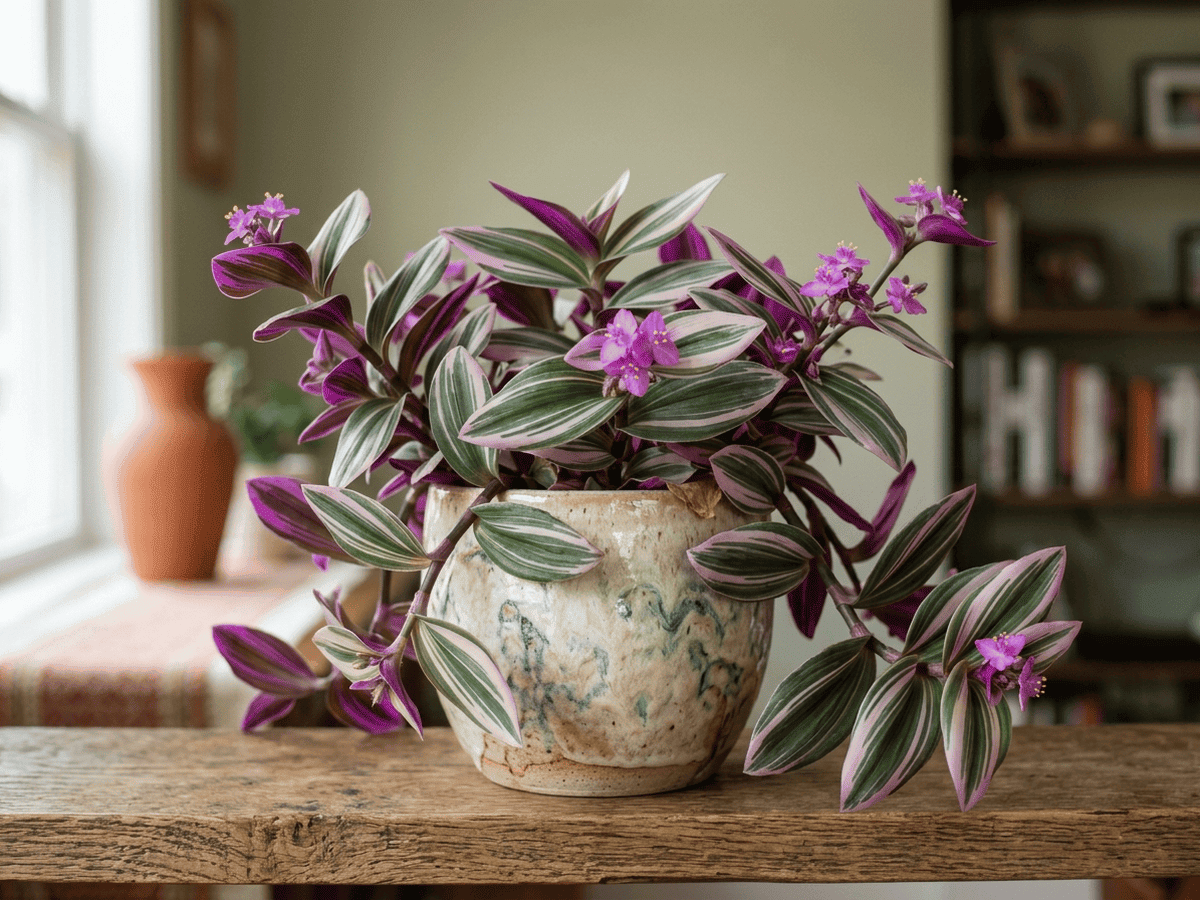
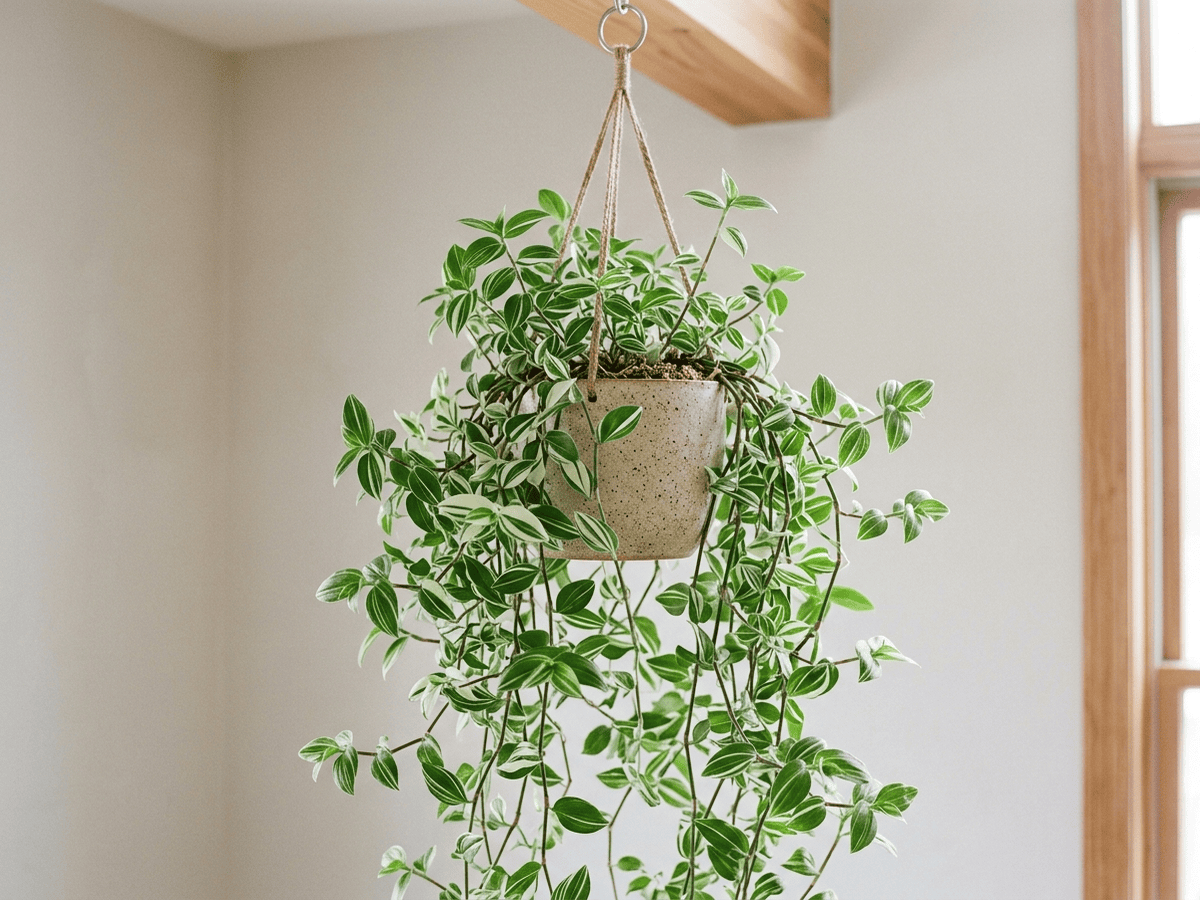
More Tradescantia plants
Plants with similar care
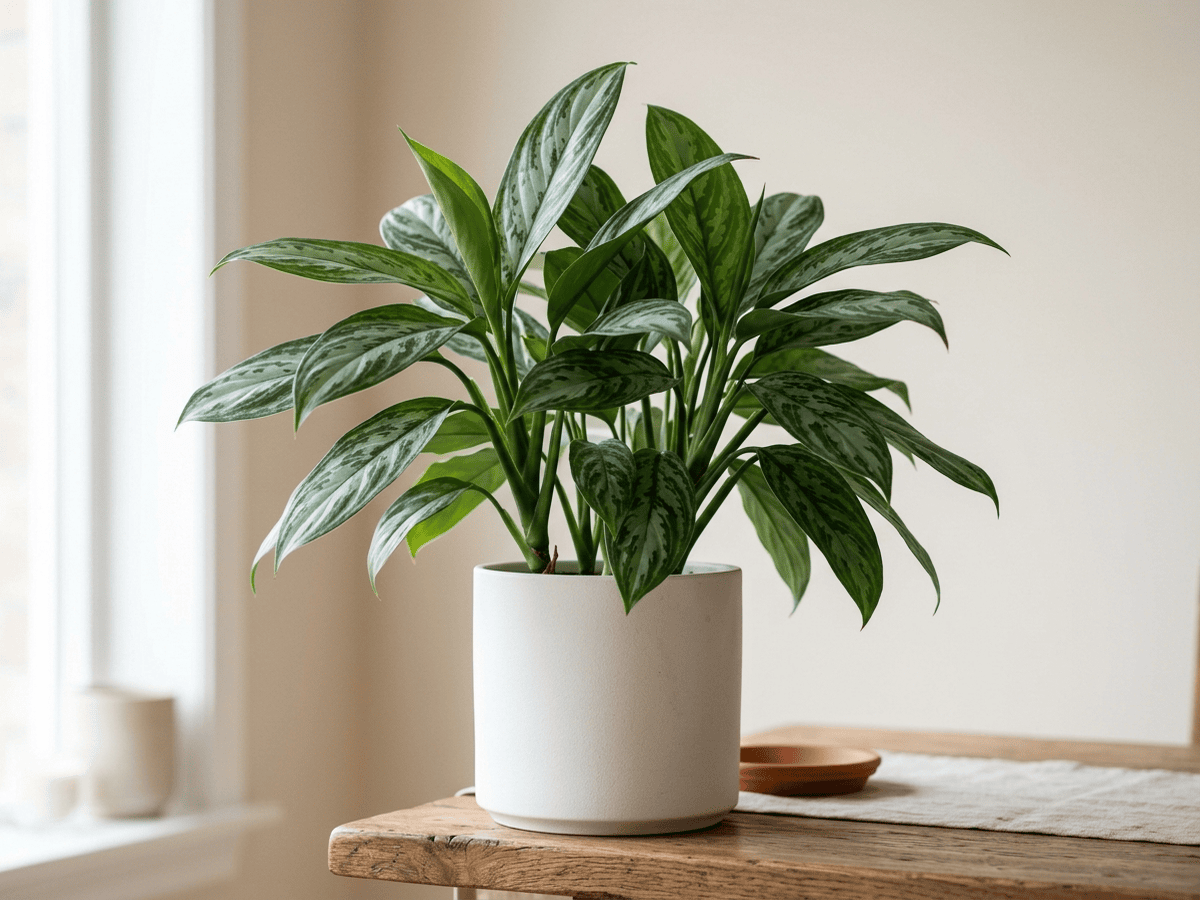 Philippine EvergreenAglaonema commutatum
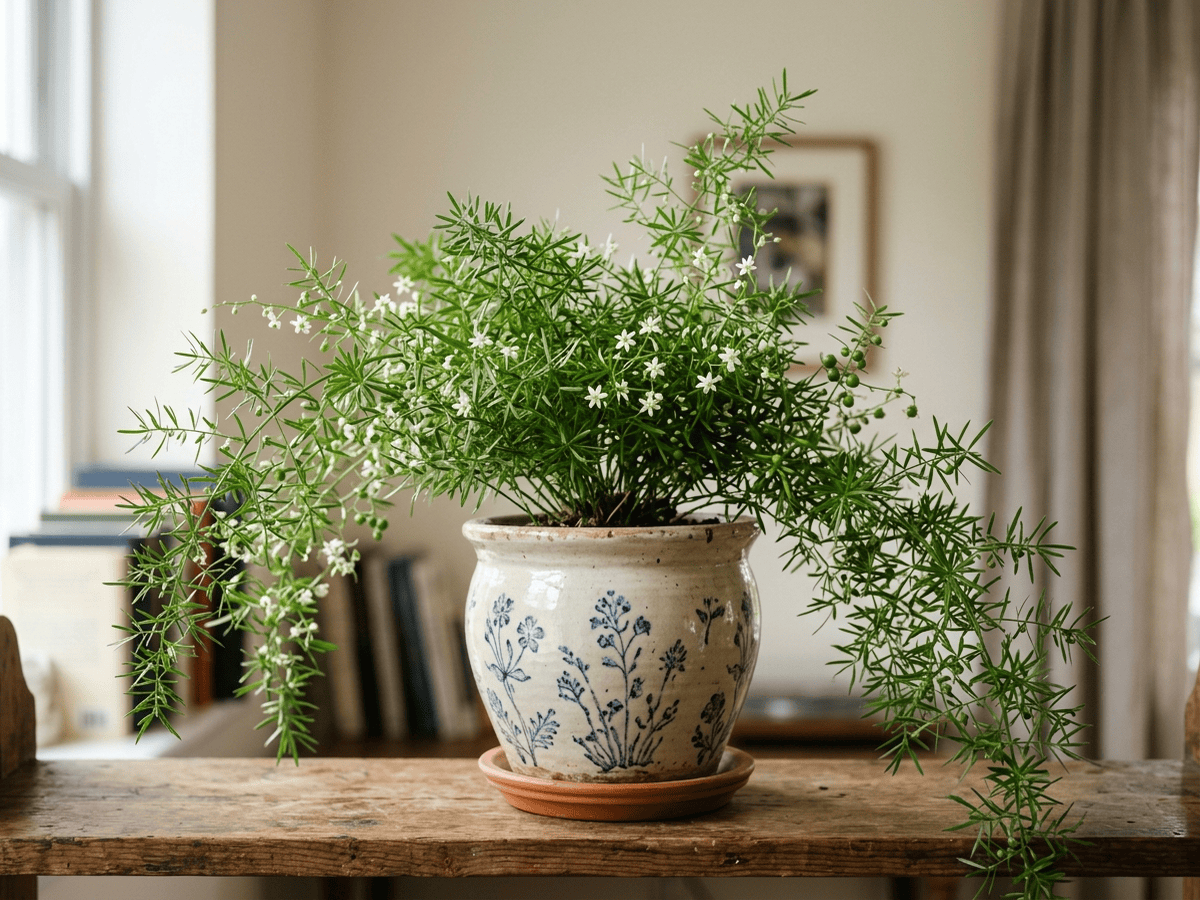 Sprenger's AsparagusAsparagus densiflorus
 Entire-Leaf False Goat’s BeardAstilbe simplicifolia
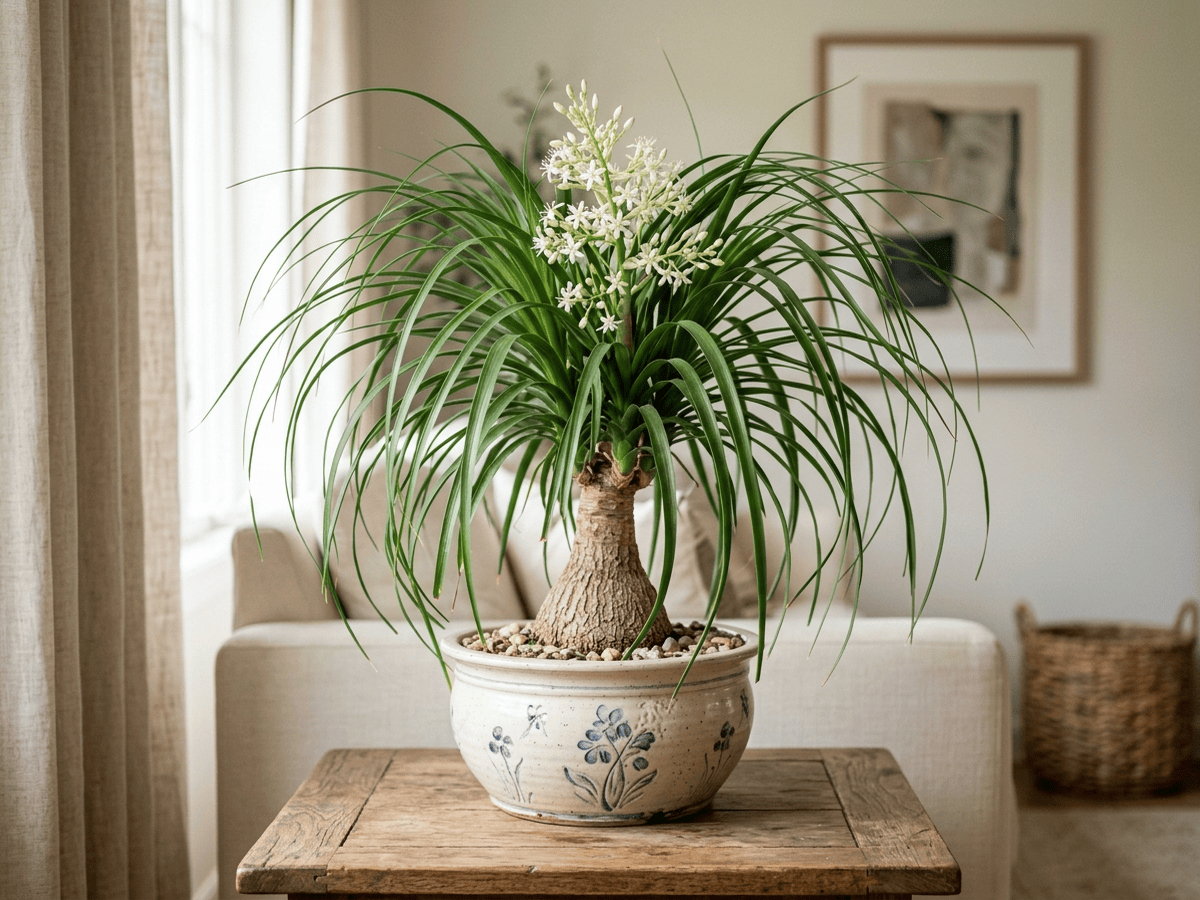 Ponytail PalmBeaucarnea recurvata
Frequently asked questions
How often should I water Inchplant?
In summer, water about every 4 days; in winter, about every 10 days. Adjust for heat, pot size and drainage.
How much light does Inchplant need?
Part shade: 2–4 hrs direct. Watch the leaves — scorching or stretching means the light needs adjusting.
Is Inchplant toxic to cats or dogs?
Pets Slight (Dogs Slight · Cats Slight) Educational information, not medical or veterinary advice. If exposure is suspected, contact a doctor or veterinarian.
Is Inchplant easy to grow?
Yes — it is considered an easy, beginner-friendly plant.
Can Inchplant be grown indoors?
Yes, it adapts well to indoor growing given the right light.
When does Inchplant bloom?
It typically blooms Jun–Aug in the Northern Hemisphere.
YardMate
Identify any plant in seconds
Snap a photo — YardMate names the plant, diagnoses problems, and reminds you when to water.
Download on the App Store