 YardMate
Hop Trefoil
Trifolium campestre
Medium · Some experienceAbout Hop Trefoil
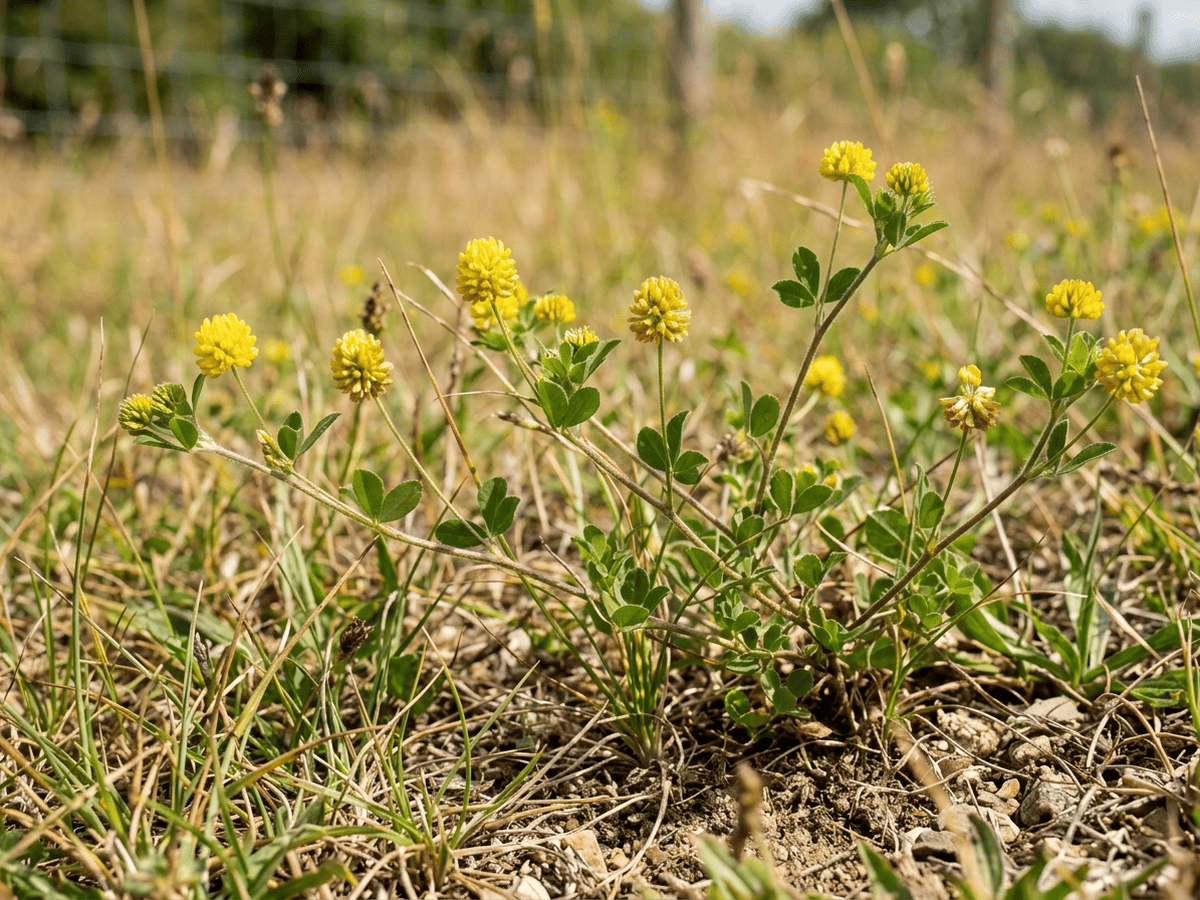
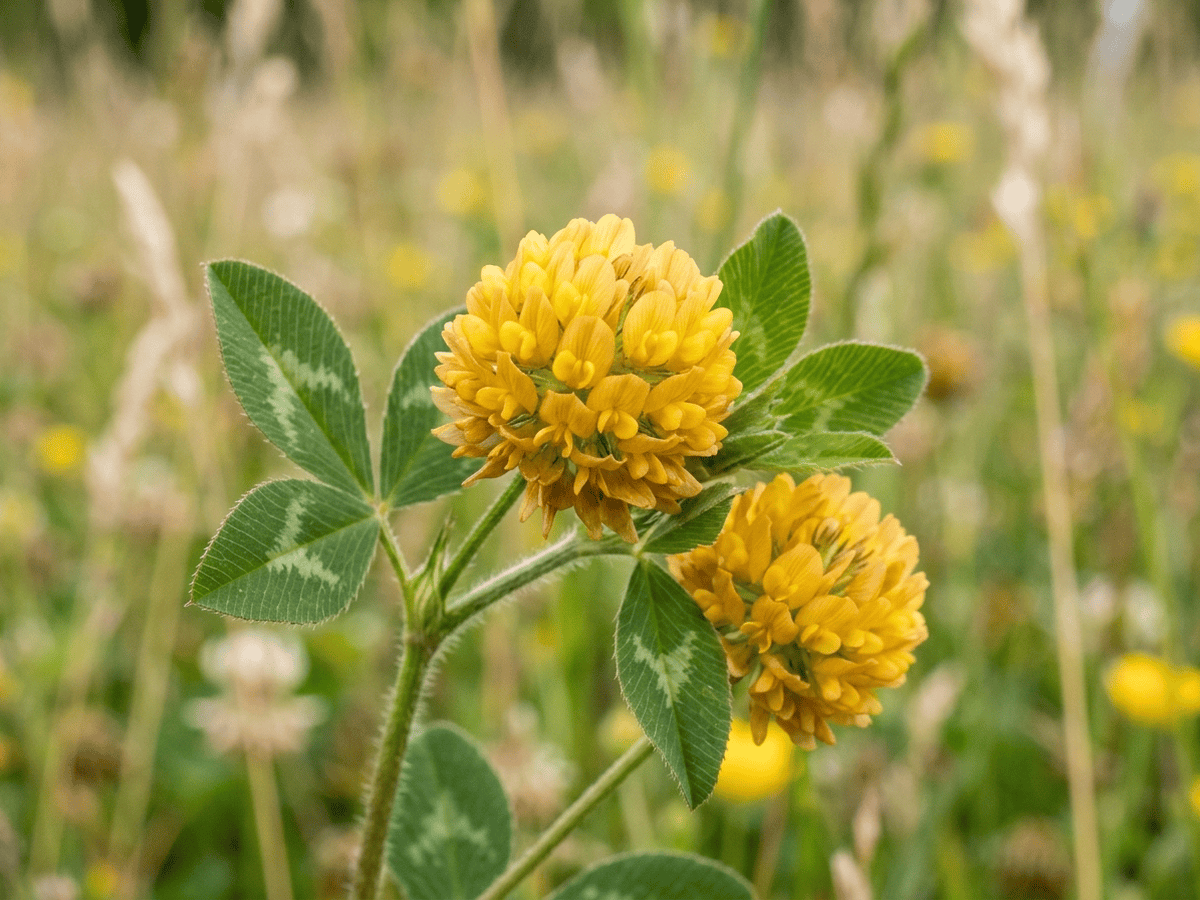
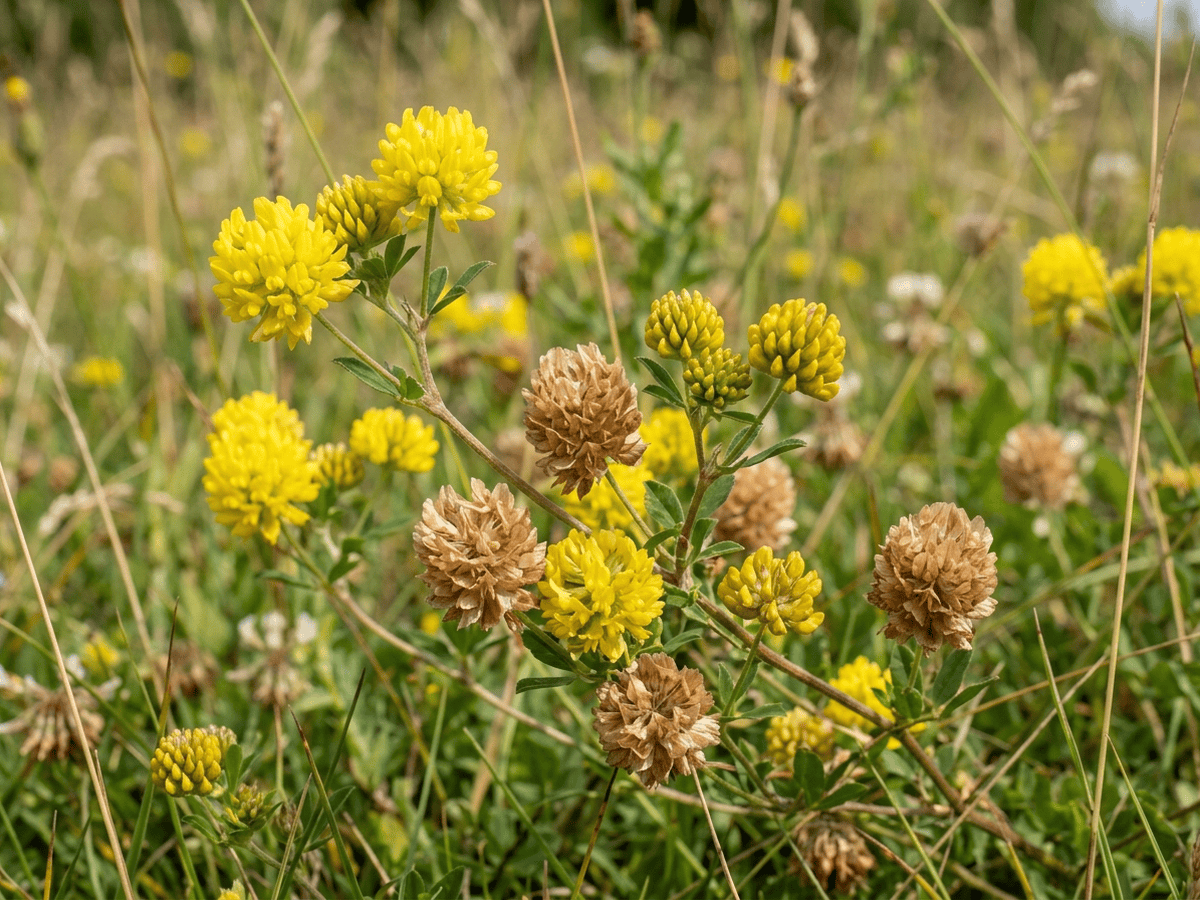
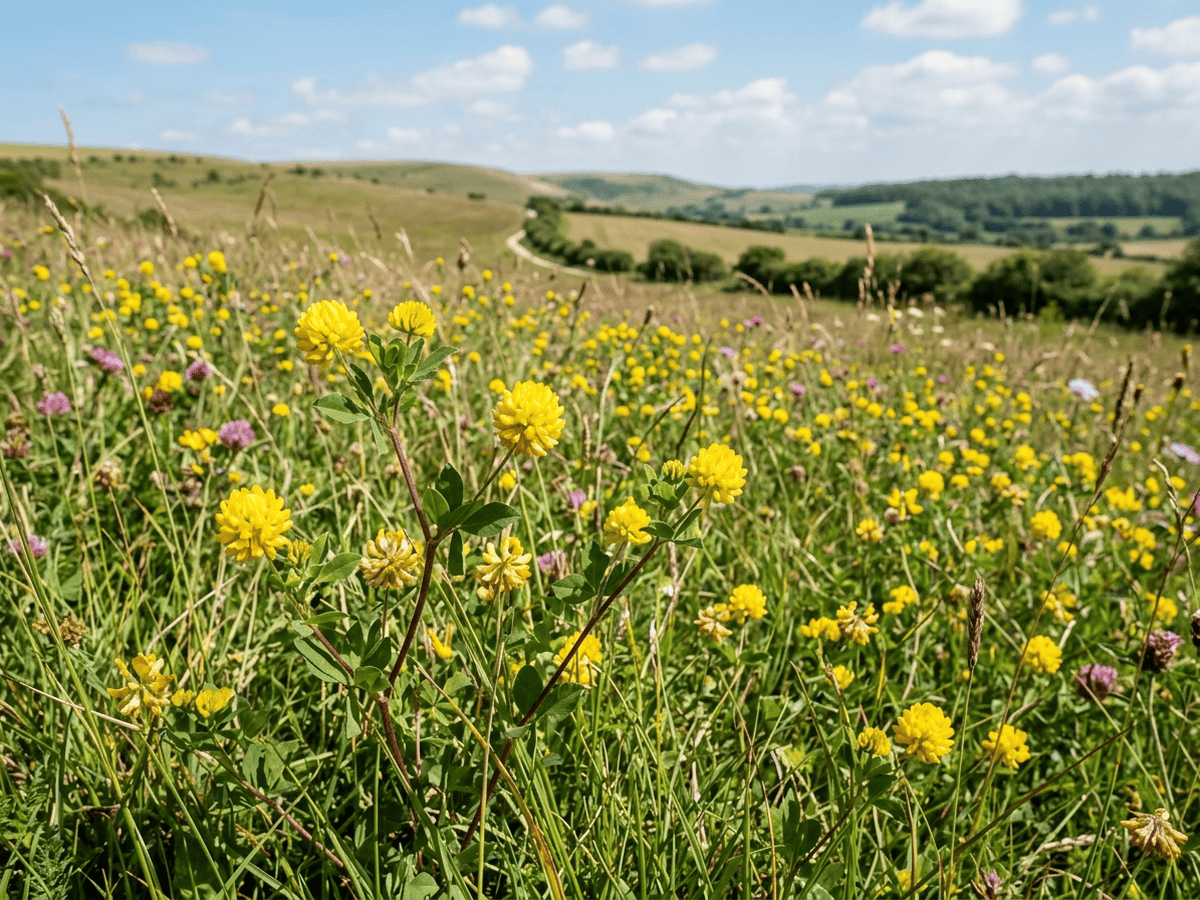
Trifolium campestre, Hop Trefoil, is a compact annual of Europe and Asia that naturalizes widely in dry grasslands, roadsides, and thin-soiled lawns. Growing 6–12 inches tall, it bears small rounded heads of golden-yellow flowers in spring and early summer that fade and dry to papery brown clusters resembling miniature hops—the origin of its common name. An early-season nectar source for small solitary bees, and a classic indicator of ancient unimproved grassland in Britain, it thrives on neglect and poor soils where larger clovers fail.
- Drought-tolerant
- Pollinator-friendly
- Fast-growing
- Compact
How to care for Hop Trefoil
Watering
- Springevery 10 days
- Summerevery 7 days
- Fallevery 15 days
- Winterpause watering
Soil · Well-draining
- Top dressingPine bark mulch10%
- Main mixPotting soil + perlite 2:170%
- DrainageLECA / gravel20%
Never skip the drainage layer — standing water is the top cause of root rot.
FERTILIZER
- Springevery 30 days
At a Glance
- NativeEurope, Asia
- Height0.5–1 ft (0.2–0.3 m)
- Spread1–2 ft (0.3–0.6 m)
- Flower colorYellow
- Foliage colorGreen
- SoilWell-drained, Loamy
- LocationsYard · Balcony
Bloom time
BLOOM CYCLE
Peak bloom
May–Jun
Delicate yellow flowers bloom in late spring, attracting pollinators.
Toxicity
No toxicity has been reported for this plant. Still, it is wise to keep pets from chewing on any houseplant.
Educational information, not medical or veterinary advice. If exposure is suspected, contact a doctor or veterinarian.
DISTRIBUTION

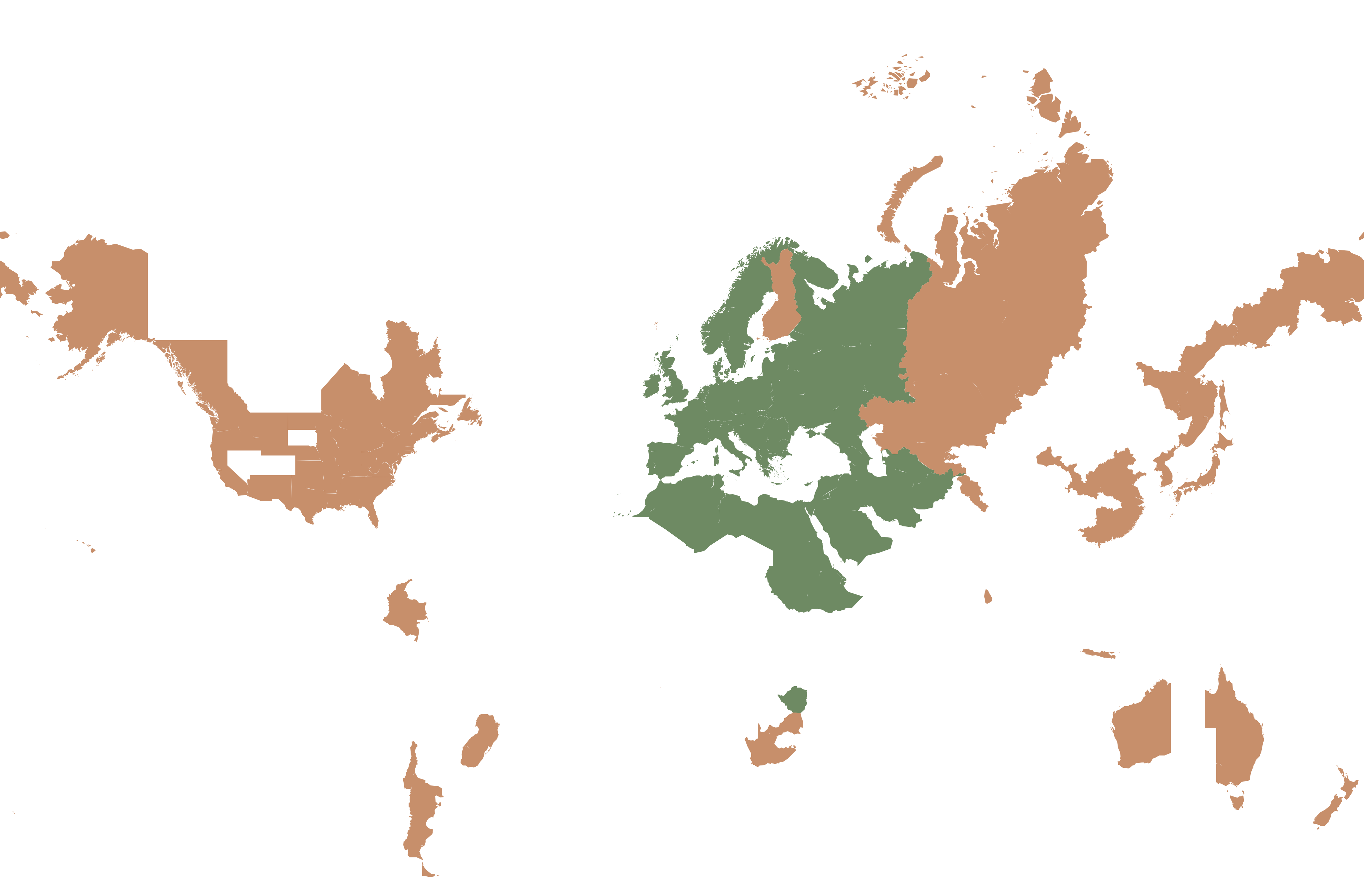
- Native
- Introduced
- Europe
- Asia
History
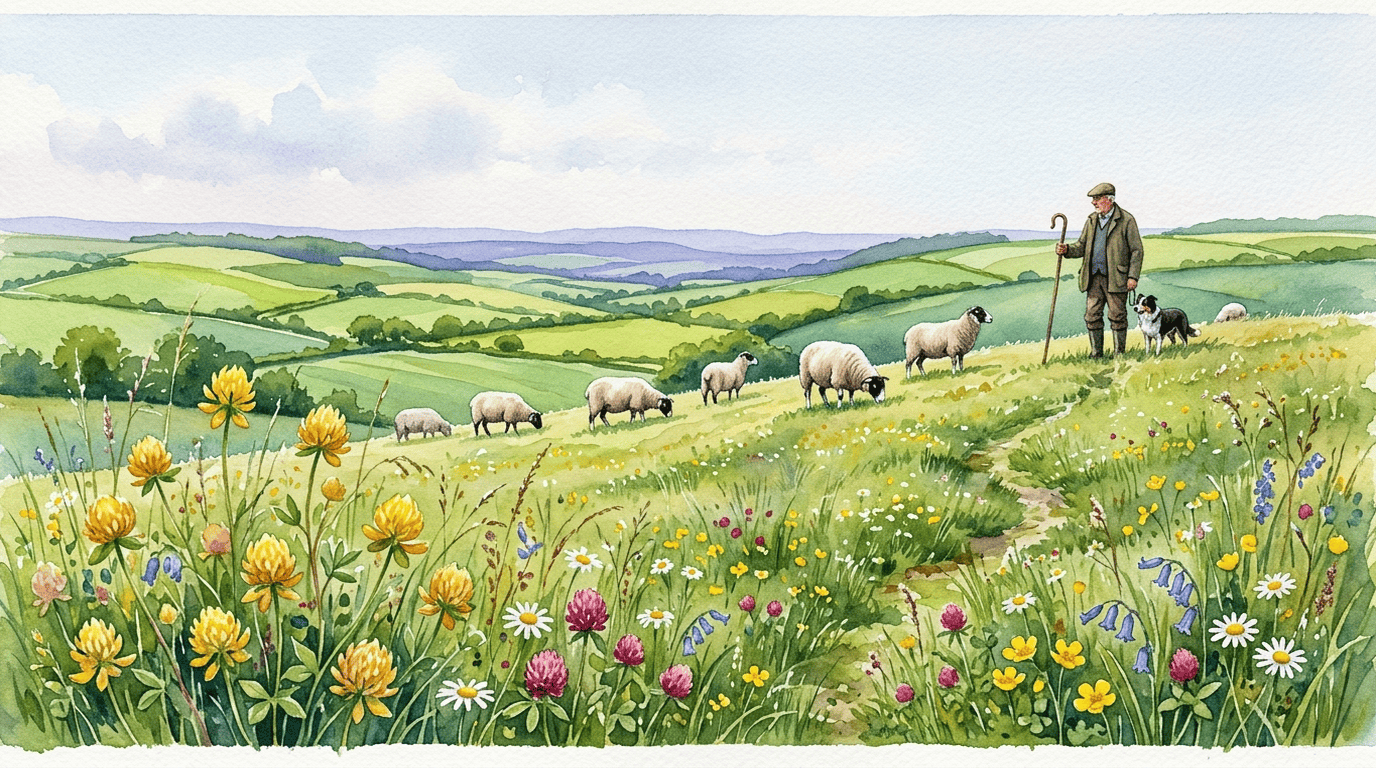
Trifolium campestre is native to dry grasslands, meadows, and disturbed ground across Europe and western Asia, and has been naturalized by human activity across North America, Australia, and much of the temperate world. In Britain it is one of roughly 20 Trifolium species, but ecologically significant as a reliable indicator of old, unimproved grassland—habitats that have not been ploughed, heavily fertilized, or reseeded in living memory.
The common name 'Hop Trefoil' refers to the dried flower heads, which turn brown and papery after flowering and persist on the plant through late summer, bearing a strong resemblance to the dried flower cones of commercial hops (Humulus lupulus). This makes the plant distinctive and identifiable even after bloom.
As a small annual legume, T. campestre fixes nitrogen in the soil via root bacteria—a quiet contribution to the fertility of the thin chalky soils and dry banks it colonizes. Its small golden flowers are an important early-season nectar source for small solitary bees, including mining bees (Andrena spp.) and other small natives that emerge in spring.
In British botanical tradition, finding Hop Trefoil in a field along with other 'indicator' species—Quaking Grass, Cowslip, Devil's-bit Scabious—is a strong signal of historically continuous meadow, surviving from before the agricultural intensification of the 20th century. Such grasslands are among the most species-rich habitats in Britain, and their indicators carry a kind of living testimony to continuity.
Symbolism & meaning
What It Symbolizes
Hop Trefoil doesn't survive where the soil is disturbed, enriched, or reseeded. Find it in a meadow and you're likely standing on ground that has been grassland without break for a very long time—land that survived every century of ploughing around it. The little golden heads and their papery brown remnants are how continuity looks from the ground up.
- continuity — Where Hop Trefoil grows, the meadow has likely been meadow for a very long time—it is a living record of land that was never ploughed away.
- quiet persistence — A small annual that asks nothing of the soil, gives nitrogen back, feeds bees in spring, and dries into papery hop-like heads that rattle in the autumn wind.
Where the Name Comes From
The genus name Trifolium is Latin for 'three-leaved.' The species epithet campestre is Latin for 'of the fields' or 'field-dwelling,' reflecting its typical grassland habitat. The common name Hop Trefoil describes the dried flower heads' resemblance to hops (Humulus lupulus) cones.
Uses & Fun Facts
- Early-season nectar and pollen source for small solitary bees including mining bees; blooms in May-June before many other clovers
- Nitrogen-fixing annual that improves thin, poor soils; an indicator of ancient unimproved grassland habitat in Britain
Related plants
More Trifolium plants
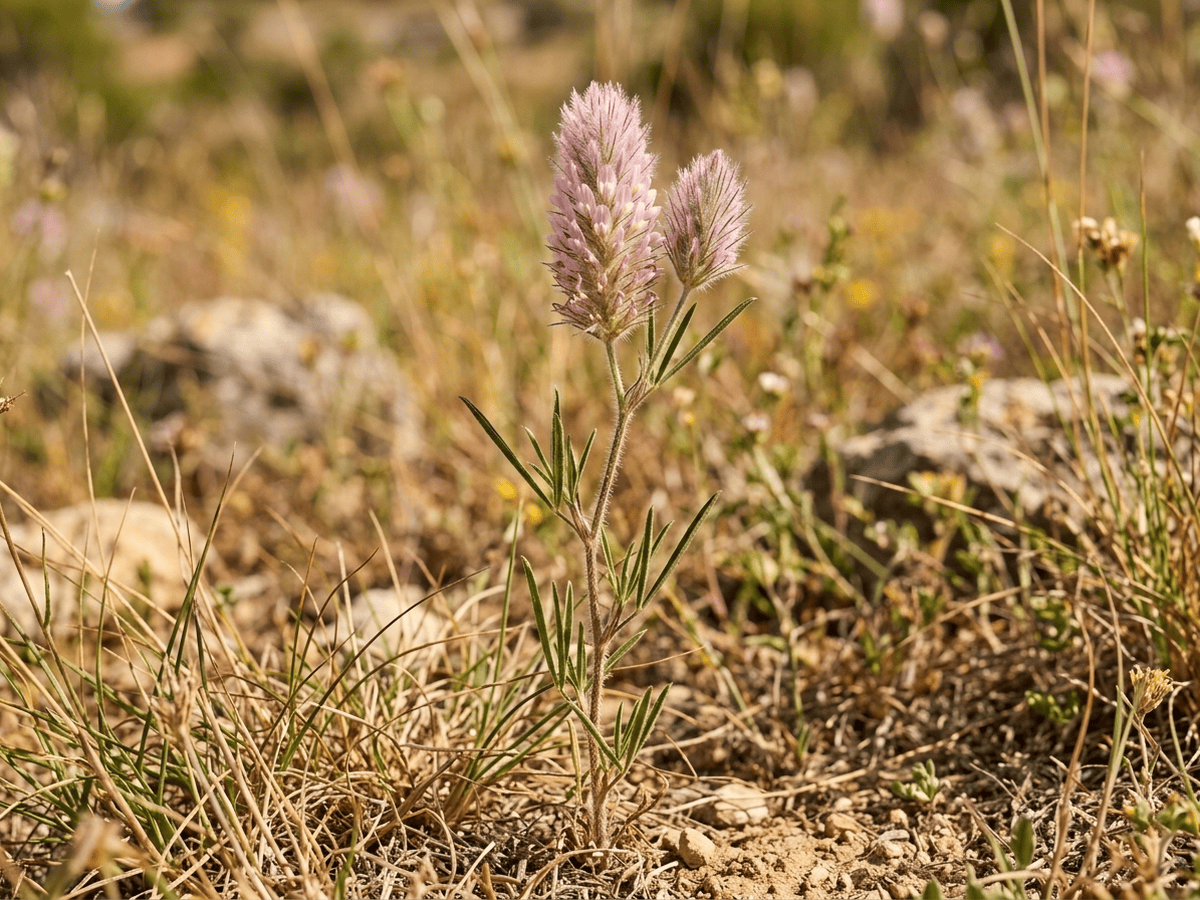 Narrow-leaved CloverTrifolium angustifolium
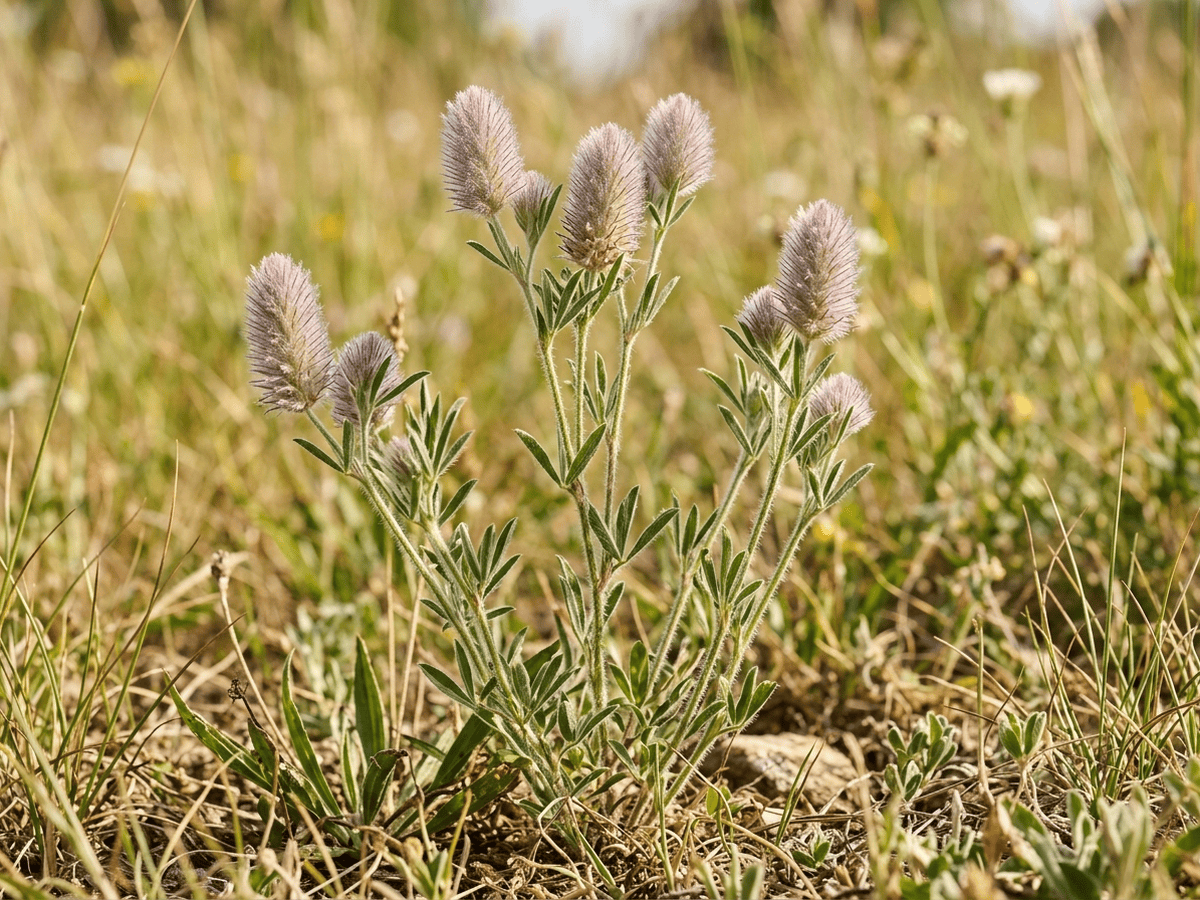 Rabbitfoot CloverTrifolium arvense
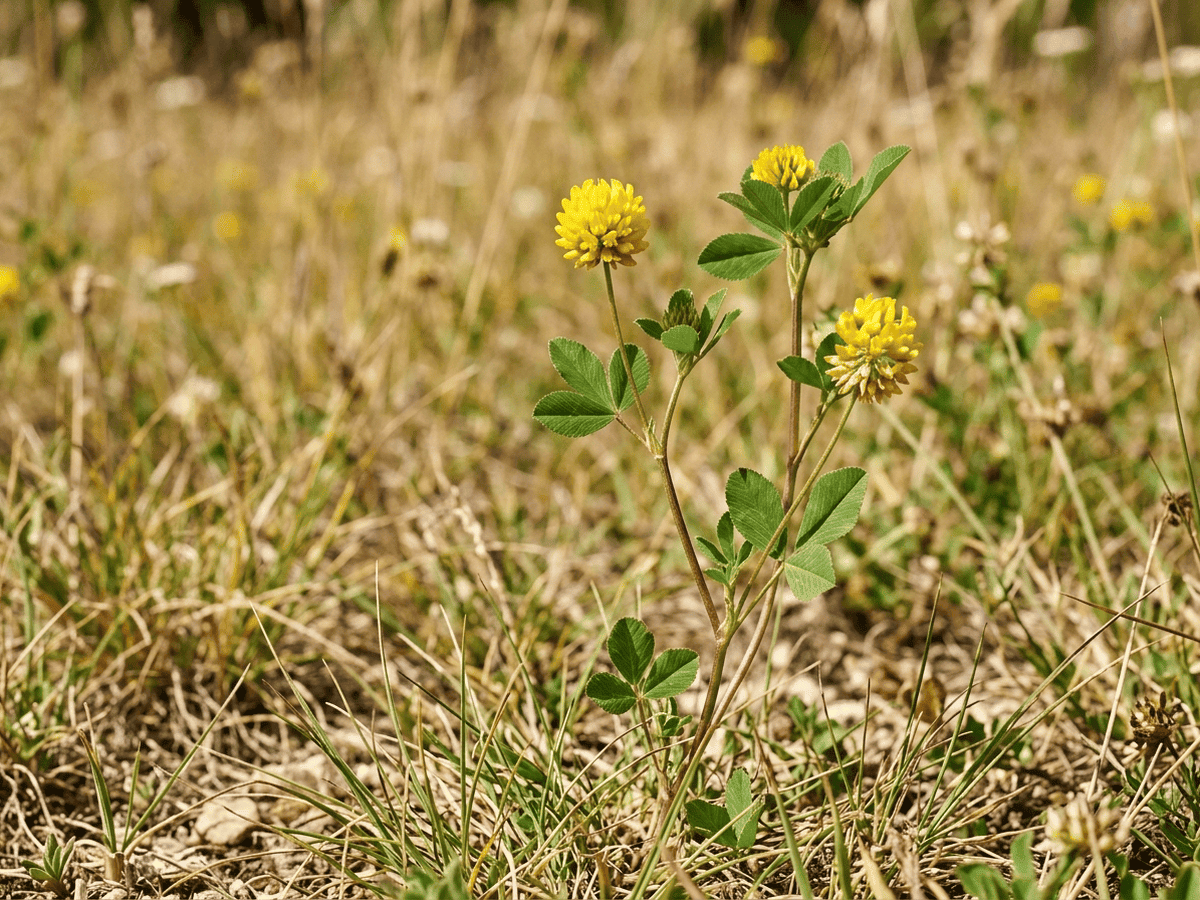 Large Hop CloverTrifolium aureum
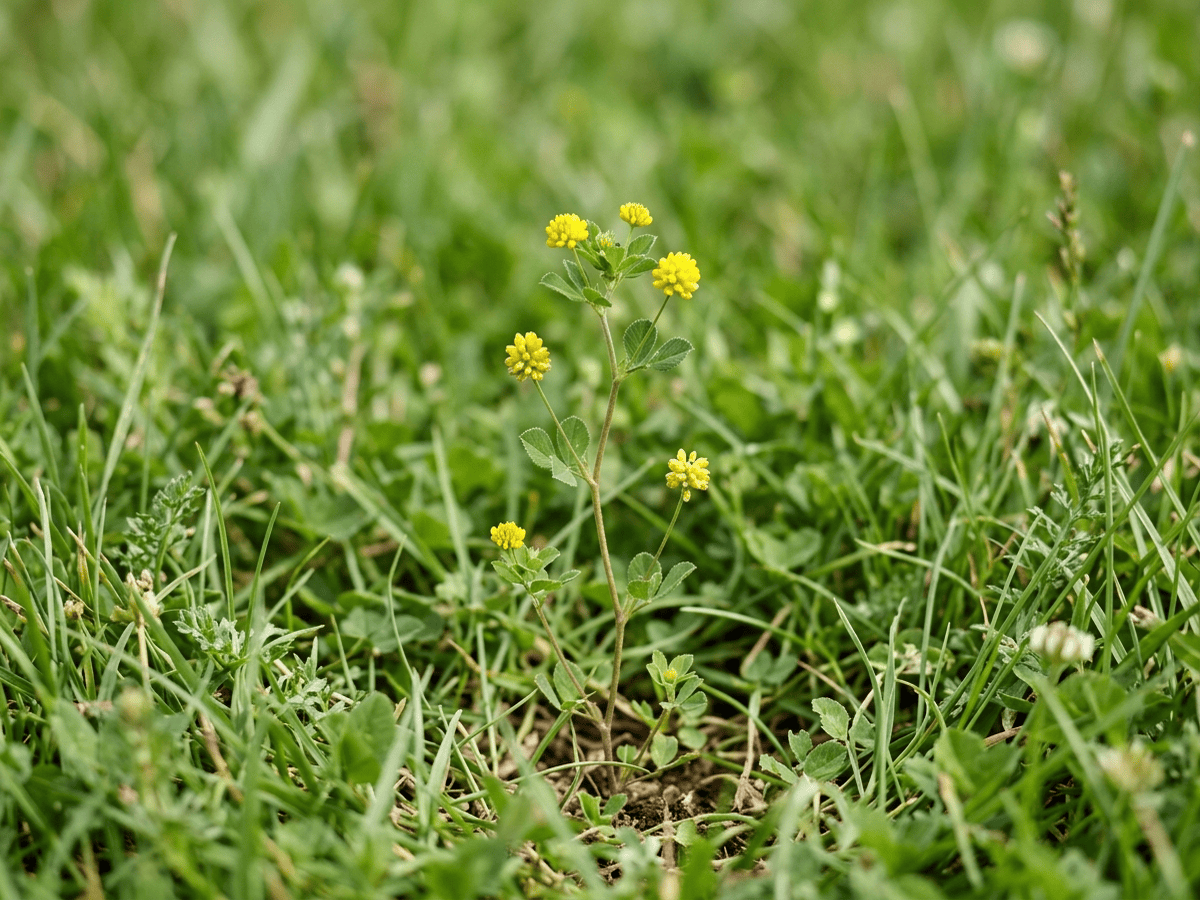 Lesser Hop TrefoilTrifolium dubium
Plants with similar care
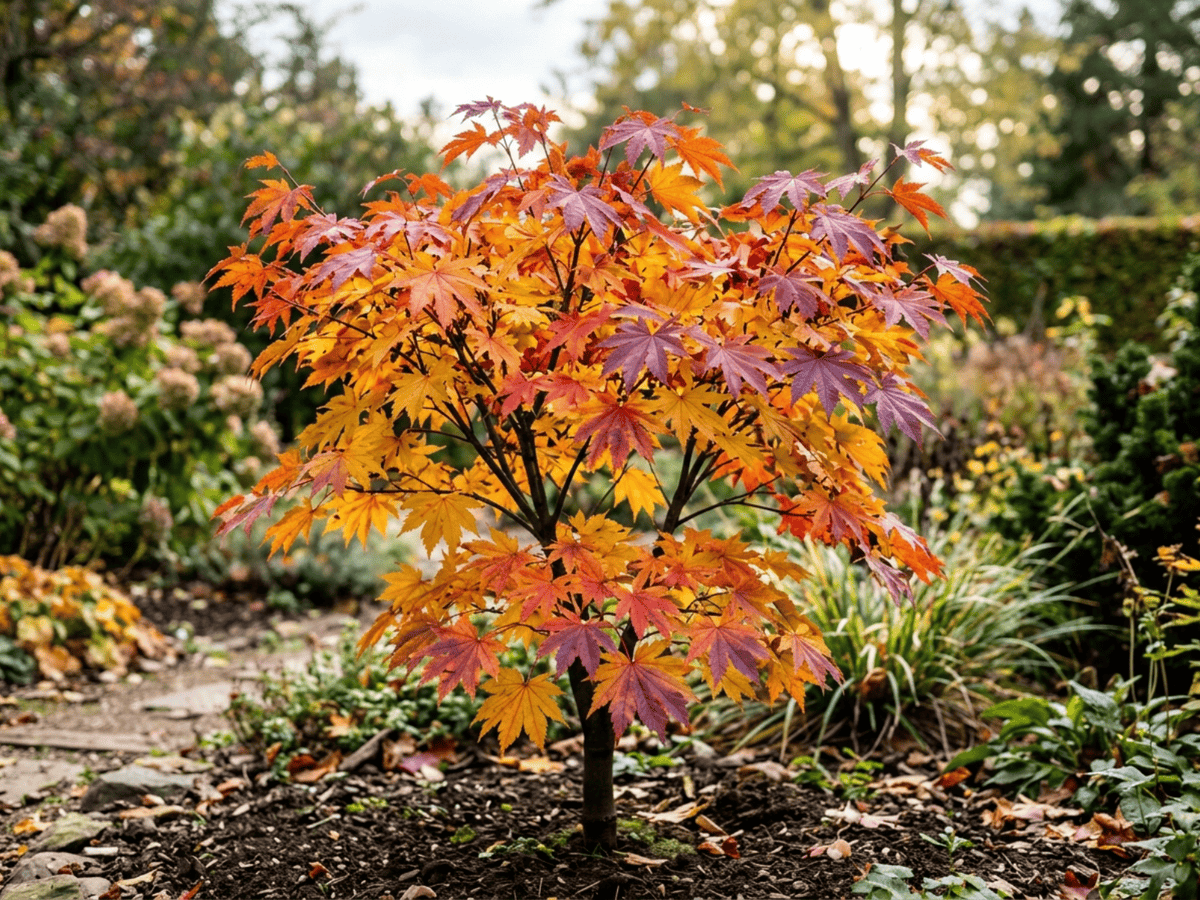 Downy Japanese MapleAcer japonicum
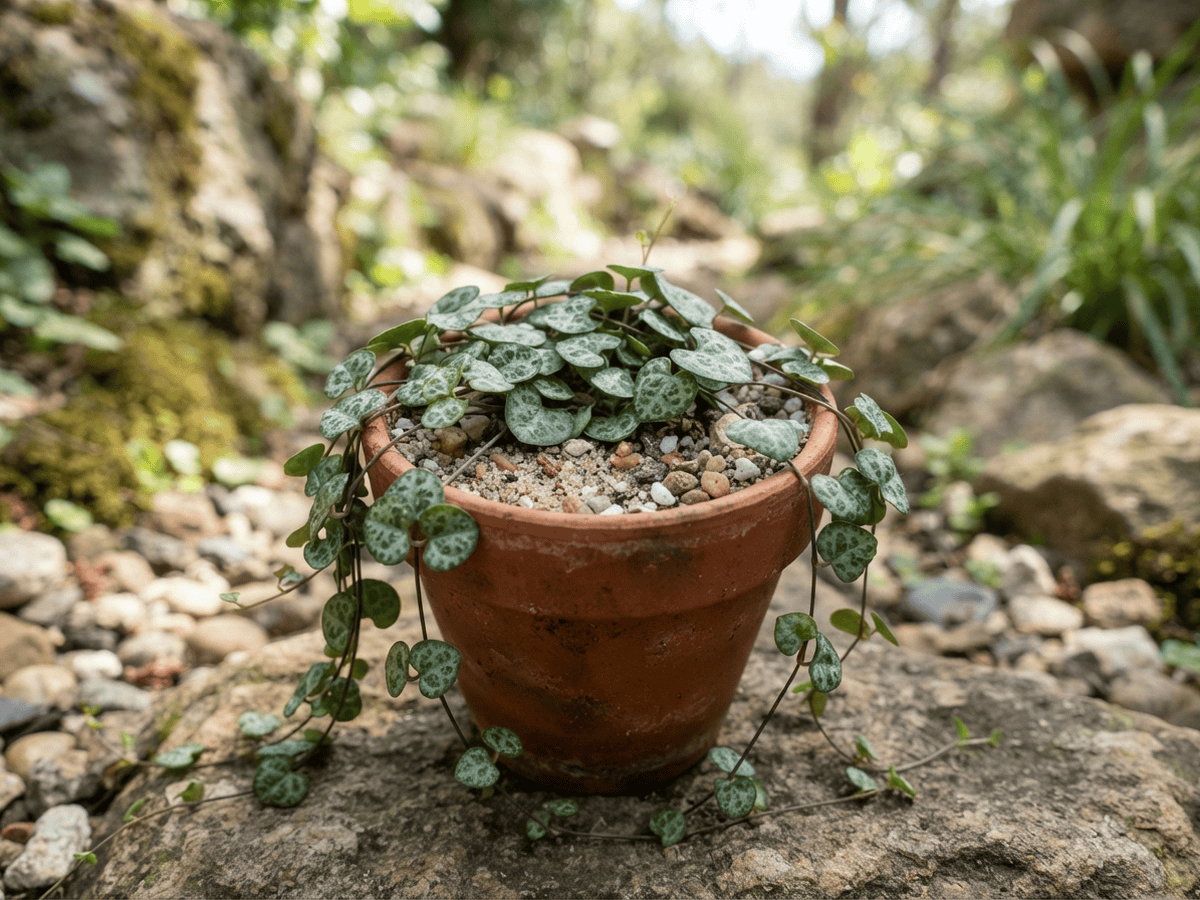 String of HeartsCeropegia woodii
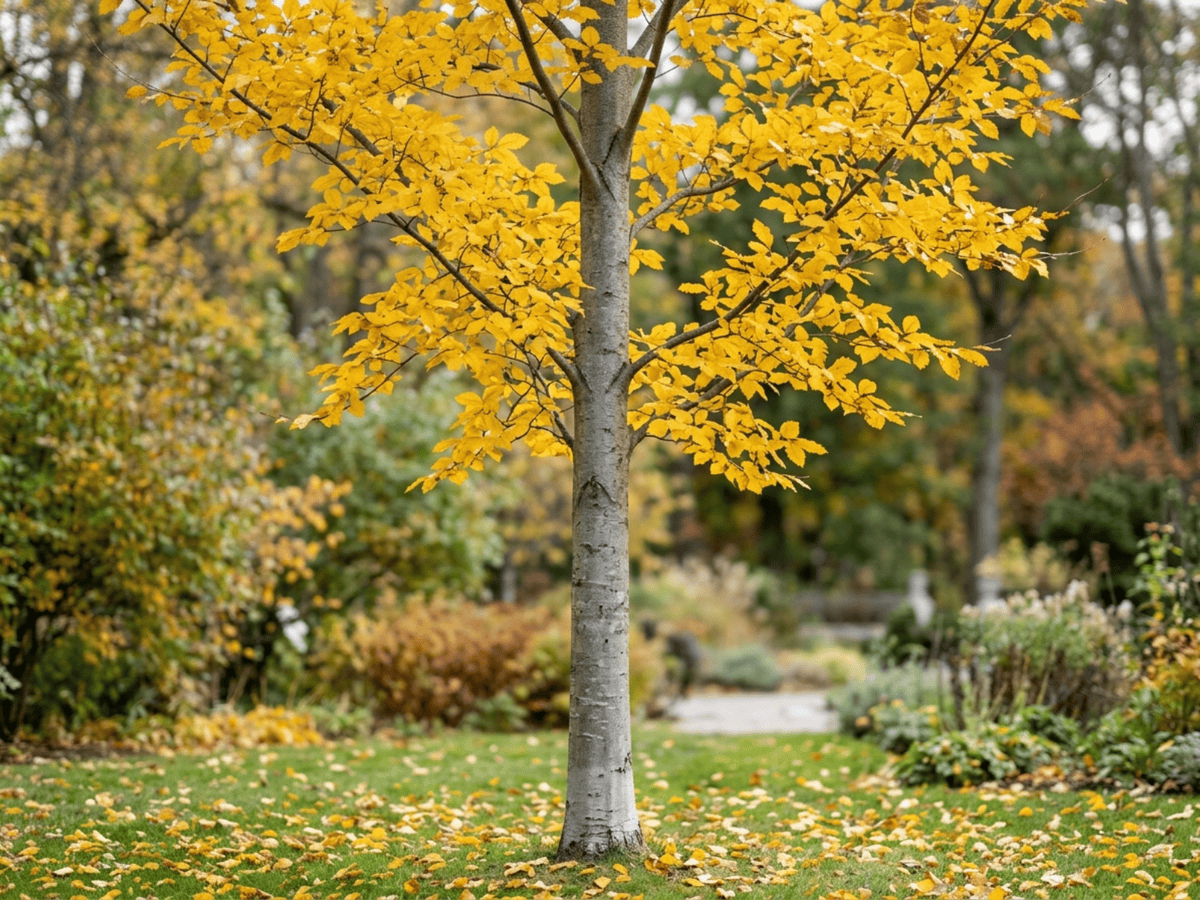 American BeechFagus grandifolia
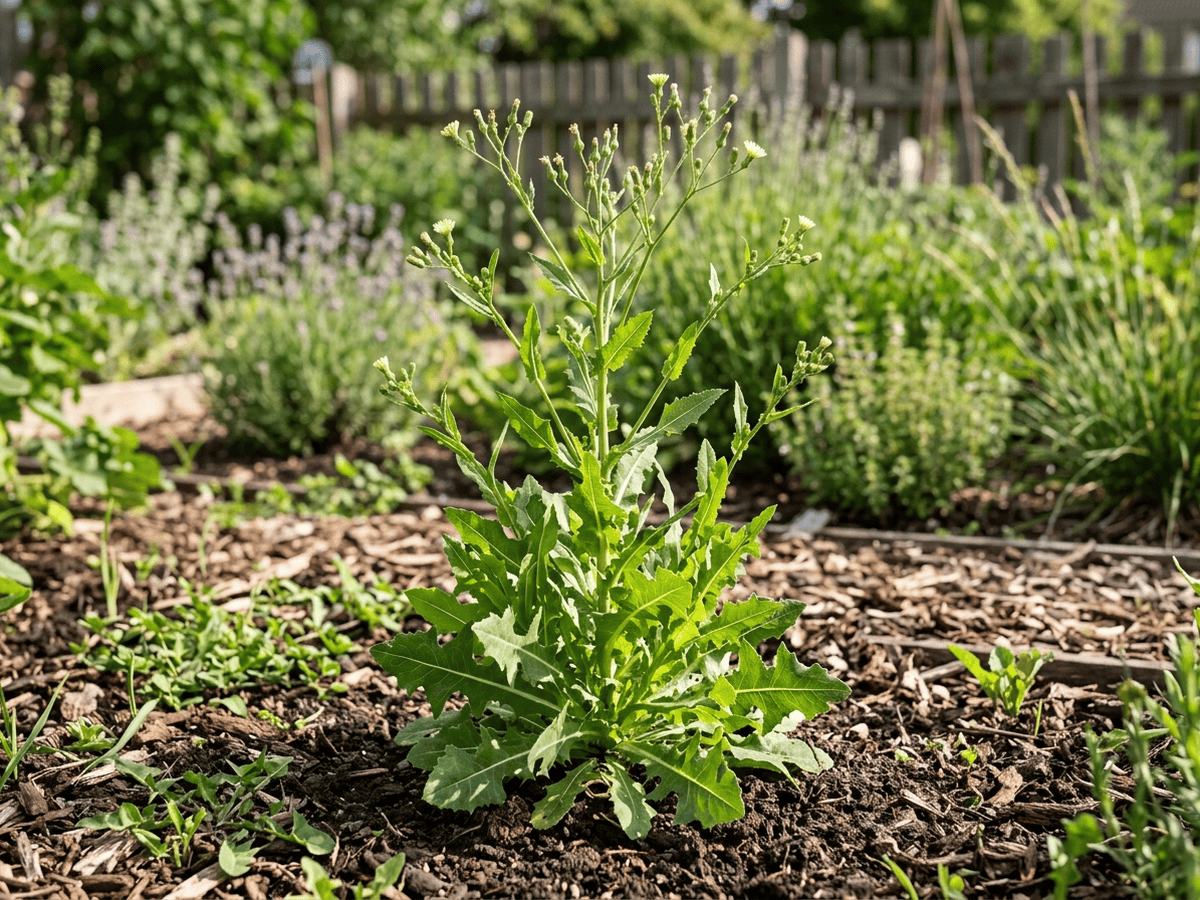 Pliant LettuceLactuca viminea
Frequently asked questions
How often should I water Hop Trefoil?
Water about every 10 days during the growing season, and always let excess water drain away.
How much light does Hop Trefoil need?
Part sun: 4–6 hrs direct. Watch the leaves — scorching or stretching means the light needs adjusting.
Is Hop Trefoil toxic to cats or dogs?
No toxicity has been reported for this plant. Still, it is wise to keep pets from chewing on any houseplant. Educational information, not medical or veterinary advice. If exposure is suspected, contact a doctor or veterinarian.
Is Hop Trefoil easy to grow?
It is moderately demanding: a good choice once you have a little experience.
When does Hop Trefoil bloom?
It typically blooms May–Jun in the Northern Hemisphere.
YardMate
Identify any plant in seconds
Snap a photo — YardMate names the plant, diagnoses problems, and reminds you when to water.
Download on the App Store