 YardMate
Narrow-leaved Clover
Trifolium angustifolium
Hard · Experienced growersAbout Narrow-leaved Clover
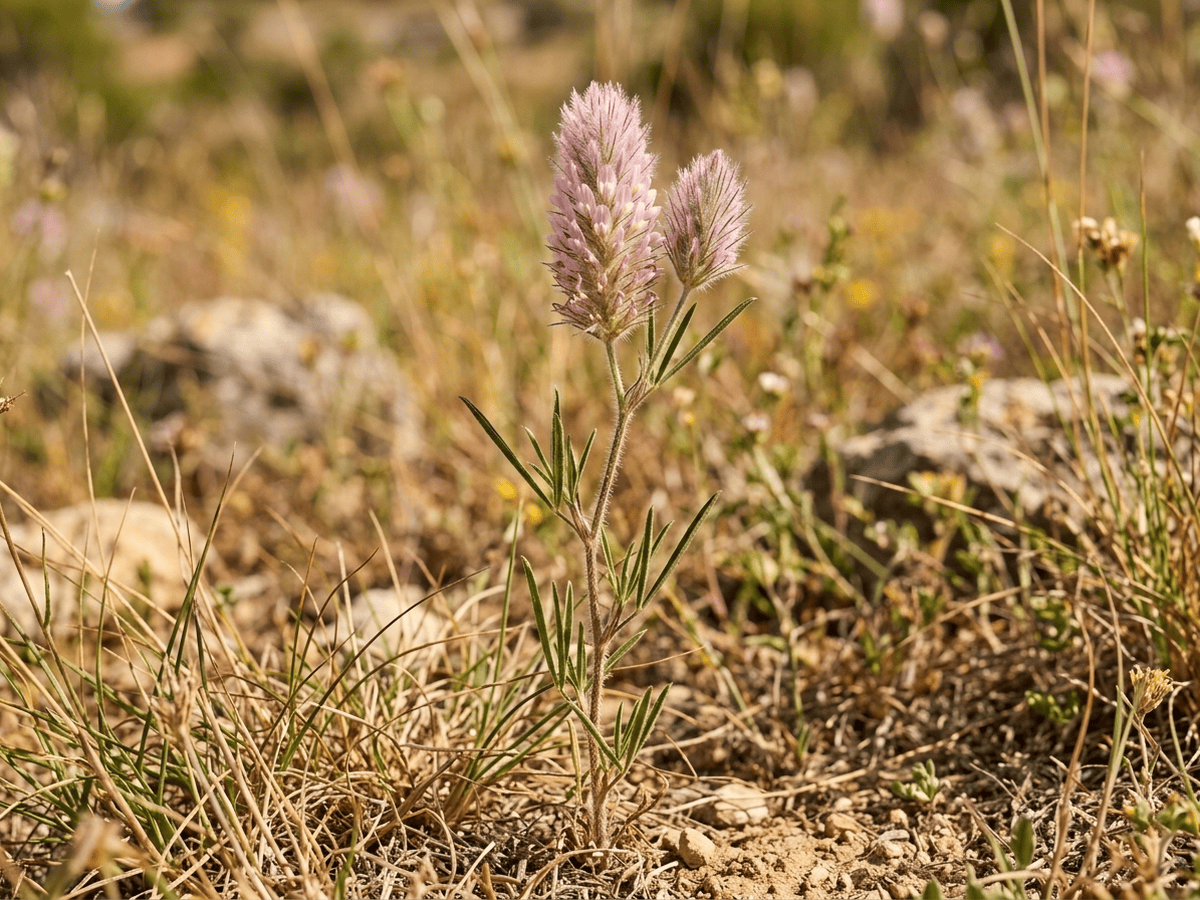
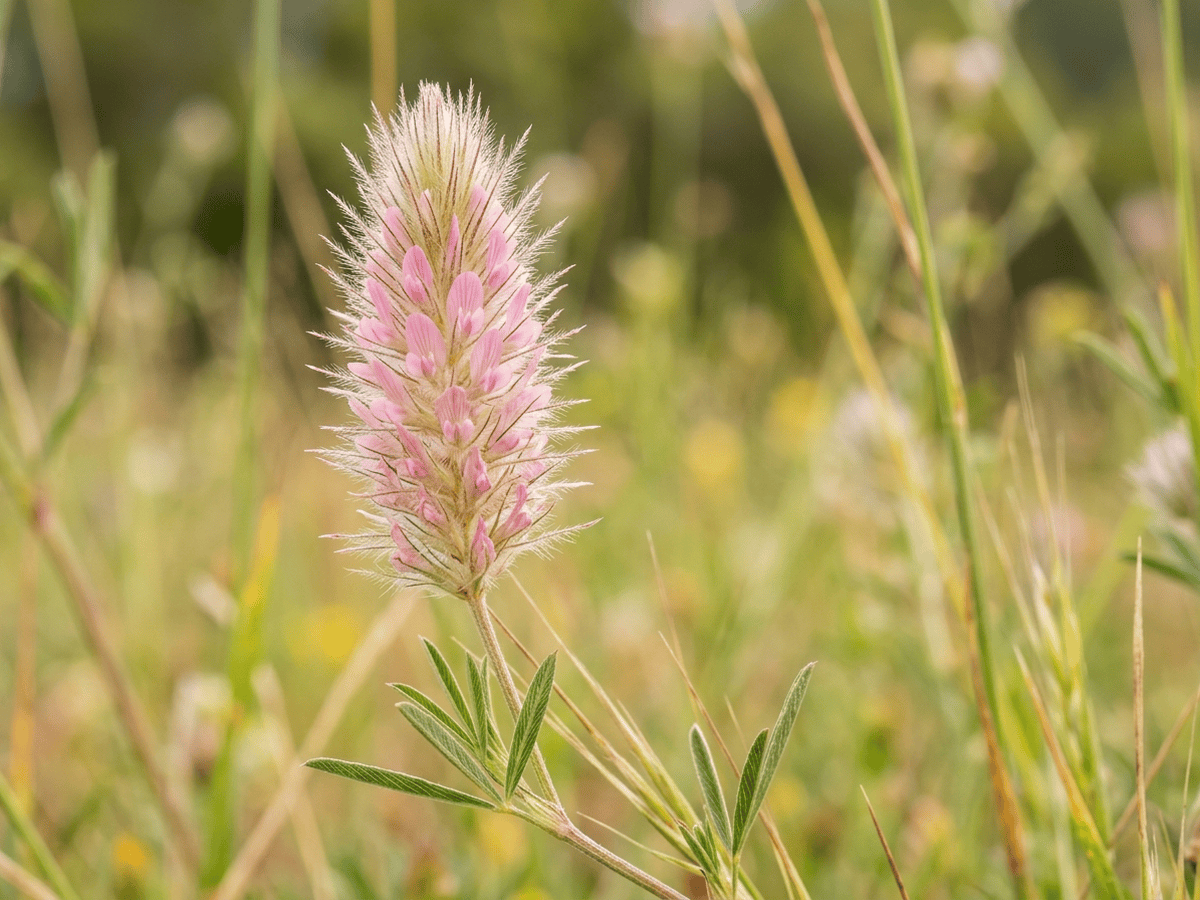
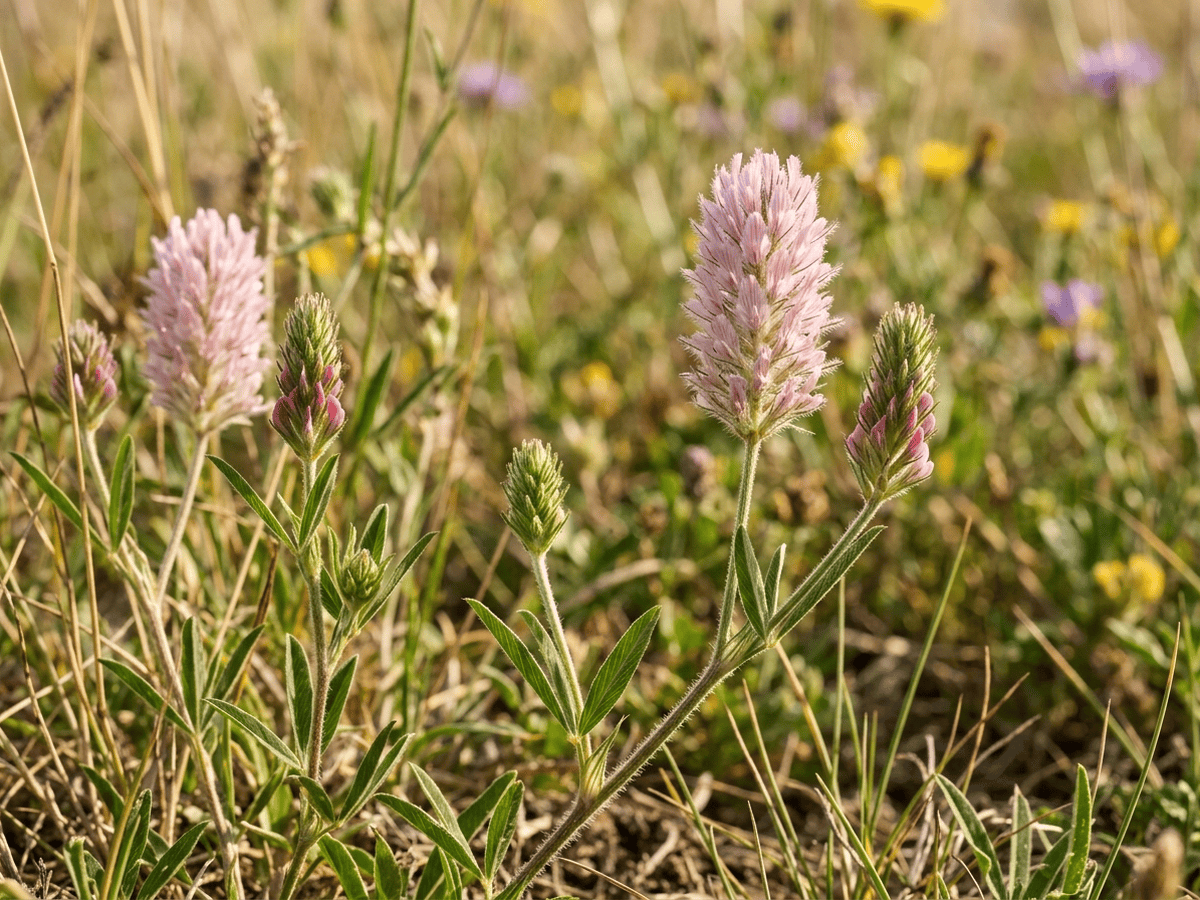
Trifolium angustifolium, Narrow-leaved Clover, is a slender Mediterranean annual distinguished by its unusually narrow leaflets—far thinner than other common clovers—and elongated, cylindrical flower spikes of pale pink to rose-pink florets surrounded by silky bristle-tipped bracts. Growing 6–18 inches tall, it blooms from early to late summer on dry, sandy soils and disturbed ground throughout its native Mediterranean range. Its feathery texture, fine narrow foliage, and refined pink spikes make it an attractive component of dry wildflower meadow mixes and pollinator gardens in warm climates.
- Drought-tolerant
- Pollinator-friendly
- Fast-growing
How to care for Narrow-leaved Clover
Watering
- Springevery 15 days
- Summerevery 10 days
- Fallevery 20 days
- Winterpause watering
Soil · Well-draining
- Top dressingPine bark mulch10%
- Main mixPotting soil + perlite 2:170%
- DrainageLECA / gravel20%
Never skip the drainage layer — standing water is the top cause of root rot.
FERTILIZER
- Springevery 30 days
- Summerevery 30 days
- Fallevery 30 days
At a Glance
- NativeNorth America
- Height0.5–1.5 ft (0.2–0.5 m)
- Spread1–2 ft (0.3–0.6 m)
- Flower colorPink, White
- Foliage colorGreen
- SoilWell-drained, Loamy
- LocationsYard · Balcony
Bloom time
BLOOM CYCLE
Peak bloom
Jun–Aug
The flowers appear in summer, attracting various pollinators.
Toxicity
No toxicity has been reported for this plant. Still, it is wise to keep pets from chewing on any houseplant.
Educational information, not medical or veterinary advice. If exposure is suspected, contact a doctor or veterinarian.
DISTRIBUTION

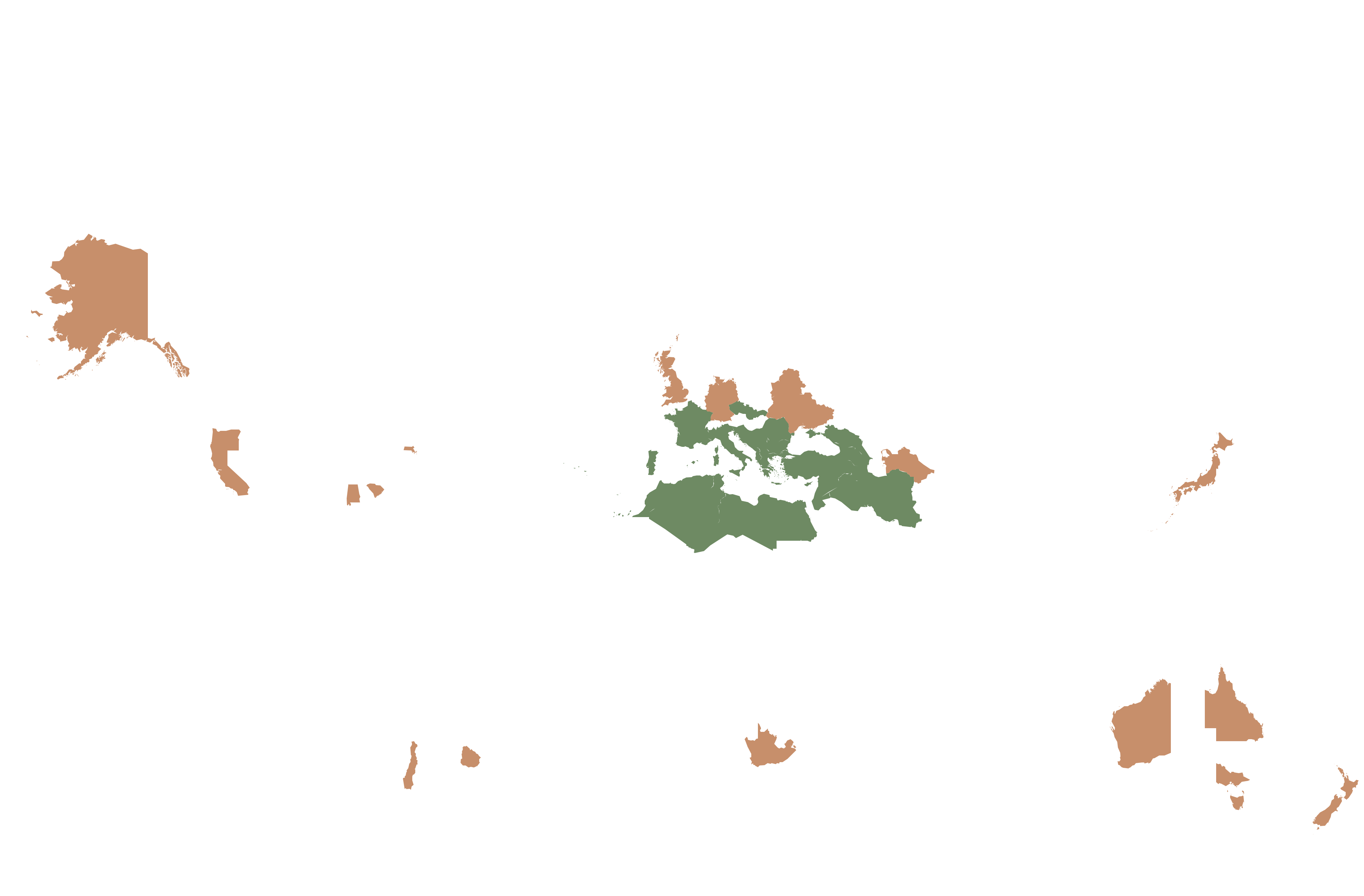
- Native
- Introduced
- North America
History
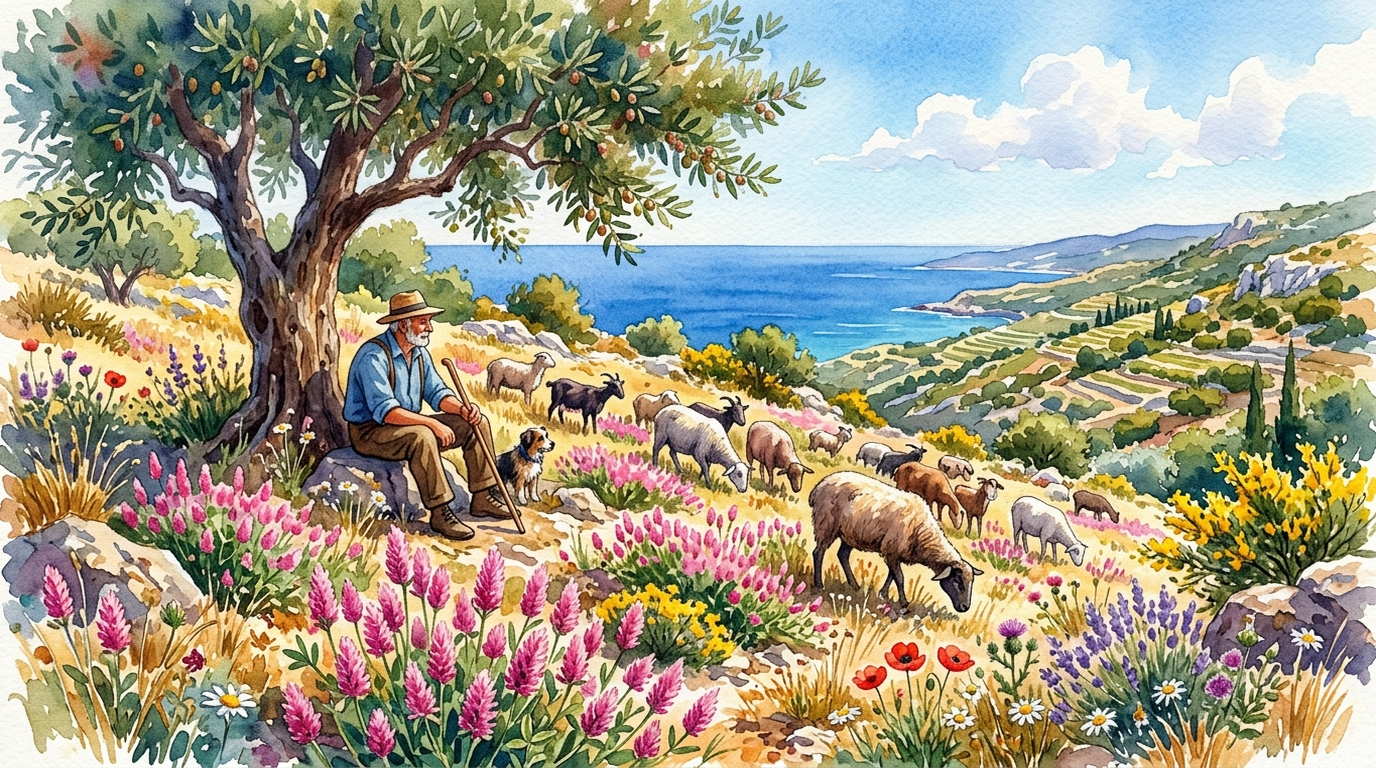
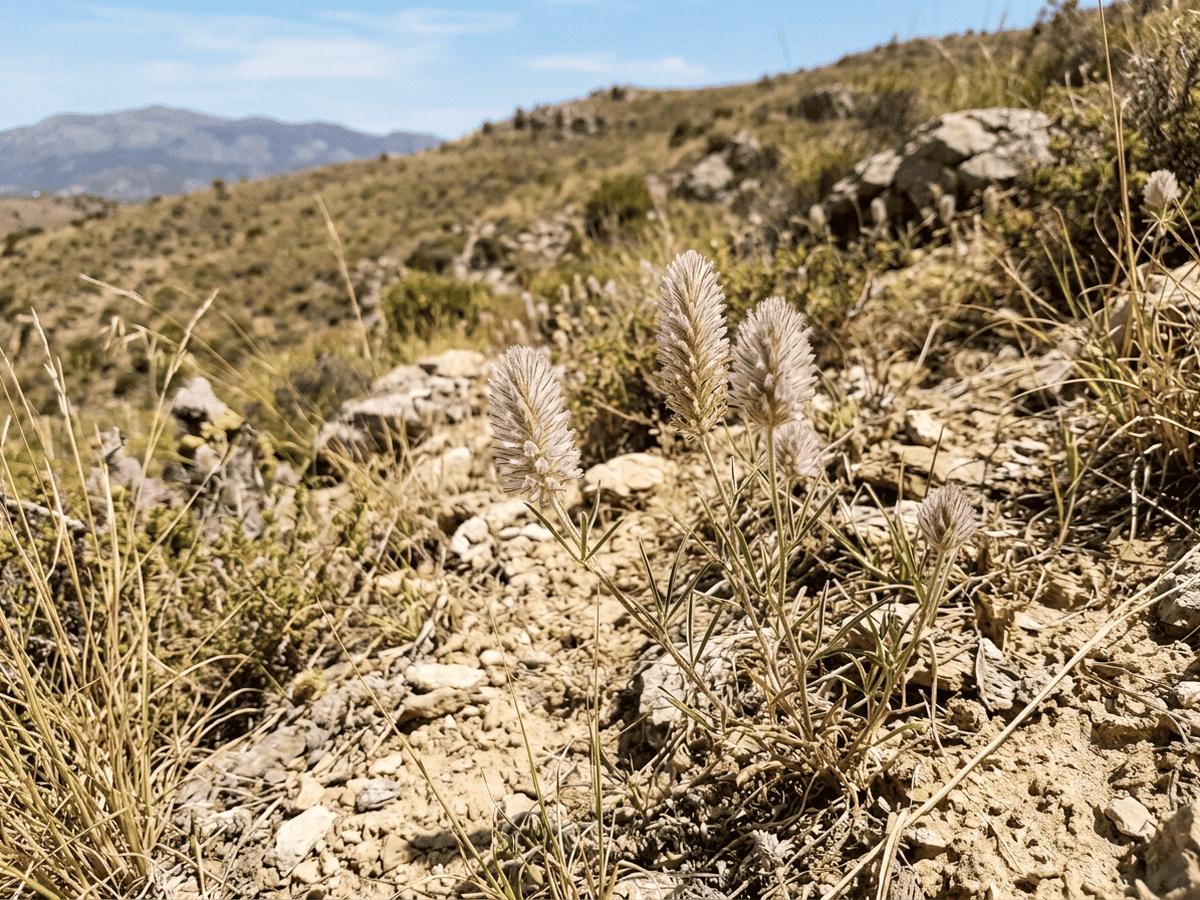
Trifolium angustifolium is native to the dry Mediterranean region—the coastal grasslands, sandy fields, and scrubby hillsides of southern Europe, North Africa, and western Asia, where thin, well-drained soils and summer drought are the norm. Its distribution ranges from the Iberian Peninsula east through the Mediterranean littoral to the Middle East and Caucasus.
The species' most diagnostic feature is its extraordinarily narrow leaflets—a stark departure from the broad, rounded leaves typical of most clovers. This morphology reduces water loss in hot, dry conditions, an adaptation explaining the plant's affinity for Mediterranean and semi-arid habitats. The species epithet angustifolium (Latin: narrow-leaved) directly references this character.
The flower heads are also distinctive: elongated and cylindrical rather than rounded, with pale pink florets surrounded by silky, bristle-tipped calyx teeth that give the spike a feathery appearance. This texture differentiates it from Crimson Clover (T. incarnatum), which has similar spike-like heads but bolder color and less prominent bracts.
Narrow-leaved Clover has naturalized beyond its Mediterranean homeland in regions with similar climates—parts of California, South Africa, and Australia—where it colonizes dry disturbed ground and roadsides. It is included in Mediterranean wildflower seed mixes for dry gardens, where its fast germination and drought tolerance make it reliable in challenging conditions.
Symbolism & meaning
What It Symbolizes
Every feature of Narrow-leaved Clover is a response to drought: thinner leaves, tighter spikes, a faster-cycling annual life. It grew into the shape the Mediterranean summer demanded—and what the summer demanded, it turns out, is beautiful.
- refinement — In a family defined by broad, rounded leaves, this clover grew narrow. Its proportions are more elegant, its texture more delicate than its relatives.
- adaptation — The narrowest leaves lose the least water. In this plant, elegance and survival strategy are exactly the same thing.
Where the Name Comes From
The genus Trifolium is Latin for 'three-leaved,' referring to the trifoliate leaves of all clovers. The species epithet angustifolium comes from Latin angustus (narrow) and folium (leaf), literally meaning 'narrow-leaved'—describing the extraordinarily narrow leaflets that distinguish this species from all other common clovers.
Uses & Fun Facts
- Elongated pink flower spikes attract bumblebees and small native bees; one of the most drought-tolerant annual clovers for Mediterranean-climate pollinator gardens
- Feathery narrow foliage and delicate pink spikes add fine texture to dry wildflower meadow mixes and naturalistic plantings in hot, dry climates
Related plants
More Trifolium plants
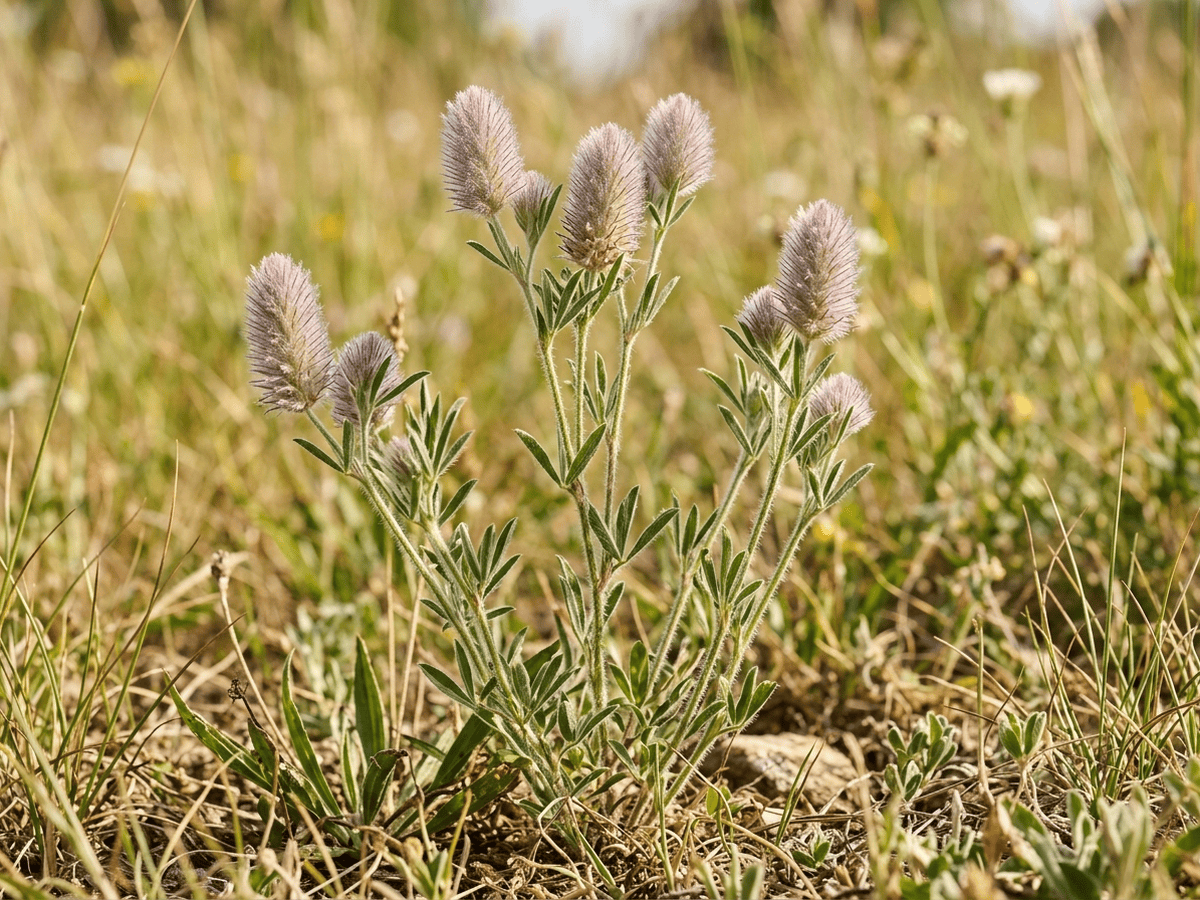 Rabbitfoot CloverTrifolium arvense
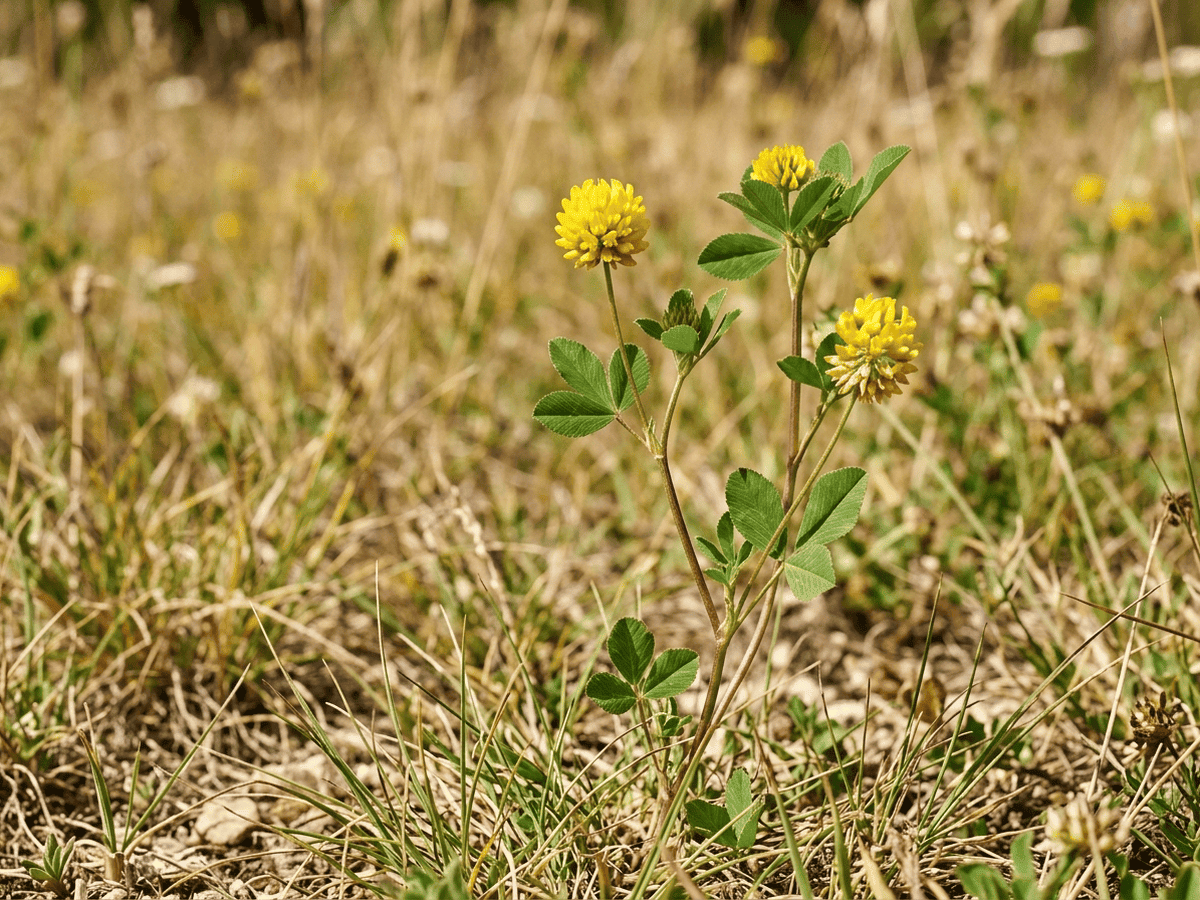 Large Hop CloverTrifolium aureum
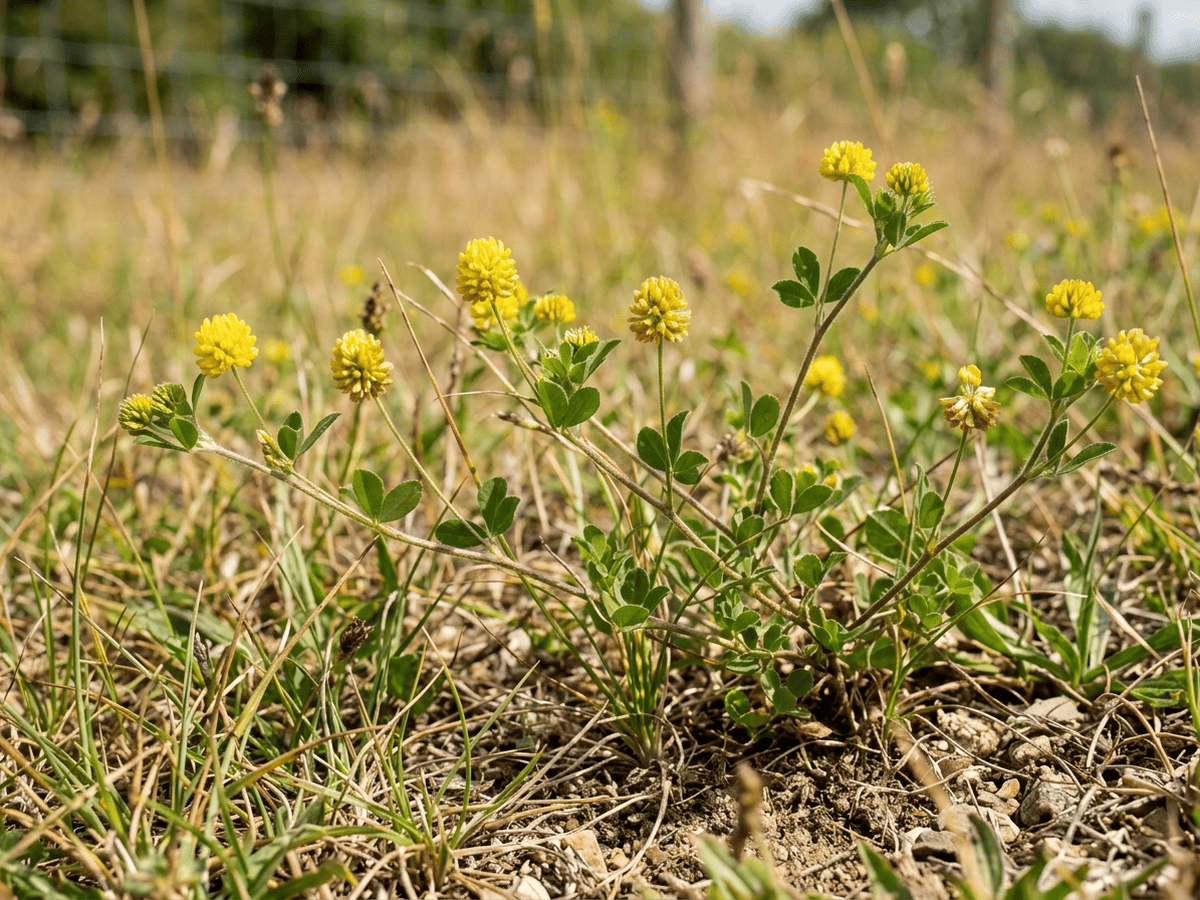 Hop TrefoilTrifolium campestre
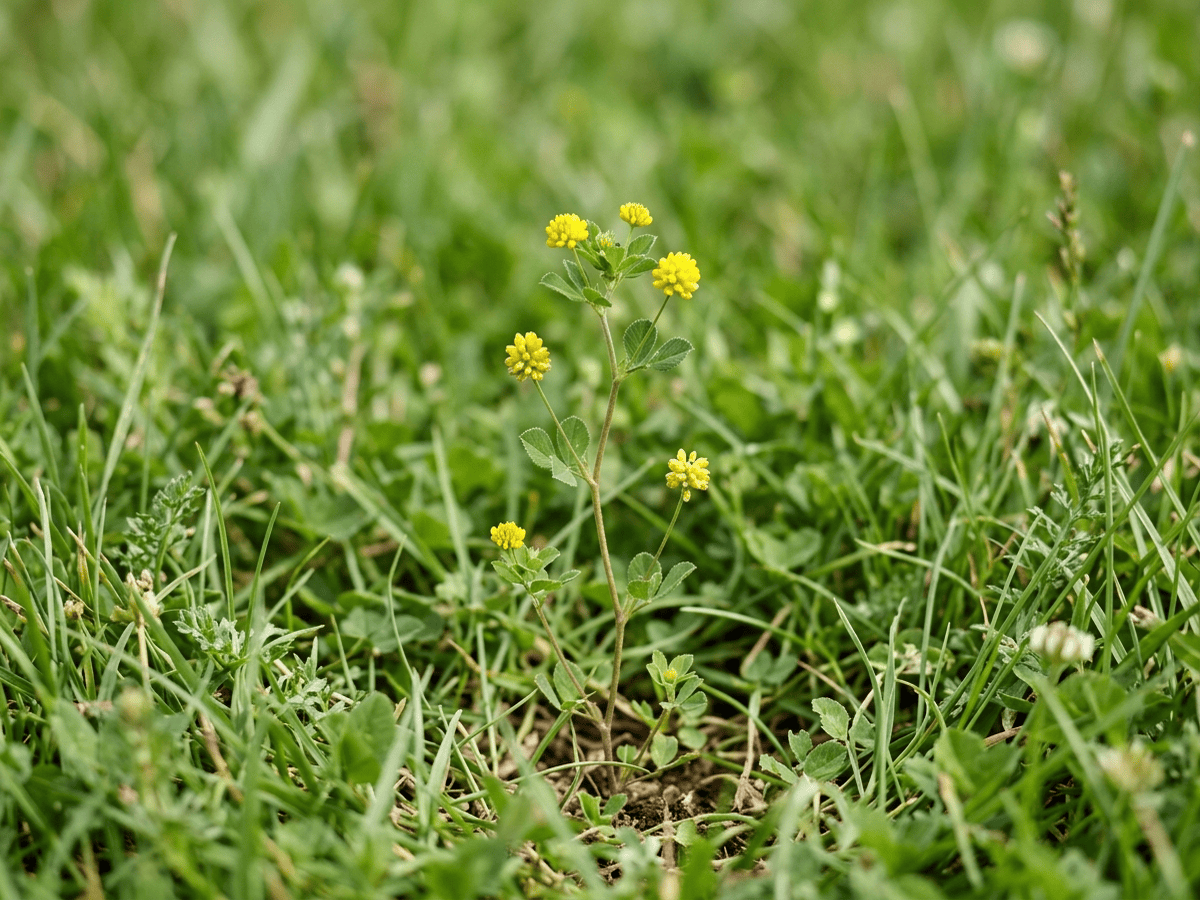 Lesser Hop TrefoilTrifolium dubium
Plants with similar care
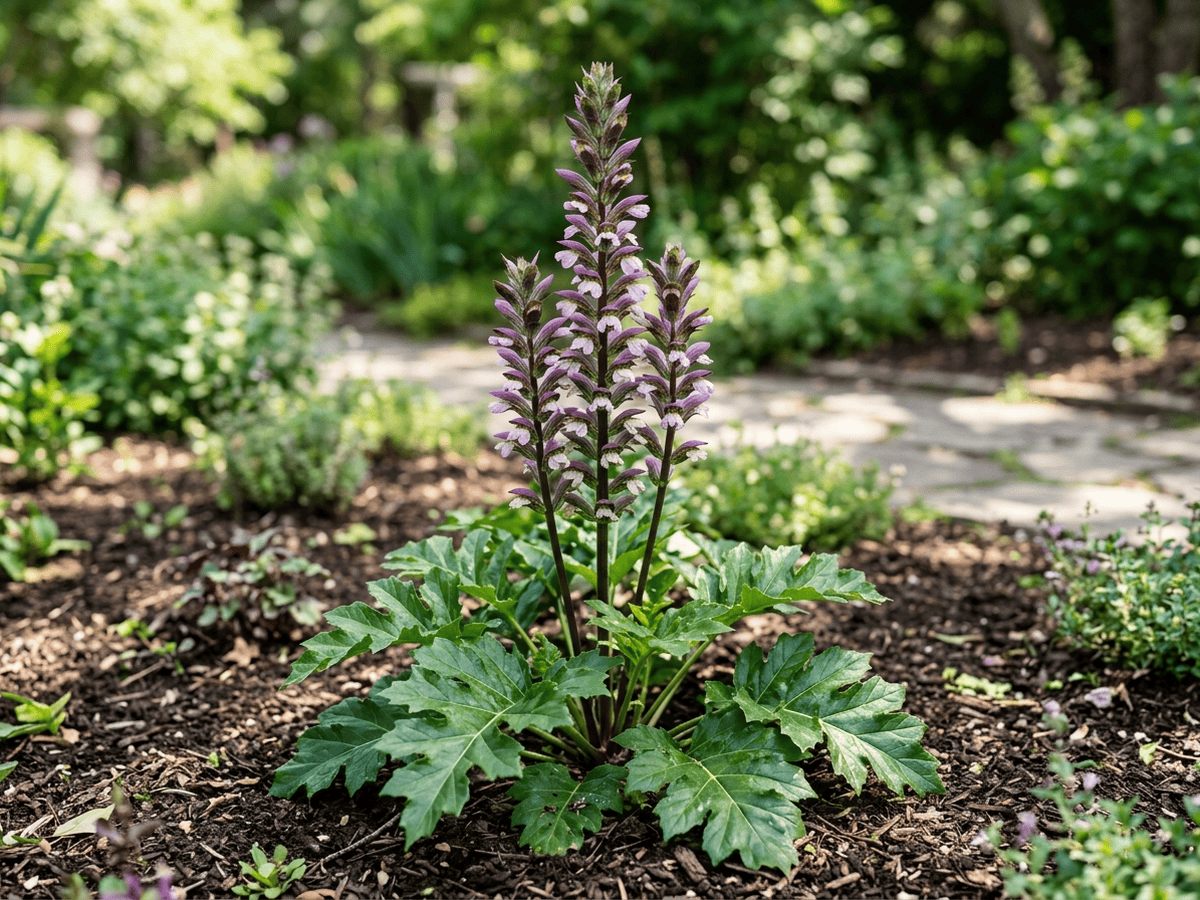 Bear's BreechesAcanthus mollis
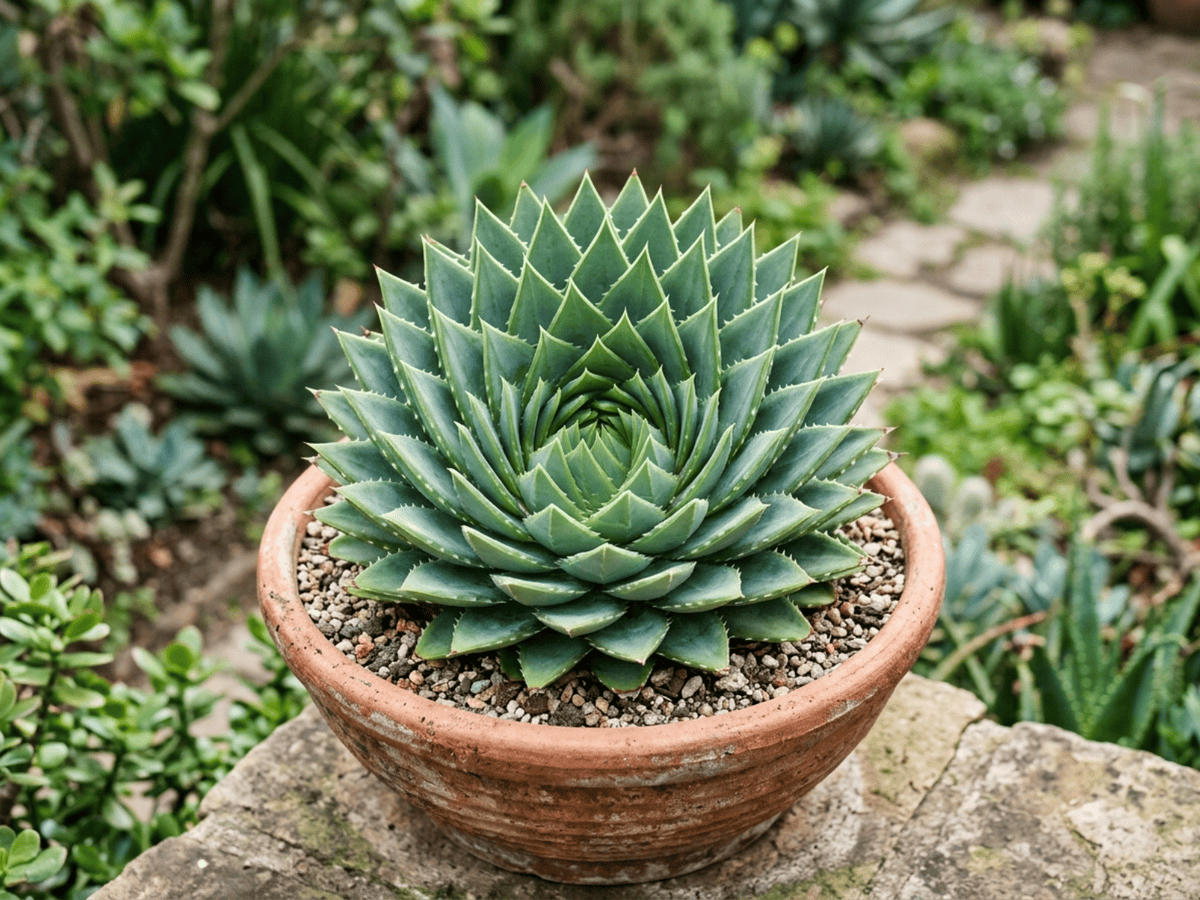 Spiral AloeAloe polyphylla
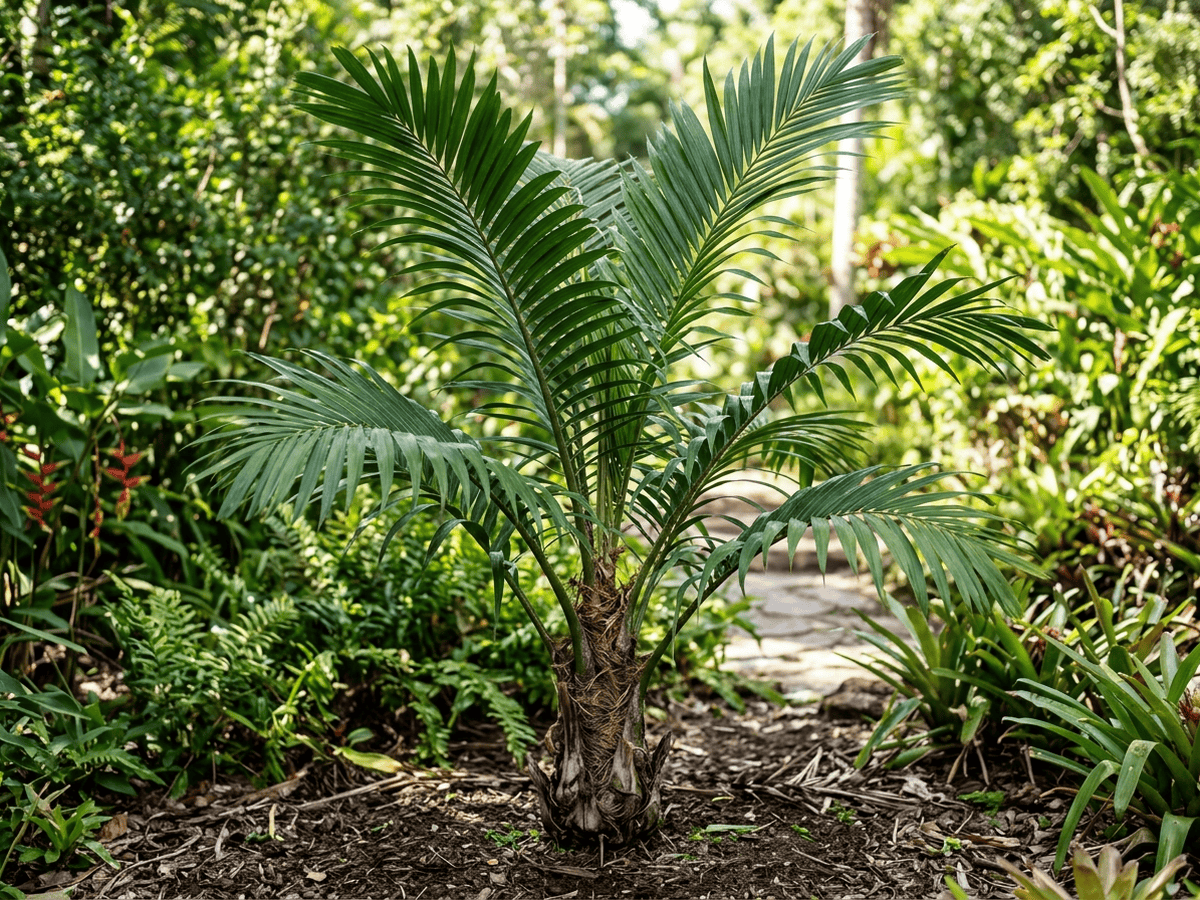 Formosa PalmArenga engleri
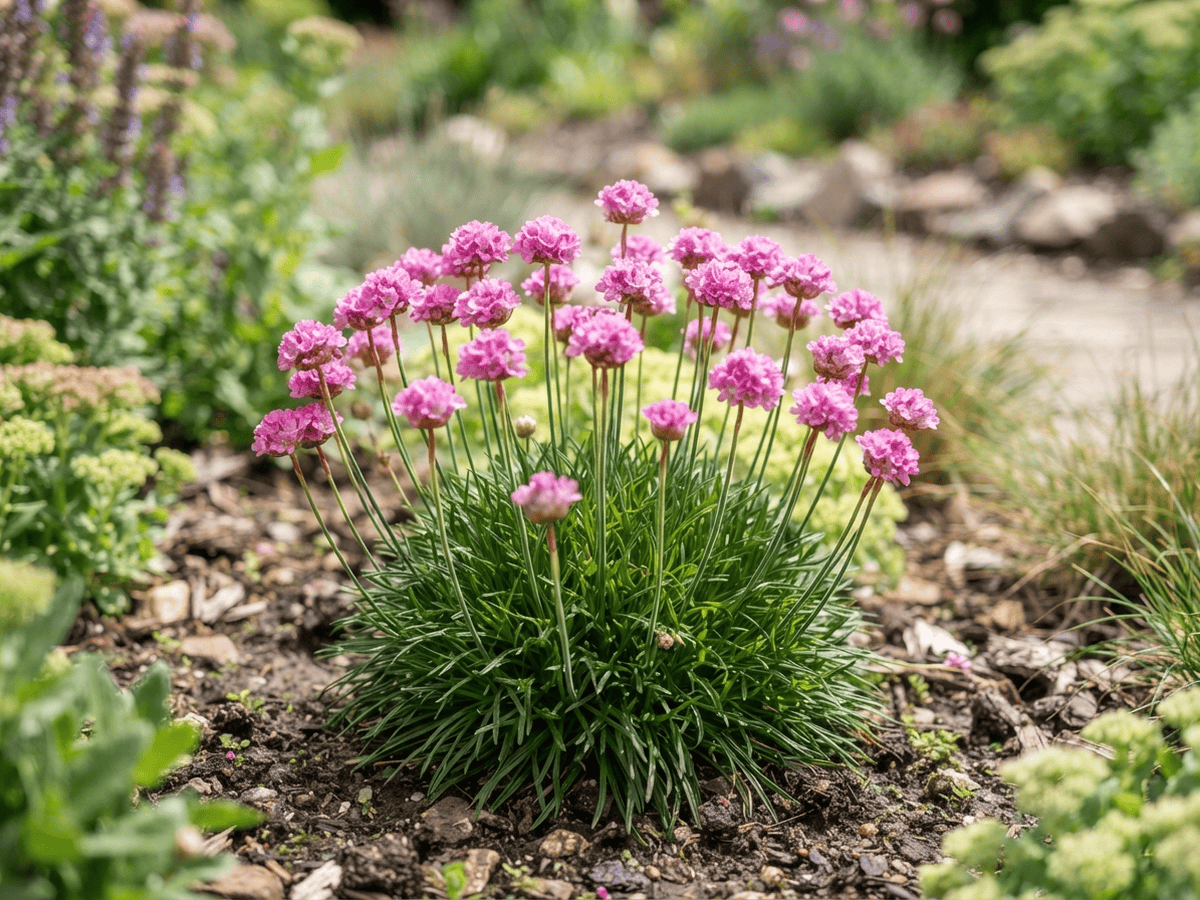 Sea ThriftArmeria maritima
Frequently asked questions
How often should I water Narrow-leaved Clover?
Water about every 15 days during the growing season, and always let excess water drain away.
How much light does Narrow-leaved Clover need?
Part shade: 2–4 hrs direct. Watch the leaves — scorching or stretching means the light needs adjusting.
Is Narrow-leaved Clover toxic to cats or dogs?
No toxicity has been reported for this plant. Still, it is wise to keep pets from chewing on any houseplant. Educational information, not medical or veterinary advice. If exposure is suspected, contact a doctor or veterinarian.
Is Narrow-leaved Clover easy to grow?
It is considered challenging and rewards experienced growers.
When does Narrow-leaved Clover bloom?
It typically blooms Jun–Aug in the Northern Hemisphere.
YardMate
Identify any plant in seconds
Snap a photo — YardMate names the plant, diagnoses problems, and reminds you when to water.
Download on the App Store