 YardMate
Large Hop Clover
Trifolium aureum
Hard · Experienced growersAbout Large Hop Clover
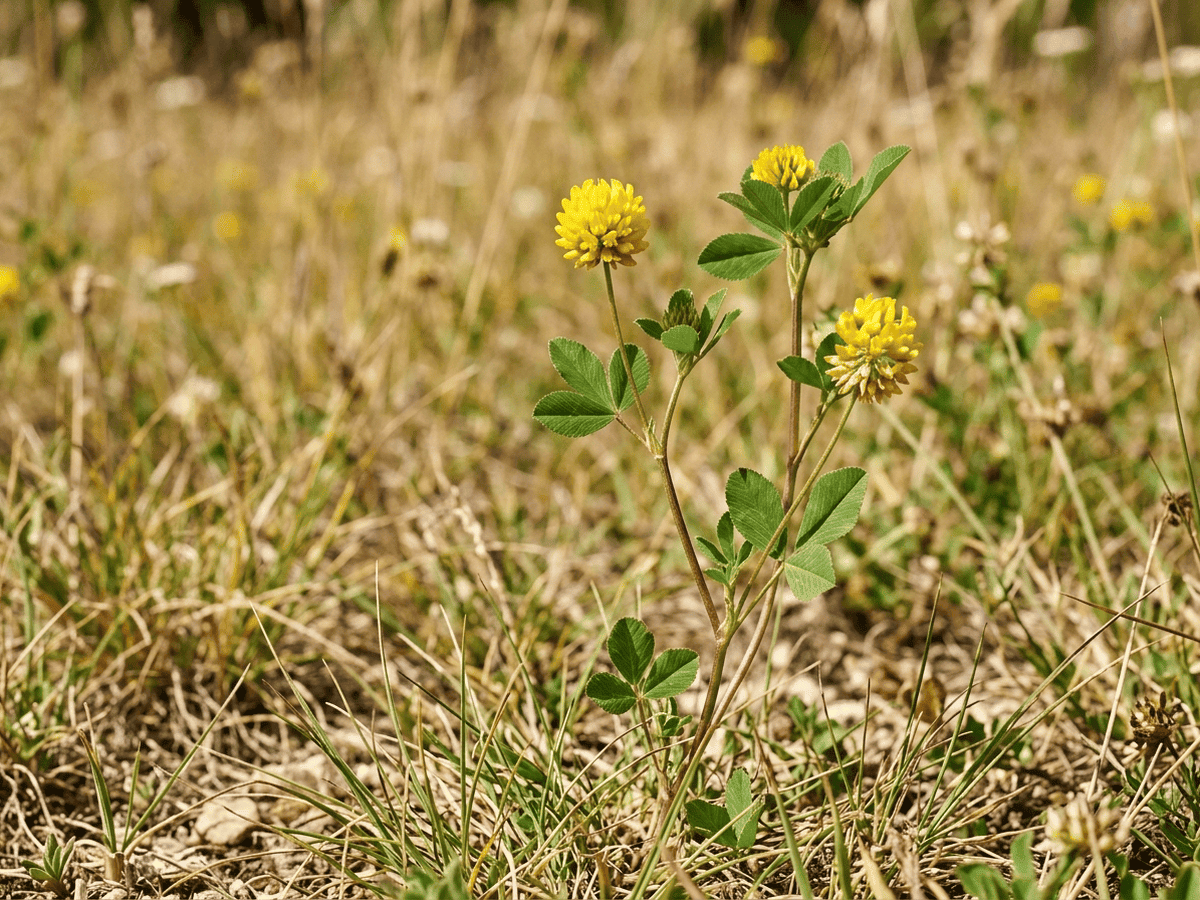
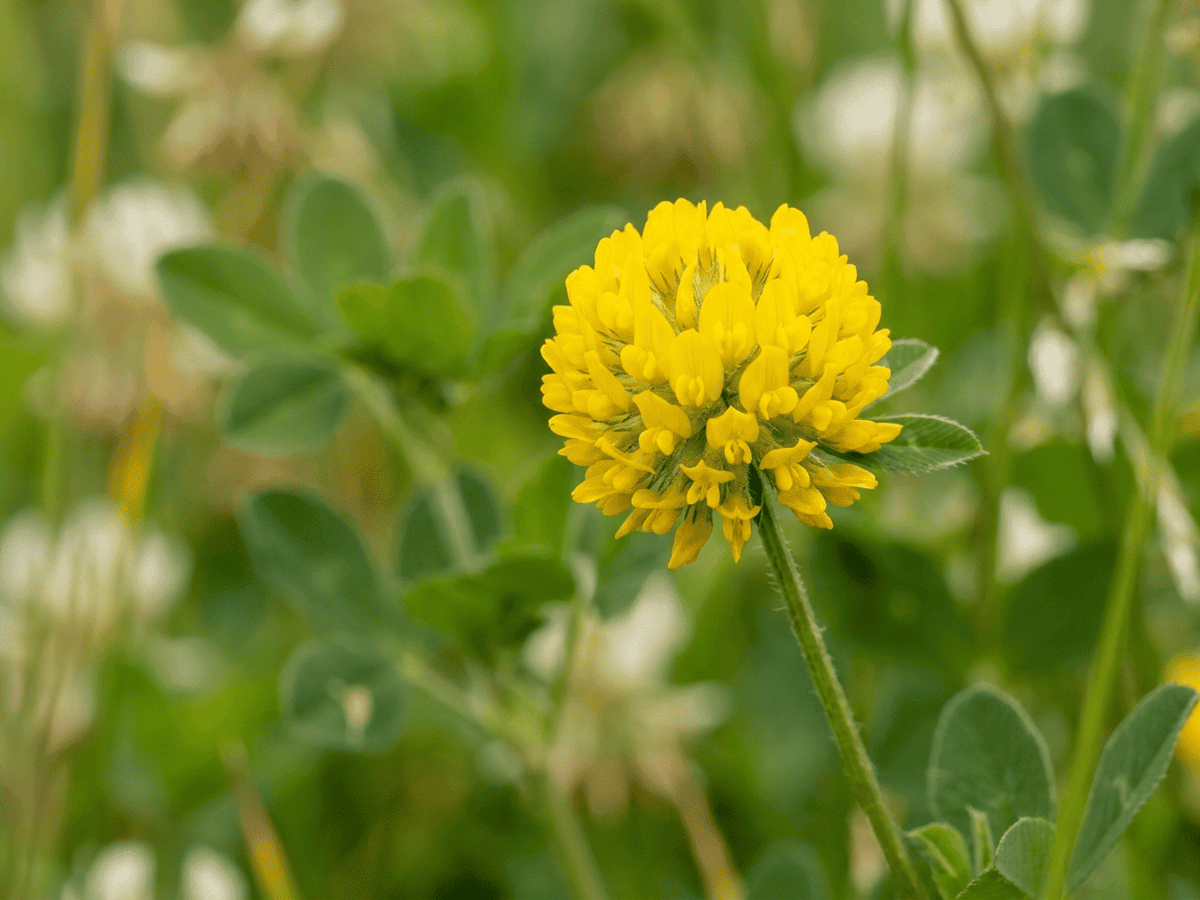
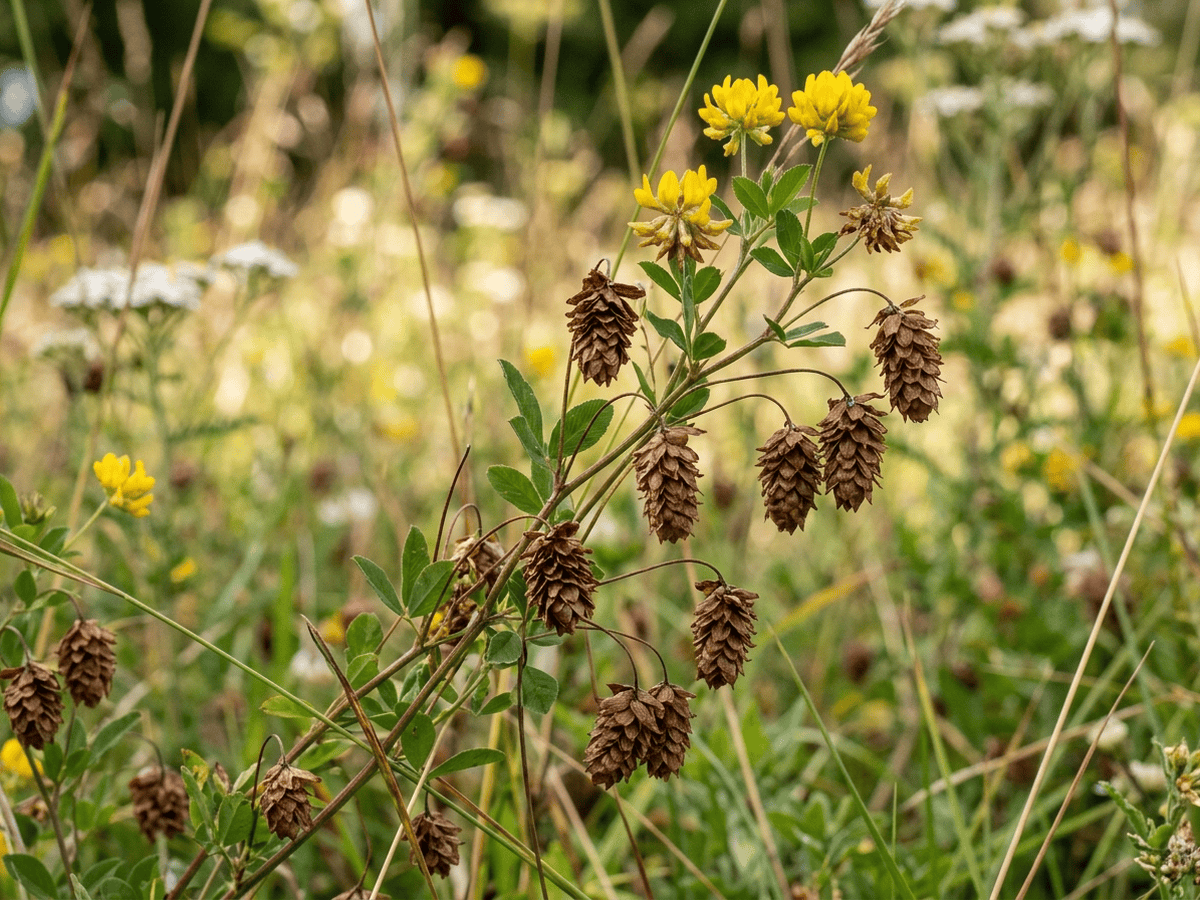
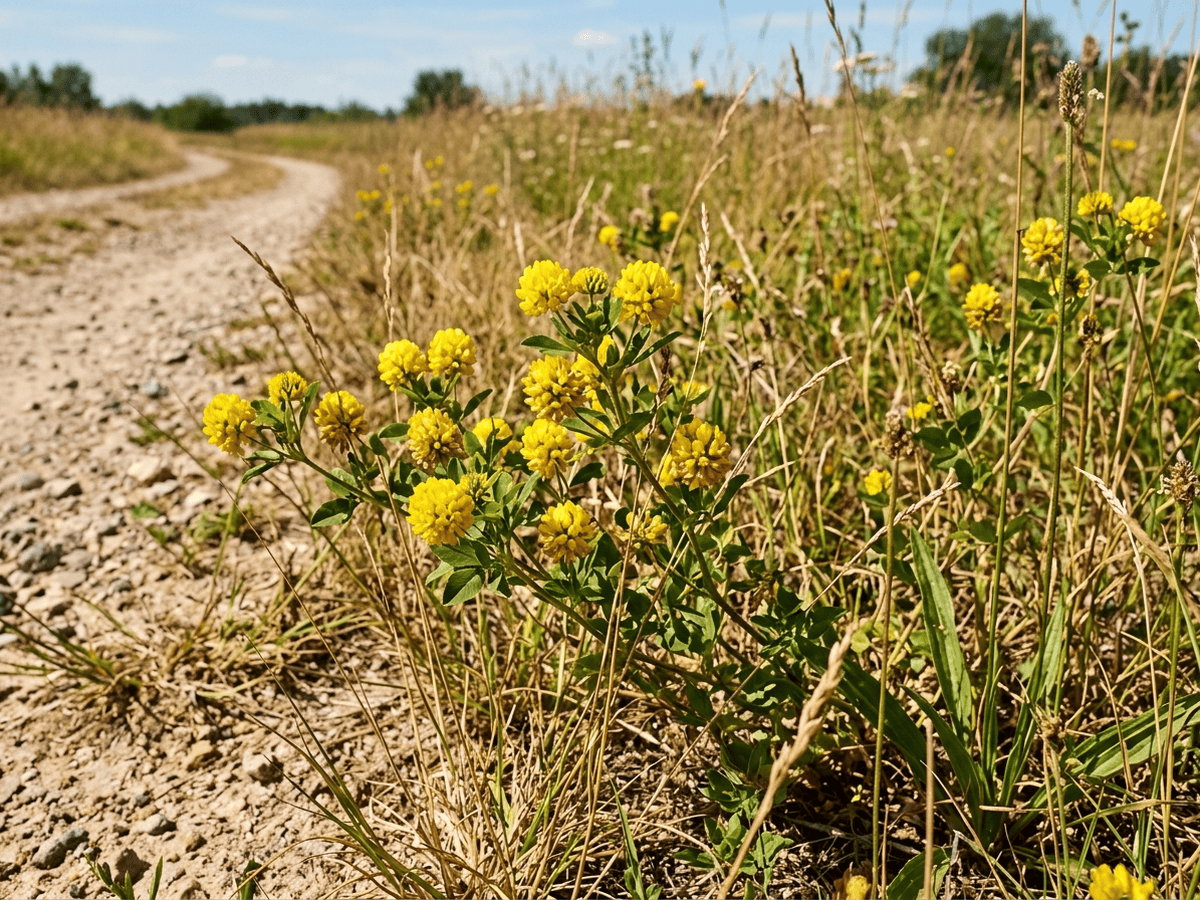
Trifolium aureum, Large Hop Clover, is a slender annual of European and Asian grasslands, named for both its golden flowers and for its distinctive dried seed heads that reflex downward and turn brown, closely resembling the cones of hops. Growing 6–18 inches tall, it bears compact rounded heads of small bright yellow flowers from late spring through midsummer, with a light sweet fragrance that attracts bees. The persistent dried hop-like heads identify it unmistakably in the dry roadsides and meadows where it has naturalized widely across North America.
- Fragrant
- Drought-tolerant
- Pollinator-friendly
- Fast-growing
How to care for Large Hop Clover
Watering
- Springevery 15 days
- Summerevery 10 days
- Fallevery 20 days
- Winterpause watering
Soil · Well-draining
- Top dressingPine bark mulch10%
- Main mixPotting soil + perlite 2:170%
- DrainageLECA / gravel20%
Never skip the drainage layer — standing water is the top cause of root rot.
FERTILIZER
- Springevery 30 days
At a Glance
- NativeEurope, Asia
- Height0.5–1 ft (0.2–0.3 m)
- Spread0.5–1 ft (0.2–0.3 m)
- Flower colorYellow
- Foliage colorGreen
- SoilWell-drained, Moist, Neutral
- LocationsYard · Balcony
Bloom time
BLOOM CYCLE
Peak bloom
May–Jul
This plant produces yellow flowers during late spring to early summer.
Fragrance
LIGHT FRAGRANCE
Light sweet honey scent from the yellow flower heads.
Toxicity
No toxicity has been reported for this plant. Still, it is wise to keep pets from chewing on any houseplant.
Educational information, not medical or veterinary advice. If exposure is suspected, contact a doctor or veterinarian.
DISTRIBUTION


- Native
- Introduced
- Europe
- Asia
History
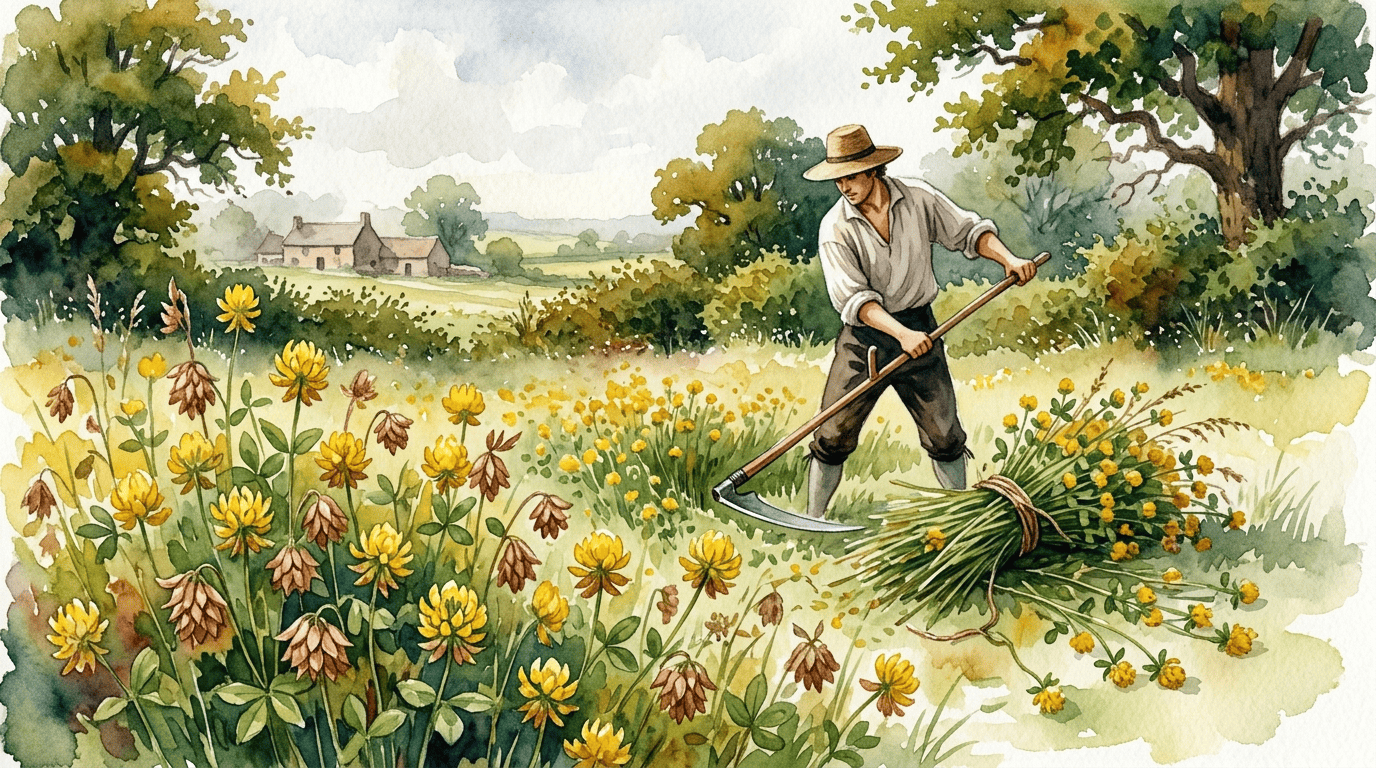
Trifolium aureum is native to open grasslands, stony slopes, and field margins across Europe and western Asia, where its slender stems and golden flower clusters are a familiar sight in dry summer meadows. Its specific epithet aureum (Latin: golden) precisely describes the color of the fresh flowers—a warm, saturated yellow noticeably richer than the paler T. campestre (Small Hop Clover), its close relative.
The 'hop' in Large Hop Clover refers to the dried flower heads, which reflex and hang downward after petals fall, creating small papery brown clusters that strongly resemble the strobile cones of the common hop plant (Humulus lupulus). This character makes the species easy to identify in late summer even in its dried state—a quality valued by botanists who work with herbarium material and foragers collecting wildflower specimens.
With European settlement, T. aureum followed the pattern of many Old World plants and naturalized across North America, appearing on roadsides, sandy fields, and disturbed ground from New England to the Pacific Northwest. It thrives specifically in nutrient-poor sandy soils where larger, more competitive plants cannot dominate—a resilience that has made it one of the most successfully naturalized European clovers in the New World.
The fragrant flowers attract small native bees as primary pollinators. As a nitrogen-fixer, the plant also improves the soils it colonizes, qualifying it for wildflower seed mixes and pollinator gardens where fast establishment on poor ground is desired.
Symbolism & meaning
What It Symbolizes
Most clovers are forgotten when summer ends. Large Hop Clover leaves something behind—the drooping brown hop-cones that mark it through autumn. A plant still legible after its flowers are gone is a plant that made an effort to be remembered.
- gold — Aureum—golden. A modest field plant wearing the color of wheat and honey and late-afternoon light.
- patience — The dried hop-like heads that persist after blooming are more interesting than the flowers. This plant doesn't end at its peak.
Where the Name Comes From
The genus Trifolium is Latin for 'three-leaved,' referring to the trifoliate leaves common to all clovers. The species epithet aureum is Latin for 'golden,' describing the vivid yellow color of the fresh flower heads. The common name 'Hop Clover' refers to the dried reflexed heads that closely resemble dried hops (Humulus lupulus); 'Large' distinguishes this from the smaller T. campestre.
Uses & Fun Facts
- Fragrant golden flowers attract small native bees and honeybees; an early-establishing nectar source on dry, sandy nutrient-poor soils
- Distinctive dried hop-like brown seed heads provide textural interest in dried arrangements and naturalistic plantings through autumn
Related plants
More Trifolium plants
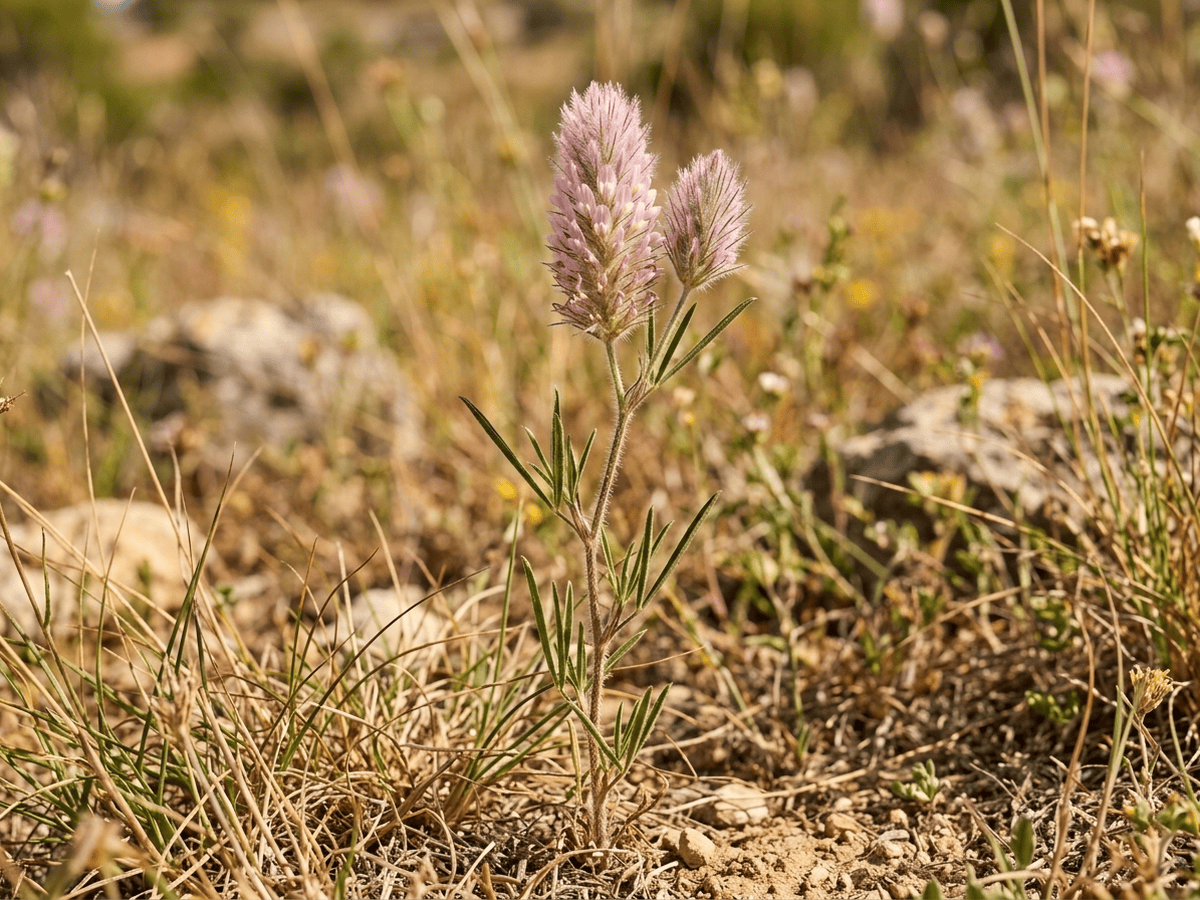 Narrow-leaved CloverTrifolium angustifolium
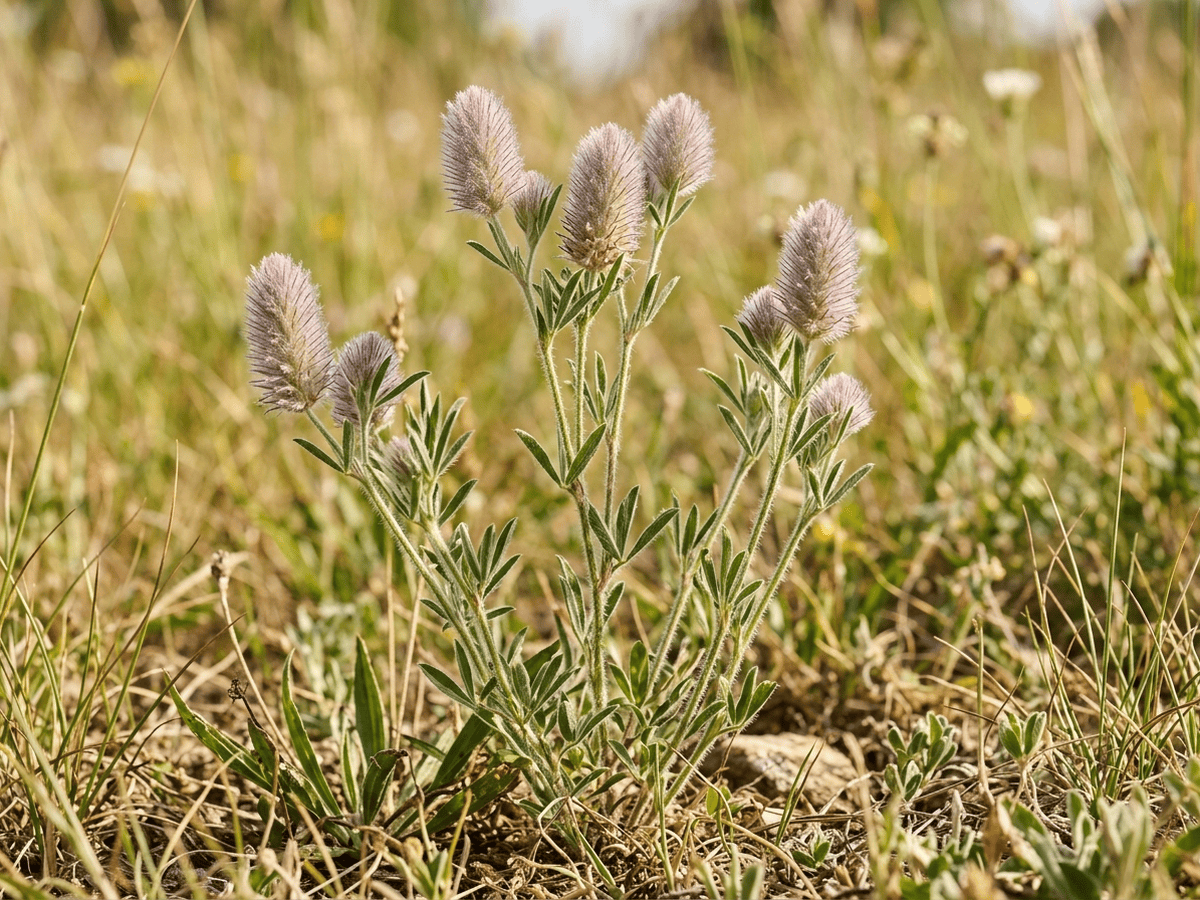 Rabbitfoot CloverTrifolium arvense
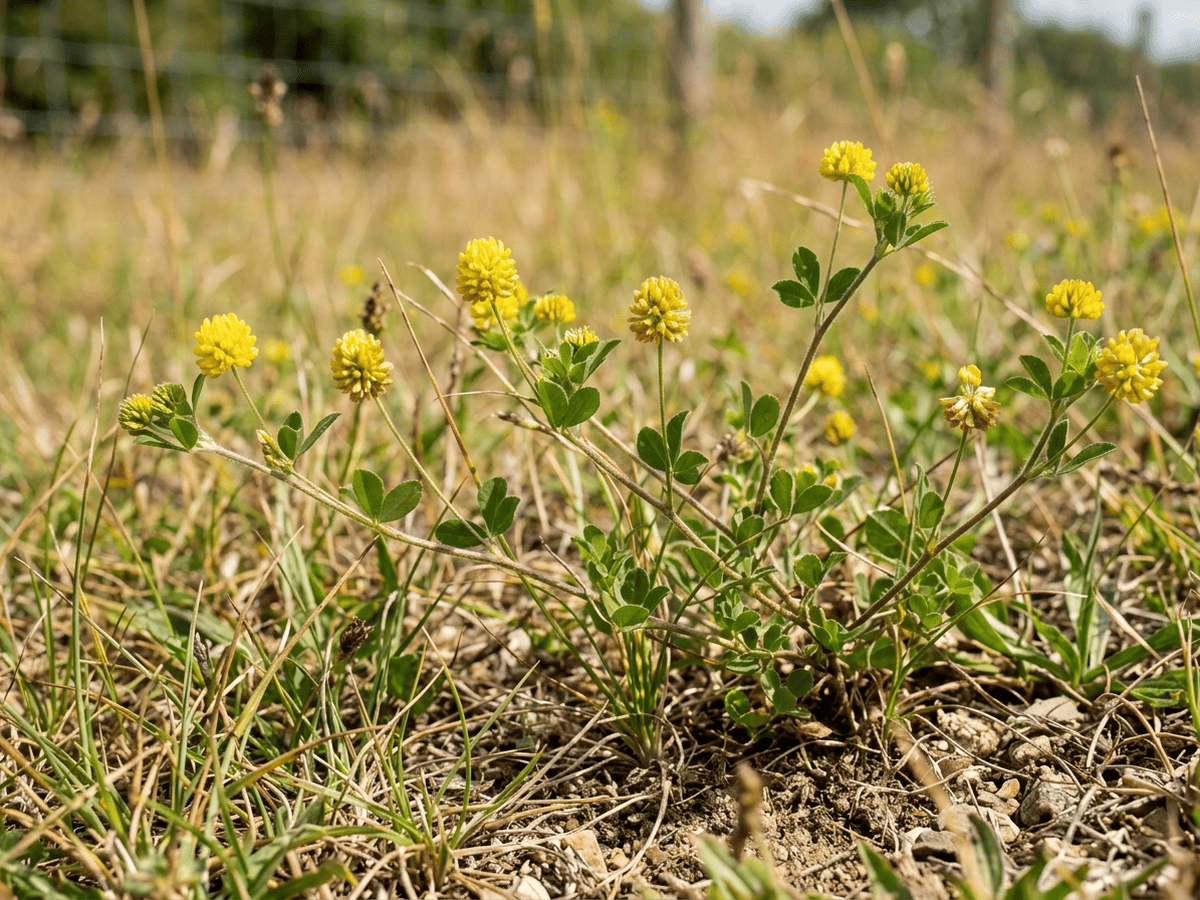 Hop TrefoilTrifolium campestre
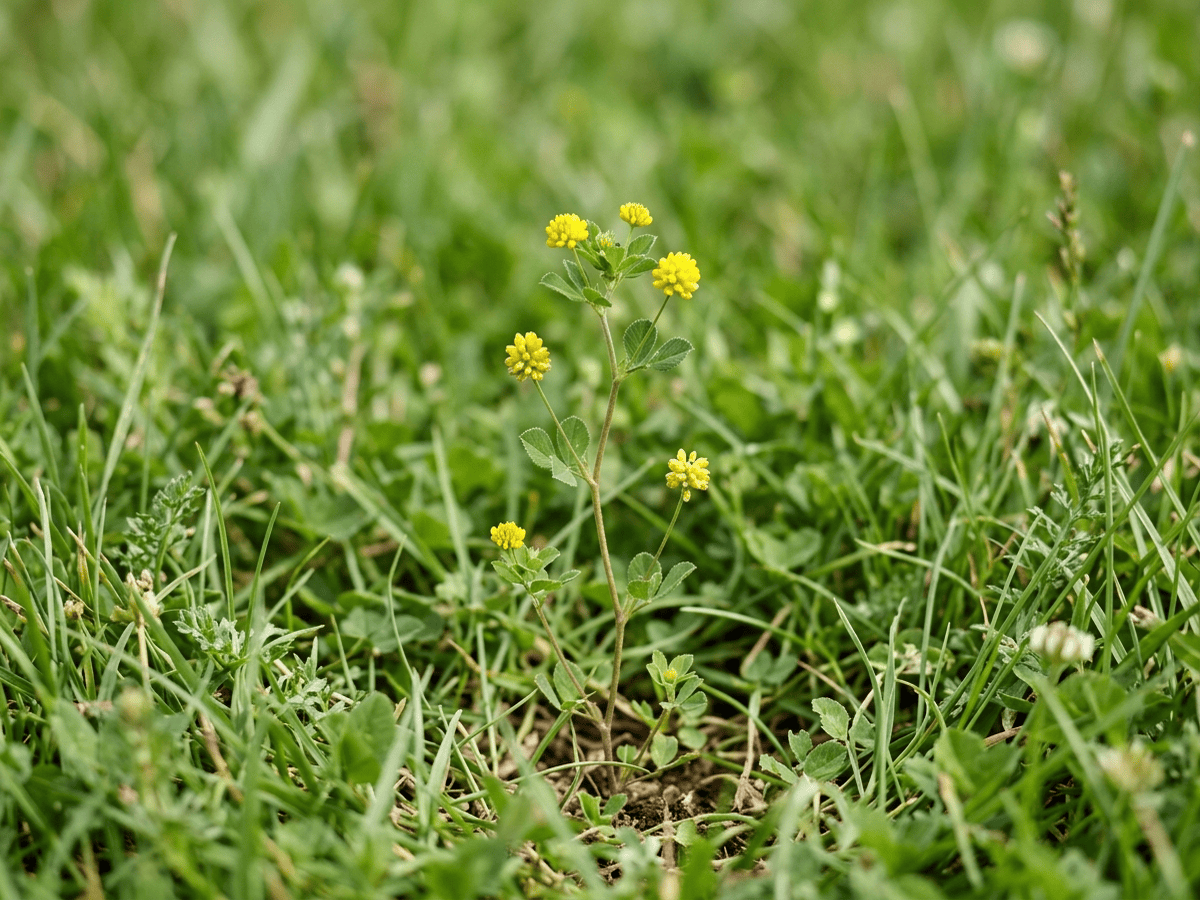 Lesser Hop TrefoilTrifolium dubium
Plants with similar care
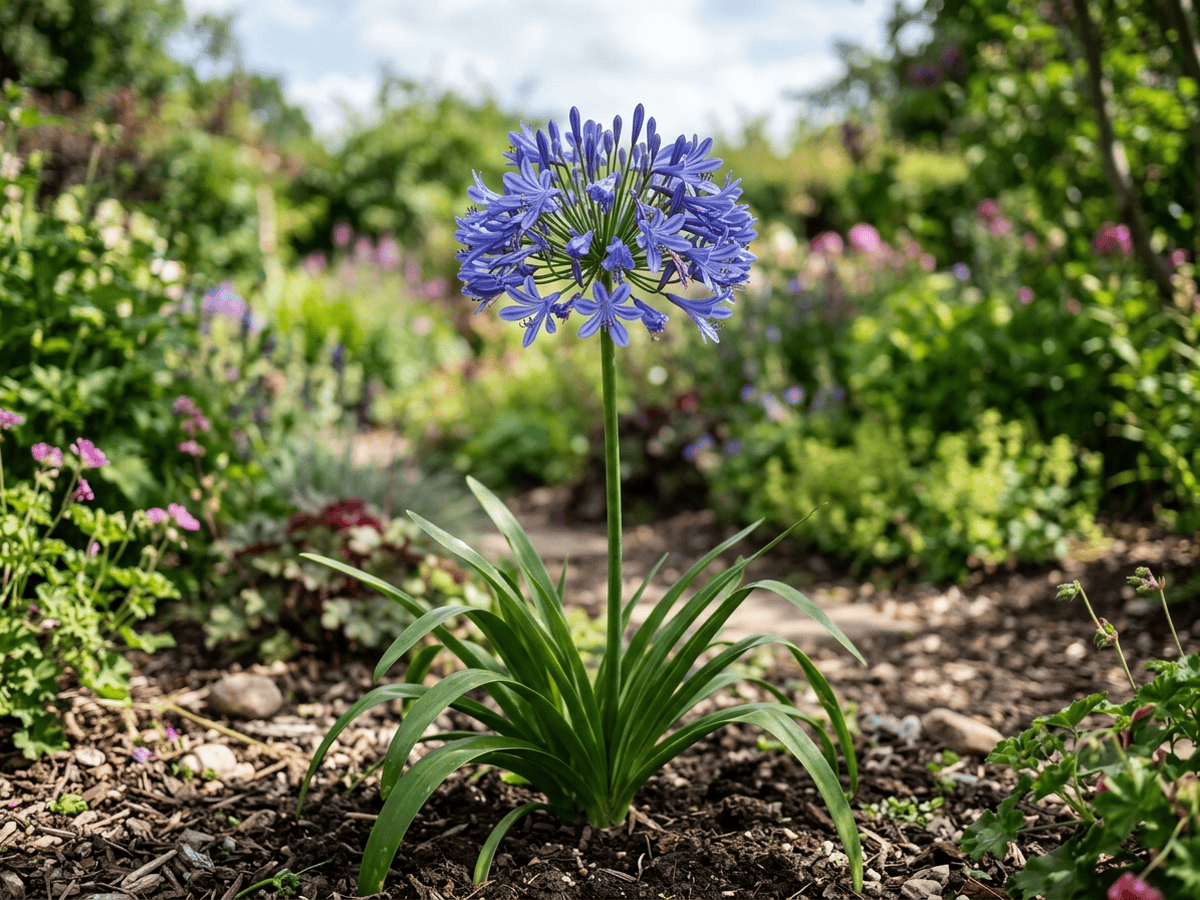 African LilyAgapanthus africanus
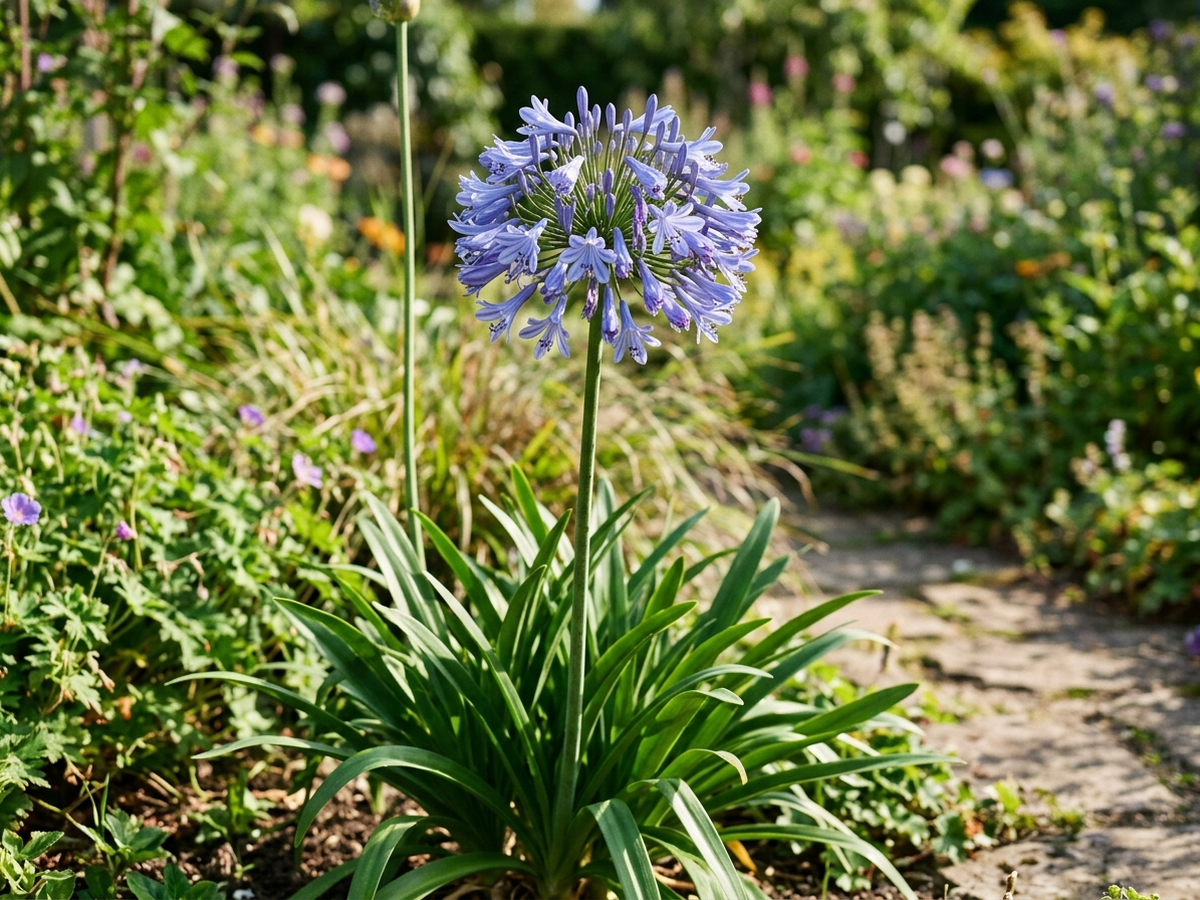 Bell AgapanthusAgapanthus campanulatus
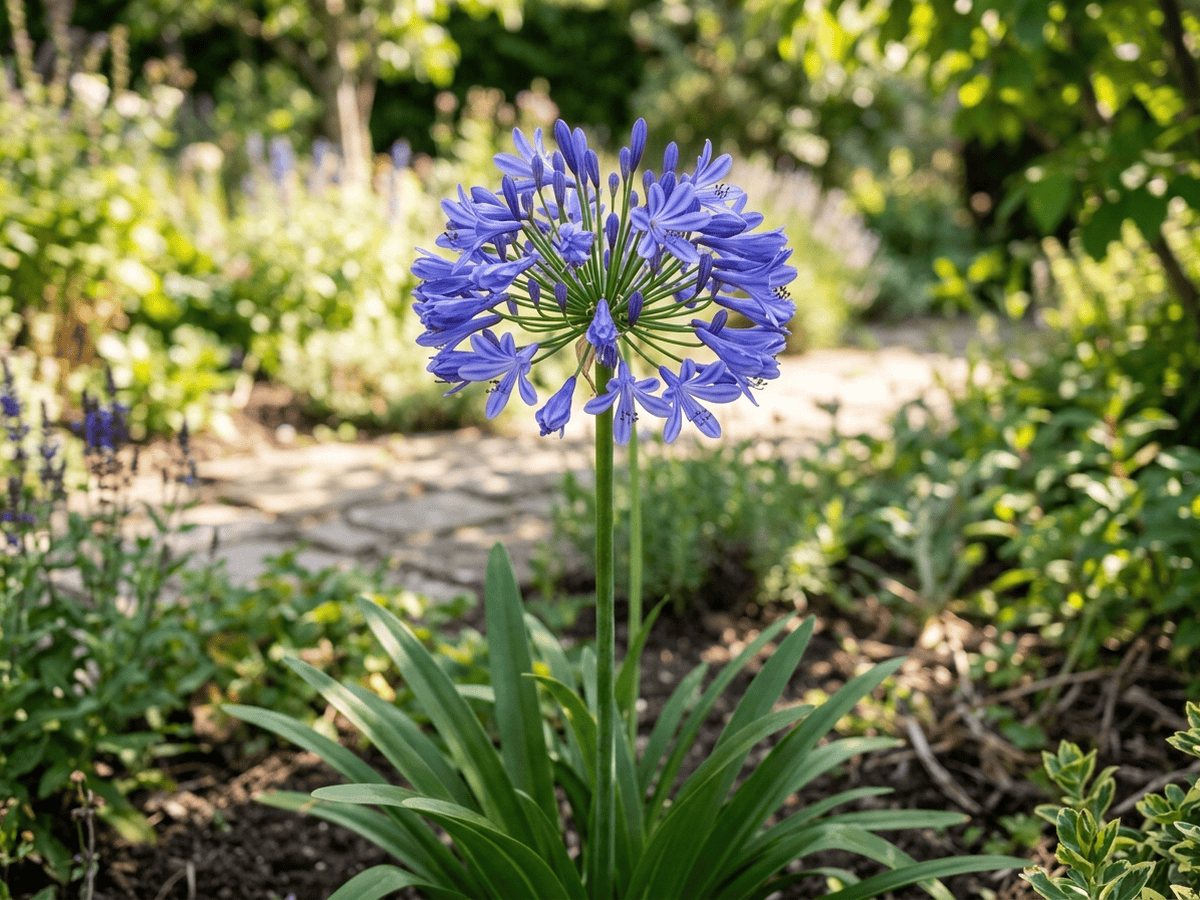 Common AgapanthusAgapanthus praecox
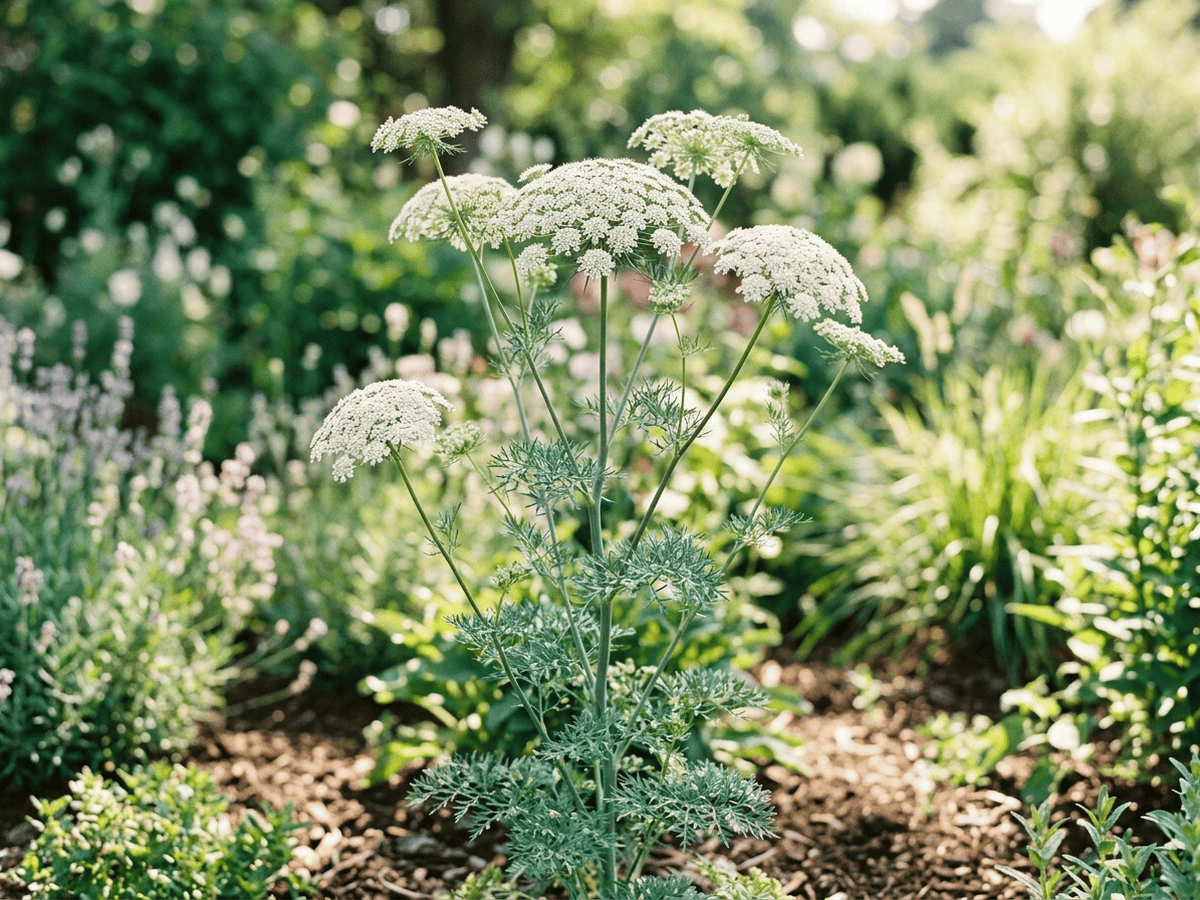 False Queen Anne's LaceAmmi majus glaucifolium
Frequently asked questions
How often should I water Large Hop Clover?
Water about every 15 days during the growing season, and always let excess water drain away.
How much light does Large Hop Clover need?
Part sun: 4–6 hrs direct. Watch the leaves — scorching or stretching means the light needs adjusting.
Is Large Hop Clover toxic to cats or dogs?
No toxicity has been reported for this plant. Still, it is wise to keep pets from chewing on any houseplant. Educational information, not medical or veterinary advice. If exposure is suspected, contact a doctor or veterinarian.
Is Large Hop Clover easy to grow?
It is considered challenging and rewards experienced growers.
When does Large Hop Clover bloom?
It typically blooms May–Jul in the Northern Hemisphere.
YardMate
Identify any plant in seconds
Snap a photo — YardMate names the plant, diagnoses problems, and reminds you when to water.
Download on the App Store