 YardMate
Rabbitfoot Clover
Trifolium arvense
Hard · Experienced growersAbout Rabbitfoot Clover
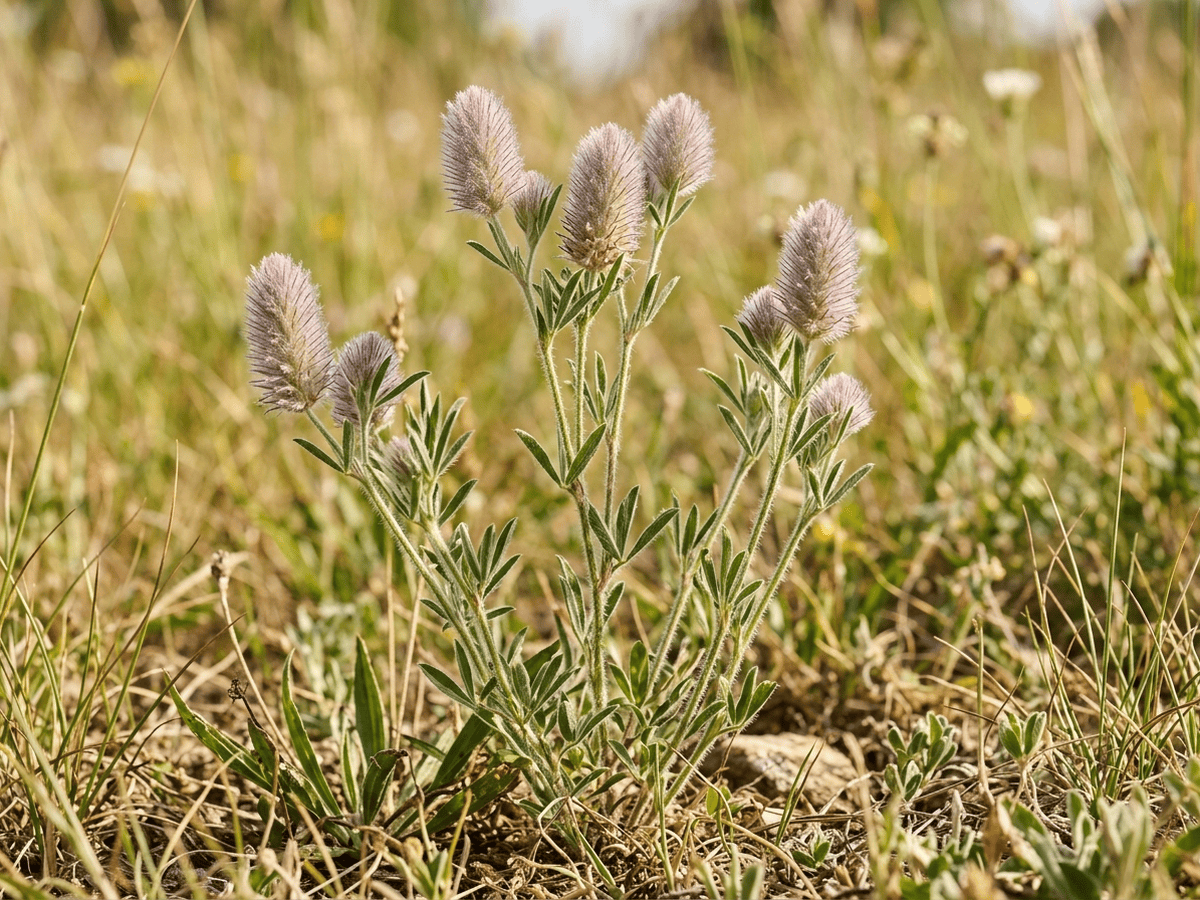
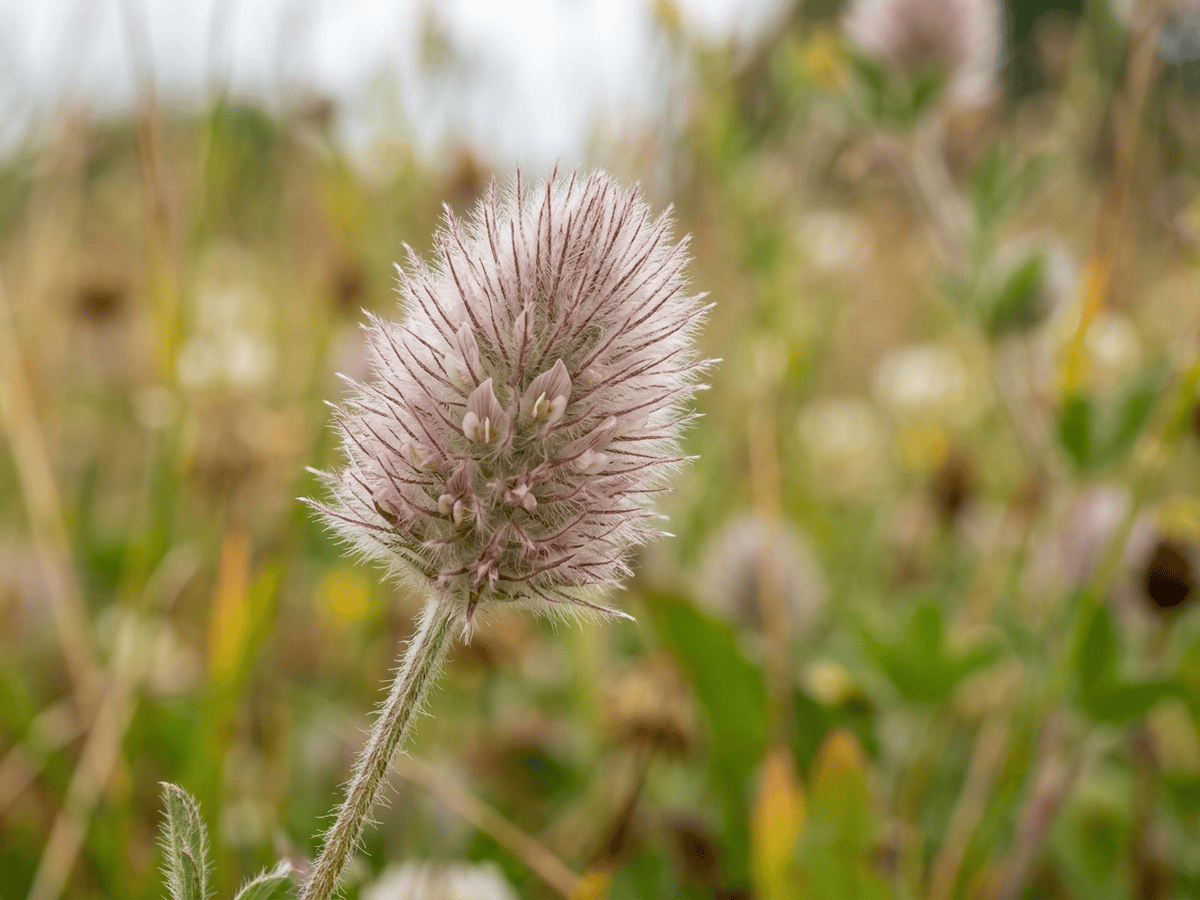
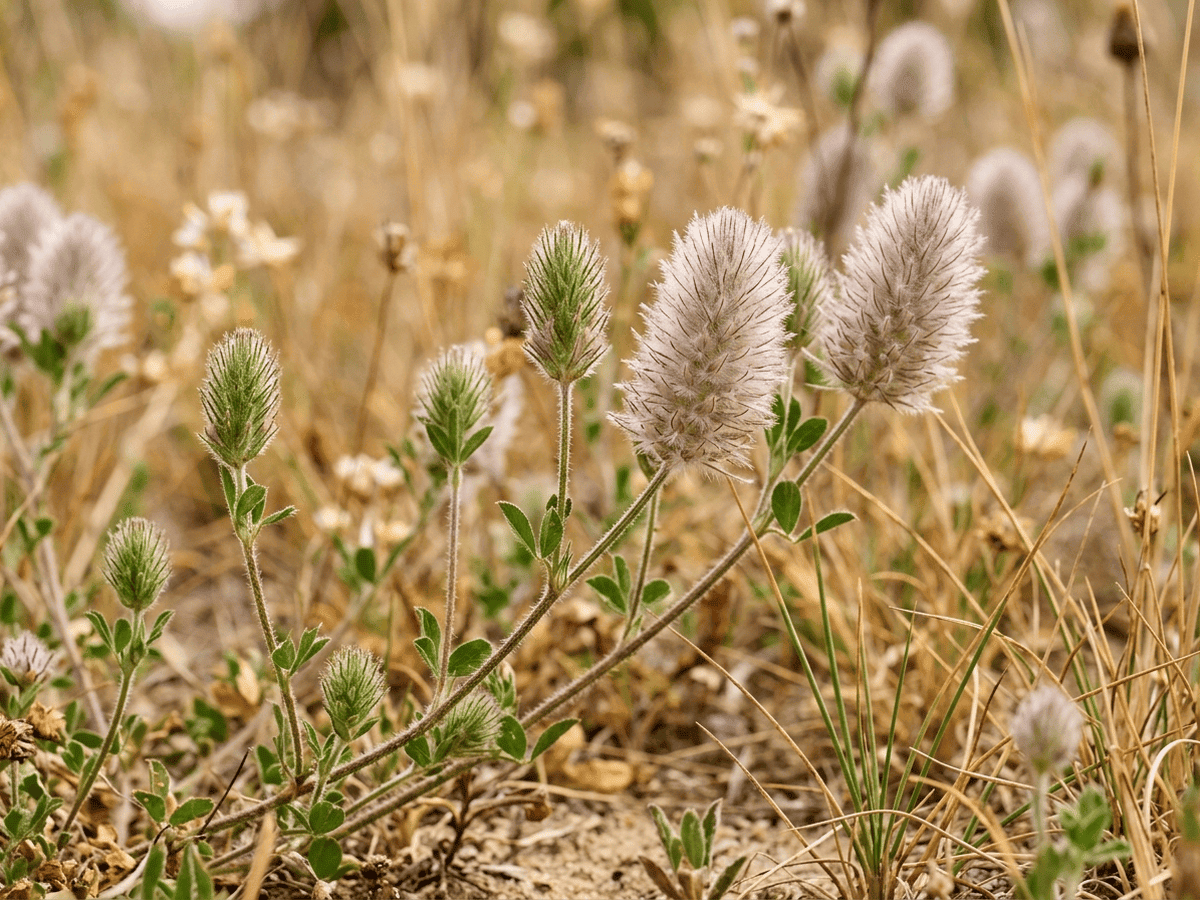
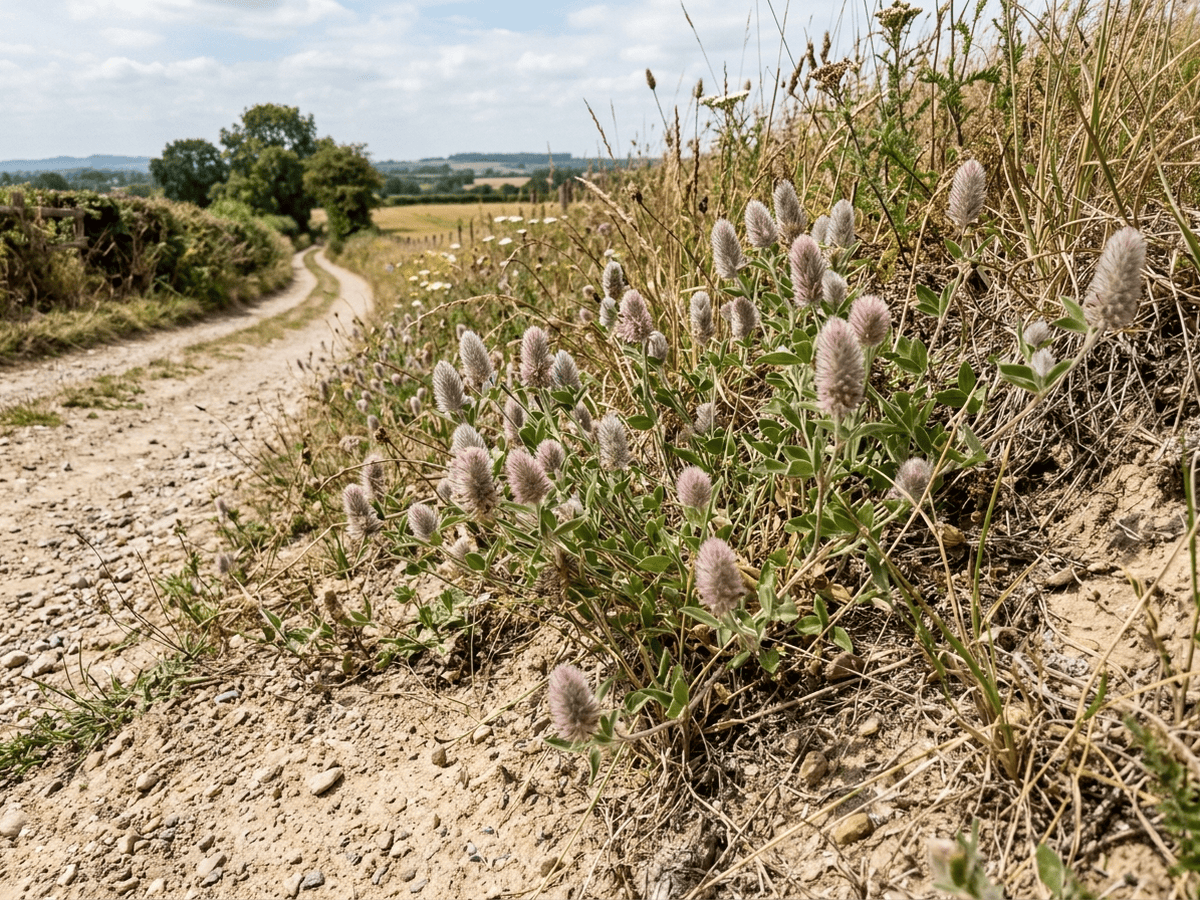
Trifolium arvense, Rabbitfoot Clover, is a delicate annual native to Europe and western Asia, renowned for its uniquely soft, furry flower heads densely covered in long silvery-pink silky sepals that give the plant its name. Growing 6–18 inches tall on slender hairy stems, it bears tiny pale pink flowers nestled within these woolly heads from late spring through midsummer. A charming wildflower of dry sandy soils, roadsides, and meadows, it has naturalized across North America where it adds distinctive textural beauty to wild areas and informal gardens.
- Drought-tolerant
- Pollinator-friendly
- Fast-growing
How to care for Rabbitfoot Clover
Watering
- Springevery 15 days
- Summerevery 10 days
- Fallevery 20 days
- Winterpause watering
Soil · Well-draining
- Top dressingPine bark mulch10%
- Main mixPotting soil + perlite 2:170%
- DrainageLECA / gravel20%
Never skip the drainage layer — standing water is the top cause of root rot.
FERTILIZER
- Springevery 30 days
- Summerevery 30 days
- Fallevery 30 days
At a Glance
- NativeNorth America, Europe
- Height0.5–1.5 ft (0.2–0.5 m)
- Spread1 ft (0.3 m)
- Flower colorPink, Red
- Foliage colorGreen
- SoilLoamy, Well-drained
- LocationsYard · Balcony
Bloom time
BLOOM CYCLE
Peak bloom
May–Jul
This clover produces pinkish-red flowers from late spring to mid-summer.
Toxicity
No toxicity has been reported for this plant. Still, it is wise to keep pets from chewing on any houseplant.
Educational information, not medical or veterinary advice. If exposure is suspected, contact a doctor or veterinarian.
DISTRIBUTION

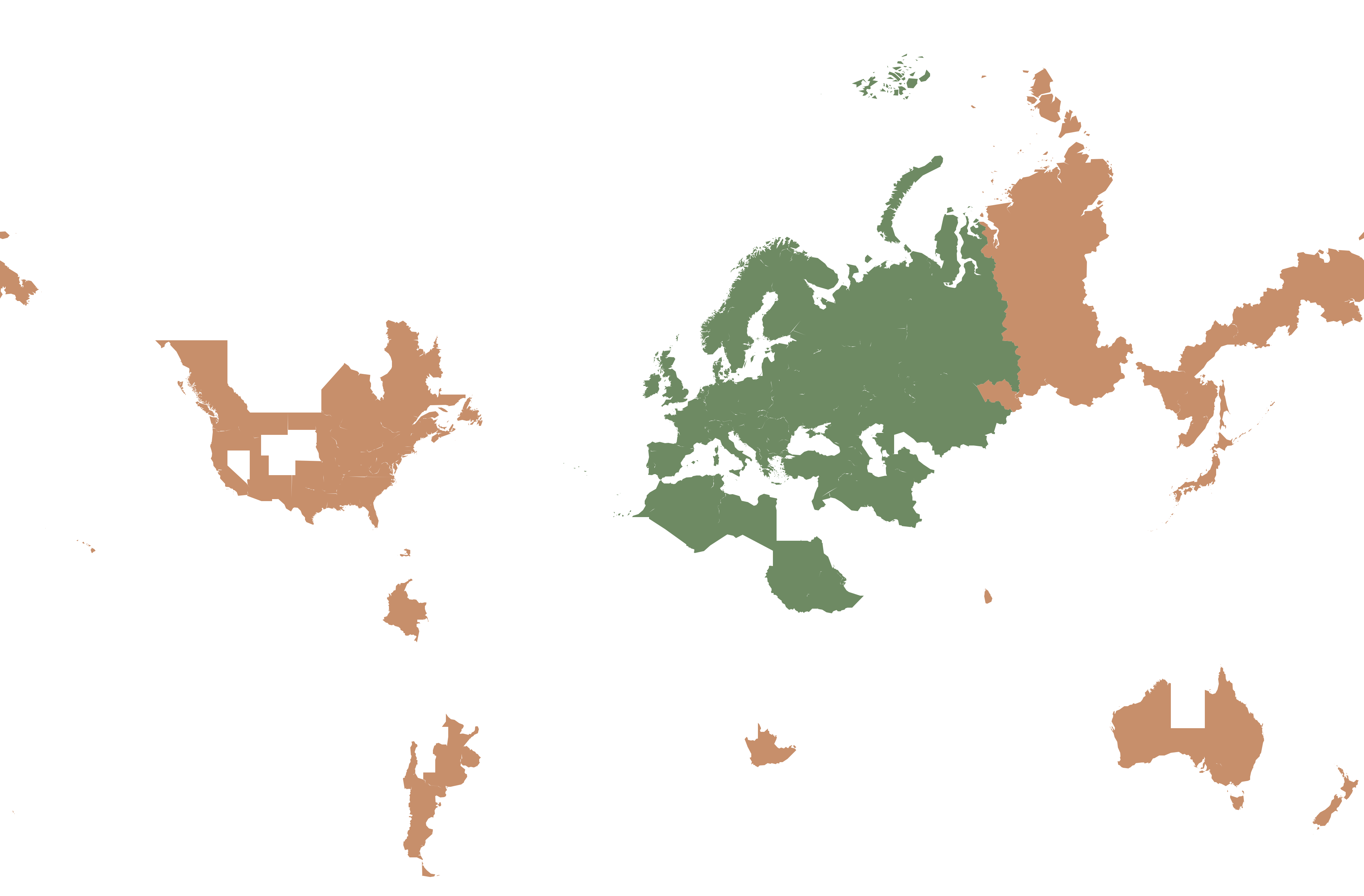
- Native
- Introduced
- North America
- Europe
History
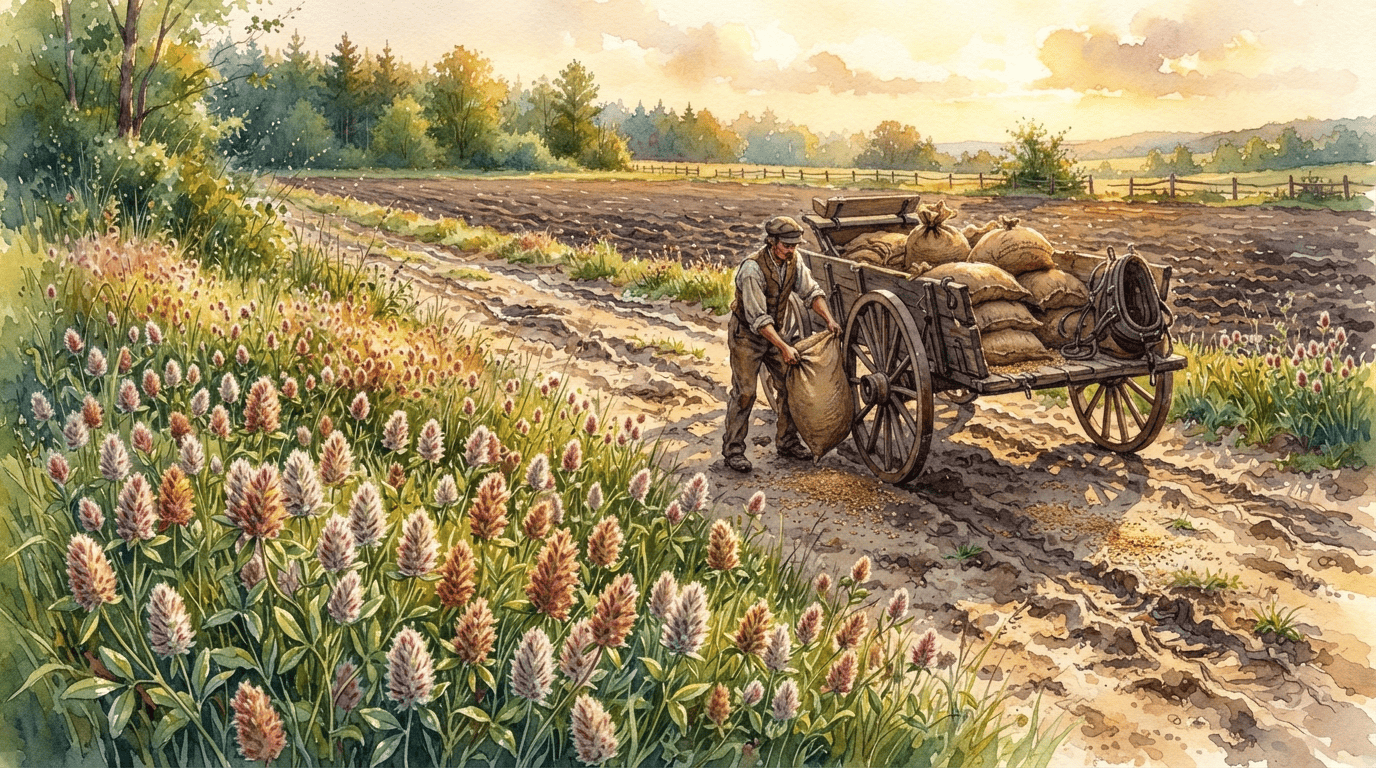
Trifolium arvense takes its species name from the Latin arvum, meaning 'cultivated field' or 'arable land'—a reference to its ancient association with plowed ground, field margins, and disturbed soils across native Europe and western Asia. The plant appears in early European botanical texts and was a familiar sight on farmland long before modern naturalization.
The most distinctive character of Rabbitfoot Clover is not its small pale flowers but the long, dense, silky sepals enveloping each flower head, creating an irresistibly soft, furry appearance. This texture prompted consistent and affectionate naming across languages: 'hare's foot clover' in English, pied-de-lièvre (hare's foot) in French, Hasenklee (hare clover) in German. All describe the same whimsical, touchable quality—the sense that this is a clover that grew fur.
The plant arrived in North America with European settlers, traveling in contaminated grain and livestock feed. It has since naturalized from coast to coast on roadsides, sandy fields, and disturbed ground, thriving specifically in nutrient-poor, dry soils where more aggressive plants cannot compete.
In natural gardens and wildflower plantings, Rabbitfoot Clover is valued both for its distinctive texture and its role as a nectar source for small native bees and hoverflies, who navigate the woolly heads to reach the flowers within.
Symbolism & meaning
What It Symbolizes
Every language named it for fur—hare's foot, rabbit's foot. This small clover grew silky hair as its most visible feature, the long sepals that make it immediately, irresistibly touchable in a field full of untouchable things. Beauty in wild places often comes in unexpected textures.
- softness — Among all clovers, this one grew fur. The dense silky sepals invite touch in a way few wildflowers do—a reminder that wildness can be gentle.
- resilience — Thrives specifically in lean, dry, nutrient-poor ground where almost nothing else will. A flower for impossible places.
Where the Name Comes From
The genus Trifolium is Latin for 'three-leaved,' referring to the trifoliate leaves common to all clovers. The species epithet arvense comes from the Latin arvum (plowed field, arable land), reflecting its ancient association with cultivated ground across Europe. The common name 'Rabbitfoot' or 'Hare's Foot' refers to the distinctively soft, fuzzy flower heads, whose long silky sepals resemble the paw of a rabbit or hare.
Uses & Fun Facts
- Small native bees and hoverflies forage for nectar within the woolly flower heads; provides resources on dry, sandy soils where few other plants establish
- Distinctive silky-fuzzy flower heads add soft textural interest to wildflower meadows, dry gardens, and naturalistic plantings
Related plants
More Trifolium plants
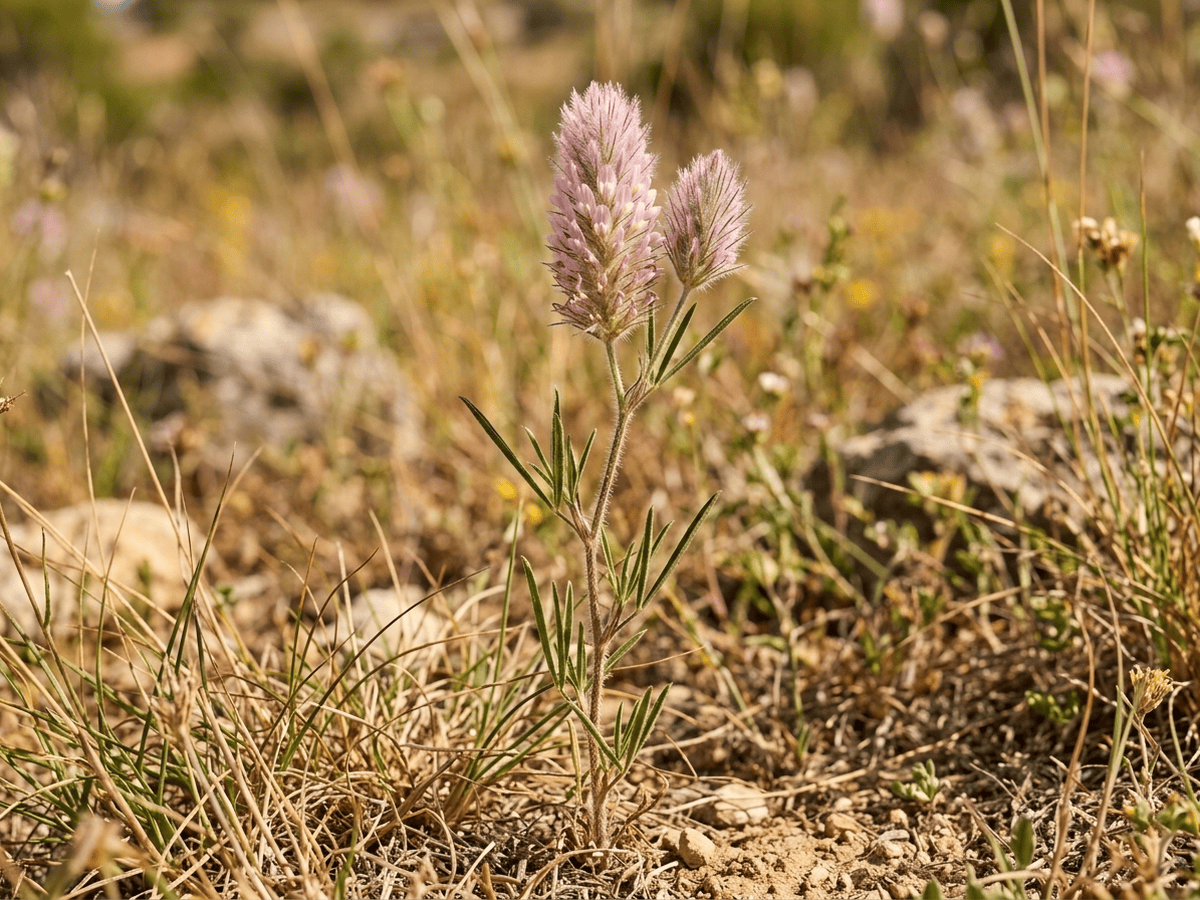 Narrow-leaved CloverTrifolium angustifolium
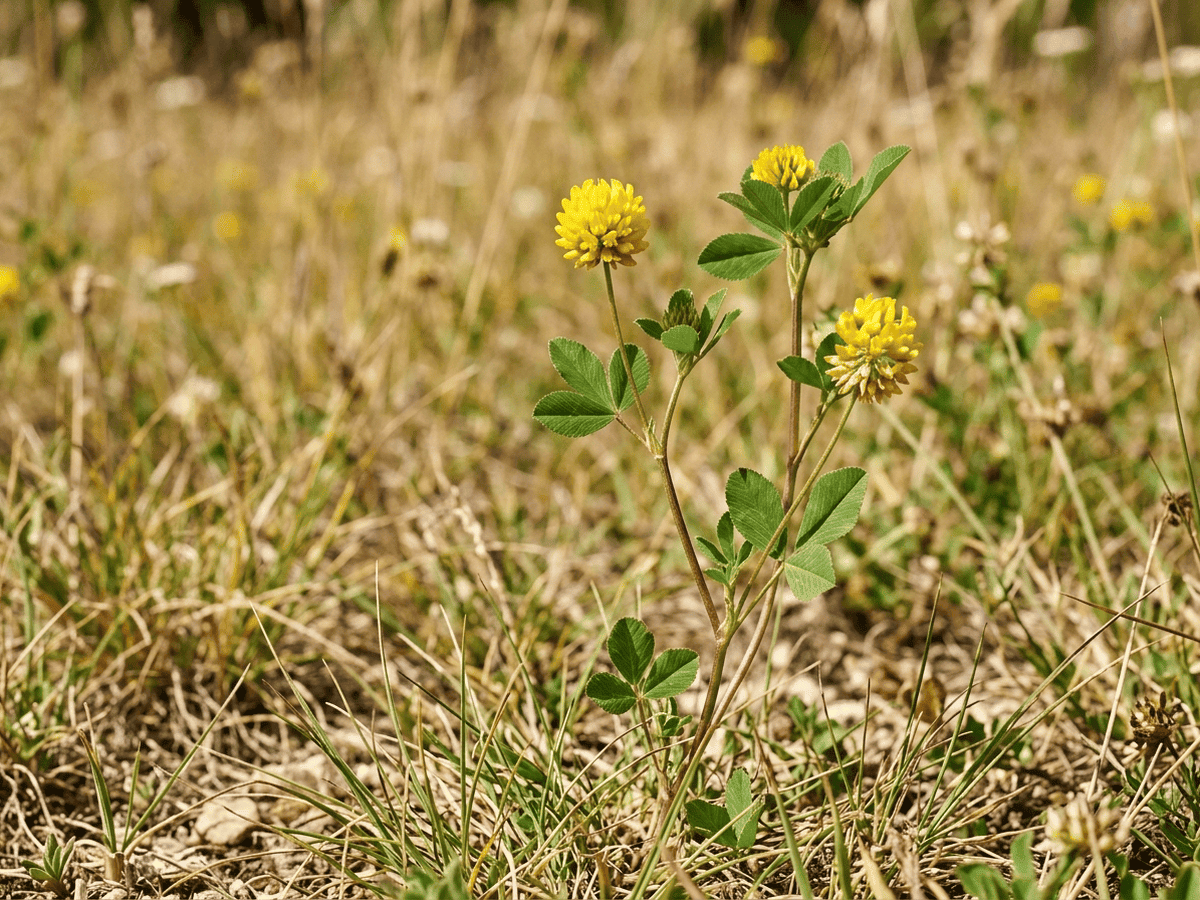 Large Hop CloverTrifolium aureum
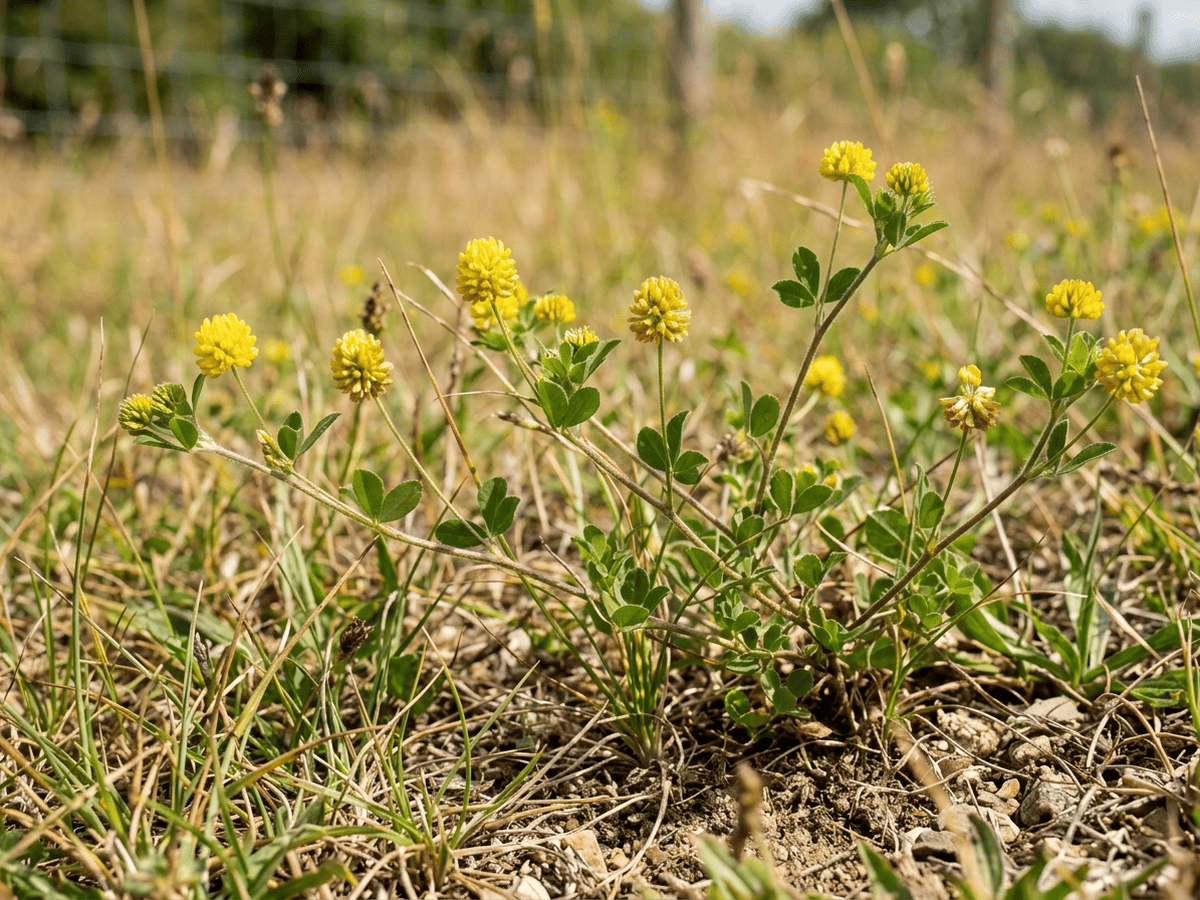 Hop TrefoilTrifolium campestre
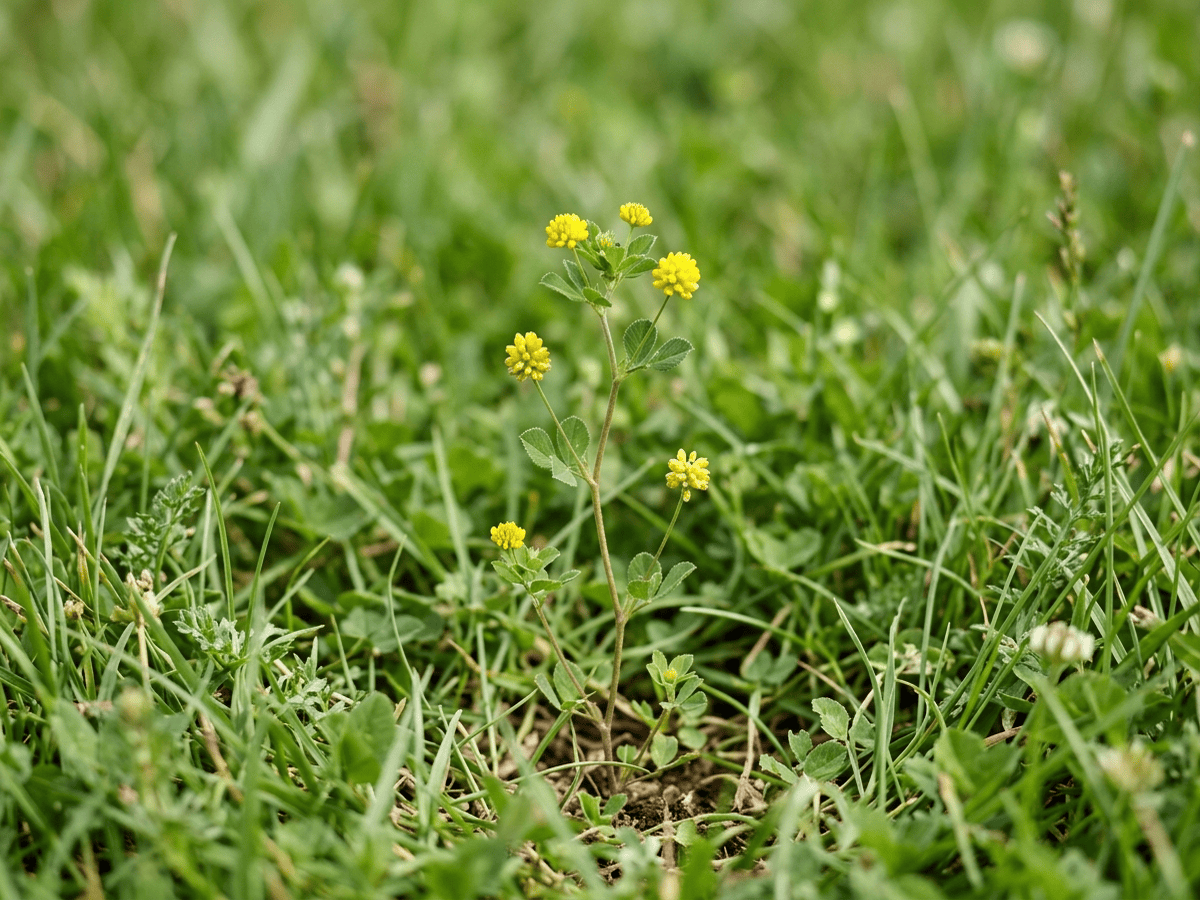 Lesser Hop TrefoilTrifolium dubium
Plants with similar care
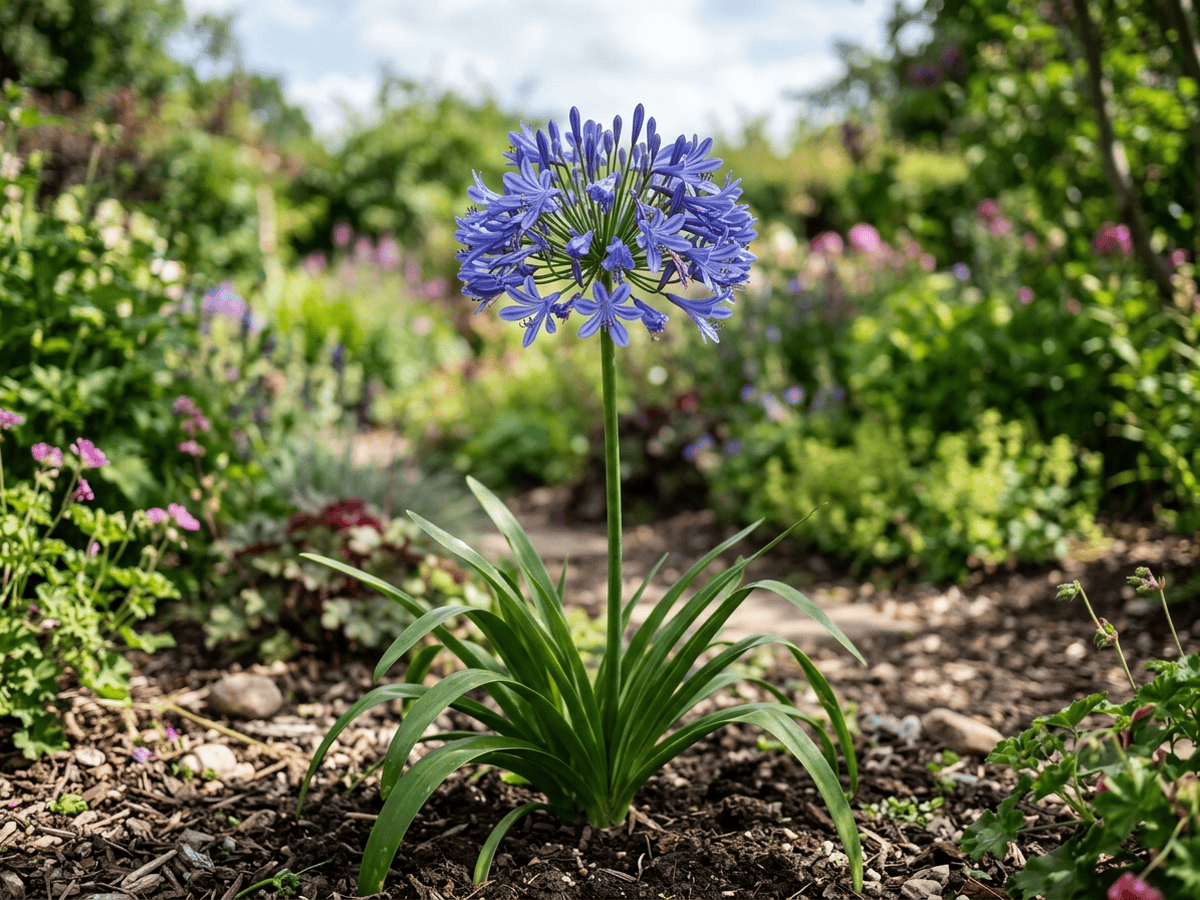 African LilyAgapanthus africanus
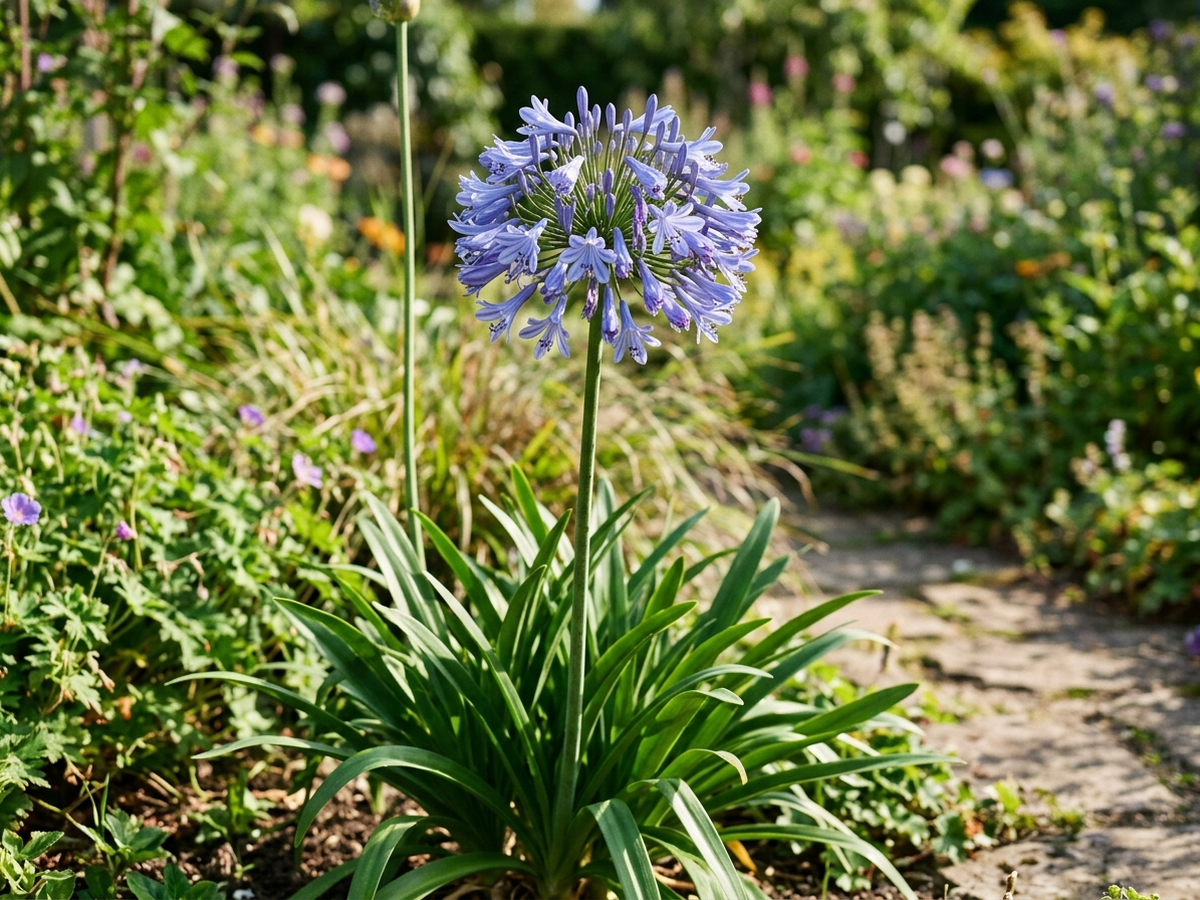 Bell AgapanthusAgapanthus campanulatus
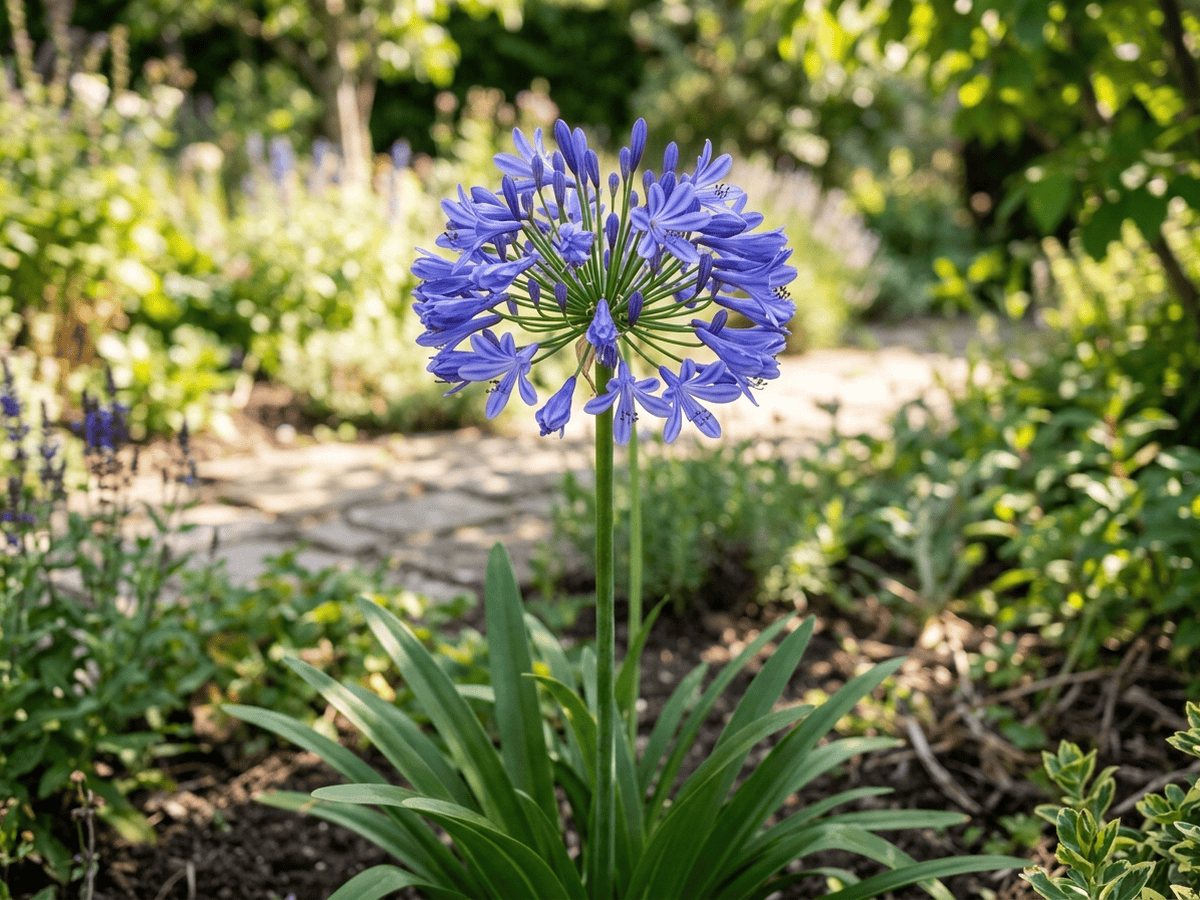 Common AgapanthusAgapanthus praecox
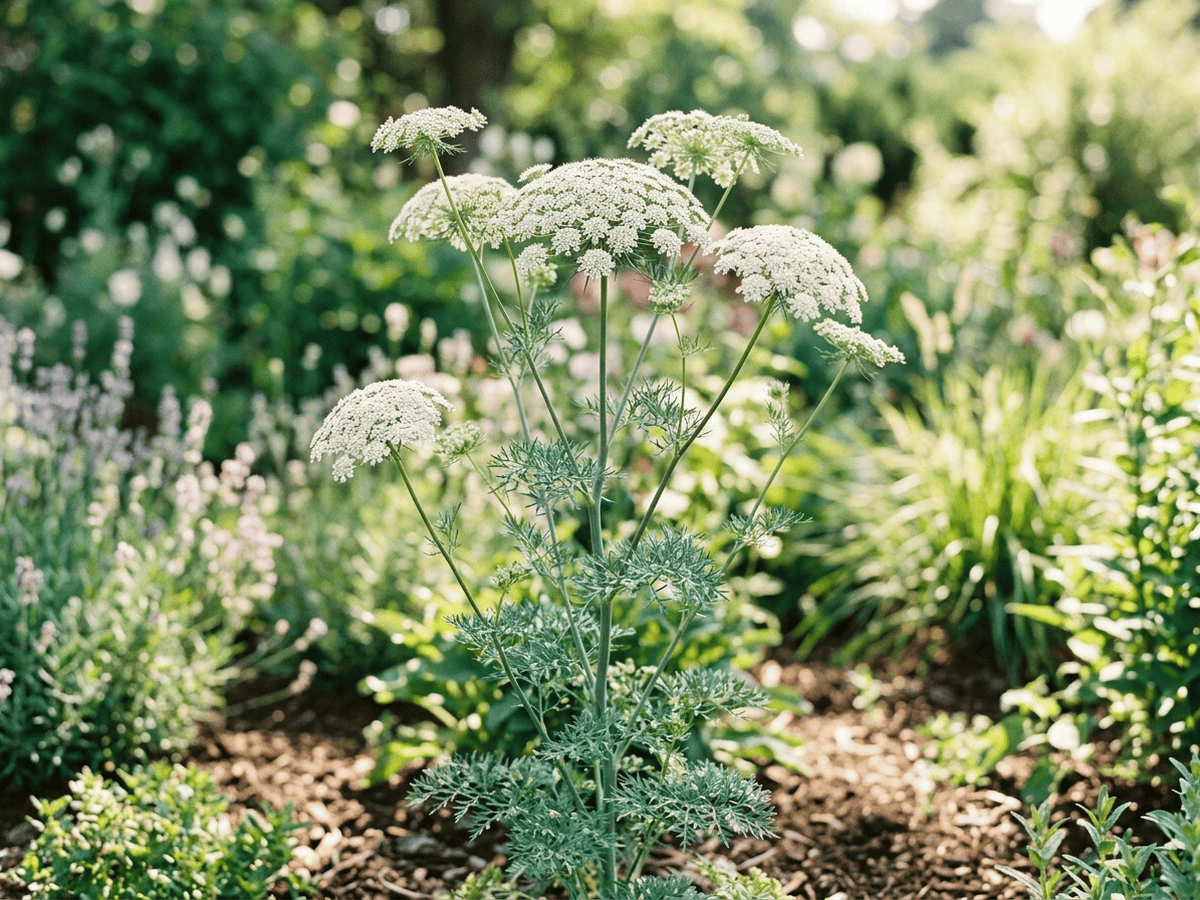 False Queen Anne's LaceAmmi majus glaucifolium
Frequently asked questions
How often should I water Rabbitfoot Clover?
Water about every 15 days during the growing season, and always let excess water drain away.
How much light does Rabbitfoot Clover need?
Part sun: 4–6 hrs direct. Watch the leaves — scorching or stretching means the light needs adjusting.
Is Rabbitfoot Clover toxic to cats or dogs?
No toxicity has been reported for this plant. Still, it is wise to keep pets from chewing on any houseplant. Educational information, not medical or veterinary advice. If exposure is suspected, contact a doctor or veterinarian.
Is Rabbitfoot Clover easy to grow?
It is considered challenging and rewards experienced growers.
When does Rabbitfoot Clover bloom?
It typically blooms May–Jul in the Northern Hemisphere.
YardMate
Identify any plant in seconds
Snap a photo — YardMate names the plant, diagnoses problems, and reminds you when to water.
Download on the App Store