 YardMate

Dwarf Nasturtium
Tropaeolum minus
Easy · Beginner friendlyAbout Dwarf Nasturtium
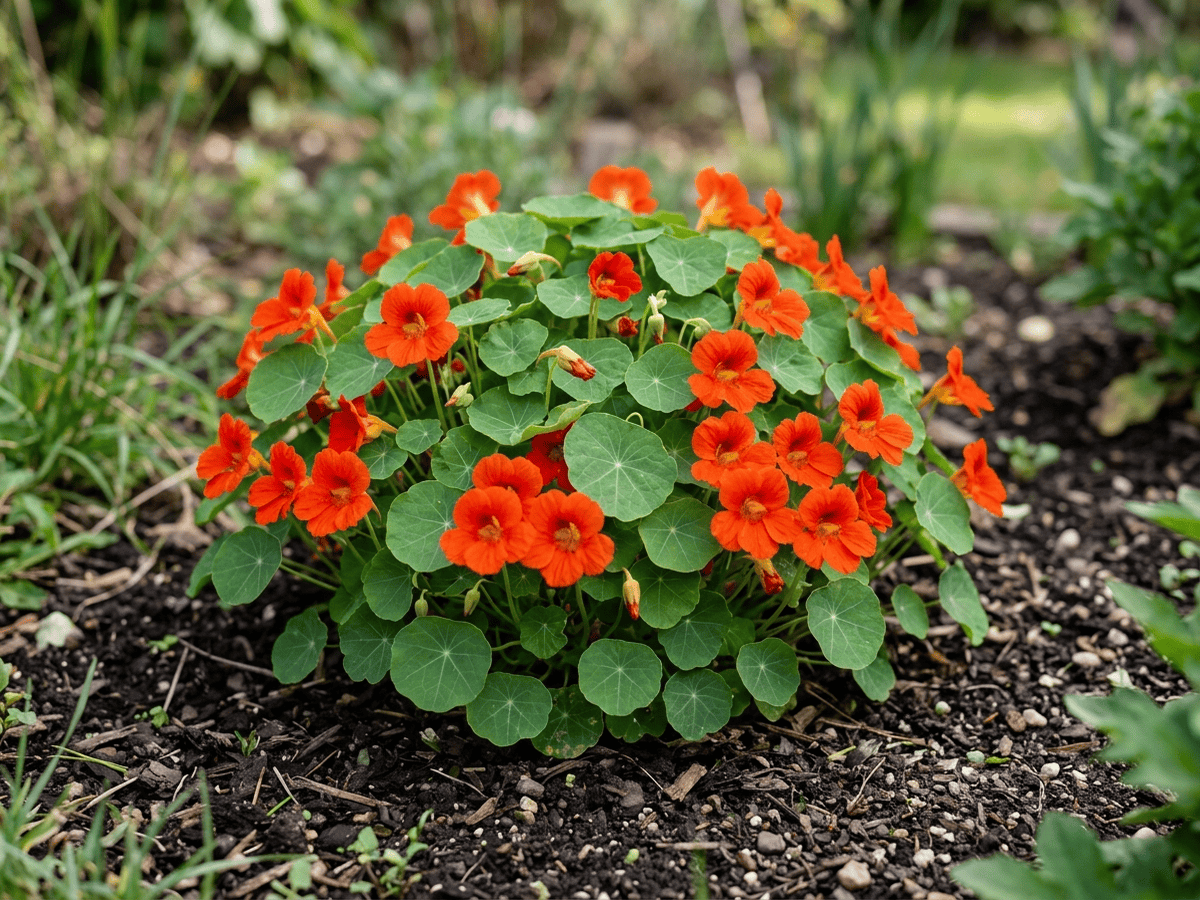
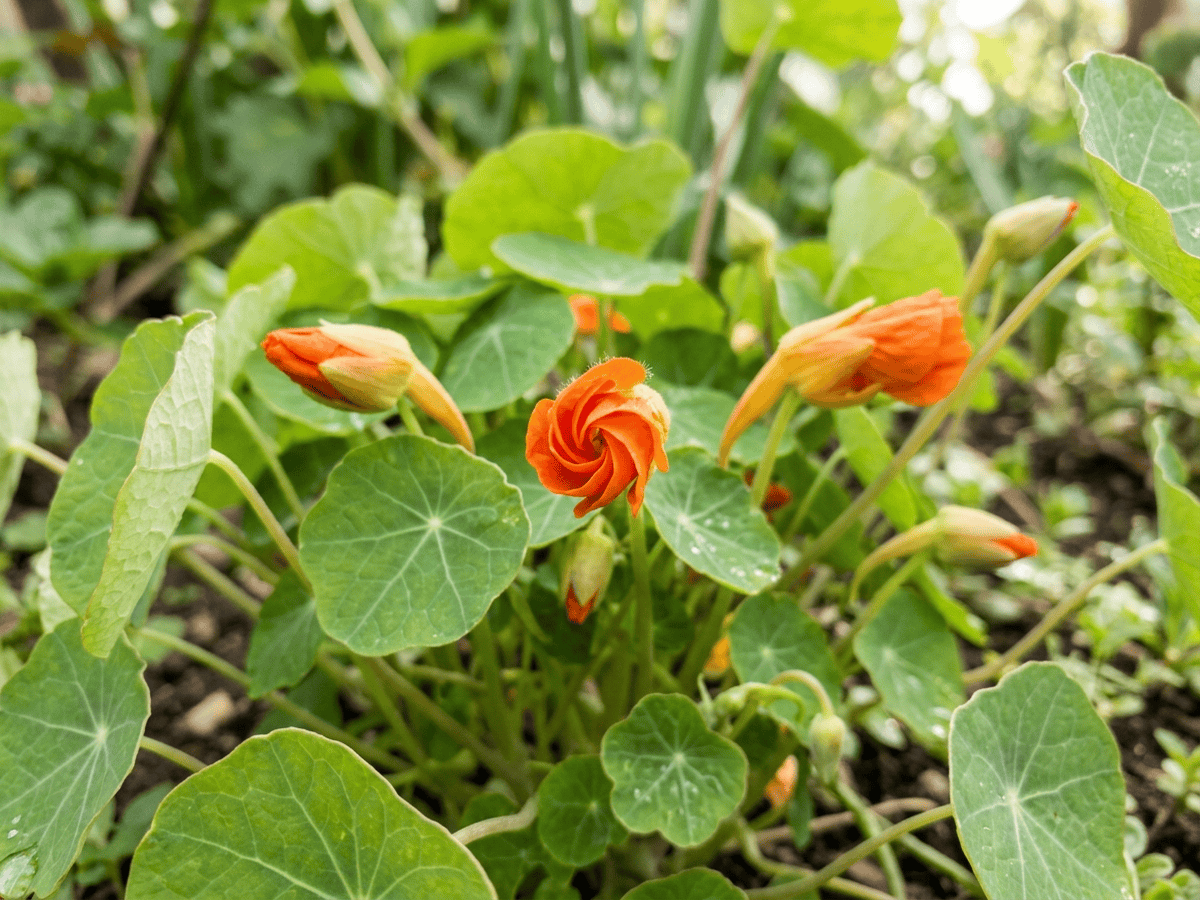
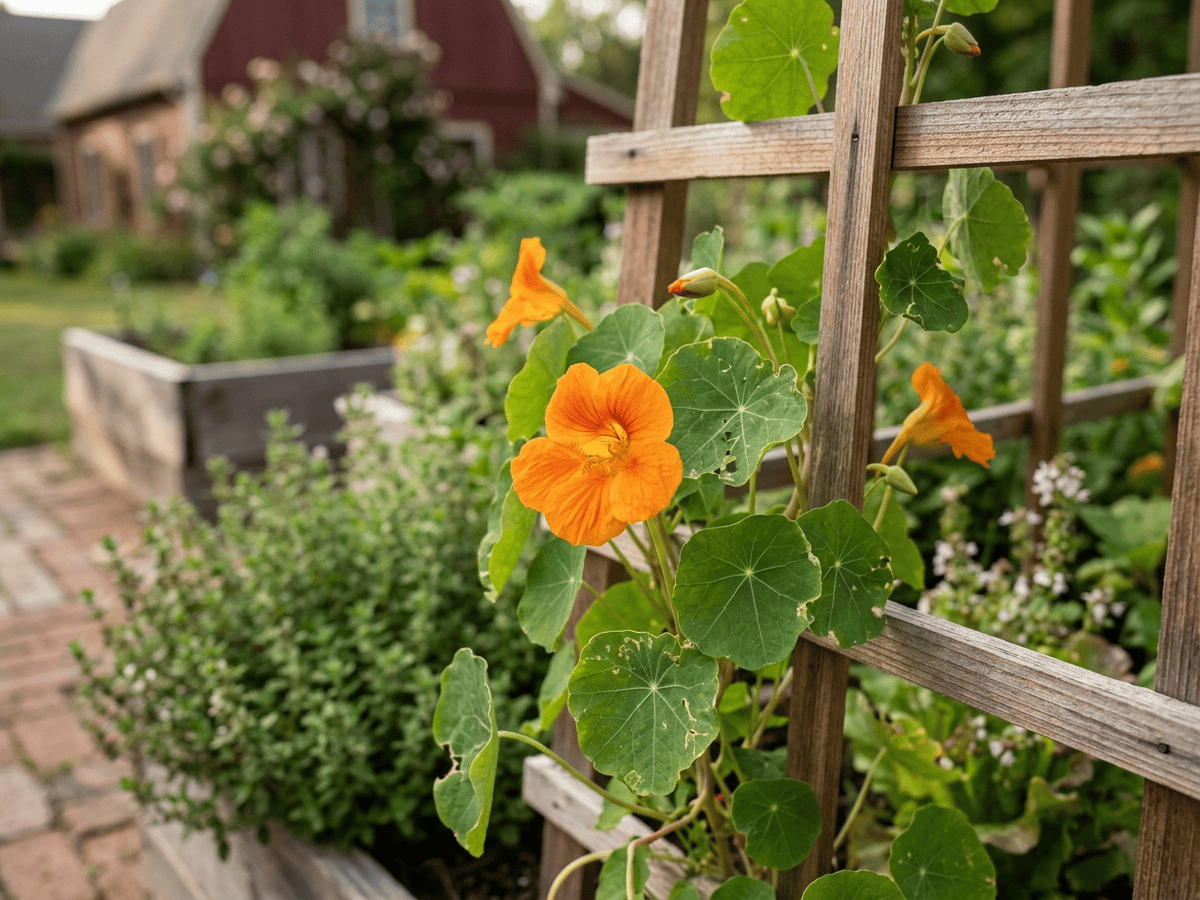
Dwarf Nasturtium is a compact South American annual producing bright spurred flowers in red, orange, yellow, and mahogany above rounded shield-shaped leaves. Growing only 6 to 12 inches tall (versus 6 to 10 feet for climbing Tropaeolum majus), it forms tidy mounds perfect for edging and small containers. All parts edible with a peppery watercress flavor.
- Edible
- Deer-resistant
- Container-friendly
- Pollinator-friendly
How to care for Dwarf Nasturtium
Watering
- Springevery 4 days
- Summerevery 3 days
- Fallevery 7 days
- Winterevery 10 days
Soil · Rich & well-draining
- Top dressingCompost10%
- Main mixPotting soil + compost 3:180%
- DrainageGravel10%
Top up the compost layer each season.
FERTILIZER
- Summerevery 30 days
At a Glance
- NativeSouth America
- Height0.5–1 ft (0.2–0.3 m)
- Spread1–2 ft (0.3–0.6 m)
- Flower colorYellow, Orange, Red
- Foliage colorGreen
- Fruit colorGreen
- SoilLoamy, Well-drained
- LocationsBalcony · Yard
Bloom time
BLOOM CYCLE
Peak bloom
Jun–Nov
Spurred flowers June to frost
Fragrance
LIGHT FRAGRANCE
Flowers have a light, subtle scent.
Toxicity
Pets Safe
glucosinolates (benzyl glucosinolate)
Not reported
EXPOSURE No exposure route is reported.
EFFECT No toxic effect is reported.
NOTE No human toxicity is reported in this catalog; avoid eating ornamental plants unless confirmed edible.
Safe
EXPOSURE No exposure route is reported.
EFFECT No toxic effect is reported.
NOTE Listed as non-toxic for dogs; avoid eating ornamental plants unless confirmed edible.
Safe
EXPOSURE No exposure route is reported.
EFFECT No toxic effect is reported.
NOTE Listed as non-toxic for cats; avoid eating ornamental plants unless confirmed edible.
Educational information, not medical or veterinary advice. If exposure is suspected, contact a doctor or veterinarian.
DISTRIBUTION


- Native
- South America
History
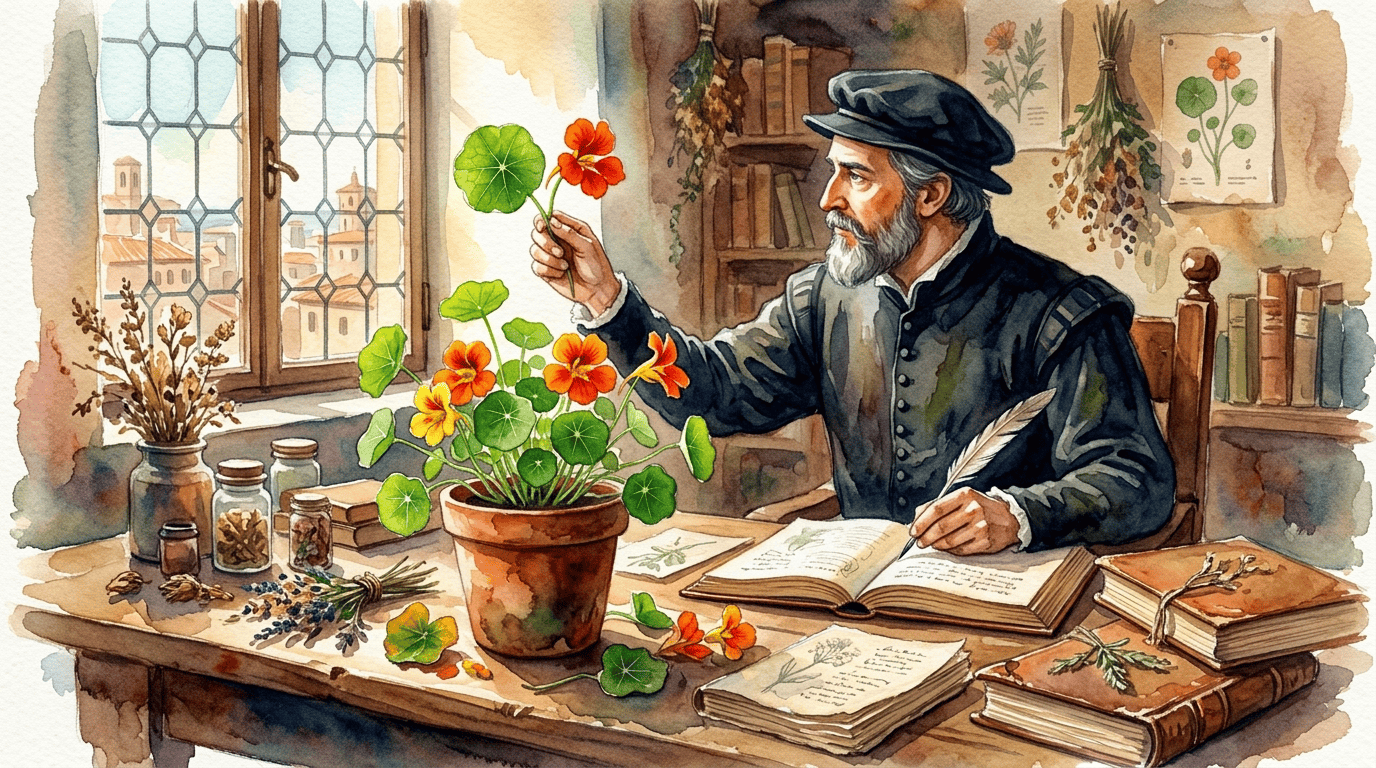
Tropaeolum minus, the dwarf nasturtium, is a compact climbing-to-trailing annual native to the Andes of Peru and Colombia. Spanish conquistadors encountered the plant in Peru and introduced seeds to Spain in the mid-16th century. Sevillian physician Nicolás Monardes described it in his 1569 treatise on New World medicinal plants, and it soon spread across Europe as a curious ornamental and peppery salad addition.
Linnaeus named the genus Tropaeolum in 1753, from the Greek tropaion, a trophy pillar hung with armor, because the round leaves reminded him of shields and the flowers of helmets. Flowers and young leaves have a pungent watercress-like flavor and remain popular as edible garnishes. It is smaller and less vigorous than the later-introduced T. majus.
Native to Peru, introduced to European gardens in the 1500s and to American colonial gardens by 1700. Thomas Jefferson grew nasturtiums at Monticello for edible flowers. A classic children's garden plant for easy germination and edible reward.
Symbolism & meaning
What It Symbolizes
Dwarf Nasturtium wears patriotic colors borrowed from Roman victors, its petals running through red, orange, and gold in classical celebratory hues. The whole plant is an edible sunset, leaves and flowers alike at home in salads and garnishes. In its peppery flavor and scrambling habit, beauty, history, and harvest all share the same tumbling stem.
- Patriotism — red-orange-yellow Roman victory colors
- Edible sunset — entire plant edible
Where the Name Comes From
'Tropaeolum' from Greek 'tropaion' meaning trophy, for leaves resembling Roman victory shields; 'minus' means smaller, versus Tropaeolum majus.
Uses & Fun Facts
- Peppery flowers and leaves spice up summer salads
- Compact mounding annual fills kitchen-garden pots and edges
- Spurred flowers attract bumblebees and hummingbirds
- Companion planted with vegetables to deter aphids and beetles
Related plants
More Tropaeolum plants


Plants with similar care
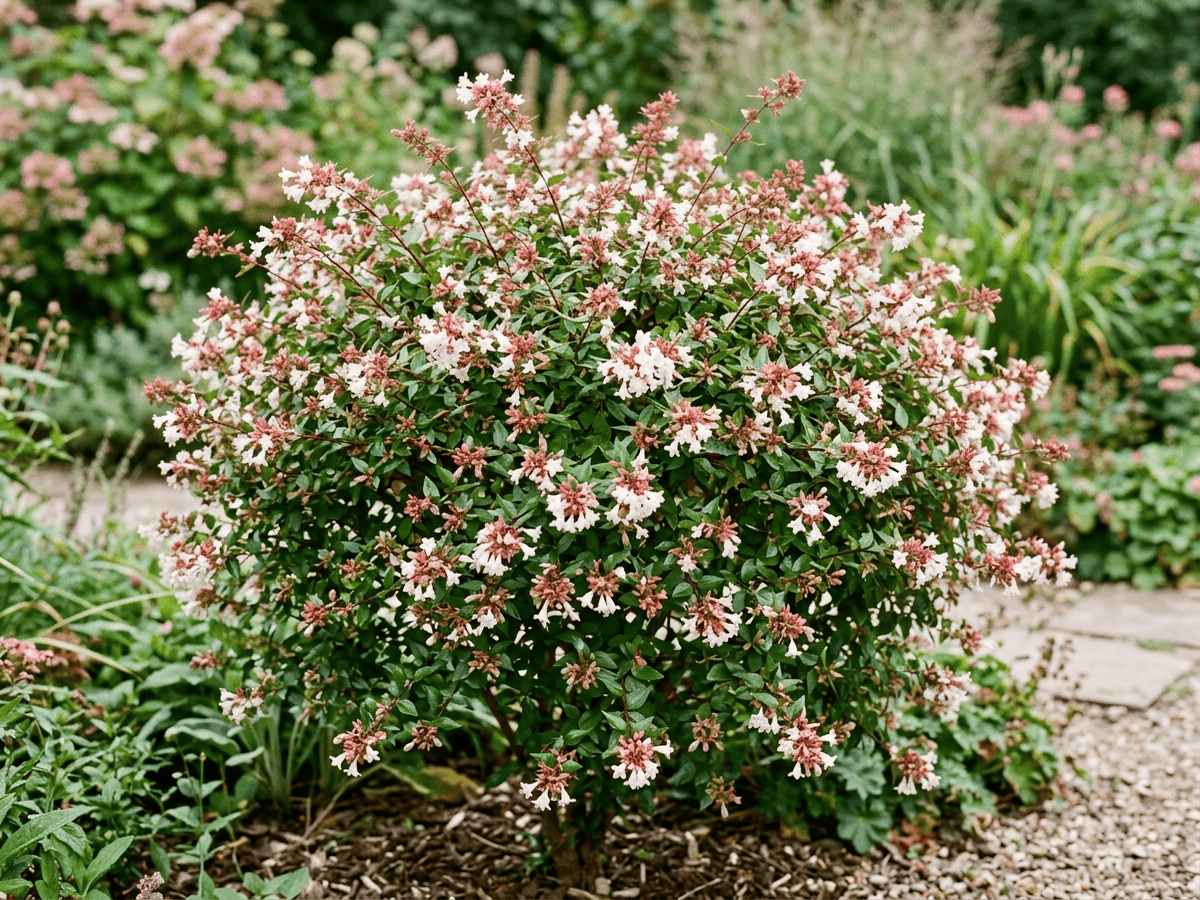 Chinese AbeliaAbelia chinensis
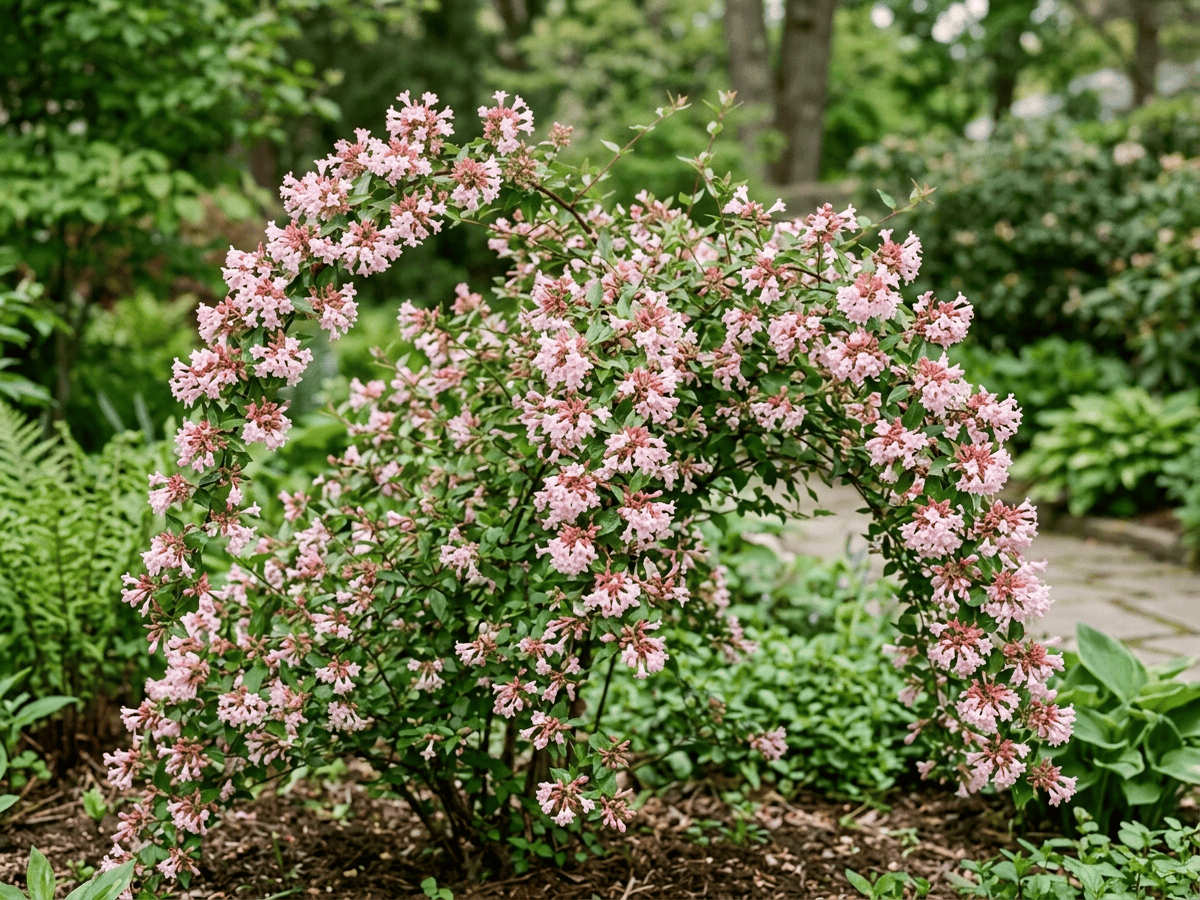 Fragrant AbeliaAbelia mosanensis
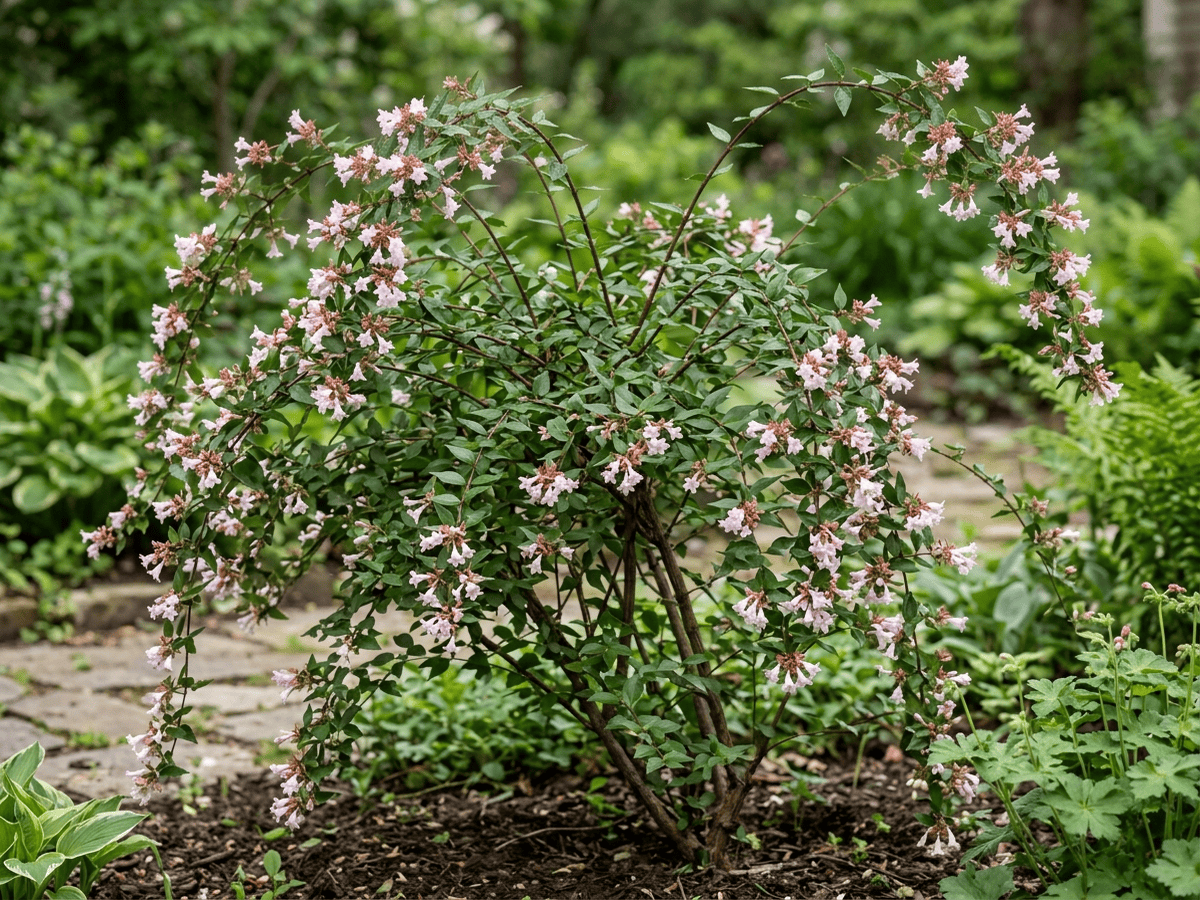 Large-Flowered AbeliaAbelia uniflora
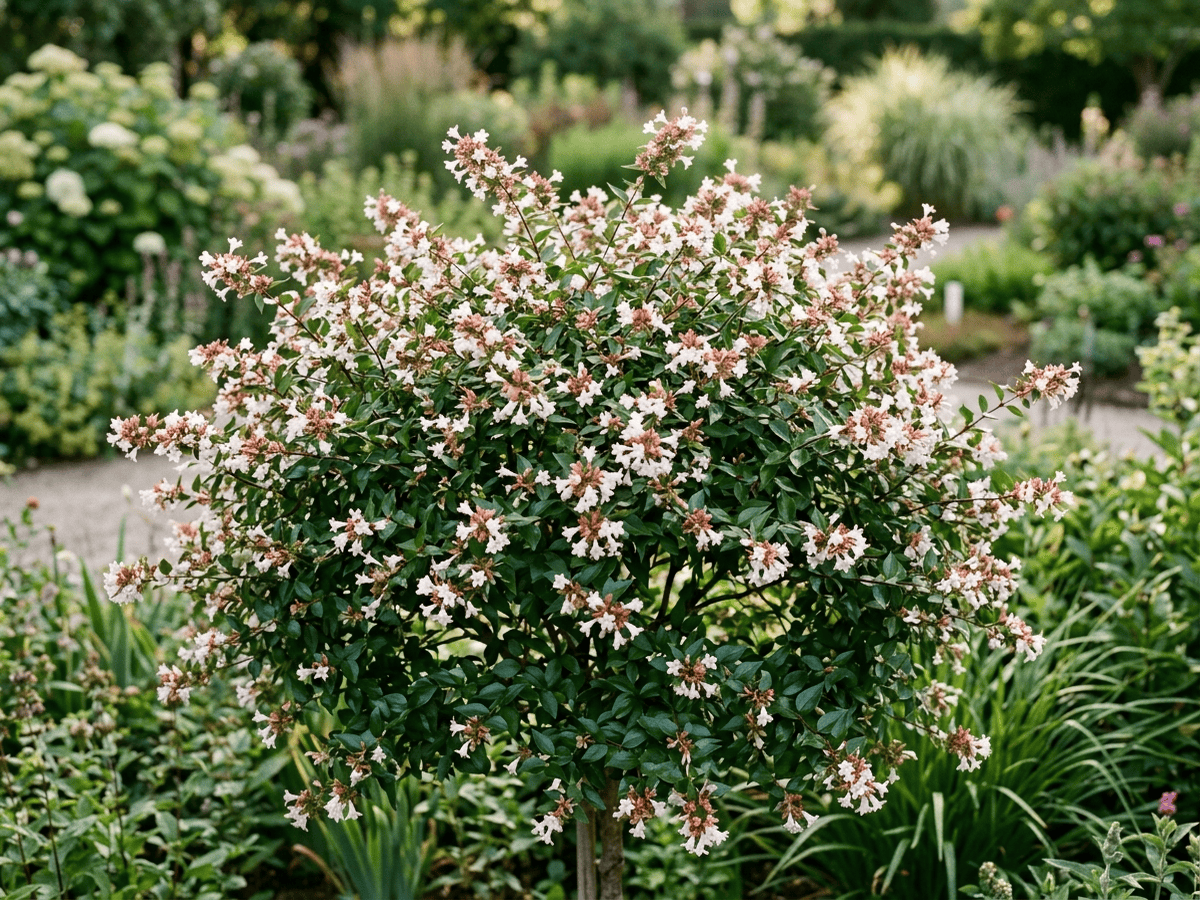 Glossy AbeliaAbelia x grandiflora
Frequently asked questions
How often should I water Dwarf Nasturtium?
In summer, water about every 3 days; in winter, about every 10 days. Adjust for heat, pot size and drainage.
How much light does Dwarf Nasturtium need?
Full sun: 6+ hrs direct. Watch the leaves — scorching or stretching means the light needs adjusting.
Is Dwarf Nasturtium toxic to cats or dogs?
Pets Safe (Dogs Safe · Cats Safe) Educational information, not medical or veterinary advice. If exposure is suspected, contact a doctor or veterinarian.
Is Dwarf Nasturtium easy to grow?
Yes — it is considered an easy, beginner-friendly plant.
When does Dwarf Nasturtium bloom?
It typically blooms Jun–Nov in the Northern Hemisphere.
YardMate
Identify any plant in seconds
Snap a photo — YardMate names the plant, diagnoses problems, and reminds you when to water.
Download on the App Store