 YardMate


Canary-Creeper
Tropaeolum peregrinum
Medium · Some experienceAbout Canary-Creeper
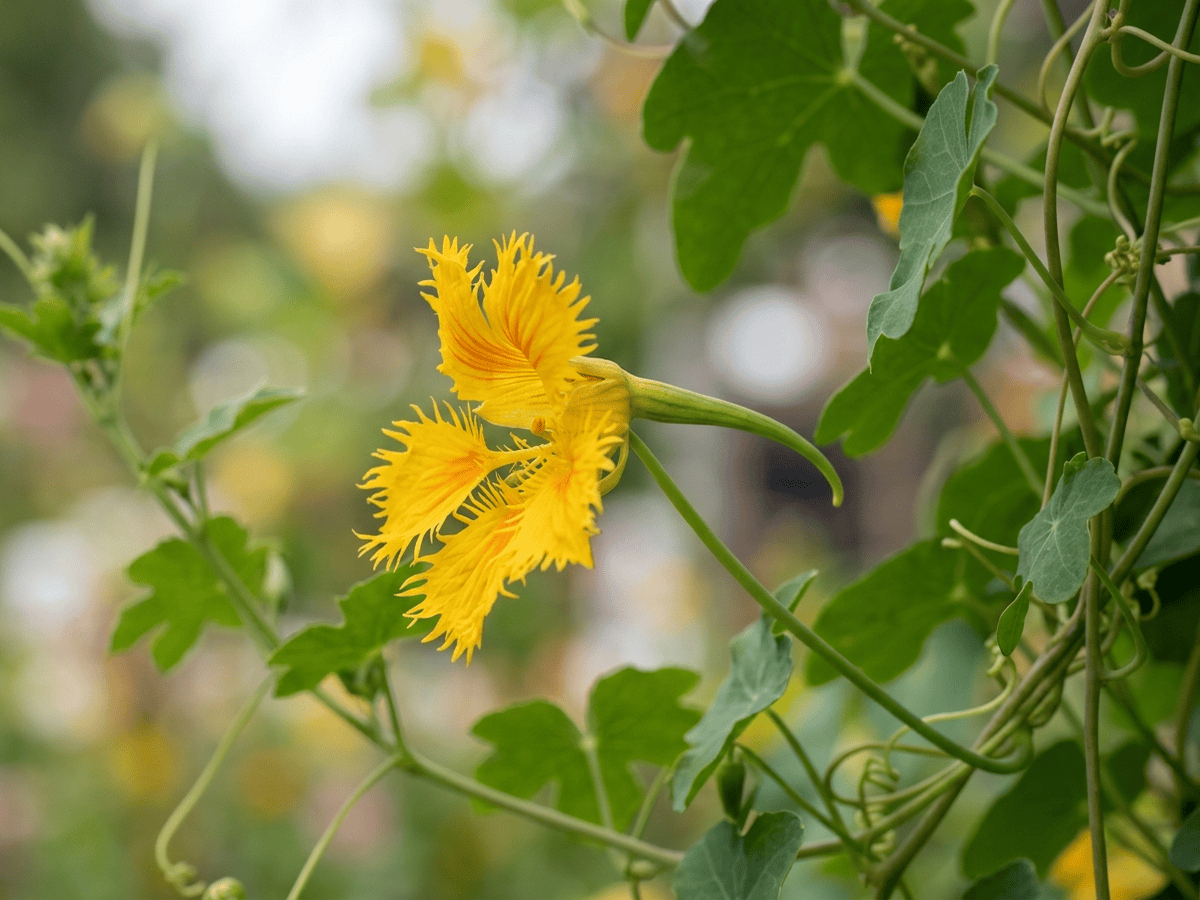
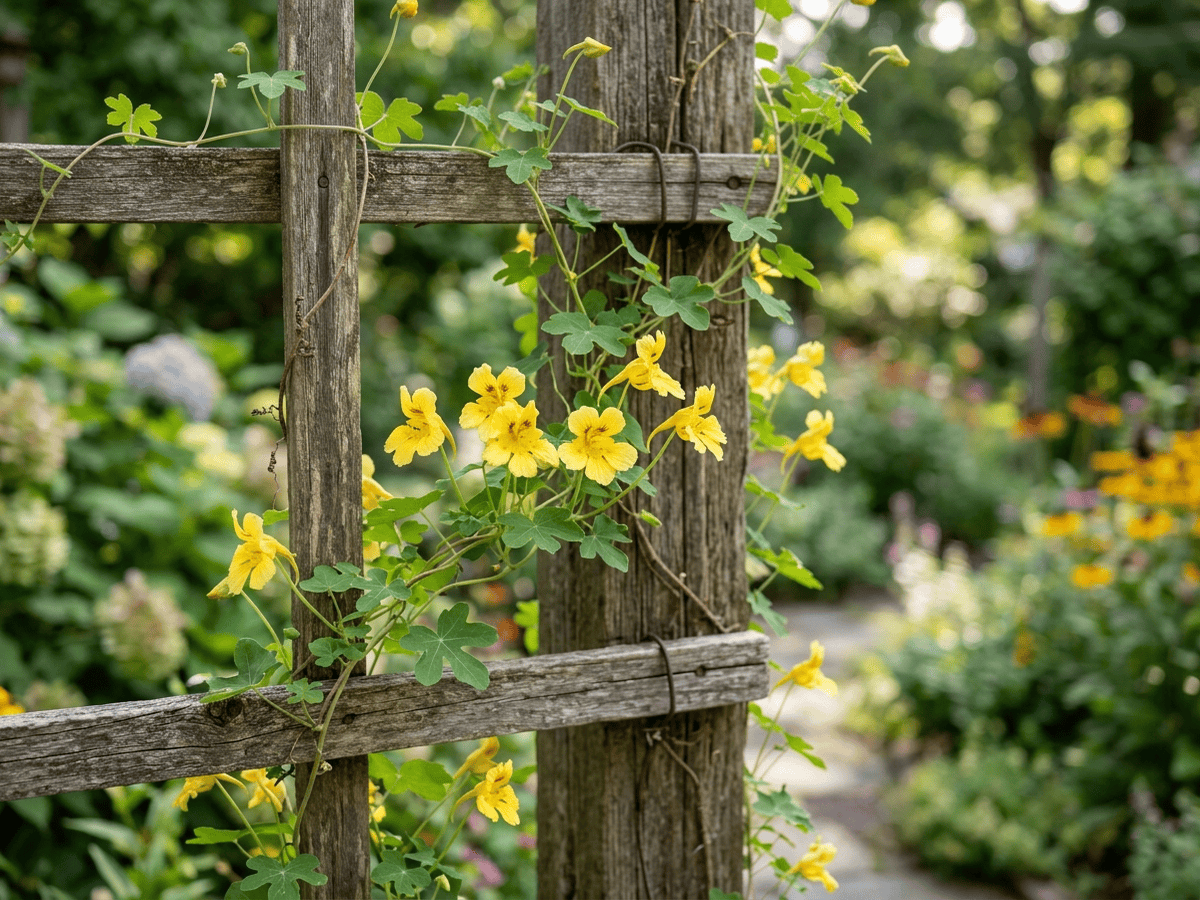
Canary Creeper is a Peruvian climbing annual distinct from other nasturtiums, producing delicate bright yellow fringed flowers resembling tiny canary birds along delicate climbing stems reaching 6 to 12 feet. Lobed gray-green leaves and whimsical flowers make it a cottage-garden standout for trellises, fences, and obelisks. More tolerant of cool summer weather than standard nasturtiums.
- Climbing
- Pollinator-friendly
How to care for Canary-Creeper
Watering
- Springevery 4 days
- Summerevery 3 days
- Fallevery 7 days
- Winterevery 10 days
Soil · Well-draining
- Top dressingPine bark mulch10%
- Main mixPotting soil + perlite 2:170%
- DrainageLECA / gravel20%
Never skip the drainage layer — standing water is the top cause of root rot.
FERTILIZER
Balanced Feed 14-14-14
An even feed covers all three needs at once, keeping leaves, roots and blooms moving together with nothing pushed out of balance.
- Nitrogen · Leaves
- Phosphorus · Roots + Blooms
- Potassium · Strength
- Springevery 30 days
- Summerevery 30 days
At a Glance
- NativeSouth America
- Height6–12 ft (1.8–3.7 m)
- Spread3–6 ft (0.9–1.8 m)
- Flower colorYellow
- Foliage colorGreen, Blue-green
- SoilLoamy, Well-drained
- LocationsYard
Bloom time
BLOOM CYCLE
Peak bloom
Jul–Nov
Canary-shaped yellow flowers July to frost
Toxicity
Pets Safe
glucosinolates
Not reported
EXPOSURE No exposure route is reported.
EFFECT No toxic effect is reported.
NOTE No human toxicity is reported in this catalog; avoid eating ornamental plants unless confirmed edible.
Safe
EXPOSURE No exposure route is reported.
EFFECT No toxic effect is reported.
NOTE Listed as non-toxic for dogs; avoid eating ornamental plants unless confirmed edible.
Safe
EXPOSURE No exposure route is reported.
EFFECT No toxic effect is reported.
NOTE Listed as non-toxic for cats; avoid eating ornamental plants unless confirmed edible.
Educational information, not medical or veterinary advice. If exposure is suspected, contact a doctor or veterinarian.
DISTRIBUTION


- Native
- Introduced
- South America
History
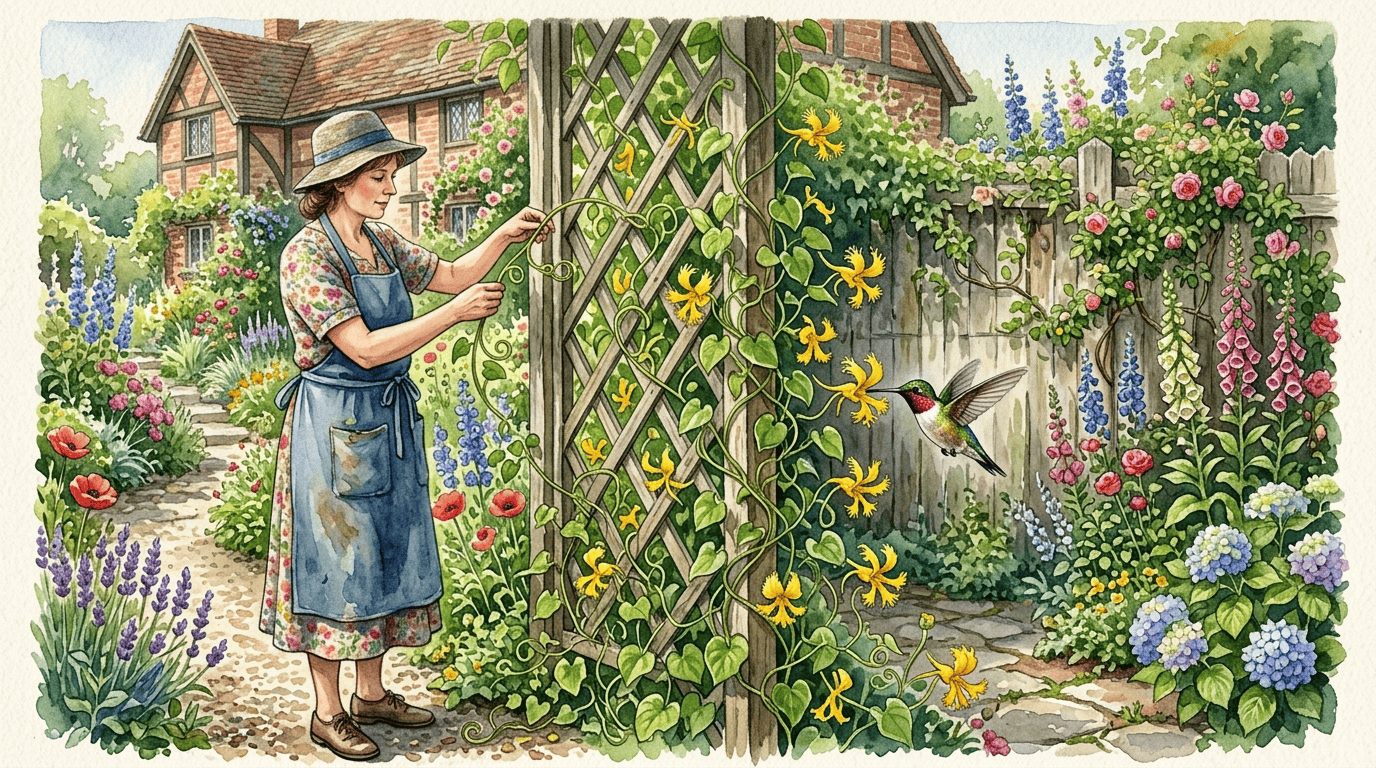
Tropaeolum peregrinum, commonly called canary creeper or canary bird flower, is a slender tendril-climbing annual or short-lived perennial vine native to Peru and Ecuador. French botanist Antoine Laurent de Jussieu described the species in 1789, and it reached European horticulture in the 18th century. The plant climbs by coiling leaf petioles, reaching two to three meters, and bears small bright yellow flowers with deeply fringed upper petals resembling the wings of a canary in flight.
It flowers continuously from summer through frost, attracting hummingbirds in its native range. Victorian gardeners grew it on trellises, pergolas, and as screens for unsightly fences.
Today cottage and potager garden designers still favor canary creeper for its delicate airy form, which contrasts beautifully with more bold climbers. Native to Peru and Ecuador, introduced to European gardens in 1755 where its whimsical bird-like flowers caused a sensation. A Victorian cottage-garden favorite, now enjoying revival in American heirloom and cottage gardens especially in Pacific Northwest.
Symbolism & meaning
What It Symbolizes
Canary-Creeper can symbolize whimsical grace, its bright yellow flowers fringed and shaped so much like tiny canary birds in flight that the common name was inevitable. Another layer is wandering spirit, the traveling nasturtium that climbs lightly over fences and arbours rather than settling. In the cottage garden, tropaeolum peregrinum is the small lyrical climber of late summer, a vine whose flowers seem to be perpetually mid-flight on their way to somewhere brighter.
- Whimsical grace — flowers resemble canary birds in flight
- Wandering spirit — the traveling nasturtium
Where the Name Comes From
'peregrinum' from Latin means wandering or foreign, as it was considered an exotic foreigner when introduced to Europe.
Uses & Fun Facts
- Frilly canary flowers attract hummingbirds and bumblebees
- Annual canary creeper climbs trellises with tendril leaves
- Yellow fringed bird-shaped flowers among lobed leaves
Related plants
More Tropaeolum plants

Plants with similar care
 Mexican AbeliaAbelia floribunda
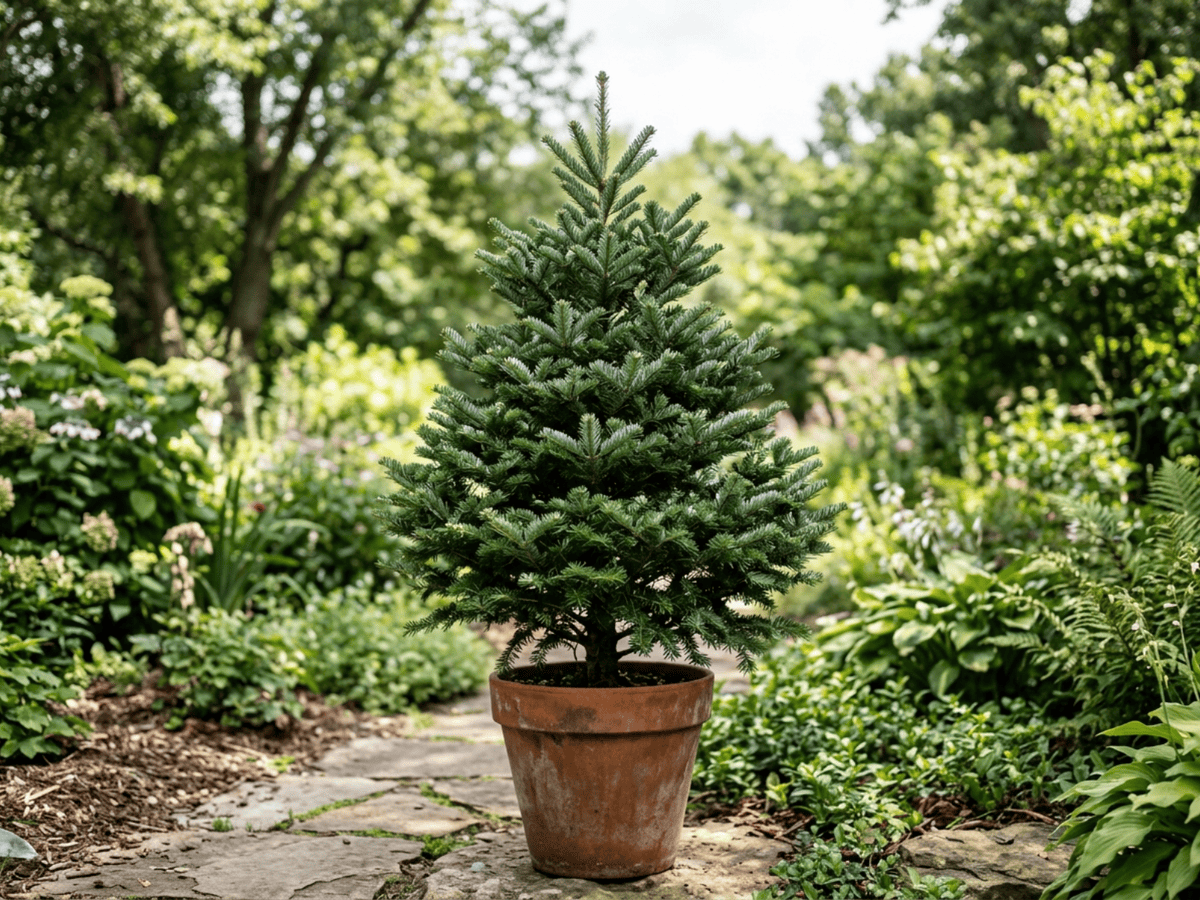 Fraser FirAbies fraseri
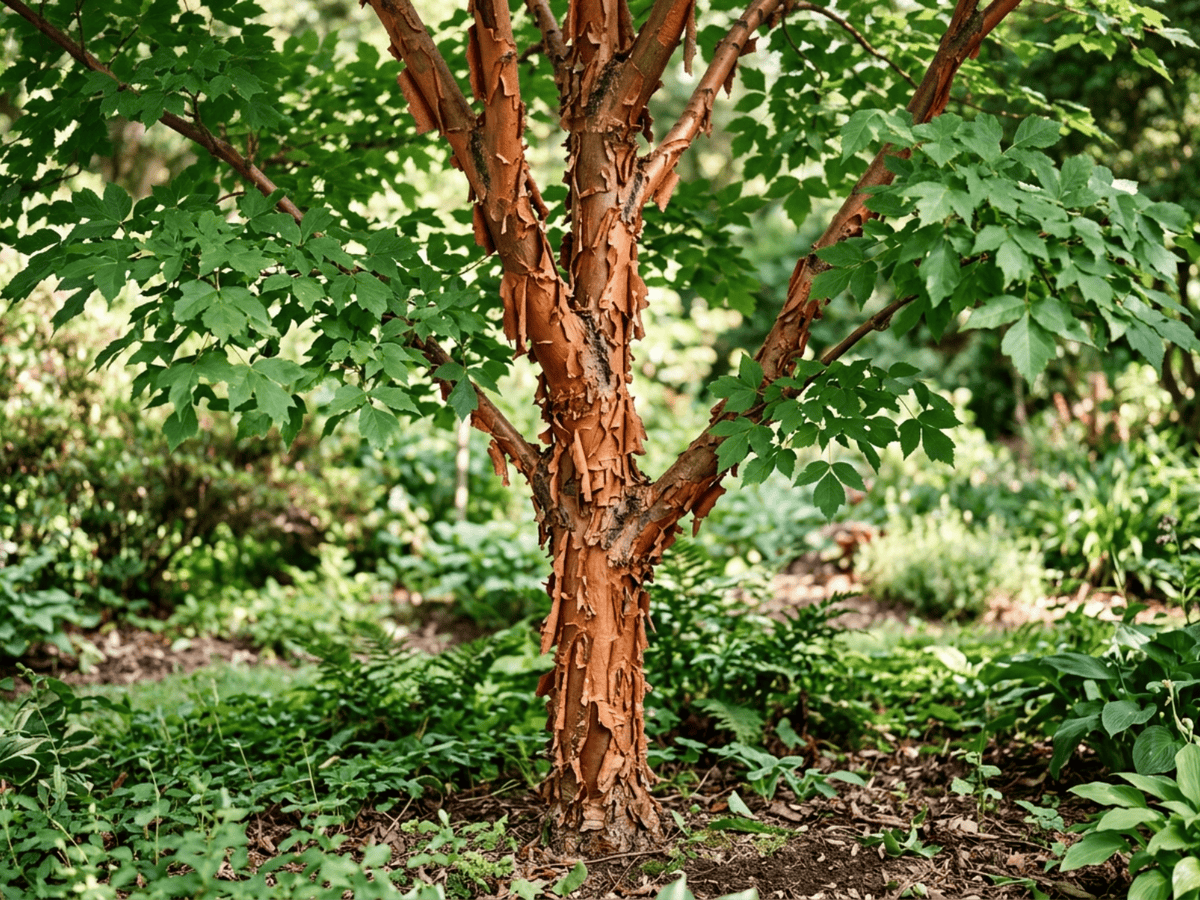 Paperbark MapleAcer griseum
 Sugar MapleAcer saccharum
Frequently asked questions
How often should I water Canary-Creeper?
In summer, water about every 3 days; in winter, about every 10 days. Adjust for heat, pot size and drainage.
How much light does Canary-Creeper need?
Full sun: 6+ hrs direct. Watch the leaves — scorching or stretching means the light needs adjusting.
Is Canary-Creeper toxic to cats or dogs?
Pets Safe (Dogs Safe · Cats Safe) Educational information, not medical or veterinary advice. If exposure is suspected, contact a doctor or veterinarian.
Is Canary-Creeper easy to grow?
It is moderately demanding: a good choice once you have a little experience.
When does Canary-Creeper bloom?
It typically blooms Jul–Nov in the Northern Hemisphere.
YardMate
Identify any plant in seconds
Snap a photo — YardMate names the plant, diagnoses problems, and reminds you when to water.
Download on the App Store