 YardMate

Slippery Elm
Ulmus rubra
Easy · Beginner friendlyAbout Slippery Elm
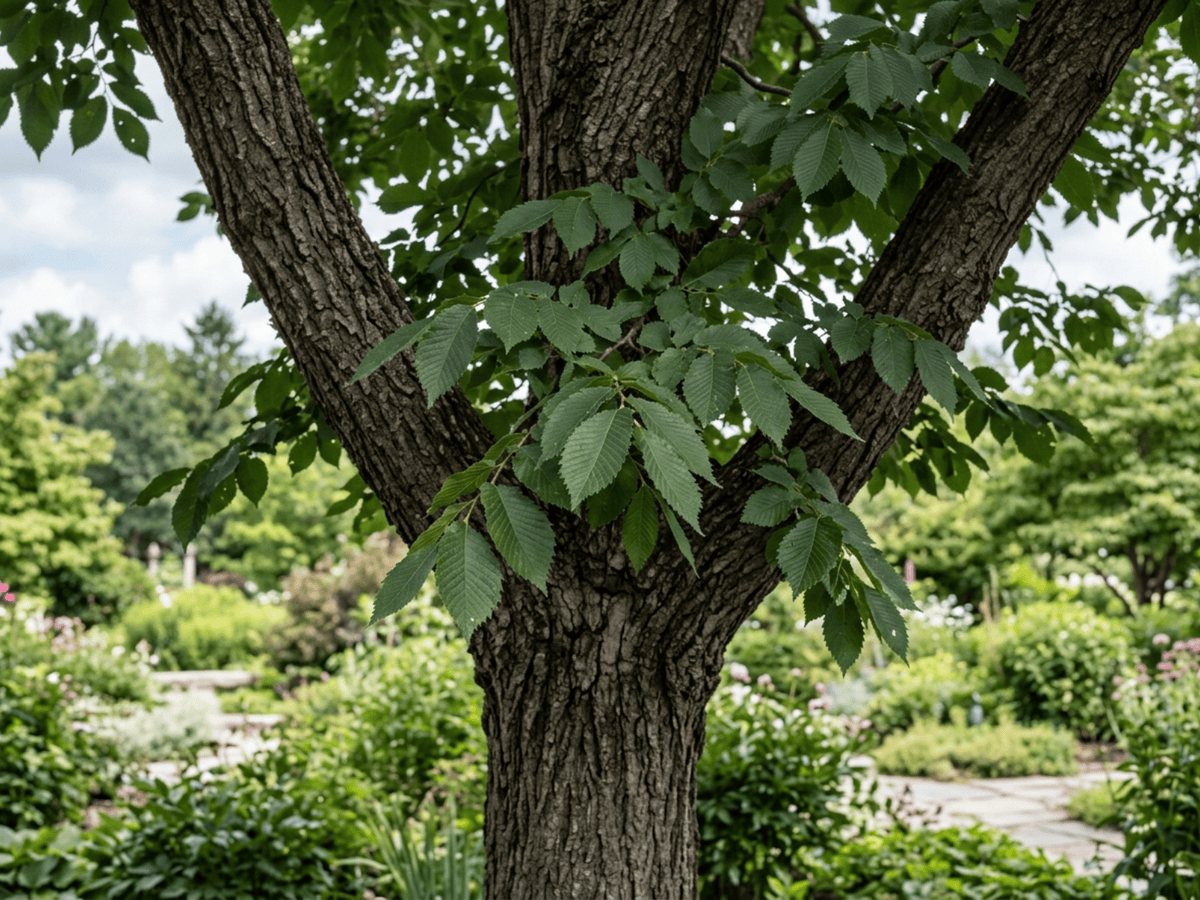
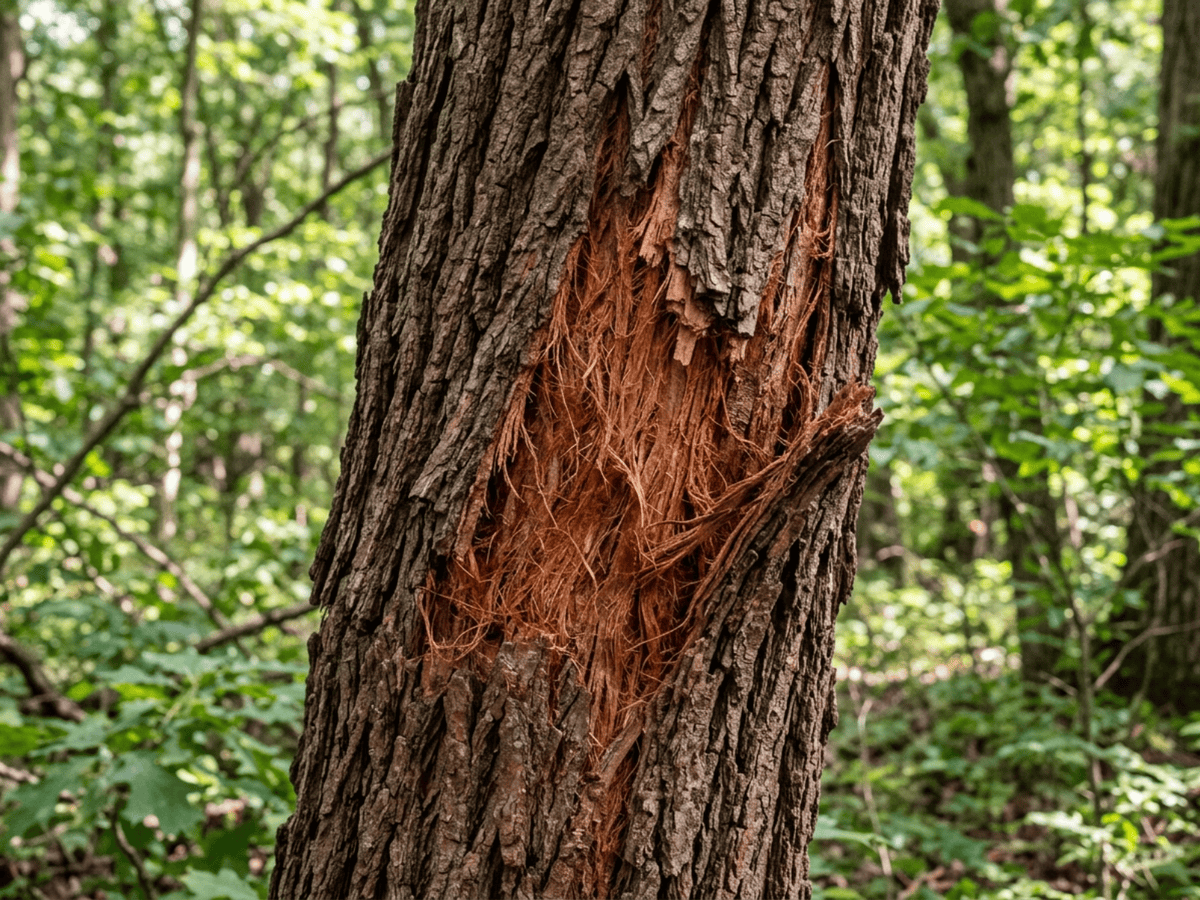
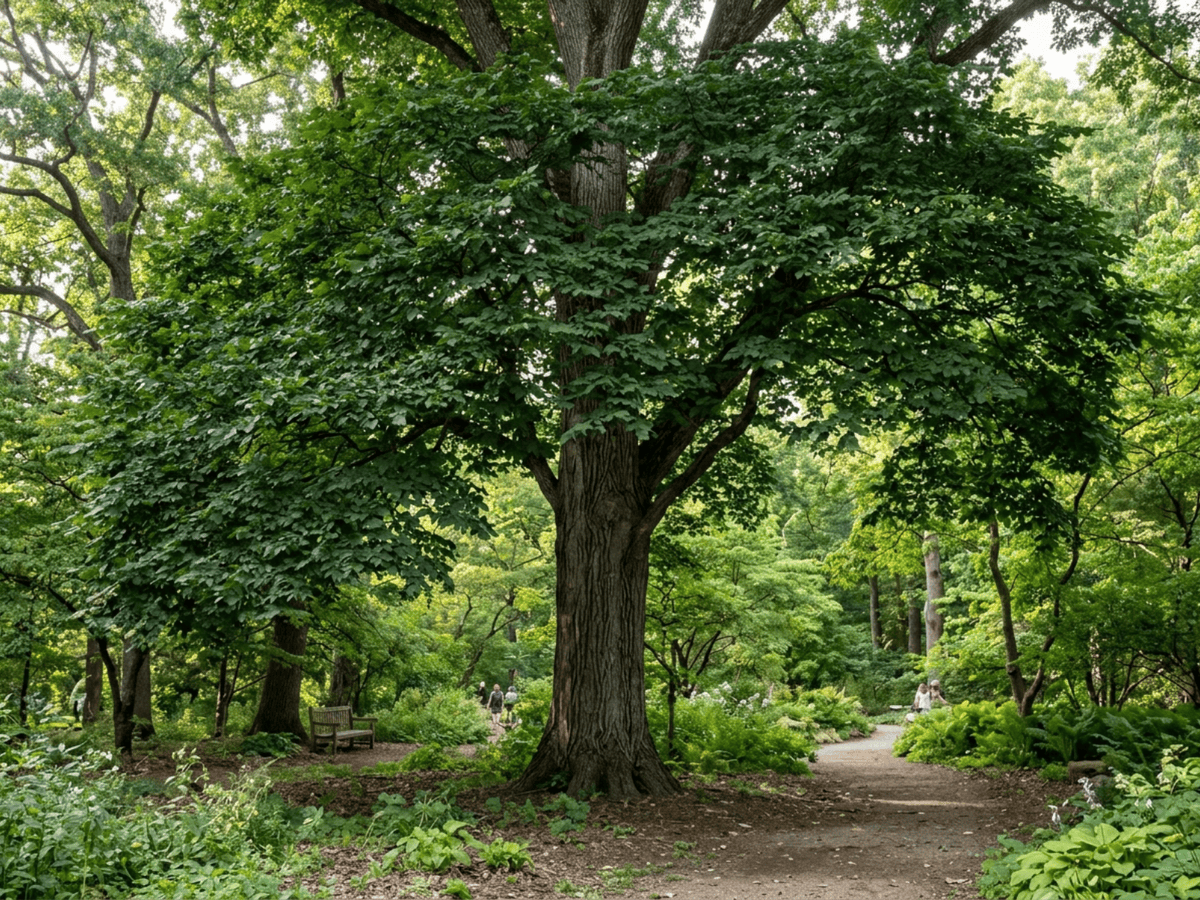
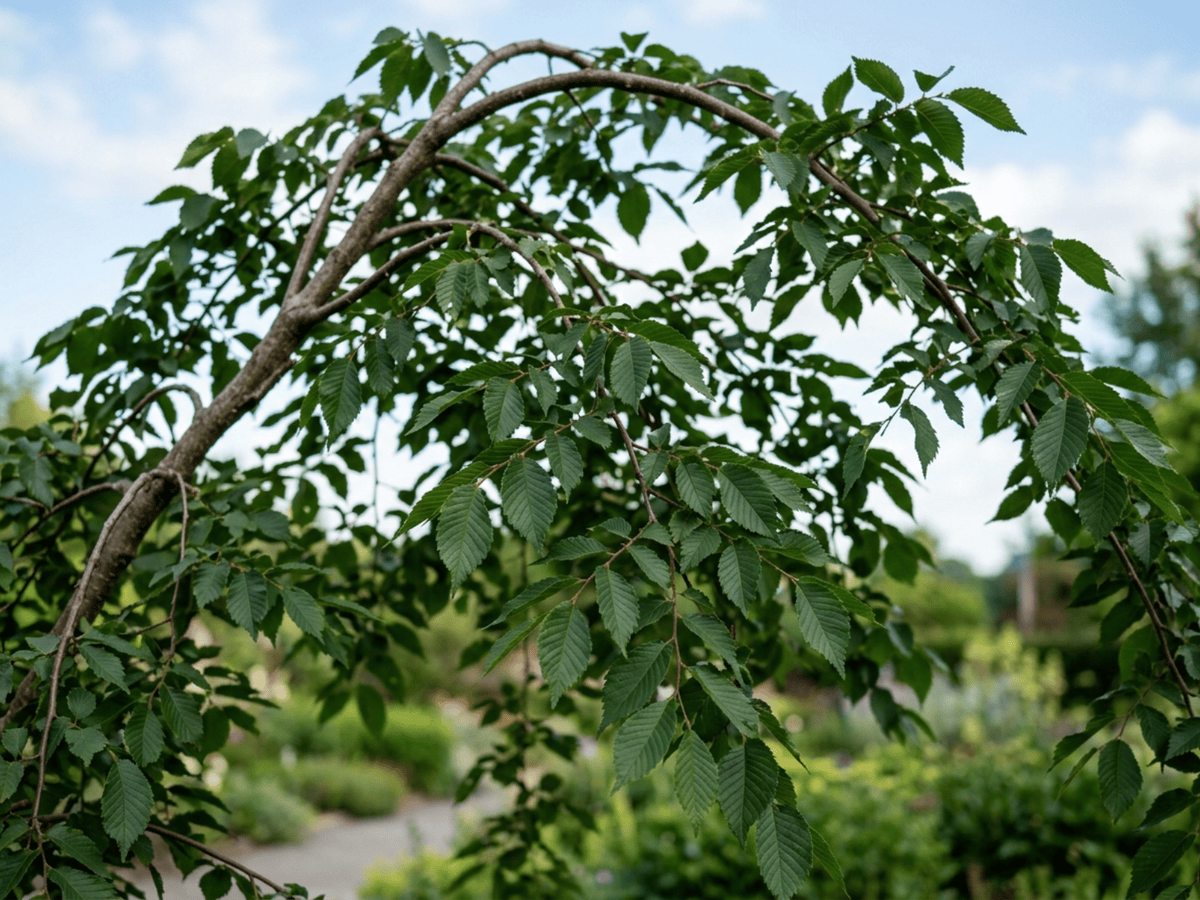
Slippery Elm is a medium deciduous tree native to eastern North America, reaching 50-70 feet, best known for its mucilaginous inner bark used in traditional herbal medicine. Rough-textured leaves with sharply toothed edges give a coarser appearance than American elm. Named for the slippery consistency of its inner bark when moistened. A historically important tree in Native American and pioneer medicine across the eastern US.
- Medicinal
- Native
- Wildlife-friendly
How to care for Slippery Elm
Watering
- Springevery 7 days
- Summerevery 5 days
- Fallevery 10 days
- Winterpause watering
Soil · Well-draining
- Top dressingPine bark mulch10%
- Main mixPotting soil + perlite 2:170%
- DrainageLECA / gravel20%
Never skip the drainage layer — standing water is the top cause of root rot.
FERTILIZER
- Springevery 60 days
- Summerevery 60 days
At a Glance
- NativeNorth America
- Height40–60 ft (12.2–18.3 m)
- Spread30–50 ft (9.1–15.2 m)
- Flower colorGreen
- Foliage colorGreen, Yellow
- Fruit colorGreen
- SoilLoamy, Moisture-retentive
- LocationsYard
Bloom time
BLOOM CYCLE
Peak bloom
Mar–May
Reddish flowers in early spring before leaves
Toxicity
No toxicity has been reported for this plant. Still, it is wise to keep pets from chewing on any houseplant.
Educational information, not medical or veterinary advice. If exposure is suspected, contact a doctor or veterinarian.
DISTRIBUTION


- Native
- North America
History
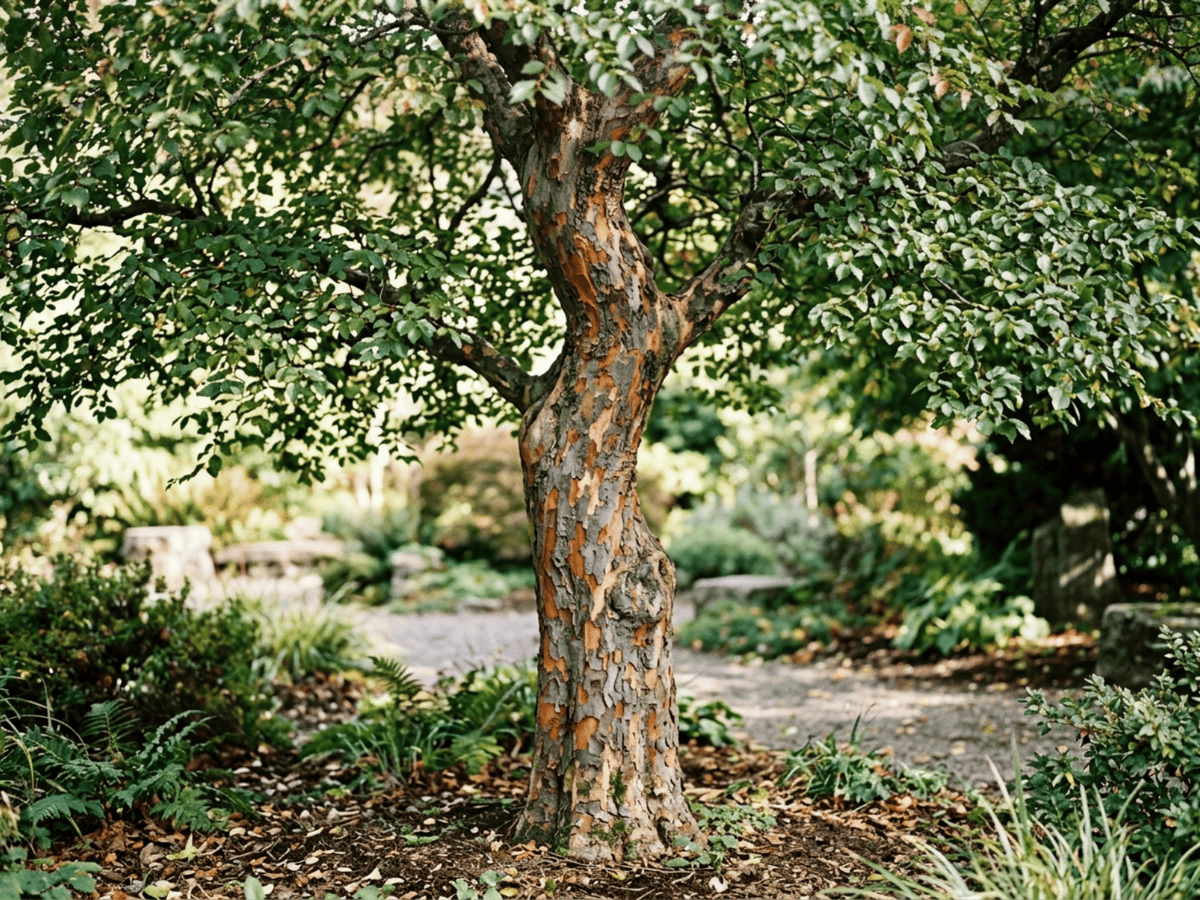
Ulmus rubra grows across eastern North America from Quebec south to Florida and west to eastern Texas. German-American botanist Frederick Pursh formally described it in 1814. Its defining characteristic—reflected in both the common name and specific epithet rubra (red, referring to the inner bark color)—is the mucilaginous reddish inner bark.
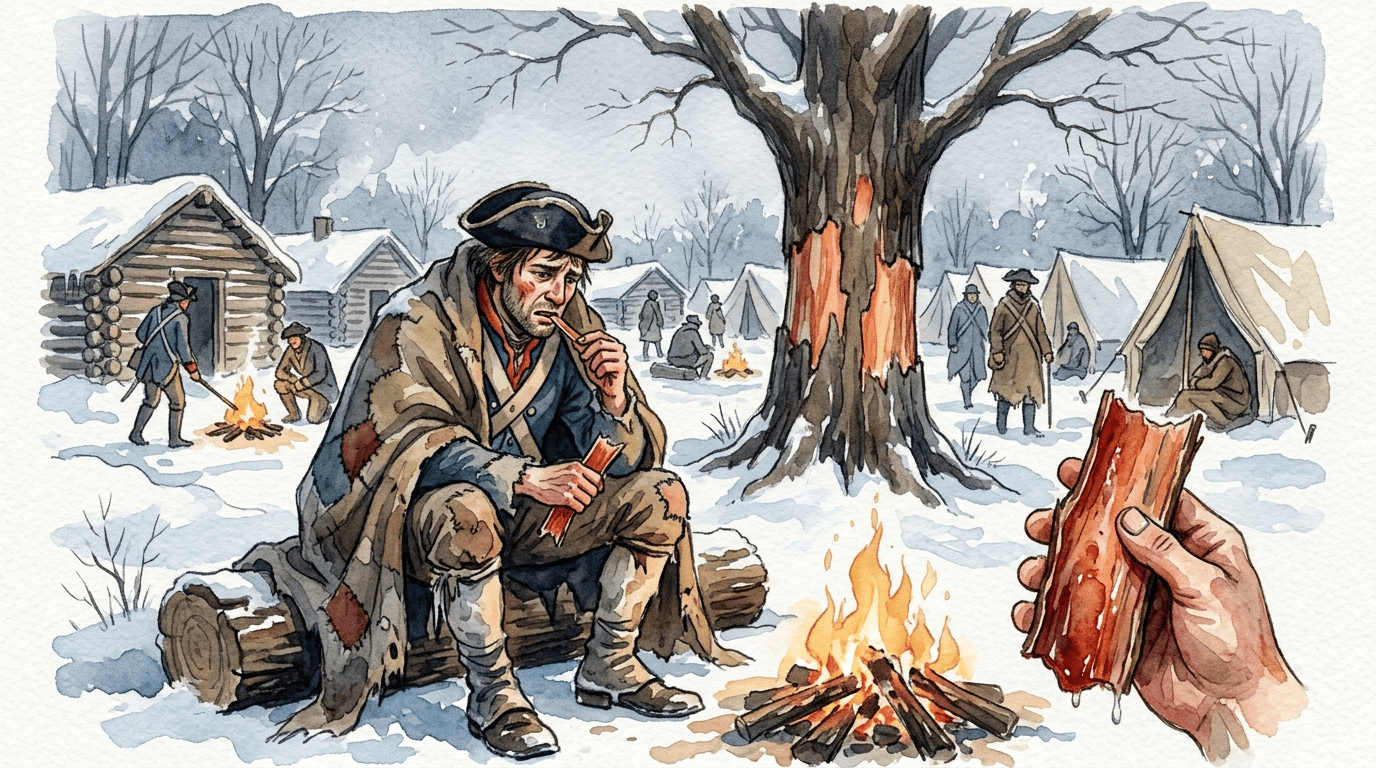
Indigenous peoples across its range including the Cherokee, Iroquois, and Ojibwe used slippery elm bark to treat digestive issues, sore throats, wounds, and for preparing poultices; they taught early European settlers the uses. During the Revolutionary War's harsh winter at Valley Forge 1777-78, American soldiers reportedly chewed slippery elm bark for both sustenance and medicinal effects. The bark remains a widely sold modern herbal supplement.
Like all American elms it suffers from Dutch elm disease and is less often planted ornamentally today. Native Americans used slippery elm bark to soothe sore throats, wounds, and digestive ailments—a use adopted widely by European settlers and still found in throat lozenges today. The inner bark is approved by the FDA as a demulcent.
Symbolism & meaning
What It Symbolizes
Slippery Elm is comfort remembered through texture. Its inner bark, rich in soft mucilage, made the tree part of North American household and Indigenous traditions, while the living elm itself anchors moist woods with broad leaves and sturdy shade. Its symbolism is shelter: tactile, local, and rooted.
- Healing — traditional medicinal bark
- Survival — emergency food in lean times
Where the Name Comes From
'Rubra' means red, for the reddish-brown inner bark; common name refers to the slippery mucilage.
Uses & Fun Facts
- Slippery Elm used in traditional herbal preparations
- Slippery Elm berries and cover sustain songbirds through autumn
- Wood used for fuel, crafts, or rural construction
Related plants
More Ulmus plants
Plants with similar care
 Chinese AbeliaAbelia chinensis
 Fragrant AbeliaAbelia mosanensis
 Large-Flowered AbeliaAbelia uniflora
 Glossy AbeliaAbelia x grandiflora
Frequently asked questions
How often should I water Slippery Elm?
Water about every 7 days during the growing season, and always let excess water drain away.
How much light does Slippery Elm need?
Full sun: 6+ hrs direct. Watch the leaves — scorching or stretching means the light needs adjusting.
Is Slippery Elm toxic to cats or dogs?
No toxicity has been reported for this plant. Still, it is wise to keep pets from chewing on any houseplant. Educational information, not medical or veterinary advice. If exposure is suspected, contact a doctor or veterinarian.
Is Slippery Elm easy to grow?
Yes — it is considered an easy, beginner-friendly plant.
When does Slippery Elm bloom?
It typically blooms Mar–May in the Northern Hemisphere.
YardMate
Identify any plant in seconds
Snap a photo — YardMate names the plant, diagnoses problems, and reminds you when to water.
Download on the App Store