 YardMate

American Elm
Ulmus americana
Medium · Some experienceAbout American Elm
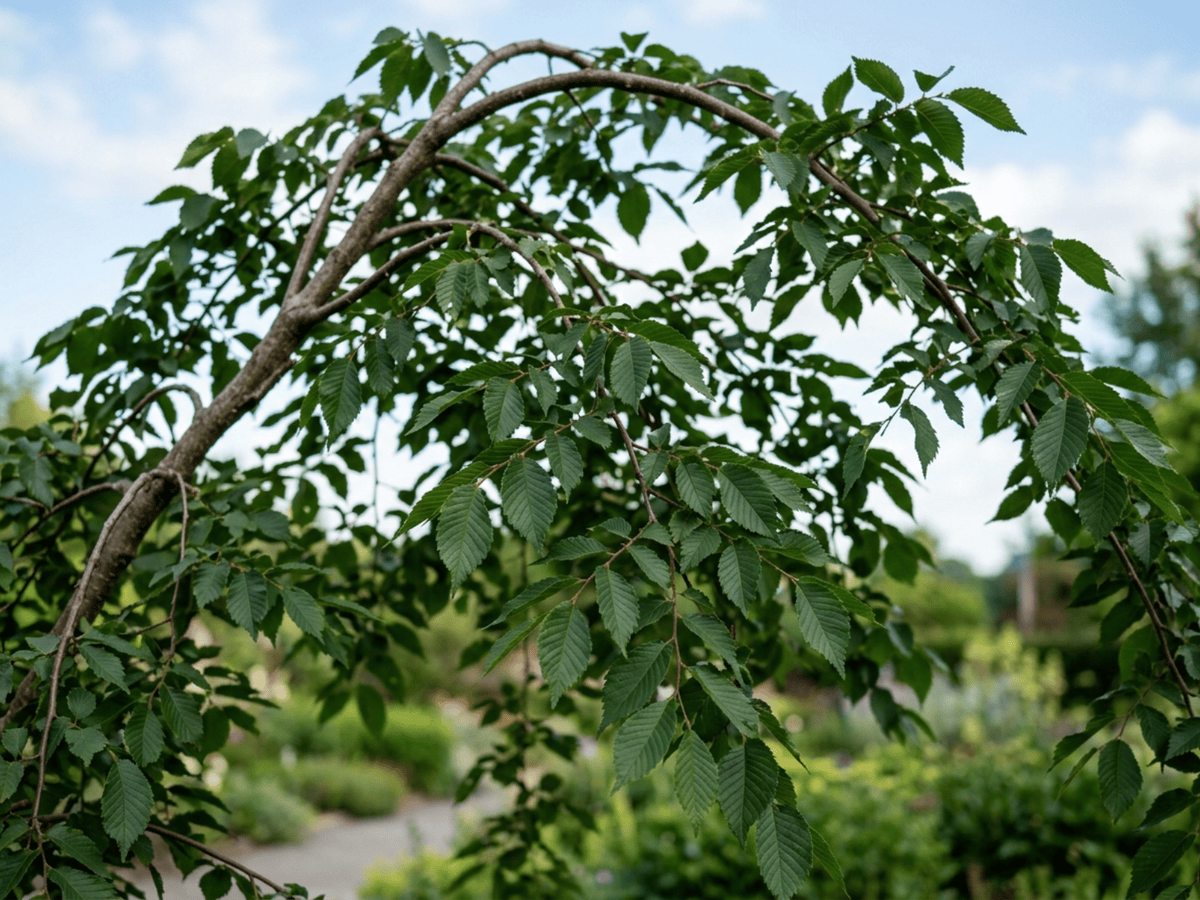
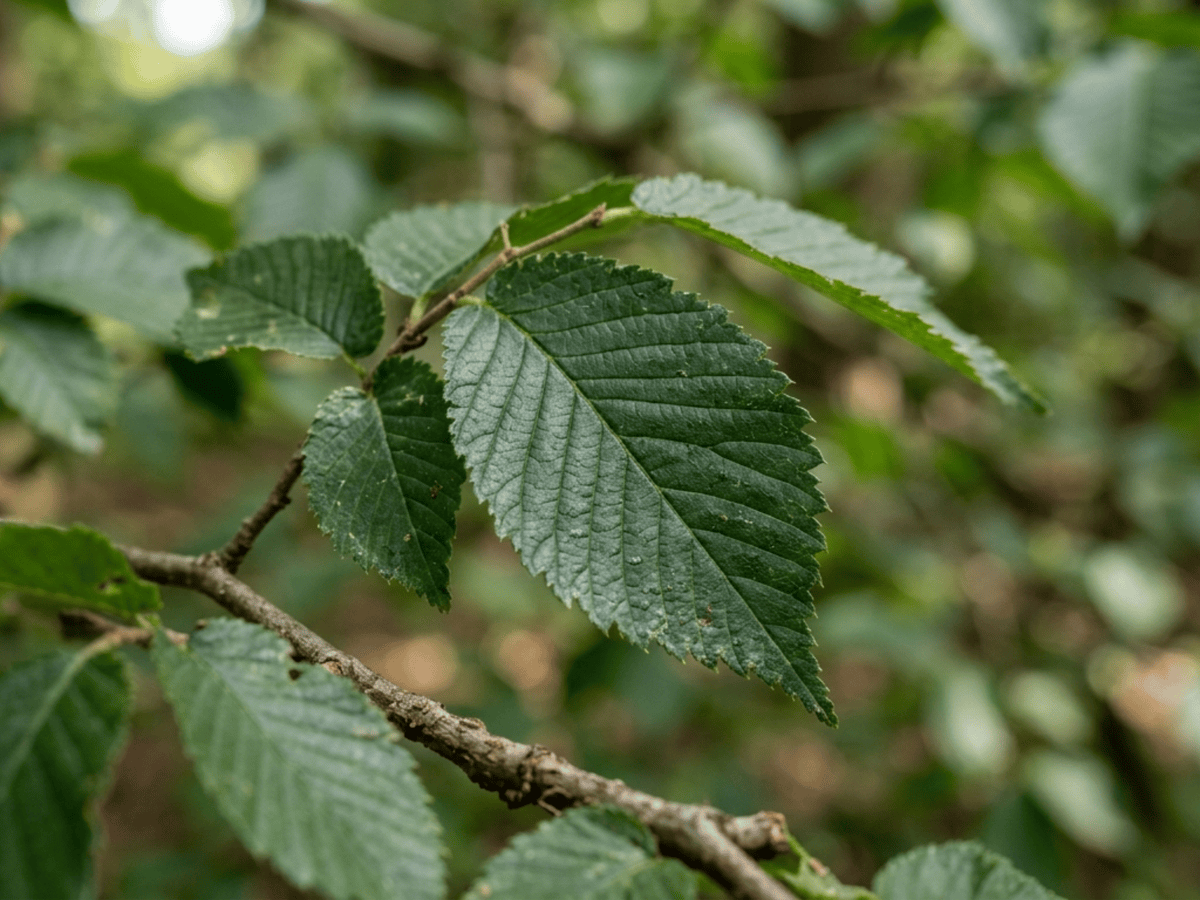
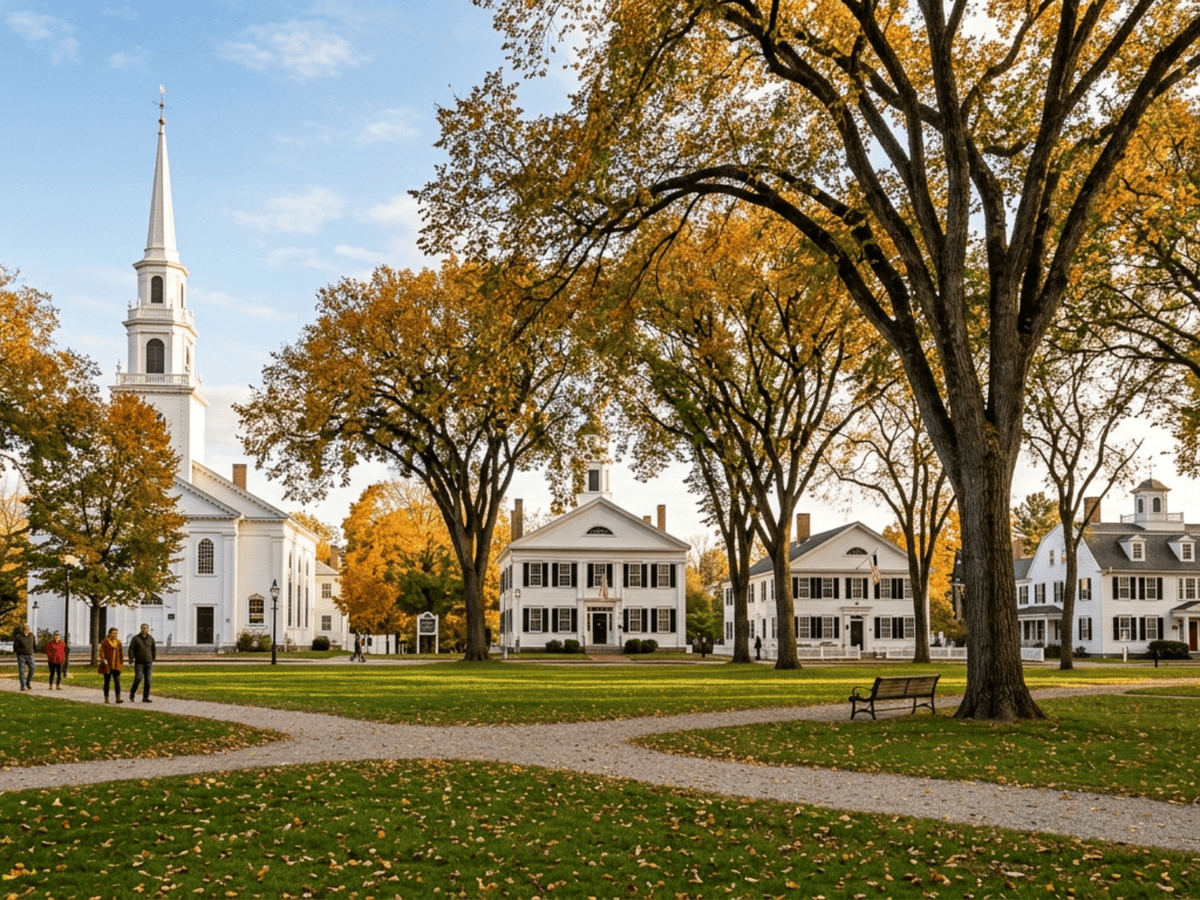
Ulmus americana, the American elm, once defined the streetscapes of towns and cities across eastern North America. Growing 25 to 35 meters tall with a distinctive vase-shaped canopy that arched gracefully over streets to form living cathedral ceilings, it was the most widely planted urban tree in the United States. The species is native to eastern North America from Saskatchewan to Florida and thrives in deep, moist, well-drained soils in full sun to partial shade. Its wood is tough, interlocking, and resistant to splitting, historically used for wheel hubs, barrel staves, and boat keels. The arrival of Dutch elm disease (caused by the fungus Ophiostoma) in the 1930s devastated American elm populations, killing an estimated 100 million trees by the 1980s in one of history's worst ecological disasters. Today, disease-resistant cultivars like 'Princeton' and 'Valley Forge' offer hope for restoration. The American elm remains the state tree of Massachusetts and North Dakota, and the Survivor Tree at the Oklahoma City Memorial is a celebrated American elm.
- Fast-growing
How to care for American Elm
Watering
- Springevery 7 days
- Summerevery 5 days
- Fallevery 10 days
- Winterevery 30 days
Soil · Well-draining
- Top dressingPine bark mulch10%
- Main mixPotting soil + perlite 2:170%
- DrainageLECA / gravel20%
Never skip the drainage layer — standing water is the top cause of root rot.
FERTILIZER
Balanced Feed 14-14-14
An even feed covers all three needs at once, keeping leaves, roots and blooms moving together with nothing pushed out of balance.
- Nitrogen · Leaves
- Phosphorus · Roots + Blooms
- Potassium · Strength
- Springevery 60 days
At a Glance
- NativeNorth America
- Height60–100 ft (18.3–30.5 m)
- Spread40–70 ft (12.2–21.3 m)
- Flower colorGreen
- Foliage colorGreen, Yellow
- SoilLoamy, Moisture-retentive
- LocationsYard
Bloom time
BLOOM CYCLE
Peak bloom
Mar–Apr
Tiny reddish-green flowers appear in early spring before leaves; inconspicuous but important for early pollinators
Fragrance
NO FRAGRANCE
No notable fragrance.
Toxicity
Humans Safe · Pets Safe
None reported
Safe
EXPOSURE No exposure route is reported.
EFFECT No significant toxicity and inner bark (slippery elm, from U. rubra) used as mucilaginous herbal medicine.
NOTE Listed as non-toxic for humans; avoid eating ornamental plants unless confirmed edible.
Safe
EXPOSURE No exposure route is reported.
EFFECT Not listed as toxic.
NOTE Listed as non-toxic for dogs; avoid eating ornamental plants unless confirmed edible.
Safe
EXPOSURE No exposure route is reported.
EFFECT Not listed as toxic.
NOTE Listed as non-toxic for cats; avoid eating ornamental plants unless confirmed edible.
Educational information, not medical or veterinary advice. If exposure is suspected, contact a doctor or veterinarian.
DISTRIBUTION


- Native
- Introduced
- North America
History
Ulmus americana is native to eastern North America. Its distinctive vase-shaped silhouette — with multiple trunks fanning outward and upward, then arching back to form an interlocking canopy — made it the defining shade tree of early 20th-century American streets. Countless Main Streets, college quads, and city parks were planted with rows of American elms whose interlocking crowns formed cathedral-like tunnels of green.
Dutch elm disease (caused by the fungi Ophiostoma ulmi and O. novo-ulmi, spread by elm bark beetles) arrived in the US in 1928 in imported European elm logs for furniture veneer. By the 1960s-1980s it had killed approximately 75% of mature American elms — an estimated 77 million trees — devastating American urban landscapes. Legacy survivors in protected cities (Manhattan's Central Park, Washington DC's National Mall) receive preventive fungicide injections.
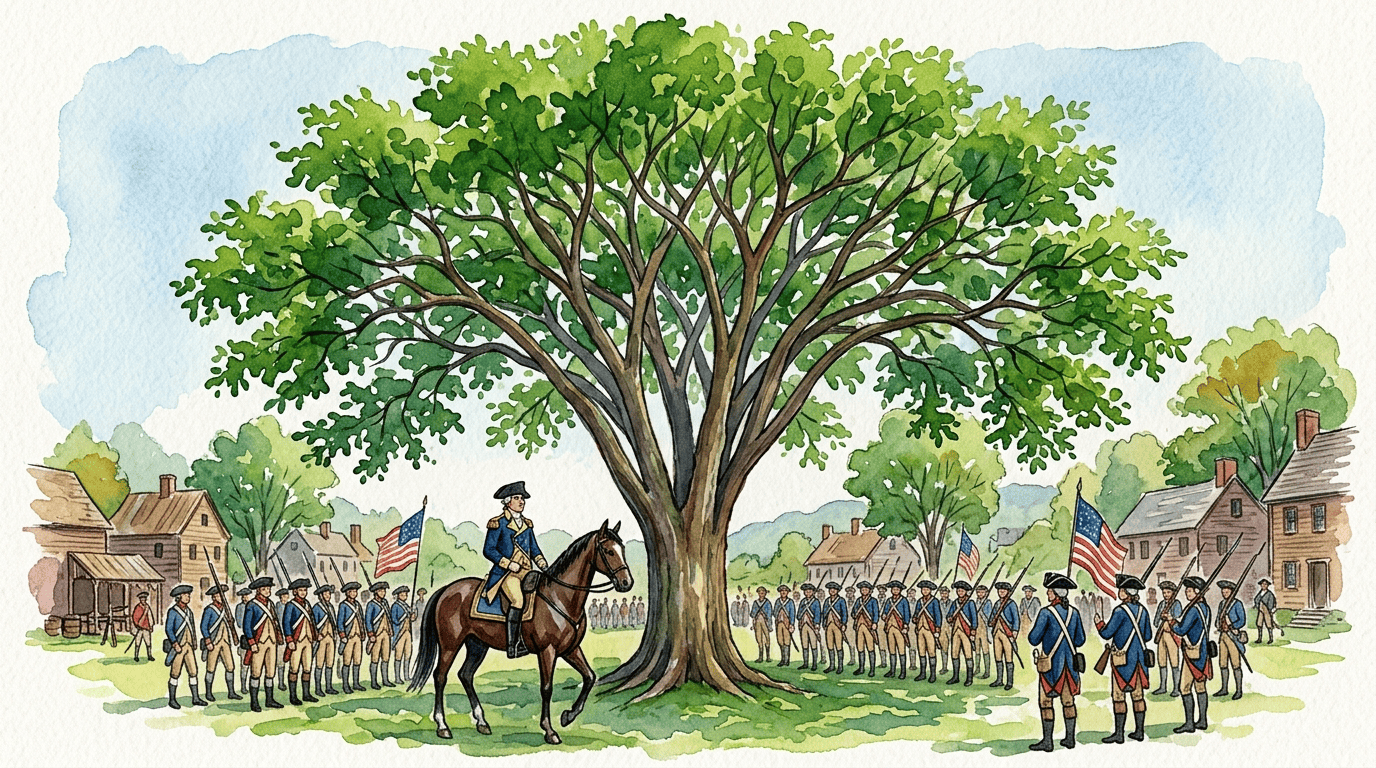
Contemporary resistance breeding has produced cultivars including "Princeton," "Valley Forge," "New Harmony," and "Prairie Expedition" that show resistance; slow reintroduction of American elms to street planting continues. The loss of the mature elm canopy is among the largest single tree-disease events in US history. George Washington took command of the Continental Army beneath the Washington Elm in Cambridge, Massachusetts in 1775. By 1930, an estimated 77 million American elms lined streets across the nation.
Symbolism & meaning
What It Symbolizes
The American Elm can symbolize dignity, its stately vase-shaped silhouette once lining American streets and embodying civic pride and the apparent permanence of small towns. Another layer is resilience, for the surviving specimens and modern disease-resistant cultivars represent hope after the devastating loss of Dutch elm disease across the twentieth century. To plant ulmus americana today is to take part in a slow national project of return, a tree whose symbolism now includes both grief and the deliberate choice to begin again.
- Dignity — The stately vase-shaped form lining American streets symbolized civic pride and permanence
- Resilience — Surviving specimens and disease-resistant cultivars represent hope after devastating loss
Where the Name Comes From
Ulmus is the classical Latin name for elm. Americana indicates its North American origin, distinguishing it from European elm species.
Uses & Fun Facts
- American elm forms classic vase-shaped street canopy
- Iconic North American shade tree for large lawns
Related plants
More Ulmus plants
Plants with similar care
 Mexican AbeliaAbelia floribunda
 Fraser FirAbies fraseri
 Paperbark MapleAcer griseum
 Sugar MapleAcer saccharum
Frequently asked questions
How often should I water American Elm?
In summer, water about every 5 days; in winter, about every 30 days. Adjust for heat, pot size and drainage.
How much light does American Elm need?
Full sun: 6+ hrs direct. Watch the leaves — scorching or stretching means the light needs adjusting.
Is American Elm toxic to cats or dogs?
Pets Safe (Dogs Safe · Cats Safe) Educational information, not medical or veterinary advice. If exposure is suspected, contact a doctor or veterinarian.
Is American Elm easy to grow?
It is moderately demanding: a good choice once you have a little experience.
When does American Elm bloom?
It typically blooms Mar–Apr in the Northern Hemisphere.
YardMate
Identify any plant in seconds
Snap a photo — YardMate names the plant, diagnoses problems, and reminds you when to water.
Download on the App Store