 YardMate

Chinese Elm
Ulmus parvifolia
Easy · Beginner friendlyAbout Chinese Elm
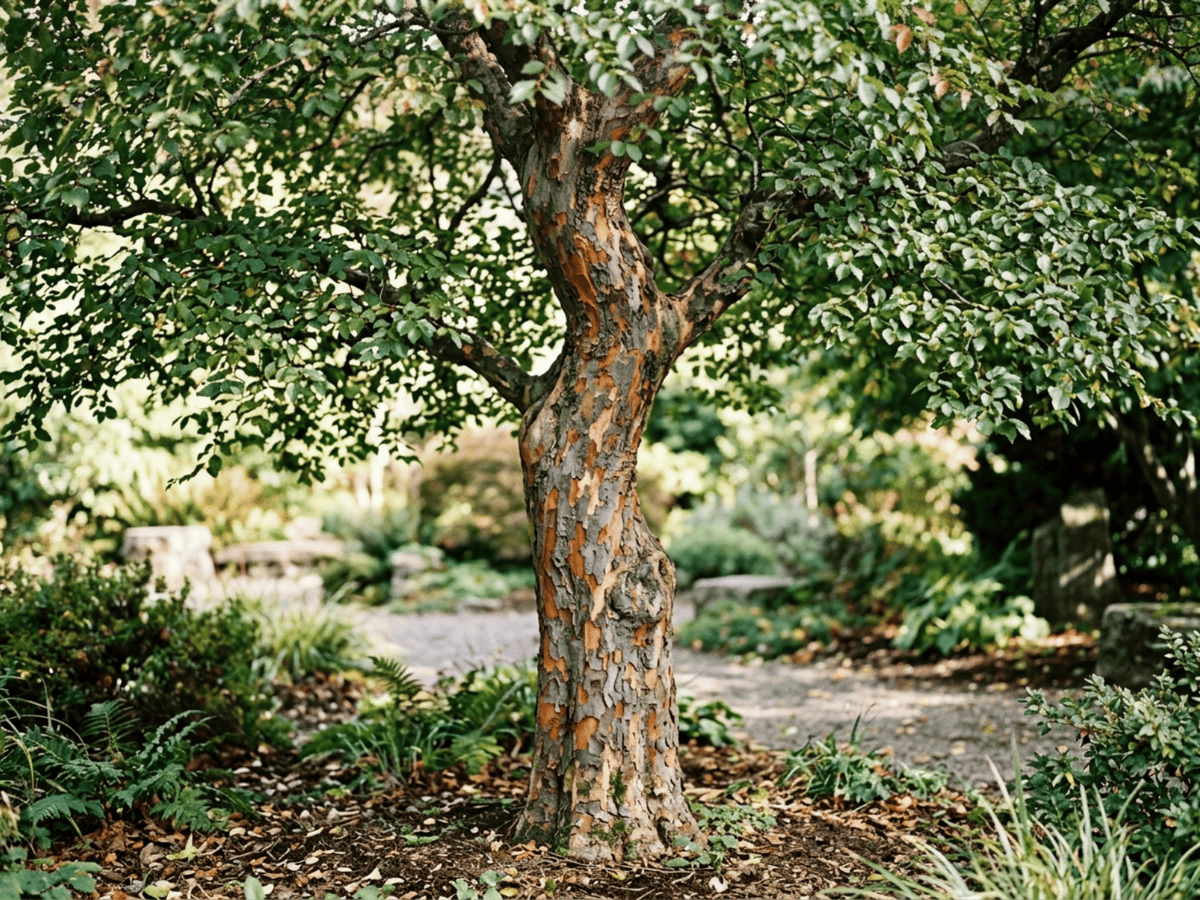
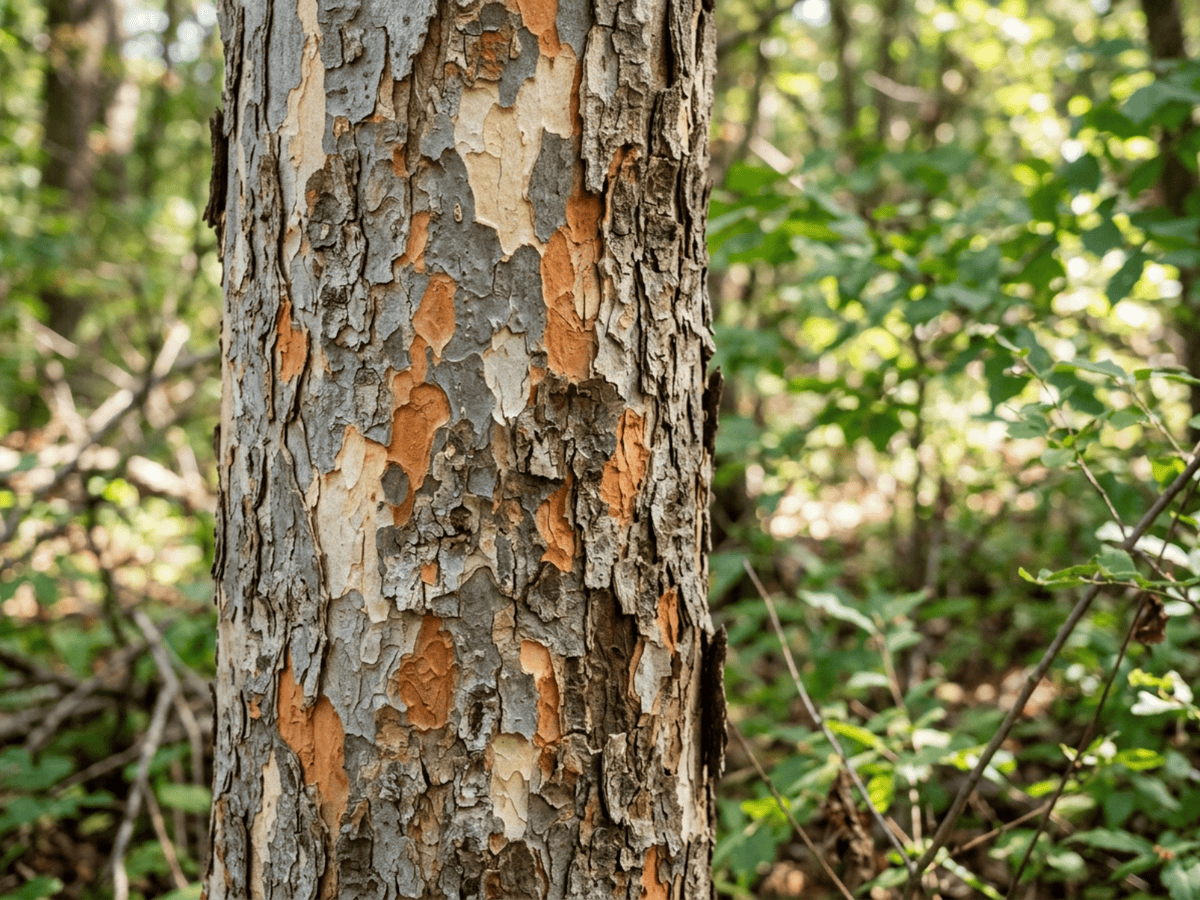
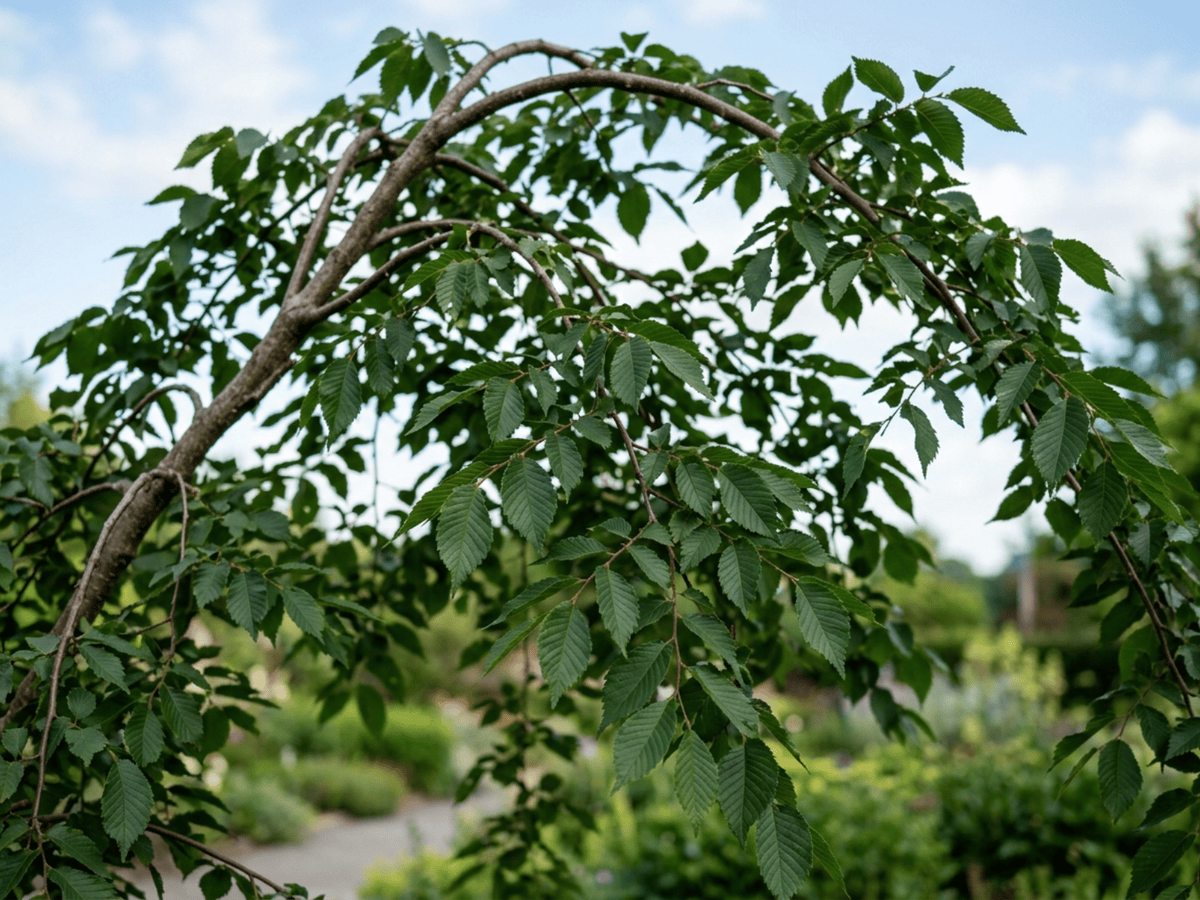
Chinese Elm is a graceful medium deciduous tree native to China, Korea, and Japan, reaching 40-50 feet. Prized for its distinctive mottled exfoliating bark in cream, orange, gray, and brown patches reminiscent of sycamore or crape myrtle. Small glossy leaves and arching vase shape create elegant filtered shade. Dutch elm disease resistant, it has become a widely planted shade and street tree across the US as a safer alternative to the American elm.
- Disease-resistant
How to care for Chinese Elm
Watering
- Springevery 7 days
- Summerevery 5 days
- Fallevery 10 days
- Winterpause watering
Soil · Well-draining
- Top dressingPine bark mulch10%
- Main mixPotting soil + perlite 2:170%
- DrainageLECA / gravel20%
Never skip the drainage layer — standing water is the top cause of root rot.
FERTILIZER
Balanced Feed 14-14-14
An even feed covers all three needs at once, keeping leaves, roots and blooms moving together with nothing pushed out of balance.
- Nitrogen · Leaves
- Phosphorus · Roots + Blooms
- Potassium · Strength
- Springevery 60 days
- Summerevery 60 days
At a Glance
- NativeEast Asia
- Height40–50 ft (12.2–15.2 m)
- Spread25–40 ft (7.6–12.2 m)
- Flower colorGreen
- Foliage colorGreen, Yellow
- Fruit colorGreen, Brown
- SoilLoamy, Well-drained
- LocationsYard
Bloom time
BLOOM CYCLE
Peak bloom
Jun–Sep
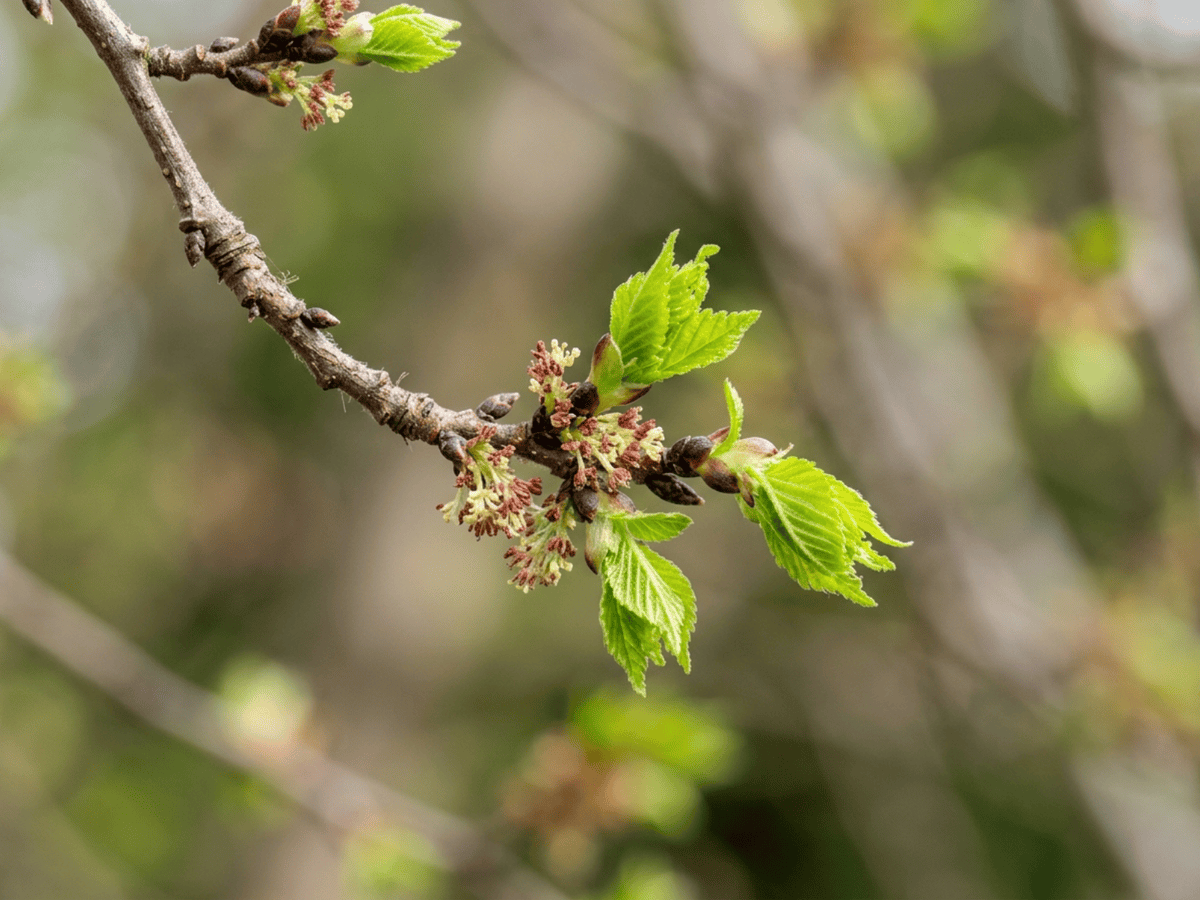
Inconspicuous flowers in late summer
Toxicity
No toxicity has been reported for this plant. Still, it is wise to keep pets from chewing on any houseplant.
Educational information, not medical or veterinary advice. If exposure is suspected, contact a doctor or veterinarian.
DISTRIBUTION

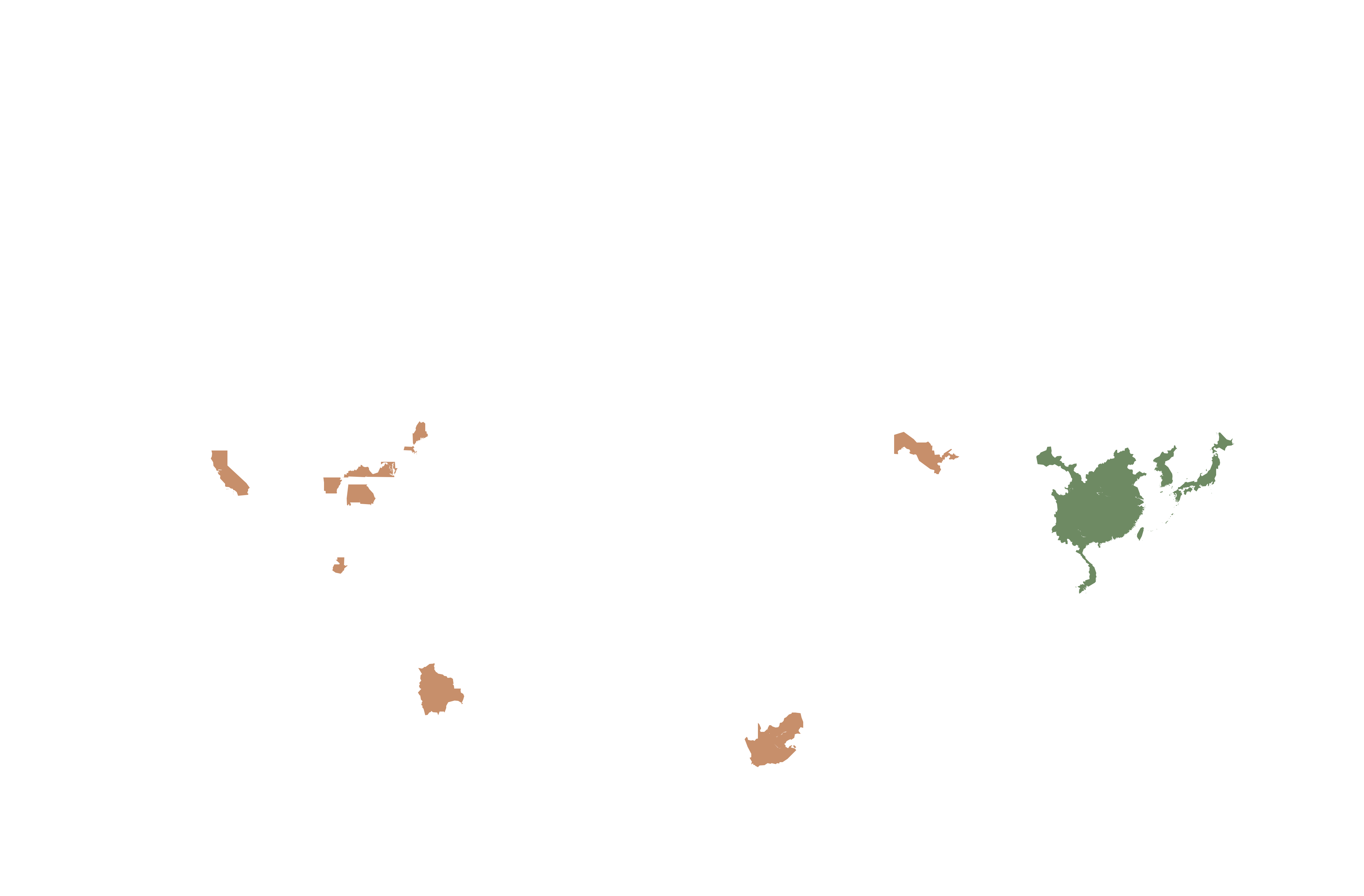
- Native
- Introduced
- East Asia
History
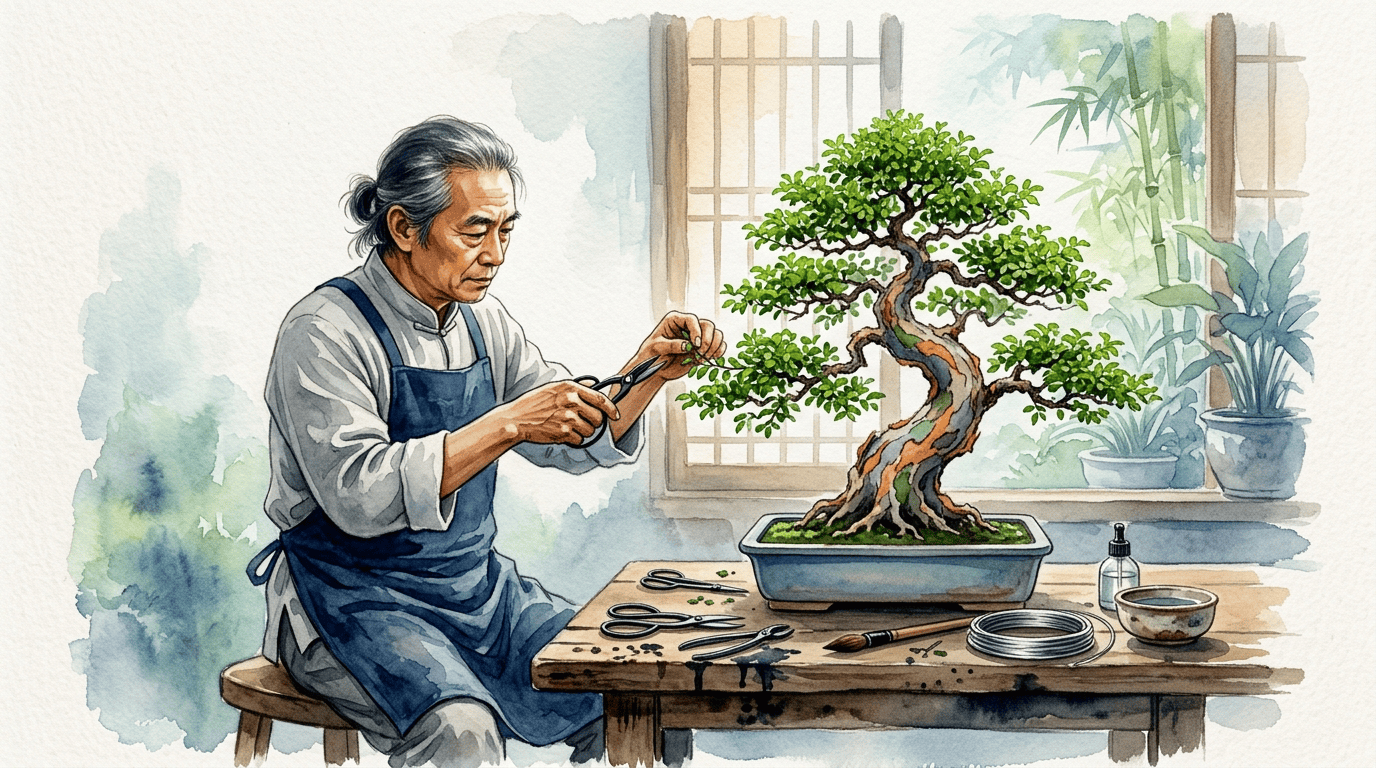
Ulmus parvifolia grows wild across China, Korea, Taiwan, Vietnam, and Japan. Austrian botanist Nikolaus Joseph von Jacquin formally described it in 1798 from specimens in European cultivation. Traditional Chinese medicine and art have used the species for centuries including as a bonsai subject—its small leaves and tolerance of heavy pruning suit it particularly well.
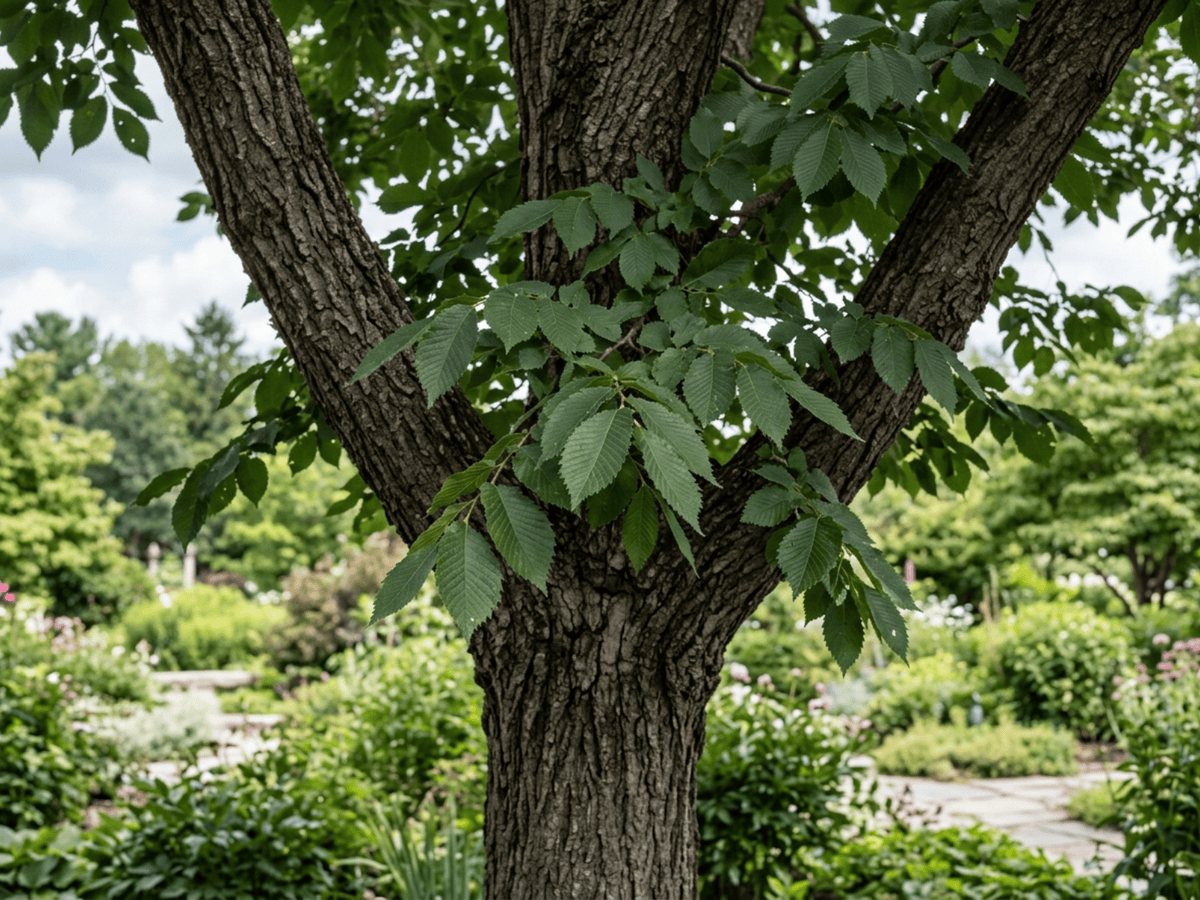
The common name lacebark elm refers to the distinctive exfoliating mottled bark that peels in irregular patches revealing gray, orange, green, and brown underbark layers—one of the most beautiful barks in the Ulmus genus. Following the Dutch elm disease pandemic that devastated European and American elm populations from the 1930s onward, Chinese elm's near-complete disease resistance made it increasingly important in urban landscapes. Cultivars 'Allee' (Emer II) and 'Bosque' offer upright vase-shaped forms reminiscent of classic American elms, and 'Dynasty' is smaller.
It blooms in autumn, unusual for elms. Widely used as a classic bonsai subject in Chinese and Japanese traditions due to its small leaves and attractive bark. Championed in the US by the National Arboretum as a replacement for disease-stricken American elms. The cultivar 'Allée' was introduced with a classic vase shape reminiscent of American elms.
Symbolism & meaning
What It Symbolizes
Chinese elm is resilience after loss — introduced widely after Dutch elm disease devastated the American elms, it carries the silhouette of those vanished giants with disease resistance built in. Its elegance is unmistakable: mottled, patchwork bark in cream, gray, and orange, paired with fine-textured foliage. A graceful replacement that does not pretend to be the elm we lost, but offers something deeply consoling in its place.
- Resilience — disease-resistant elm replacement
- Elegance — mottled bark and fine texture
Where the Name Comes From
The name Chinese Elm points to China. 'Ulmus' is Latin for elm; 'parvifolia' means small-leaved.
Uses & Fun Facts
- Spreading rounded canopy makes a fine urban shade tree
- Mottled jigsaw-puzzle bark and small leaves on graceful branches
- Classic bonsai subject and small lawn focal point tree
Related plants
More Ulmus plants
Plants with similar care
 Chinese AbeliaAbelia chinensis
 Fragrant AbeliaAbelia mosanensis
 Large-Flowered AbeliaAbelia uniflora
 Glossy AbeliaAbelia x grandiflora
Frequently asked questions
How often should I water Chinese Elm?
Water about every 7 days during the growing season, and always let excess water drain away.
How much light does Chinese Elm need?
Full sun: 6+ hrs direct. Watch the leaves — scorching or stretching means the light needs adjusting.
Is Chinese Elm toxic to cats or dogs?
No toxicity has been reported for this plant. Still, it is wise to keep pets from chewing on any houseplant. Educational information, not medical or veterinary advice. If exposure is suspected, contact a doctor or veterinarian.
Is Chinese Elm easy to grow?
Yes — it is considered an easy, beginner-friendly plant.
When does Chinese Elm bloom?
It typically blooms Jun–Sep in the Northern Hemisphere.
YardMate
Identify any plant in seconds
Snap a photo — YardMate names the plant, diagnoses problems, and reminds you when to water.
Download on the App Store