 YardMate

Rose Vervain
Verbena canadensis
Easy · Beginner friendlyAbout Rose Vervain
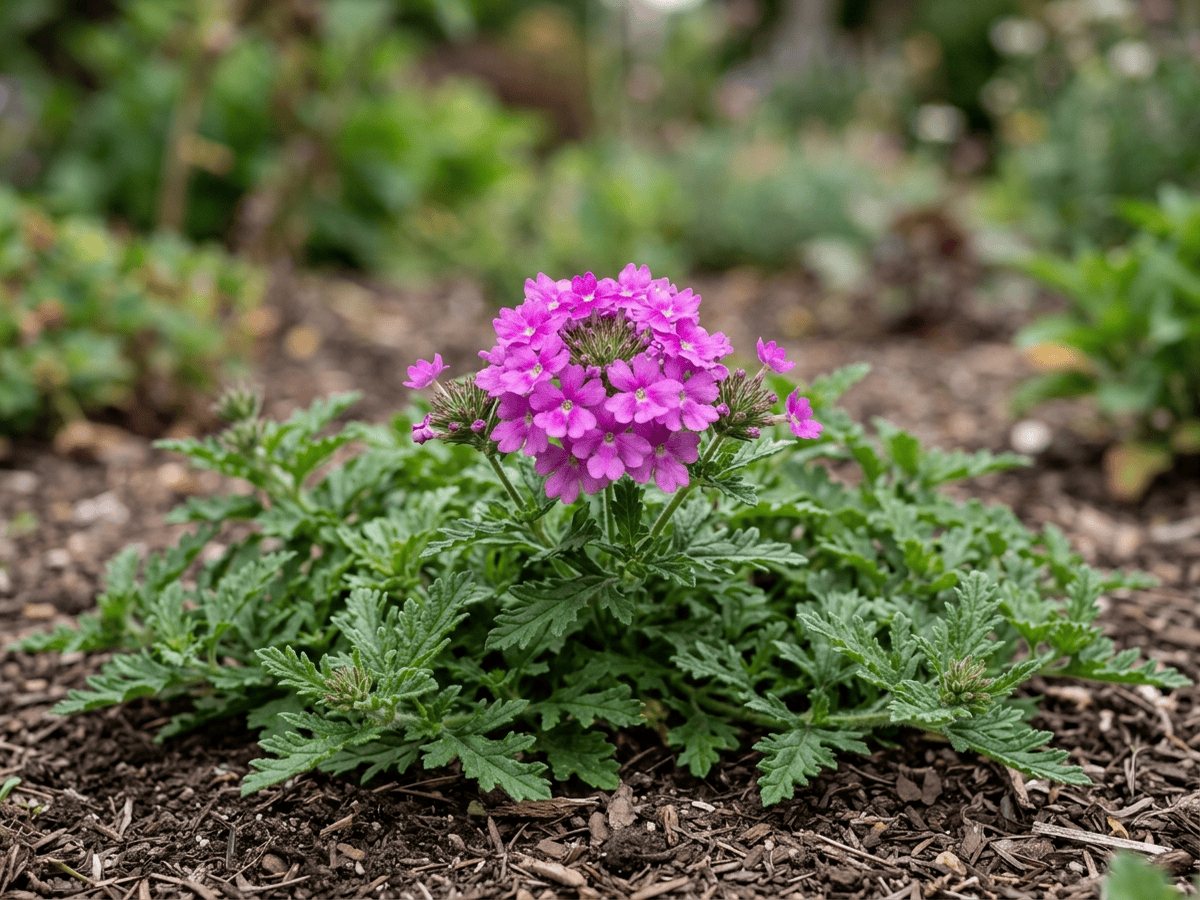
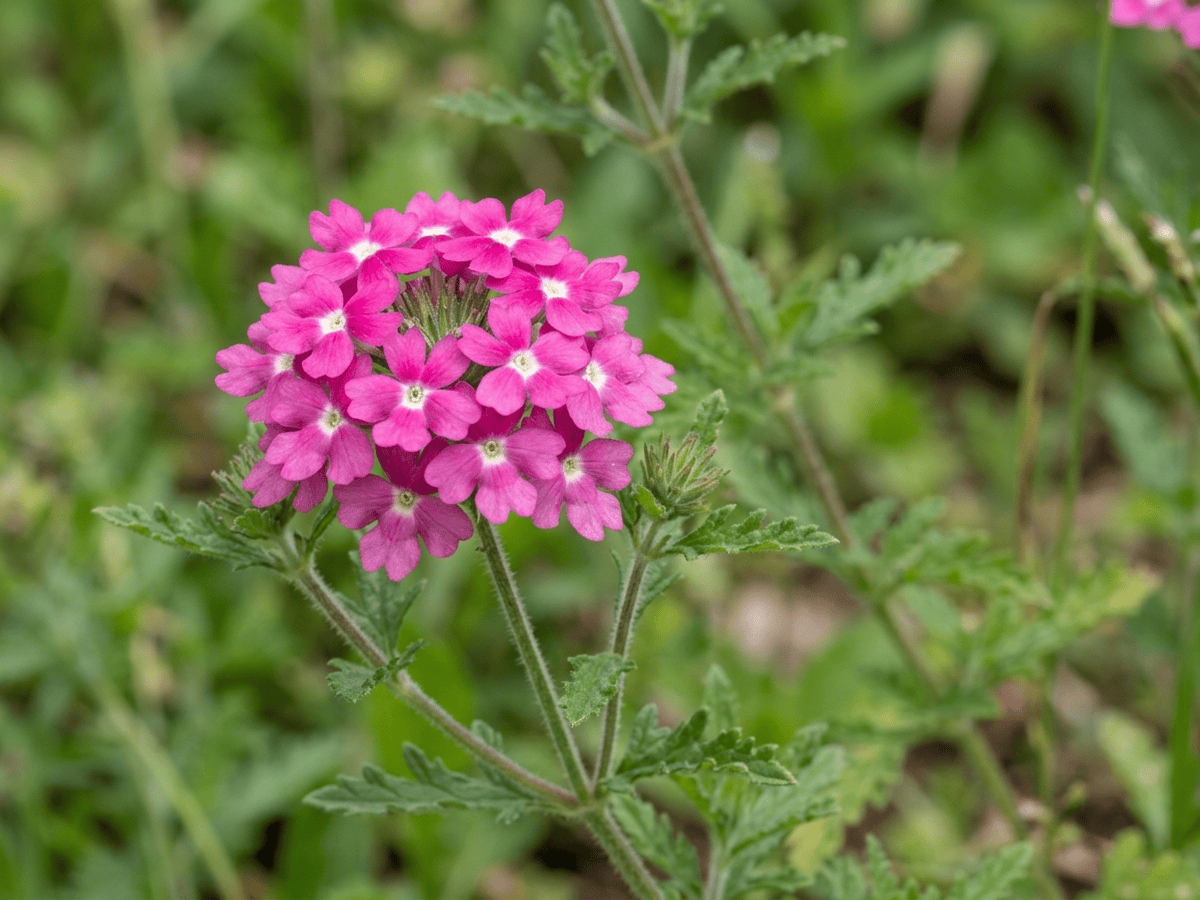
Rose Verbena, also called Rose Vervain, is a sprawling perennial wildflower native to the eastern and central United States from the Mid-Atlantic south through Texas. Growing only 6 to 12 inches tall and spreading 2 to 3 feet, it produces continuous flushes of fragrant rose-pink to lavender flower clusters from spring through fall. A tough native groundcover that attracts butterflies in droves and tolerates heat, drought, and poor soils with grace.
- Drought-tolerant
- Groundcover
- Long-blooming
- Native
How to care for Rose Vervain
Watering
- Springevery 7 days
- Summerevery 5 days
- Fallevery 10 days
- Winterevery 21 days
Soil · Well-draining
- Top dressingPine bark mulch10%
- Main mixPotting soil + perlite 2:170%
- DrainageLECA / gravel20%
Never skip the drainage layer — standing water is the top cause of root rot.
FERTILIZER
- Springevery 30 days
- Summerevery 45 days
At a Glance
- NativeNorth America
- Height0.5–1.5 ft (0.2–0.5 m)
- Spread1.5–3 ft (0.5–0.9 m)
- Flower colorPink, Purple
- Foliage colorGreen
- SoilSandy, Well-drained
- LocationsYard · Balcony
Bloom time
BLOOM CYCLE
Peak bloom
Mar–Nov
Rose-pink to lavender flower clusters spring through fall
Fragrance
LIGHT FRAGRANCE
Flowers have a light, subtle scent.
Toxicity
No toxicity has been reported for this plant. Still, it is wise to keep pets from chewing on any houseplant.
Educational information, not medical or veterinary advice. If exposure is suspected, contact a doctor or veterinarian.
DISTRIBUTION


- Native
- Introduced
- North America
History
Verbena canadensis, commonly called rose verbena, clump verbena, or rose vervain, is a sprawling herbaceous perennial native to the southeastern and central United States from Virginia south to Florida and west to Colorado and into northern Mexico. Modern treatments place it in the genus Glandularia as Glandularia canadensis, reflecting recent taxonomic revision. The plant produces dense rounded clusters of small fragrant rose to lavender-pink tubular flowers from spring through fall above mats of deeply cut green foliage.
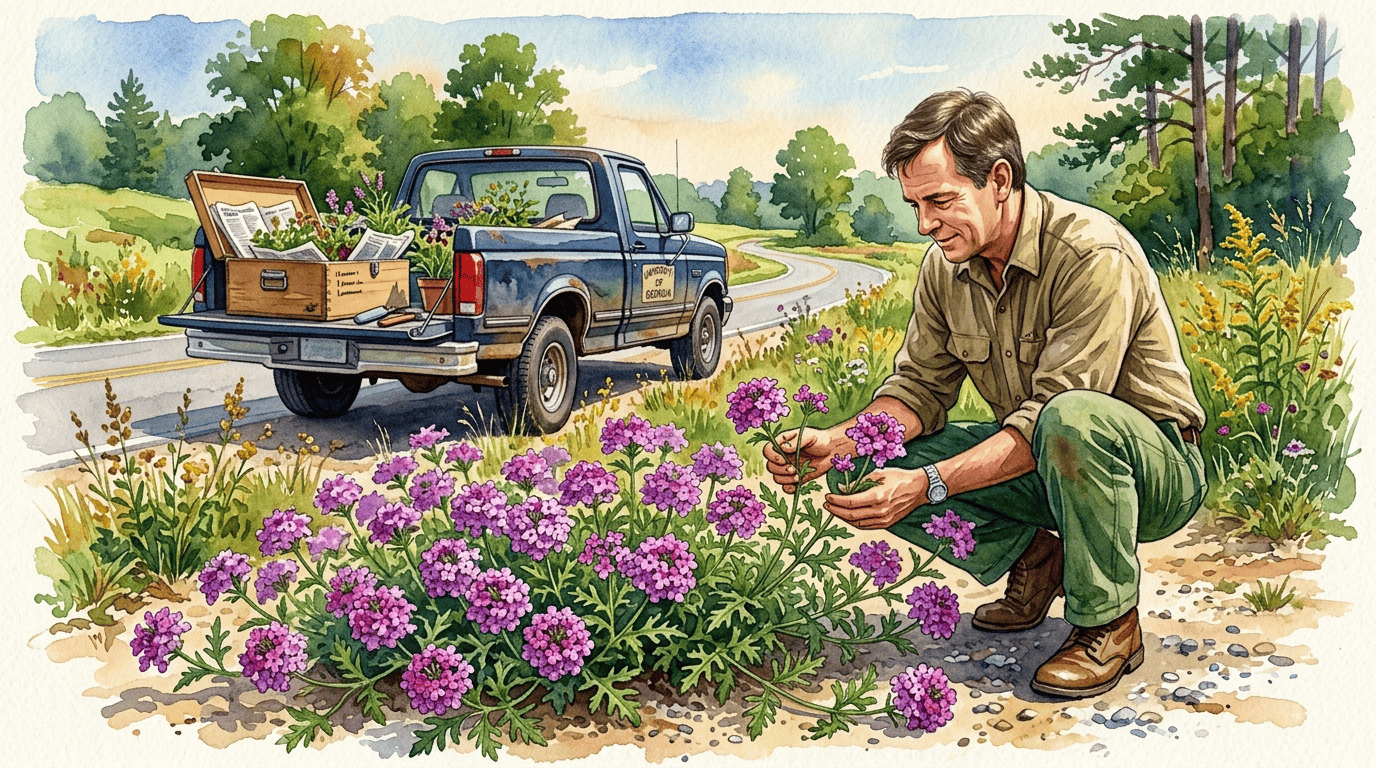
Colonial American gardeners welcomed it from native habitats, and by the 19th century improved selections circulated widely. Modern cultivars including Homestead Purple, selected by Allan Armitage of University of Georgia in 1992 from a Georgia roadside, remain top-selling hardy verbenas in southern and central US landscapes.
Symbolism & meaning
What It Symbolizes
Rose Vervain carries devotion, blooming continuously through a long growing season with a quiet, dependable affection for the garden. Paired with its role as butterfly host, it is a preferred nectar of swallowtails and skippers, feeding wings throughout the summer. It is a native verbena whose meaning is steadfastness in two directions — toward the gardener, and toward the pollinators that depend on it.
- Devotion — blooms continuously through long growing season
- Butterfly host — preferred nectar of swallowtails and skippers
Where the Name Comes From
The name Rose Vervain describes its rose-like blooms. 'Verbena' is the ancient Latin name for sacred herbs used in religious rites; 'canadensis' refers to early collections from northern range.
Uses & Fun Facts
- Lavender-pink umbels feed butterflies and skippers all summer
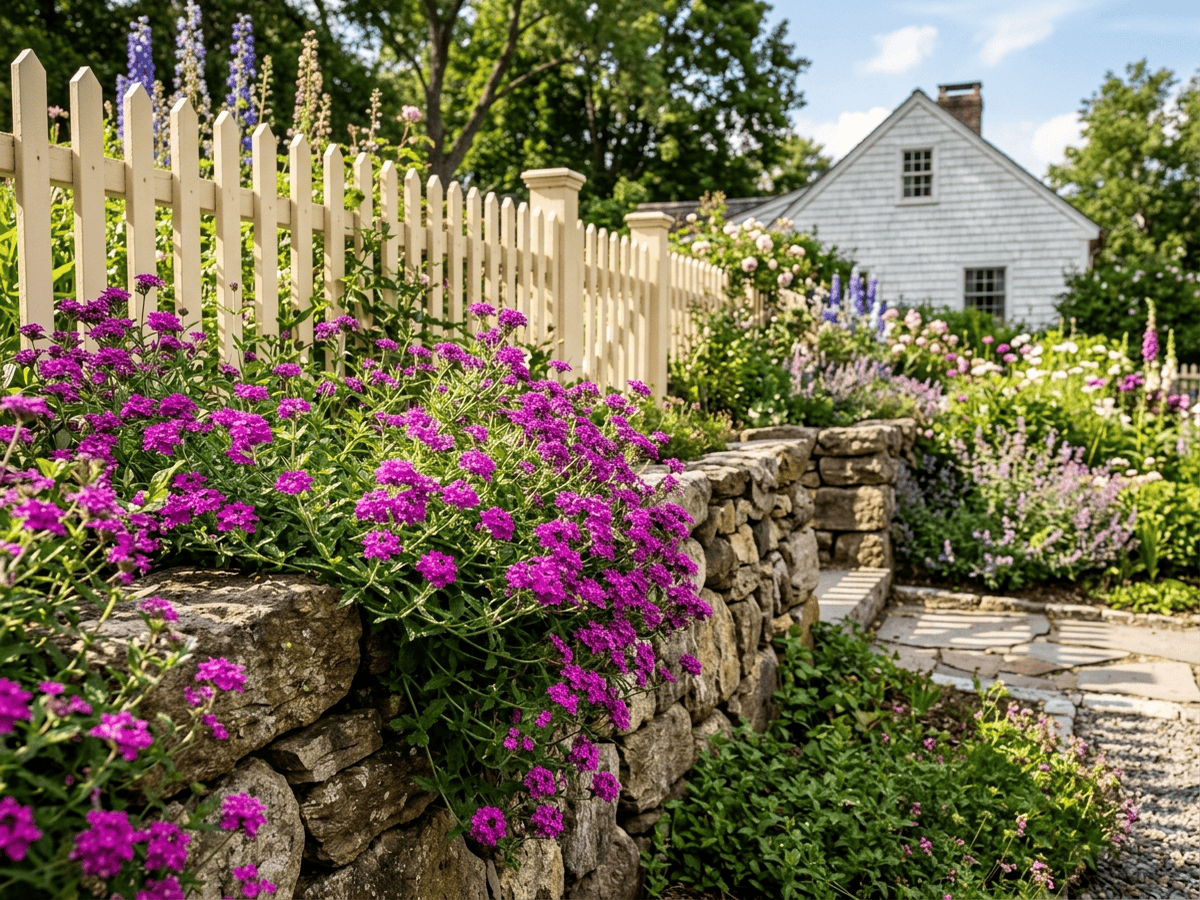
- Trailing stems carpet sunny edges and low retaining walls
- Cascading rose-verbena spills beautifully from sunny patio pots
- Small fragrant umbels charming filler in summer arrangements
Related plants
More Verbena plants
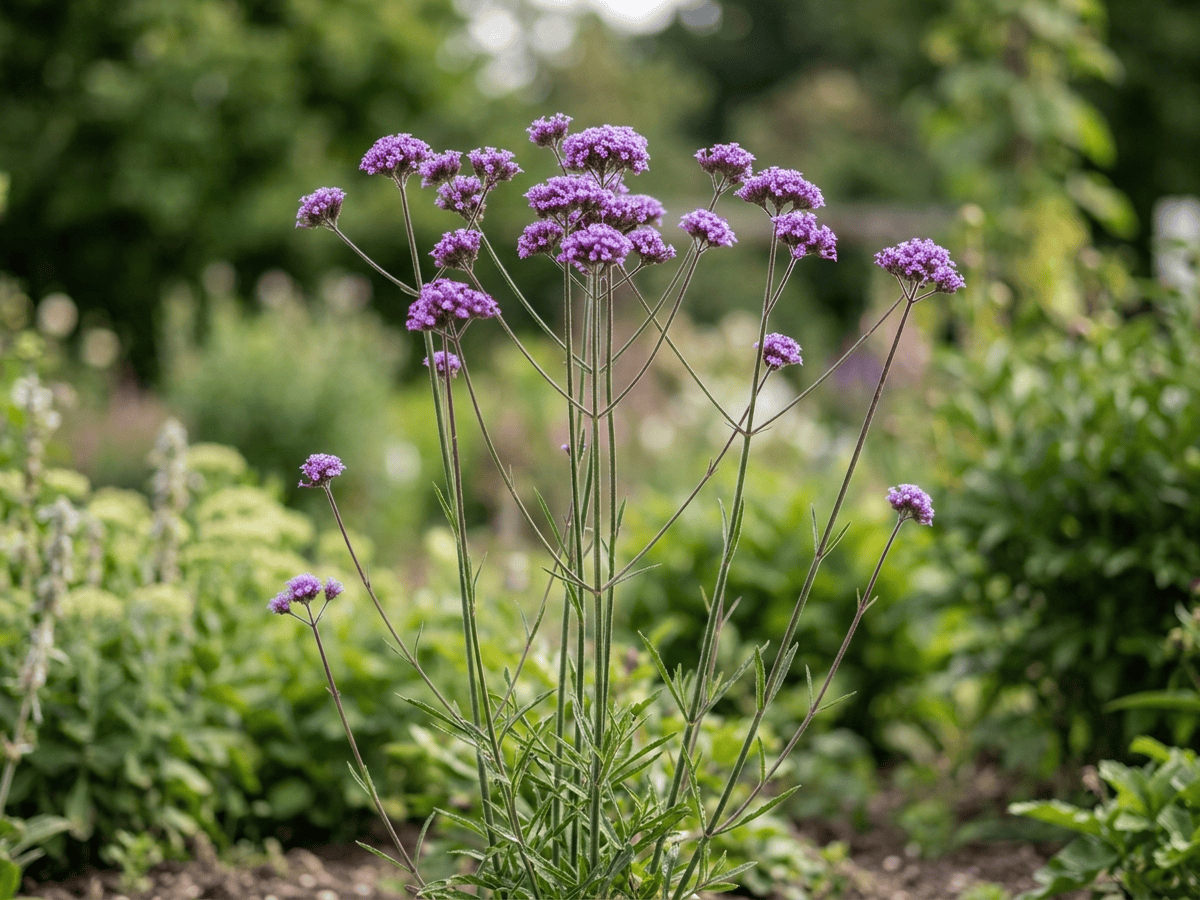 Purpletop VervainVerbena bonariensis
 Common VervainVerbena officinalis
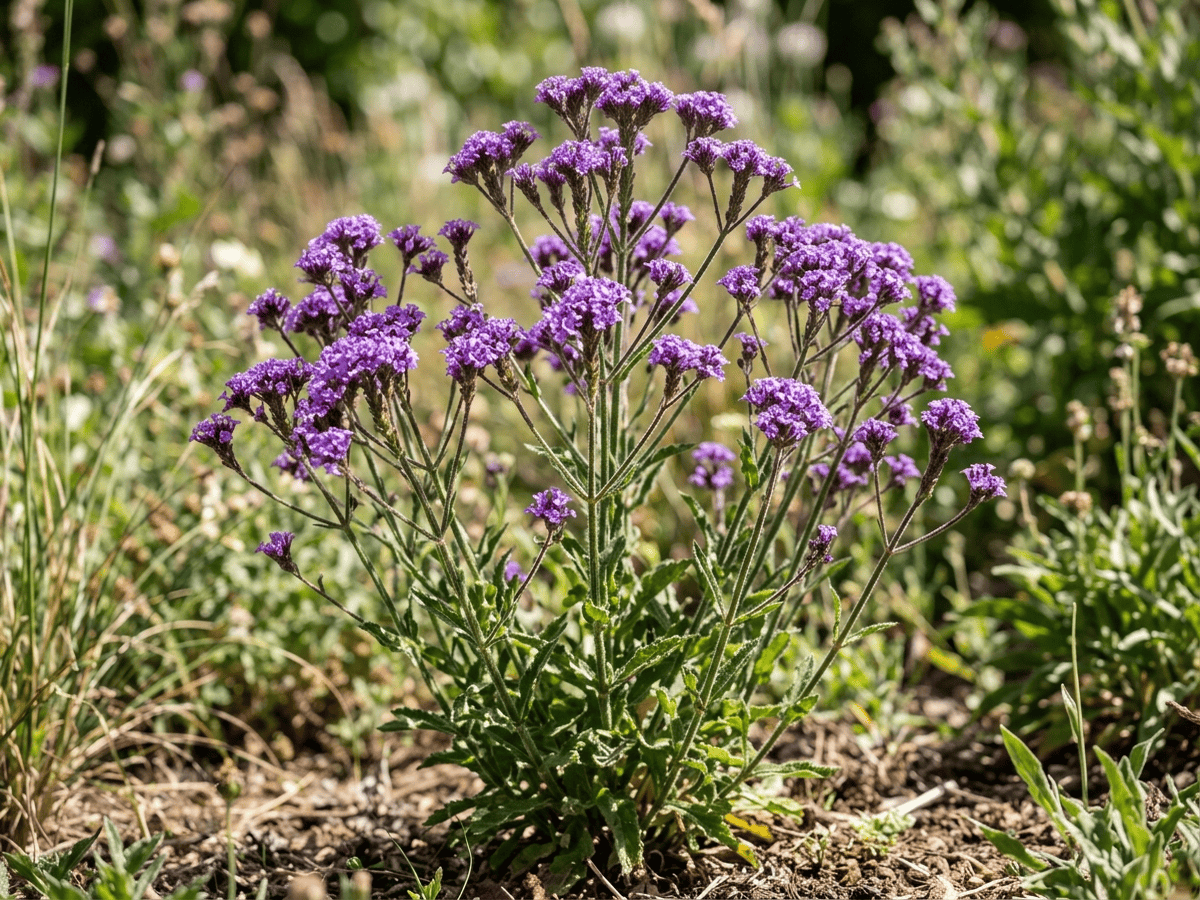 Slender VervainVerbena rigida
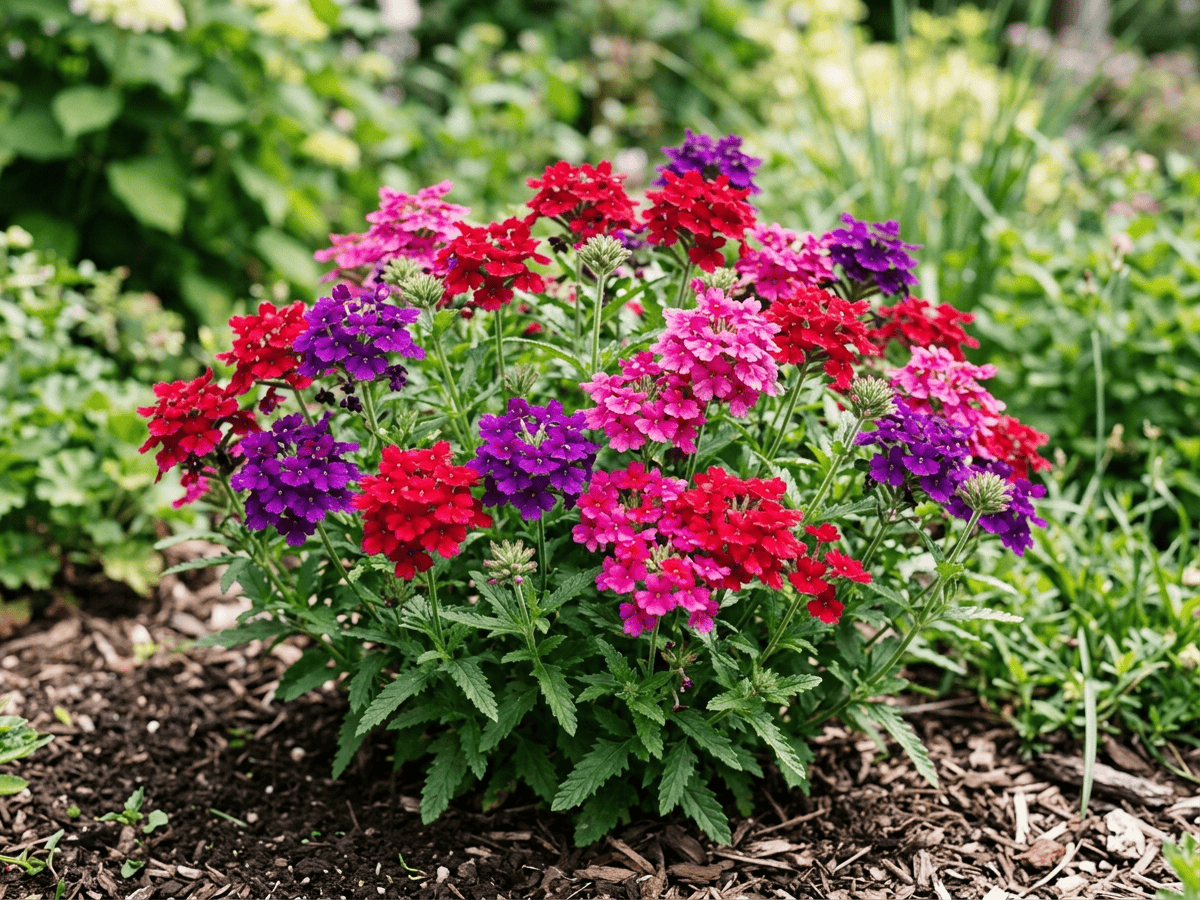 Garden VerbenaVerbena x hybrida
Plants with similar care
 Chinese AbeliaAbelia chinensis
 Fragrant AbeliaAbelia mosanensis
 Large-Flowered AbeliaAbelia uniflora
 Glossy AbeliaAbelia x grandiflora
Frequently asked questions
How often should I water Rose Vervain?
In summer, water about every 5 days; in winter, about every 21 days. Adjust for heat, pot size and drainage.
How much light does Rose Vervain need?
Full sun: 6+ hrs direct. Watch the leaves — scorching or stretching means the light needs adjusting.
Is Rose Vervain toxic to cats or dogs?
No toxicity has been reported for this plant. Still, it is wise to keep pets from chewing on any houseplant. Educational information, not medical or veterinary advice. If exposure is suspected, contact a doctor or veterinarian.
Is Rose Vervain easy to grow?
Yes — it is considered an easy, beginner-friendly plant.
When does Rose Vervain bloom?
It typically blooms Mar–Nov in the Northern Hemisphere.
YardMate
Identify any plant in seconds
Snap a photo — YardMate names the plant, diagnoses problems, and reminds you when to water.
Download on the App Store