 YardMate

Garden Verbena
Verbena x hybrida
Easy · Beginner friendlyAbout Garden Verbena
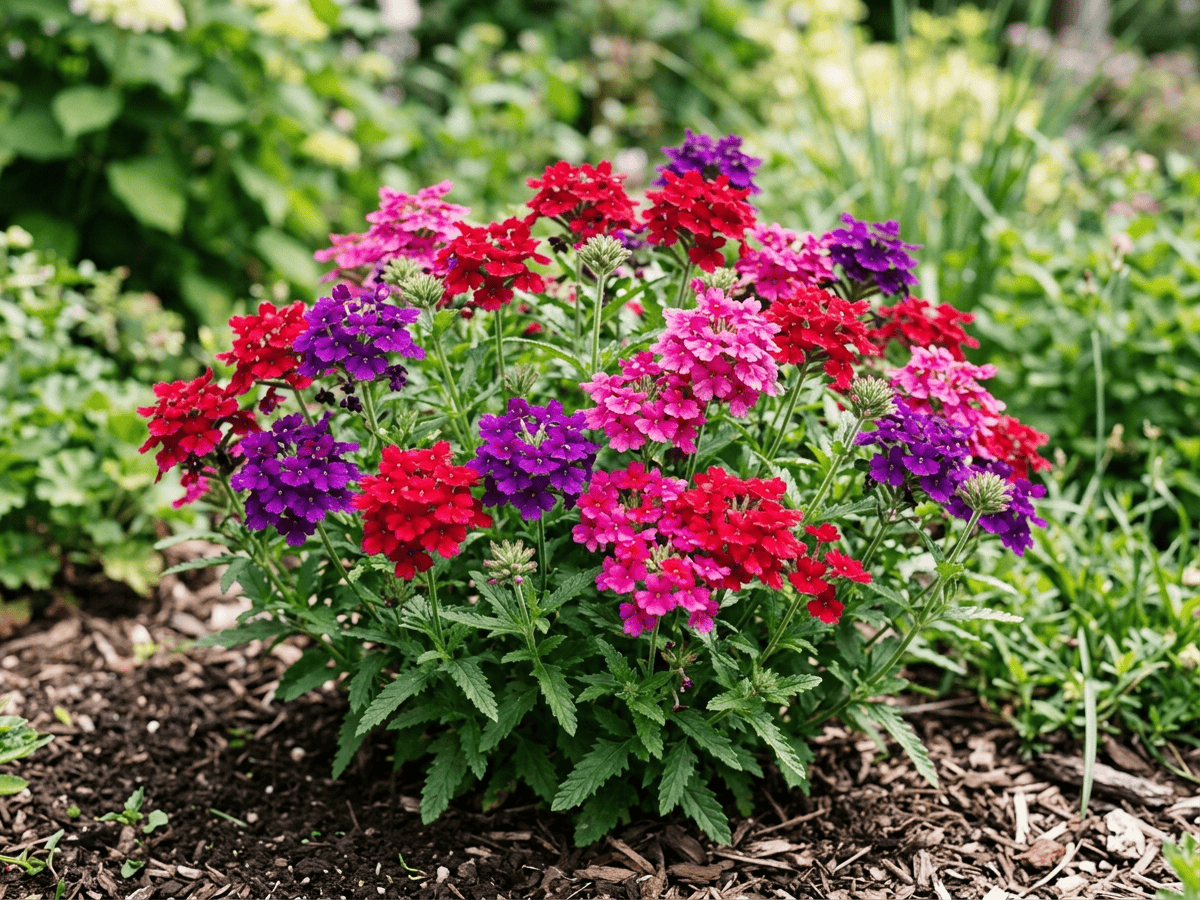
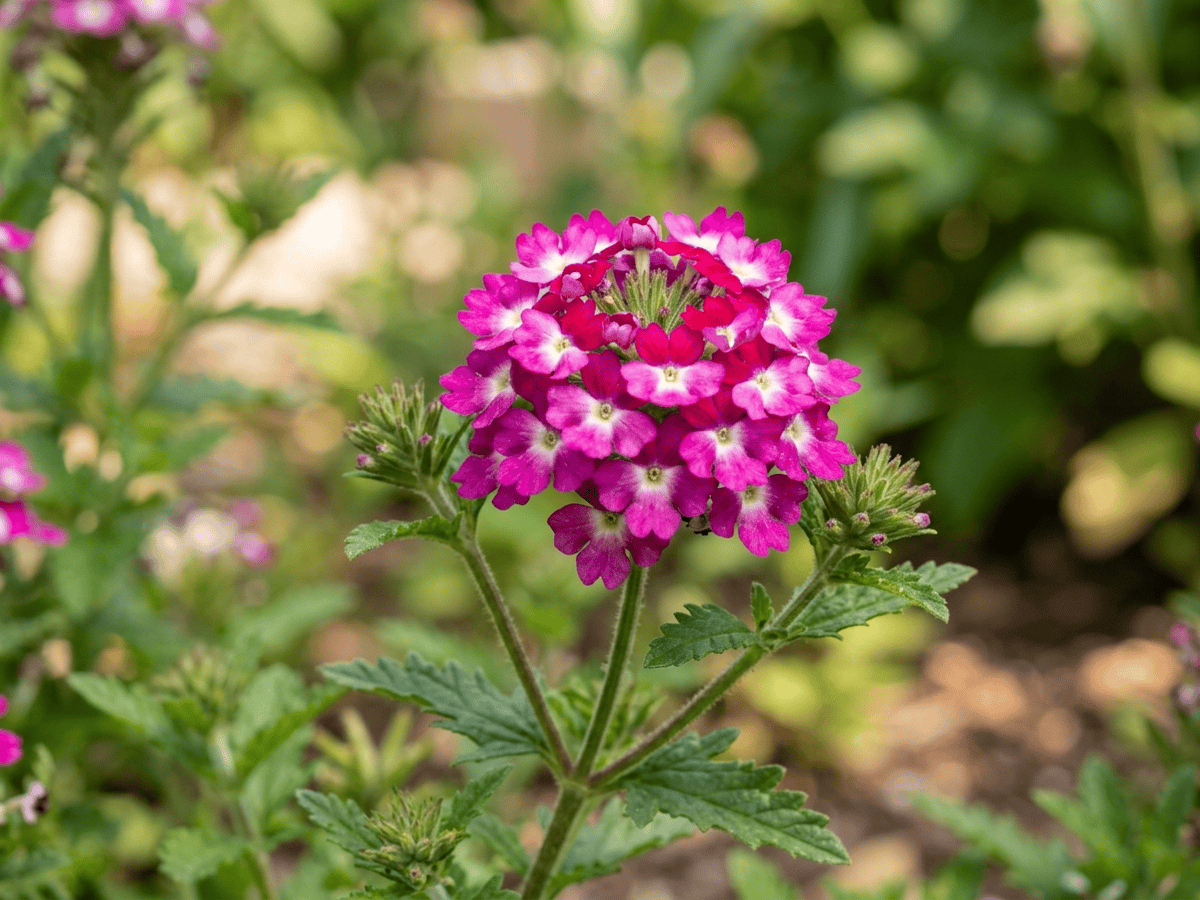
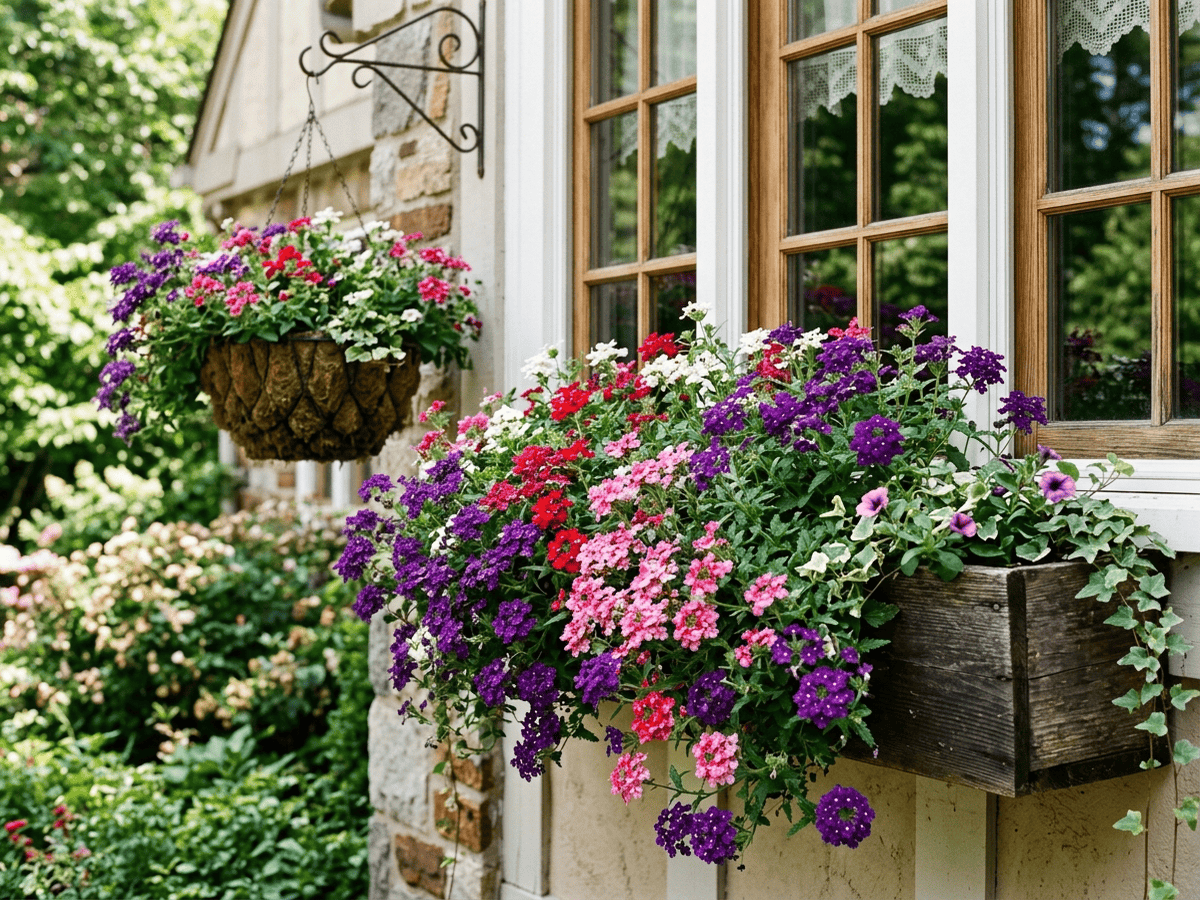
Garden Verbena is a complex hybrid annual producing dense clusters of small fragrant flowers in nearly every color, on trailing or mounded plants 6 to 18 inches tall. Blooms from spring through frost, thriving in hot sunny conditions across American gardens. The Superbena and Lanai series revolutionized modern verbena for containers and hanging baskets.
- Heat-tolerant
- Container-friendly
- Trailing
- Long-blooming
How to care for Garden Verbena
Watering
- Springevery 4 days
- Summerevery 3 days
- Fallevery 5 days
- Winterevery 7 days
Soil · Well-draining
- Top dressingPine bark mulch10%
- Main mixPotting soil + perlite 2:170%
- DrainageLECA / gravel20%
Never skip the drainage layer — standing water is the top cause of root rot.
FERTILIZER
Balanced Feed 14-14-14
An even feed covers all three needs at once, keeping leaves, roots and blooms moving together with nothing pushed out of balance.
- Nitrogen · Leaves
- Phosphorus · Roots + Blooms
- Potassium · Strength
- Springevery 21 days
- Summerevery 21 days
- Fallevery 30 days
At a Glance
- NativeSouth America
- Height0.5–1 ft (0.2–0.3 m)
- Spread1–2 ft (0.3–0.6 m)
- Flower colorRed, Pink, Purple, Blue
- Foliage colorGreen
- SoilWell-drained, Loamy
- LocationsBalcony · Yard
Bloom time
BLOOM CYCLE
Peak bloom
Mar–Nov
Clusters of small flowers spring to frost
Fragrance
LIGHT FRAGRANCE
Flowers have a light, subtle scent.
Toxicity
No toxicity has been reported for this plant. Still, it is wise to keep pets from chewing on any houseplant.
Educational information, not medical or veterinary advice. If exposure is suspected, contact a doctor or veterinarian.
DISTRIBUTION

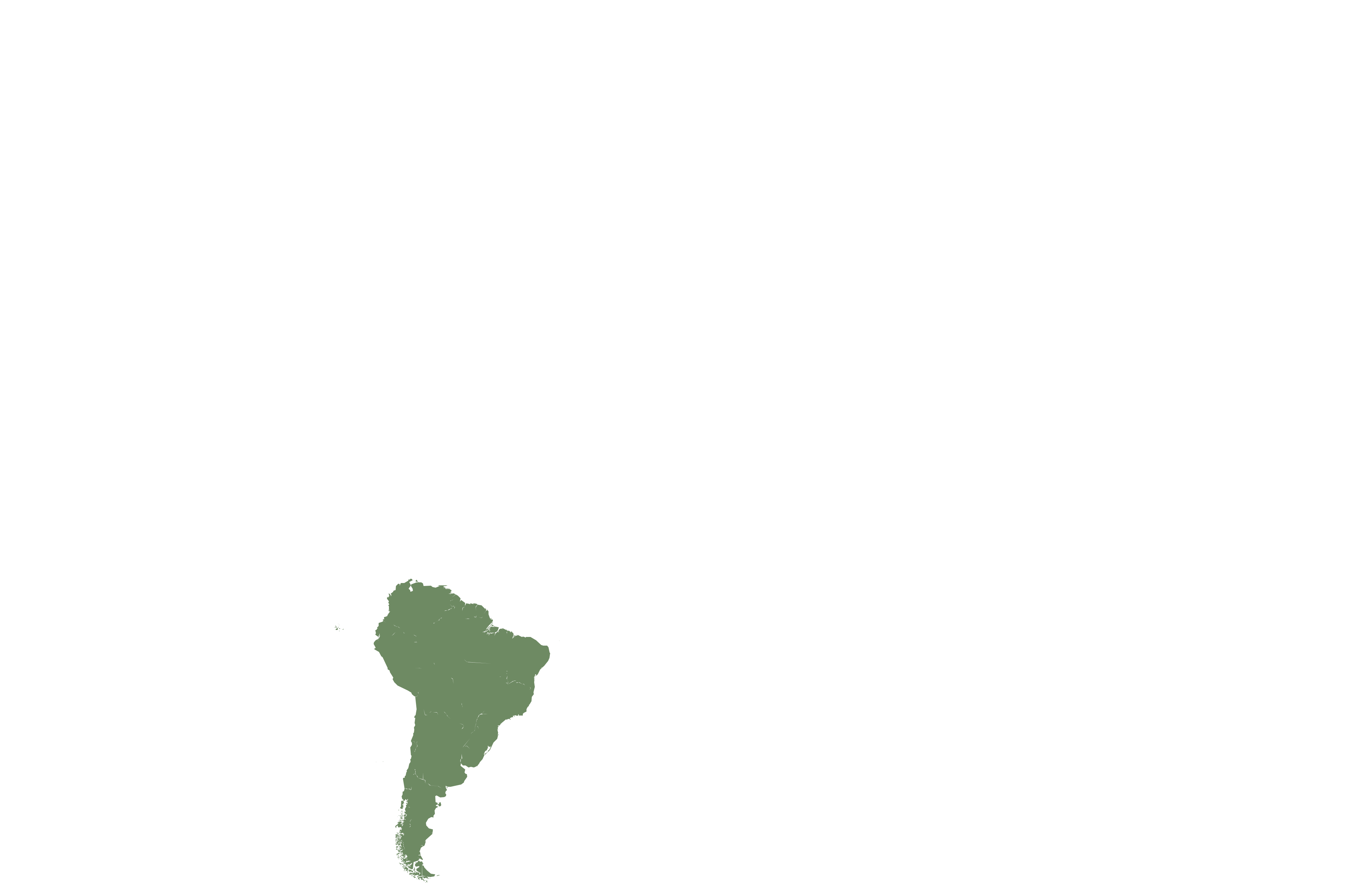
- Native
- South America
History
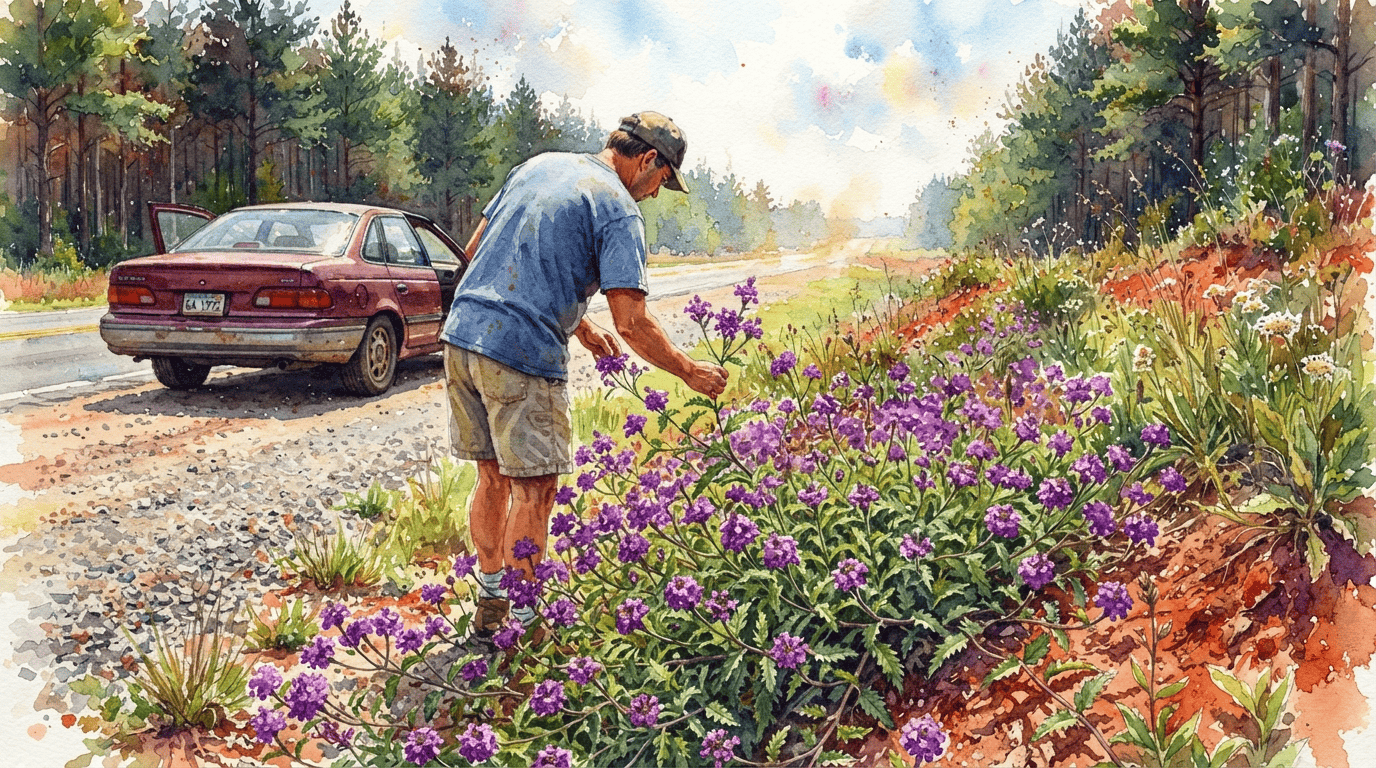
Verbena x hybrida is the horticultural name for the vast array of annual and perennial bedding verbenas developed since the early 19th century, derived primarily from crosses among South American species including Verbena peruviana, V. phlogiflora, V. incisa, and V. platensis. English and European nurserymen produced the first crosses in the 1820s and 1830s, and Victorian mass-bedding schemes quickly embraced the mounded forms dense with rounded flower clusters in white, pink, red, purple, blue, and bicolors. Modern cultivar lines including the Tapien series from Suntory, the Lanai series from Syngenta, and the Superbena series from Proven Winners offer mildew resistance and long season performance.
Homestead Purple, selected by Allan Armitage from a Georgia roadside in 1992, remains an iconic hardy clump verbena. Developed from South American species in European breeding programs starting in the 1830s.
Modern Superbena and Lanai series from Proven Winners and Syngenta transformed verbena from a disease-prone classic into a reliable trailing superstar in 21st-century American containers.
Symbolism & meaning
What It Symbolizes
Verbena × hybrida carries enchantment from antiquity — wild verbena was a Roman sacred herb, laid on altars and used in rites of purification. Its modern garden form keeps the magic in motion through constant bloom, flowers refusing to stop through the entire summer. Its meaning runs from temple to terrace: an ancient ritual herb reborn as a tireless bedding plant, still offering its small daily ceremonies of color.
- Enchantment — Roman sacred herb for altars
- Constant bloom — flowers never stop through summer
Where the Name Comes From
'Verbena' from Latin 'verbenae' meaning sacred plants used in religious rituals; 'x hybrida' denotes hybrid origin.
Uses & Fun Facts
- Flat flower clusters feed butterflies and small native bees
- Trailing annual fills hanging baskets and window boxes
- Continuous summer color for sunny bedding displays
Related plants
More Verbena plants
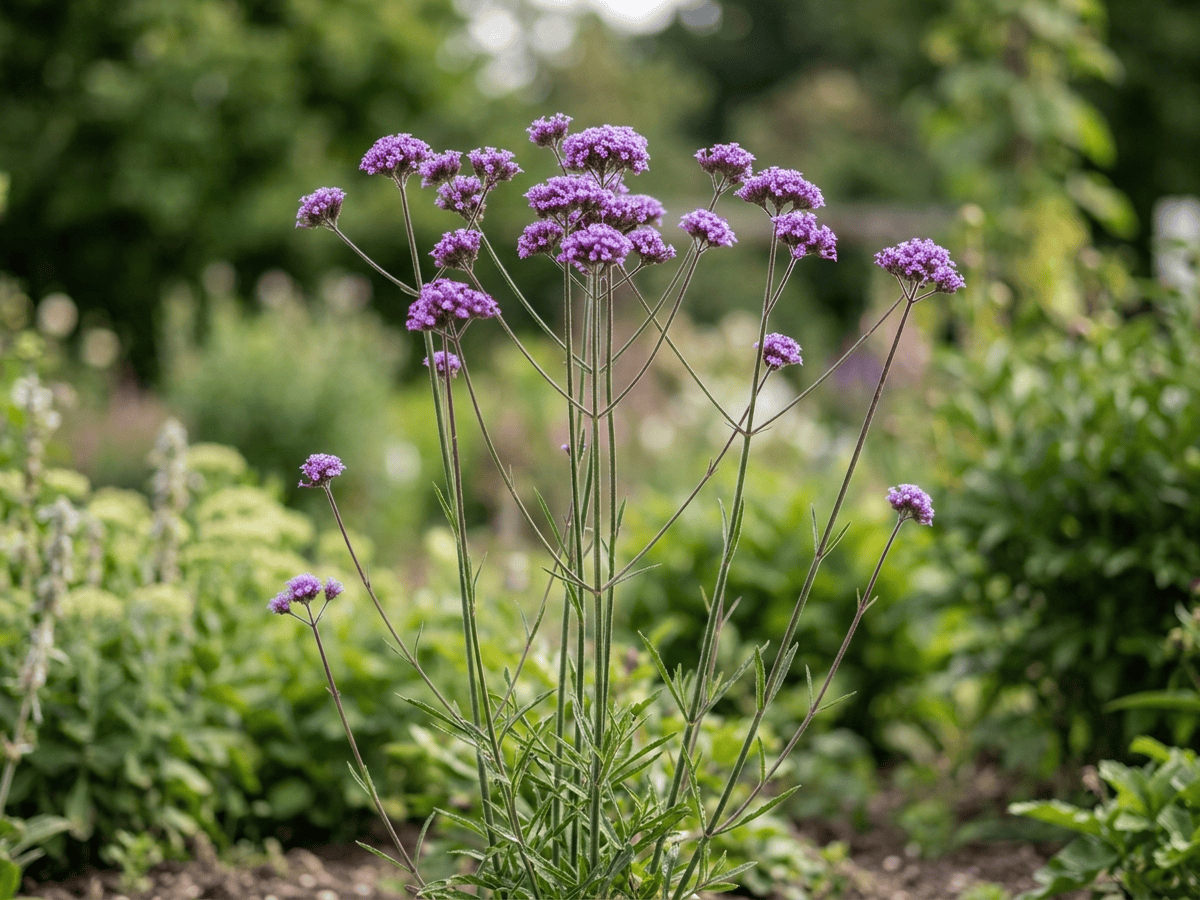 Purpletop VervainVerbena bonariensis
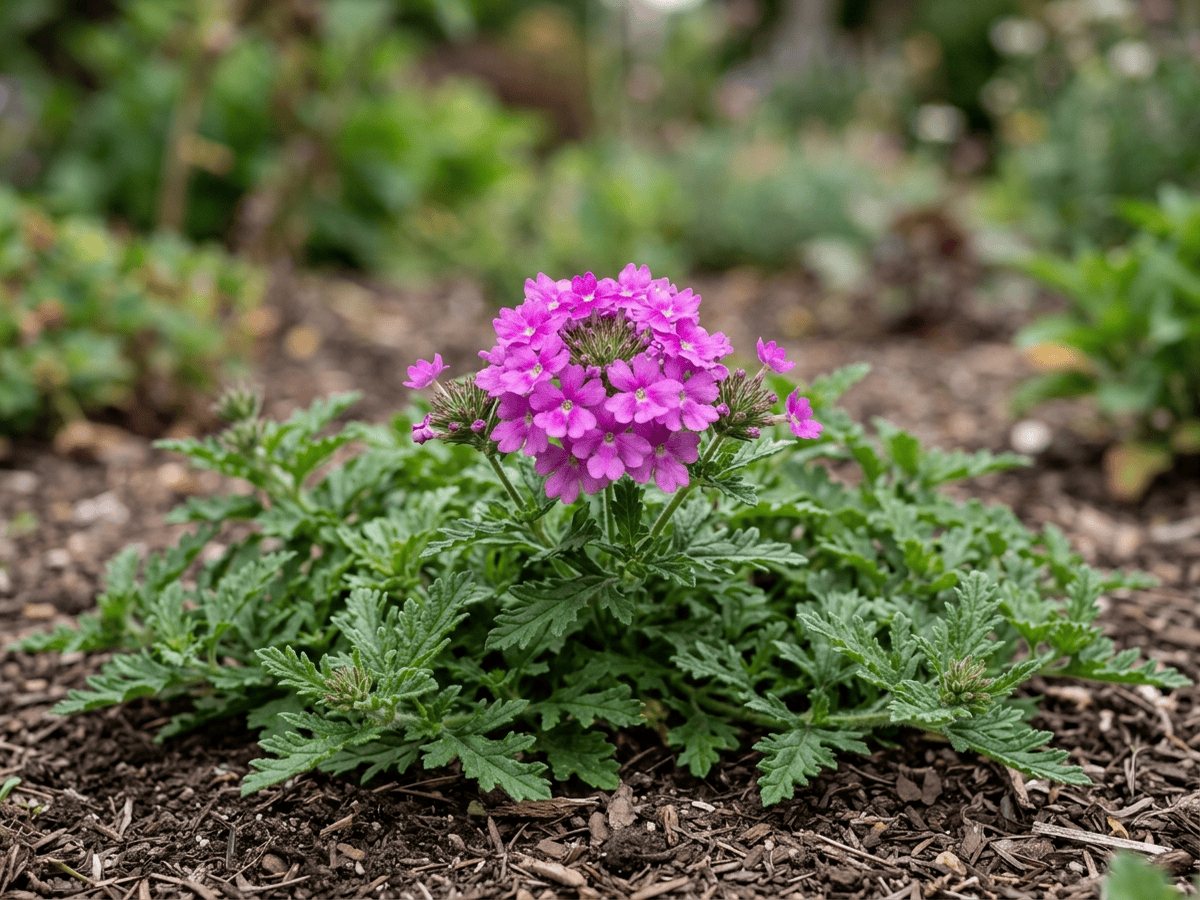 Rose VervainVerbena canadensis
 Common VervainVerbena officinalis
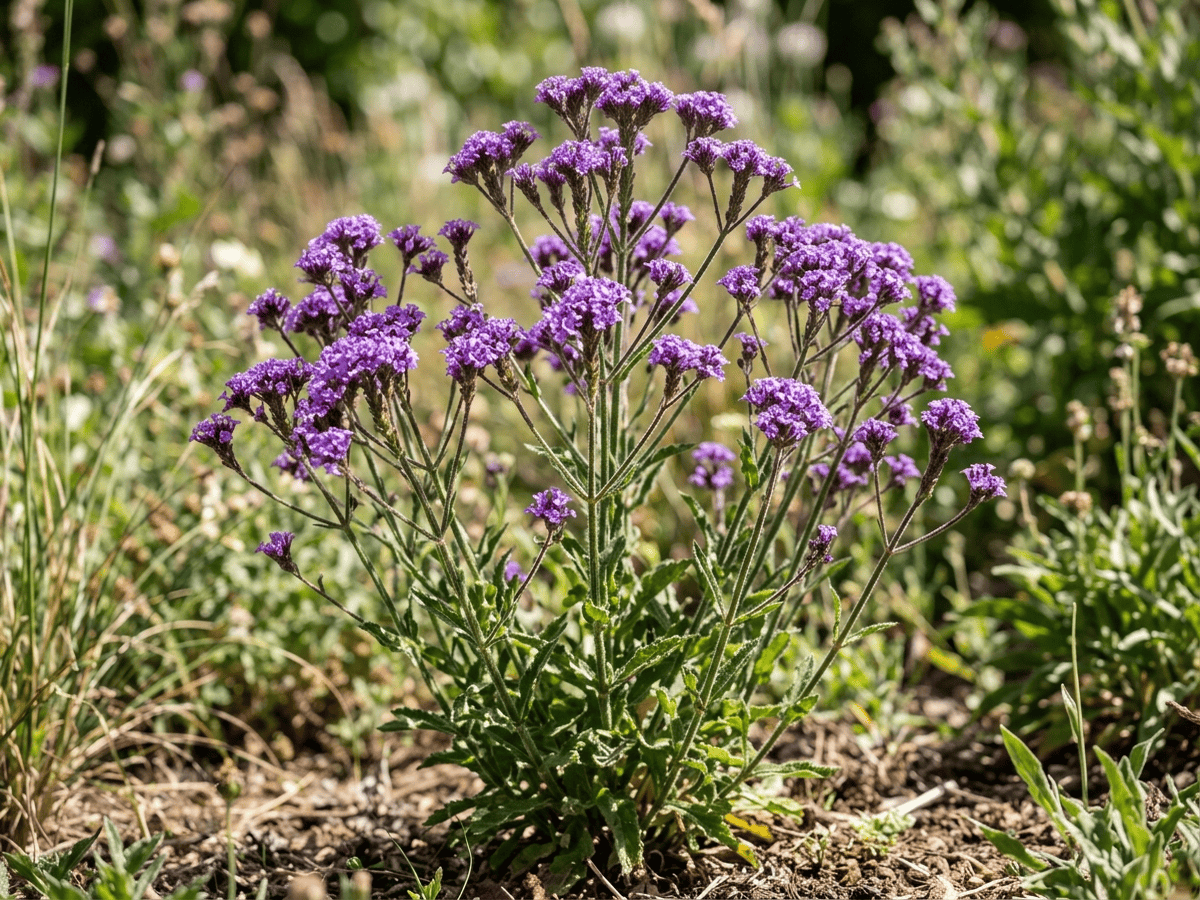 Slender VervainVerbena rigida
Plants with similar care
 Chinese AbeliaAbelia chinensis
 Fragrant AbeliaAbelia mosanensis
 Large-Flowered AbeliaAbelia uniflora
 Glossy AbeliaAbelia x grandiflora
Frequently asked questions
How often should I water Garden Verbena?
In summer, water about every 3 days; in winter, about every 7 days. Adjust for heat, pot size and drainage.
How much light does Garden Verbena need?
Full sun: 6+ hrs direct. Watch the leaves — scorching or stretching means the light needs adjusting.
Is Garden Verbena toxic to cats or dogs?
No toxicity has been reported for this plant. Still, it is wise to keep pets from chewing on any houseplant. Educational information, not medical or veterinary advice. If exposure is suspected, contact a doctor or veterinarian.
Is Garden Verbena easy to grow?
Yes — it is considered an easy, beginner-friendly plant.
When does Garden Verbena bloom?
It typically blooms Mar–Nov in the Northern Hemisphere.
YardMate
Identify any plant in seconds
Snap a photo — YardMate names the plant, diagnoses problems, and reminds you when to water.
Download on the App Store