 YardMate


Common Vervain
Verbena officinalis
Easy · Beginner friendlyAbout Common Vervain
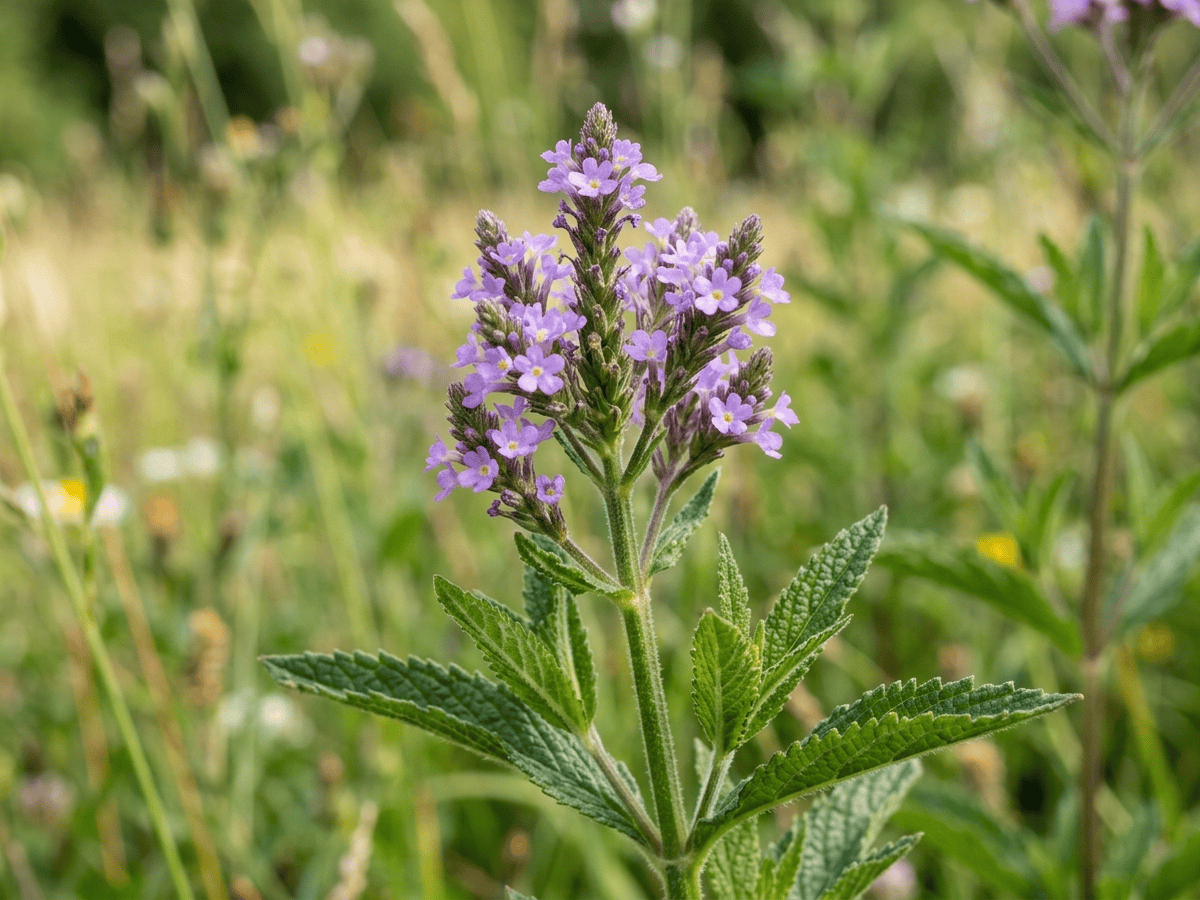
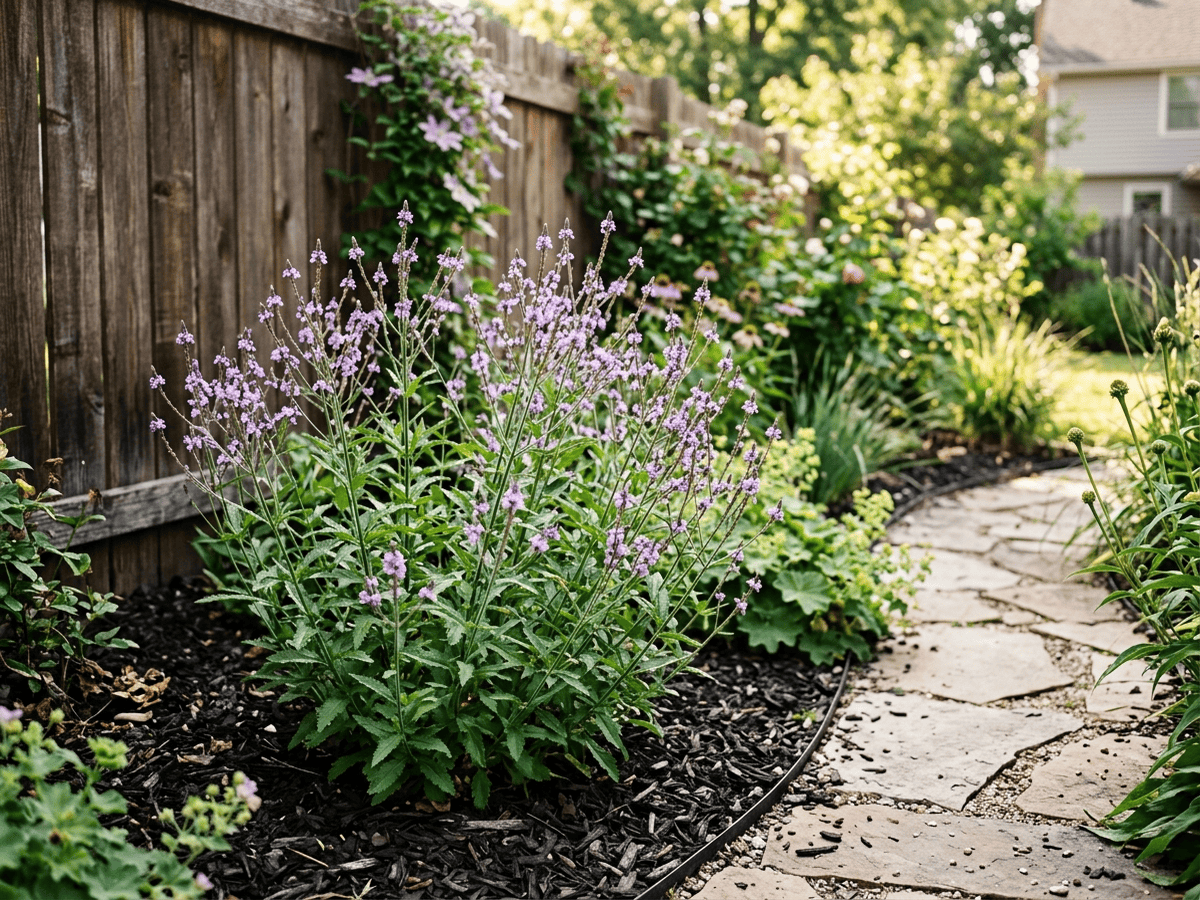
Verbena officinalis, common vervain, is a slender perennial herb native to Europe and naturalized across temperate regions. It grows 30-80 cm tall with wiry branching stems, lobed leaves, and delicate spikes of tiny pale lilac flowers. Modest in appearance, it has an outsized cultural life: Druids gathered it ceremonially, Romans used vervain boughs to purify spaces, and European folklore wove it into amulets and love charms. It grows in sun and well-drained soil, self-sowing gently in meadows, roadsides, and waste ground. Vervain also has a long place in Western and Chinese herbal traditions under the name ma bian cao, but its garden presence is quiet rather than showy: a thread of myth carried on wiry stems.
- Medicinal
- Drought-tolerant
- Cold-hardy
- Native
How to care for Common Vervain
Watering
- Springevery 5 days
- Summerevery 4 days
- Fallevery 7 days
- Winterevery 14 days
Soil · Well-draining
- Top dressingPine bark mulch10%
- Main mixPotting soil + perlite 2:170%
- DrainageLECA / gravel20%
Never skip the drainage layer — standing water is the top cause of root rot.
FERTILIZER
- Springevery 45 days
- Summerevery 45 days
- Fallevery 60 days
At a Glance
- NativeEurope, Western Asia
- Height2–3 ft (0.6–0.9 m)
- Spread1–2 ft (0.3–0.6 m)
- Flower colorPurple, Pink, White
- Foliage colorGreen
- SoilLoamy, Well-drained
- LocationsYard
Bloom time
BLOOM CYCLE
Peak bloom
Jun–Aug
Let flower spikes develop fully for self-seeding; deadhead if a tidier look is desired.
Fragrance
LIGHT FRAGRANCE
The foliage has a mild subtle aroma.
Toxicity
Humans Slight · Pets Slight
verbenalin and iridoids
Slight
- All
- Ingestion
EXPOSURE Eating any part of the plant.
EFFECT Large ingestion may cause vomiting and traditional tea amounts safe.
NOTE Generally regarded as safe in traditional doses; avoid in pregnancy.
Slight
- All
- Ingestion
EXPOSURE Eating any part of the plant.
EFFECT Mild GI upset.
NOTE Generally regarded as safe in traditional doses; avoid in pregnancy.
Slight
- All
- Ingestion
EXPOSURE Eating any part of the plant.
EFFECT Mild GI upset.
NOTE Generally regarded as safe in traditional doses; avoid in pregnancy.
Educational information, not medical or veterinary advice. If exposure is suspected, contact a doctor or veterinarian.
DISTRIBUTION

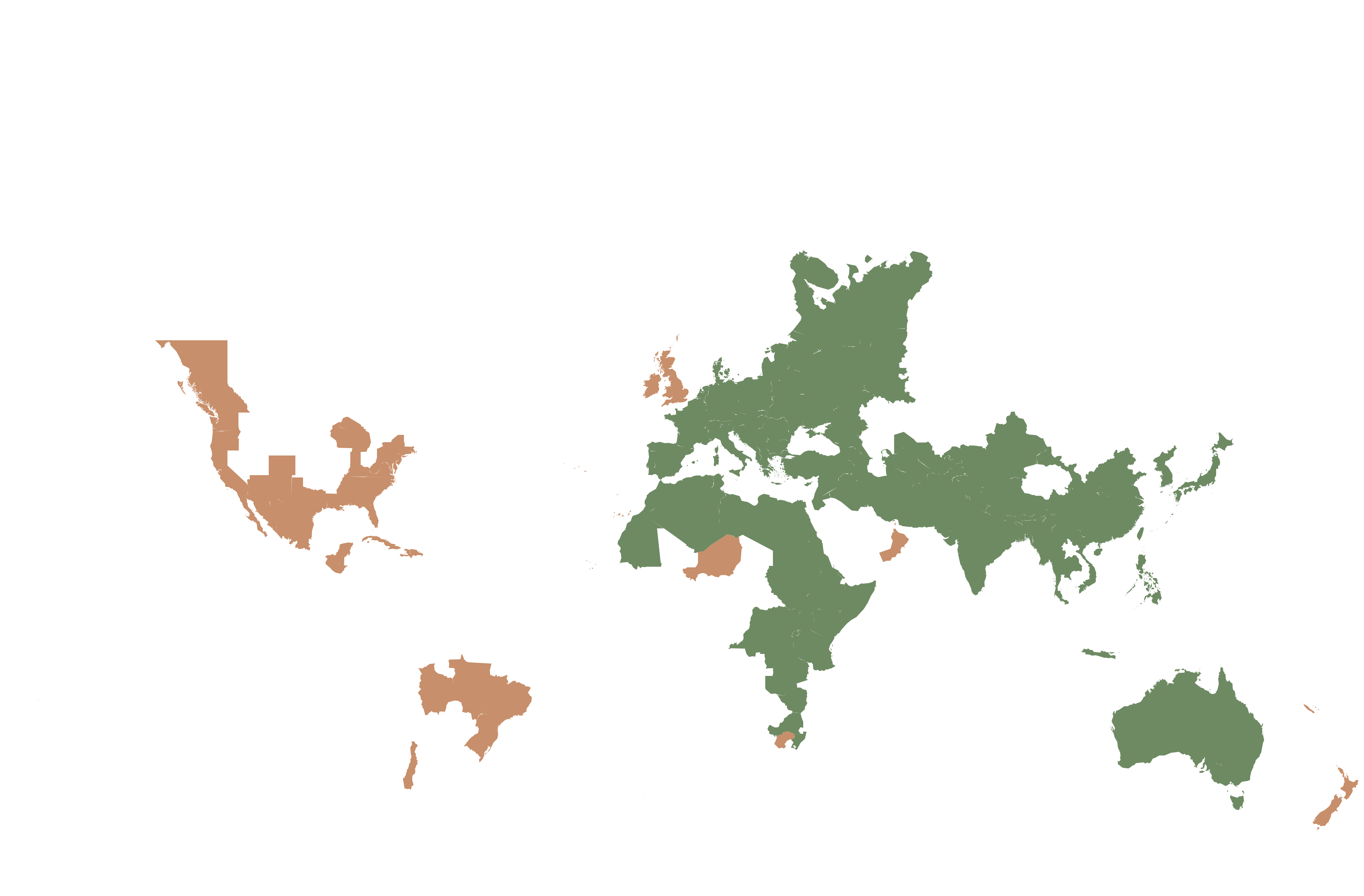
- Native
- Introduced
- Europe
- Western Asia
History
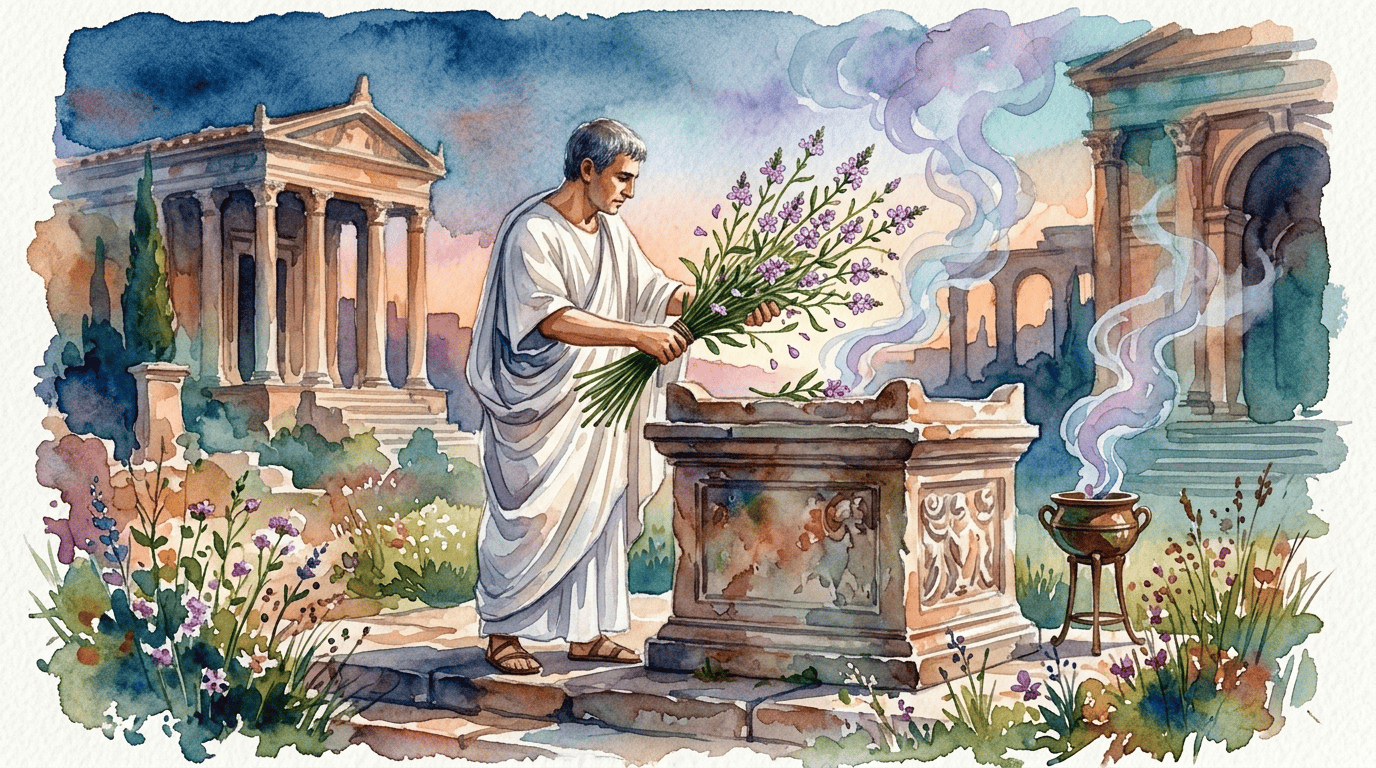
Verbena officinalis is native to Europe and western Asia and was one of the most symbolically charged herbs of the ancient and medieval world. Roman writers associated it with sacred altars and purification, while later European traditions linked it with protection, divination, and peace-making.
In Christian legend, vervain became connected with the wounds of Christ, which deepened its reputation as a holy herb. Medieval herbals and early pharmacopoeias listed it for fevers, digestive complaints, and nervous conditions, though modern medicine treats those traditions with caution.
The plant itself is modest: thin stems, small lilac flowers, and a wiry habit that can be easy to overlook. Its history is the opposite, a long record of ritual importance out of all proportion to its visual size.
Symbolism & meaning
What It Symbolizes
Common Vervain is the most magically charged herb in Western tradition, used by Druids, Romans, and medieval witches alike, and so it has long embodied enchantment, spellcraft, and sacred power. Roman ambassadors carried sprigs of it as a sign of good faith, giving it a second meaning of peace and reconciliation. It is often read as a flower of charged diplomacy, a plant whose meaning braids magic and treaty into a single sacred herb.
- Enchantment — The most magically charged herb in Western tradition, vervain symbolizes spellcraft and sacred power
- Peace — Roman ambassadors carried vervain as a sign of good faith, making it a symbol of reconciliation
Where the Name Comes From
Verbena comes from Latin, originally a general term for sacred altar plants; 'officinalis' marks apothecary tradition. English 'vervain' comes through Old French.
Uses & Fun Facts
- Classic nervine herbal tea for stress and sleep
- Sacred herb in Druidic, Roman, and folk traditions
- Tiny lilac flowers attract bees and small butterflies
Related plants
More Verbena plants
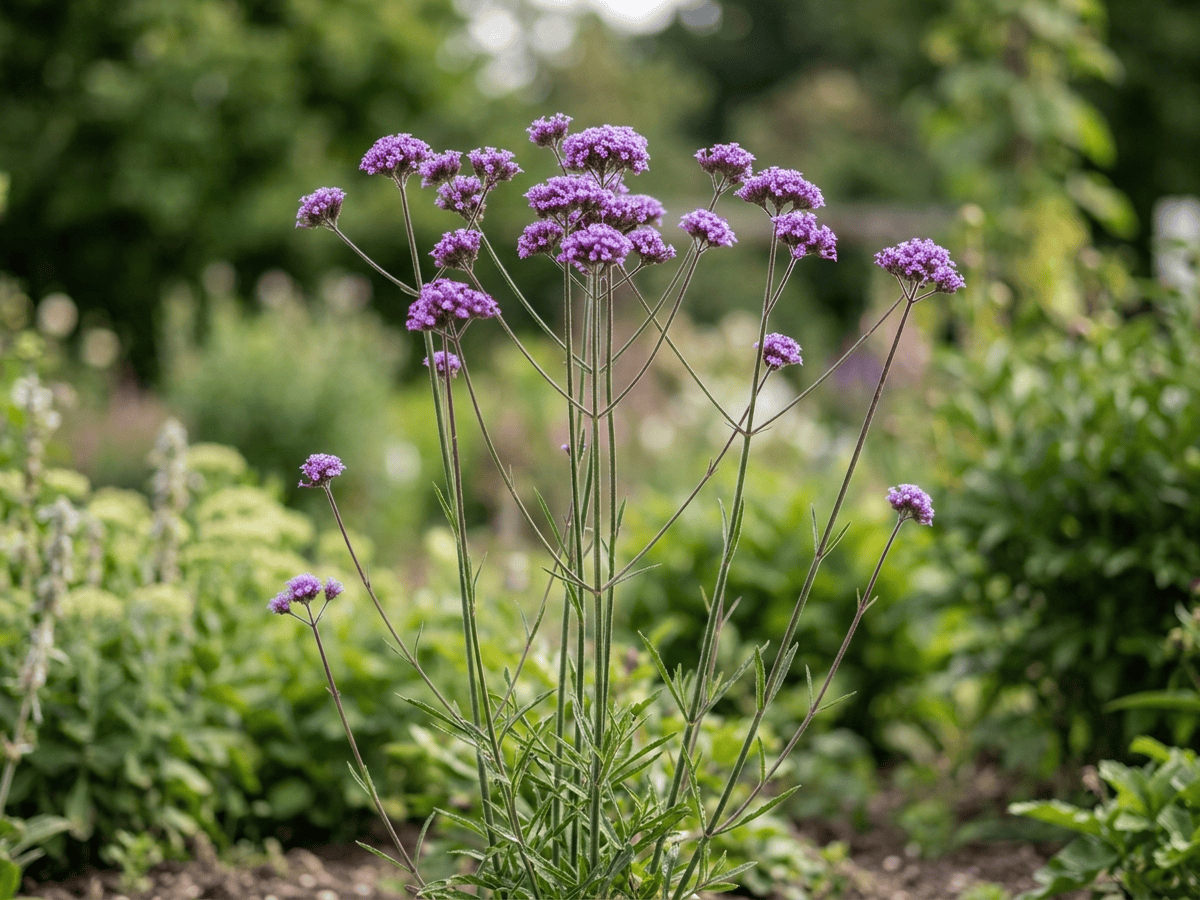 Purpletop VervainVerbena bonariensis
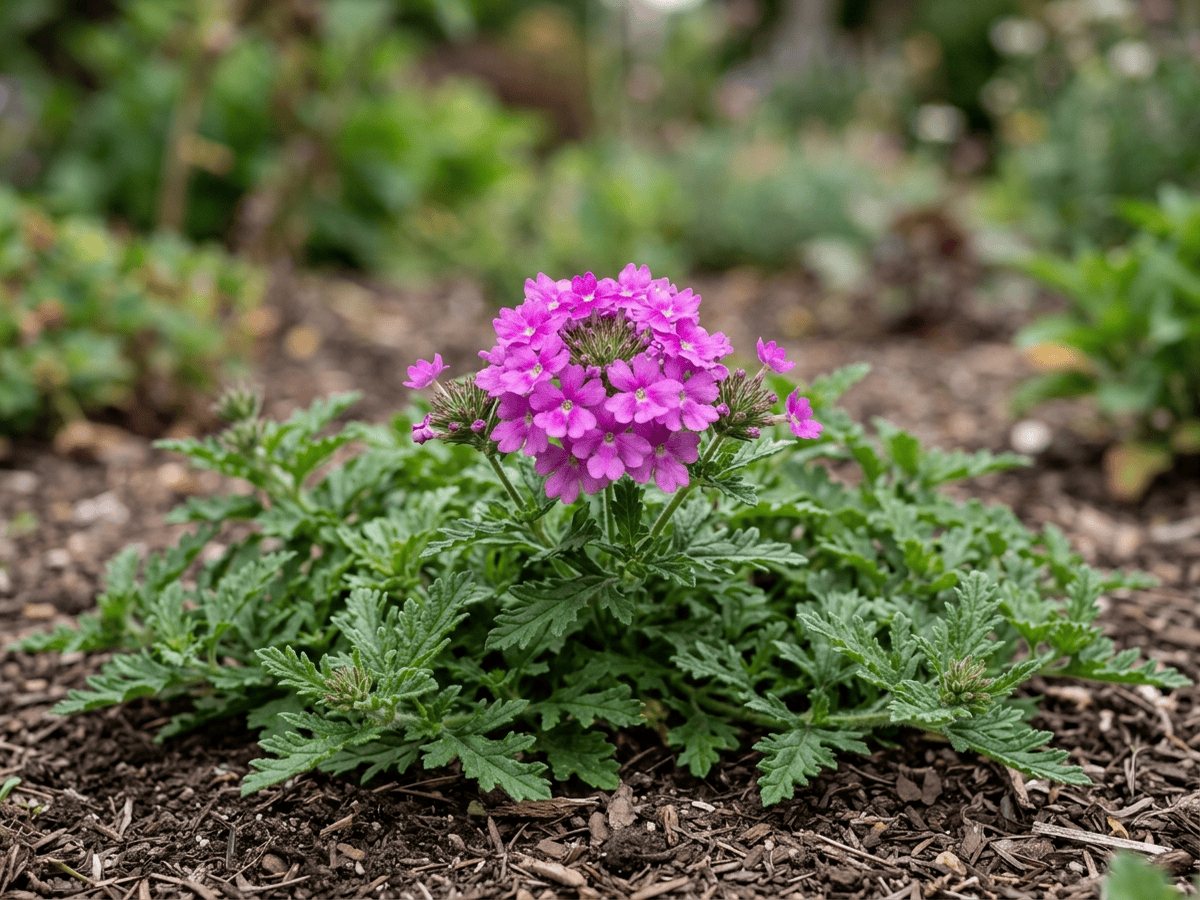 Rose VervainVerbena canadensis
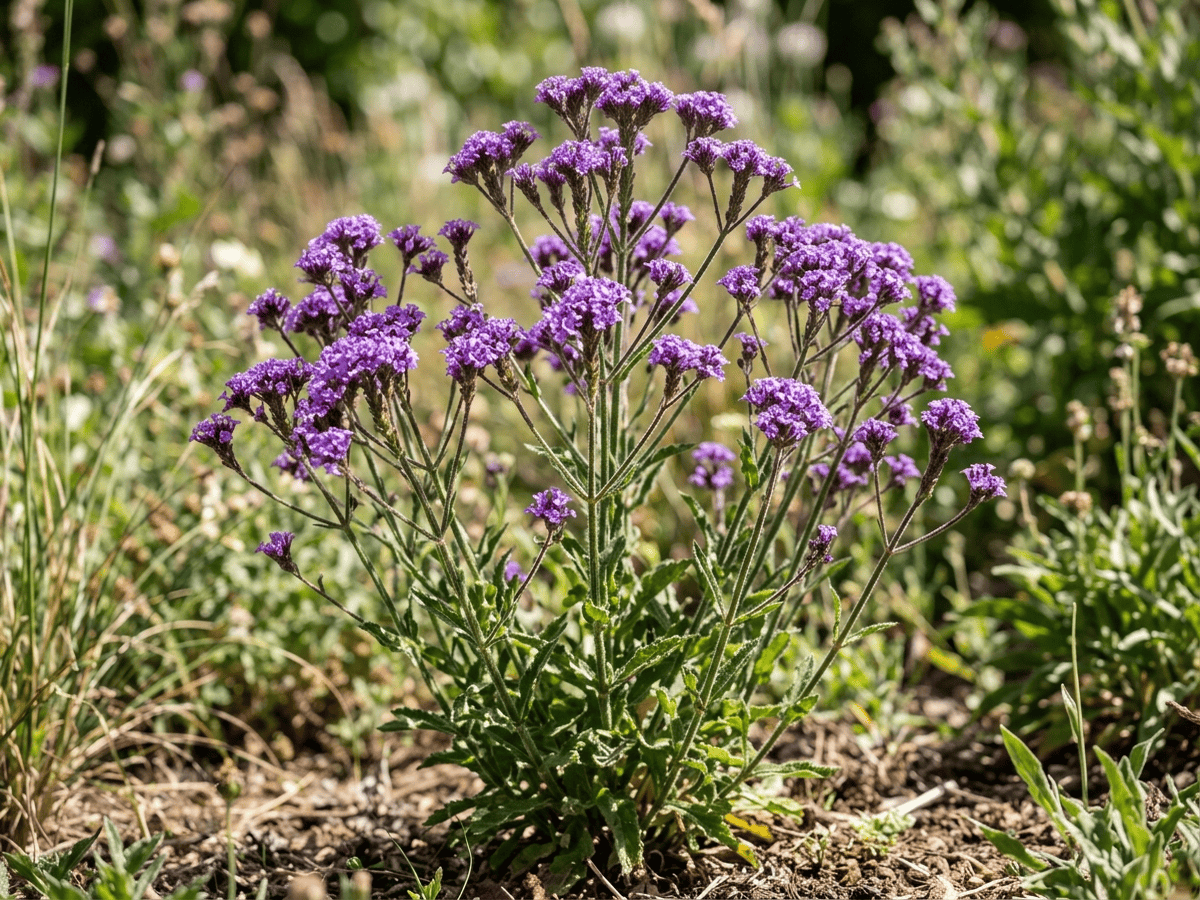 Slender VervainVerbena rigida
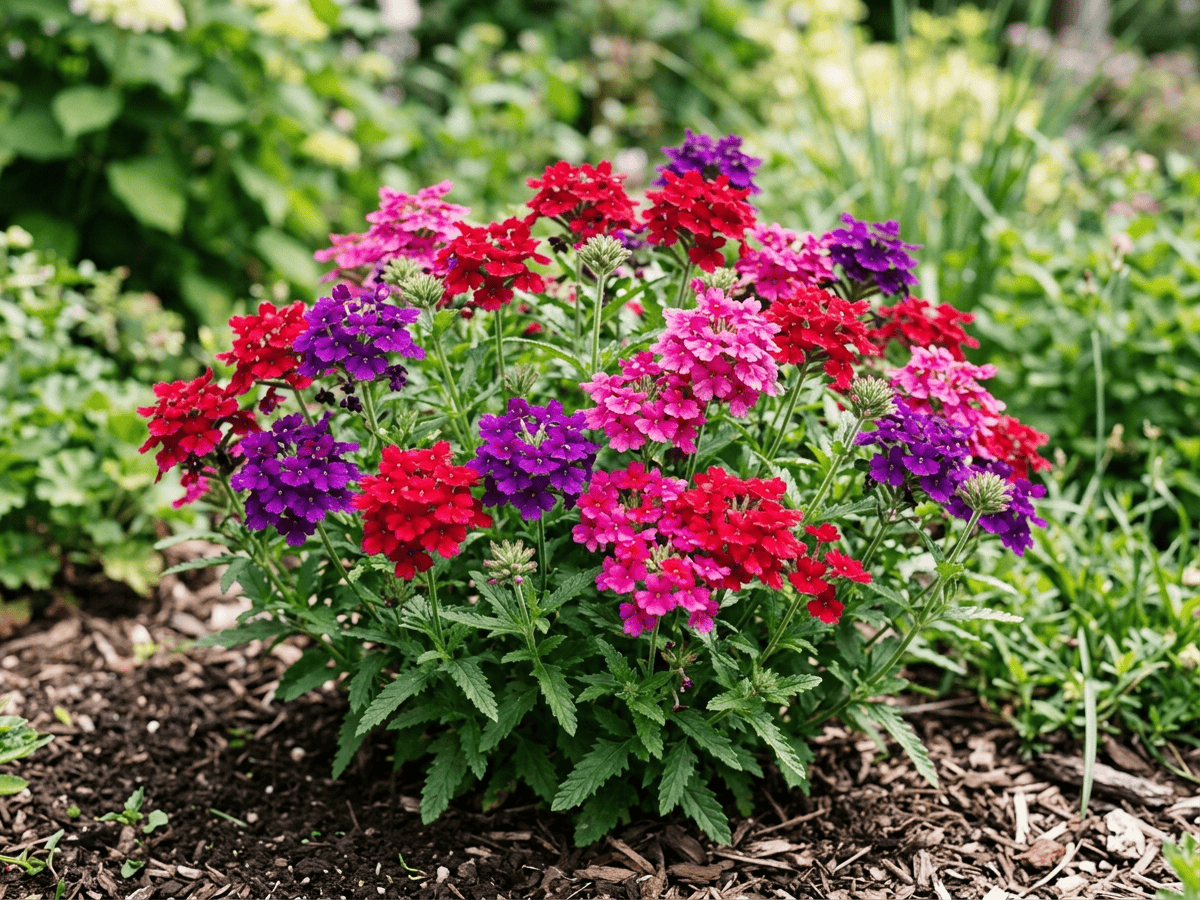 Garden VerbenaVerbena x hybrida
Plants with similar care
 Chinese AbeliaAbelia chinensis
 Fragrant AbeliaAbelia mosanensis
 Large-Flowered AbeliaAbelia uniflora
 Glossy AbeliaAbelia x grandiflora
Frequently asked questions
How often should I water Common Vervain?
In summer, water about every 4 days; in winter, about every 14 days. Adjust for heat, pot size and drainage.
How much light does Common Vervain need?
Full sun: 6+ hrs direct. Watch the leaves — scorching or stretching means the light needs adjusting.
Is Common Vervain toxic to cats or dogs?
Pets Slight (Dogs Slight · Cats Slight) Educational information, not medical or veterinary advice. If exposure is suspected, contact a doctor or veterinarian.
Is Common Vervain easy to grow?
Yes — it is considered an easy, beginner-friendly plant.
When does Common Vervain bloom?
It typically blooms Jun–Aug in the Northern Hemisphere.
YardMate
Identify any plant in seconds
Snap a photo — YardMate names the plant, diagnoses problems, and reminds you when to water.
Download on the App Store