 YardMate
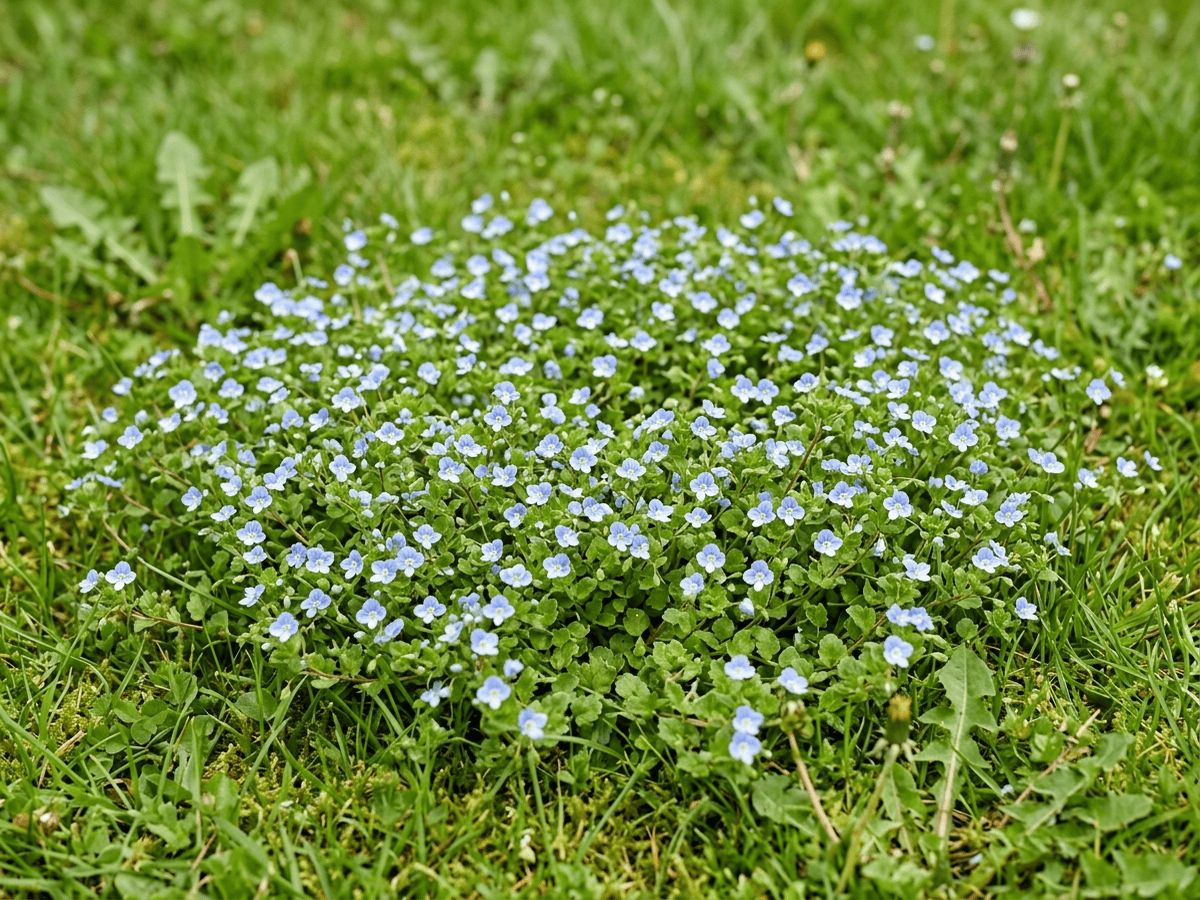


Slender Speedwell
Veronica filiformis
Easy · Beginner friendlyAbout Slender Speedwell
Creeping Speedwell or Slender Speedwell is a European perennial naturalized in cool-season lawns across the US, forming low creeping mats of small rounded scalloped leaves with solitary pale blue-violet flowers on thin stems in spring. Spreads aggressively by rooting stems rather than seed, difficult to control once established because the creeping habit survives mowing. A serious lawn invader in the Pacific Northwest and Northeast.
- Groundcover
- Fast-growing
- Shade-tolerant
How to care for Slender Speedwell
Watering
- Springevery 7 days
- Summerevery 5 days
- Fallevery 10 days
- Winterevery 14 days
Soil · Well-draining
- Top dressingPine bark mulch10%
- Main mixPotting soil + perlite 2:170%
- DrainageLECA / gravel20%
Never skip the drainage layer — standing water is the top cause of root rot.
FERTILIZER
This plant needs little to no feeding.
At a Glance
- NativeWestern Asia
- Height0.1–0.3 ft (0–0.1 m)
- Spread0.5–1.5 ft (0.2–0.5 m)
- Flower colorBlue
- Foliage colorGreen
- Fruit colorBrown
- SoilMoisture-retentive, Loamy
- LocationsYard
Bloom time
BLOOM CYCLE
Peak bloom
Mar–Aug
Solitary pale blue-violet flowers spring to early summer
Toxicity
No toxicity has been reported for this plant. Still, it is wise to keep pets from chewing on any houseplant.
Educational information, not medical or veterinary advice. If exposure is suspected, contact a doctor or veterinarian.
DISTRIBUTION

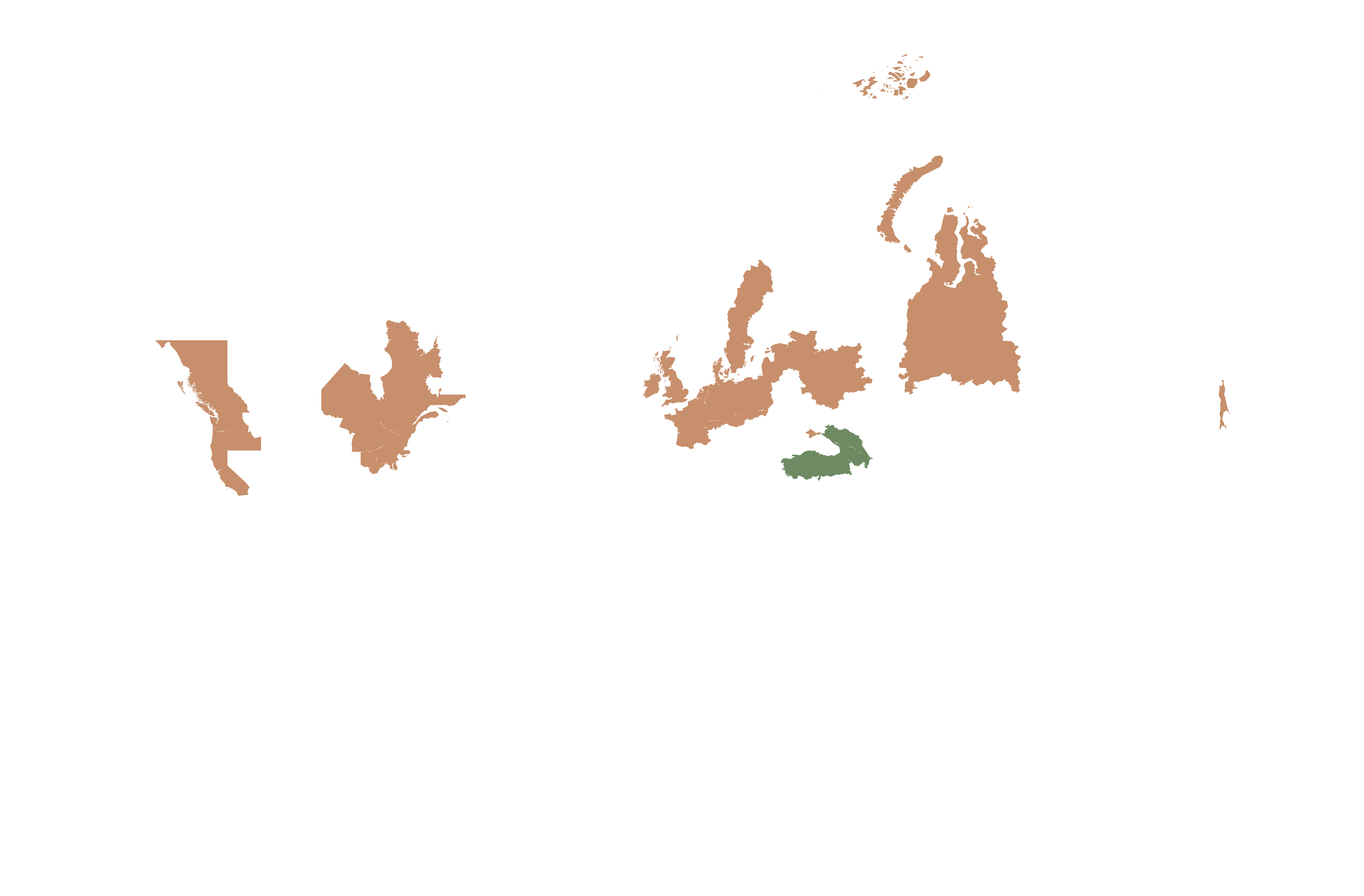
- Native
- Introduced
- Western Asia
History

Veronica filiformis is native to northern Turkey, the Caucasus, and northern Iran. J.E. Smith described it in 1806. Introduced to British gardens in 1808 as a rock-garden ornamental, it was later exported to North American gardens in the early 20th century and into the cool northeastern US by the 1920s.
It spreads mat-like with delicate threadlike stems producing clear sky-blue quarter-inch flowers in early spring. Unlike most weeds it reproduces almost entirely by vegetative fragmentation — mowing spreads it rapidly because each stem fragment roots easily. North American populations are mostly sterile triploids; seed set is rare.
It forms dense creeping mats in shade lawns, particularly in the US Great Lakes and New England regions, displacing turf grass. Despite its weed status it is among the most beautifully flowered spring weeds in existence. Spread rapidly through North American cool-climate lawns in the 20th century, especially the Pacific Northwest. Spreads mostly by stem fragments carried on mower blades, meaning every mowing multiplies the invasion.
Symbolism & meaning
What It Symbolizes
Slender Speedwell is a study in Gentle invasion — pale blue flowers so charming that lawns it colonizes can look briefly enchanted, even as it crowds out turf and natives. Each Mower spread compounds the problem, since chopped fragments root readily and travel to new lawns on blade and shoe. A flower whose disarming prettiness is also the engine of its harm.
- Gentle invasion — pretty blue flowers conceal aggressive spread
- Mower spread — every mowing multiplies the infestation
Where the Name Comes From
'filiformis' from Latin means thread-like, for the slender trailing stems.
Uses & Fun Facts
- Creeping speedwell forms blue-flowered carpet in lawns
- Tiny pale blue flowers freckle spring grass
Related plants
More Veronica plants
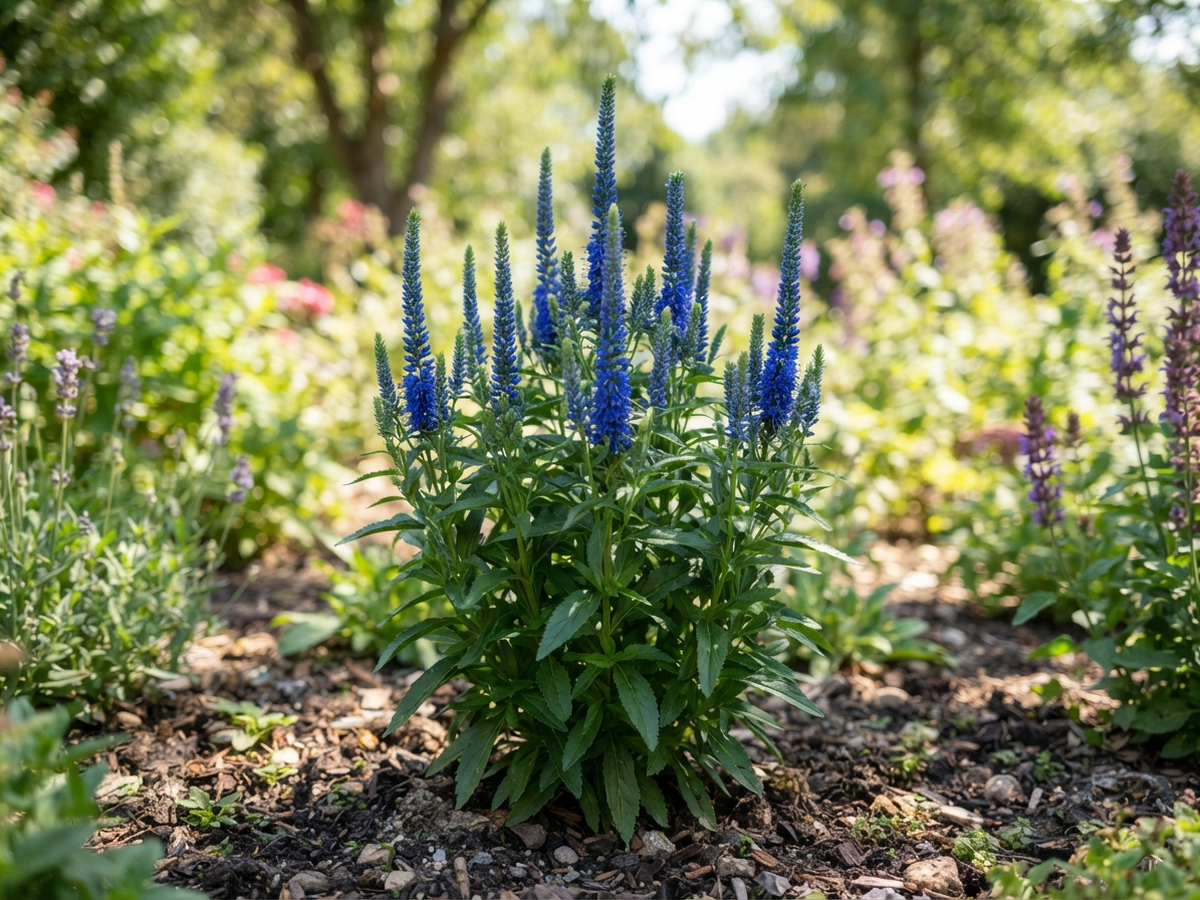 Longleaf SpeedwellVeronica longifolia
 Bird's-Eye SpeedwellVeronica persica
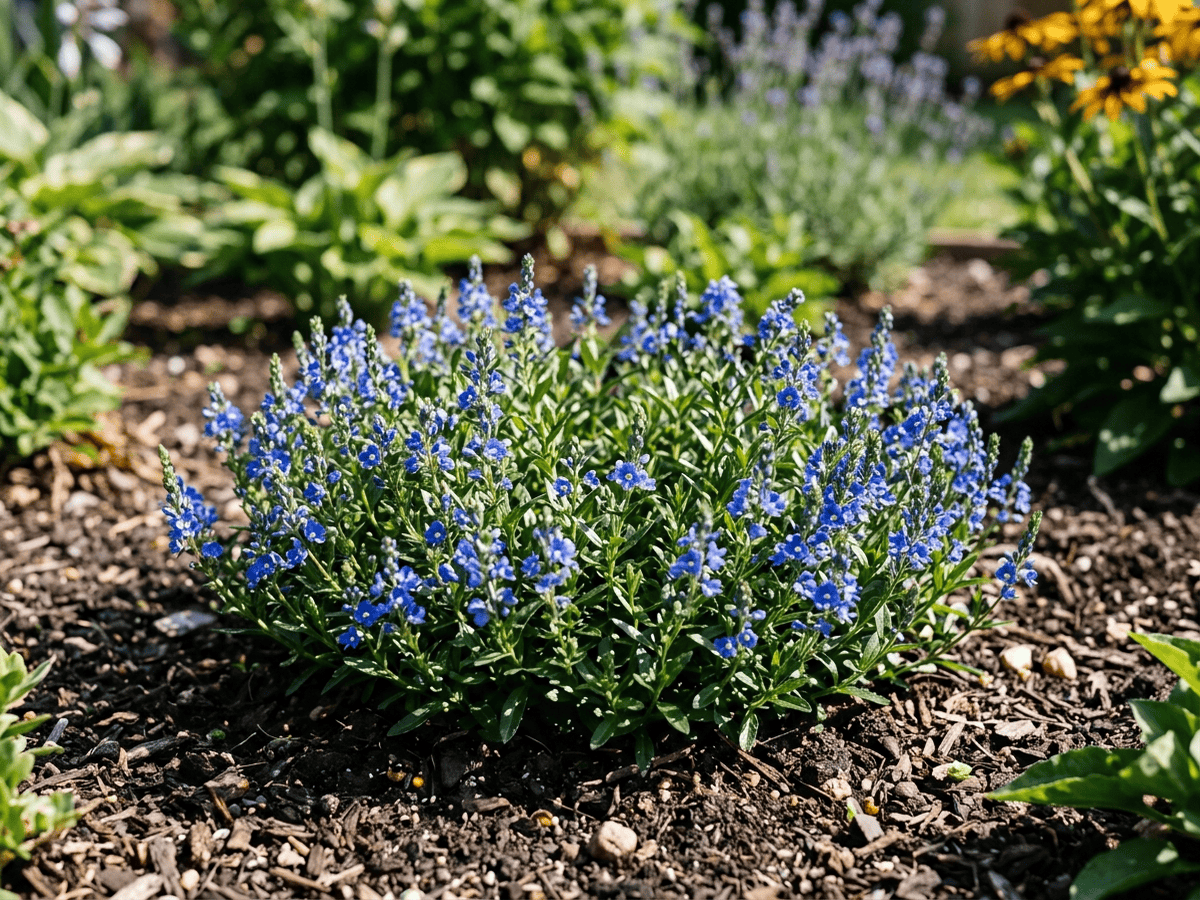 Prostrate SpeedwellVeronica prostrata
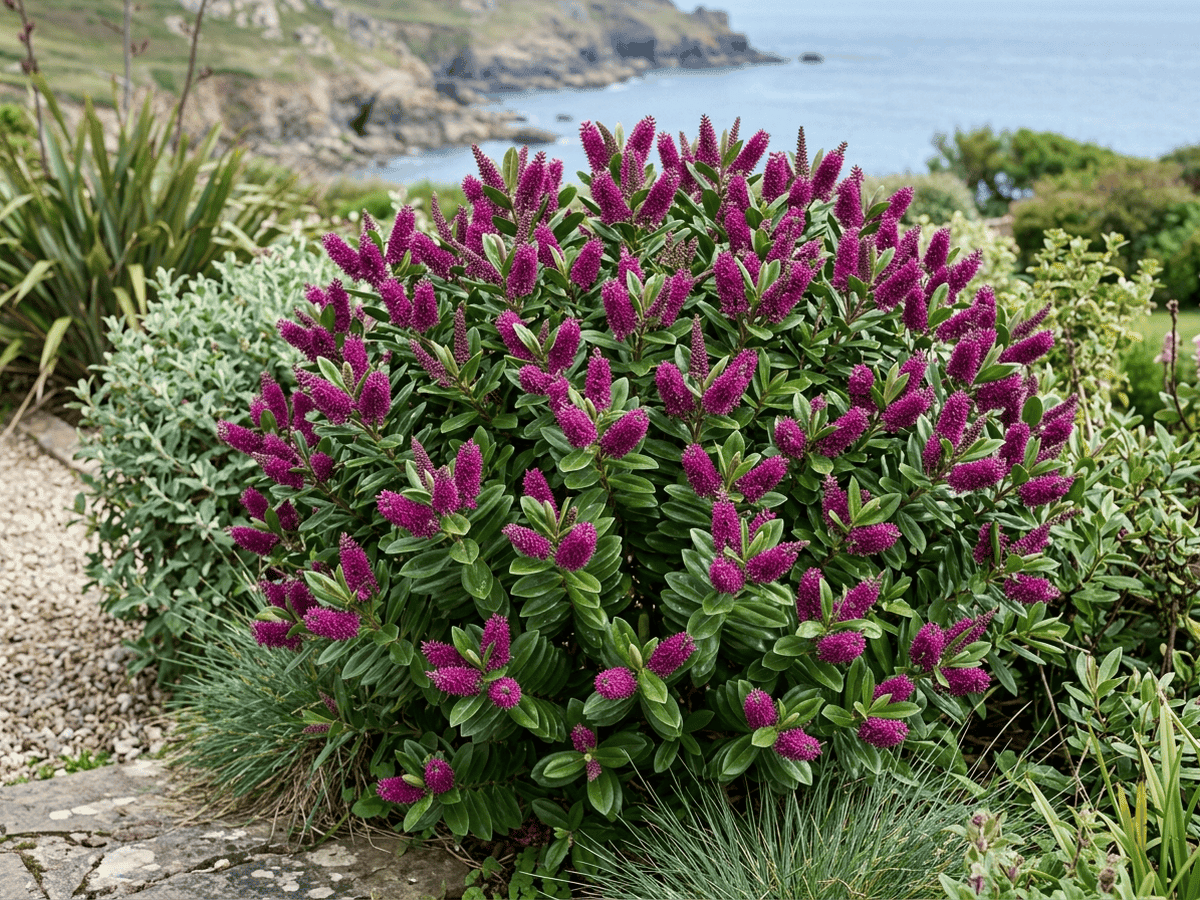 Showy SpeedwellVeronica speciosa
Plants with similar care
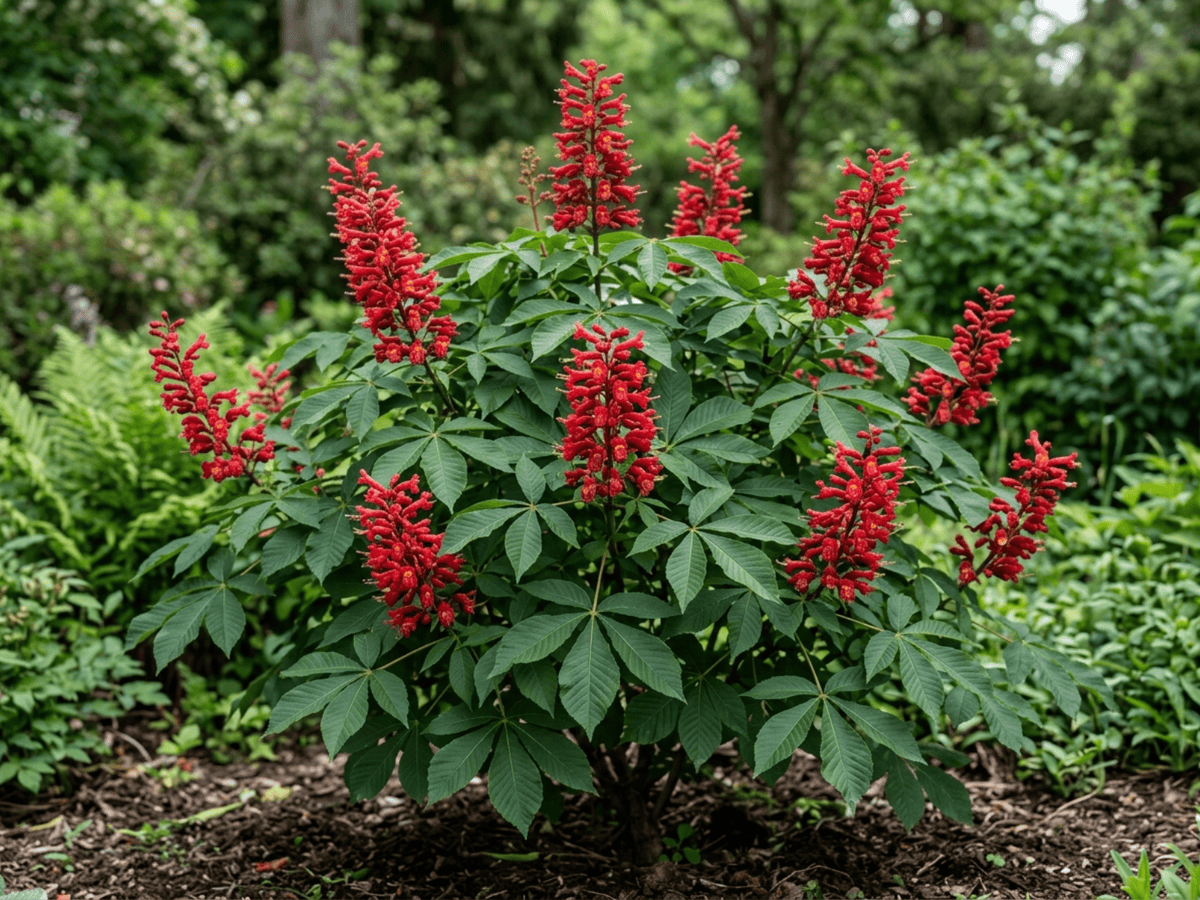 Red BuckeyeAesculus pavia
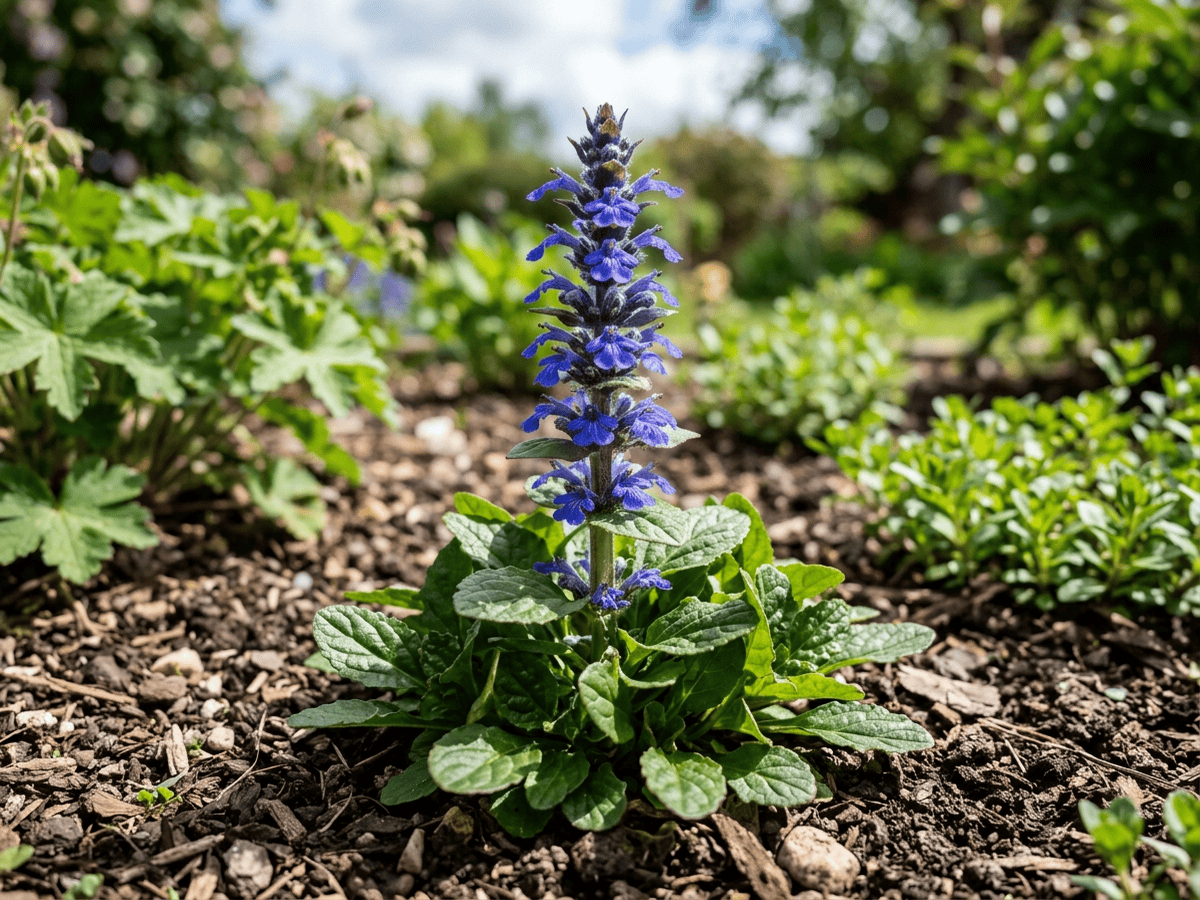 Blue BugleAjuga genevensis
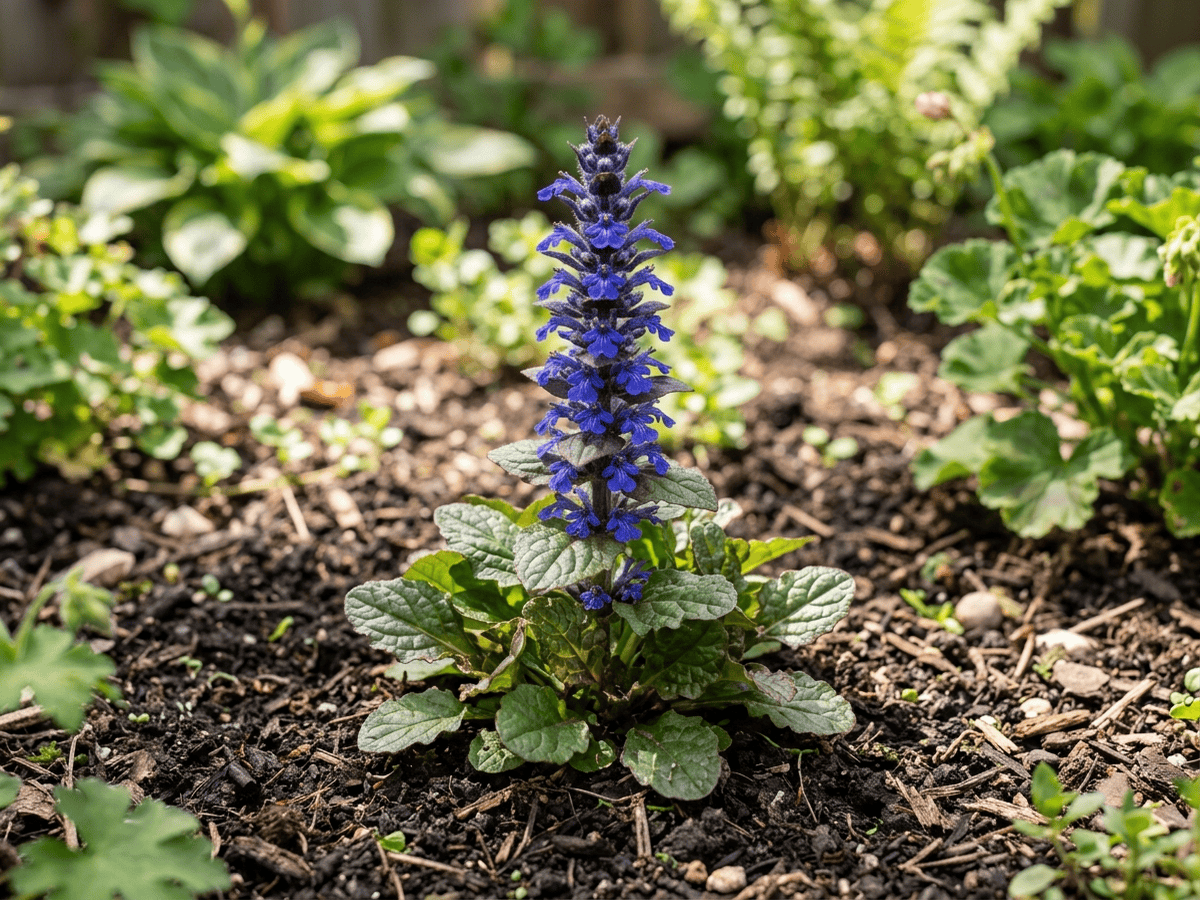 Pyramidal BugleAjuga pyramidalis
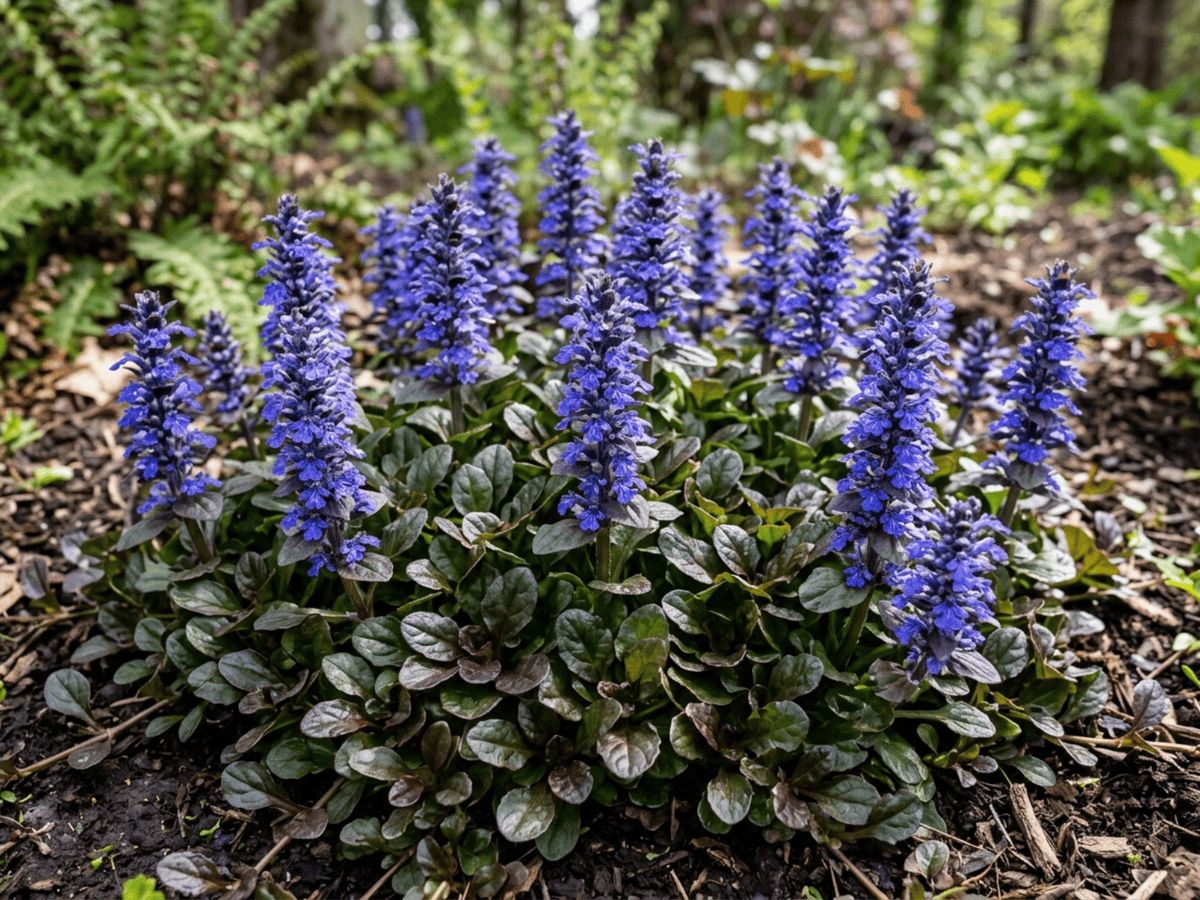 Carpet BugleAjuga reptans
Frequently asked questions
How often should I water Slender Speedwell?
In summer, water about every 5 days; in winter, about every 14 days. Adjust for heat, pot size and drainage.
How much light does Slender Speedwell need?
Part shade: 2–4 hrs direct. Watch the leaves — scorching or stretching means the light needs adjusting.
Is Slender Speedwell toxic to cats or dogs?
No toxicity has been reported for this plant. Still, it is wise to keep pets from chewing on any houseplant. Educational information, not medical or veterinary advice. If exposure is suspected, contact a doctor or veterinarian.
Is Slender Speedwell easy to grow?
Yes — it is considered an easy, beginner-friendly plant.
When does Slender Speedwell bloom?
It typically blooms Mar–Aug in the Northern Hemisphere.
YardMate
Identify any plant in seconds
Snap a photo — YardMate names the plant, diagnoses problems, and reminds you when to water.
Download on the App Store