 YardMate
Longleaf Speedwell
Veronica longifolia
Hard · Experienced growersAbout Longleaf Speedwell
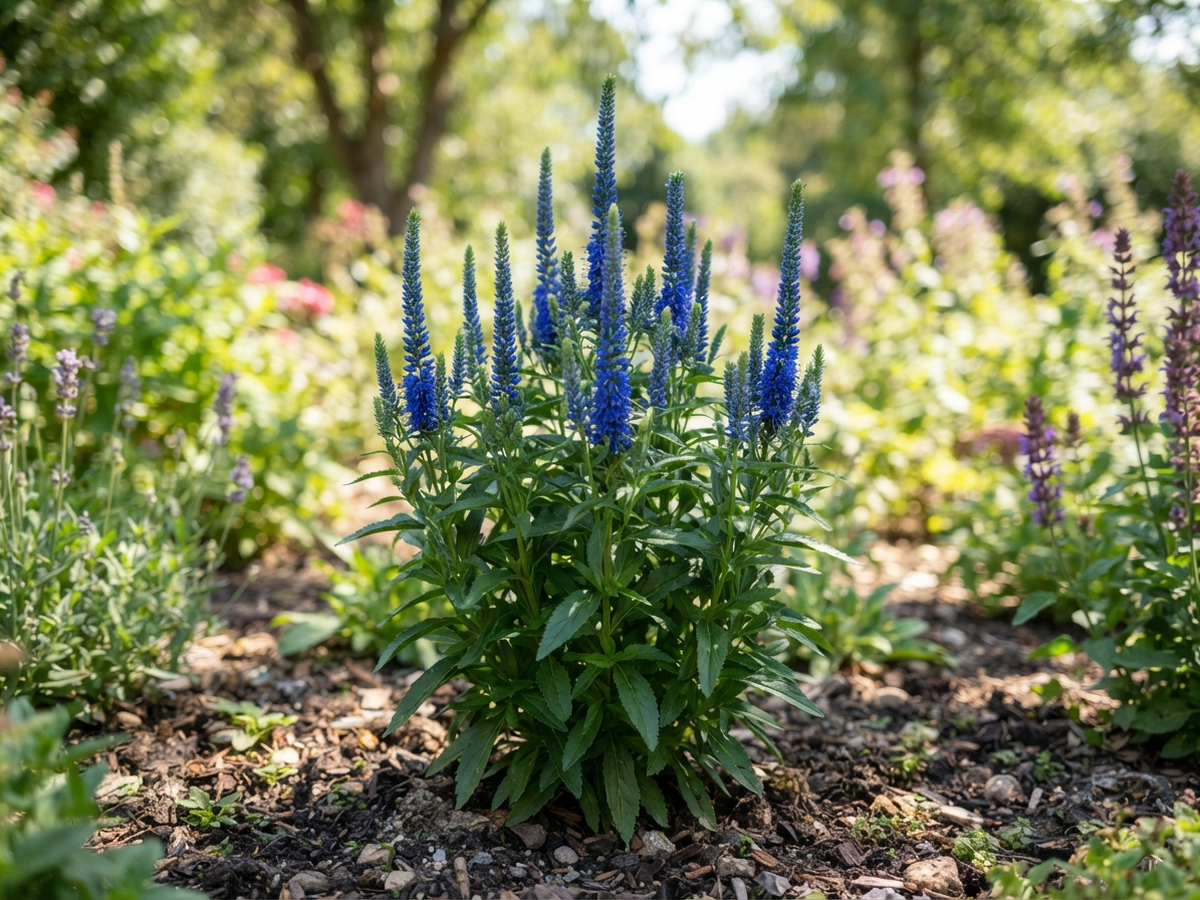
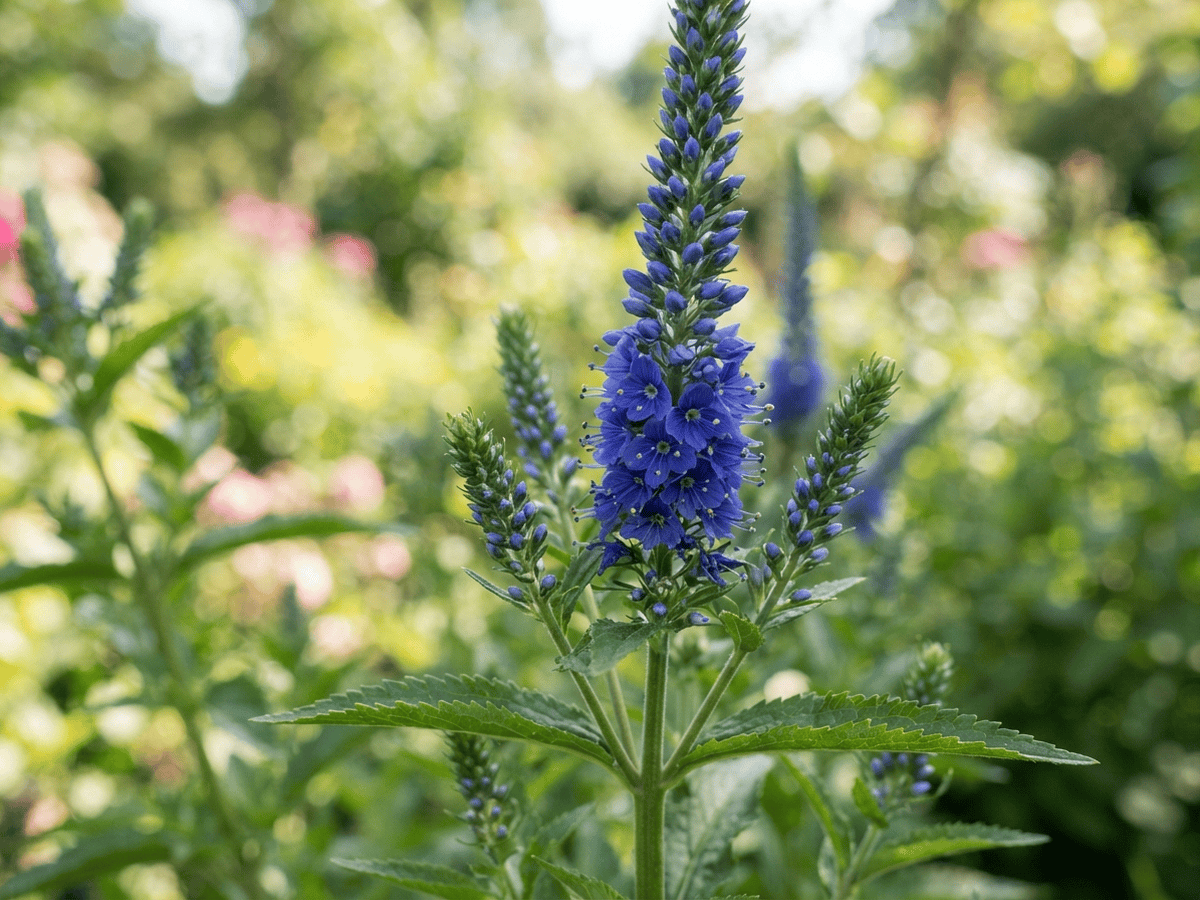
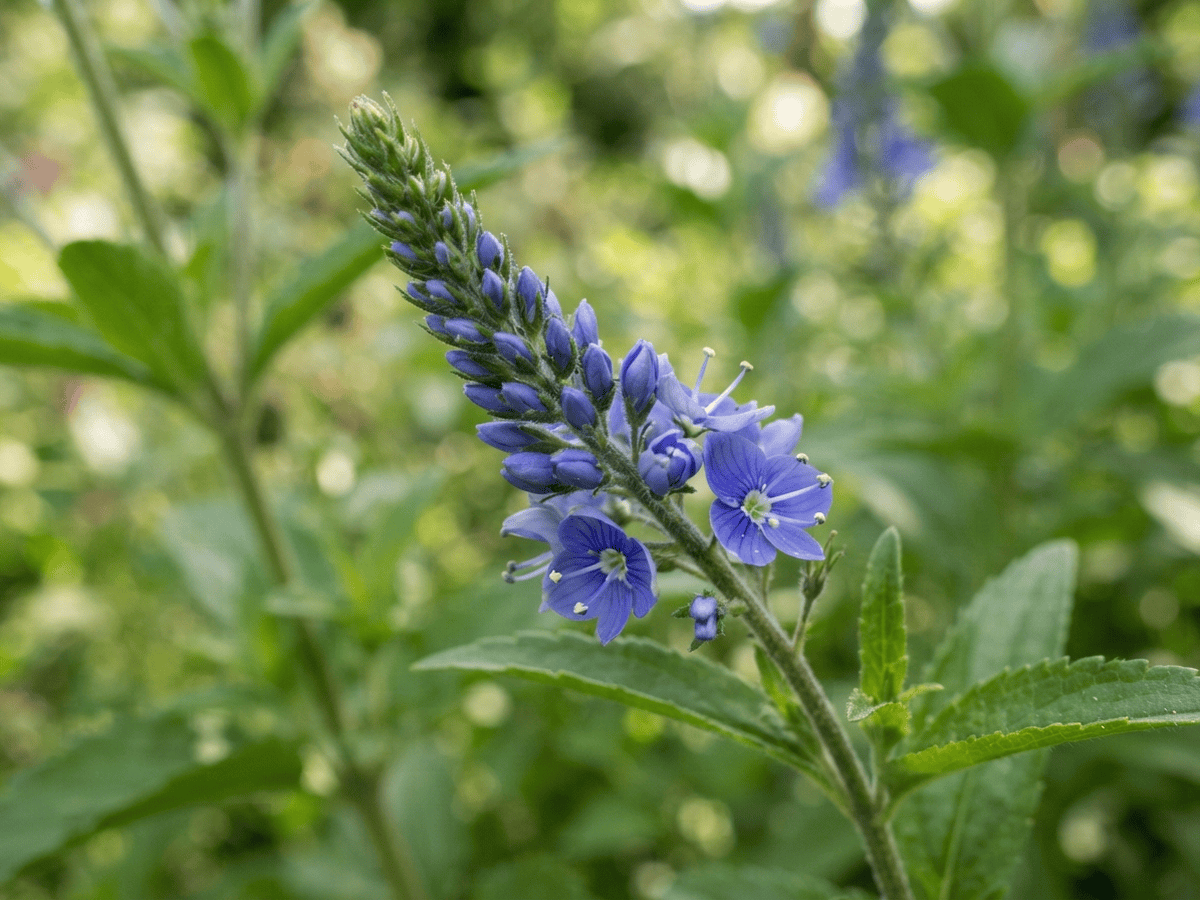
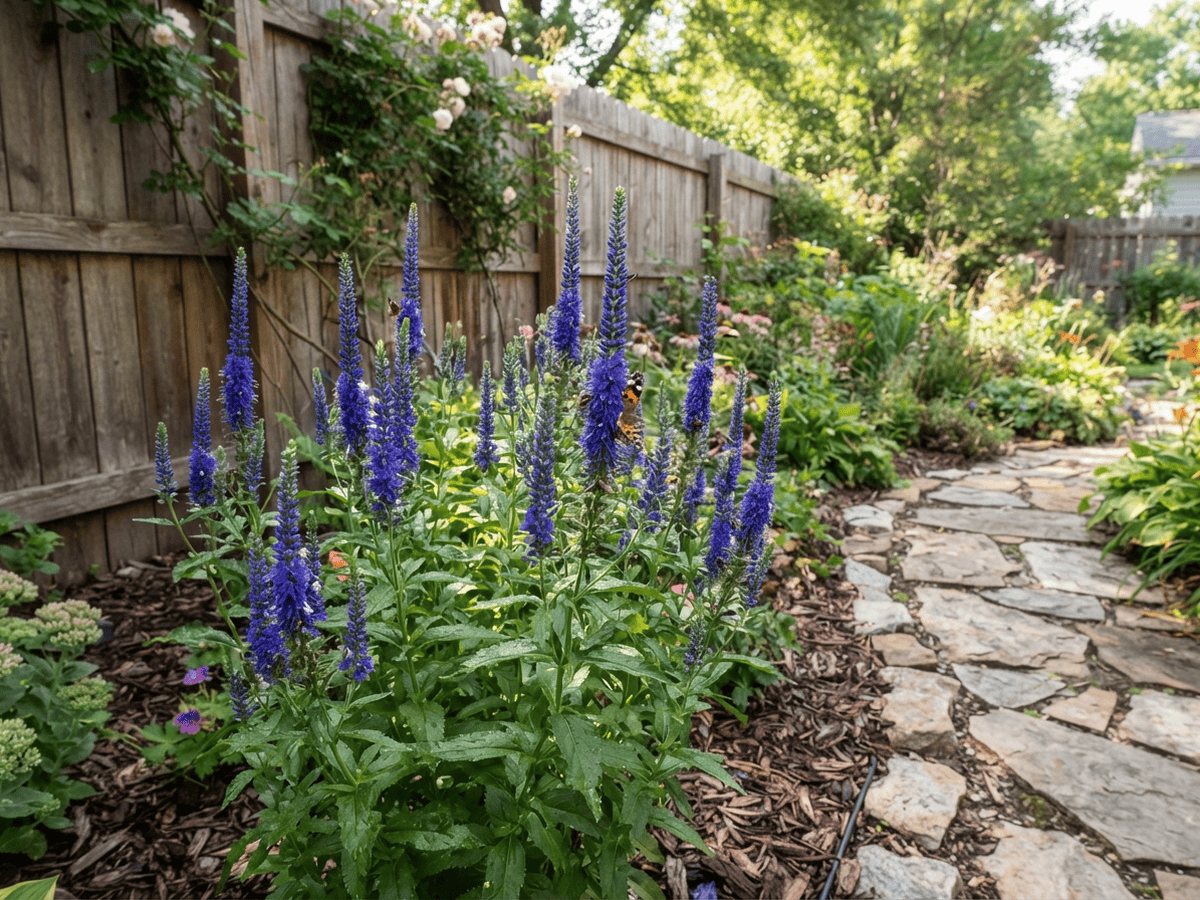
Longleaf Speedwell (Veronica longifolia) is a tall, upright perennial prized for its dense, tapering spikes of violet-blue flowers that rise above narrow, toothed leaves from midsummer into early autumn. Native to damp meadows, riverbanks, and open woodland edges across Europe and northern and central Asia, it thrives in moist, well-drained soil and full to partial sun. Its long-lasting flower spikes make it a favorite of pollinator gardens and cut-flower borders alike, drawing bees, butterflies, and other beneficial insects throughout its extended bloom season.
- Long-blooming
- Pollinator-friendly
- Cold-hardy
- Spreading
How to care for Longleaf Speedwell
Watering
- Springevery 10 days
- Summerevery 7 days
- Fallevery 15 days
- Winterevery 30 days
Soil · Well-draining
- Top dressingPine bark mulch10%
- Main mixPotting soil + perlite 2:170%
- DrainageLECA / gravel20%
Never skip the drainage layer — standing water is the top cause of root rot.
FERTILIZER
Balanced Feed 14-14-14
An even feed covers all three needs at once, keeping leaves, roots and blooms moving together with nothing pushed out of balance.
- Nitrogen · Leaves
- Phosphorus · Roots + Blooms
- Potassium · Strength
- Springevery 30 days
- Summerevery 30 days
- Fallevery 30 days
At a Glance
- NativeEurope, Asia
- Height0.6–1.2 m
- Spread0.4–0.8 m
- Flower colorBlue, Purple
- Foliage colorGreen
- Fruit colorBrown
- SoilLoamy, Well-drained
- LocationsYard · Patio
Bloom time
BLOOM CYCLE
Peak bloom
Jun–Aug
This plant blooms in summer, with colorful flowers that attract many bees and butterflies.
Fragrance
NO FRAGRANCE
Longleaf Speedwell's flowers are essentially unscented, valued for their color and pollinator appeal rather than fragrance.
Toxicity
No toxicity has been reported for this plant. Still, it is wise to keep pets from chewing on any houseplant.
Educational information, not medical or veterinary advice. If exposure is suspected, contact a doctor or veterinarian.
DISTRIBUTION

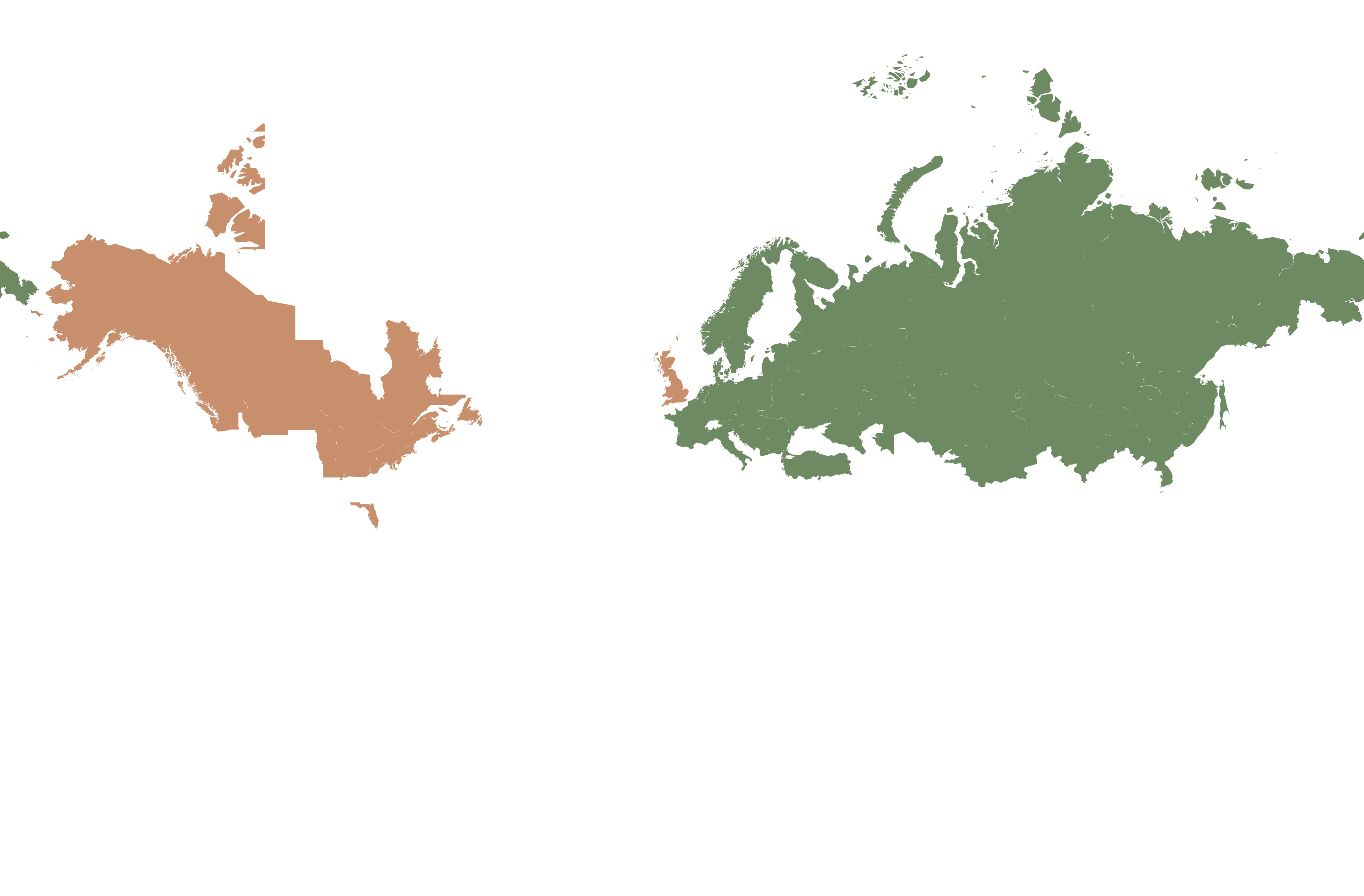
- Native
- Introduced
- Europe
- Asia
History
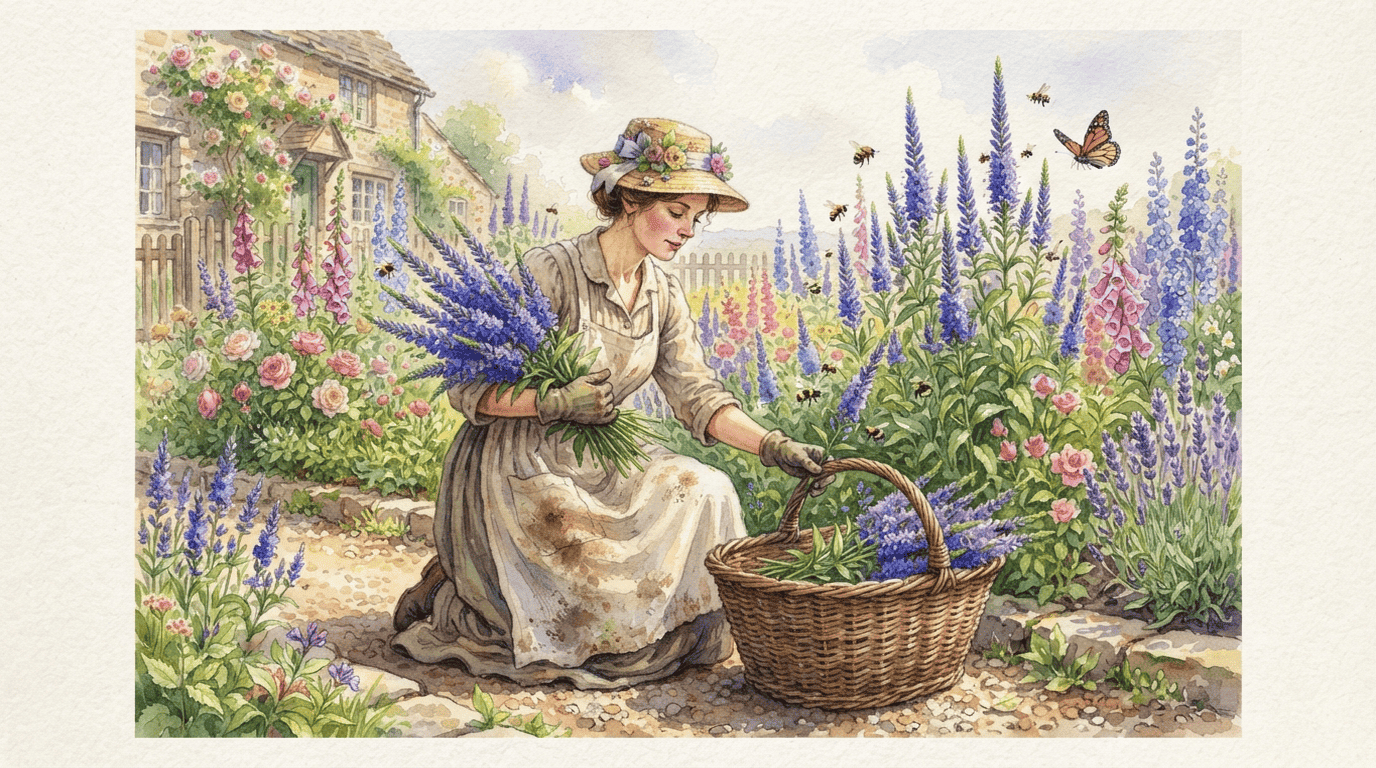
Long before it entered cultivated borders, the Longleaf Speedwell grew wild along the damp meadows and river margins of Europe and northern Asia, its tall violet-blue spikes rising each summer among sedges and grasses wherever the ground stayed moist. European herbalists and gardeners had long known the genus Veronica by a name tied to legend: tradition holds that the plant honors Saint Veronica, who, according to medieval lore, wiped Christ's face with her veil on the road to Calvary and found his image miraculously imprinted upon the cloth -- the delicate markings on many speedwell flowers were fancifully likened to that relic. By the nineteenth century, plant collectors and nurserymen had brought this wild meadow speedwell into European gardens, prizing it for the height and duration of its flower spikes at a time when herbaceous borders were coming into fashion. It crossed the Atlantic soon after, becoming a mainstay of cottage gardens and perennial borders in North America as well, valued for blooming reliably through the heat of summer when many other perennials had already finished. Gardeners also came to appreciate it as a magnet for bees and butterflies, its nectar-rich spikes drawing pollinators from early summer well into autumn, and it remains a familiar sight in wildflower meadows and pollinator plantings today.
Symbolism & meaning
What It Symbolizes
In the language of flowers that flourished in Victorian parlors, a sprig of Veronica carried a message of faithfulness -- a small, unshowy token meant to say that one's affection would not waver. The association drew on the plant's own steadfast nature: its spikes bloom reliably through the heat of summer, standing upright and unfailing long after showier flowers have faded, which gave rise to its reputation as a symbol of quiet, enduring loyalty between friends and lovers alike.
- Fidelity — In Victorian flower language, Veronica blossoms symbolized fidelity and loyalty, often exchanged as a quiet pledge of lasting devotion.
Where the Name Comes From
The genus name Veronica is traditionally said to honor Saint Veronica, who legend holds wiped Christ's face with her veil, leaving his image imprinted upon the cloth -- a story fancifully connected to the delicate markings on many speedwell flowers. The species epithet longifolia comes from the Latin longus ('long') and folium ('leaf'), describing this speedwell's characteristically long, narrow leaves.
Uses & Fun Facts
- Nectar-rich flower spikes draw bees, butterflies, and other pollinators throughout a long summer bloom season.
- Tall, upright flower spikes add vertical structure and long-lasting color to perennial borders and cottage gardens.
- Long-lasting violet-blue spikes are a popular choice for fresh cut-flower arrangements and bouquets.
Related plants
More Veronica plants
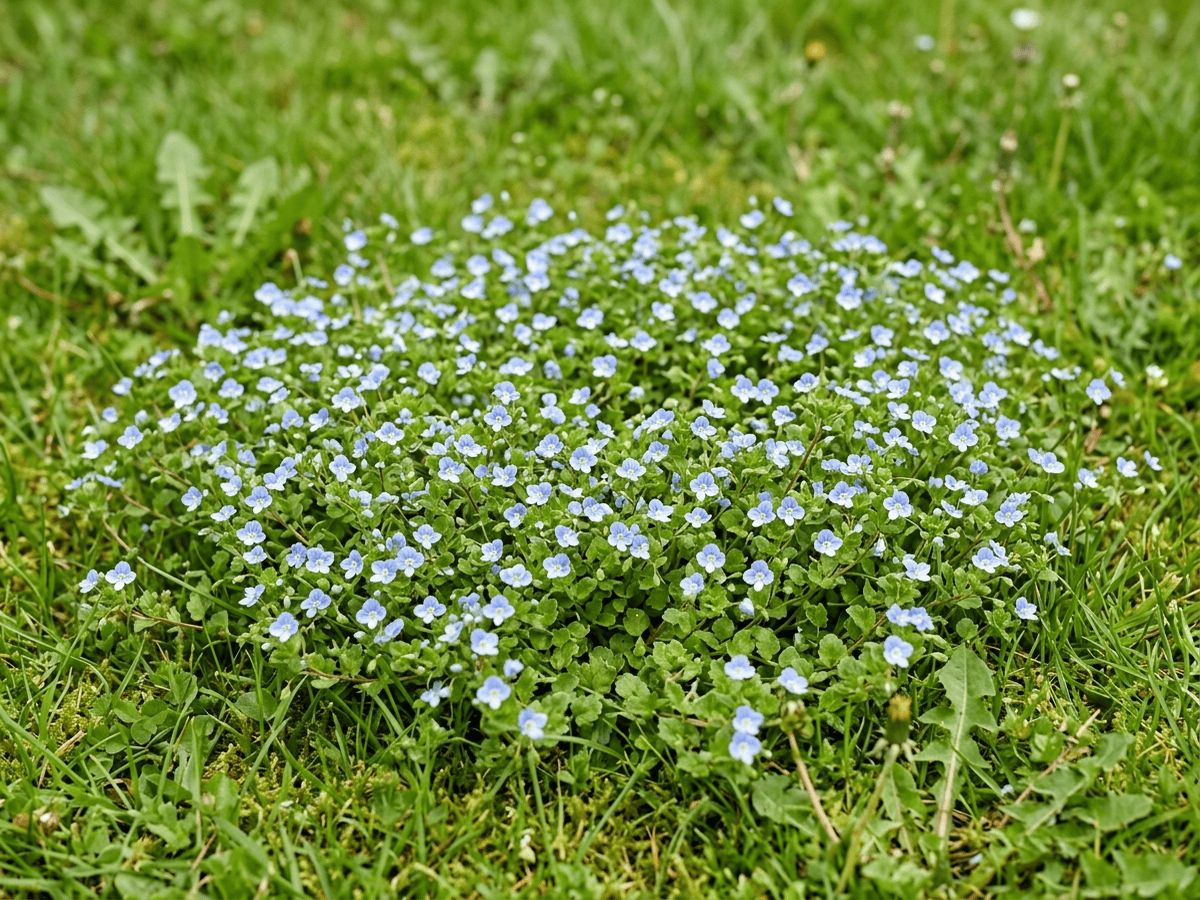 Slender SpeedwellVeronica filiformis
 Bird's-Eye SpeedwellVeronica persica
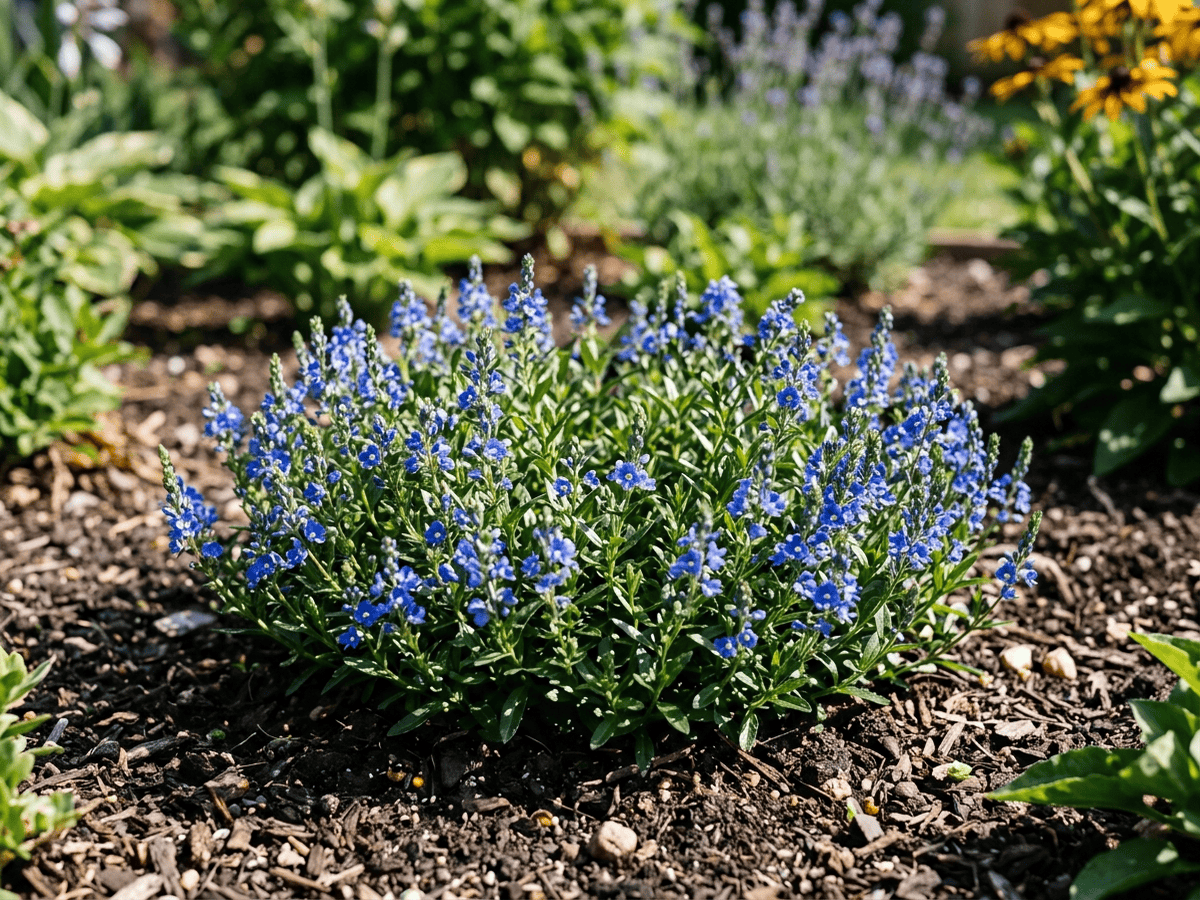 Prostrate SpeedwellVeronica prostrata
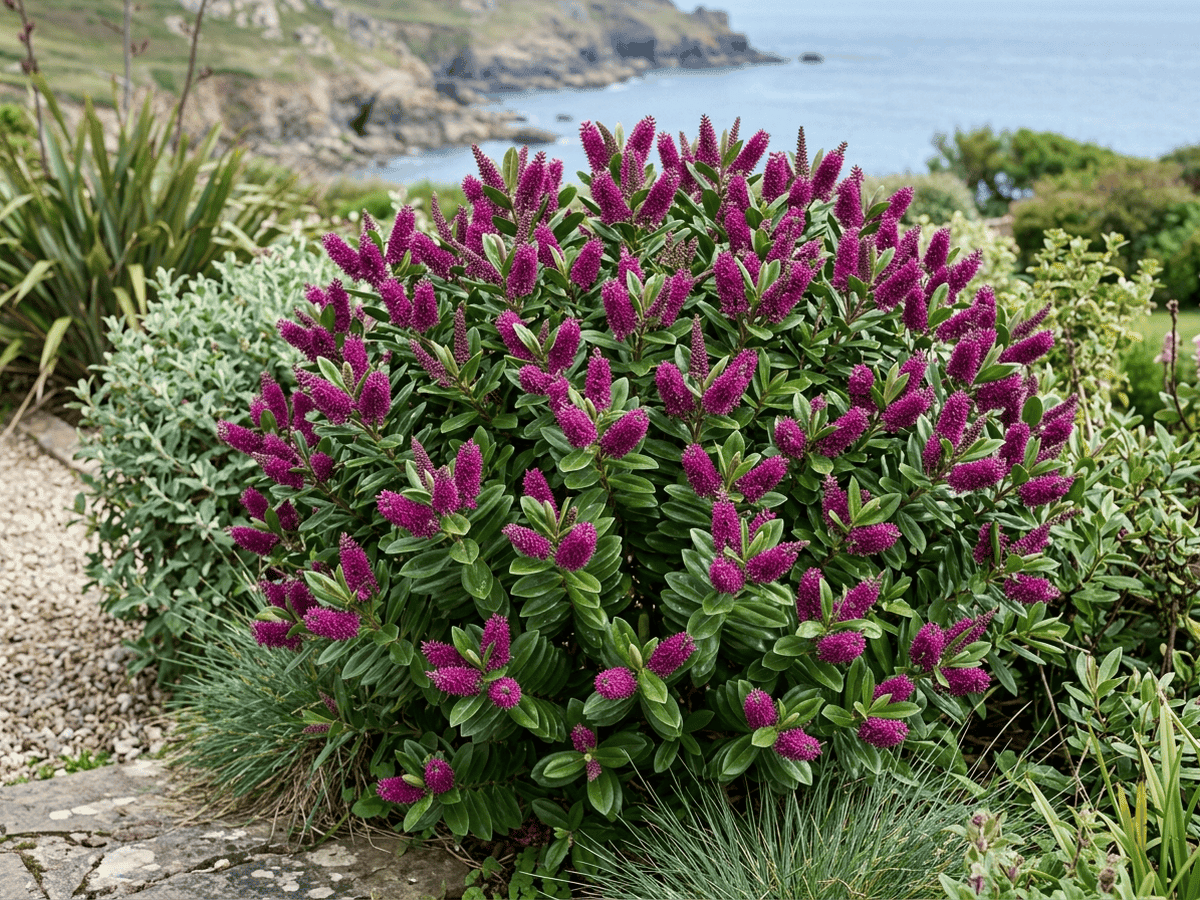 Showy SpeedwellVeronica speciosa
Plants with similar care
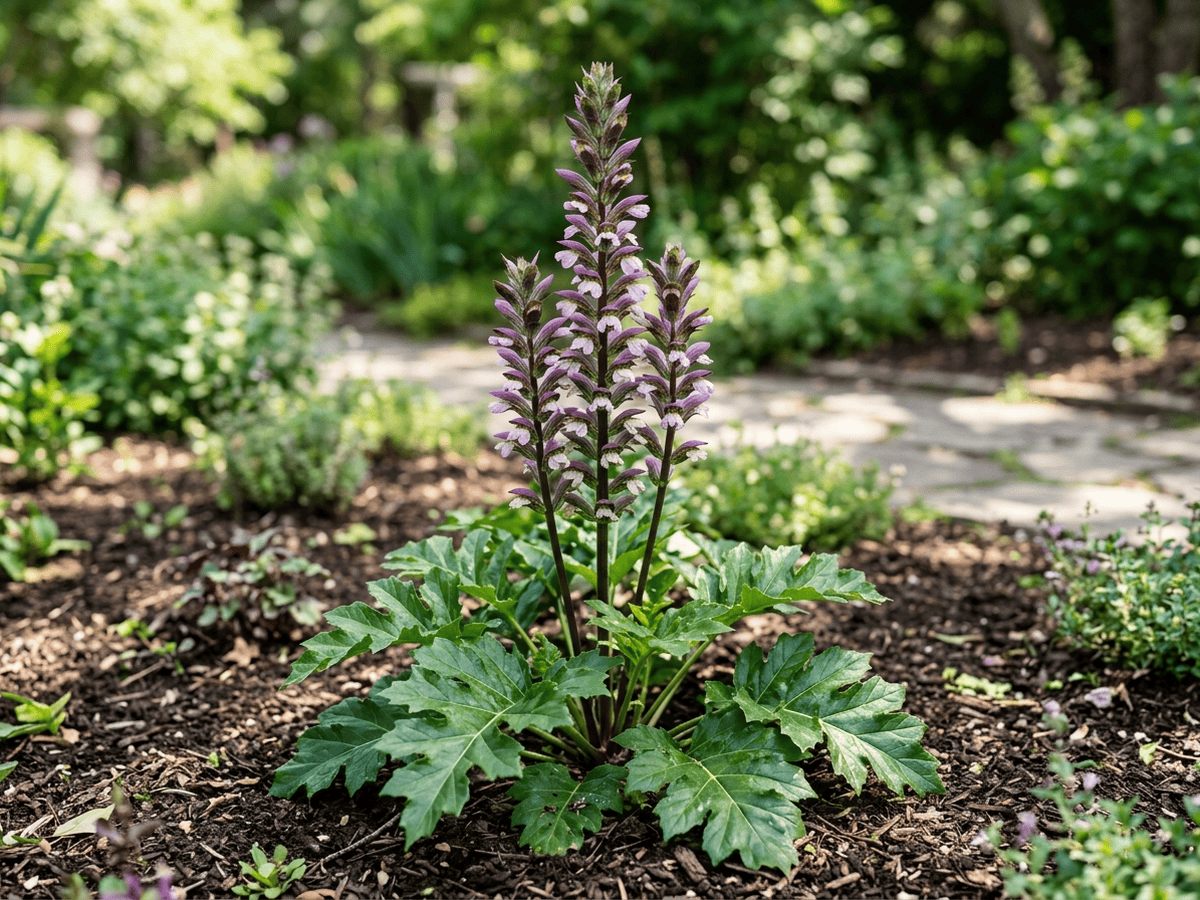 Bear's BreechesAcanthus mollis
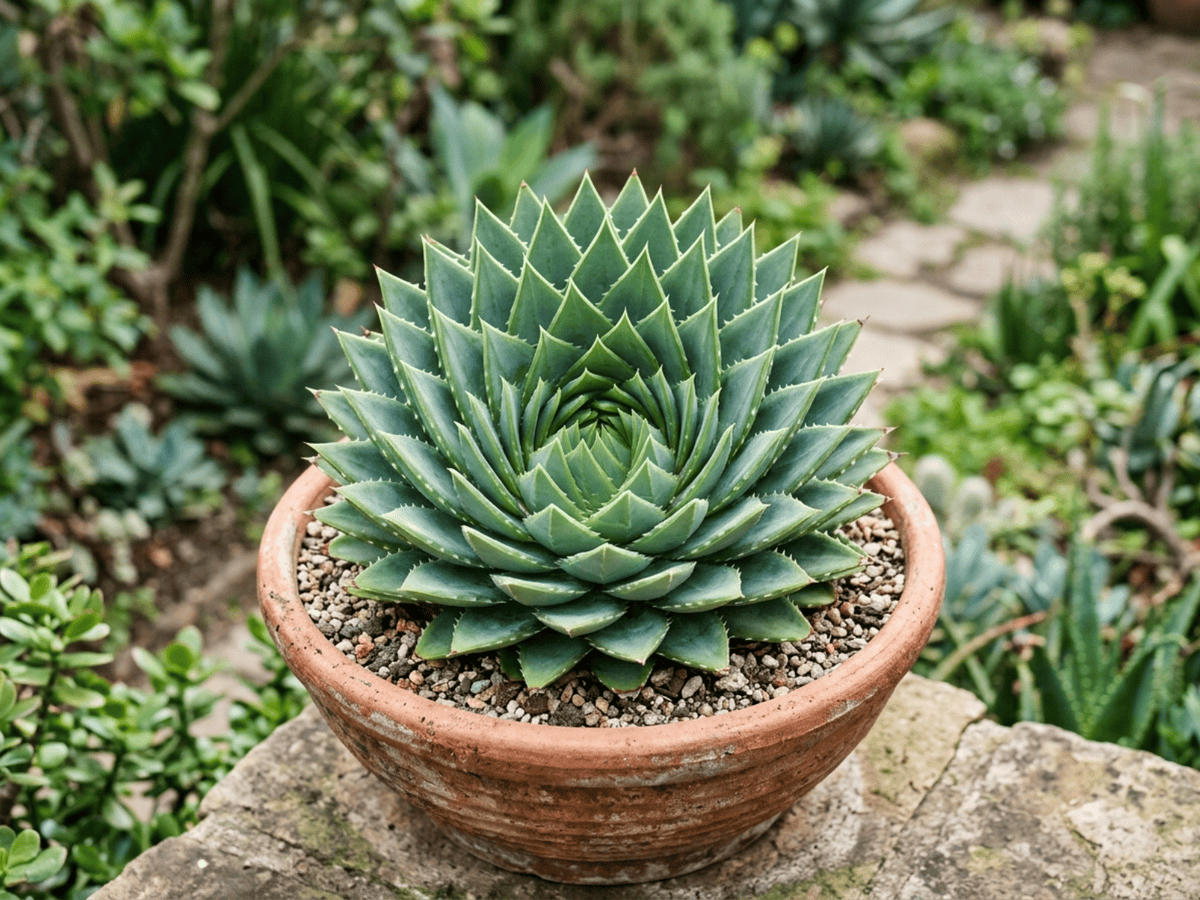 Spiral AloeAloe polyphylla
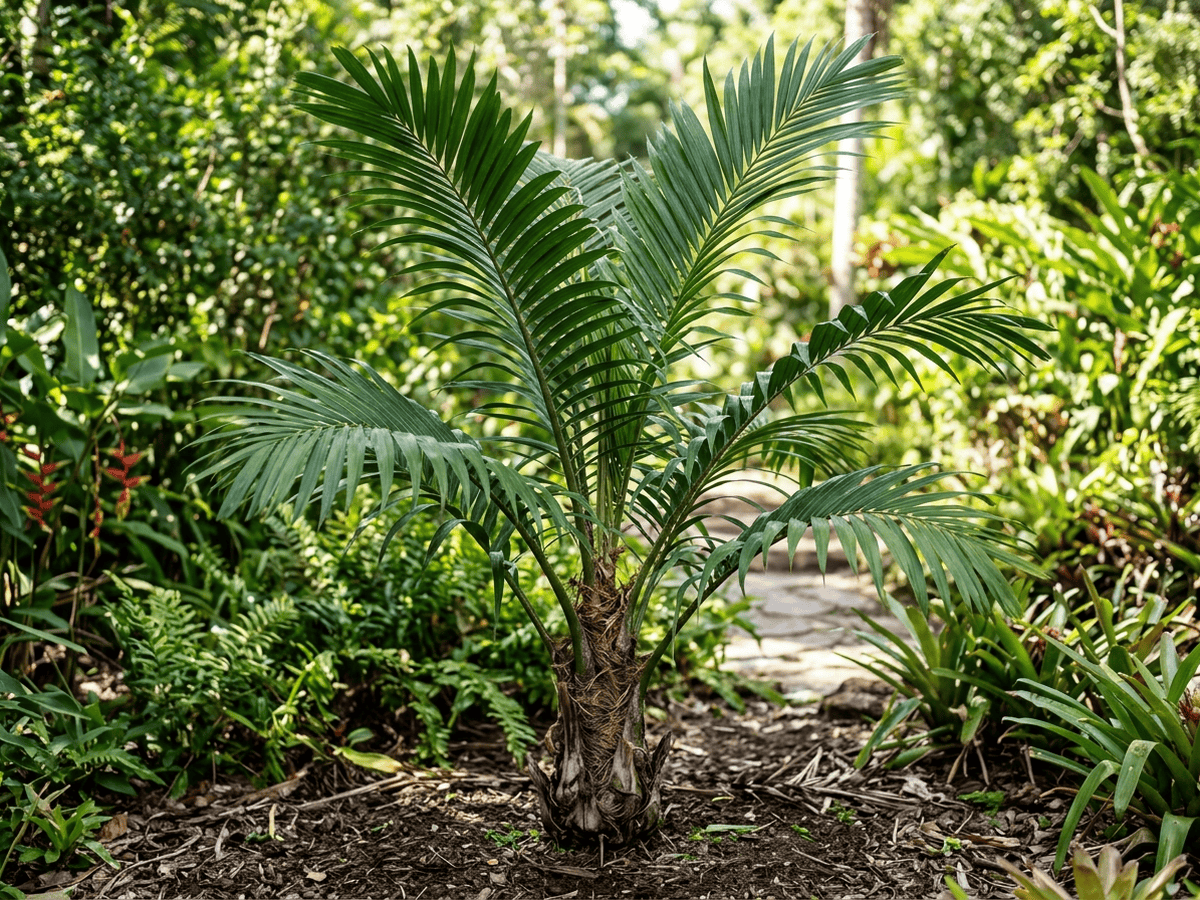 Formosa PalmArenga engleri
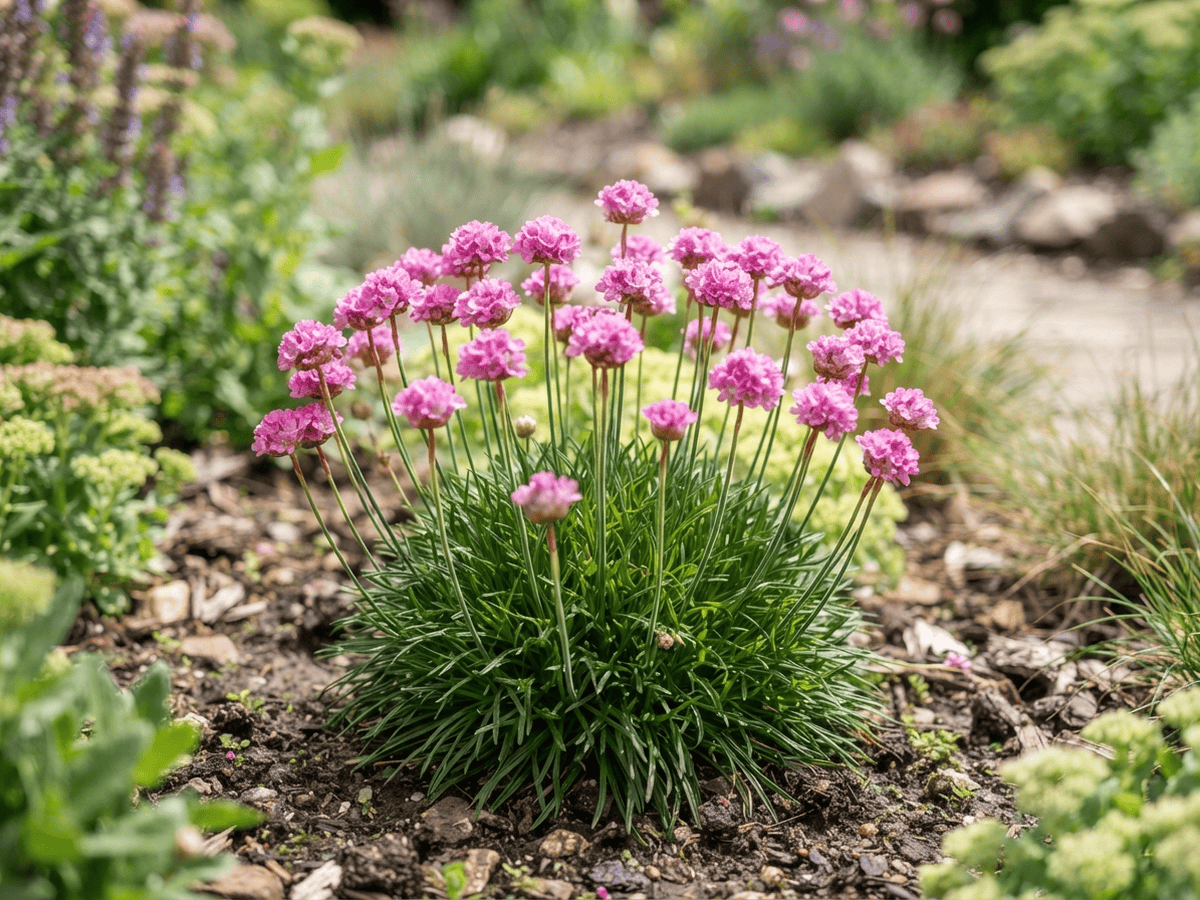 Sea ThriftArmeria maritima
Frequently asked questions
How often should I water Longleaf Speedwell?
In summer, water about every 7 days; in winter, about every 30 days. Adjust for heat, pot size and drainage.
How much light does Longleaf Speedwell need?
Part shade: 2–4 hrs direct. Watch the leaves — scorching or stretching means the light needs adjusting.
Is Longleaf Speedwell toxic to cats or dogs?
No toxicity has been reported for this plant. Still, it is wise to keep pets from chewing on any houseplant. Educational information, not medical or veterinary advice. If exposure is suspected, contact a doctor or veterinarian.
Is Longleaf Speedwell easy to grow?
It is considered challenging and rewards experienced growers.
When does Longleaf Speedwell bloom?
It typically blooms Jun–Aug in the Northern Hemisphere.
YardMate
Identify any plant in seconds
Snap a photo — YardMate names the plant, diagnoses problems, and reminds you when to water.
Download on the App Store