 YardMate
Showy Speedwell
Veronica speciosa
Hard · Experienced growersAbout Showy Speedwell
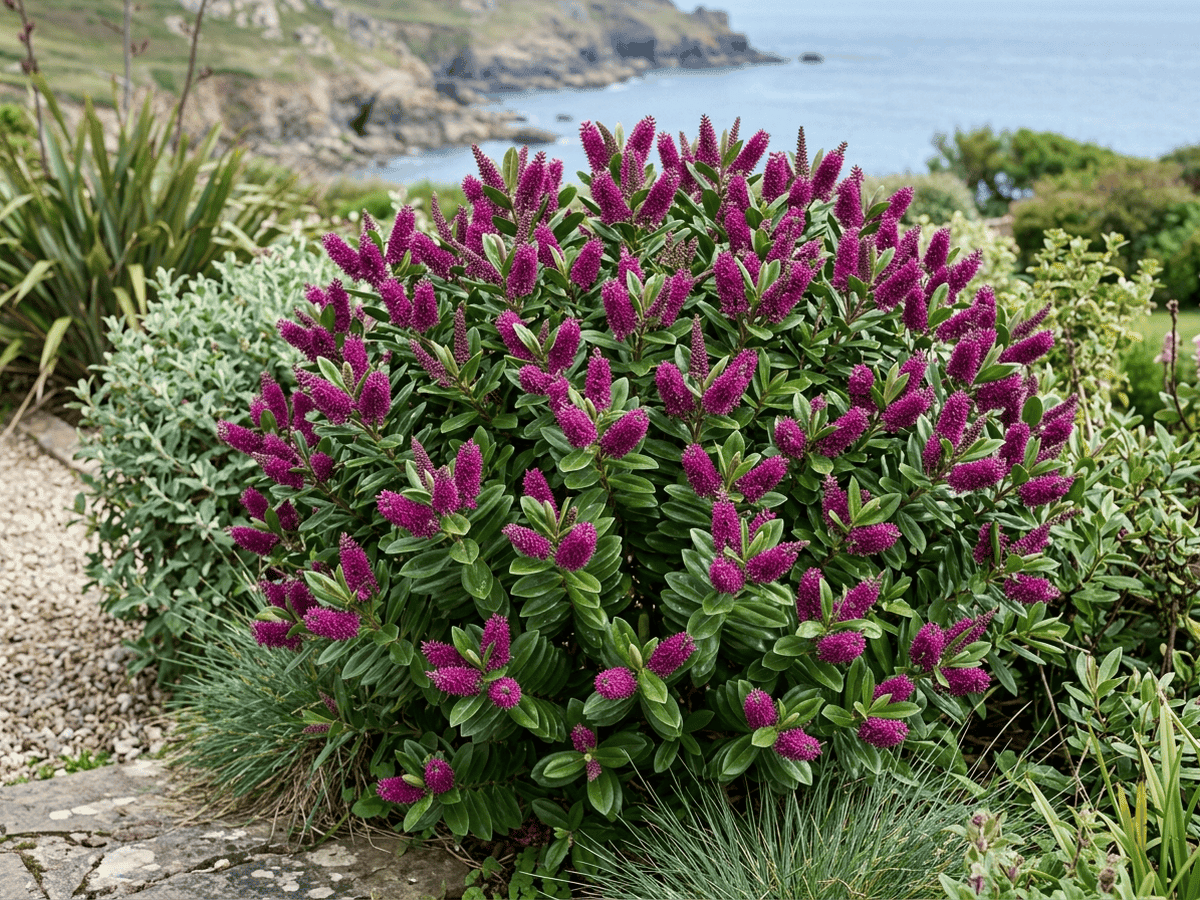
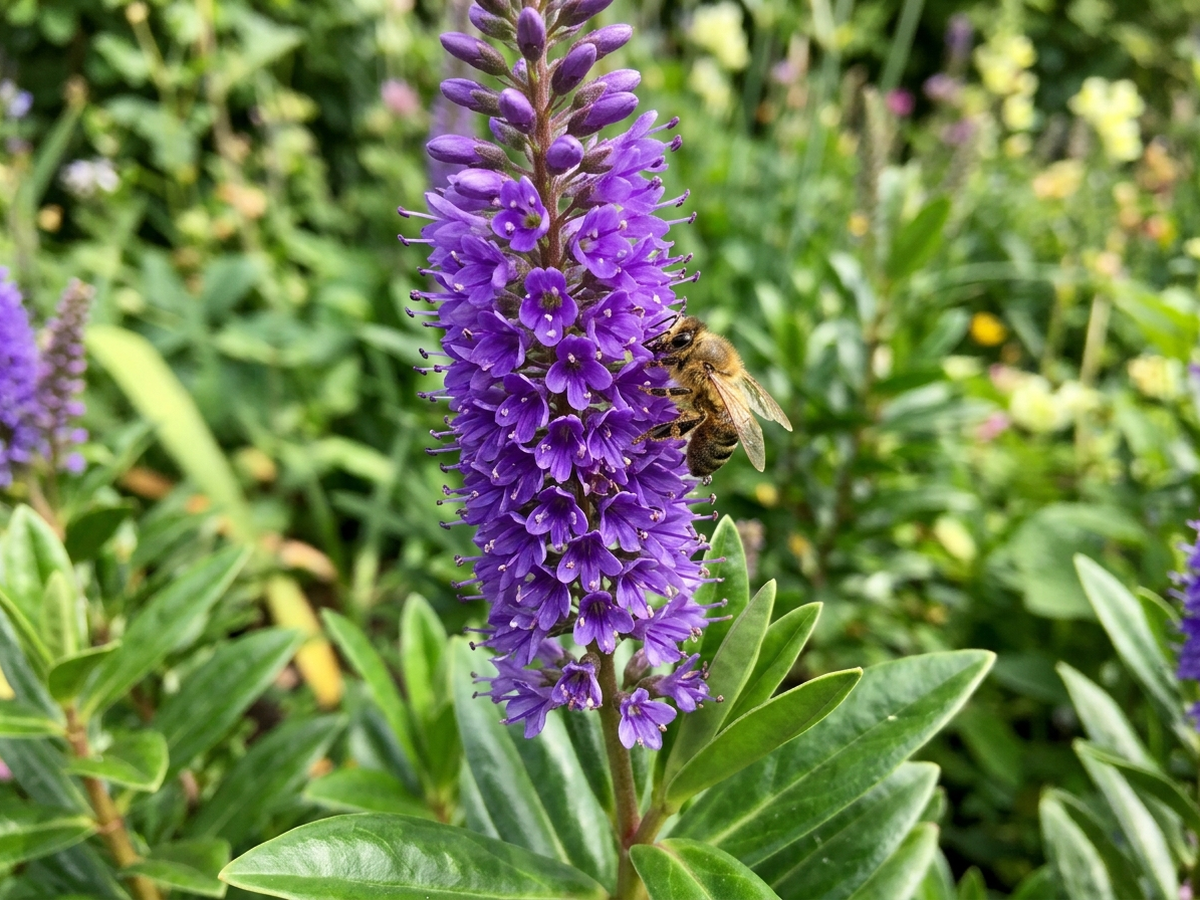
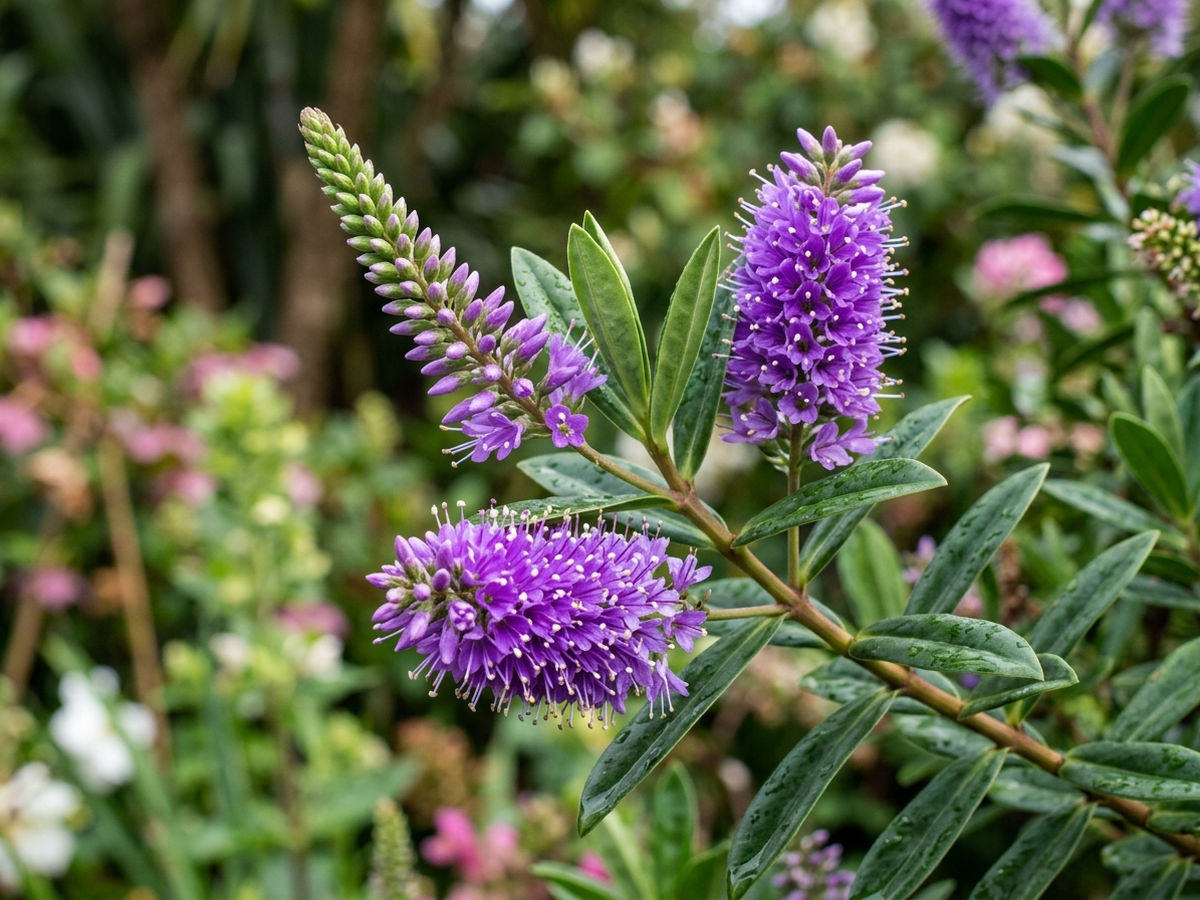
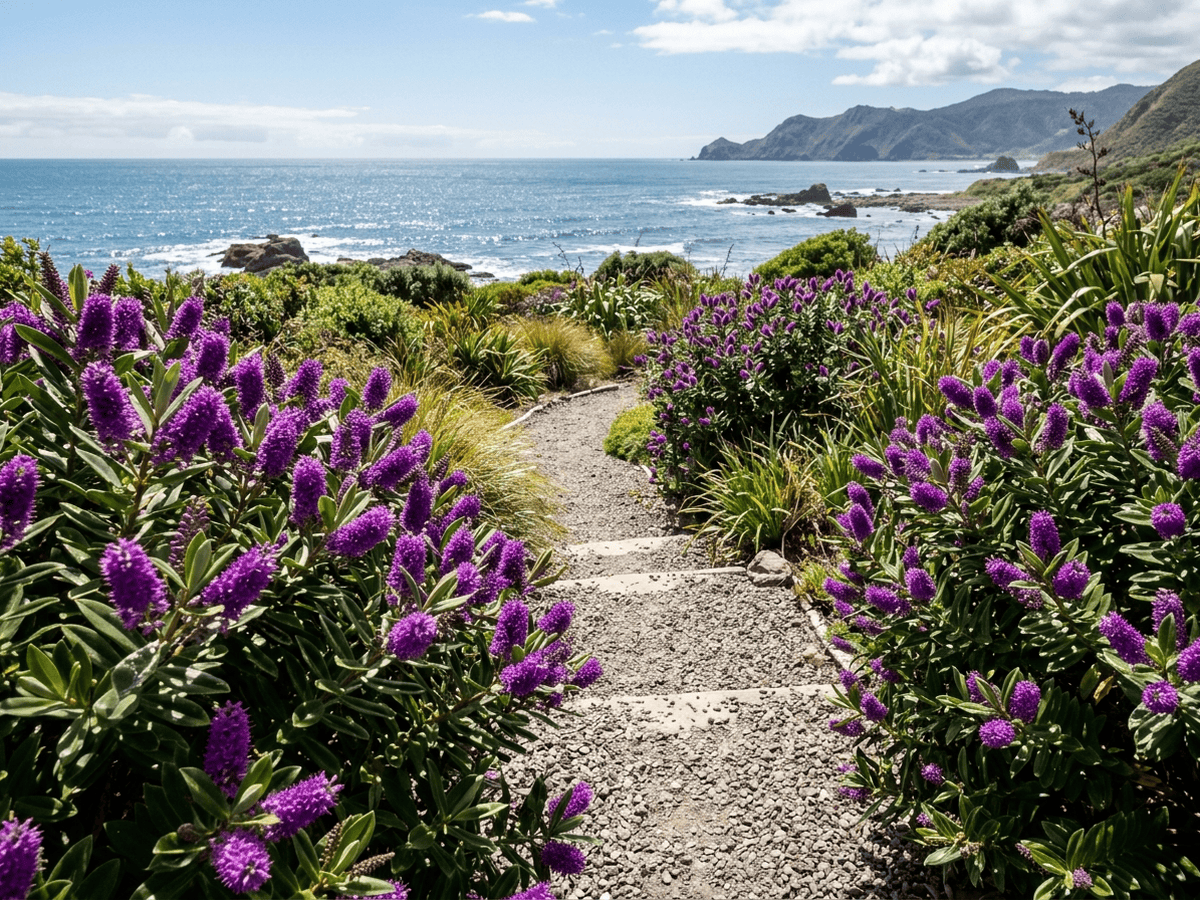
Veronica speciosa (syn. Hebe speciosa) is a compact evergreen shrub native to the coastal cliffs and forest margins of New Zealand. In late spring and early summer it produces dense upright spikes of rich purple-crimson flowers that are irresistible to bees and butterflies. The glossy, leathery oval leaves are arranged opposite one another on rigid stems. Tolerating coastal winds and mild frosts, it thrives in full sun to partial shade with well-drained soil. A beloved ornamental throughout New Zealand, Australia, and mild-climate gardens worldwide.
- Evergreen
- Cold-hardy
- Pollinator-friendly
- Compact
- Drought-tolerant
How to care for Showy Speedwell
Watering
- Springevery 7 days
- Summerevery 7 days
- Fallevery 14 days
- Winterevery 30 days
Soil · Well-draining
- Top dressingPine bark mulch10%
- Main mixPotting soil + perlite 2:170%
- DrainageLECA / gravel20%
Never skip the drainage layer — standing water is the top cause of root rot.
FERTILIZER
Balanced Feed 14-14-14
An even feed covers all three needs at once, keeping leaves, roots and blooms moving together with nothing pushed out of balance.
- Nitrogen · Leaves
- Phosphorus · Roots + Blooms
- Potassium · Strength
- Springevery 30 days
- Summerevery 30 days
At a Glance
- NativeNorth America
- Height1–2 ft (0.3–0.6 m)
- Spread1–2 ft (0.3–0.6 m)
- Flower colorPurple
- Foliage colorGreen
- SoilWell-drained, Moist
- LocationsYard · Balcony
Bloom time
BLOOM CYCLE
Peak bloom
May–Jun
Flowers bloom from late spring to early summer, attracting bees and butterflies.
Toxicity
No toxicity has been reported for this plant. Still, it is wise to keep pets from chewing on any houseplant.
Educational information, not medical or veterinary advice. If exposure is suspected, contact a doctor or veterinarian.
DISTRIBUTION


- Native
- Introduced
- North America
History

Veronica speciosa belongs to the Veronica sensu lato / Hebe genus, which comprises over 100 species almost entirely endemic to New Zealand and is the country's largest native plant group. For centuries, Māori people used various Hebe species in traditional rongoā (medicine), employing leaf preparations for skin ailments and wound treatment.
European botanical exploration of New Zealand in the late 18th and early 19th centuries brought the spectacular Hebe species to the attention of British horticulturalists. Joseph Banks and Daniel Solander collected New Zealand plants during Cook's first voyage (1769–1771), and subsequent expeditions documented the remarkable diversity of the island's flora.
Veronica speciosa was among the hebes that reached British gardens by the mid-19th century, where its rich purple flower spikes and tolerance of coastal conditions made it a favorite for seaside estates. The Royal Horticultural Society awarded it the prestigious Award of Garden Merit, cementing its status in the European garden canon.
In the 20th century, taxonomists debated whether the New Zealand hebes should remain in Veronica or be separated as Hebe, and numerous cultivars were developed by New Zealand and British breeders. The genus was ultimately merged back into Veronica following molecular phylogenetic studies in the 2000s.
Today Veronica speciosa and its hybrids are cherished in mild coastal gardens worldwide, valued for their evergreen structure, long-lasting flower spikes, and exceptional tolerance of sea spray and wind.
Symbolism & meaning
What It Symbolizes
The name Veronica carries centuries of meaning—honoring the woman who, in Christian tradition, offered her veil to Christ. The Showy Speedwell, growing defiant on New Zealand sea cliffs in brilliant purple, gives this ancient name a vivid new voice: beauty that does not yield to wind or salt, fidelity expressed through endurance.
- fidelity — Named for Saint Veronica, a symbol of loyalty and devotion throughout centuries of European tradition.
- resilience — Thriving on exposed coastal cliffs lashed by sea spray, it stands as an emblem of tough, windswept endurance.
Where the Name Comes From
The genus name Veronica was used by early herbalists; its origin is debated but may honor Saint Veronica. The species epithet speciosa means 'showy' or 'spectacular' in Latin, describing the plant's ornamental flower spikes—the same word that has led to the common name Showy Speedwell.
Uses & Fun Facts
- Dense purple flower spikes and glossy evergreen foliage prized in coastal and border gardens
- Rich nectar source for bees and butterflies throughout late spring and summer
- Dense evergreen shrub provides shelter and nesting habitat for small birds
Related plants
More Veronica plants
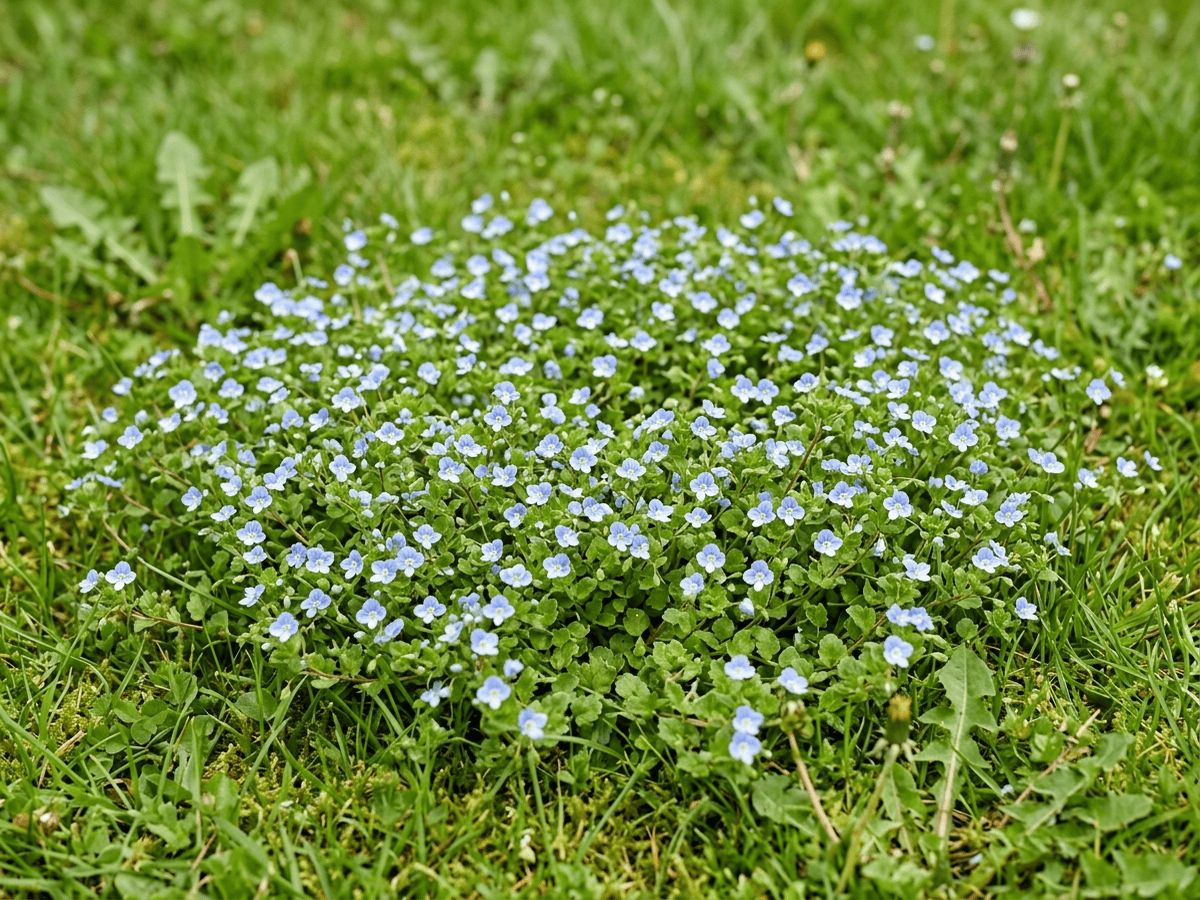 Slender SpeedwellVeronica filiformis
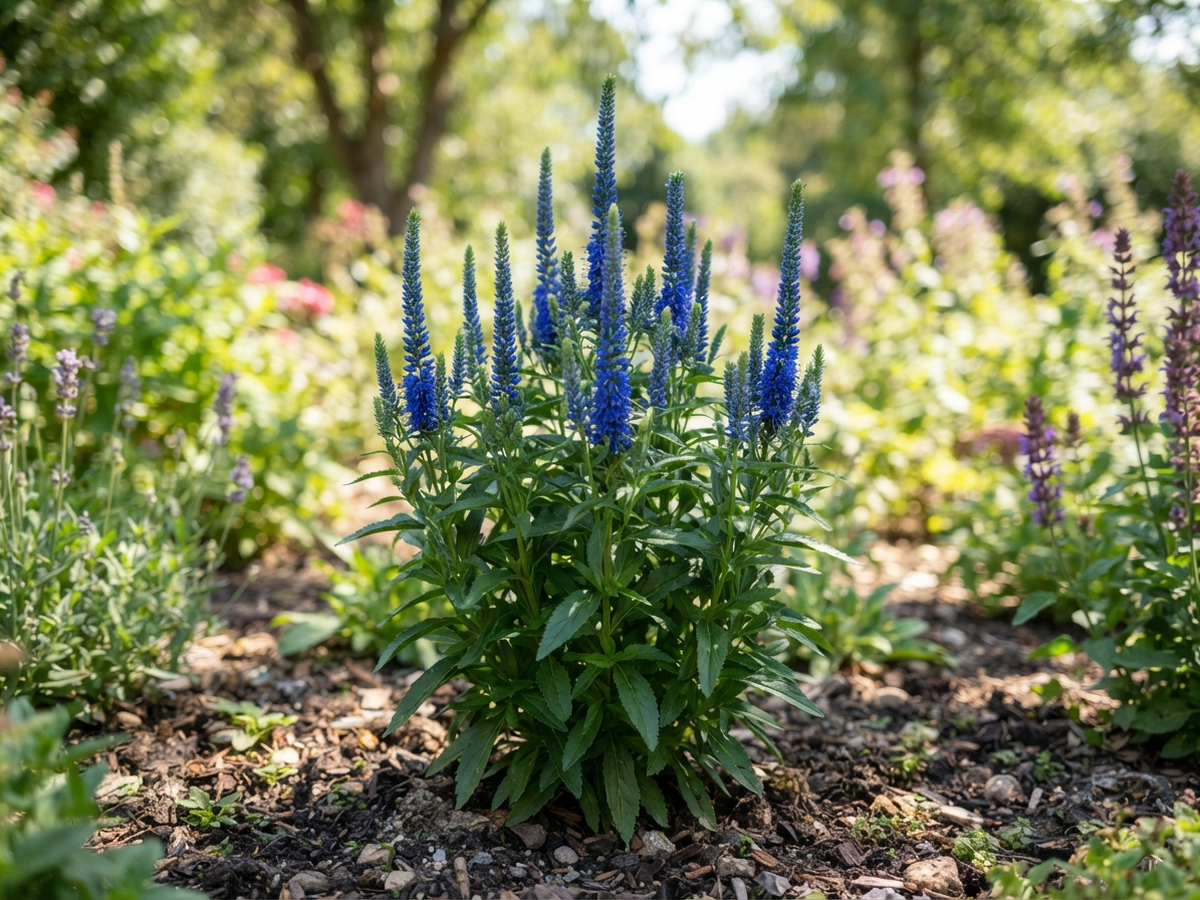 Longleaf SpeedwellVeronica longifolia
 Bird's-Eye SpeedwellVeronica persica
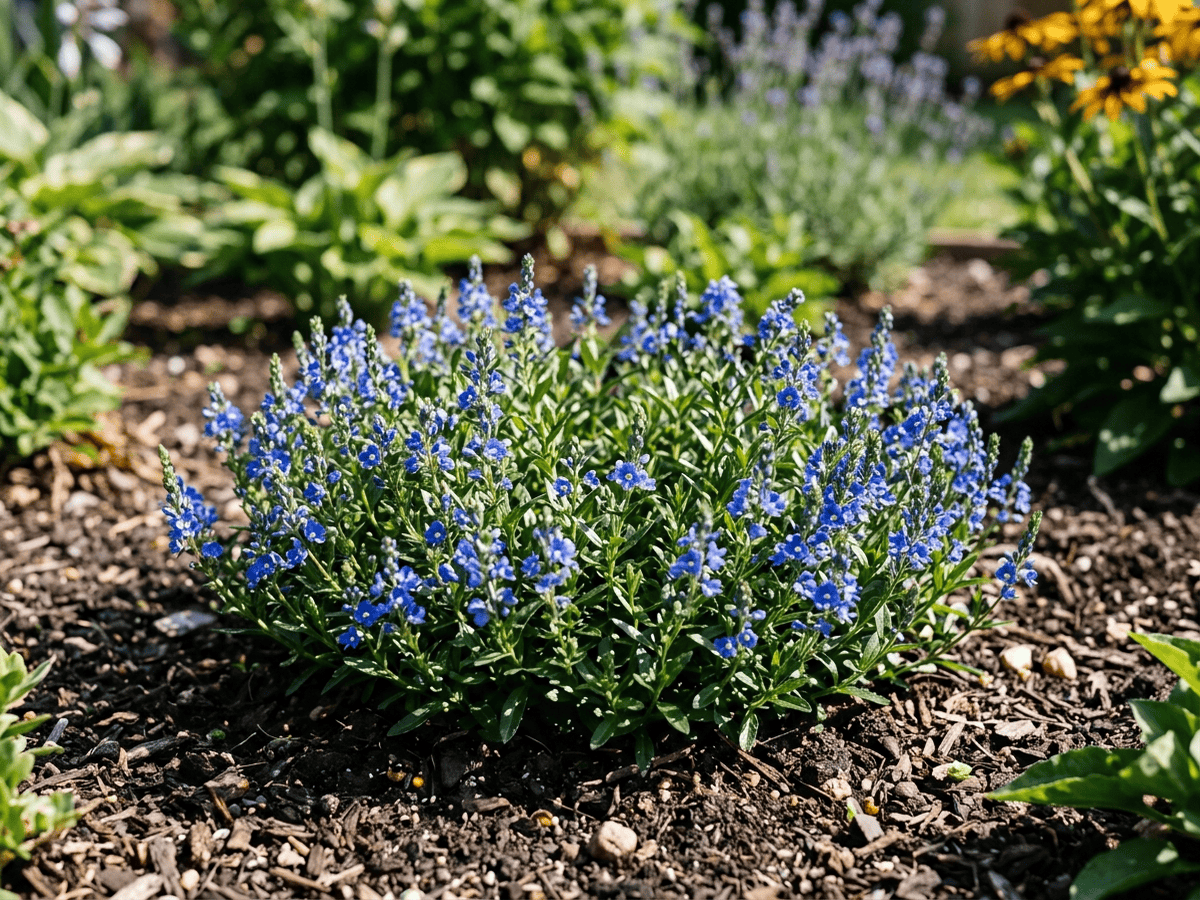 Prostrate SpeedwellVeronica prostrata
Plants with similar care
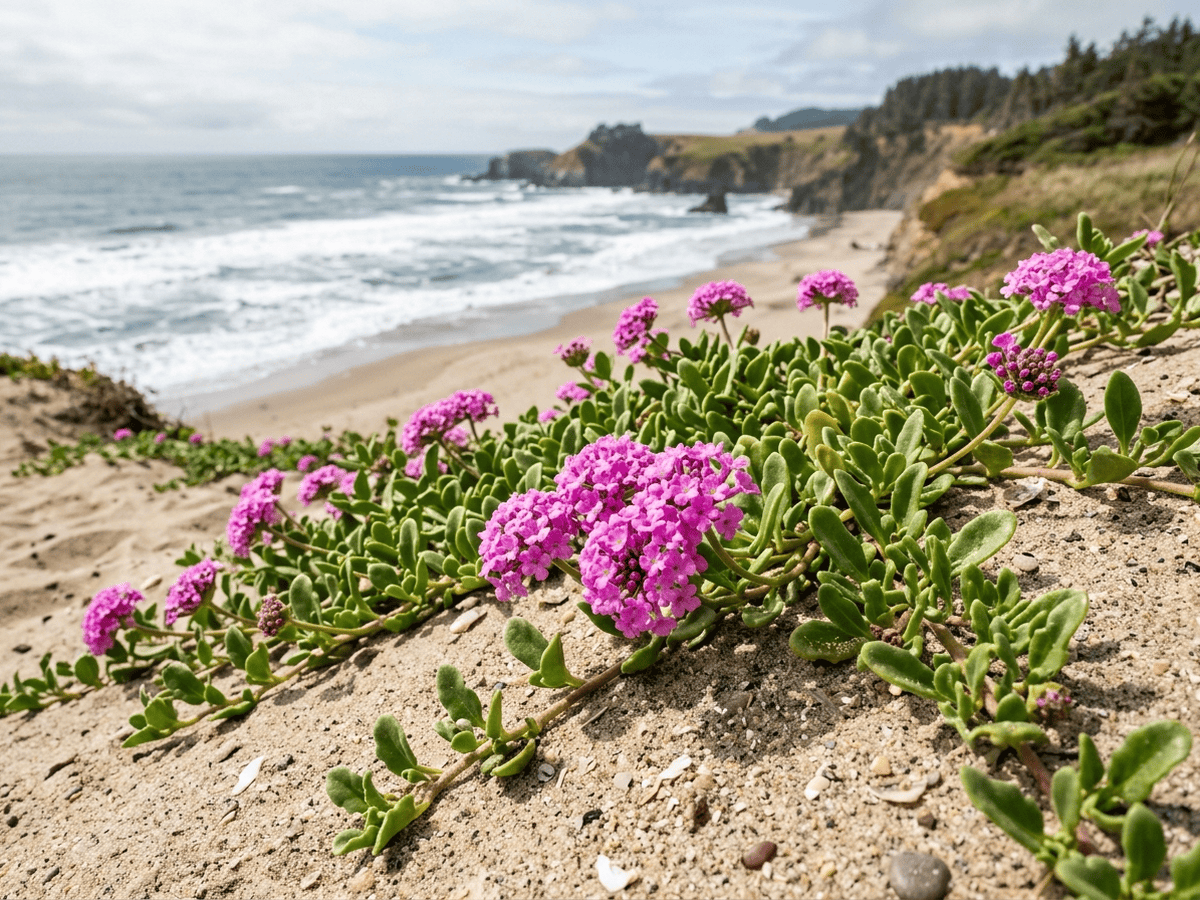 Pink Sand VerbenaAbronia umbellata
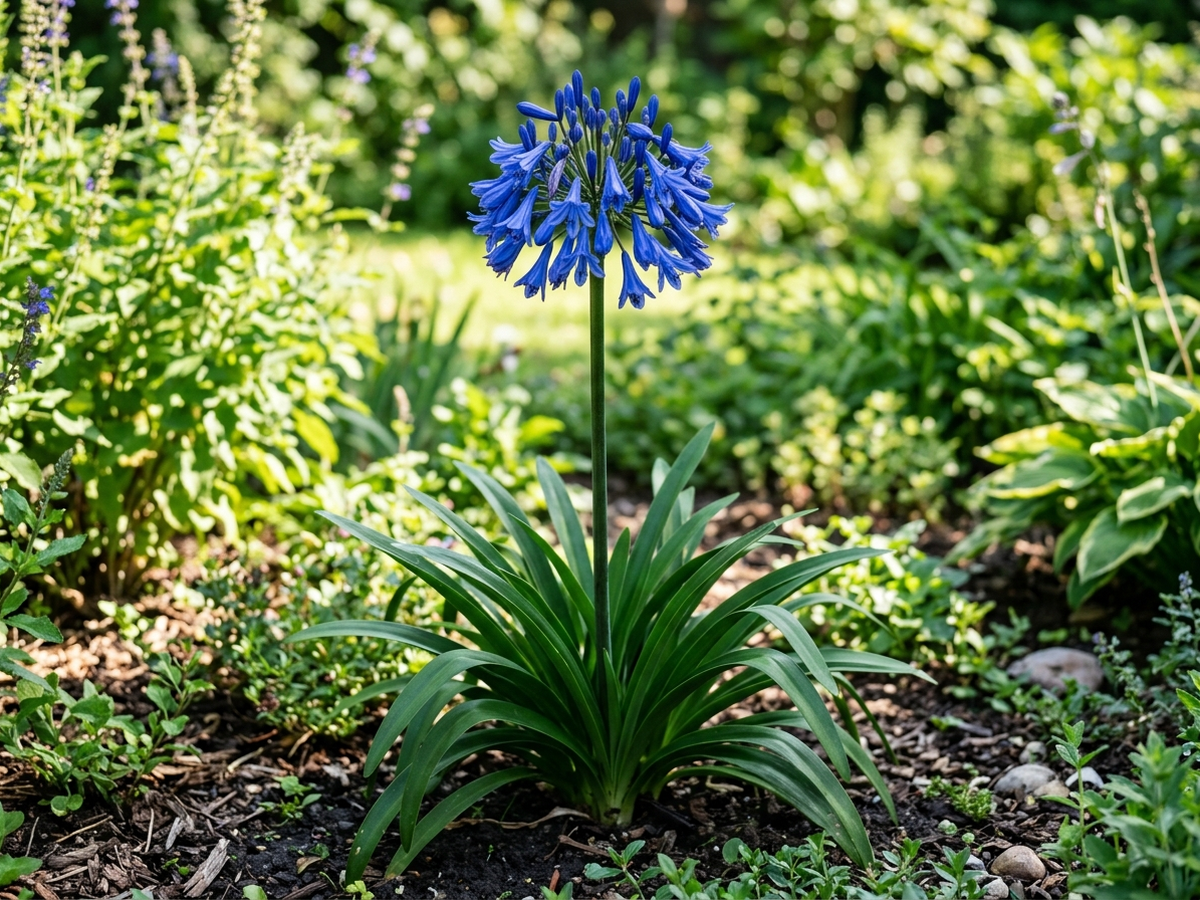 Drooping AgapanthusAgapanthus inapertus
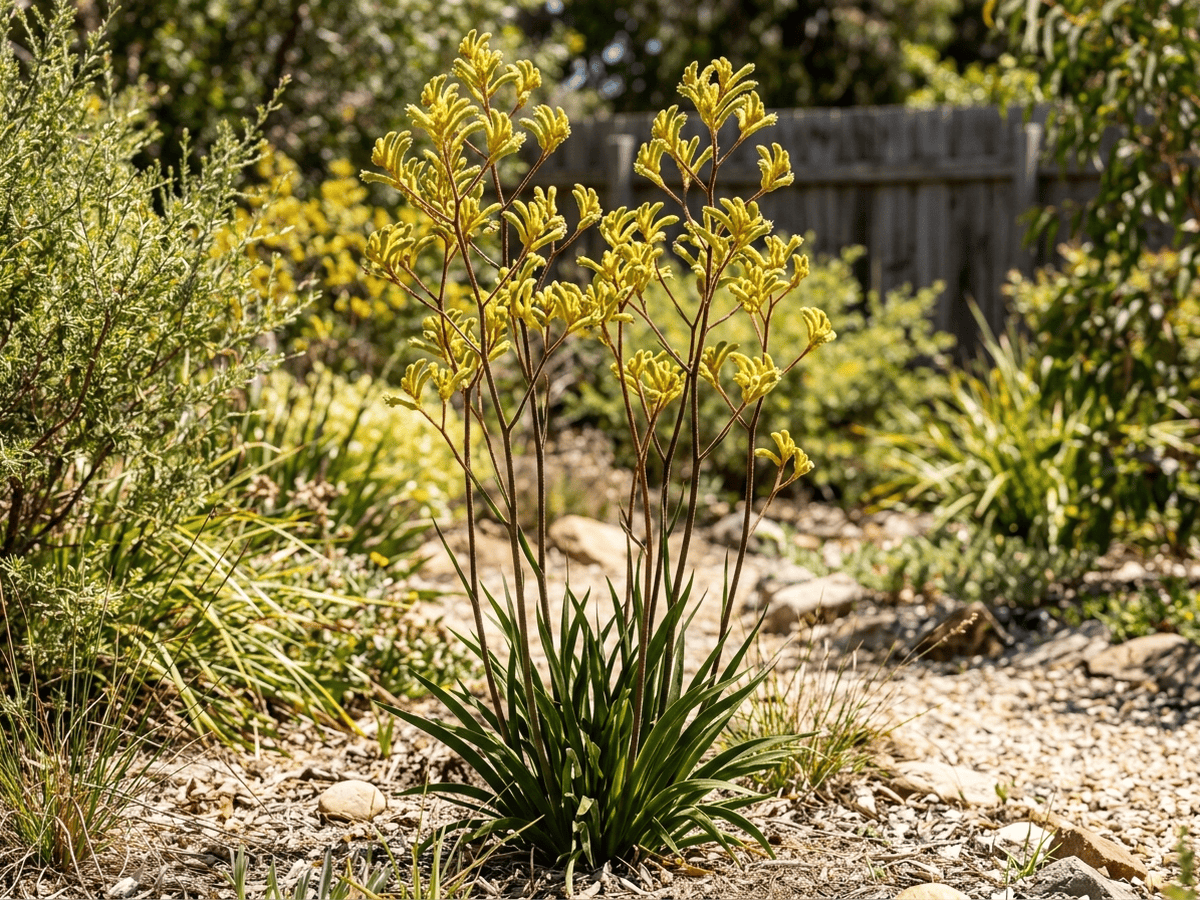 Tall Kangaroo PawAnigozanthos flavidus
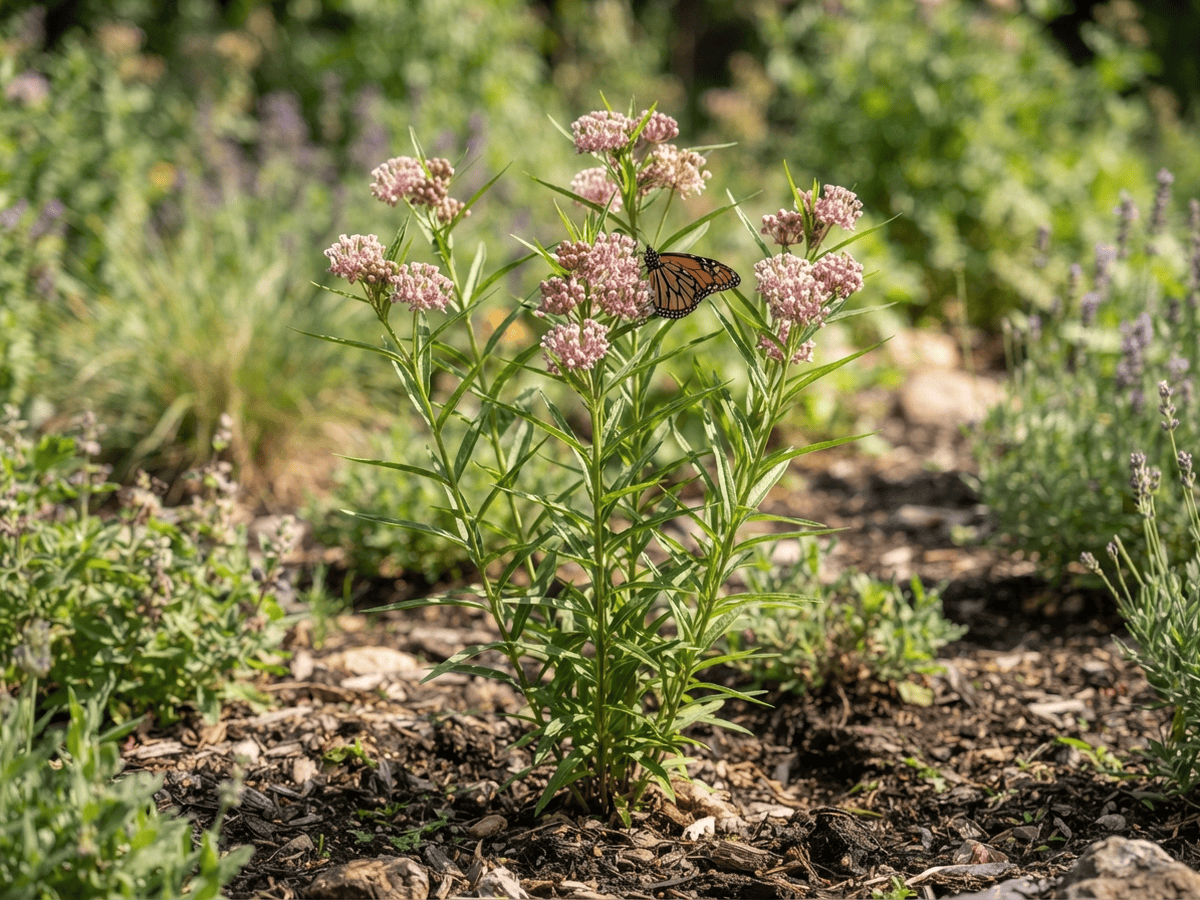 Narrowleaf MilkweedAsclepias fascicularis
Frequently asked questions
How often should I water Showy Speedwell?
In summer, water about every 7 days; in winter, about every 30 days. Adjust for heat, pot size and drainage.
How much light does Showy Speedwell need?
Full sun: 6+ hrs direct. Watch the leaves — scorching or stretching means the light needs adjusting.
Is Showy Speedwell toxic to cats or dogs?
No toxicity has been reported for this plant. Still, it is wise to keep pets from chewing on any houseplant. Educational information, not medical or veterinary advice. If exposure is suspected, contact a doctor or veterinarian.
Is Showy Speedwell easy to grow?
It is considered challenging and rewards experienced growers.
When does Showy Speedwell bloom?
It typically blooms May–Jun in the Northern Hemisphere.
YardMate
Identify any plant in seconds
Snap a photo — YardMate names the plant, diagnoses problems, and reminds you when to water.
Download on the App Store