 YardMate


Crimson Glory Vine
Vitis coignetiae
Easy · Beginner friendlyAbout Crimson Glory Vine
Crimson Glory Vine is a vigorous deciduous climber reaching 50-80 feet, famous for enormous heart-shaped leaves up to 10 inches across that turn brilliant shades of crimson, orange, and burgundy in autumn. Native to Japan, Korea, and Russian Sakhalin, it produces small dark purple inedible grapes but is grown almost entirely for its spectacular fall foliage display. A grand-scale vine for large US gardens and pergolas.
- Climbing
- Fall-color
How to care for Crimson Glory Vine
Watering
- Springevery 7 days
- Summerevery 5 days
- Fallevery 10 days
- Winterevery 21 days
Soil · Well-draining
- Top dressingPine bark mulch10%
- Main mixPotting soil + perlite 2:170%
- DrainageLECA / gravel20%
Never skip the drainage layer — standing water is the top cause of root rot.
FERTILIZER
- Springevery 30 days
- Summerevery 45 days
At a Glance
- NativeEast Asia
- Height30–50 ft (9.1–15.2 m)
- Spread10–20 ft (3–6.1 m)
- Flower colorGreen, Yellow
- Foliage colorGreen, Red, Bronze, Purple
- Fruit colorPurple, Black
- SoilLoamy, Well-drained
- LocationsYard
Bloom time
BLOOM CYCLE
Peak bloom
Jun–Jul
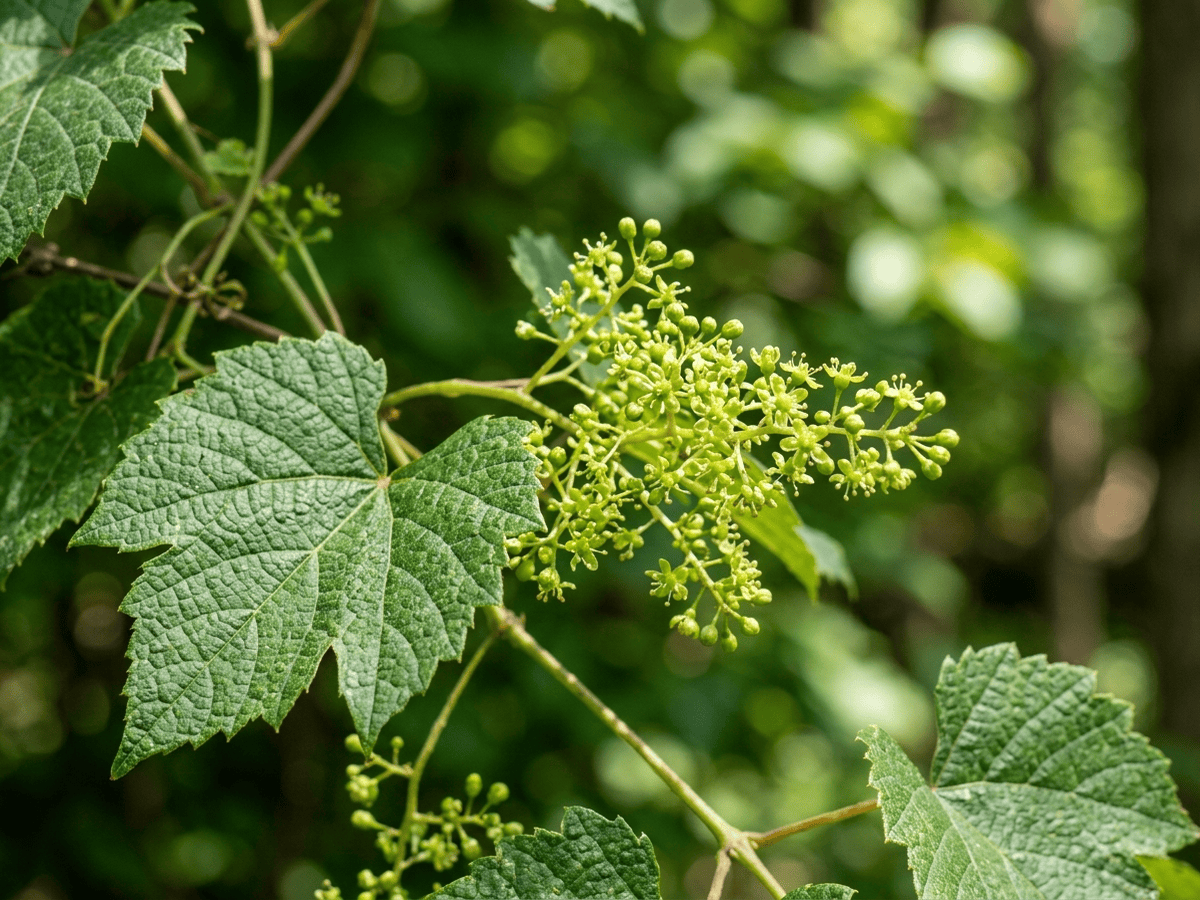
Small greenish flowers June to July
Toxicity
Pets Toxic
unknown compound causing dog/cat renal toxicity
Not reported
EXPOSURE No exposure route is reported.
EFFECT No toxic effect is reported.
NOTE No human toxicity is reported in this catalog; avoid eating ornamental plants unless confirmed edible.
Toxic
- Fruit
- Ingestion
EXPOSURE Eating fruit.
EFFECT Acute kidney failure - grapes are severely toxic to dogs.
NOTE ASPCA warns all Vitis grapes/raisins are potentially fatal to dogs and cats causing acute kidney injury. Fruit edible to humans.
Toxic
- Fruit
- Ingestion
EXPOSURE Eating fruit.
EFFECT Acute kidney failure.
NOTE ASPCA warns all Vitis grapes/raisins are potentially fatal to dogs and cats causing acute kidney injury. Fruit edible to humans.
Educational information, not medical or veterinary advice. If exposure is suspected, contact a doctor or veterinarian.
DISTRIBUTION


- Native
- Introduced
- East Asia
History

Vitis coignetiae is native to Japan (Hokkaido, Honshu), the Korean Peninsula, Sakhalin, and the southern Kuril Islands. French viticulturist Victor Pulliat published the species name in 1883 based on seeds collected in Japan and sent to him by Mme. Coignet, the wife of French industrial advisor to the Meiji government Emile Coignet, who had found the vine growing in a northern Japanese garden.
The 15-20 meter deciduous woody vine is botanically a true grape, though the small dark bitter fruits are barely palatable. Its glory is the foliage: heart-shaped leaves up to 30 cm across with downy rust-colored undersides, which in autumn transform into a spectacular display of scarlet, crimson, orange, and purple—arguably the most brilliant and long-lasting fall color of any temperate climbing vine. The vine grows at prodigious speed, covering arbors, pergolas, and tree trunks in a single season.
Particularly valued in European and North American gardens since its introduction by Japanese nurseries in the late 19th century. Received the RHS Award of Garden Merit. Introduced to Western gardens by Madame Coignet of France in 1875, hence 'coignetiae'. Became the favored autumn-color vine of Victorian grand gardens across Europe and America. Still the gold standard for dramatic fall vine color where space permits.
Symbolism & meaning
What It Symbolizes
Crimson Glory Vine expresses autumn splendor, its huge leaves transforming into the season's grandest vine display in fiery scarlet and burgundy. Grandeur defines its summer too — enormous heart-shaped foliage on a giant scale rolls across pergolas and old trees with confident weight. A Japanese ornamental grape whose autumn would put most maples to honest shame.
- Autumn splendor — the season's grandest vine display
- Grandeur — huge leaves on a giant scale
Where the Name Comes From
The name Crimson Glory Vine describes its vining or arching growth. 'Coignetiae' honors Madame Coignet who introduced the species from Japan.
Uses & Fun Facts
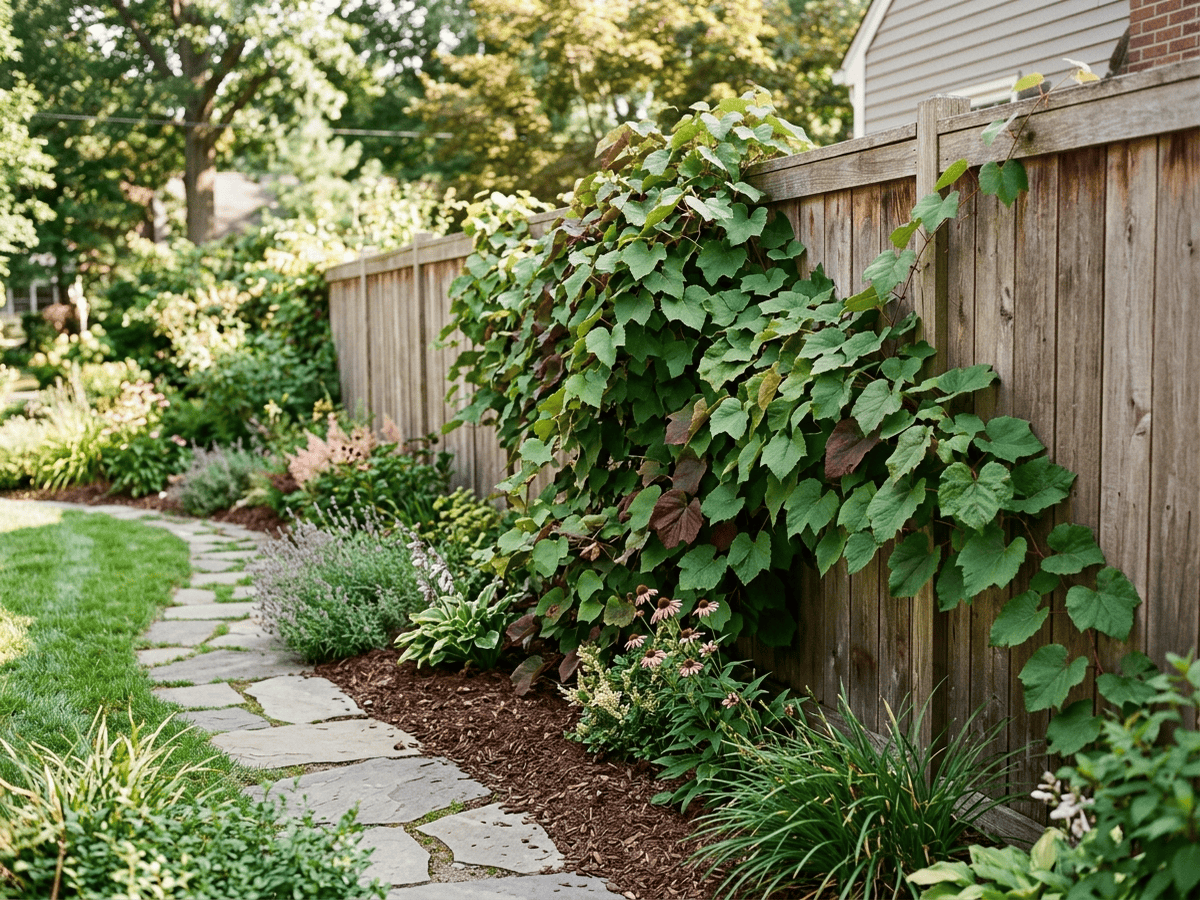
- Vigorous tendril vine cloaking pergolas, arbors, and large walls
- Massive leaves blaze crimson and scarlet in autumn
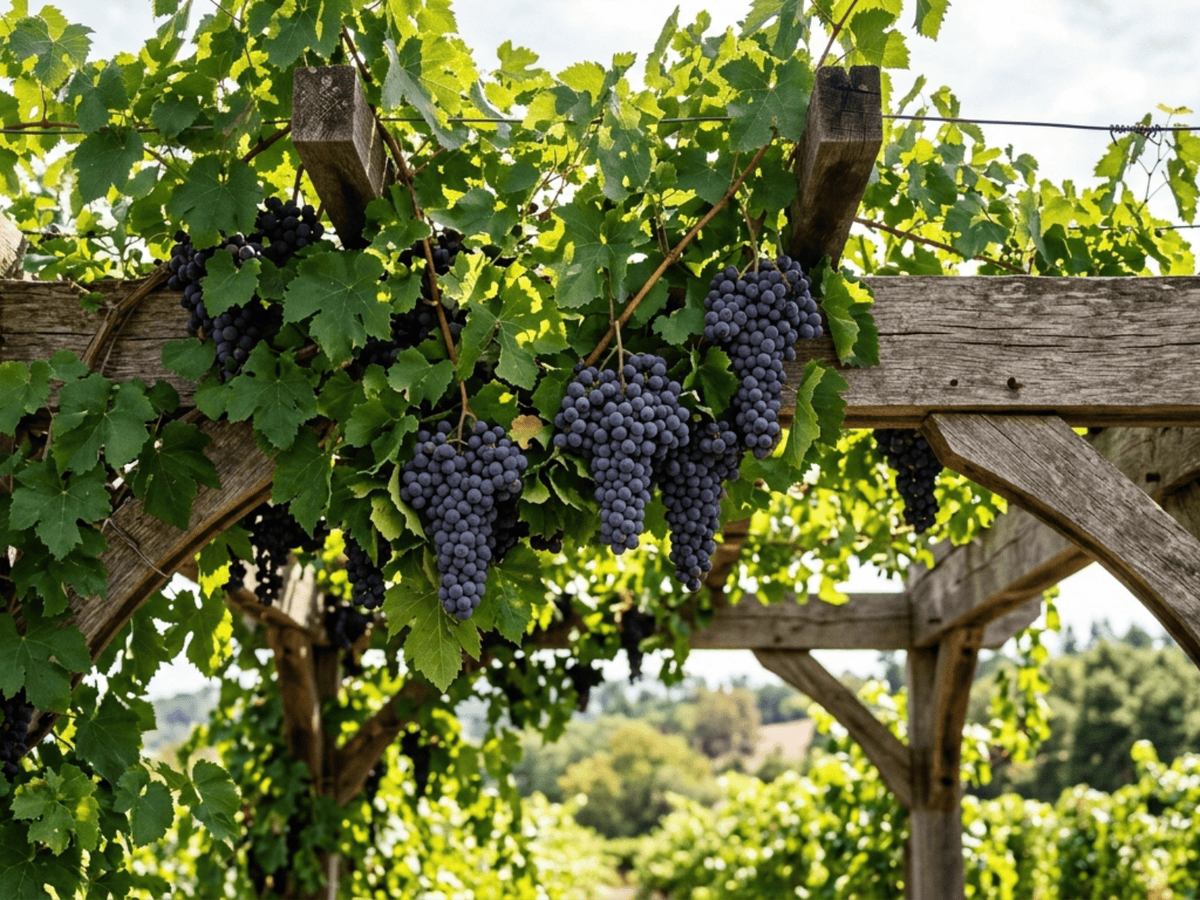
- Small dark grapes eaten by birds and small mammals
Related plants
More Vitis plants
Plants with similar care
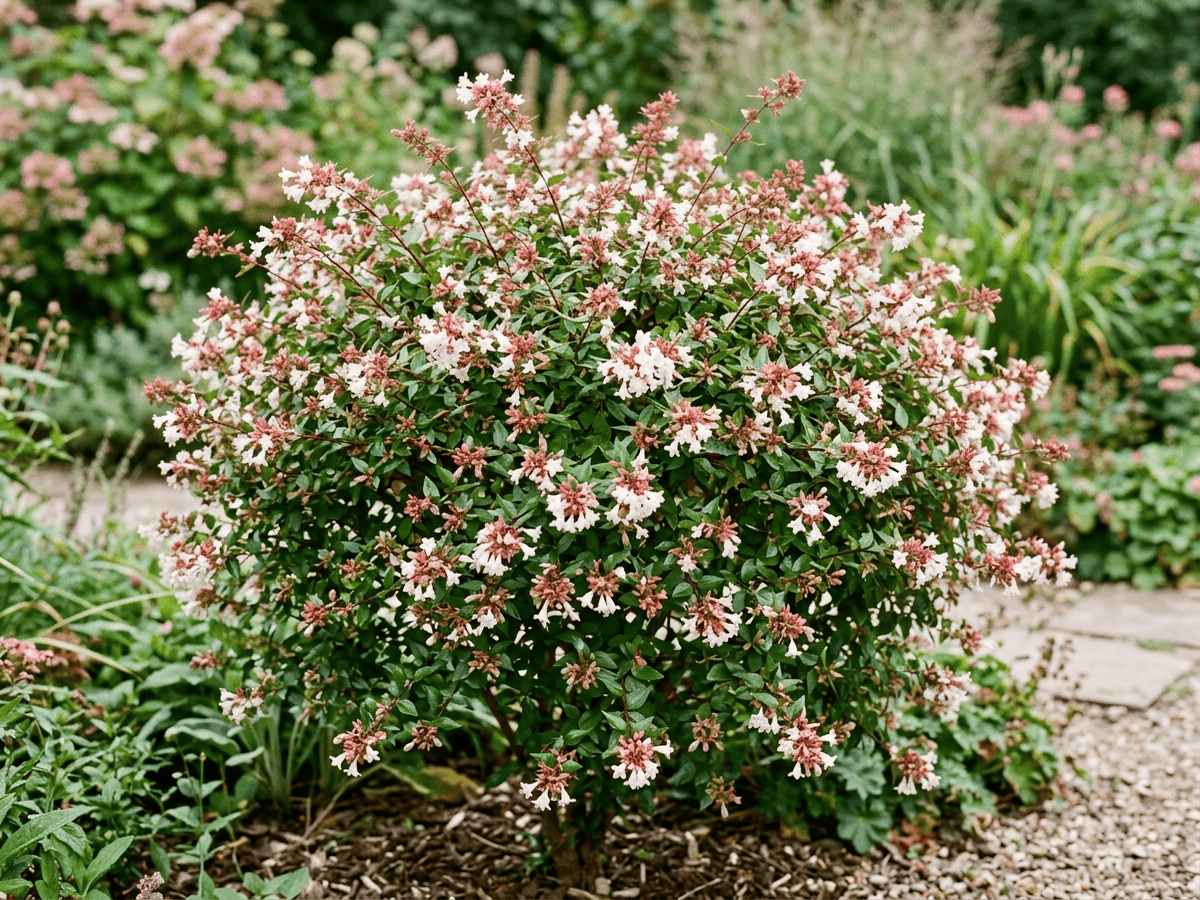 Chinese AbeliaAbelia chinensis
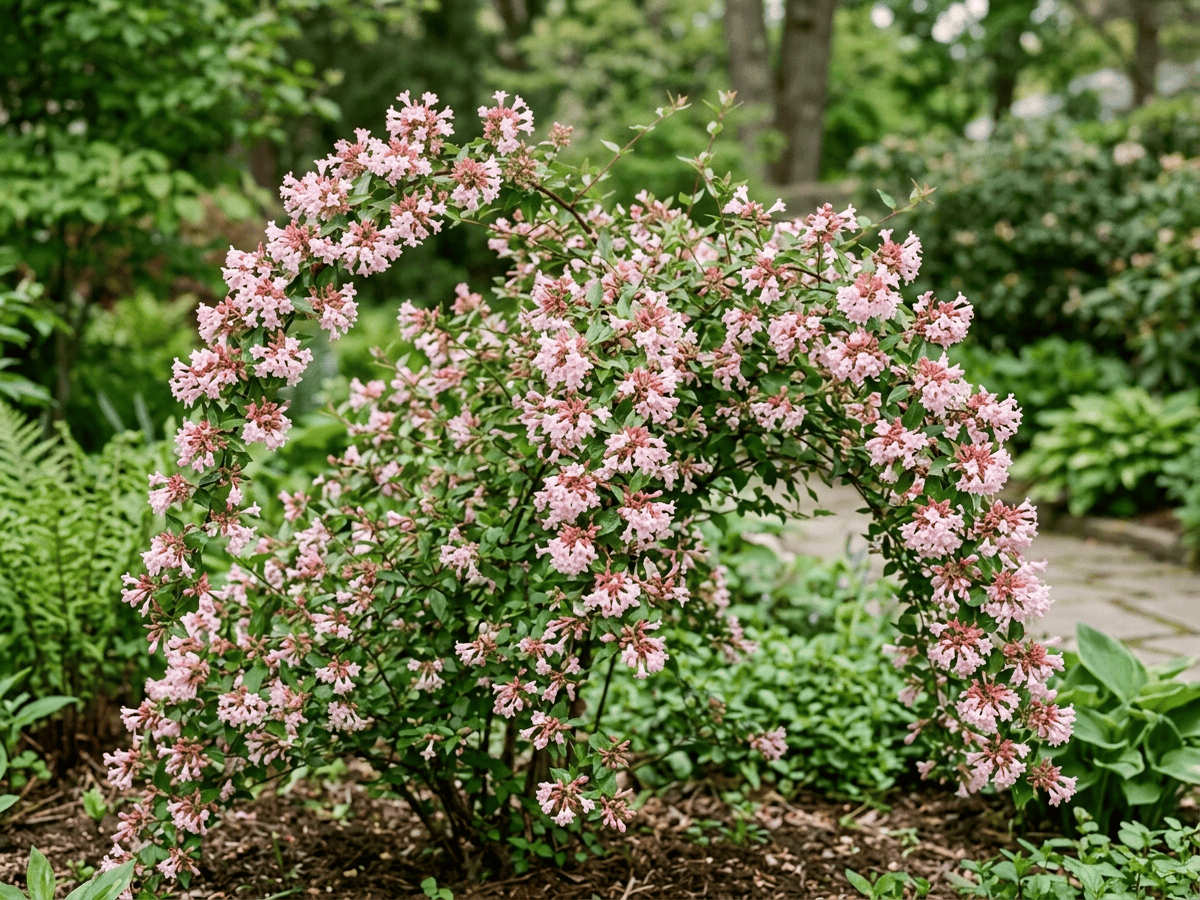 Fragrant AbeliaAbelia mosanensis
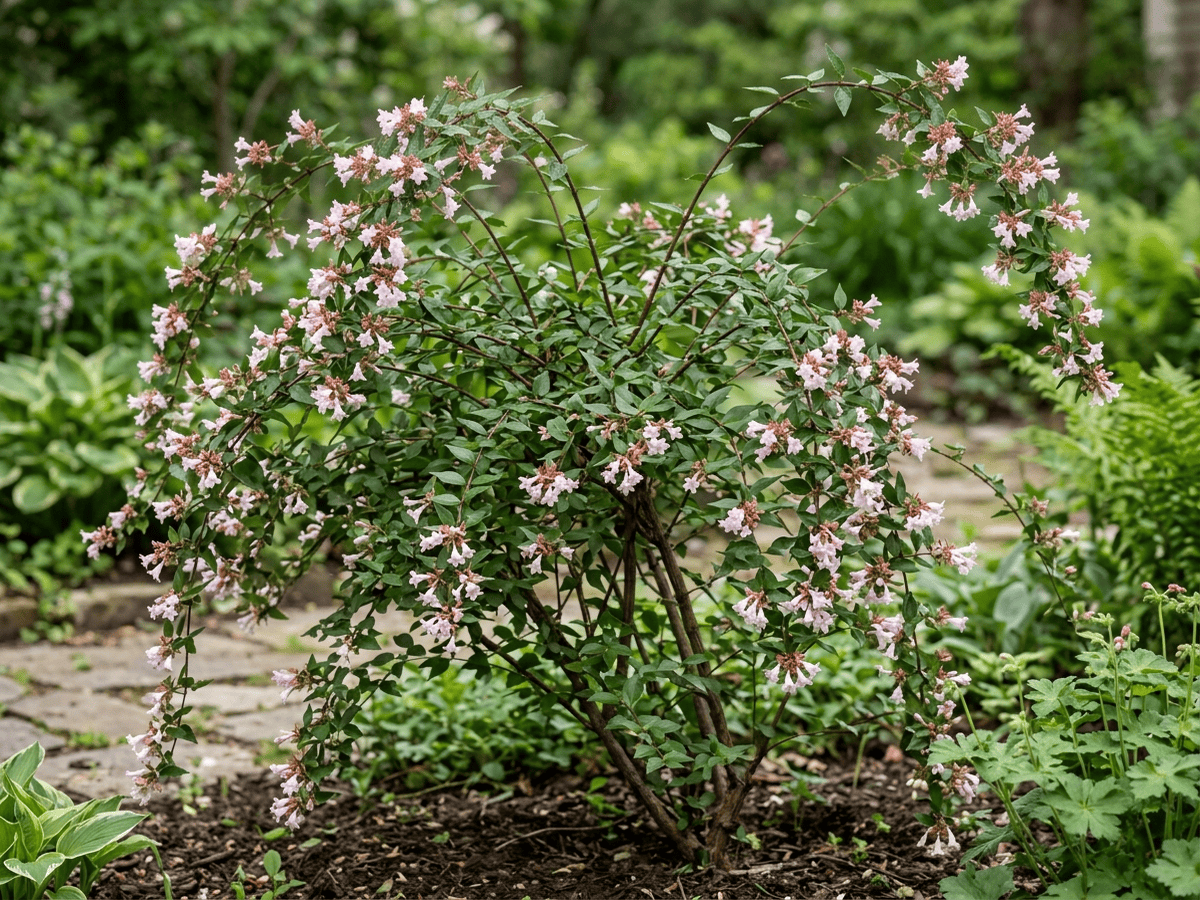 Large-Flowered AbeliaAbelia uniflora
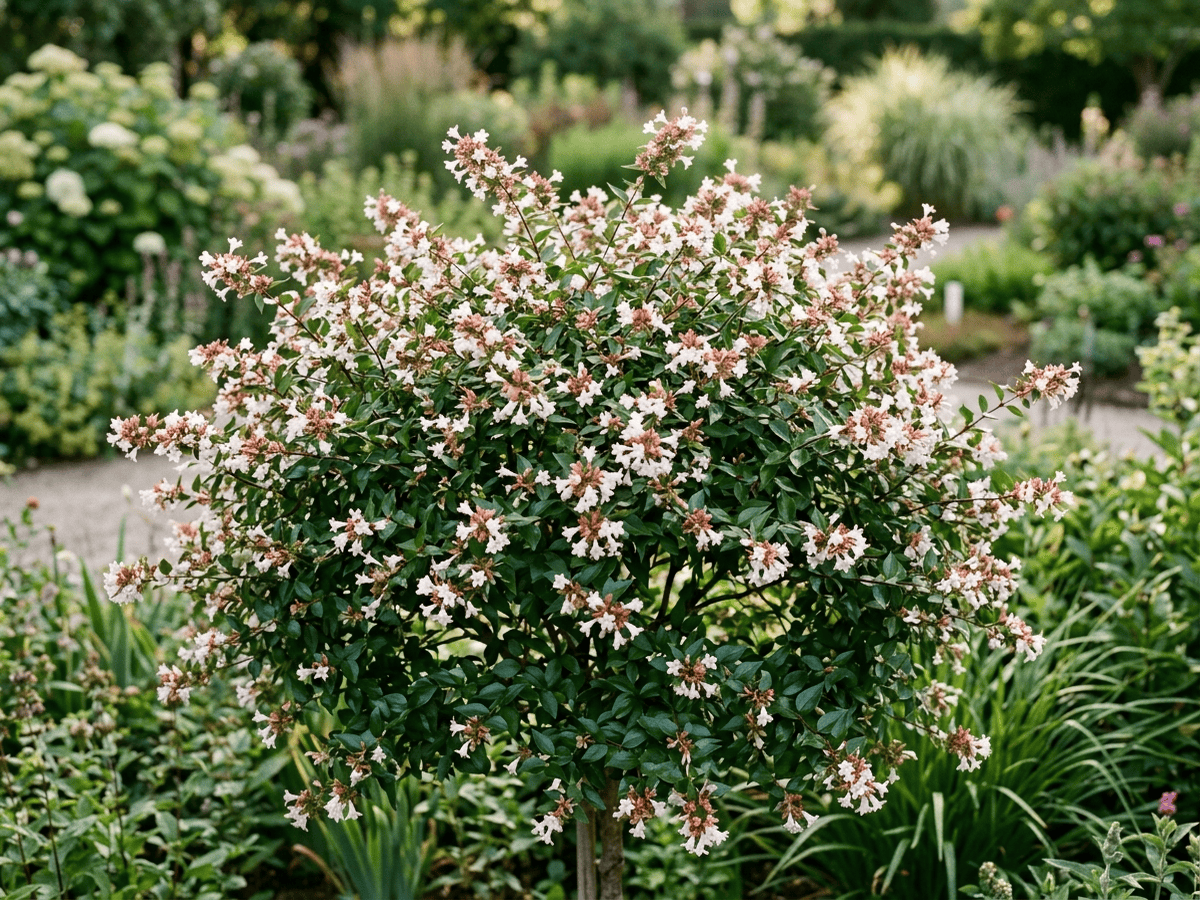 Glossy AbeliaAbelia x grandiflora
Frequently asked questions
How often should I water Crimson Glory Vine?
In summer, water about every 5 days; in winter, about every 21 days. Adjust for heat, pot size and drainage.
How much light does Crimson Glory Vine need?
Full sun: 6+ hrs direct. Watch the leaves — scorching or stretching means the light needs adjusting.
Is Crimson Glory Vine toxic to cats or dogs?
Pets Toxic (Dogs Toxic · Cats Toxic) Educational information, not medical or veterinary advice. If exposure is suspected, contact a doctor or veterinarian.
Is Crimson Glory Vine easy to grow?
Yes — it is considered an easy, beginner-friendly plant.
When does Crimson Glory Vine bloom?
It typically blooms Jun–Jul in the Northern Hemisphere.
YardMate
Identify any plant in seconds
Snap a photo — YardMate names the plant, diagnoses problems, and reminds you when to water.
Download on the App Store