 YardMate
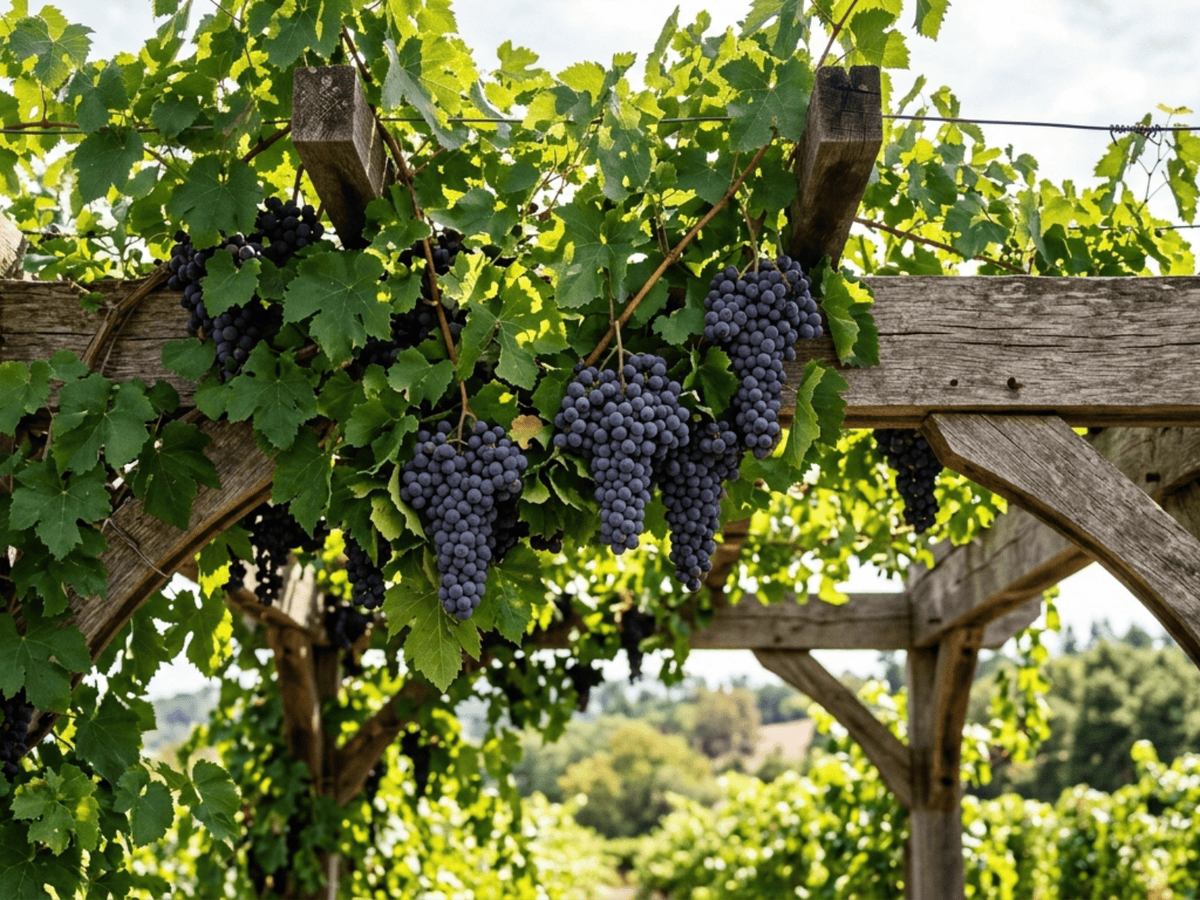


Wine Grape
Vitis vinifera
Medium · Some experienceAbout Wine Grape
Vitis vinifera, the common grapevine, is a deciduous woody vine in the Vitaceae family native to the Mediterranean, central Europe, and southwestern Asia. It is one of the most economically important plants on Earth, cultivated for wine, table grapes, raisins, and grape juice. Vines can live for over a century, climbing 15–30 m via tendrils, though in cultivation they are pruned to manageable shapes on trellises.
Grapevines thrive in USDA zones 6–10, requiring full sun, well-drained soil, warm summers for ripening, and good air circulation to prevent fungal diseases. The concept of 'terroir'—the idea that soil, climate, and site profoundly influence flavour—originated with wine grapes and is central to global viticulture. Pruning is the most important skill: grapes fruit on one-year-old wood, so annual winter pruning shapes the harvest.
Wine production from V. vinifera may be the oldest biotechnology, with evidence dating to 6000 BC in Georgia (Caucasus). Today, wine is a $300+ billion global industry shaped by this single species. Table grapes like Thompson Seedless and Red Globe are among the world's most consumed fruits. The vine's cultural weight is immense: it features in the Bible, Greek mythology (Dionysus), and has shaped the economies and cultures of France, Italy, Spain, and California.
- Edible
How to care for Wine Grape
Watering
- Springevery 5 days
- Summerevery 4 days
- Fallevery 7 days
- Winterevery 21 days
Soil · Rich & well-draining
- Top dressingCompost10%
- Main mixPotting soil + compost 3:180%
- DrainageGravel10%
Top up the compost layer each season.
FERTILIZER
- Springevery 30 days
- Summerevery 30 days
- Fallevery 45 days
At a Glance
- NativeWestern Asia
- Height15–30 ft (4.6–9.1 m)
- Spread6–12 ft (1.8–3.7 m)
- Flower colorGreen
- Foliage colorGreen, Red
- Fruit colorPurple
- SoilLoamy, Well-drained, Alkaline
- LocationsYard
Bloom time
BLOOM CYCLE
Peak bloom
Jun–Aug
Tiny, fragrant flowers self-pollinate; grape cluster shape is determined at bloom — avoid stress during flowering.
Fragrance
MODERATE FRAGRANCE
Ripe fruit has varietal-specific aroma from thousands of volatile compounds.
Toxicity
Pets Toxic
tartaric acid (hypothesized toxic compound in dogs)
Not reported
EXPOSURE No exposure route is reported.
EFFECT Widely consumed and rare allergy.
NOTE No toxicity is reported for humans in this catalog; this is not evidence that the plant is edible or harmless.
Toxic
- Fruit
- Ingestion
EXPOSURE Eating fruit.
EFFECT Grapes and raisins cause acute kidney failure in dogs — mechanism recently identified as tartaric acid sensitivity and even small amounts can be lethal.
NOTE Grapes and raisins are potentially lethal to dogs even in small amounts. Never give to pets.
Toxic
- Fruit
- Ingestion
EXPOSURE Eating fruit.
EFFECT Similar risk of kidney failure.
NOTE Grapes and raisins are potentially lethal to dogs even in small amounts. Never give to pets.
Educational information, not medical or veterinary advice. If exposure is suspected, contact a doctor or veterinarian.
DISTRIBUTION

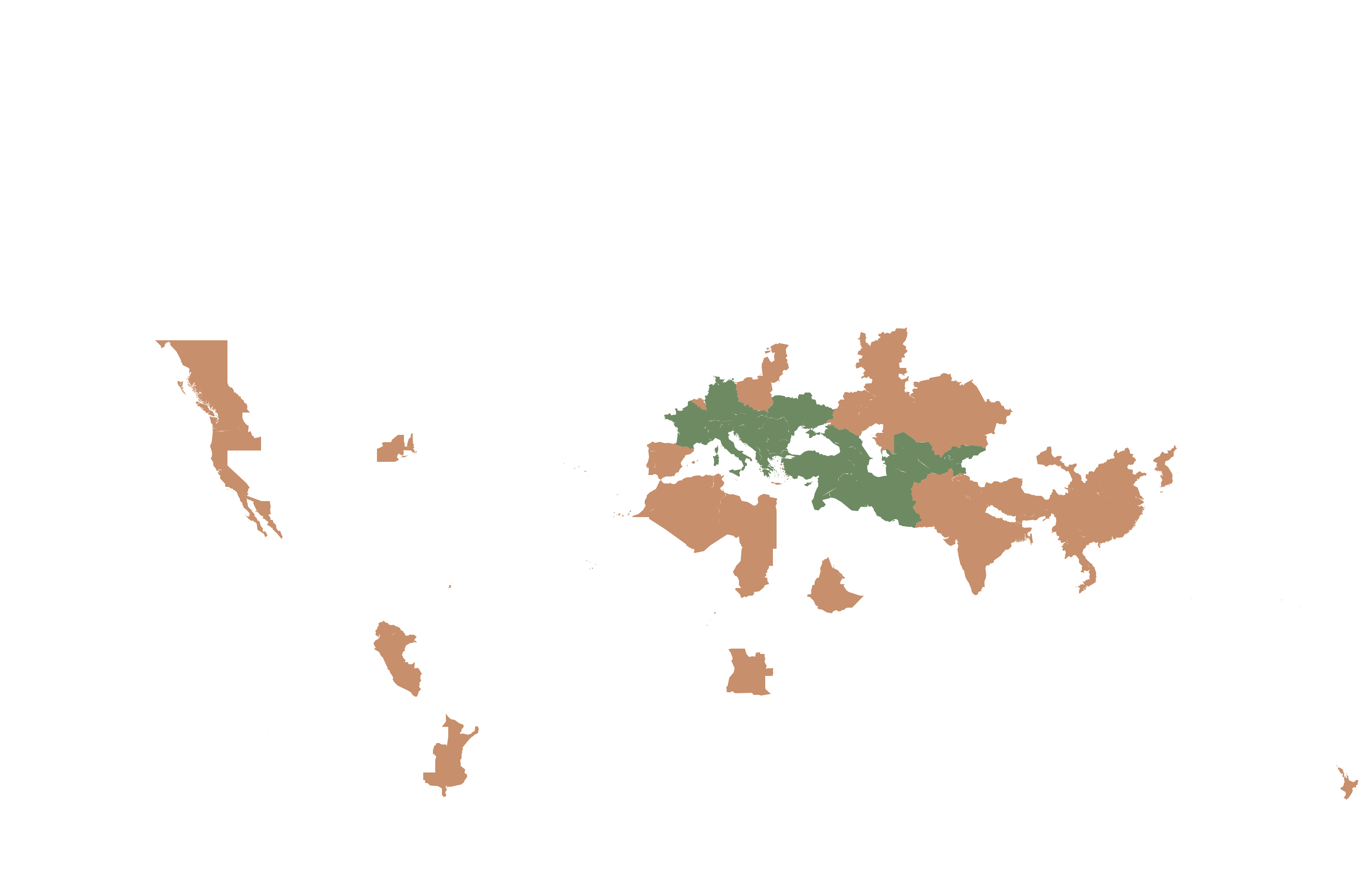
- Native
- Introduced
- Western Asia
History

Vitis vinifera was domesticated in the South Caucasus — modern Georgia, Armenia, and eastern Turkey — approximately 8,000-10,000 years ago from wild Vitis vinifera subsp. sylvestris. A 2017 archaeological study of pottery residues at Gadachrili Gora in Georgia dated the earliest wine-making to 6000 BCE. The Armenian Areni-1 cave contained a functioning wine press dated to 4100 BCE.
Viticulture spread through Egypt, the Levant, Greece, Phoenicia, and Rome, with the Romans carrying grape cultivation across the Mediterranean, France, Germany, and to Britain. The Catholic monastic tradition preserved grape-growing through medieval European collapse — Burgundian Cistercian and Benedictine monks developed the terroir concept and catalogued individual vineyard plots. The late-19th-century phylloxera epidemic (a North American aphid arriving in Europe via botanical specimens around 1863) destroyed most French and European vineyards; the crisis was resolved by grafting European V. vinifera scion onto resistant American rootstock, a solution that remains standard for nearly all viticulture today.
V. vinifera is also the source of table grapes, raisins, grape leaves, and balsamic vinegar. The world's oldest evidence of winemaking comes from 6000 BC in the Republic of Georgia. Ancient Egyptians, Greeks, and Romans all cultivated wine grapes extensively. Today, wine grapes are grown on every continent except Antarctica.
Symbolism & meaning
What It Symbolizes
Wine Grape is celebration in fermented form — the universal drink of rejoicing, from Greek symposia to Jewish kiddush to Catholic eucharist to modern weddings, lifted in toast across millennia. Its abundance is in the vines themselves: laden trellises overflowing with fruit, the very image of prosperity and the good life in Mediterranean iconography. It is the plant that taught humanity to mark its happiest days.
- Celebration — Wine from grapes is the universal drink of celebration, from weddings to sacraments
- Abundance — Laden vines overflowing with fruit represent prosperity and the good life
Where the Name Comes From
Vitis is Latin for vine/grapevine; 'vinifera' from Latin 'vinum' (wine) + 'ferre' (to bear) — the wine-bearing vine.
Uses & Fun Facts
- Fruit eaten fresh, dried into raisins, or pressed for wine
- Seeds pressed into grapeseed oil for cooking and cosmetics
- Long-lived woody vine trained on arbors and trellis systems
Related plants
More Vitis plants

Plants with similar care
 Mexican AbeliaAbelia floribunda
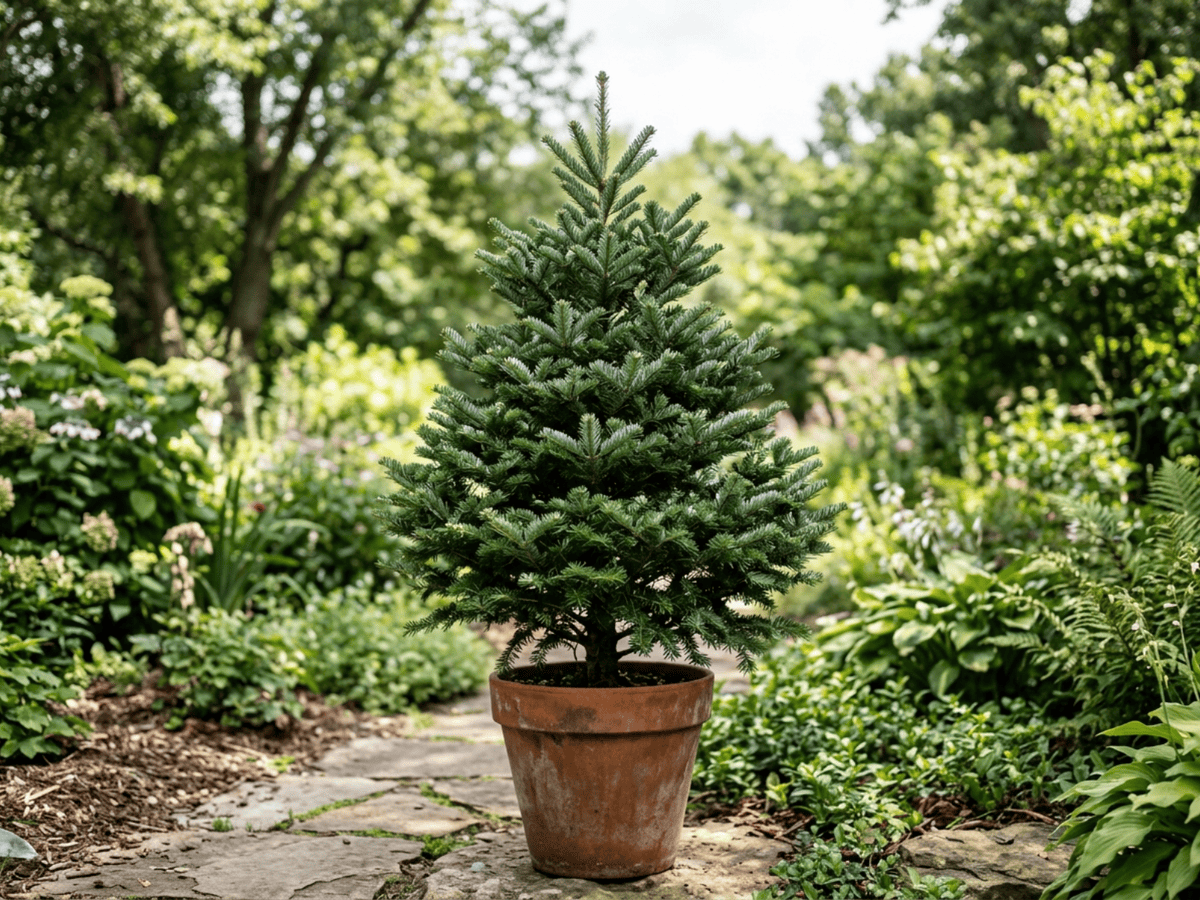 Fraser FirAbies fraseri
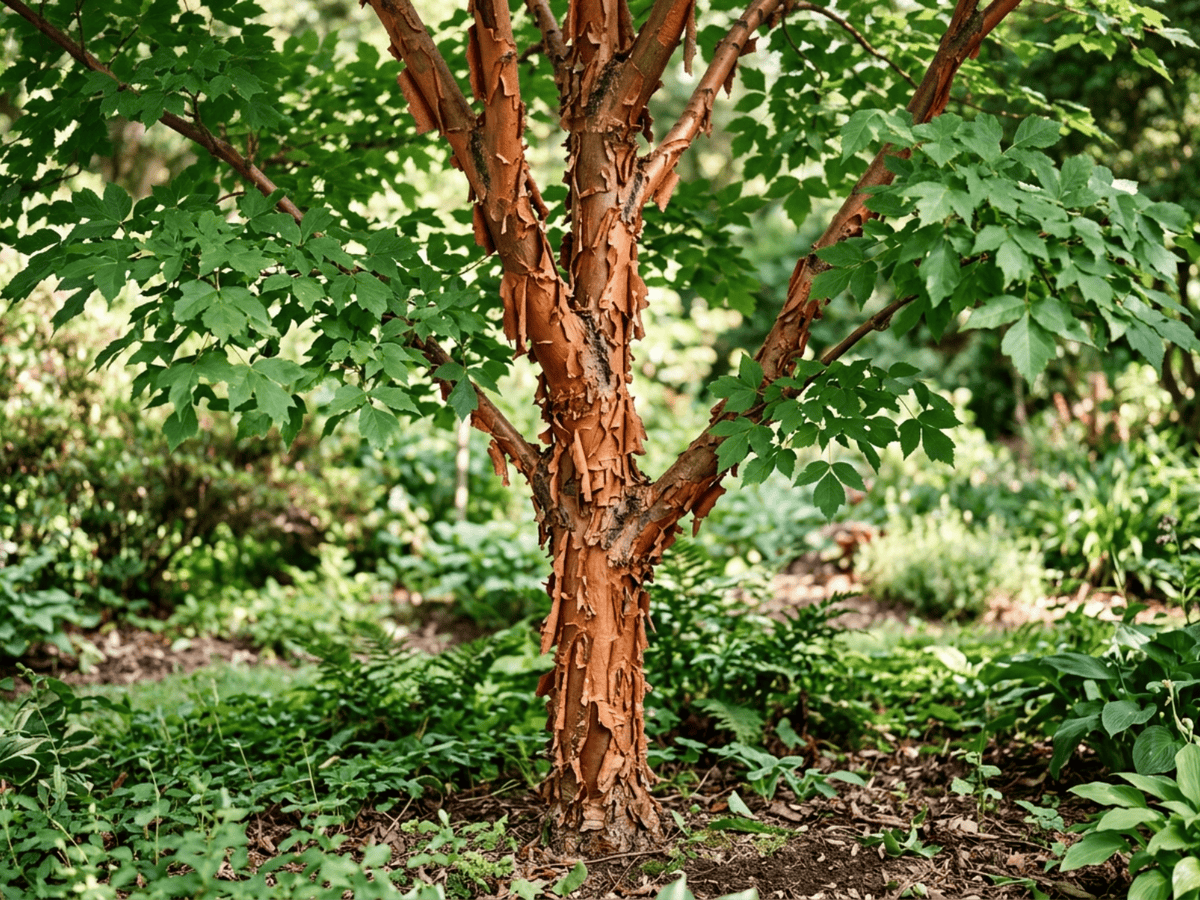 Paperbark MapleAcer griseum
 Sugar MapleAcer saccharum
Frequently asked questions
How often should I water Wine Grape?
In summer, water about every 4 days; in winter, about every 21 days. Adjust for heat, pot size and drainage.
How much light does Wine Grape need?
Full sun: 6+ hrs direct. Watch the leaves — scorching or stretching means the light needs adjusting.
Is Wine Grape toxic to cats or dogs?
Pets Toxic (Dogs Toxic · Cats Toxic) Educational information, not medical or veterinary advice. If exposure is suspected, contact a doctor or veterinarian.
Is Wine Grape easy to grow?
It is moderately demanding: a good choice once you have a little experience.
When does Wine Grape bloom?
It typically blooms Jun–Aug in the Northern Hemisphere.
YardMate
Identify any plant in seconds
Snap a photo — YardMate names the plant, diagnoses problems, and reminds you when to water.
Download on the App Store