 YardMate
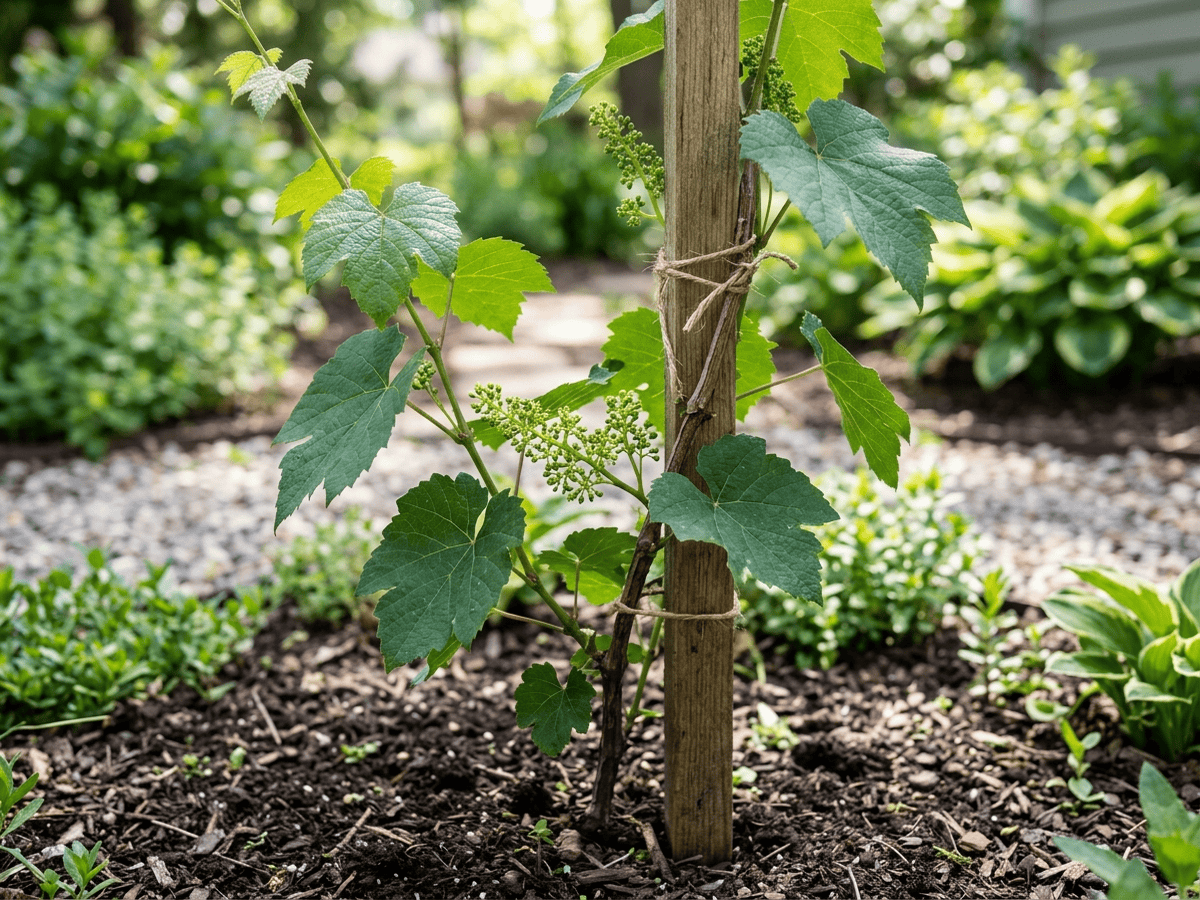


Fox Grape
Vitis labrusca
Easy · Beginner friendlyAbout Fox Grape
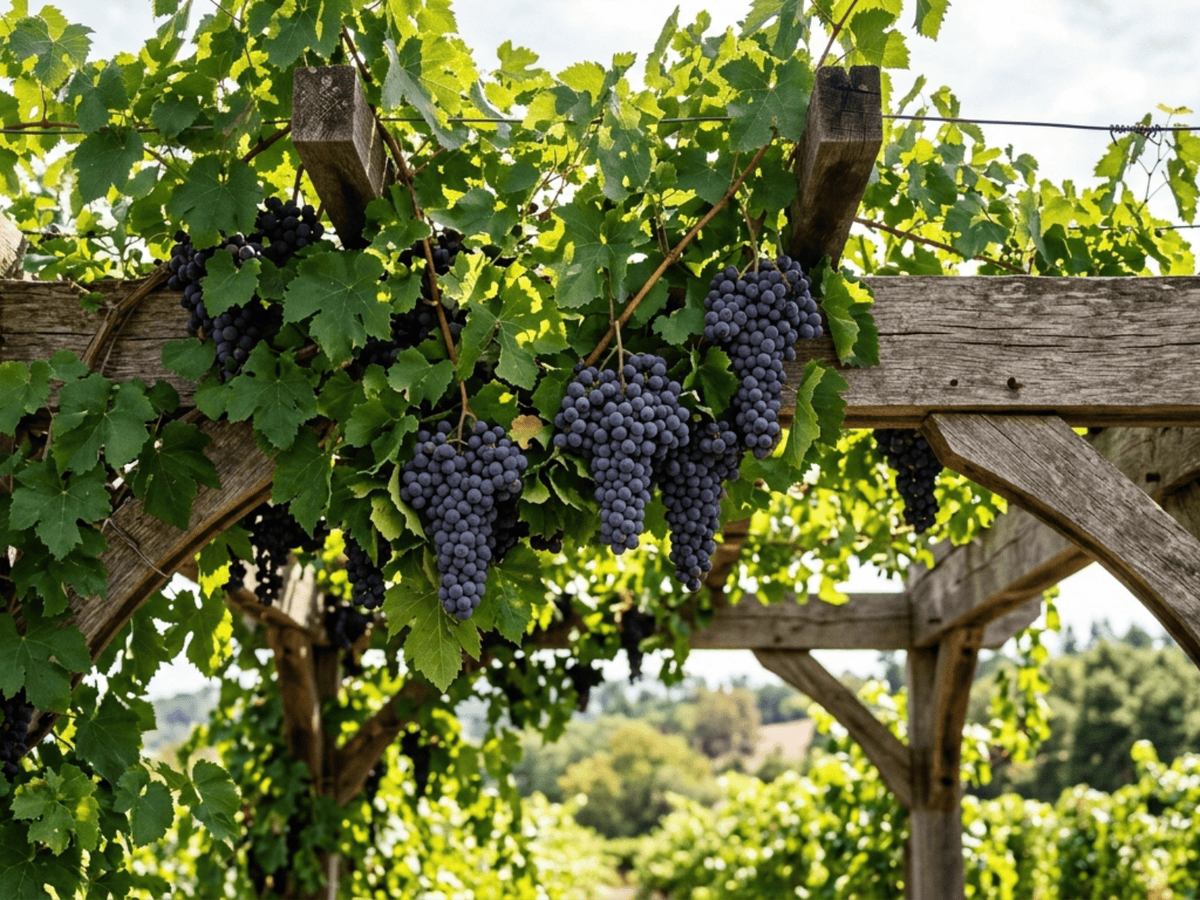
Fox Grape is the native American grape species that gave rise to Concord, Niagara, and many classic American wine and table grapes. A vigorous deciduous climber reaching 25-40 feet, it bears fragrant flowers followed by blue-black grapes with the characteristic 'foxy' musky flavor loved in grape juice, jelly, and Concord wine. Native to the eastern US, it is a heritage vine combining ornamental value with edible heritage.
- Edible
- Fragrant
- Climbing
- Native
How to care for Fox Grape
Watering
- Springevery 7 days
- Summerevery 5 days
- Fallevery 10 days
- Winterevery 21 days
Soil · Rich & well-draining
- Top dressingCompost10%
- Main mixPotting soil + compost 3:180%
- DrainageGravel10%
Top up the compost layer each season.
FERTILIZER
Balanced Feed 14-14-14
An even feed covers all three needs at once, keeping leaves, roots and blooms moving together with nothing pushed out of balance.
- Nitrogen · Leaves
- Phosphorus · Roots + Blooms
- Potassium · Strength
- Springevery 30 days
- Summerevery 45 days
At a Glance
- NativeNorth America
- Height15–30 ft (4.6–9.1 m)
- Spread6–10 ft (1.8–3 m)
- Flower colorGreen, Yellow
- Foliage colorGreen, Yellow
- Fruit colorPurple, Black
- SoilRich, Loamy, Well-drained
- LocationsYard
Bloom time
BLOOM CYCLE
Peak bloom
May–Jun
Fragrant small greenish flowers May to June
Fragrance
MODERATE FRAGRANCE
Ripe fruits have a strong 'foxy' musky-grape aroma.
Toxicity
Pets Toxic
unknown compound causing dog/cat renal toxicity
Not reported
EXPOSURE No exposure route is reported.
EFFECT No toxic effect is reported.
NOTE No human toxicity is reported in this catalog; avoid eating ornamental plants unless confirmed edible.
Toxic
- Fruit
- Ingestion
EXPOSURE Eating fruit.
EFFECT Acute kidney failure - grapes severely toxic to dogs.
NOTE ASPCA - all grapes and raisins potentially fatal to dogs and cats. Fruit edible to humans.
Toxic
- Fruit
- Ingestion
EXPOSURE Eating fruit.
EFFECT Acute kidney failure.
NOTE ASPCA - all grapes and raisins potentially fatal to dogs and cats. Fruit edible to humans.
Educational information, not medical or veterinary advice. If exposure is suspected, contact a doctor or veterinarian.
DISTRIBUTION


- Native
- Introduced
- North America
History

Vitis labrusca occurs naturally across eastern North America from New Brunswick to Georgia and west to Indiana and Illinois, typically in moist woodlands and thickets. Linnaeus described the species in Species Plantarum (1753). The common name fox grape may refer to the musky 'foxy' aroma of the ripe fruit, a taste character produced by methyl anthranilate and other compounds found only in V. labrusca and its derivatives—a flavor familiar to every American from grape jelly, grape juice, grape Kool-Aid, and grape popsicles.
The wild species produces slip-skin purple-black berries in small clusters; indigenous peoples and colonial settlers ate them fresh and fermented. The species entered viticultural history in 1849 when amateur farmer Ephraim Wales Bull of Concord, Massachusetts, selected one superior wild seedling from thousands—the resulting cultivar 'Concord' was released in 1854 and became the foundation of the Welch's grape juice industry (started by Thomas Bramwell Welch in 1869 as an unfermented communion grape juice), of American grape jelly, and of thousands of backyard vineyards.
Other V. labrusca derivatives include 'Niagara' (white, 1868) and 'Catawba'. Fox grape gave America its distinctive grape juice, jelly, and kosher wine culture. A living piece of American horticultural heritage.
Symbolism & meaning
What It Symbolizes
Fox Grape carries American heritage as the wild ancestor of the Concord and the foundation of American grape culture, from jelly jars to communion tables. Nourishment is woven through that lineage — generations of jams, juices, and home wines drawn from the same musky, foxy fruit. Its meaning is rooted continuity: a native vine that fed the New World long before vineyards arrived, and still does, on countless backyard fences.
- American heritage — ancestor of Concord grape and American grape culture
- Nourishment — sustenance from land to table for centuries
Where the Name Comes From
'Vitis' is Latin for vine; 'labrusca' from Latin for wild vine.
Uses & Fun Facts
- Sweet musky grapes eaten fresh or made into Concord juice
- Grape blossoms release distinctive heady summer scent
- Vigorous vine trained on arbors fences and pergolas
Related plants
More Vitis plants

Plants with similar care
 Chinese AbeliaAbelia chinensis
 Fragrant AbeliaAbelia mosanensis
 Large-Flowered AbeliaAbelia uniflora
 Glossy AbeliaAbelia x grandiflora
Frequently asked questions
How often should I water Fox Grape?
In summer, water about every 5 days; in winter, about every 21 days. Adjust for heat, pot size and drainage.
How much light does Fox Grape need?
Full sun: 6+ hrs direct. Watch the leaves — scorching or stretching means the light needs adjusting.
Is Fox Grape toxic to cats or dogs?
Pets Toxic (Dogs Toxic · Cats Toxic) Educational information, not medical or veterinary advice. If exposure is suspected, contact a doctor or veterinarian.
Is Fox Grape easy to grow?
Yes — it is considered an easy, beginner-friendly plant.
When does Fox Grape bloom?
It typically blooms May–Jun in the Northern Hemisphere.
YardMate
Identify any plant in seconds
Snap a photo — YardMate names the plant, diagnoses problems, and reminds you when to water.
Download on the App Store