 YardMate


Spotted Calla Lily
Zantedeschia albomaculata
Hard · Experienced growersAbout Spotted Calla Lily
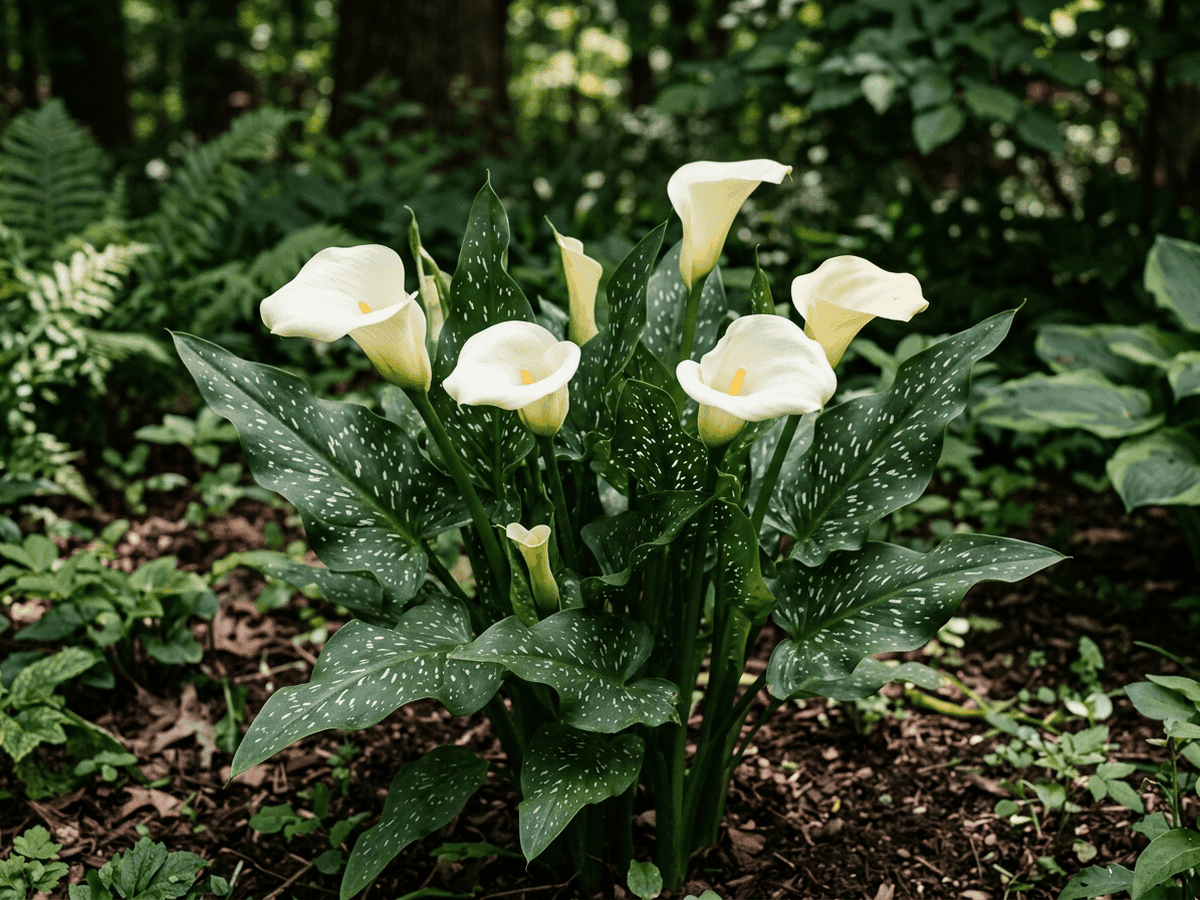
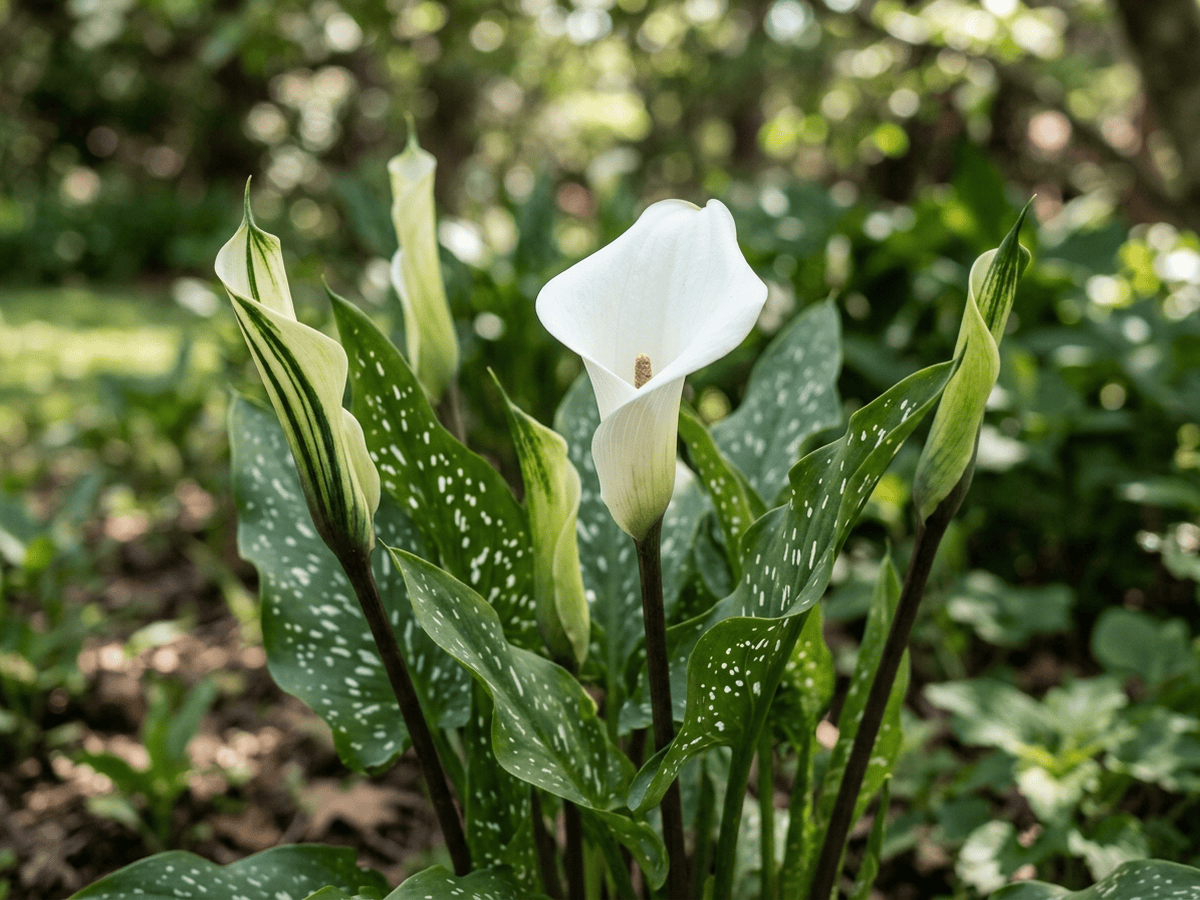
Zantedeschia albomaculata, the Spotted Calla Lily, is a graceful South African perennial named for the distinctive white spots scattered across its deep green, arrow-shaped leaves. In summer it produces elegant white or cream spathe flowers with a yellow spadix at the center, rising above the spotted foliage on long arching stems. Native to moist grasslands and stream banks of southern Africa, it thrives in partial shade with moist, well-drained soil. The orange berries that follow are ornamentally attractive but toxic. Ideal for shaded borders, pond margins, and containers.
- Cold-hardy
- Shade-tolerant
- Showy-fruit
- Container-friendly
- Evergreen
How to care for Spotted Calla Lily
Watering
- Springevery 15 days
- Summerevery 10 days
- Fallevery 20 days
- Winterpause watering
Soil · Chunky & airy
- Top dressingBark chips10%
- Main mixBark + potting soil + perlite 1:1:170%
- DrainageLECA20%
Chunky pieces hold air pockets open so thick roots don't suffocate.
FERTILIZER
Bulb Feed 3-5-3
With bulbs, when matters more than what. One dose goes in the hole at planting, the second when shoots break ground.
- Nitrogen · Leaves
- Phosphorus · Roots + Blooms
- Potassium · Strength
- Springevery 30 days
- Summerevery 30 days
- Fallevery 30 days
At a Glance
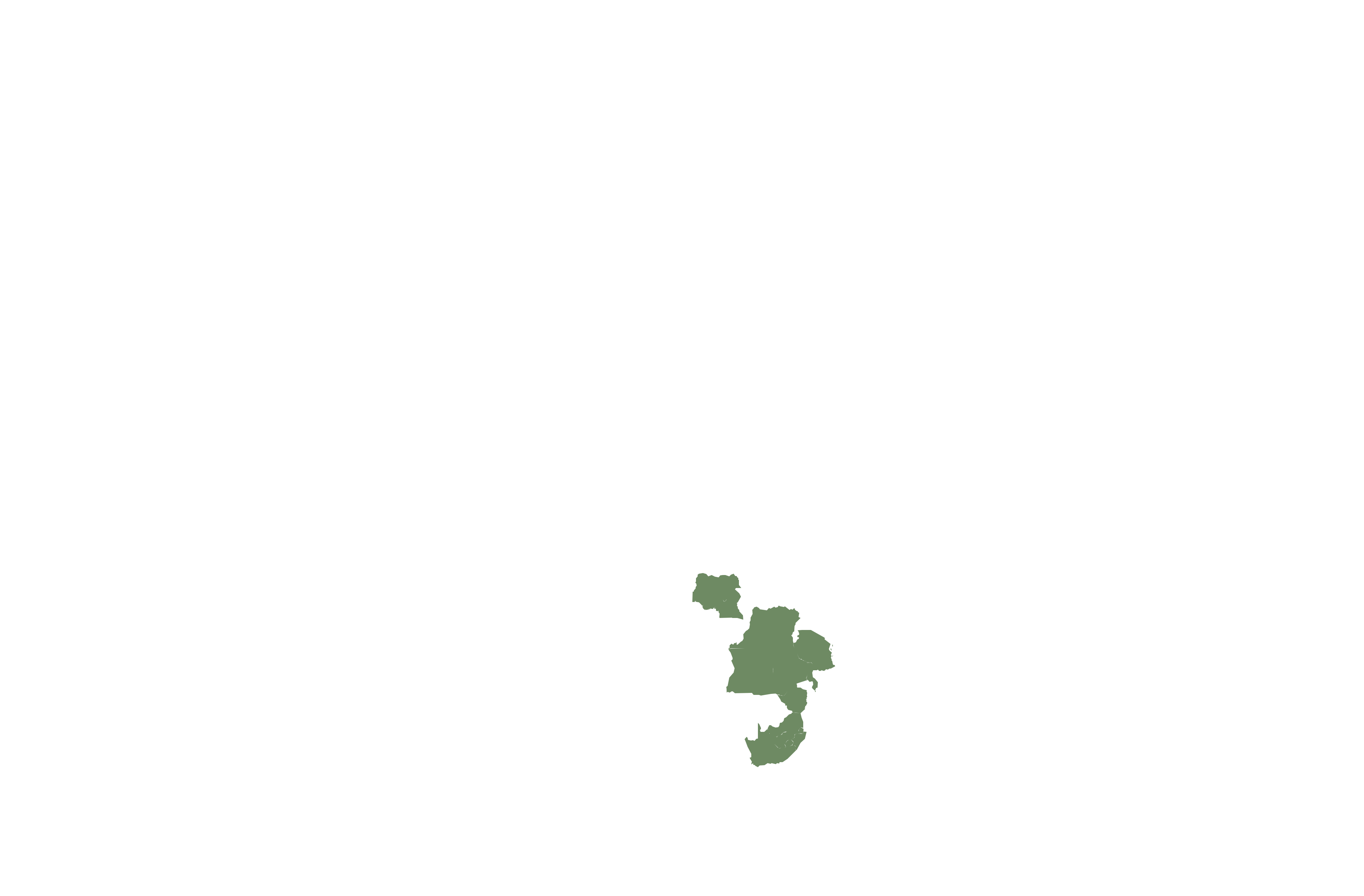
- NativeSouthern Africa
- Height2–3 ft (0.6–0.9 m)
- Spread2–3 ft (0.6–0.9 m)
- Flower colorWhite, Yellow
- Foliage colorGreen
- Fruit colorOrange
- SoilWell-drained, Moist
- LocationsYard · Balcony · Indoor
Bloom time
BLOOM CYCLE
Peak bloom
Jun–Aug
This plant has bright flowers that usually bloom in summer.
Toxicity
Humans Slight
calcium oxalate crystals
Slight
- All
- Leaf
- Stem
- Berry
- Ingestion
- Contact
EXPOSURE Eating any part of the plant, leaves, stems, and berries. Touching any part of the plant, leaves, stems, and berries.
EFFECT Oral irritation, burning mouth, nausea, vomiting, and skin irritation.
NOTE All parts contain calcium oxalate crystals causing oral irritation, burning, and gastrointestinal upset; toxic to cats and dogs.
Unknown
EXPOSURE No exposure route is reported.
EFFECT No toxic effect is reported.
NOTE Toxicity for dogs is not well documented; use caution until verified.
Unknown
EXPOSURE No exposure route is reported.
EFFECT No toxic effect is reported.
NOTE Toxicity for cats is not well documented; use caution until verified.
Educational information, not medical or veterinary advice. If exposure is suspected, contact a doctor or veterinarian.
DISTRIBUTION

- Native
- Southern Africa
History
Zantedeschia albomaculata is native to the moist grasslands, stream banks, and forest margins of southern and eastern Africa, from South Africa and Lesotho through Zimbabwe and Tanzania. The genus Zantedeschia was named by the German botanist Kurt Sprengel in 1826, honoring Giovanni Zantedeschi (1773–1846), an Italian physicist and botanist.
European botanical collectors first brought various Zantedeschia species to Europe in the 17th century as part of the expanding Dutch and British trade networks through the Cape Colony. The common calla lily (Z. aethiopica) arrived first and created a sensation in European gardens and floristry. Z. albomaculata, with its distinctive white-spotted leaves, followed in the 18th and 19th centuries as collectors systematically explored the interior of southern Africa.
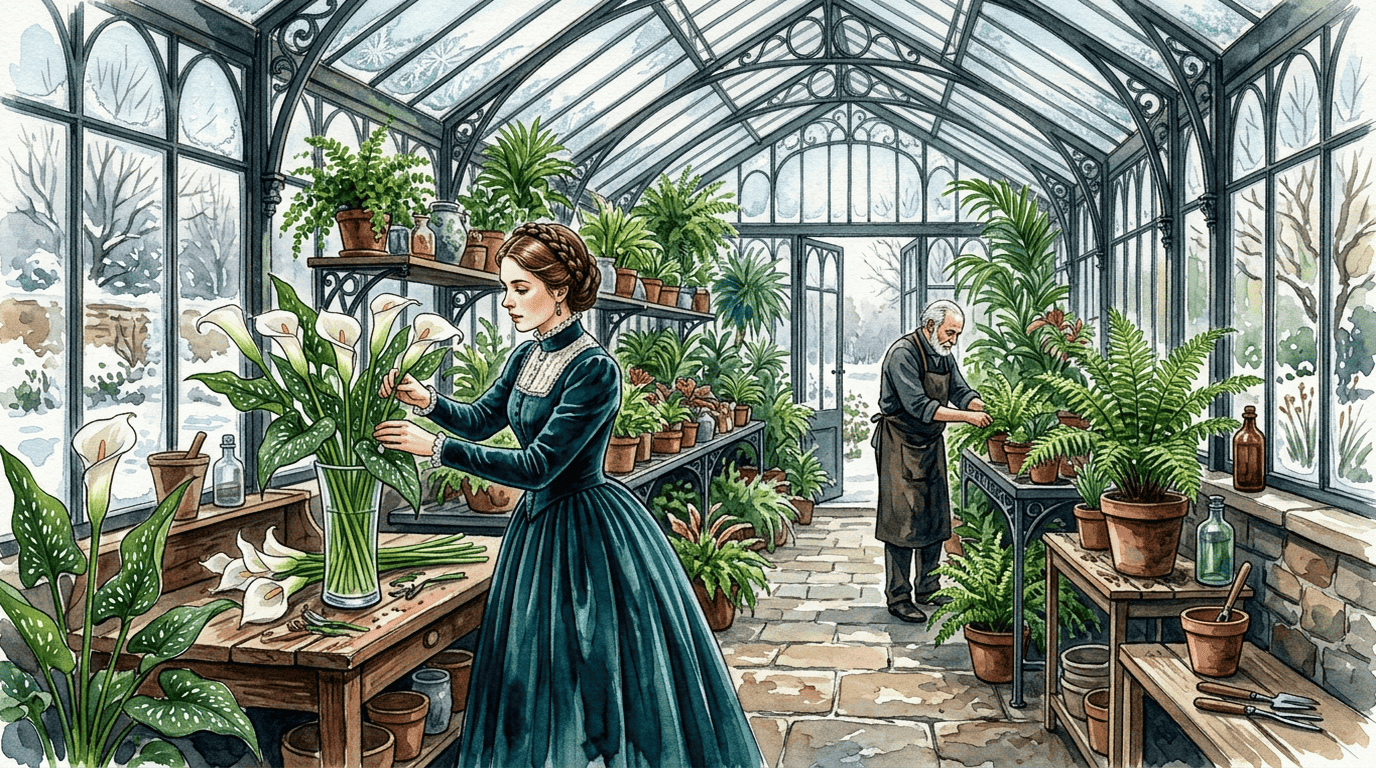
By the Victorian era, calla lilies—including the spotted forms—had become the flower of high-society floristry, appearing in portrait paintings, wedding bouquets, and funeral arrangements. The artist Diego Rivera famously portrayed Mexican flower sellers carrying armloads of calla lilies in his murals, cementing the flower's cultural status across two continents.
In the 20th century, breeders developed numerous Zantedeschia hybrids combining Z. albomaculata's spotted foliage with the large white spathes of other species. The spotted leaf trait became especially valued in the cut-flower trade. Today, Zantedeschia species and hybrids are among the world's most commercially important cut flowers, cultivated on an industrial scale in the Netherlands, New Zealand, and California.
Symbolism & meaning
What It Symbolizes
The Spotted Calla Lily has carried the meaning of purity and transformation since the Victorian era, when its immaculate white spathe became the preferred flower for weddings and funerals alike—births and endings, beginnings and farewells. Diego Rivera painted it with reverence into his great murals, elevating a South African stream-bank plant into a symbol of Mexican grace and feminine beauty.
- purity — The pristine white spathe against deep spotted green foliage embodies elegant simplicity and pure grace.
- transformation — Rises from muddy margins and shaded ground to produce one of the most refined blooms in the plant kingdom.
Where the Name Comes From
The genus Zantedeschia honors Giovanni Zantedeschi (1773–1846), Italian physicist and botanist. The species epithet albomaculata combines the Latin albus (white) and maculata (spotted), describing the distinctive white spots on the dark green leaves.
Uses & Fun Facts
- Distinctive spotted leaves and elegant white spathes prized in shaded borders and pond margins
- One of the world's most important cut flowers in the floristry trade
- Orange berries provide food for birds in autumn
Related plants
More Zantedeschia plants
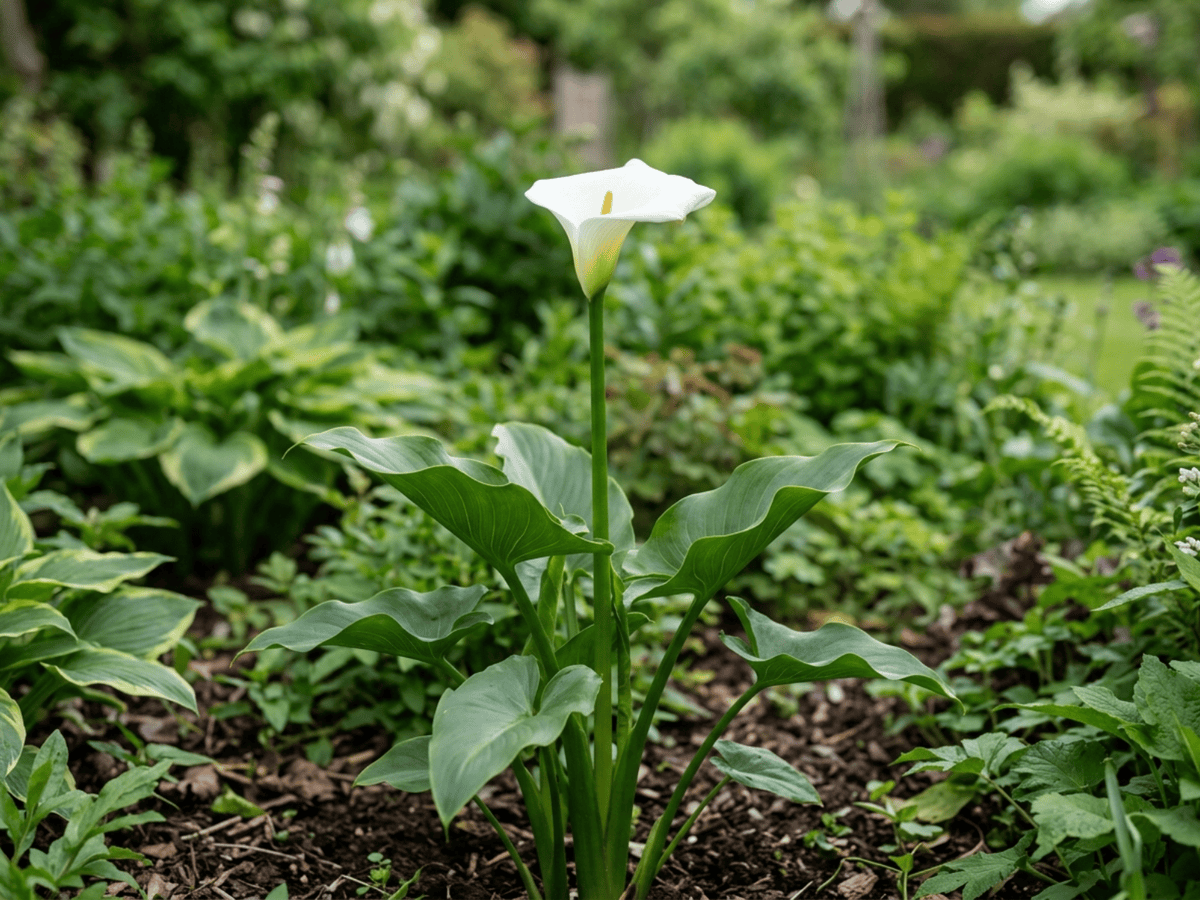
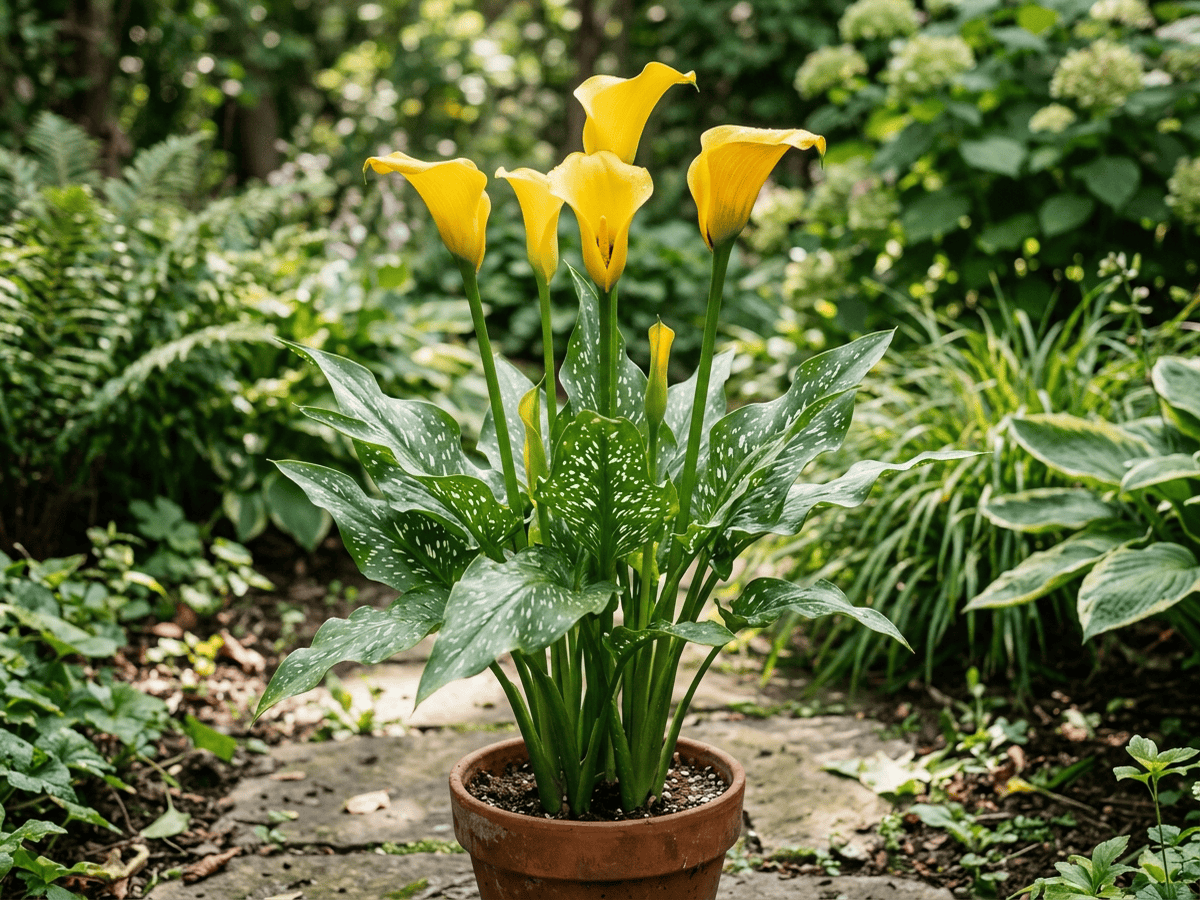

Plants with similar care
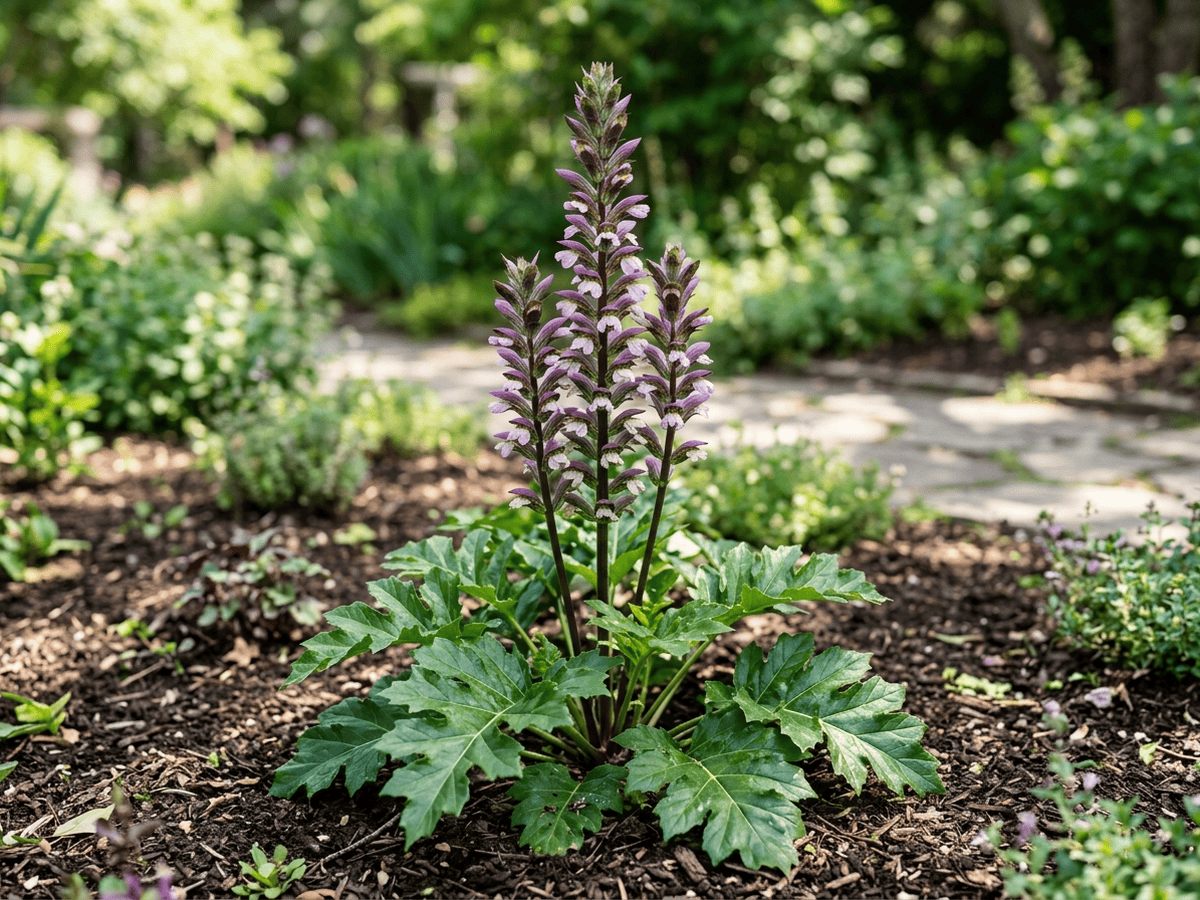 Bear's BreechesAcanthus mollis
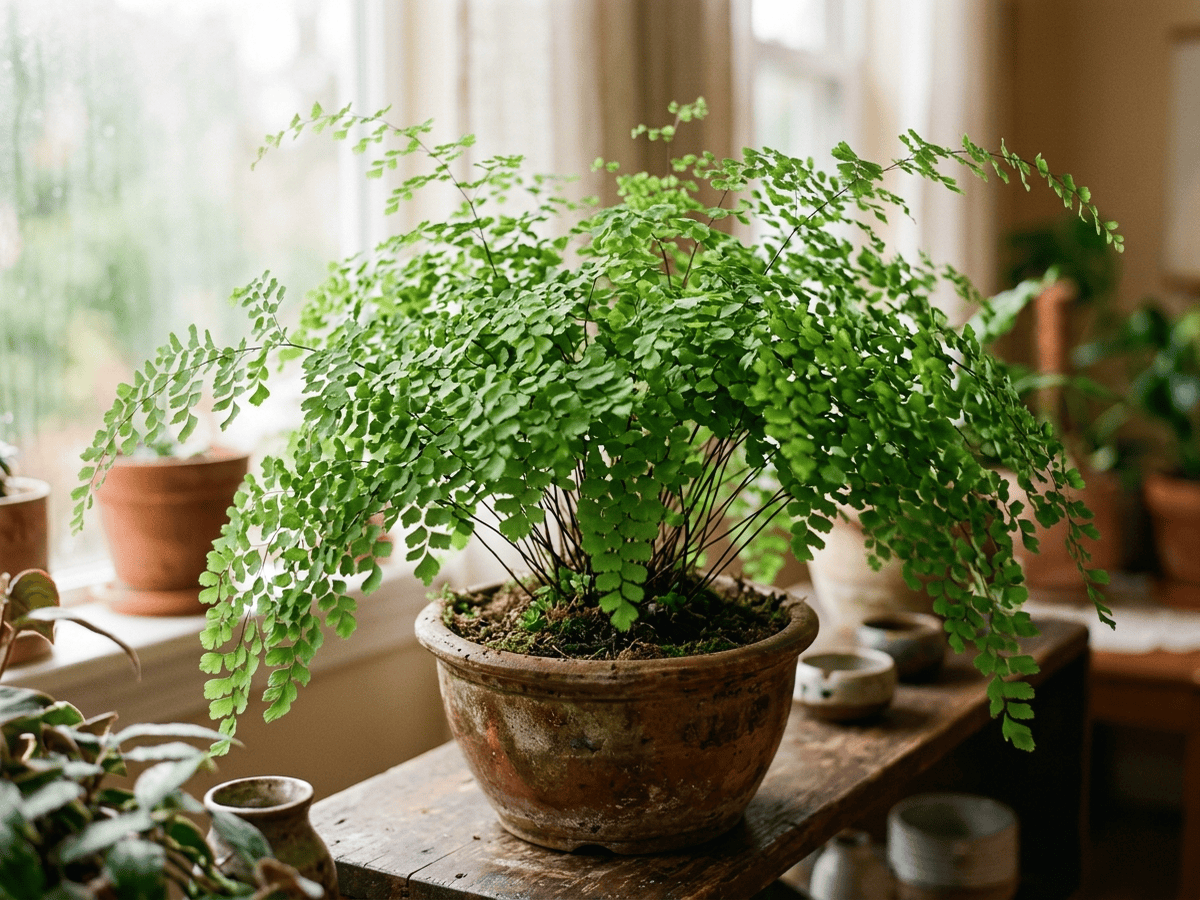 Delta Maidenhair FernAdiantum raddianum
 African Mask PlantAlocasia amazonica
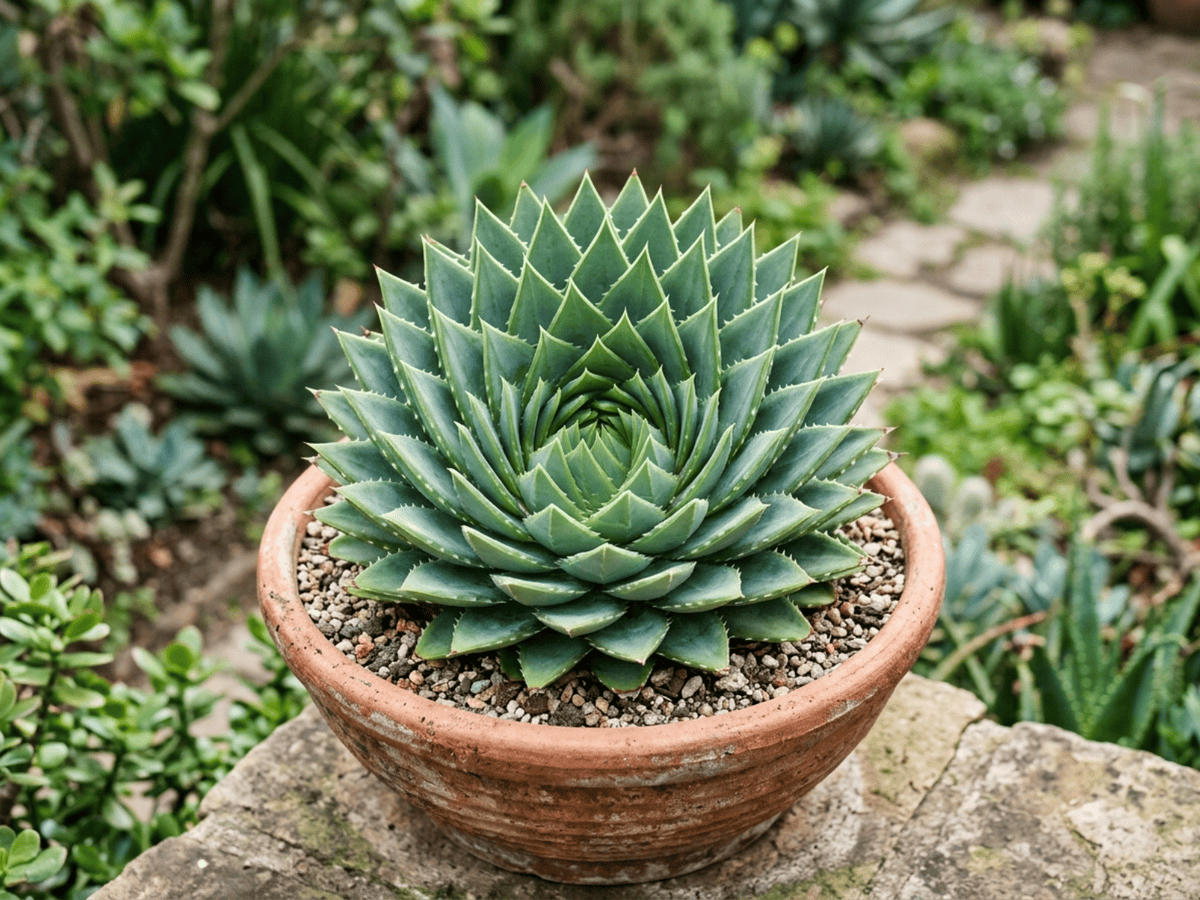 Spiral AloeAloe polyphylla
Frequently asked questions
How often should I water Spotted Calla Lily?
Water about every 15 days during the growing season, and always let excess water drain away.
How much light does Spotted Calla Lily need?
Part shade: 2–4 hrs direct. Watch the leaves — scorching or stretching means the light needs adjusting.
Is Spotted Calla Lily toxic to cats or dogs?
Pets Unknown (Dogs Unknown · Cats Unknown) Educational information, not medical or veterinary advice. If exposure is suspected, contact a doctor or veterinarian.
Is Spotted Calla Lily easy to grow?
It is considered challenging and rewards experienced growers.
Can Spotted Calla Lily be grown indoors?
Yes, it adapts well to indoor growing given the right light.
When does Spotted Calla Lily bloom?
It typically blooms Jun–Aug in the Northern Hemisphere.
YardMate
Identify any plant in seconds
Snap a photo — YardMate names the plant, diagnoses problems, and reminds you when to water.
Download on the App Store