 YardMate

Yellow Arum
Zantedeschia elliottiana
Medium · Some experienceAbout Yellow Arum
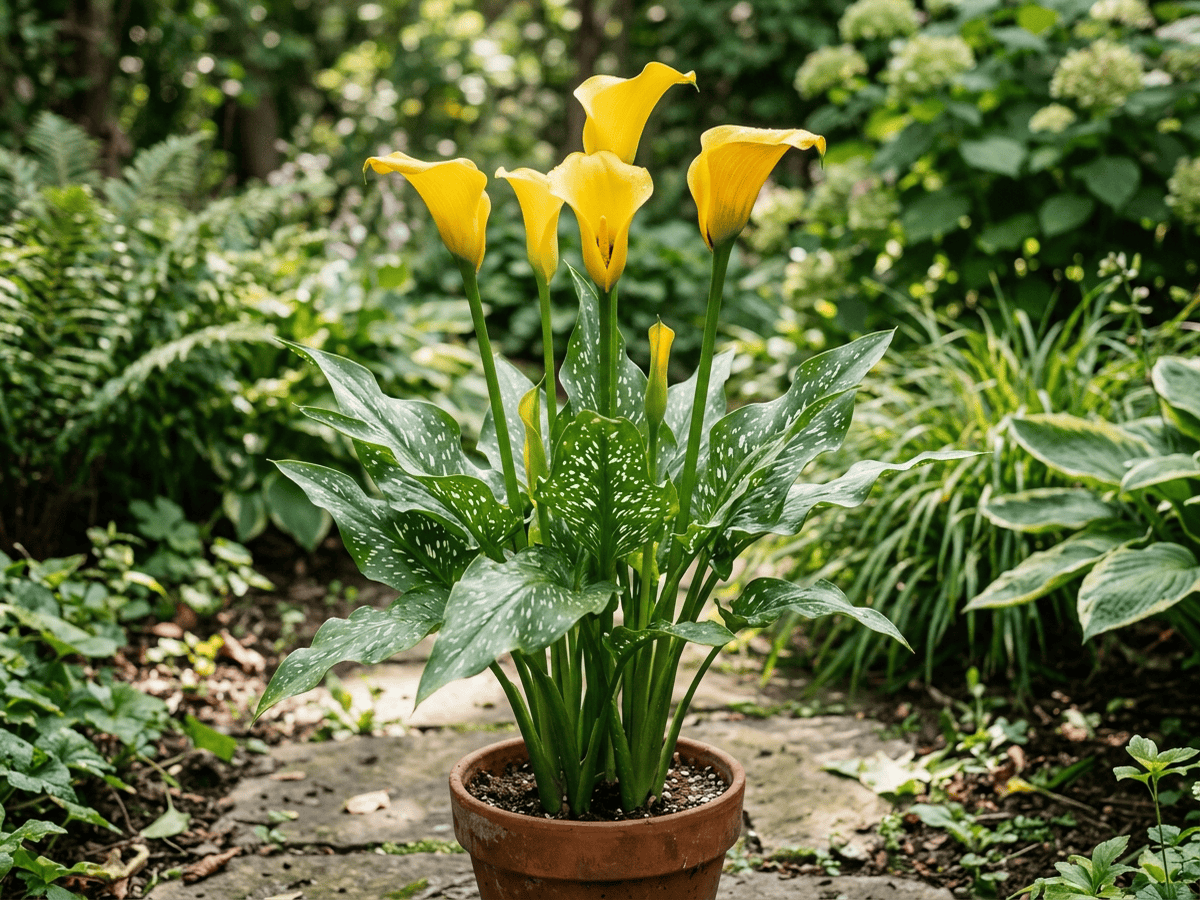
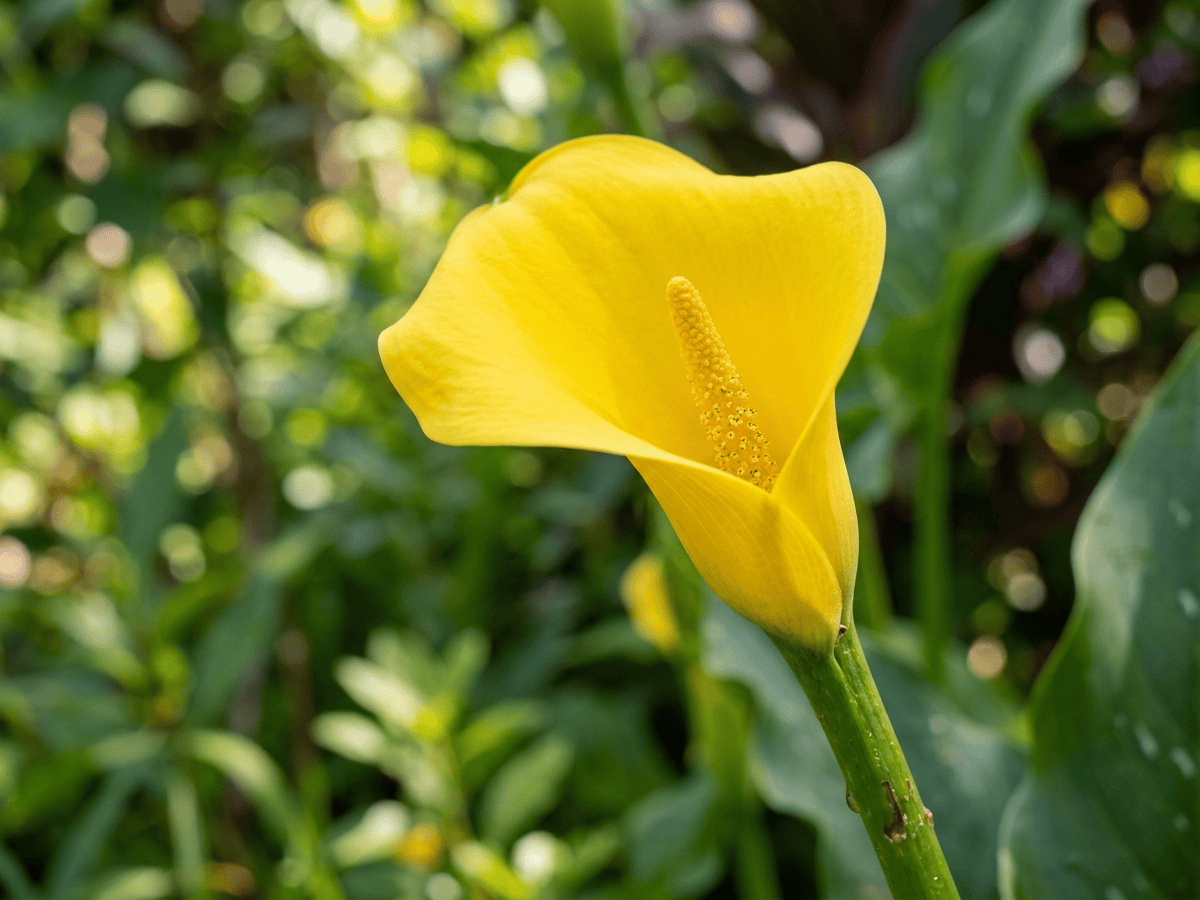
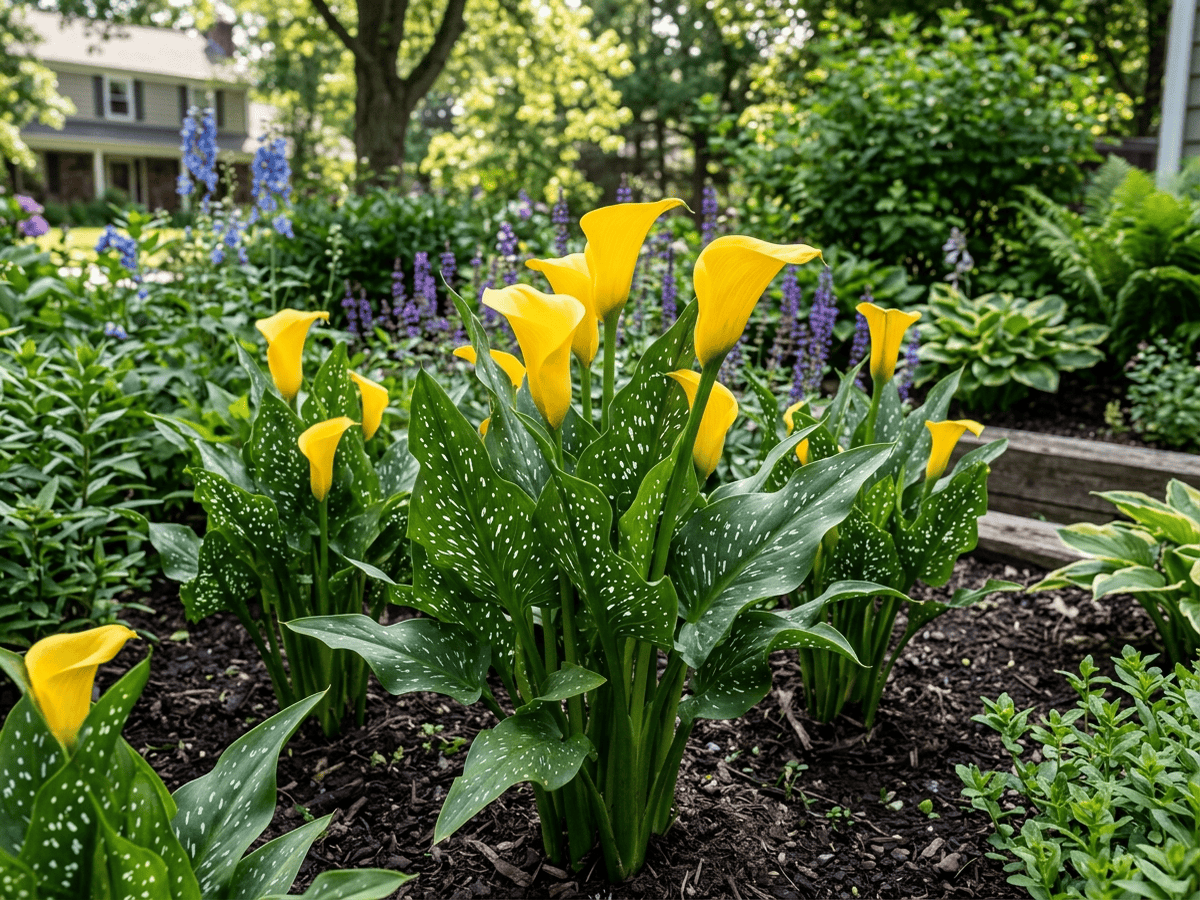
Golden Calla Lily is a South African tuberous tender perennial hardy in USDA zones 8-10 and grown as a summer bulb elsewhere, producing large clear-yellow funnel flowers on 18 to 30 inch stems in mid to late summer. The broad heart-shaped dark green leaves are boldly speckled with silver translucent spots, making the foliage alone a garden attraction. A dramatic American summer container and border bulb with a more tropical presence than the white calla.
- Cut-flower
- Container-friendly
- Long-blooming
How to care for Yellow Arum
Watering
- Springevery 5 days
- Summerevery 3 days
- Fallevery 7 days
- Winterpause watering
Soil · Chunky & airy
- Top dressingBark chips10%
- Main mixBark + potting soil + perlite 1:1:170%
- DrainageLECA20%
Chunky pieces hold air pockets open so thick roots don't suffocate.
FERTILIZER
Balanced Feed 14-14-14
An even feed covers all three needs at once, keeping leaves, roots and blooms moving together with nothing pushed out of balance.
- Nitrogen · Leaves
- Phosphorus · Roots + Blooms
- Potassium · Strength
- Springevery 30 days
- Summerevery 45 days
At a Glance
- NativeAfrica
- Height2–3 ft (0.6–0.9 m)
- Spread1–1.5 ft (0.3–0.5 m)
- Flower colorYellow
- Foliage colorGreen, Silver, Variegated
- SoilLoamy, Moisture-retentive, Rich
- LocationsYard · Balcony
Bloom time
BLOOM CYCLE
Peak bloom
Jun–Sep
Clear yellow funnel flowers mid to late summer
Toxicity
Humans Moderate · Pets Moderate
calcium oxalate raphides
Moderate
- All
- Ingestion
- Contact
EXPOSURE Eating any part of the plant. Touching any part of the plant.
EFFECT Oral burning, swelling, and skin irritation.
NOTE Documented concern for humans: Oral burning, swelling, and skin irritation.
Moderate
- All
- Ingestion
EXPOSURE Eating any part of the plant.
EFFECT Drooling, oral pain, and vomiting.
NOTE ASPCA lists Zantedeschia as toxic to dogs and cats.
Moderate
- All
- Ingestion
EXPOSURE Eating any part of the plant.
EFFECT Drooling, oral pain, and vomiting.
NOTE ASPCA lists Zantedeschia as toxic to dogs and cats.
Educational information, not medical or veterinary advice. If exposure is suspected, contact a doctor or veterinarian.
DISTRIBUTION


- Native
- Africa
History
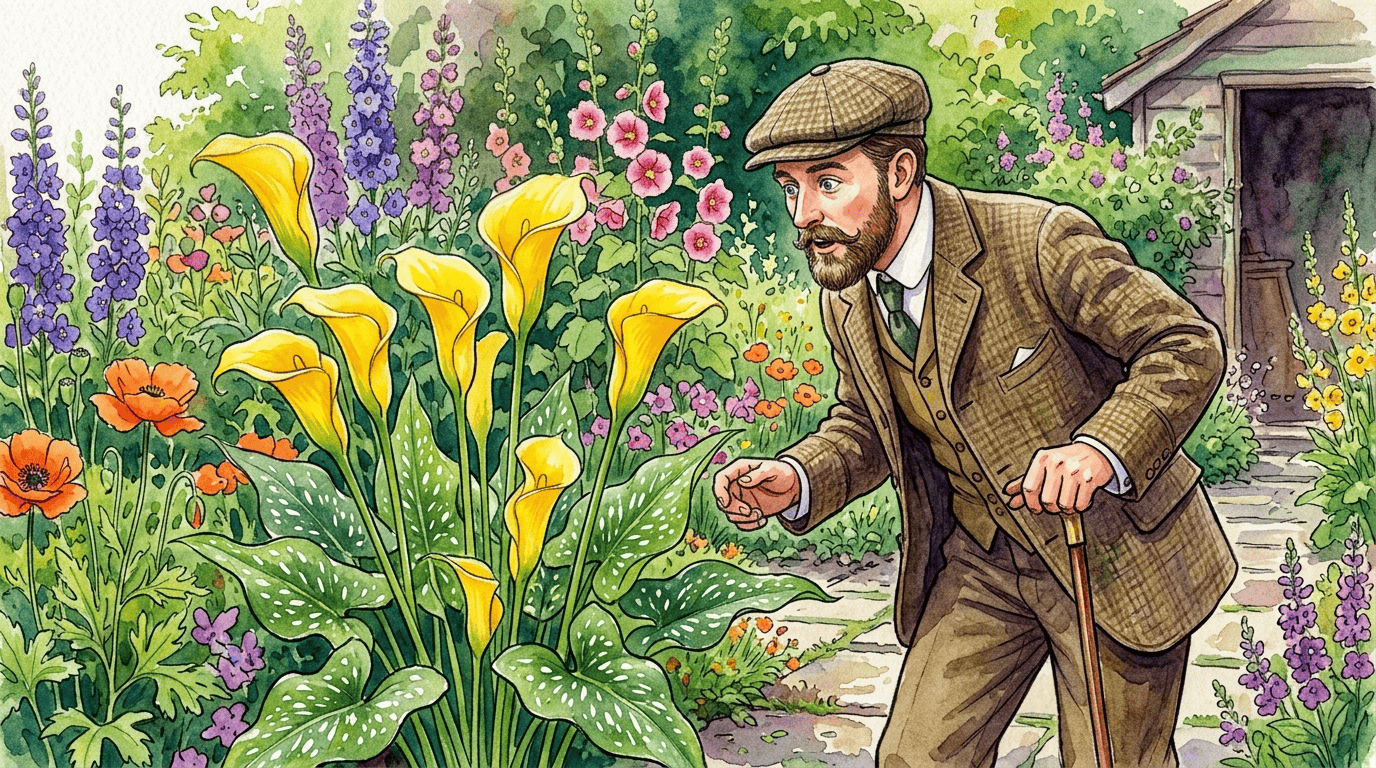
Zantedeschia elliottiana was described by Adolf Engler in 1915, named for the British gardener Captain G.L. Elliott at whose garden the first flowering of unknown origin is documented around 1890. Despite intensive searching in KwaZulu-Natal and Mpumalanga, no verified wild population has ever been found, and most botanists now suspect it is an ancient cultivated hybrid or natural clone of mixed species ancestry. Its distinctive combination of clear bright yellow spathes and heart-shaped leaves dramatically spotted with silvery white made it horticulturally valuable.
Crossed with the pink Z. rehmannii in New Zealand and the Netherlands from the 1920s onward, it contributed yellow and bicolor tones to all modern colored calla lily hybrid strains. Dutch cultivars 'Golden Sun' and 'Millennium Gold' preserve its pure-yellow legacy.
Native to South Africa, introduced to European gardens in the 1890s and widely distributed by the mid-20th century. Modern breeding incorporates this species into the ColorBlast and Captain series of hybrids that dominate American summer calla bulb sales.
Symbolism & meaning
What It Symbolizes
The Yellow Arum expresses luxurious joy, its opulent golden flowers paired with leaves richly spotted in silver-white. As a tropical accent, it brings exotic feeling to summer beds and containers with bold foliage and unmistakable bloom shape. This is the calla of celebration rather than restraint — a plant whose generous color and dramatic leaf together announce a kind of unembarrassed, sun-soaked happiness in the height of the warm season.
- Luxurious joy — opulent golden flower with spotted leaves
- Tropical accent — bold foliage and bloom add exotic feel
Where the Name Comes From
The common name highlights its yellow coloring. 'elliottiana' honors English gardener Captain George Elliott (19th century) who introduced the species to cultivation.
Uses & Fun Facts
- Yellow Arum perennial used in cottage and naturalistic borders
- Yellow calla blooms suit summer pots, patio tubs, and cut arrangements
Related plants
More Zantedeschia plants
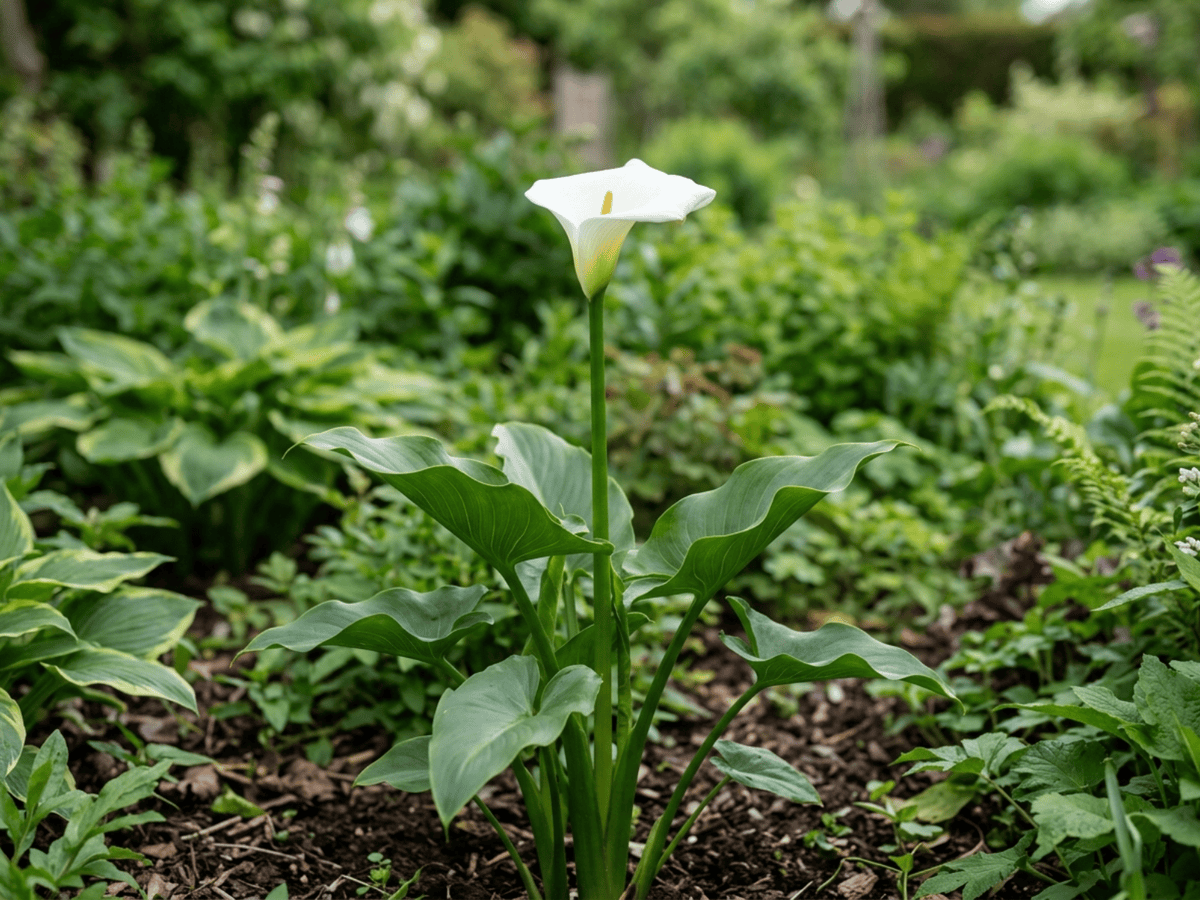 Calla LilyZantedeschia aethiopica
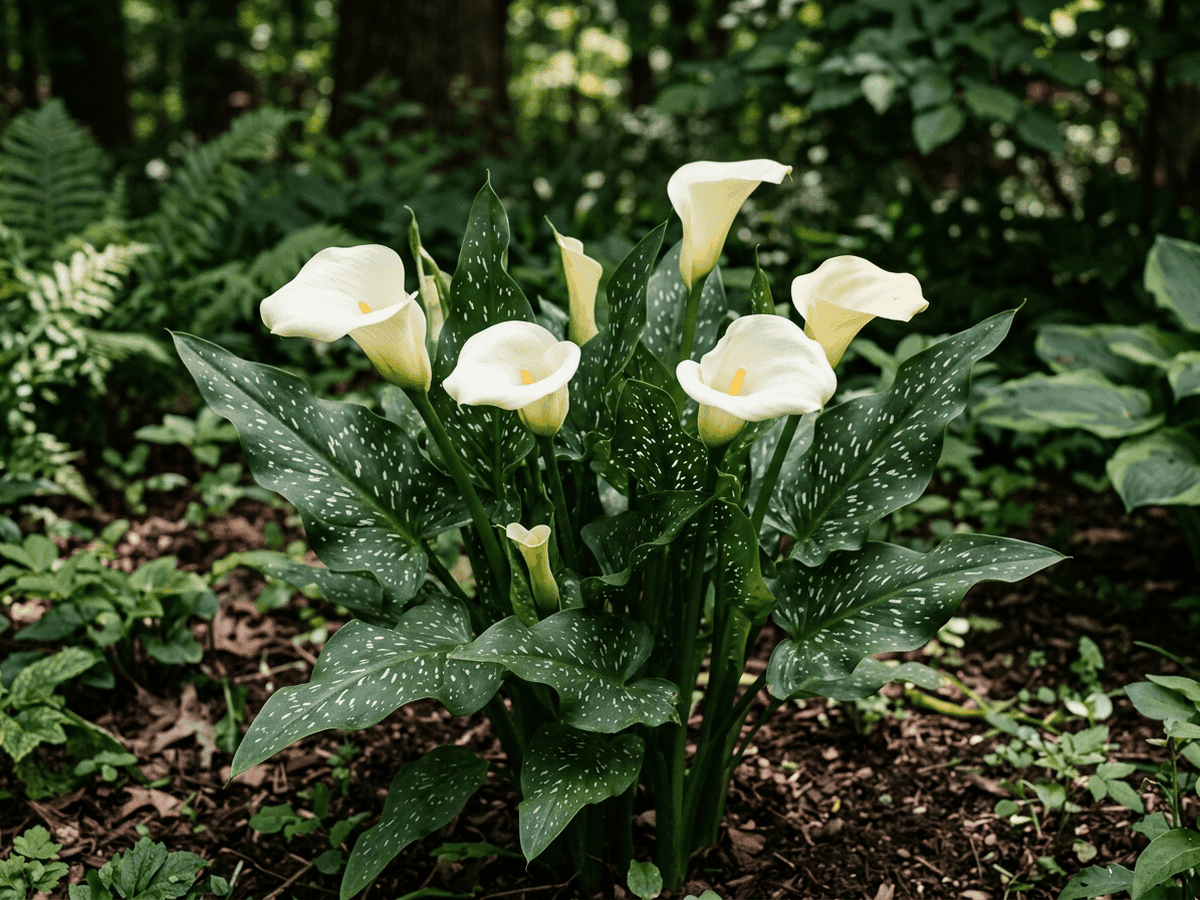 Spotted Calla LilyZantedeschia albomaculata
 Pink ArumZantedeschia rehmannii
Plants with similar care
 Japanese MapleAcer palmatum
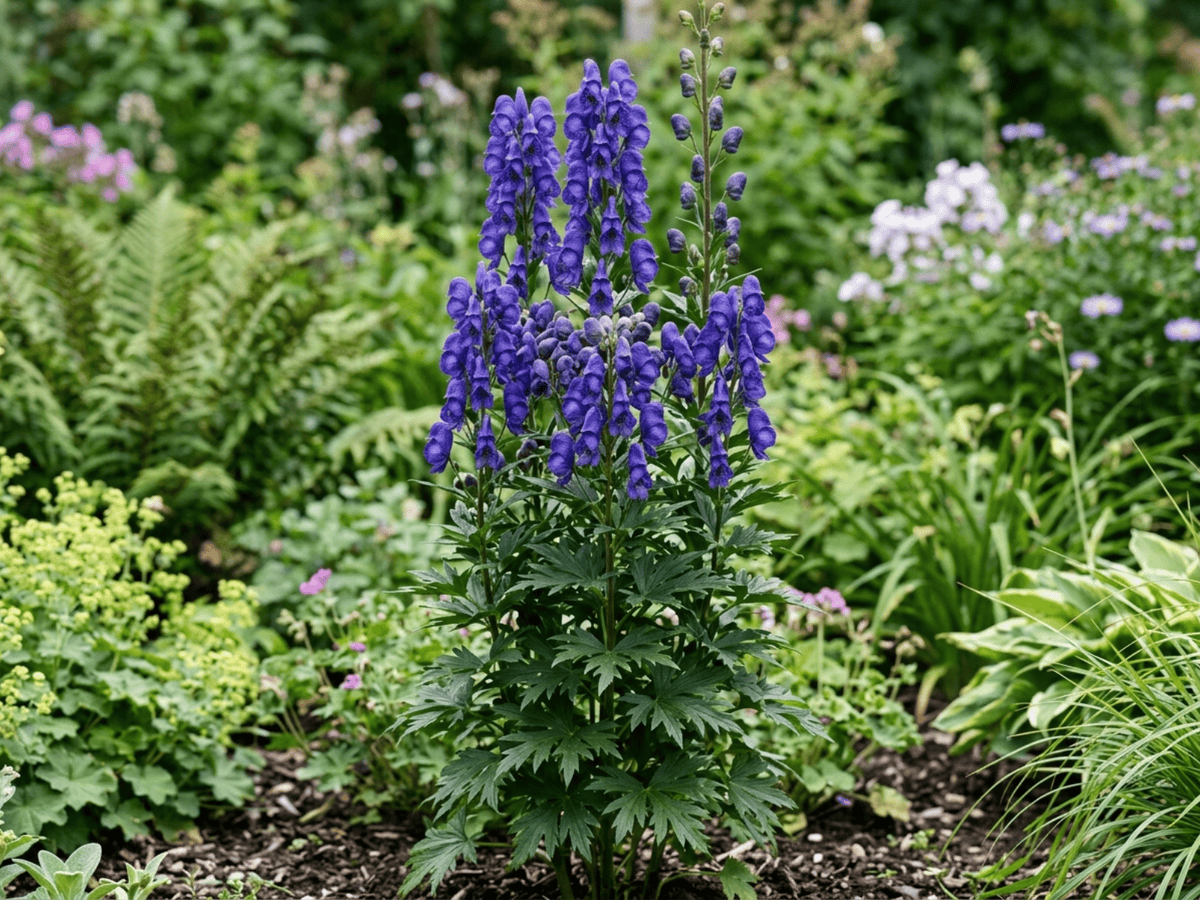 Azure MonkshoodAconitum carmichaelii
 Florida HobblebushAgarista populifolia
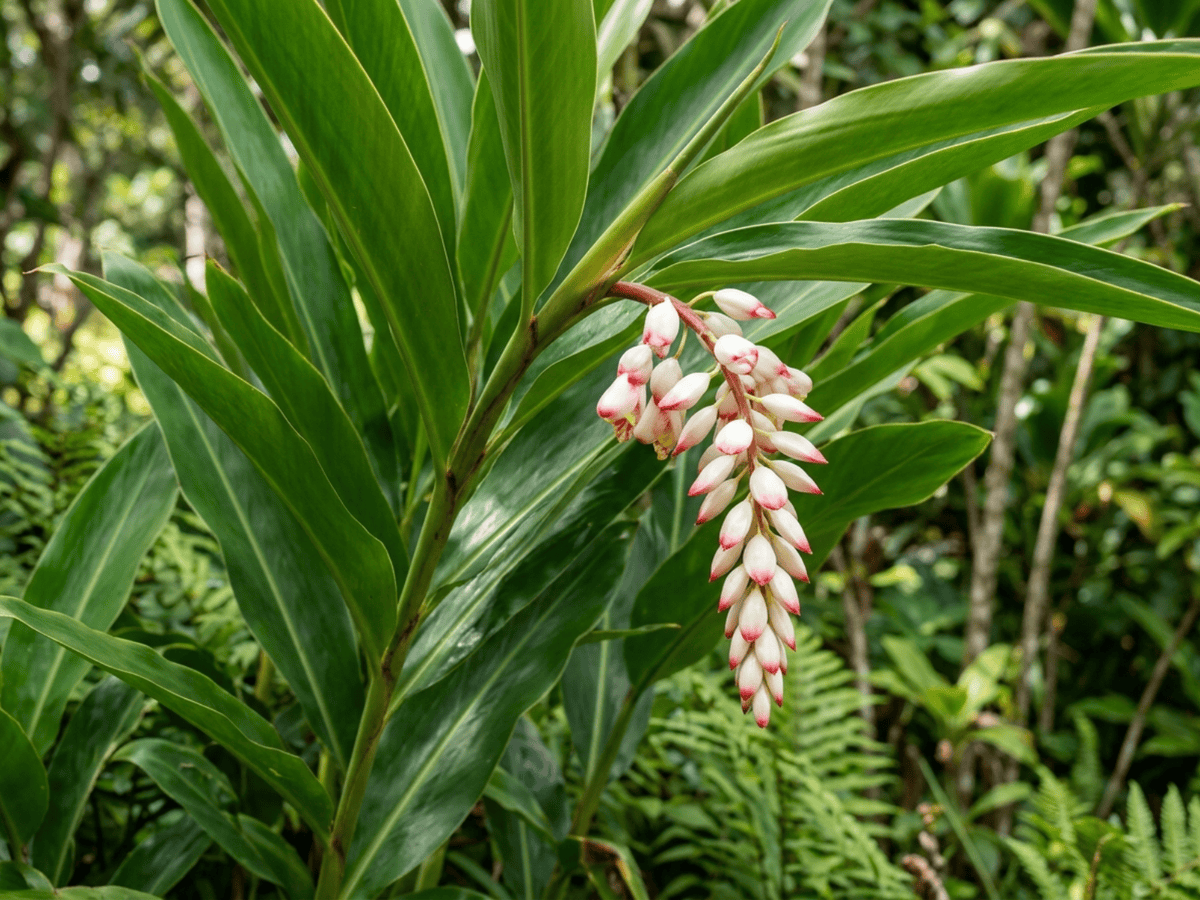 Shell GingerAlpinia zerumbet
Frequently asked questions
How often should I water Yellow Arum?
Water about every 5 days during the growing season, and always let excess water drain away.
How much light does Yellow Arum need?
Part shade: 2–4 hrs direct. Watch the leaves — scorching or stretching means the light needs adjusting.
Is Yellow Arum toxic to cats or dogs?
Pets Moderate (Dogs Moderate · Cats Moderate) Educational information, not medical or veterinary advice. If exposure is suspected, contact a doctor or veterinarian.
Is Yellow Arum easy to grow?
It is moderately demanding: a good choice once you have a little experience.
When does Yellow Arum bloom?
It typically blooms Jun–Sep in the Northern Hemisphere.
YardMate
Identify any plant in seconds
Snap a photo — YardMate names the plant, diagnoses problems, and reminds you when to water.
Download on the App Store