 YardMate
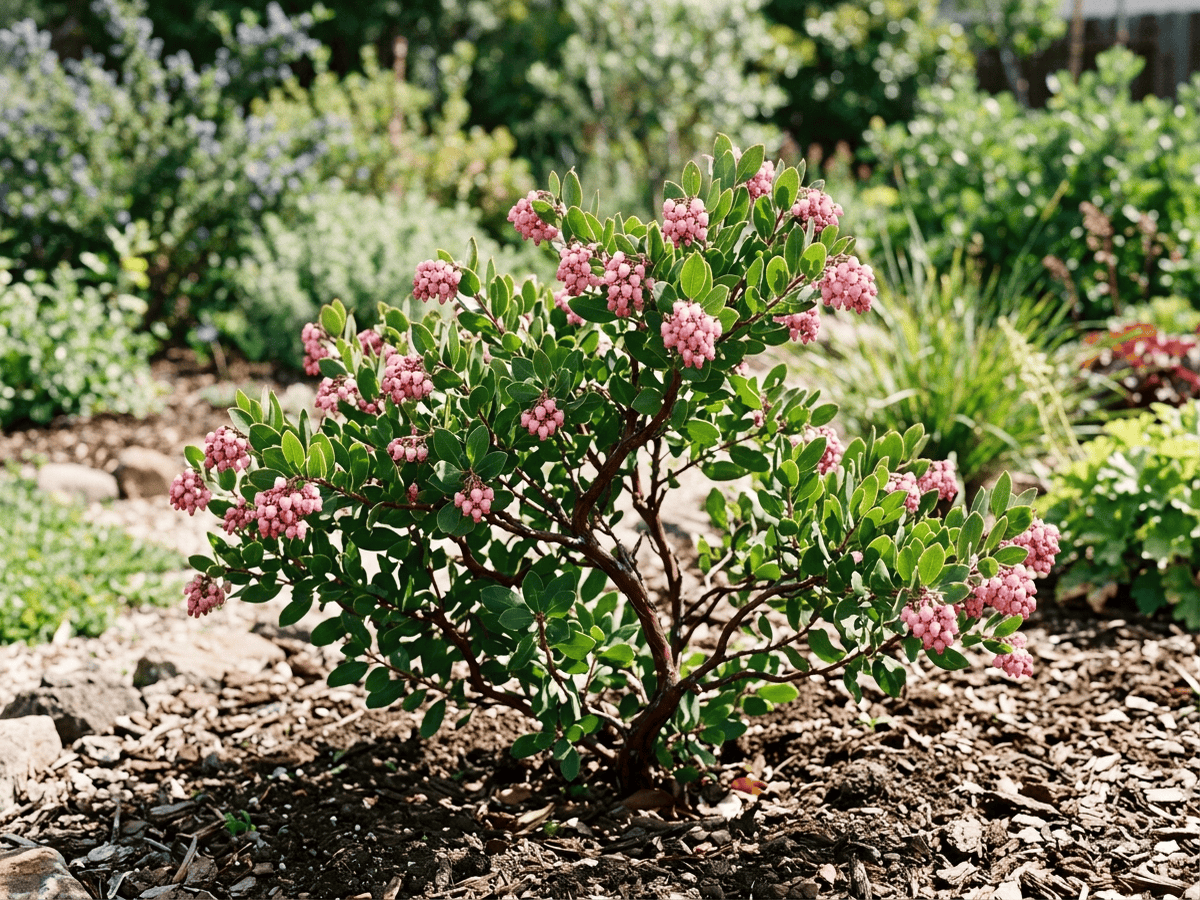


Vine Hill Manzanita
Arctostaphylos densiflora
Medium · Some experienceAbout Vine Hill Manzanita
Vine Hill Manzanita is an extremely rare California endemic, known from only a single small area near Sebastopol in Sonoma County. Growing 3-6 feet tall with a spreading habit, it produces masses of pink bell-shaped flowers in winter. The cultivar 'Howard McMinn' is among the most popular and versatile manzanitas in cultivation, valued for its moderate size, reliability, and tolerance of garden conditions. Critically endangered in the wild.
- Drought-tolerant
- Evergreen
- Native
- Pollinator-friendly
How to care for Vine Hill Manzanita
Watering
- Springevery 14 days
- Summerevery 21 days
- Fallevery 21 days
- Winterpause watering
Soil · Acidic · pH 4.5–6
- Top dressingPine needle mulch10%
- Main mixAcid-lover mix + peat 3:175%
- DrainageGravel15%
Never add lime or wood ash — it cancels out the acidity.
FERTILIZER
This plant needs little to no feeding.
At a Glance
- NativeNorth America
- Height4–7 ft (1.2–2.1 m)
- Spread6–12 ft (1.8–3.7 m)
- Flower colorPink, White
- Foliage colorGreen
- Fruit colorRed
- SoilSandy, Well-drained, Acidic
- LocationsYard
Bloom time
BLOOM CYCLE
Peak bloom
Jan–Mar
Pink bell flowers January to March
Fragrance
NO FRAGRANCE
No notable fragrance.
Toxicity
No toxicity has been reported for this plant. Still, it is wise to keep pets from chewing on any houseplant.
Educational information, not medical or veterinary advice. If exposure is suspected, contact a doctor or veterinarian.
DISTRIBUTION


- Native
- North America
History

Arctostaphylos densiflora is native to an extraordinarily restricted geographic area — essentially a single location of approximately 30 hectares at the Vine Hill Preserve (also called Vine Hill Biotic Area) north of Sebastopol in Sonoma County, California. This site contains a small relict ecosystem of rare endemic manzanitas, including A. densiflora and two other globally-rare species (A. bakeri and A. hispidula), and is managed as a conservation preserve by the California Native Plant Society. The species is listed as rare under California Rare Plant Rank 1B.1 (seriously endangered in California) and considered one of the rarest plants in the state.
Despite the tiny native distribution, cultivars derived from A. densiflora are among the most widely-grown California-native garden manzanitas in California, Oregon, and Pacific Northwest landscape horticulture — particularly "Howard McMinn" (named for botanist Howard E. McMinn, author of the landmark 1939 "An Illustrated Manual of California Shrubs"), introduced in 1955 by Saratoga Horticultural Foundation; the "Sentinel" and "Harmony" cultivars are also important. These cultivars have become backbone California-native-garden shrubs.
The plant is a compact rounded evergreen shrub 1-2 meters tall with small bright-green leaves and dense pink-white urn-shaped flowers in late winter, followed by small red berries. The species was named "densiflora" for the dense flower clusters.
Symbolism & meaning
What It Symbolizes
The Vine Hill manzanita is a study in rarity — known from a single ridge in Sonoma County, it is among California's most endangered endemic shrubs, hovering on the edge of disappearance. What keeps it alive today is the work of preservation, with horticulturists propagating it for gardens and seed banks. Every plant in cultivation is a small ark, carrying a wild Californian into a future its original hillside may not provide.
- Rarity — one of California's most endangered endemic plants
- Preservation — horticulture helping preserve a wild species
Where the Name Comes From
The name Vine Hill Manzanita describes its vining or arching growth. 'Densiflora' means 'densely flowered' in Latin, referring to its abundant blooms.
Uses & Fun Facts
- Pink urn-shaped winter flowers feed early-emerging native bees
- Spreading manzanita mat for California native dry slopes
- Small red berries and dense cover support birds and pollinators
Related plants
More Arctostaphylos plants
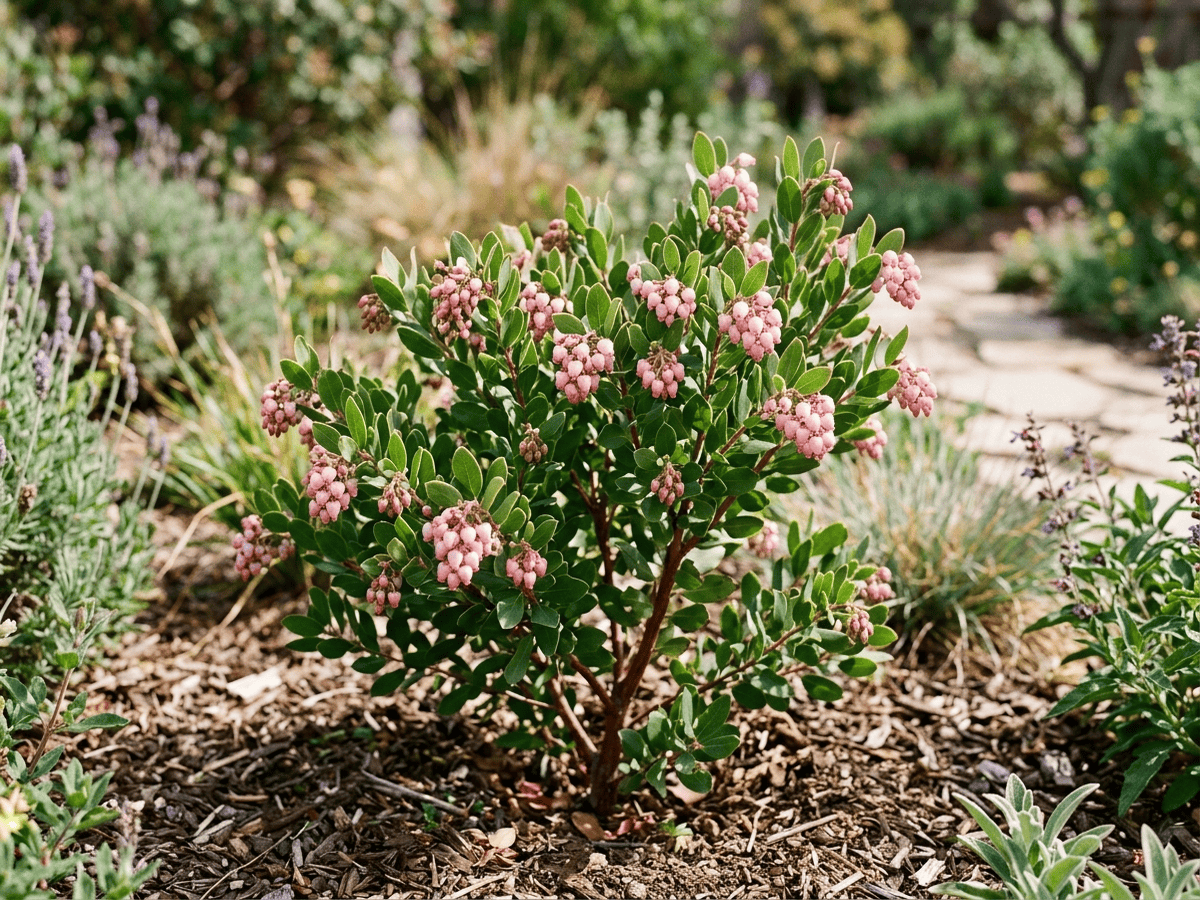 Hooker's ManzanitaArctostaphylos hookeri
 Common ManzanitaArctostaphylos manzanita
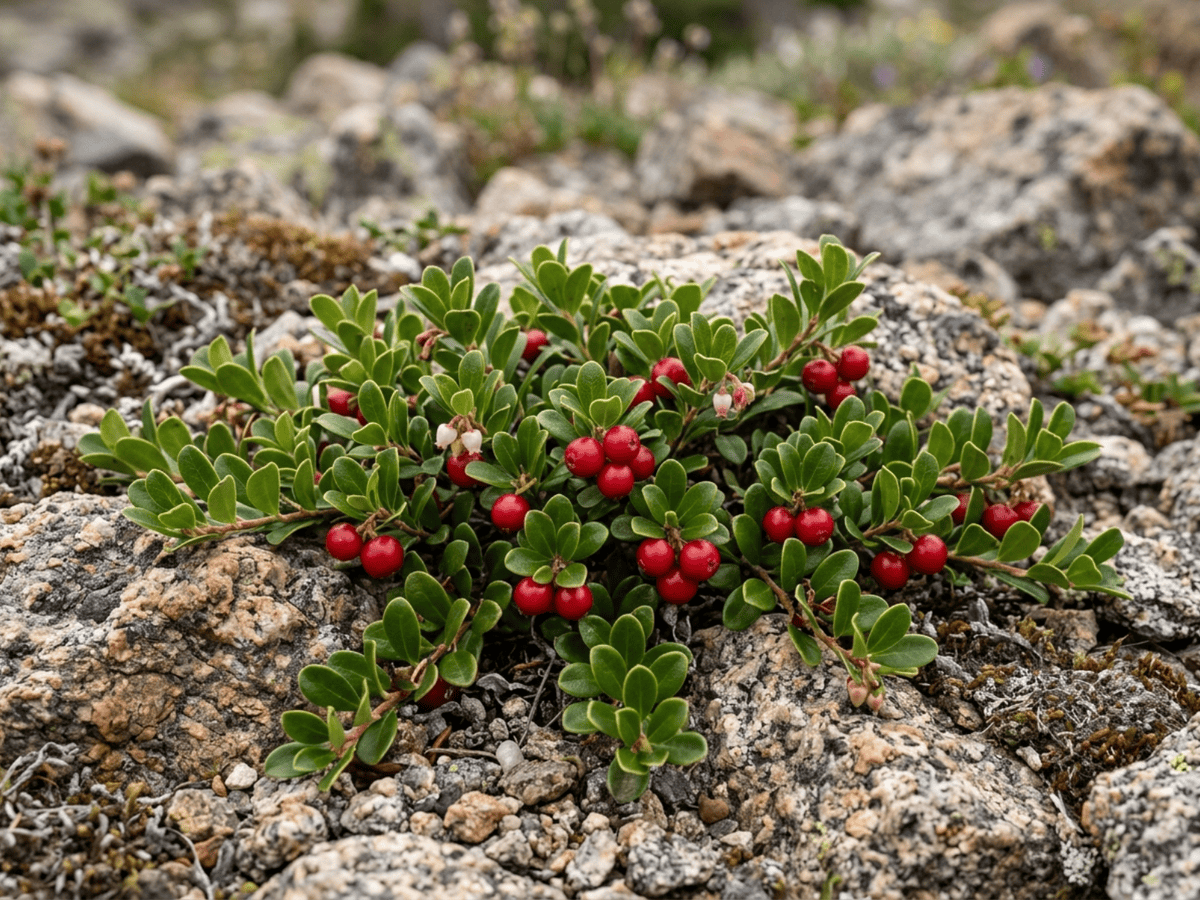 BearberryArctostaphylos uva-ursi
Plants with similar care
 Mexican AbeliaAbelia floribunda
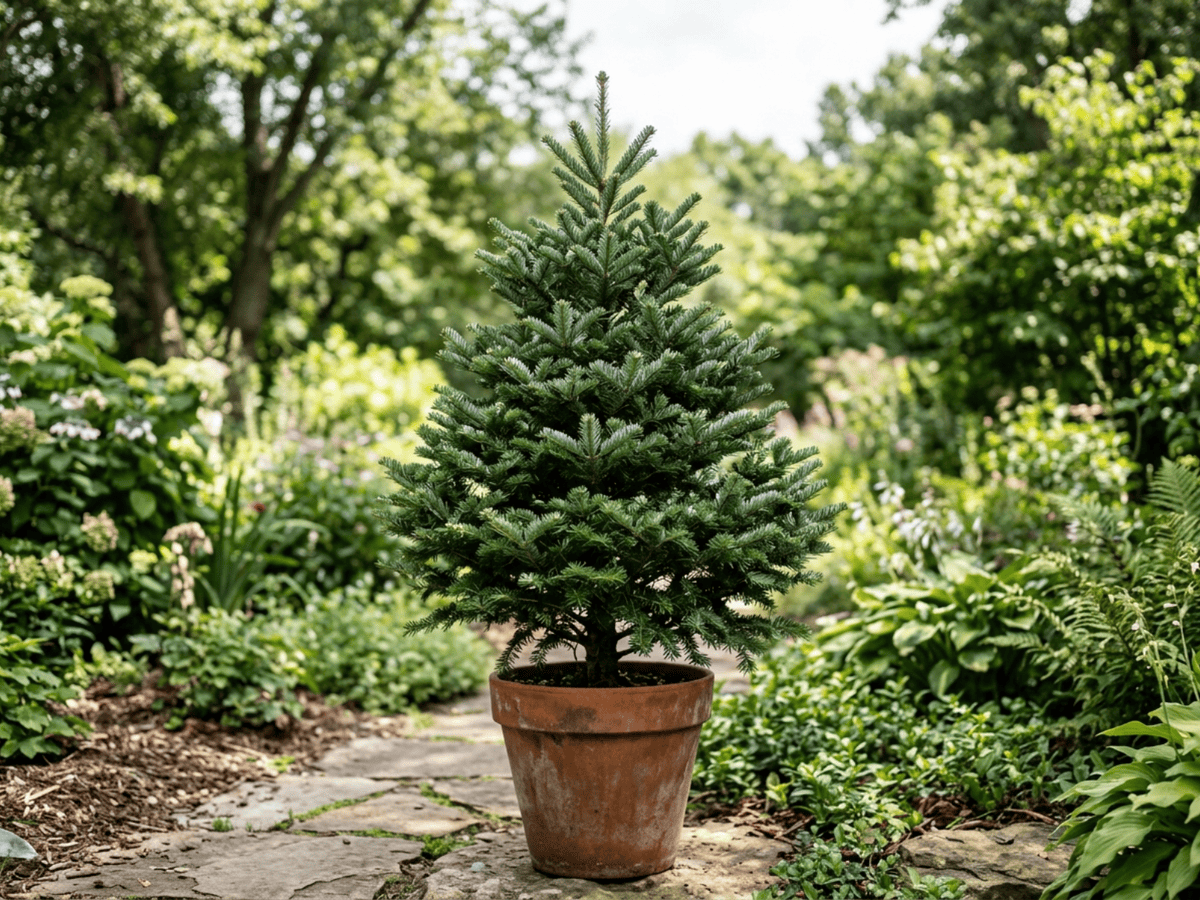 Fraser FirAbies fraseri
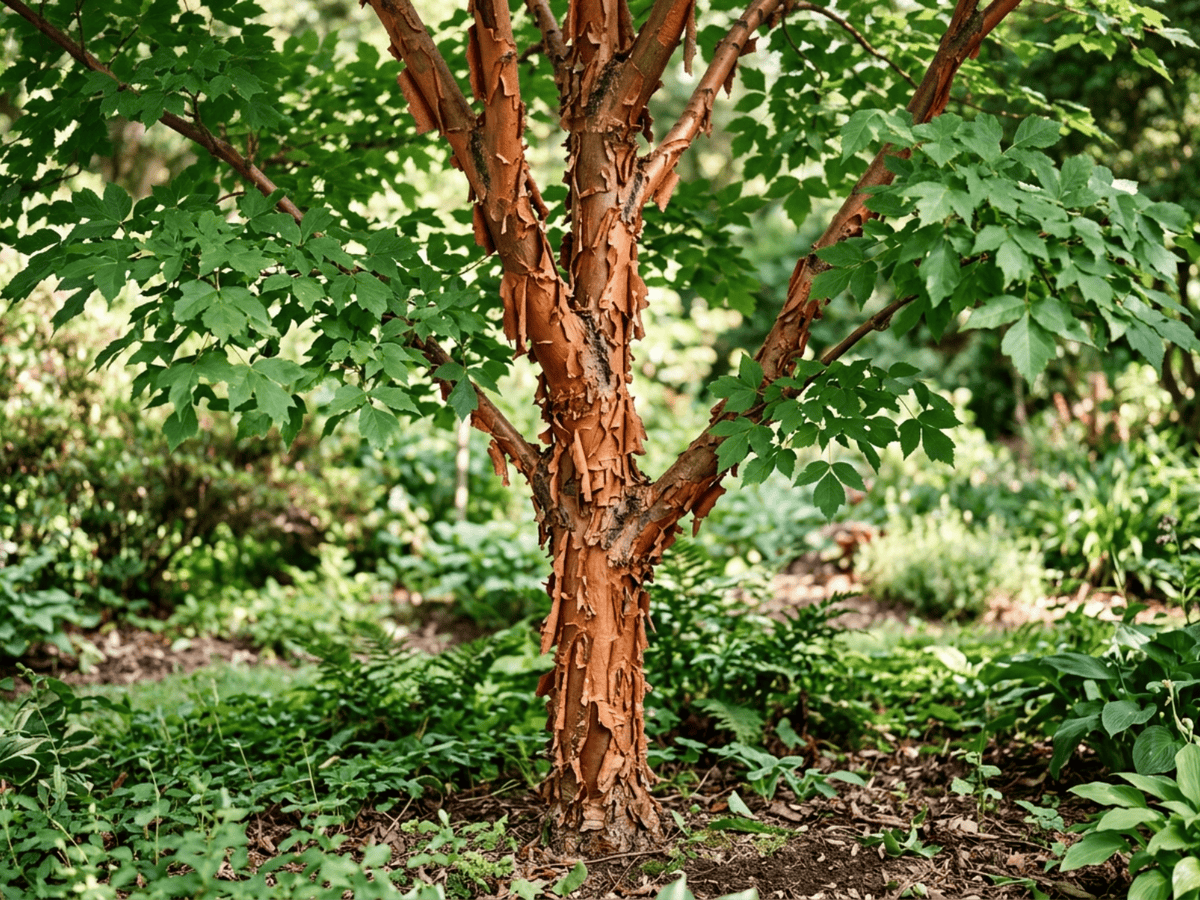 Paperbark MapleAcer griseum
 Sugar MapleAcer saccharum
Frequently asked questions
How often should I water Vine Hill Manzanita?
Water about every 14 days during the growing season, and always let excess water drain away.
How much light does Vine Hill Manzanita need?
Full sun: 6+ hrs direct. Watch the leaves — scorching or stretching means the light needs adjusting.
Is Vine Hill Manzanita toxic to cats or dogs?
No toxicity has been reported for this plant. Still, it is wise to keep pets from chewing on any houseplant. Educational information, not medical or veterinary advice. If exposure is suspected, contact a doctor or veterinarian.
Is Vine Hill Manzanita easy to grow?
It is moderately demanding: a good choice once you have a little experience.
When does Vine Hill Manzanita bloom?
It typically blooms Jan–Mar in the Northern Hemisphere.
YardMate
Identify any plant in seconds
Snap a photo — YardMate names the plant, diagnoses problems, and reminds you when to water.
Download on the App Store