 YardMate


Common Manzanita
Arctostaphylos manzanita
Medium · Some experienceAbout Common Manzanita
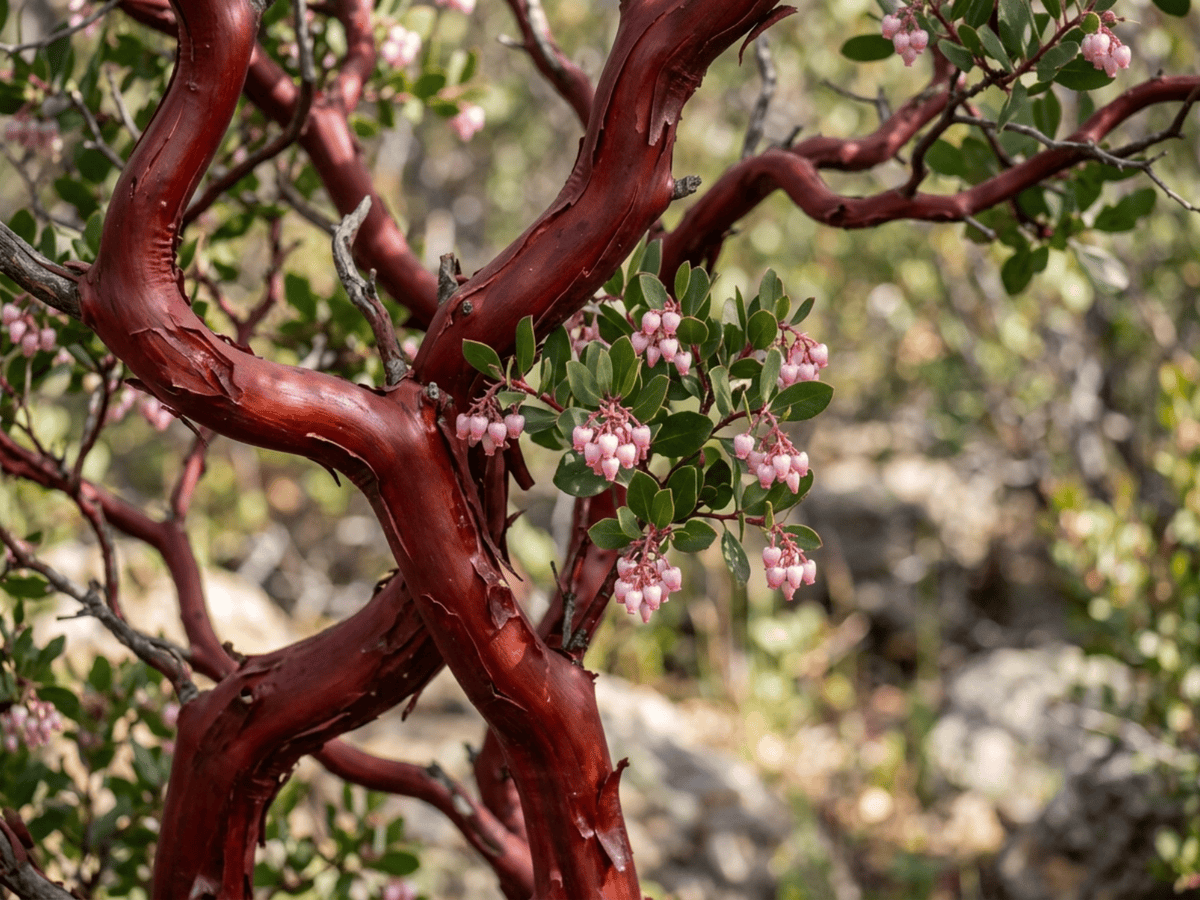
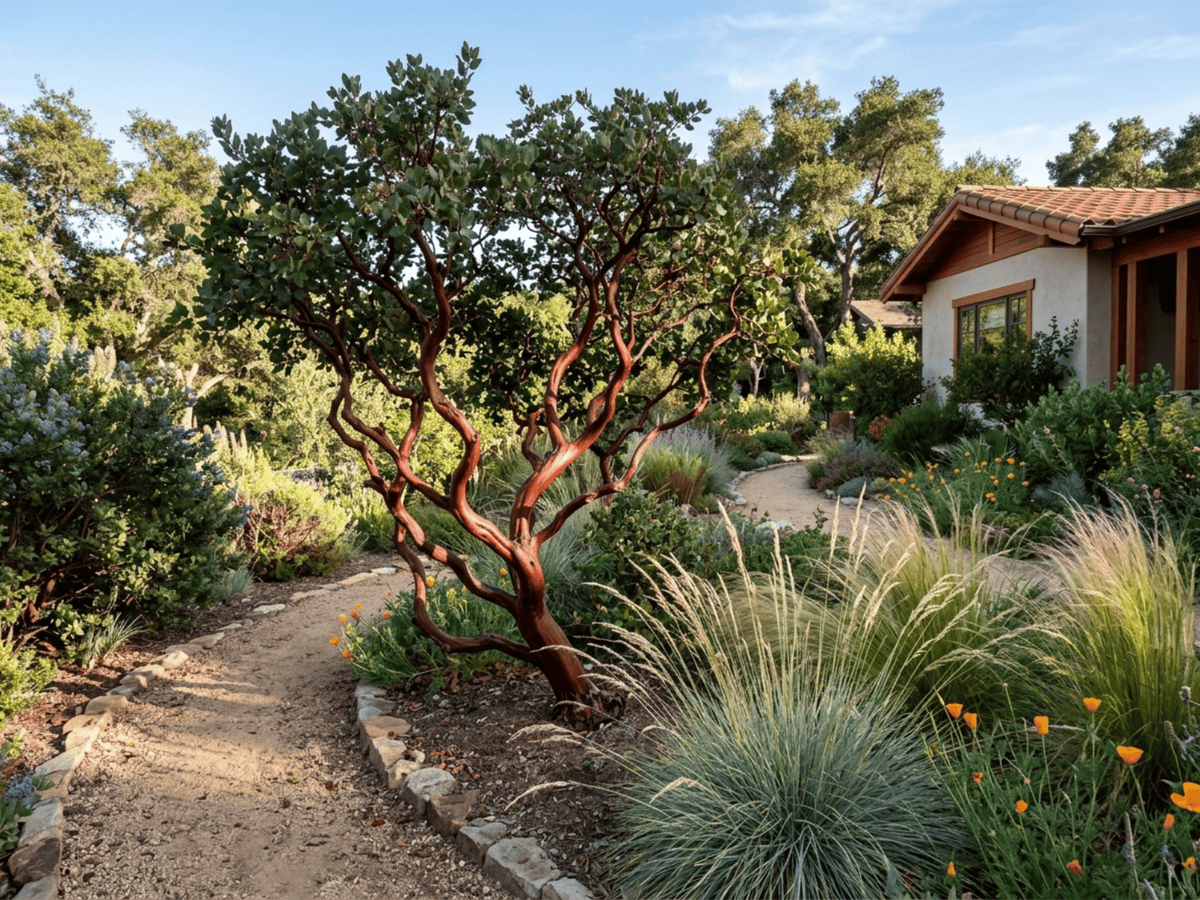
Common Manzanita is a quintessential California native evergreen shrub or small tree reaching 6-20 feet, celebrated for its smooth reddish-mahogany bark that exfoliates in curls. Native to Northern and Central California foothills, it produces pink urn-shaped flowers in late winter followed by small apple-like berries. The sculptural trunks and twisted branches make it a living work of art. 'Manzanita' means 'little apple' in Spanish, referring to its edible berries.
- Drought-tolerant
- Deer-resistant
- Evergreen
- Native
How to care for Common Manzanita
Watering
- Springevery 14 days
- Summerevery 21 days
- Fallevery 21 days
- Winterpause watering
Soil · Acidic · pH 4.5–6
- Top dressingPine needle mulch10%
- Main mixAcid-lover mix + peat 3:175%
- DrainageGravel15%
Never add lime or wood ash — it cancels out the acidity.
FERTILIZER
This plant needs little to no feeding.
At a Glance
- NativeNorth America
- Height8–20 ft (2.4–6.1 m)
- Spread8–15 ft (2.4–4.6 m)
- Flower colorWhite, Pink
- Foliage colorGreen
- Fruit colorRed, Brown
- SoilSandy, Well-drained, Acidic
- LocationsYard
Bloom time
BLOOM CYCLE
Peak bloom
Jan–Mar
Pink urn-shaped flowers January to March
Fragrance
NO FRAGRANCE
No notable fragrance.
Toxicity
No toxicity has been reported for this plant. Still, it is wise to keep pets from chewing on any houseplant.
Educational information, not medical or veterinary advice. If exposure is suspected, contact a doctor or veterinarian.
DISTRIBUTION


- Native
- North America
History
Arctostaphylos manzanita is native to the foothills of the Sierra Nevada, the Klamath and North Coast Ranges, and scattered inland California mountain communities, growing in open forests, chaparral, and rocky outcrop habitats at 200-2000 meters elevation. It is one of approximately 60 Arctostaphylos species native to California — the richest manzanita diversity in the world — collectively one of the defining shrub groups of California chaparral. The Spanish common name "manzanita" means "little apple," referring to the small 5-8 mm red-brown fruits that superficially resemble miniature apples (the genus is in Ericaceae, the same family as apples' more distant relatives the blueberries).
The most visually distinctive feature is the smooth mahogany-red to purple-red bark that peels away each summer in thin curling papery sheets, exposing fresh darker red-brown bark underneath — manzanita bark is one of the most aesthetically celebrated features of any North American shrub and features prominently in California landscape gardening, fine-art photography, and native-plant identification. Small pink-white urn-shaped flowers hang in clusters in late winter through early spring (January-March in warmer parts of the range).
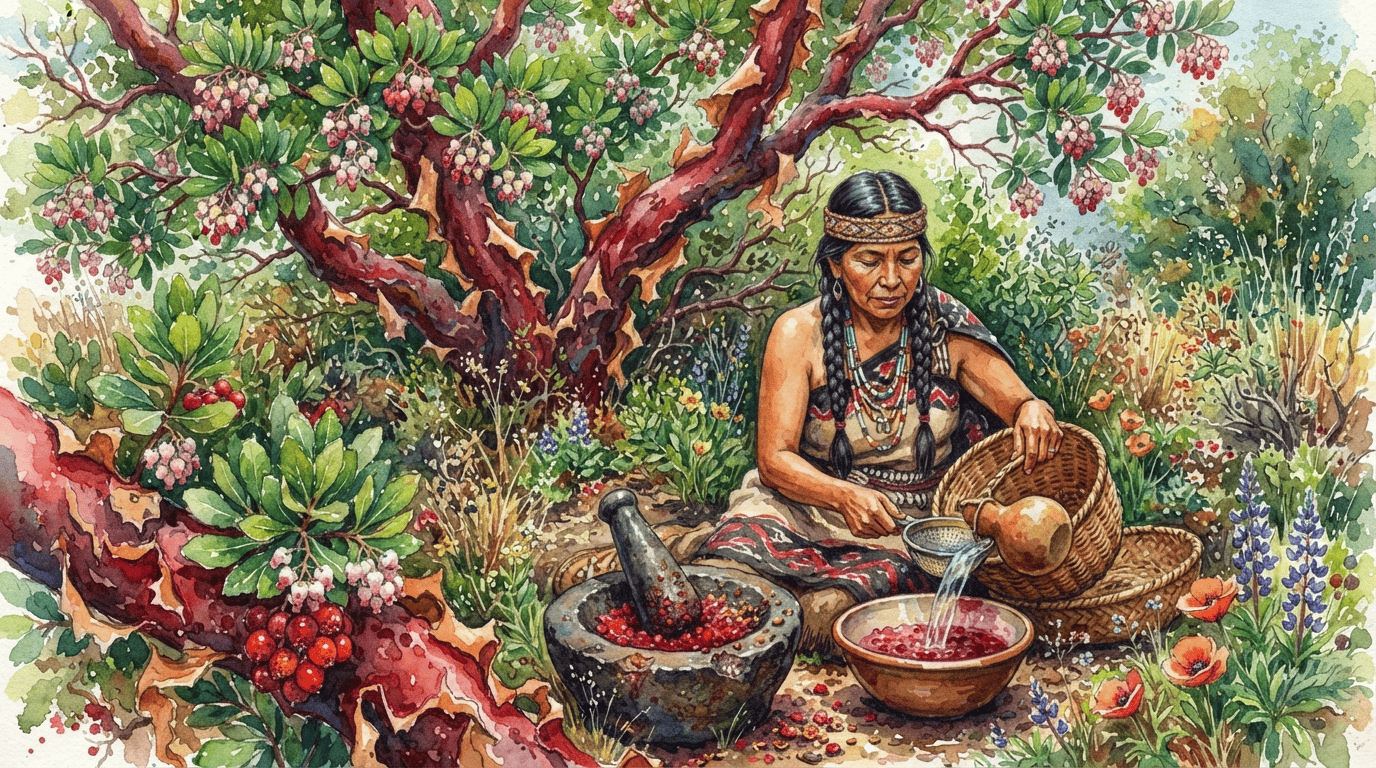
Fruits are edible (though mealy) and were traditionally eaten by many California Indigenous peoples and used to make "manzanita cider," a sweet-tart fruit drink. Important cultivars for garden use include "Dr. Hurd" (upright tree-form) and "St. Iconic in California chaparral ecosystems, with massive old specimens serving as nesting habitat for woodrats and wildlife. Helena" (smaller shrub form); many other Arctostaphylos species contribute cultivars to California-native gardens.
Symbolism & meaning
What It Symbolizes
Common Manzanita suggests constancy, an evergreen anchor of California's chaparral whose mahogany limbs endure season after season. Its heritage runs deep, threading through Indigenous foodways and Spanish-era ranchos that called it 'little apple.' To plant one is to claim a piece of that long, layered California memory — a tree that holds tradition in its sculptural bones.
- Constancy — evergreen symbol of endurance and tradition
- Heritage — connects to Indigenous and Spanish California history
Where the Name Comes From
'Arctostaphylos' from Greek 'arktos' (bear) and 'staphyle' (grape)—'bear grape'; 'manzanita' is Spanish for 'little apple'.
Uses & Fun Facts
- Tart manzanita berries used by California natives in cider and meal
- Berries and cover support bears, foxes, and ground-feeding birds
- Sculptural mahogany bark and twisting limbs as a garden focal point
Related plants
More Arctostaphylos plants
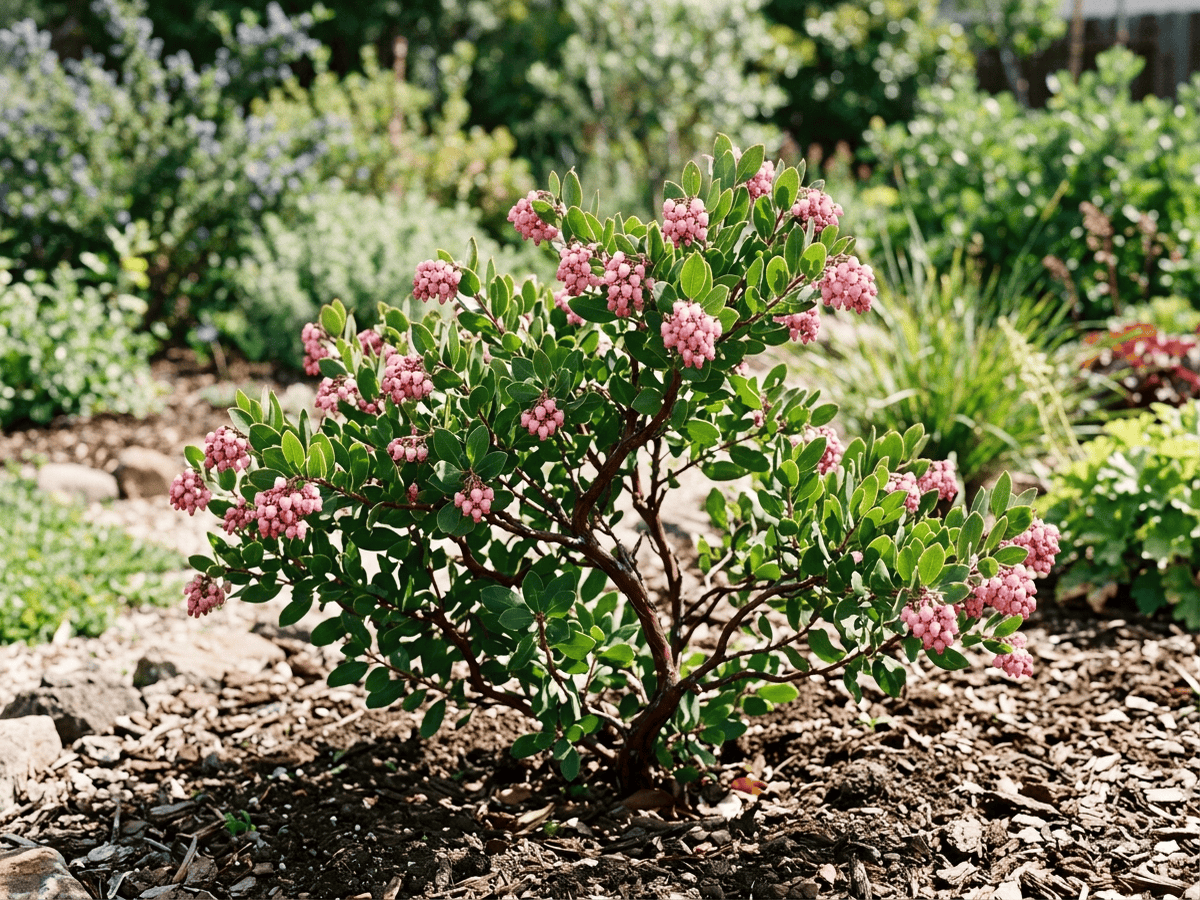 Vine Hill ManzanitaArctostaphylos densiflora
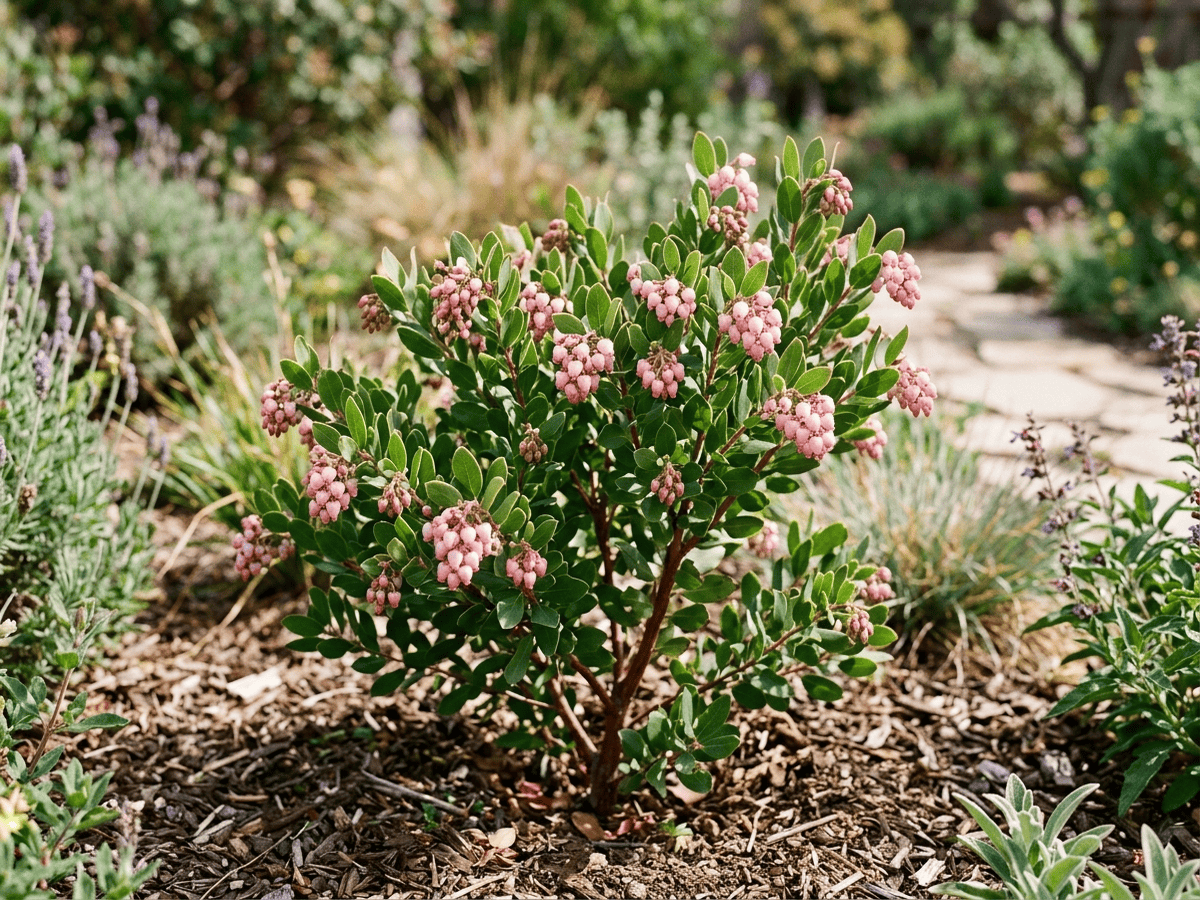 Hooker's ManzanitaArctostaphylos hookeri
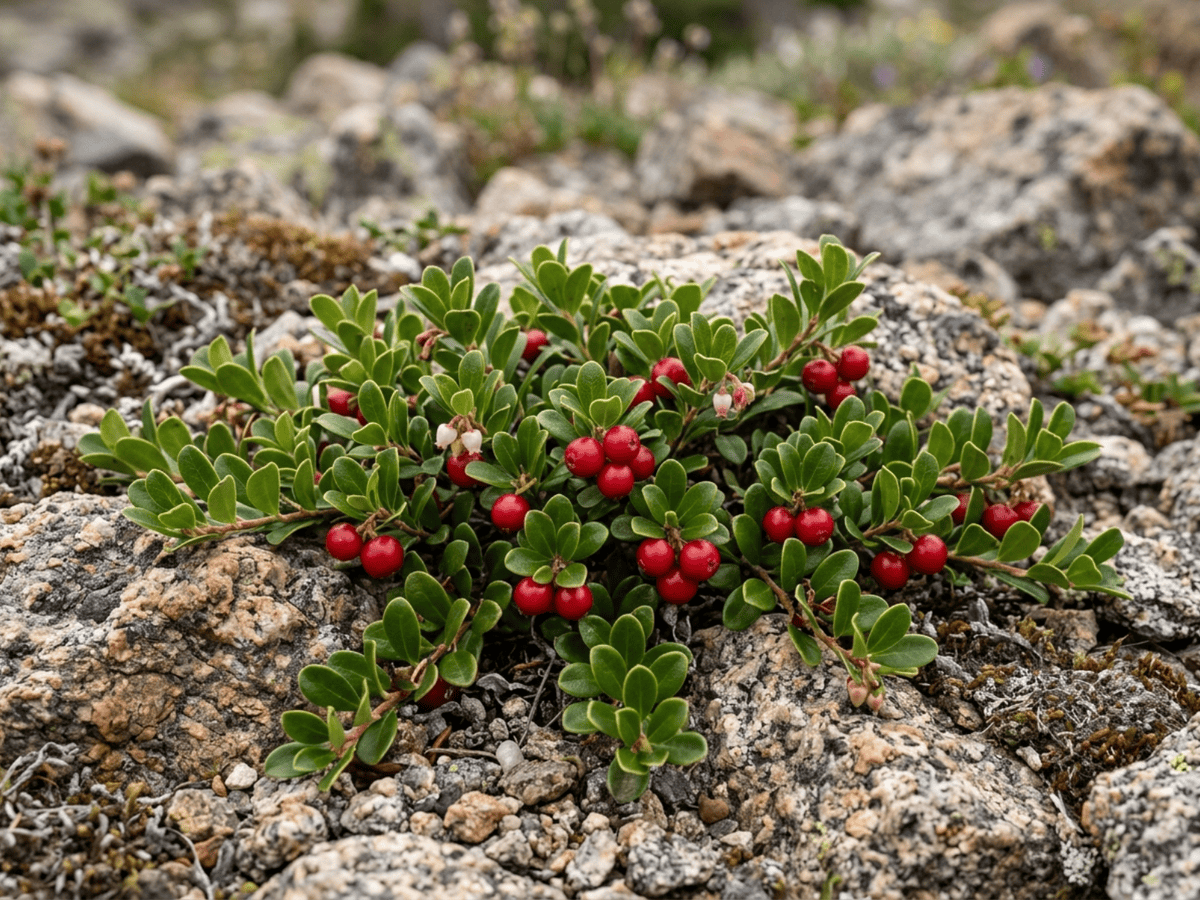 BearberryArctostaphylos uva-ursi
Plants with similar care
 Mexican AbeliaAbelia floribunda
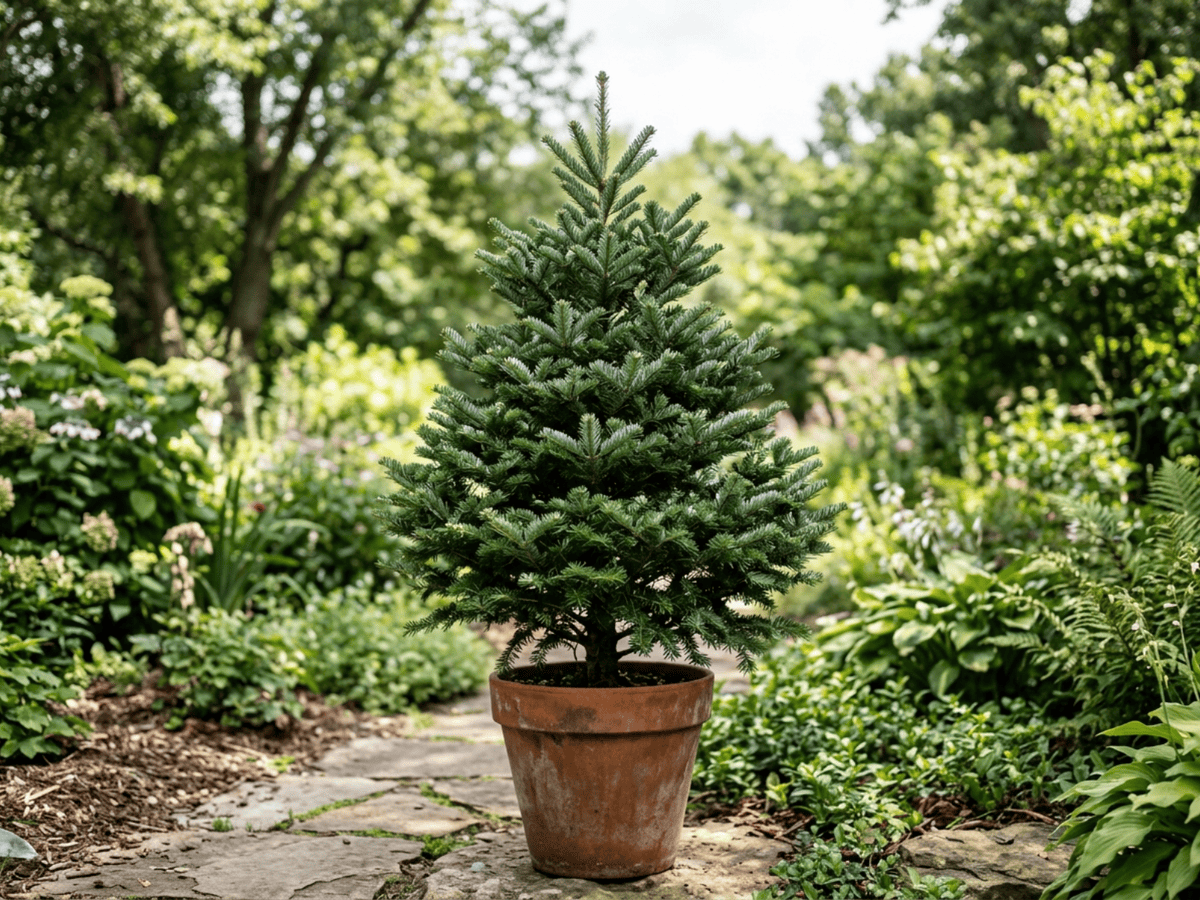 Fraser FirAbies fraseri
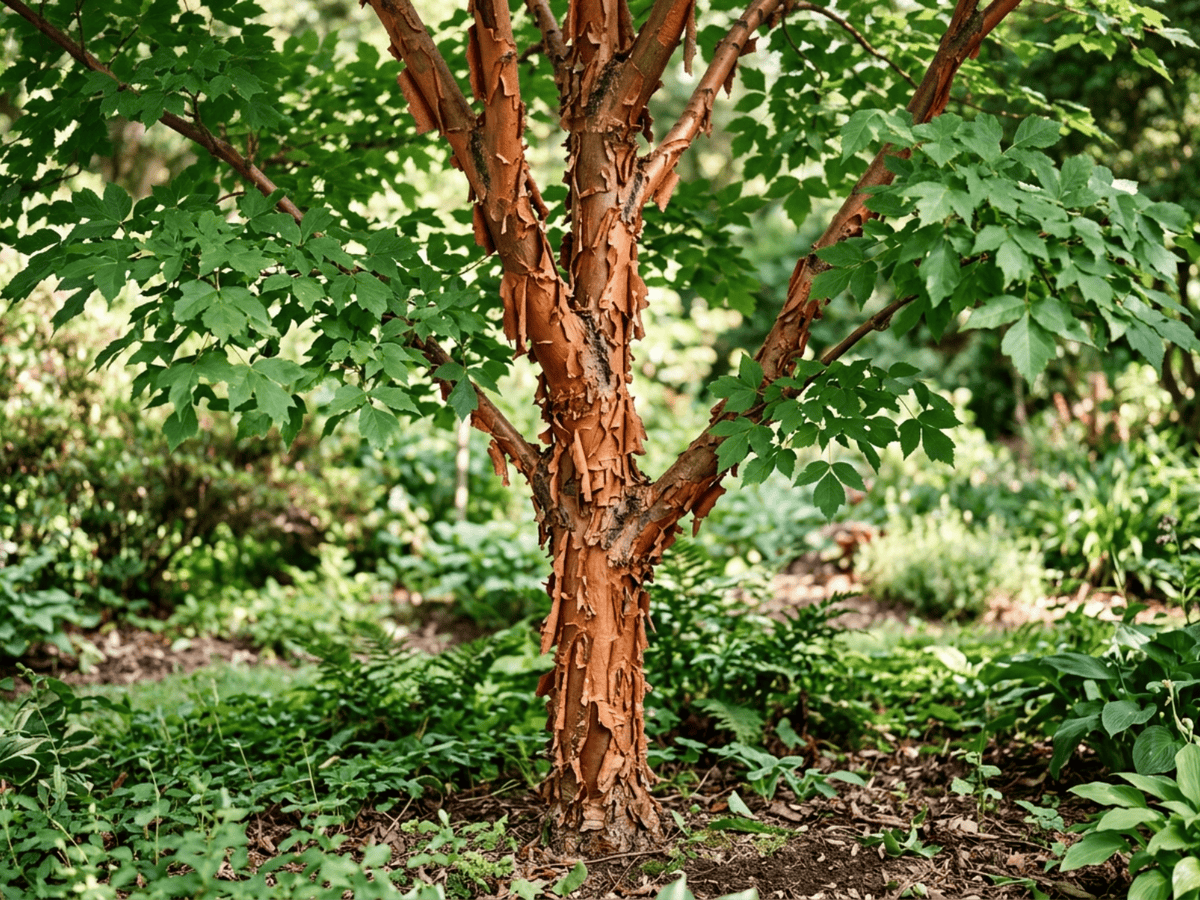 Paperbark MapleAcer griseum
 Sugar MapleAcer saccharum
Frequently asked questions
How often should I water Common Manzanita?
Water about every 14 days during the growing season, and always let excess water drain away.
How much light does Common Manzanita need?
Full sun: 6+ hrs direct. Watch the leaves — scorching or stretching means the light needs adjusting.
Is Common Manzanita toxic to cats or dogs?
No toxicity has been reported for this plant. Still, it is wise to keep pets from chewing on any houseplant. Educational information, not medical or veterinary advice. If exposure is suspected, contact a doctor or veterinarian.
Is Common Manzanita easy to grow?
It is moderately demanding: a good choice once you have a little experience.
When does Common Manzanita bloom?
It typically blooms Jan–Mar in the Northern Hemisphere.
YardMate
Identify any plant in seconds
Snap a photo — YardMate names the plant, diagnoses problems, and reminds you when to water.
Download on the App Store