 YardMate

Hooker's Manzanita
Arctostaphylos hookeri
Medium · Some experienceAbout Hooker's Manzanita
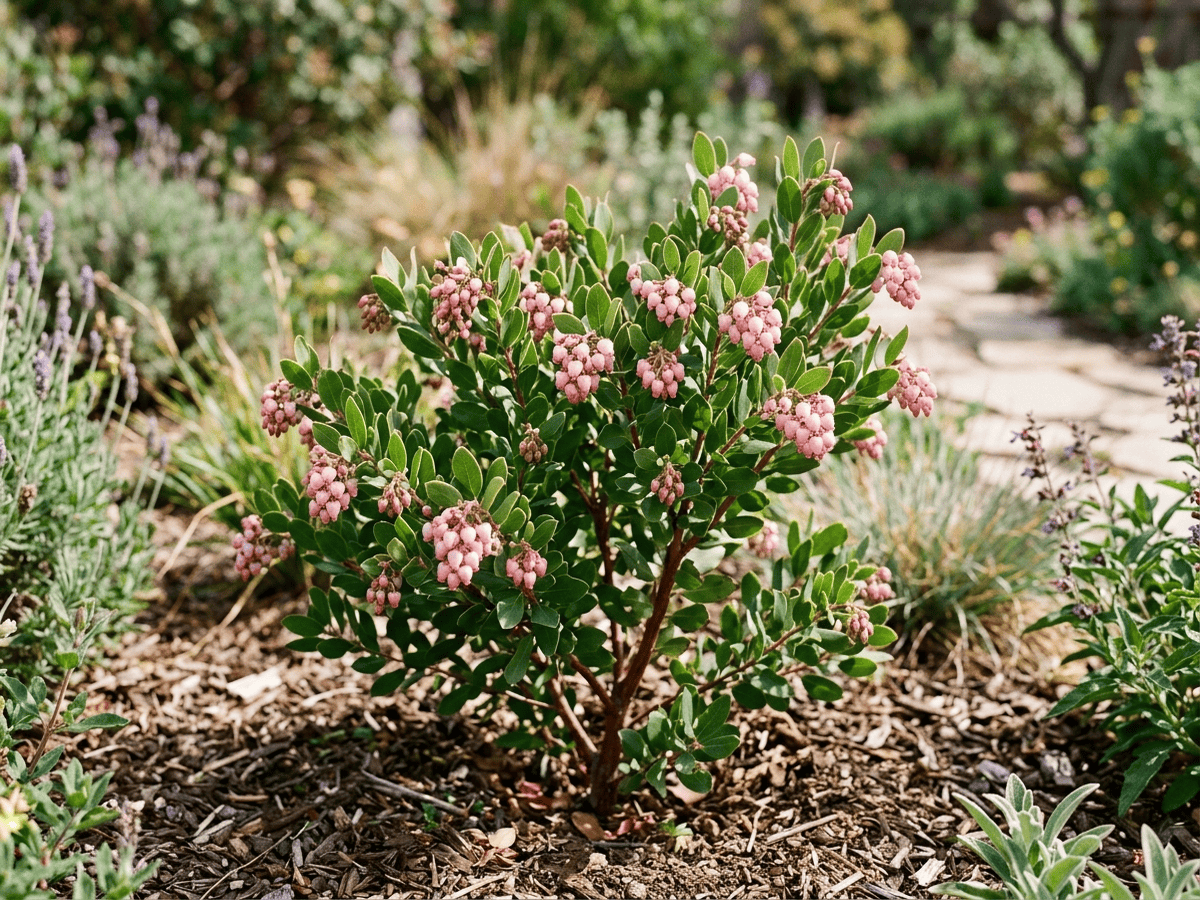
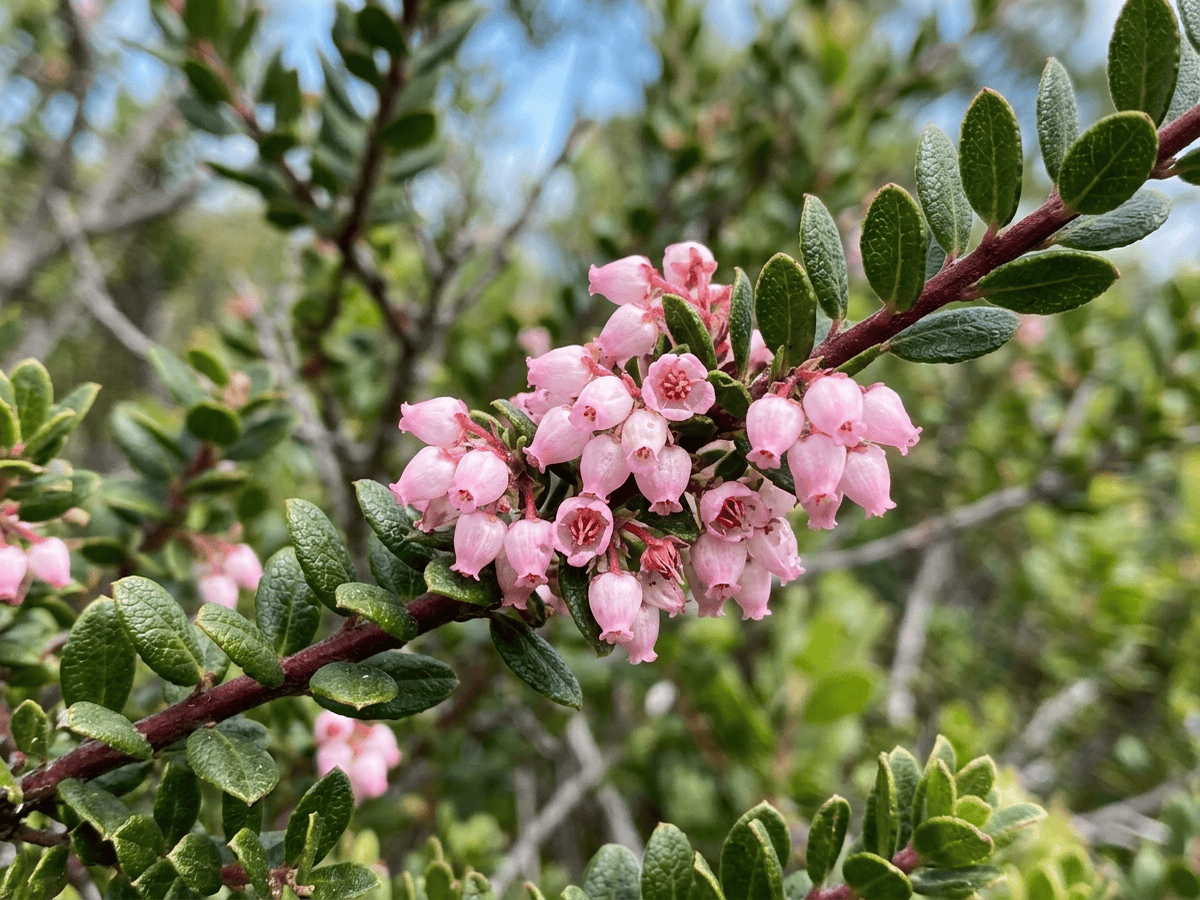
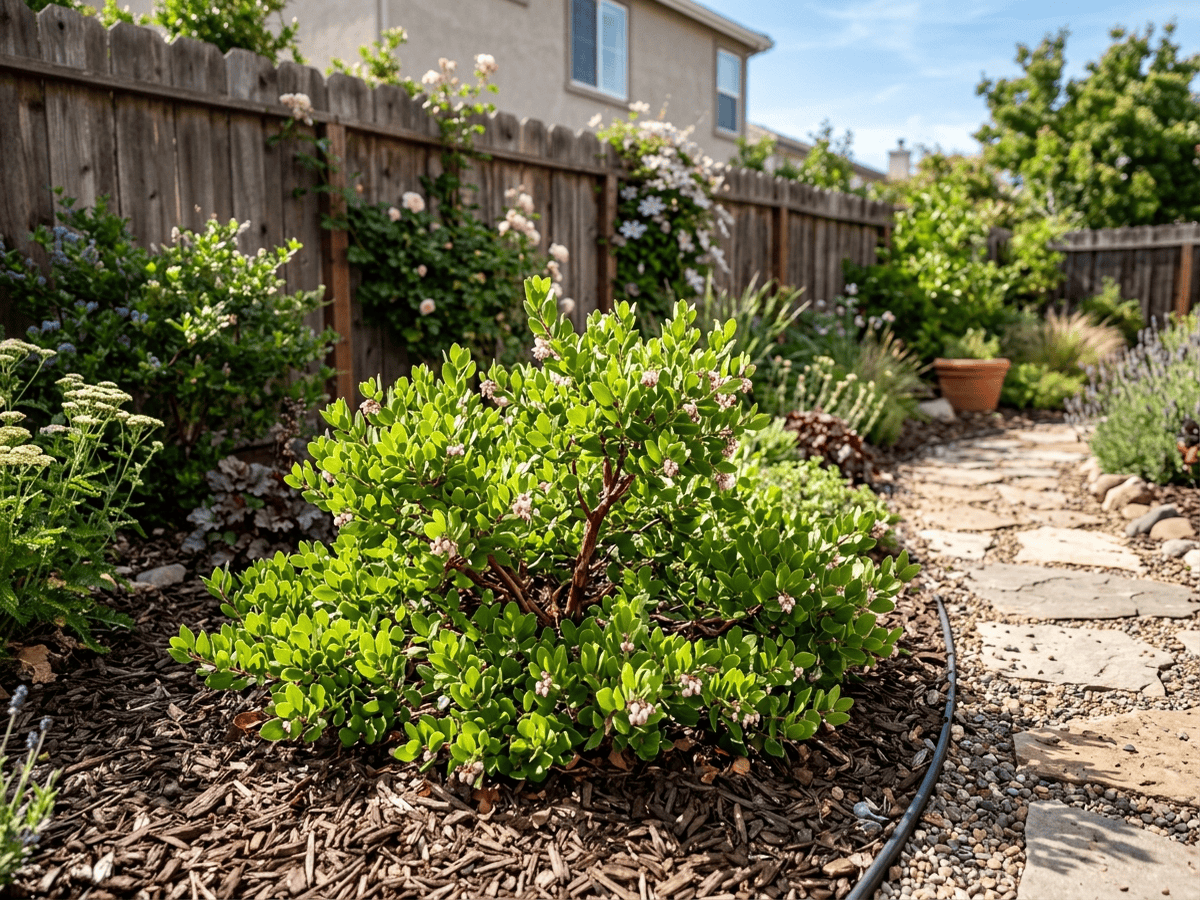
Monterey Manzanita is a California native evergreen shrub ranging from prostrate groundcover forms to 3-foot mounds, with glossy green leaves and smooth red-brown bark. Urn-shaped white to pink flowers appear in late winter followed by red berry-like fruits. Endemic to the Monterey Bay area, it is drought-tolerant, pollinator-supporting, and an iconic native groundcover for California native plant gardens.
- Drought-tolerant
- Evergreen
- Groundcover
- Native
How to care for Hooker's Manzanita
Watering
- Springevery 10 days
- Summerevery 7 days
- Fallevery 14 days
- Winterevery 30 days
Soil · Acidic · pH 4.5–6
- Top dressingPine needle mulch10%
- Main mixAcid-lover mix + peat 3:175%
- DrainageGravel15%
Never add lime or wood ash — it cancels out the acidity.
FERTILIZER
- Springevery 30 days
At a Glance
- NativeNorth America
- Height1–3 ft (0.3–0.9 m)
- Spread4–8 ft (1.2–2.4 m)
- Flower colorPink, White
- Foliage colorGreen, Blue-green, Bronze
- Fruit colorRed
- SoilSandy, Well-drained, Acidic
- LocationsYard
Bloom time
BLOOM CYCLE
Peak bloom
Jan–Mar
White-pink urn flowers January to March
Fragrance
LIGHT FRAGRANCE
Mild honey scent from urn flowers.
Toxicity
No toxicity has been reported for this plant. Still, it is wise to keep pets from chewing on any houseplant.
Educational information, not medical or veterinary advice. If exposure is suspected, contact a doctor or veterinarian.
DISTRIBUTION


- Native
- North America
History
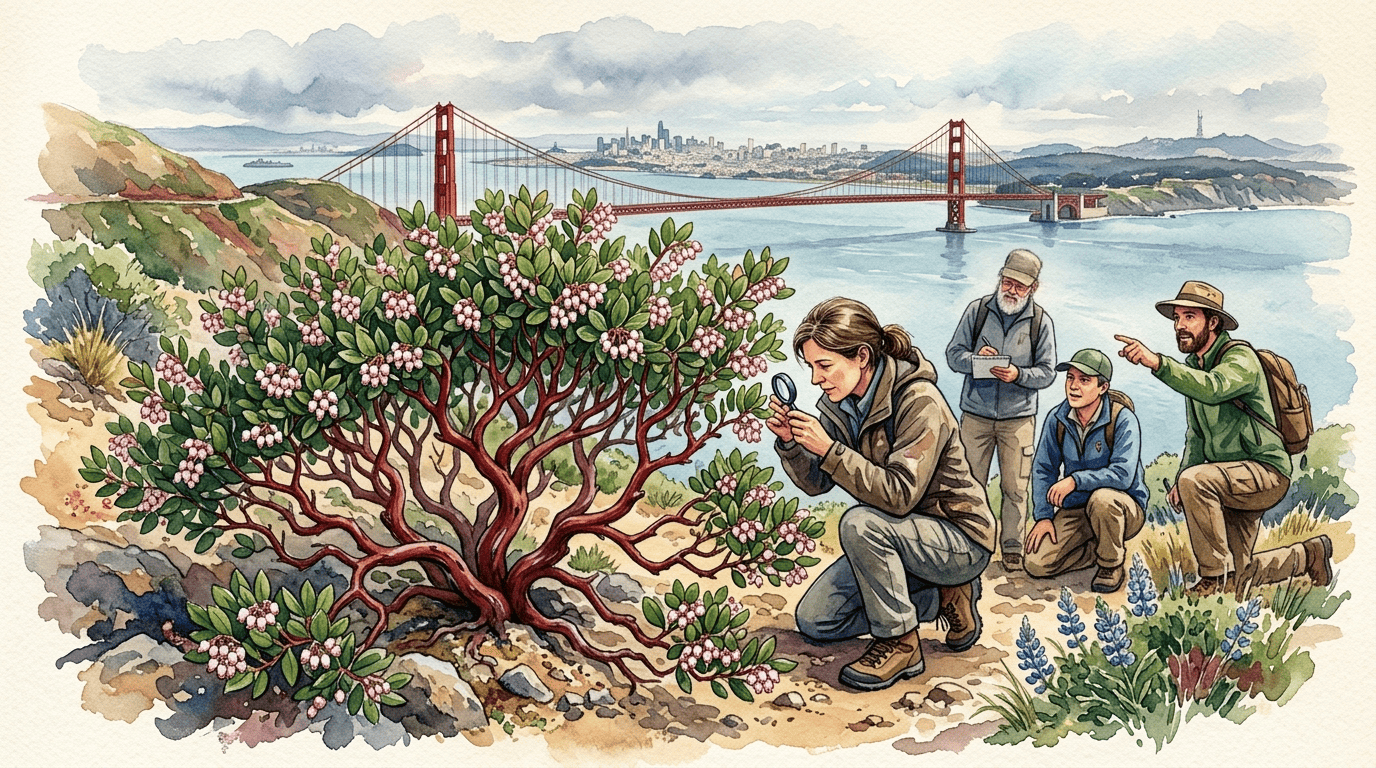
Arctostaphylos hookeri is native to the coastal regions of central California, typically on sandy or gravelly barrens, dunes, and chaparral from Sonoma County south to San Luis Obispo County. Scottish botanist George Don formally described the species in 1834, honoring William Jackson Hooker, then Regius Professor of Botany at Glasgow and later director of Kew Gardens. Several subspecies are recognized including the rare ssp. hearstiorum (Hearst's manzanita) and ssp. franciscana (San Francisco manzanita, presumed extinct in the wild until a single surviving individual was discovered in the Presidio of San Francisco in 2009).
The 1-3 meter evergreen shrub has the smooth mahogany-red bark characteristic of manzanitas, small pink to white urn-shaped flowers in February-April, and red to purple berries. The common name manzanita means little apple in Spanish, referring to the small round fruits that were eaten by indigenous peoples and Spanish colonists.
The compact prostrate form has given rise to several popular groundcover cultivars including 'Wayside' and 'Monterey Carpet'. Endemic to the Monterey Bay region of California. The prostrate cultivar 'Monterey Carpet' is widely planted as a low-water groundcover throughout California coastal gardens and is a key plant for native bee conservation.
Symbolism & meaning
What It Symbolizes
Hooker's Manzanita expresses coastal resilience, gripping sandy windswept bluffs where few other shrubs survive. An iconic native of California's Central Coast, it carries the spirit of fog-soaked mornings and salt-bitten ridges with quiet dignity. Its mahogany bark and pearly bell flowers remind us that the toughest places can still produce extraordinary beauty, and that resilience is itself a form of grace.
- Coastal resilience — thrives in sandy windswept soils
- California spirit — iconic native of the Central Coast
Where the Name Comes From
From Greek 'arctos' (bear) and 'staphyle' (grape) — bear's grape; 'hookeri' honors Sir William Hooker.
Uses & Fun Facts
- Small red manzanita berries dried, steeped for cider, or cooked into jelly
- Low evergreen mounds stabilize dry slopes and frame native plantings
- Hooker's Manzanita berries and cover sustain songbirds through autumn
- Hooker's Manzanita spreads as low groundcover on banks and slopes
Related plants
More Arctostaphylos plants
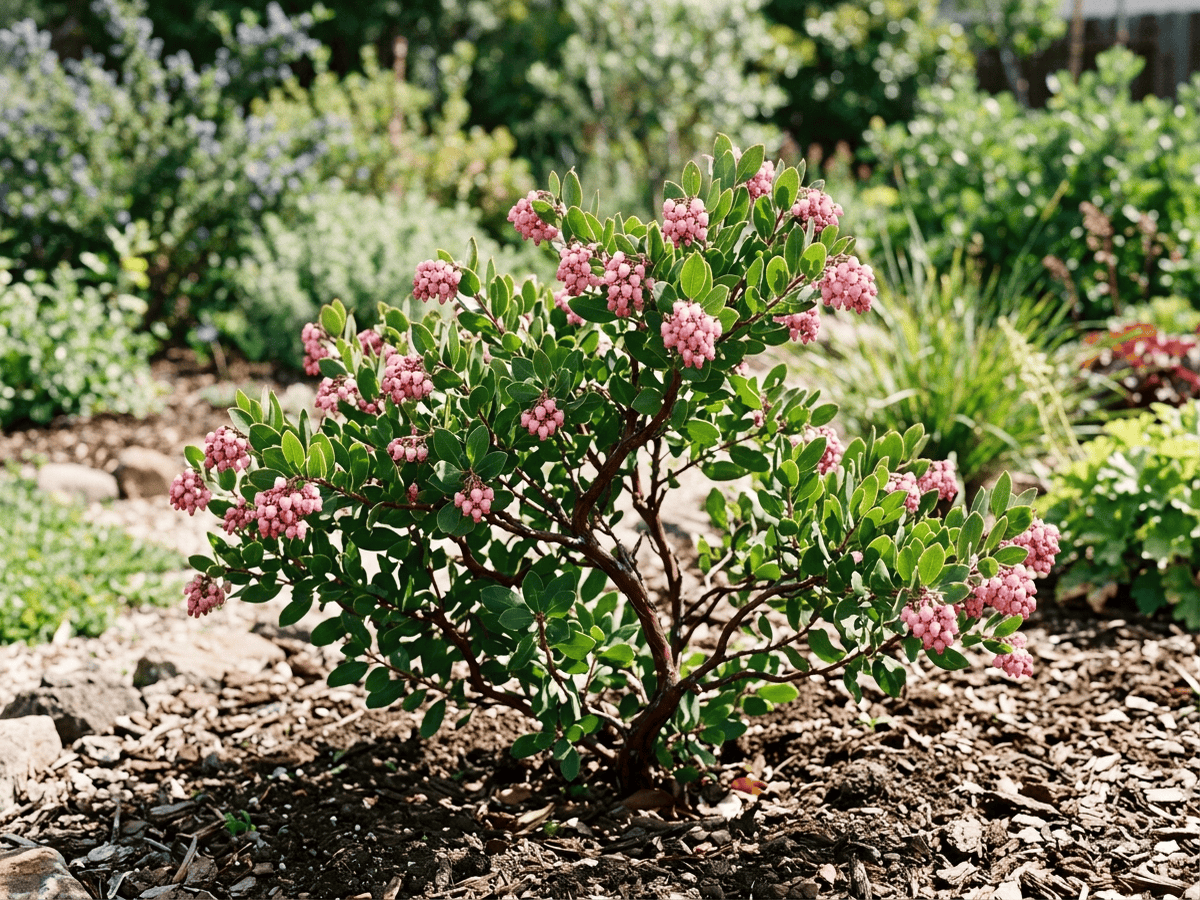 Vine Hill ManzanitaArctostaphylos densiflora
 Common ManzanitaArctostaphylos manzanita
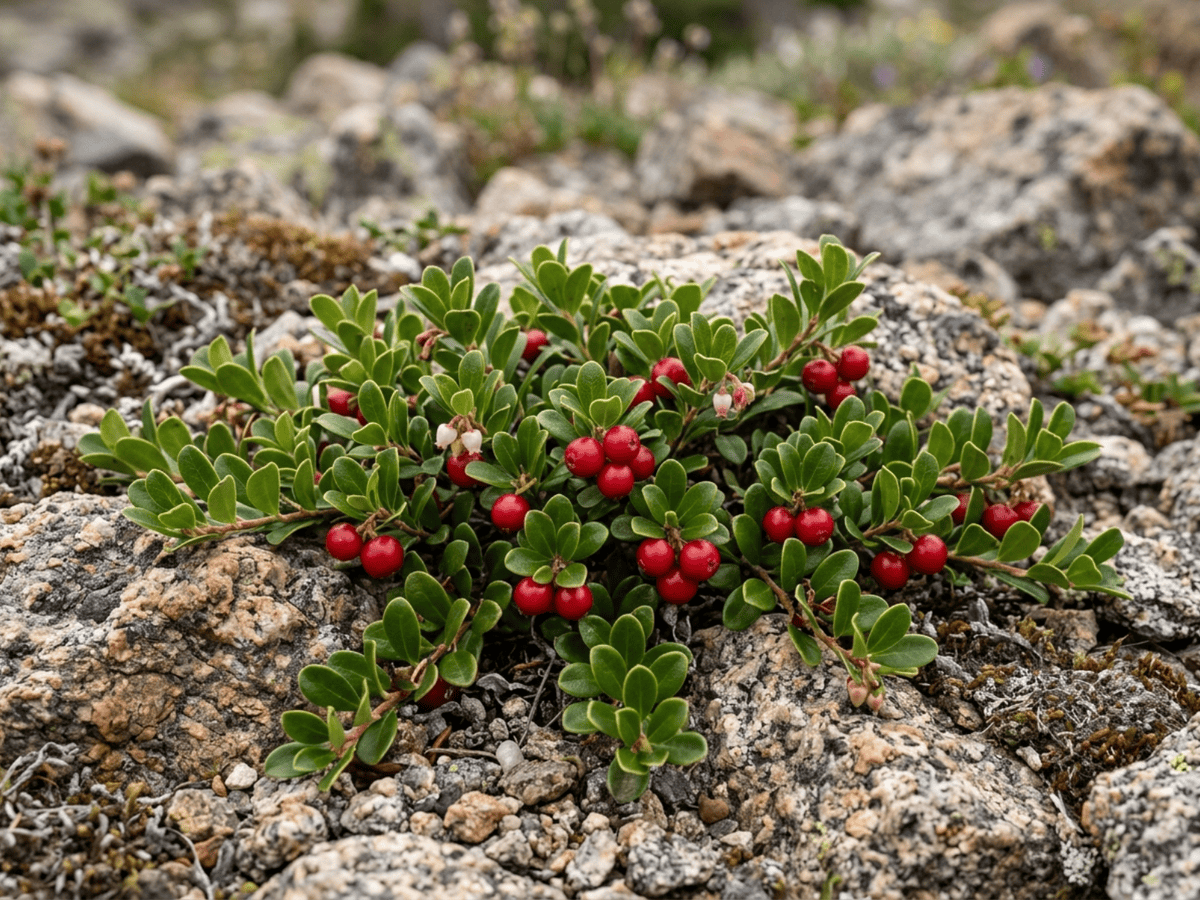 BearberryArctostaphylos uva-ursi
Plants with similar care
 Mexican AbeliaAbelia floribunda
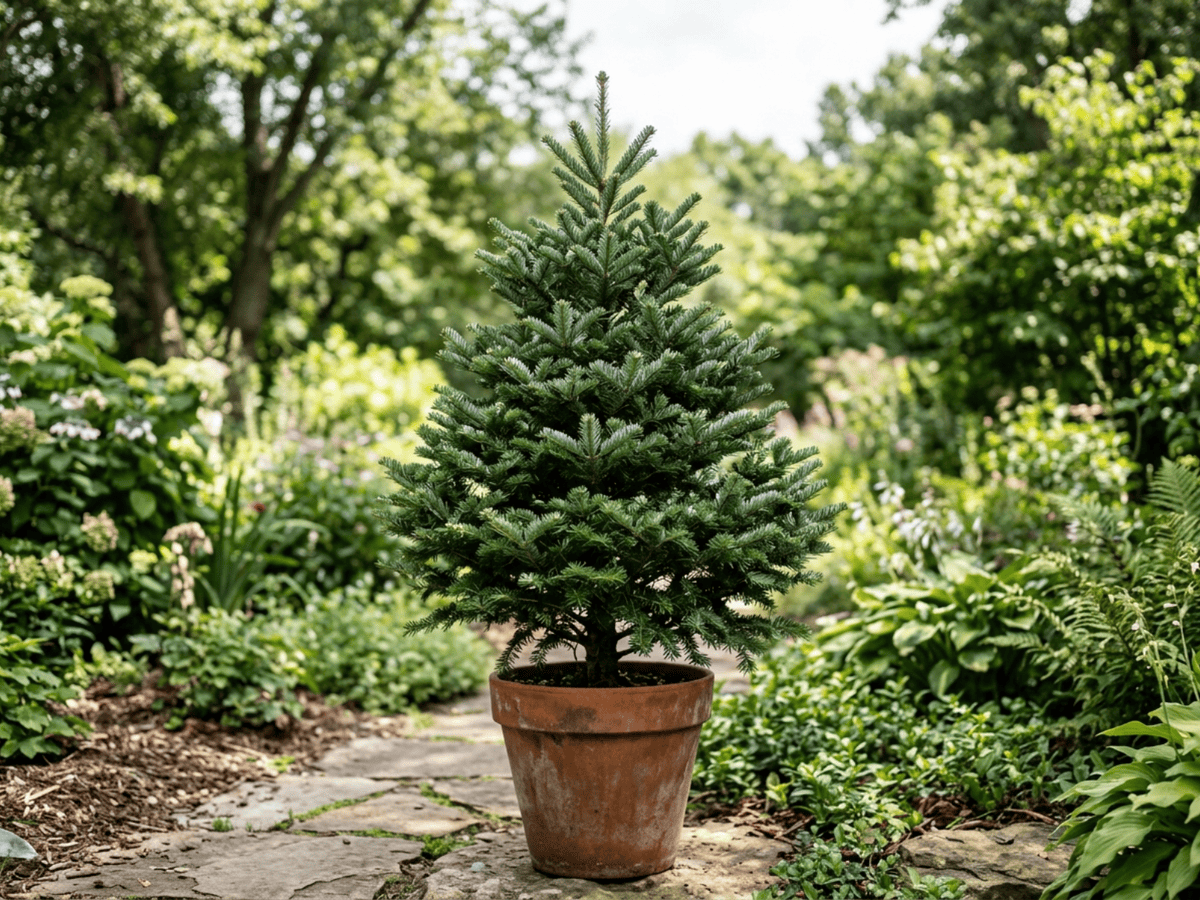 Fraser FirAbies fraseri
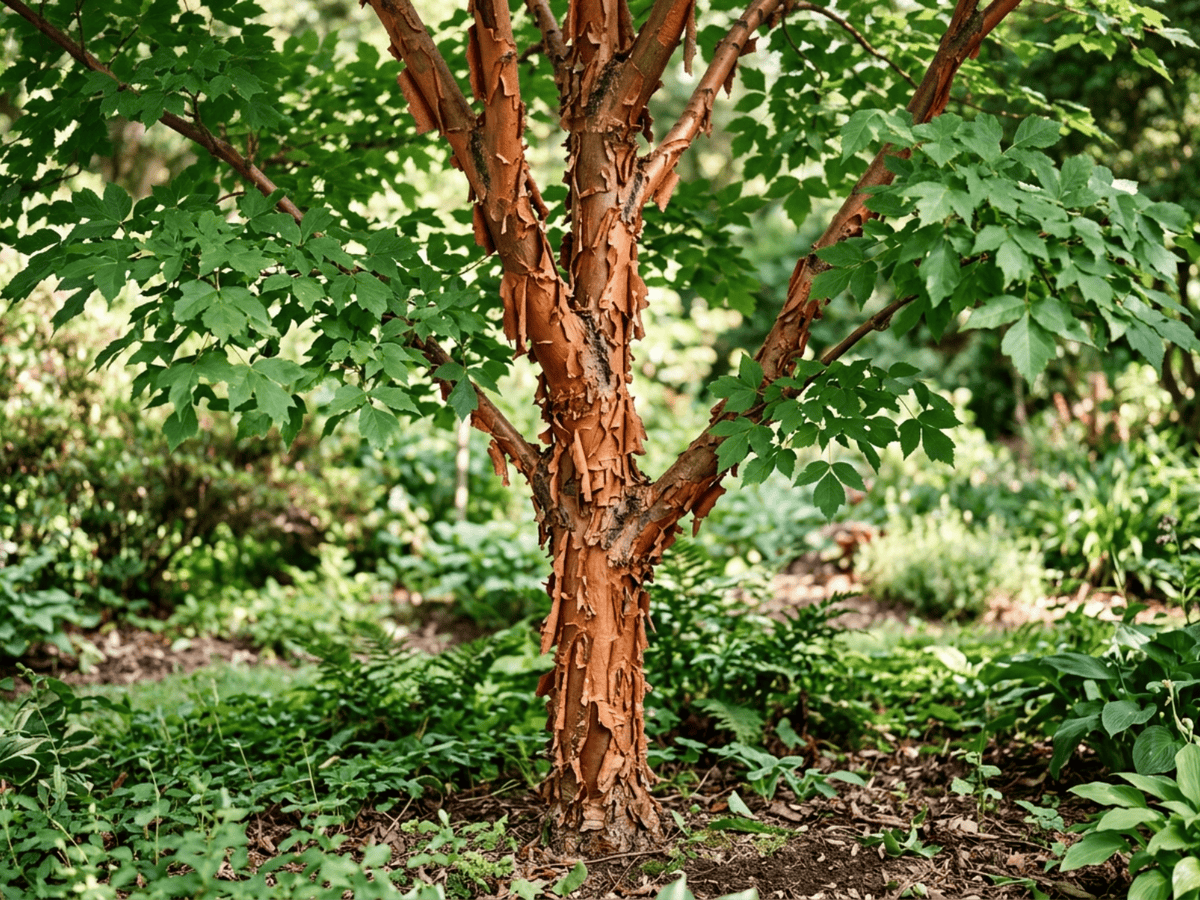 Paperbark MapleAcer griseum
 Sugar MapleAcer saccharum
Frequently asked questions
How often should I water Hooker's Manzanita?
In summer, water about every 7 days; in winter, about every 30 days. Adjust for heat, pot size and drainage.
How much light does Hooker's Manzanita need?
Full sun: 6+ hrs direct. Watch the leaves — scorching or stretching means the light needs adjusting.
Is Hooker's Manzanita toxic to cats or dogs?
No toxicity has been reported for this plant. Still, it is wise to keep pets from chewing on any houseplant. Educational information, not medical or veterinary advice. If exposure is suspected, contact a doctor or veterinarian.
Is Hooker's Manzanita easy to grow?
It is moderately demanding: a good choice once you have a little experience.
When does Hooker's Manzanita bloom?
It typically blooms Jan–Mar in the Northern Hemisphere.
YardMate
Identify any plant in seconds
Snap a photo — YardMate names the plant, diagnoses problems, and reminds you when to water.
Download on the App Store