 YardMate


Bearberry
Arctostaphylos uva-ursi
Easy · Beginner friendlyAbout Bearberry
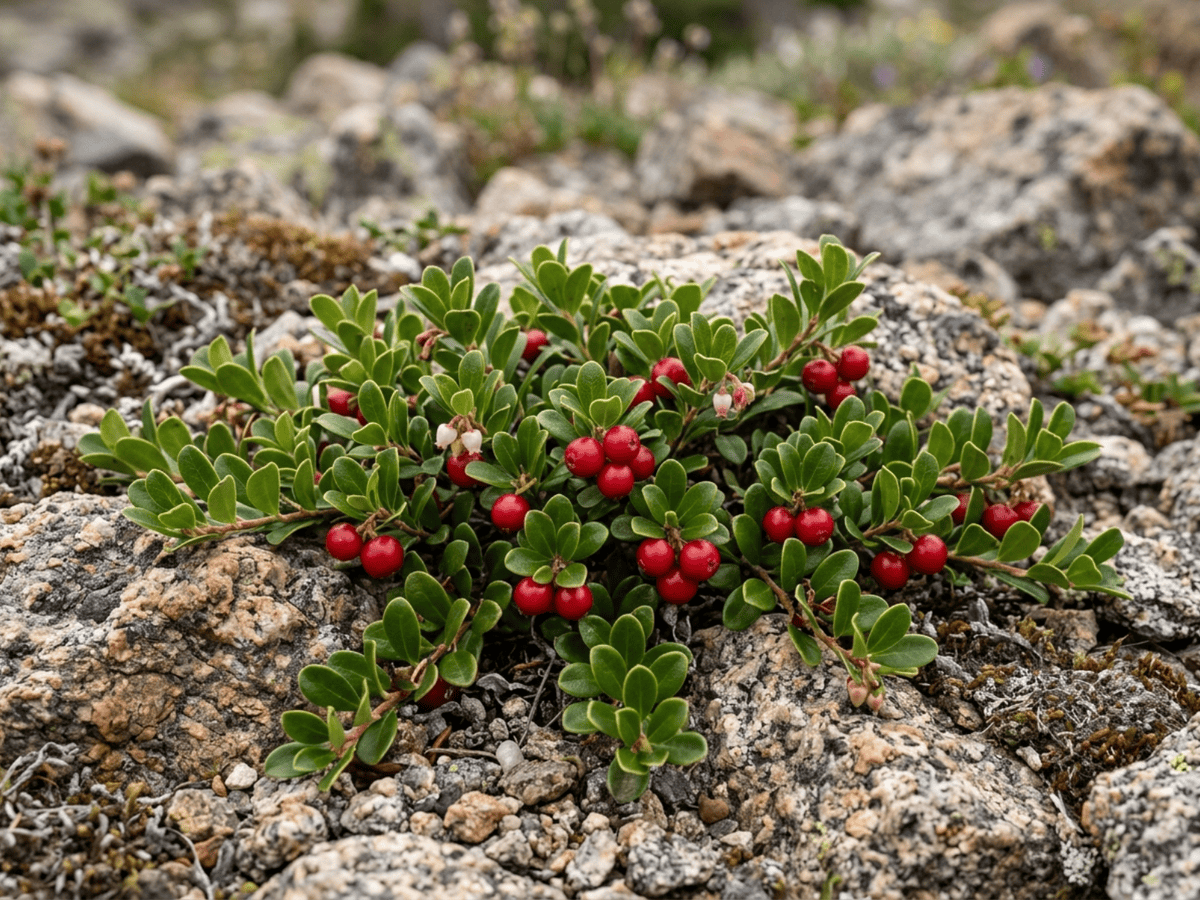
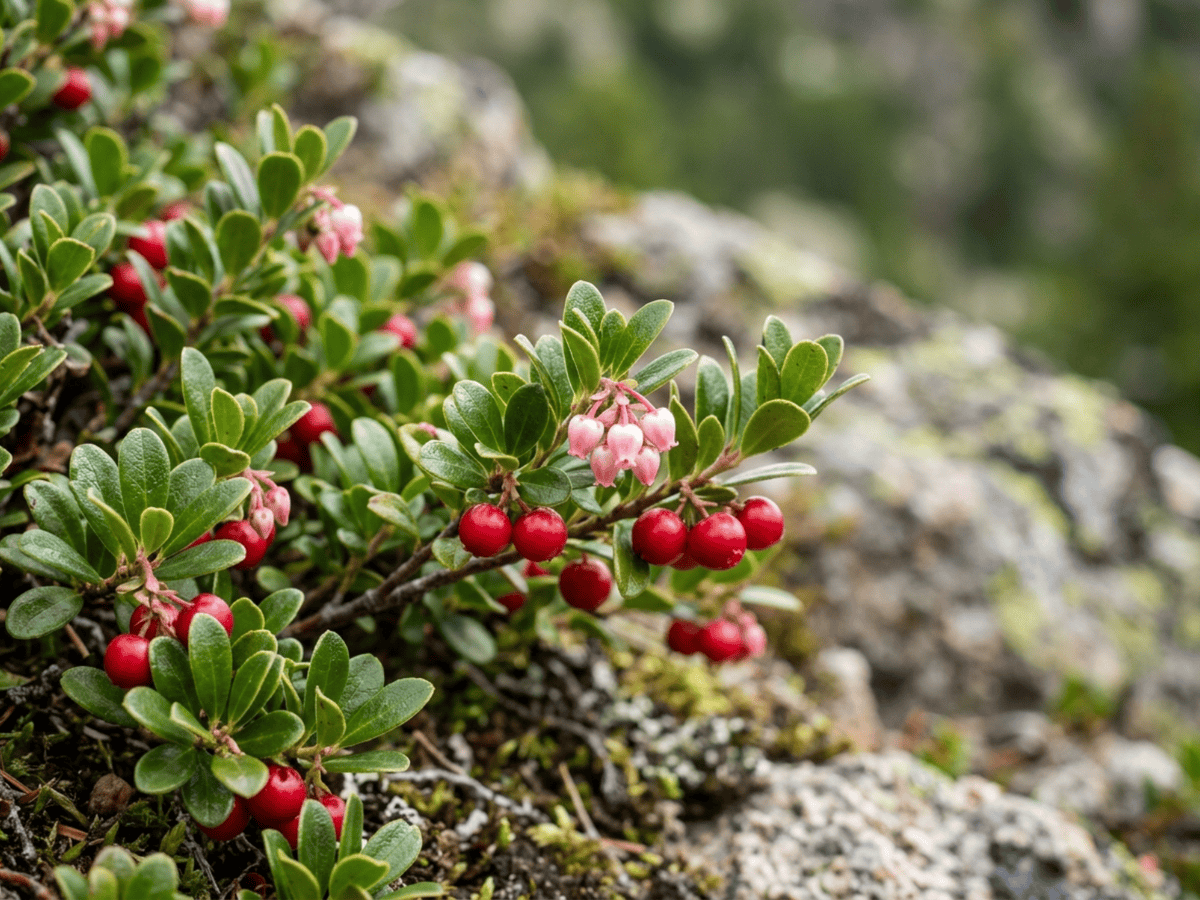
Bearberry or Kinnikinnick is a low-growing evergreen groundcover manzanita native across the Northern Hemisphere, including high elevations of California and the Pacific Northwest. Reaching just 6-12 inches tall, it forms dense mats of small glossy evergreen leaves with pink bell-shaped flowers and bright red berries. An excellent groundcover for slopes and rock gardens, it's extremely cold-hardy, drought-tolerant, and provides winter food for wildlife.
- Drought-tolerant
- Cold-hardy
- Deer-resistant
- Groundcover
How to care for Bearberry
Watering
- Springevery 10 days
- Summerevery 14 days
- Fallevery 14 days
- Winterevery 30 days
Soil · Acidic · pH 4.5–6
- Top dressingPine needle mulch10%
- Main mixAcid-lover mix + peat 3:175%
- DrainageGravel15%
Never add lime or wood ash — it cancels out the acidity.
FERTILIZER
This plant needs little to no feeding.
At a Glance
- NativeNorth America
- Height0.5–1 ft (0.2–0.3 m)
- Spread3–6 ft (0.9–1.8 m)
- Flower colorWhite, Pink
- Foliage colorGreen
- Fruit colorRed
- SoilSandy, Well-drained, Acidic
- LocationsYard
Bloom time
BLOOM CYCLE
Peak bloom
Apr–Jun
Pink bell flowers April to June
Fragrance
NO FRAGRANCE
No notable fragrance.
Toxicity
Humans Slight
arbutin and hydroquinone glycosides
Slight
- Leaf
- Ingestion
EXPOSURE Eating leaves.
EFFECT Long-term or high-dose ingestion may cause liver stress and medicinal tea use should be limited.
NOTE Documented concern for humans: Long-term or high-dose ingestion may cause liver stress and medicinal tea use should be limited.
Not reported
EXPOSURE No exposure route is reported.
EFFECT Not listed as toxic.
NOTE No toxicity is reported for dogs in this catalog; this is not evidence that the plant is edible or harmless.
Not reported
EXPOSURE No exposure route is reported.
EFFECT Not listed as toxic.
NOTE No toxicity is reported for cats in this catalog; this is not evidence that the plant is edible or harmless.
Educational information, not medical or veterinary advice. If exposure is suspected, contact a doctor or veterinarian.
DISTRIBUTION


- Native
- North America
History
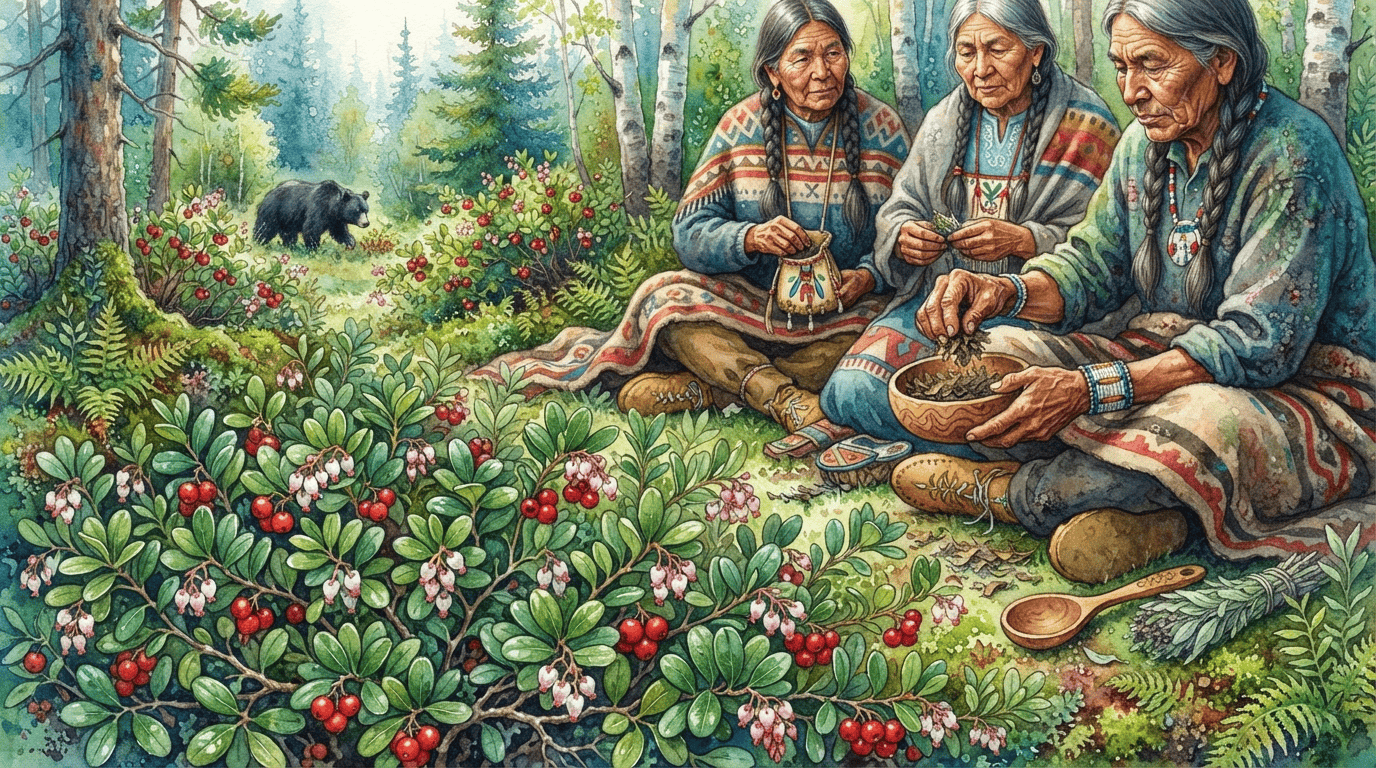
Arctostaphylos uva-ursi is a circumboreal groundcover shrub native across the cold-temperate and subarctic Northern Hemisphere — from Alaska and northern Canada south through the Rocky Mountains, Sierra Nevada, northern Great Lakes, and New England; and across northern Europe, Russia, and northern Asia. It grows as a mat-forming evergreen creeping groundcover 10-30 cm tall, with small glossy obovate dark-green leaves, drooping clusters of small pink-white urn-shaped flowers in late spring, and bright red 5-8 mm berries in summer and fall. The genus name "Arctostaphylos" is Greek for "bear grape," and the species epithet "uva-ursi" is Latin for "grape of the bear" — both references to bears' fondness for the berries.
In North American Indigenous tradition the plant has been called "kinnikinnick" (from Algonquian languages) and the dried leaves have been used as a ceremonial smoking mixture (often with tobacco) by many tribes across the continent. Indigenous peoples including the Blackfeet, Cree, Lakota, and many Pacific Northwest nations have used the leaves medicinally as a tea for urinary-tract infections, bladder conditions, and kidney support for at least 1,000 years.
Symbolism & meaning
What It Symbolizes
Bearberry teaches endurance by staying low. It hugs rock, sand, and cold ground, making glossy mats where taller plants would be exposed to wind and winter. Its red berries and evergreen leaves connect it to Indigenous knowledge and northern survival, so its symbolism is shelter: small, durable, and close to the earth.
- Endurance — thrives in frigid mountain conditions
- Heritage — traditional medicine and ceremonial use
Where the Name Comes From
'Uva-ursi' is Latin for 'bear's grape'; 'kinnikinnick' is Algonquin for 'that which is mixed'.
Uses & Fun Facts
- Leaves long used as urinary tract herbal remedy
- Dense evergreen mats blanket dry slopes and banks
- Berries feed bears, songbirds, and small mammals
Related plants
More Arctostaphylos plants
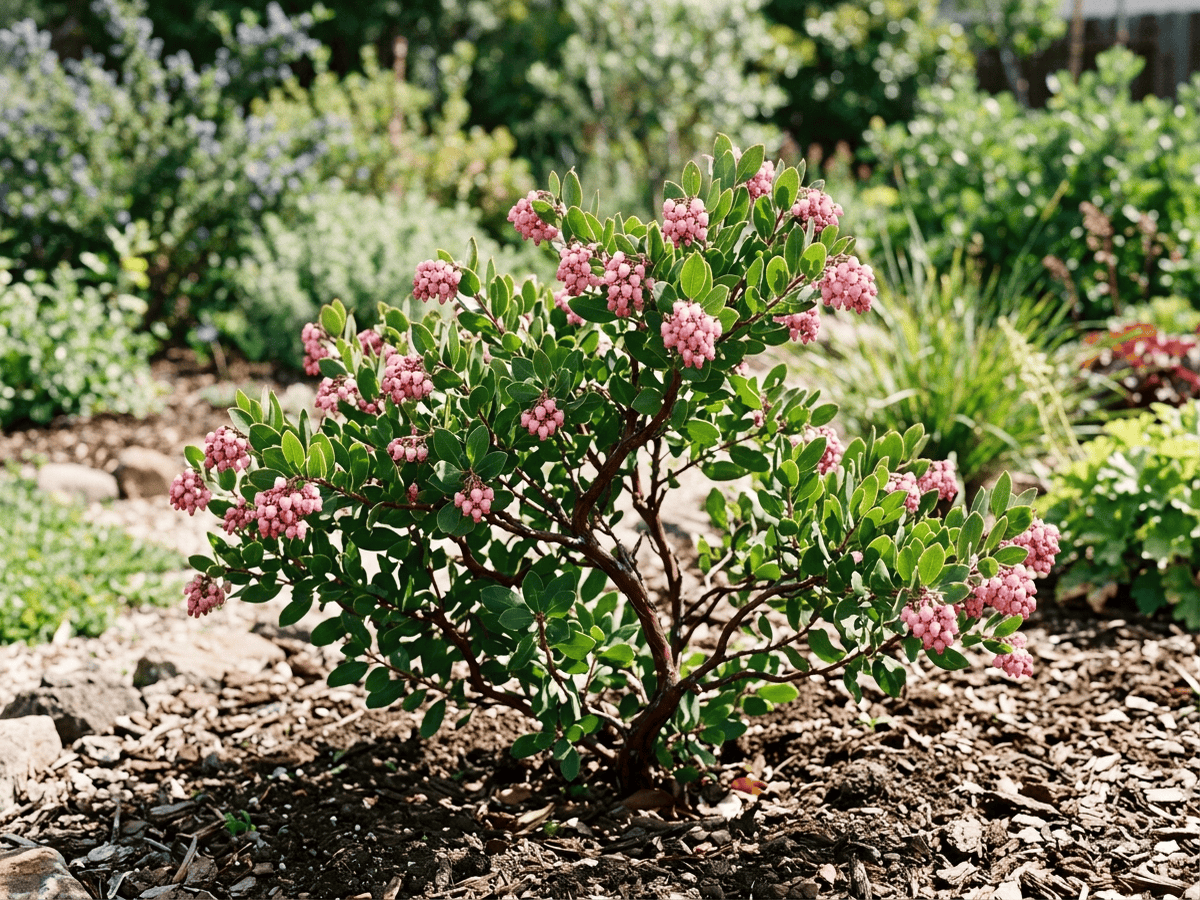 Vine Hill ManzanitaArctostaphylos densiflora
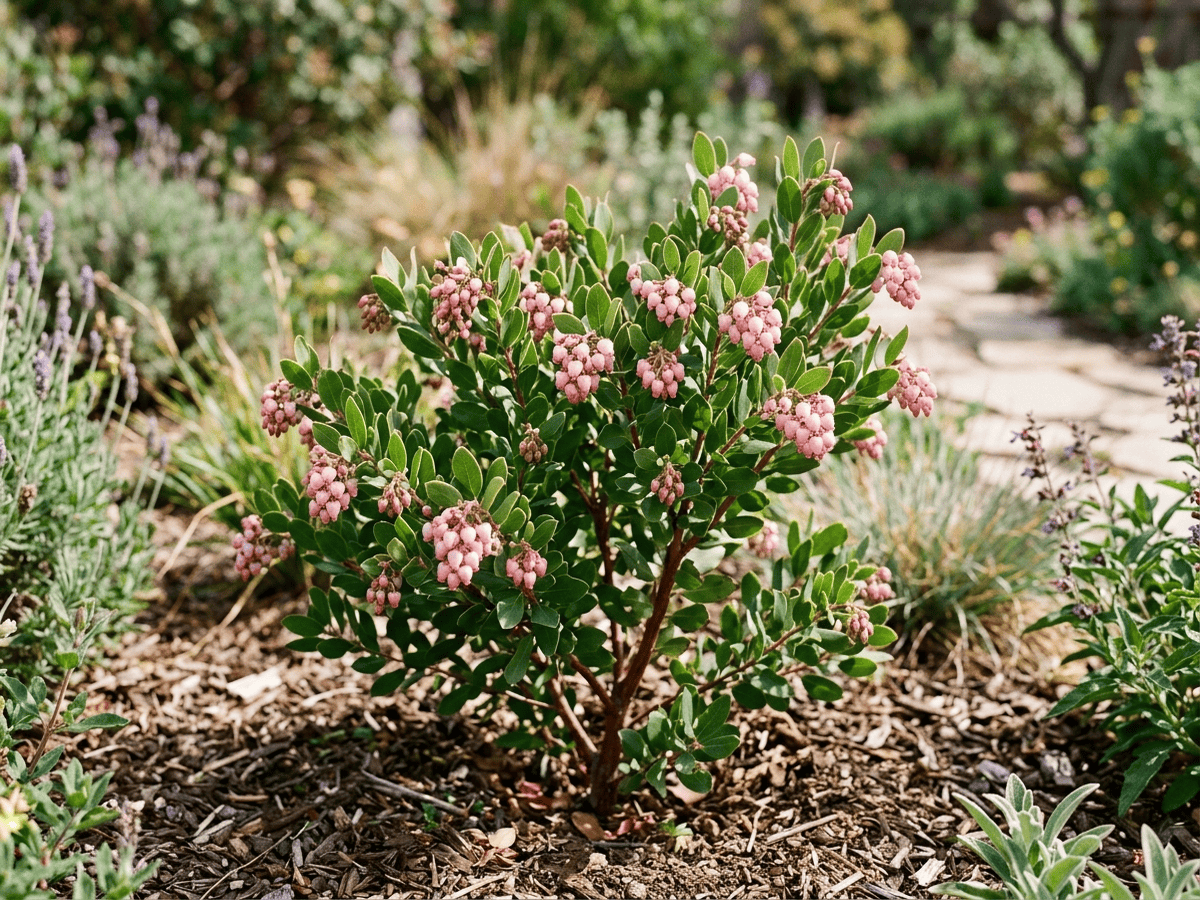 Hooker's ManzanitaArctostaphylos hookeri
 Common ManzanitaArctostaphylos manzanita
Plants with similar care
 Chinese AbeliaAbelia chinensis
 Fragrant AbeliaAbelia mosanensis
 Large-Flowered AbeliaAbelia uniflora
 Glossy AbeliaAbelia x grandiflora
Frequently asked questions
How often should I water Bearberry?
In summer, water about every 14 days; in winter, about every 30 days. Adjust for heat, pot size and drainage.
How much light does Bearberry need?
Full sun: 6+ hrs direct. Watch the leaves — scorching or stretching means the light needs adjusting.
Is Bearberry toxic to cats or dogs?
Pets Not reported (Dogs Not reported · Cats Not reported) Educational information, not medical or veterinary advice. If exposure is suspected, contact a doctor or veterinarian.
Is Bearberry easy to grow?
Yes — it is considered an easy, beginner-friendly plant.
When does Bearberry bloom?
It typically blooms Apr–Jun in the Northern Hemisphere.
YardMate
Identify any plant in seconds
Snap a photo — YardMate names the plant, diagnoses problems, and reminds you when to water.
Download on the App Store