 YardMate


Common Pawpaw
Asimina triloba
Medium · Some experienceAbout Common Pawpaw
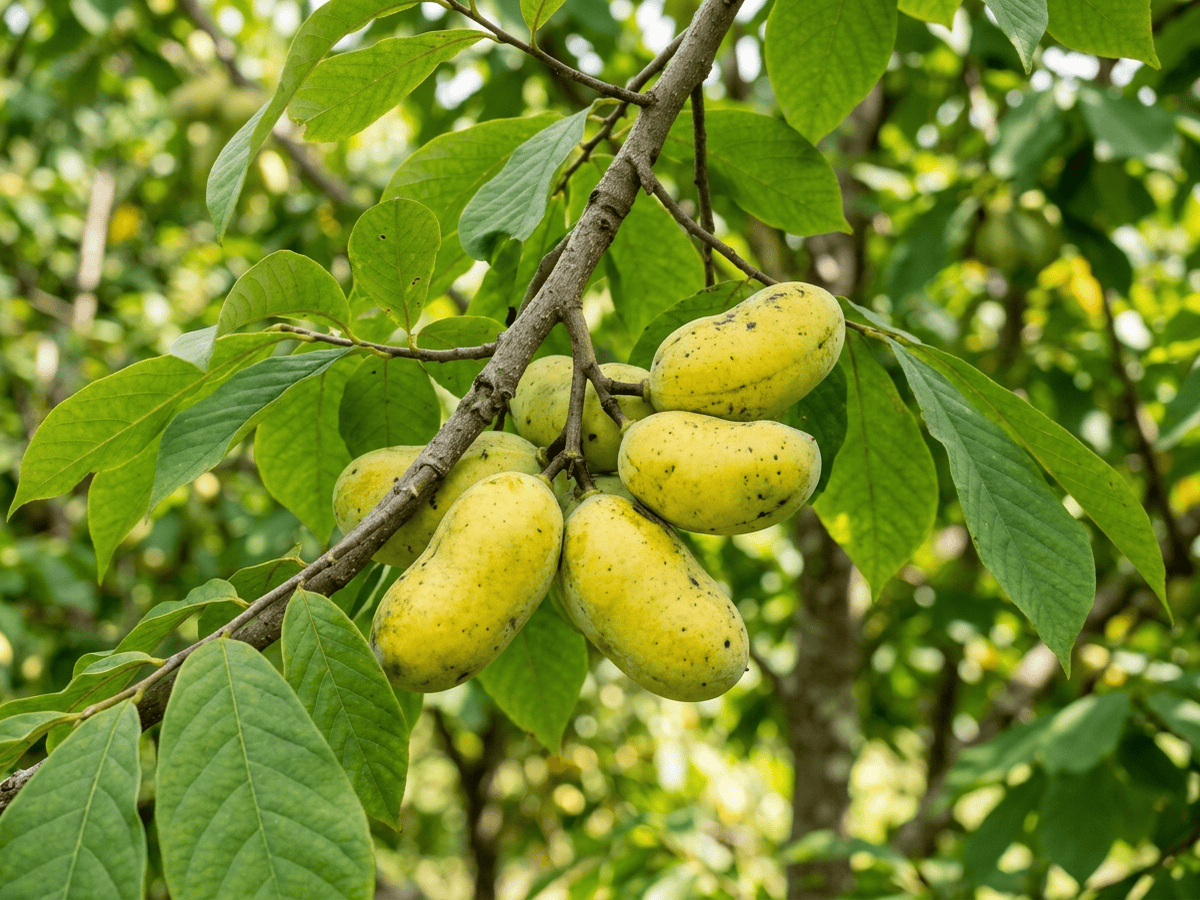
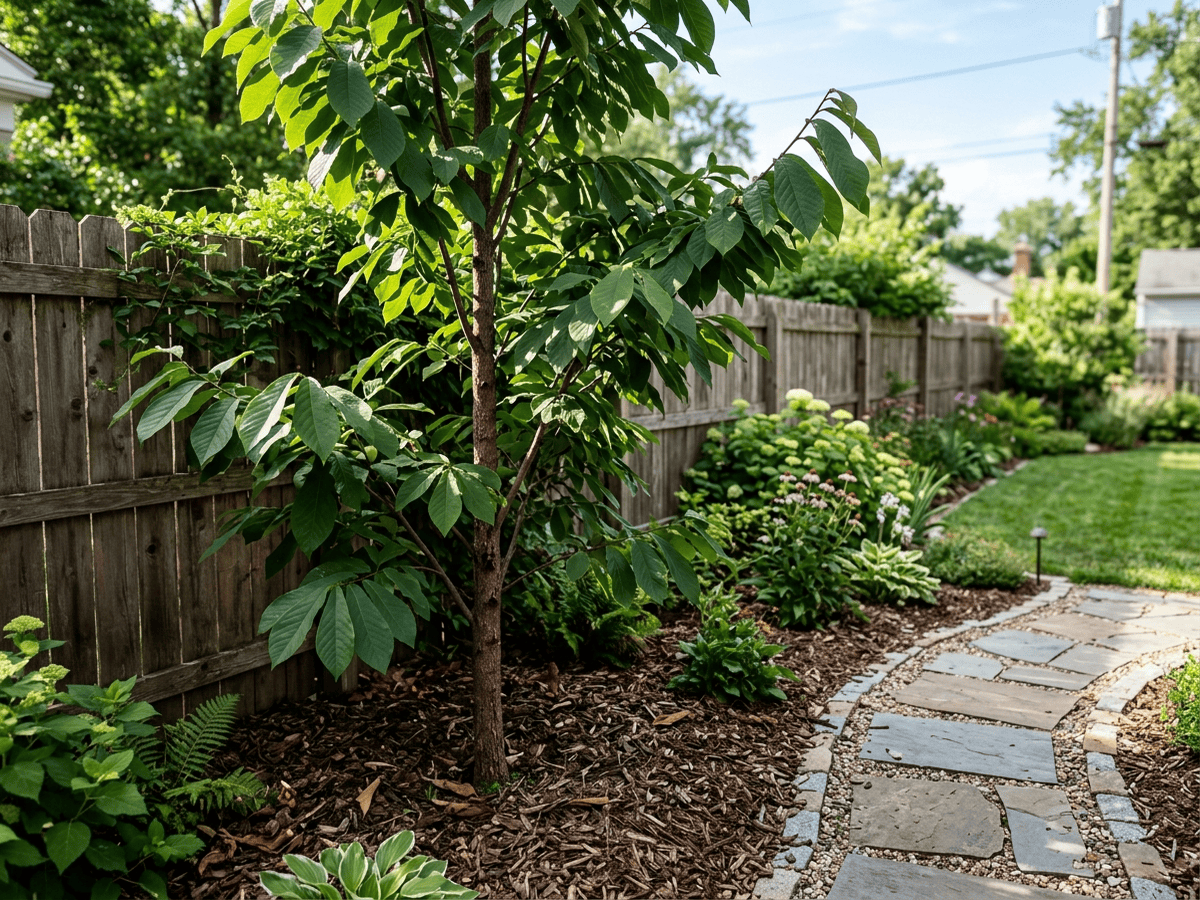
Pawpaw is the largest edible fruit native to North America, producing tropical-tasting yellow-green fruits with custard-like flesh and a flavor blending banana, mango, and pineapple. This understory tree grows 15 to 30 feet tall in moist bottomland forests from the Great Lakes to the Gulf Coast. Its large drooping leaves give it a tropical appearance unique among temperate trees, and it is the sole larval host plant for the zebra swallowtail butterfly. Long cherished by Indigenous peoples and early American settlers, pawpaws are enjoying a 21st-century revival.
- Edible
- Native
- Wildlife-friendly
How to care for Common Pawpaw
Watering
- Springevery 7 days
- Summerevery 5 days
- Fallevery 10 days
- Winterevery 14 days
Soil · Well-draining
- Top dressingPine bark mulch10%
- Main mixPotting soil + perlite 2:170%
- DrainageLECA / gravel20%
Never skip the drainage layer — standing water is the top cause of root rot.
FERTILIZER
Balanced Feed 14-14-14
An even feed covers all three needs at once, keeping leaves, roots and blooms moving together with nothing pushed out of balance.
- Nitrogen · Leaves
- Phosphorus · Roots + Blooms
- Potassium · Strength
- Springevery 60 days
- Summerevery 90 days
At a Glance
- NativeNorth America
- Height15–30 ft (4.6–9.1 m)
- Spread15–25 ft (4.6–7.6 m)
- Flower colorBurgundy, Purple
- Foliage colorGreen, Yellow
- Fruit colorYellow, Green
- SoilMoisture-retentive, Loamy, Acidic
- LocationsYard
Bloom time
BLOOM CYCLE
Peak bloom
Mar–May
Maroon bell-shaped flowers in early spring before leaves
Fragrance
LIGHT FRAGRANCE
Flowers emit a faint yeasty scent; ripe fruit has tropical aroma.
Toxicity
Humans Slight · Pets Slight
annonaceous acetogenins
Slight
- Leaf
- Stem
- Seed
- Ingestion
EXPOSURE Eating leaves, stems, and seeds.
EFFECT Annonaceous acetogenins in leaves, twigs, and seeds can cause GI upset and neurotoxicity with chronic exposure.
NOTE Ripe fruit is edible; seeds and skin should be avoided. Some individuals develop contact or digestive sensitivities.
Slight
- Leaf
- Stem
- Seed
- Ingestion
EXPOSURE Eating leaves, stems, and seeds.
EFFECT Avoid seeds and foliage and ripe fruit flesh is generally safe in small amounts.
NOTE Ripe fruit is edible; seeds and skin should be avoided. Some individuals develop contact or digestive sensitivities.
Slight
- Leaf
- Stem
- Seed
- Ingestion
EXPOSURE Eating leaves, stems, and seeds.
EFFECT Avoid seeds and foliage and ripe fruit flesh is generally safe in small amounts.
NOTE Ripe fruit is edible; seeds and skin should be avoided. Some individuals develop contact or digestive sensitivities.
Educational information, not medical or veterinary advice. If exposure is suspected, contact a doctor or veterinarian.
DISTRIBUTION


- Native
- North America
History
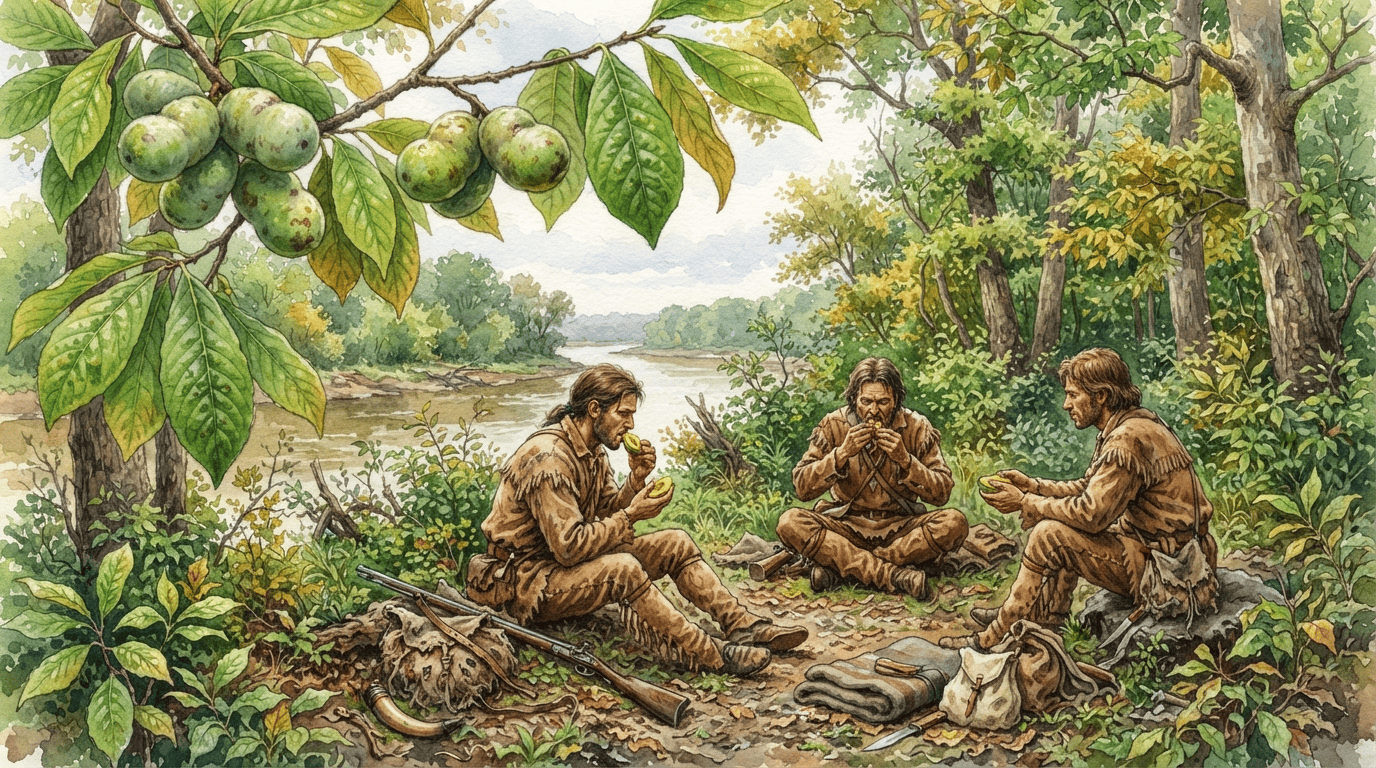
Asimina triloba, the pawpaw, is a small deciduous understory tree native to eastern North America from southern Ontario to northern Florida and west to Nebraska. It produces the largest edible fruit native to temperate North America, with a custard-like tropical flavor. Indigenous peoples including the Iroquois, Cherokee, and Shawnee cultivated, traded, and selected pawpaws across their range, and Spanish explorer Hernando de Soto recorded them in 1541.
The Lewis and Clark expedition subsisted on pawpaws in September 1806 when supplies ran low. Commercial cultivation never scaled because the fruit bruises easily, but hobbyist breeders and Kentucky State University's USDA-designated National Clonal Germplasm Repository have since the 1980s developed superior cultivars such as Shenandoah, Susquehanna, and Mango, reviving the fruit for farmers' markets.
A staple food of Indigenous peoples and a favorite of early American settlers including George Washington and Thomas Jefferson, who planted pawpaws at Monticello. Ohio designated the pawpaw its state native fruit in 2009.
Symbolism & meaning
What It Symbolizes
The Common Pawpaw is a Hidden treasure of the temperate forest — custard-fleshed, mango-scented fruit ripening on a tree no one expects this far north. It carries an American heritage of frontier kitchens and Native gathering traditions, a wild luxury once familiar to every river bottom. To find a pawpaw grove today still feels like uncovering a secret.
- Hidden treasure — tropical fruit unexpected in temperate forests
- American heritage — beloved fruit of the early American frontier
Where the Name Comes From
'Asimina' derives from 'assimin,' an Indigenous Algonquian name; 'triloba' means three-lobed, referring to flower parts.
Uses & Fun Facts
- Custard-textured fruit eaten fresh or in desserts
- Sole host for zebra swallowtail butterfly larvae
- Tropical-looking native understory tree with golden fall color
Related plants
Plants with similar care
 Japanese MapleAcer palmatum
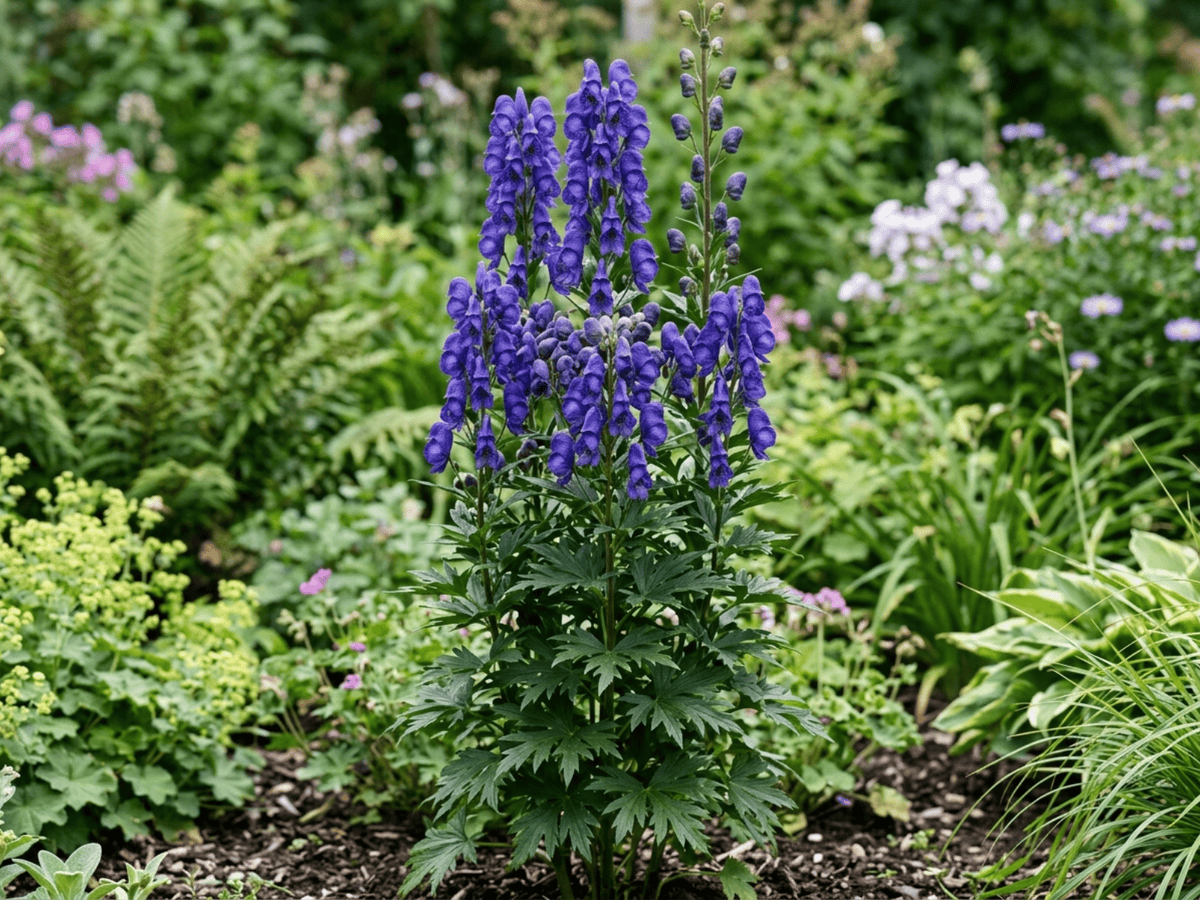 Azure MonkshoodAconitum carmichaelii
 Florida HobblebushAgarista populifolia
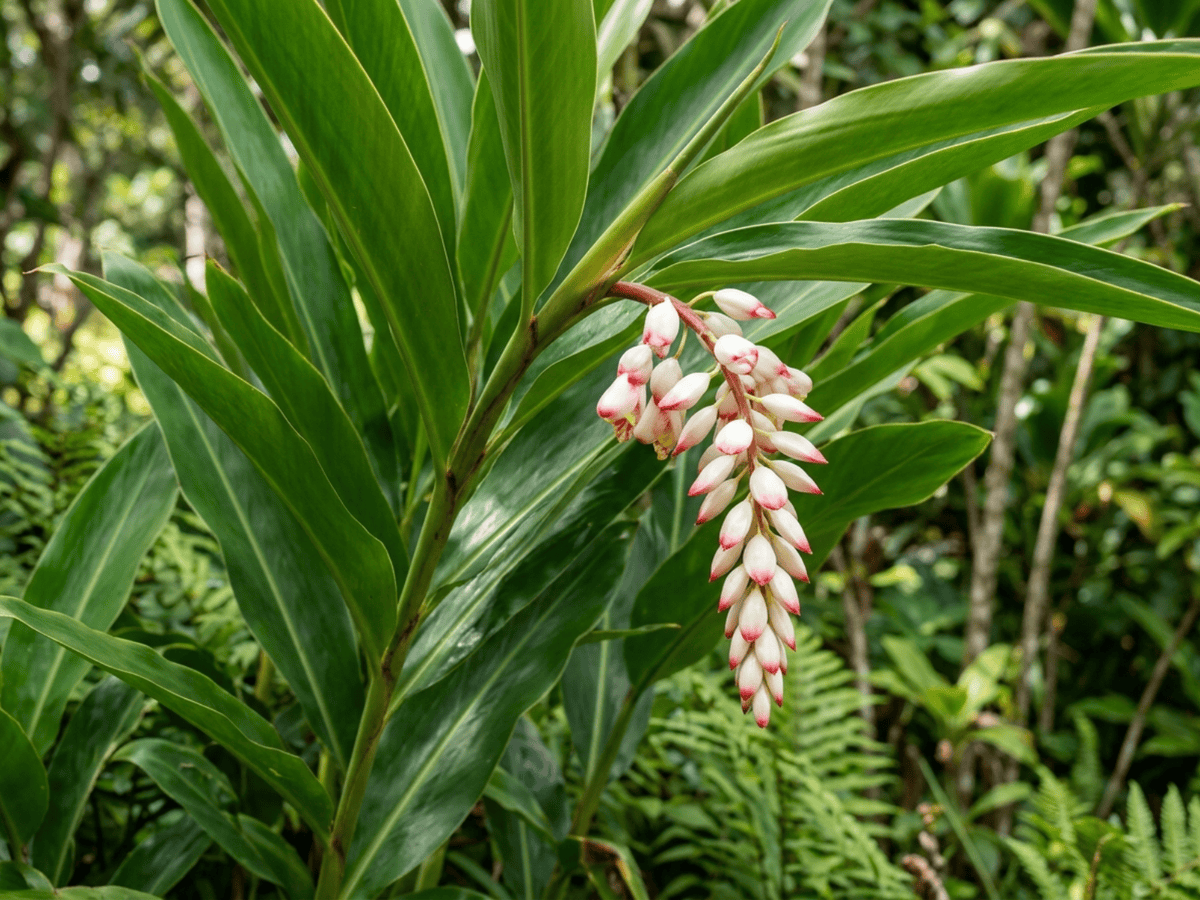 Shell GingerAlpinia zerumbet
Frequently asked questions
How often should I water Common Pawpaw?
In summer, water about every 5 days; in winter, about every 14 days. Adjust for heat, pot size and drainage.
How much light does Common Pawpaw need?
Part shade: 2–4 hrs direct. Watch the leaves — scorching or stretching means the light needs adjusting.
Is Common Pawpaw toxic to cats or dogs?
Pets Slight (Dogs Slight · Cats Slight) Educational information, not medical or veterinary advice. If exposure is suspected, contact a doctor or veterinarian.
Is Common Pawpaw easy to grow?
It is moderately demanding: a good choice once you have a little experience.
When does Common Pawpaw bloom?
It typically blooms Mar–May in the Northern Hemisphere.
YardMate
Identify any plant in seconds
Snap a photo — YardMate names the plant, diagnoses problems, and reminds you when to water.
Download on the App Store