 YardMate


Tall False-Buck's-Beard
Astilbe rubra
Easy · Beginner friendlyAbout Tall False-Buck's-Beard
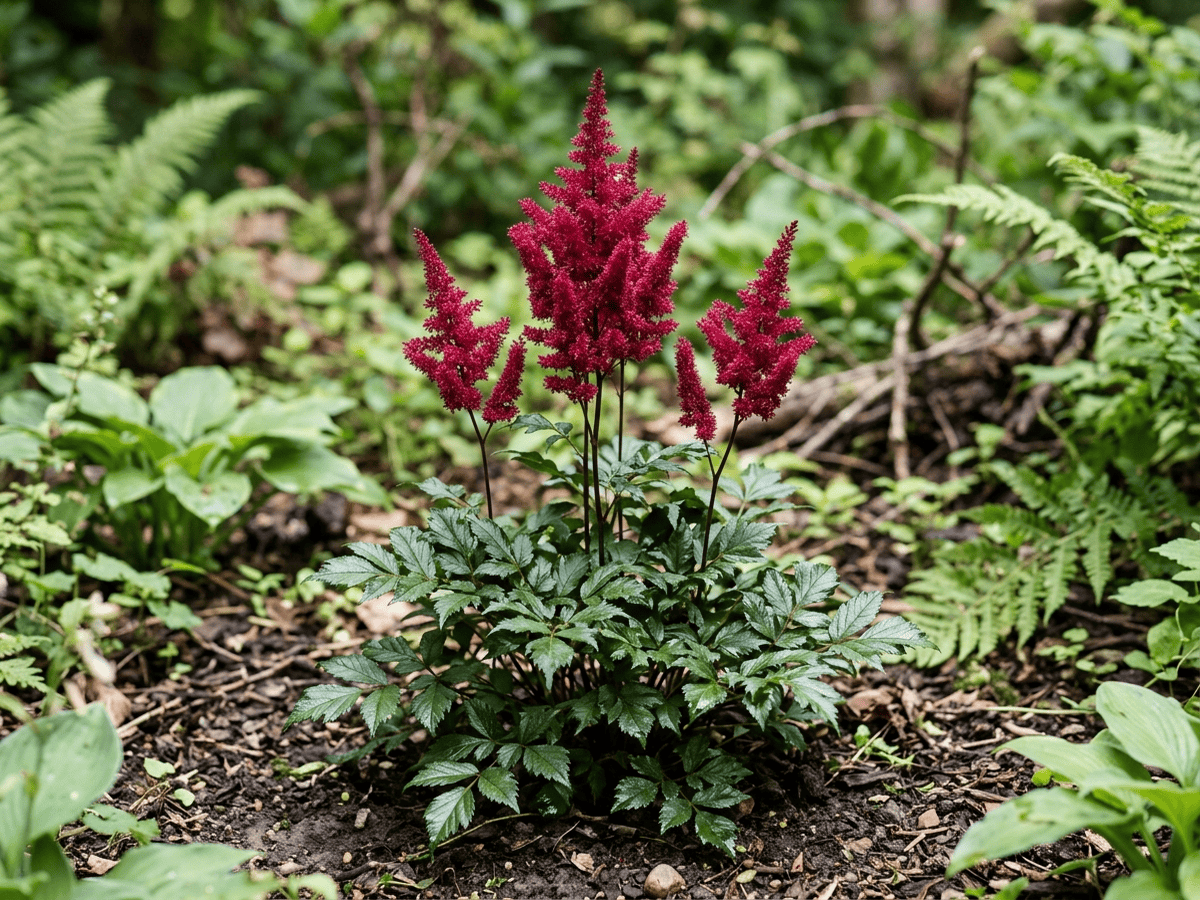
Red Astilbe is a Chinese species astilbe with deeply cut compound leaves and tall branched panicles of tiny rosy-red flowers rising above the foliage. Growing 2 to 3 feet tall in flower, it blooms in midsummer and offers a bolder red color than many hybrid astilbes. A classic moist-shade perennial across American gardens from the Midwest through the Pacific Northwest.
- Cold-hardy
- Shade-tolerant
- Deer-resistant
- Pollinator-friendly
How to care for Tall False-Buck's-Beard
Watering
- Springevery 5 days
- Summerevery 3 days
- Fallevery 7 days
- Winterpause watering
Soil · Moisture-retentive
- Top dressingSphagnum moss10%
- Main mixPeat + coco coir 1:180%
- DrainagePerlite / gravel10%
Keep it evenly moist — but the drainage layer still matters.
FERTILIZER
Balanced Feed 14-14-14
An even feed covers all three needs at once, keeping leaves, roots and blooms moving together with nothing pushed out of balance.
- Nitrogen · Leaves
- Phosphorus · Roots + Blooms
- Potassium · Strength
- Springevery 45 days
- Summerevery 45 days
At a Glance
- NativeEast Asia
- Height2–4 ft (0.6–1.2 m)
- Spread1.5–2.5 ft (0.5–0.8 m)
- Flower colorRed, Pink
- Foliage colorGreen, Bronze
- SoilLoamy, Moisture-retentive, Acidic
- LocationsYard
Bloom time
BLOOM CYCLE
Peak bloom
Jun–Aug
Rosy-red feathery plumes midsummer
Fragrance
LIGHT FRAGRANCE
Flower plumes have a light, delicate scent.
Toxicity
Toxicity unknown
None reported
Unknown
EXPOSURE Unspecified plant material.
EFFECT Toxic effects are not specified.
NOTE Toxicity for humans is not well documented; use caution until verified.
Unknown
EXPOSURE Unspecified plant material.
EFFECT Toxic effects are not specified.
NOTE Toxicity for dogs is not well documented; use caution until verified.
Unknown
EXPOSURE Unspecified plant material.
EFFECT Toxic effects are not specified.
NOTE Toxicity for cats is not well documented; use caution until verified.
Educational information, not medical or veterinary advice. If exposure is suspected, contact a doctor or veterinarian.
DISTRIBUTION


- Native
- East Asia
History

Astilbe rubra, the red astilbe, is a Chinese and Japanese species contributing to the modern Astilbe x arendsii hybrid lineage. Japanese and Chinese gardeners grew related astilbe species for centuries in moist shady gardens. German breeder Georg Arends of Wuppertal began systematic crossing in 1902, releasing hundreds of hybrids between A. chinensis, A. japonica, A. thunbergii, A. davidii, and A. rubra that became the A. x arendsii group; these hybrids blend plume shape, color, and heat tolerance to produce the modern moist-shade standard.
Cultivars including Fanal, Bressingham Beauty, Amethyst, and Deutschland descend from this lineage. Chinese traditional medicine used root decoctions for various ailments, but the plant's primary modern role is as a reliable shade-border perennial with ferny foliage and bottlebrush flower plumes in pink, red, white, or lavender.
Native to China, introduced to European gardens in the late 1800s and to American shade gardens soon after.
Symbolism & meaning
What It Symbolizes
Tall false-buck's-beard carries one of the Victorian floriography's most patient messages: I'll still be waiting. Its red plume rises like a quiet flame in the deepest shade where most flowers refuse to bloom, holding its color long after sunlit borders have gone quiet. A single stem in a Victorian bouquet was a promise of constancy — that whatever was hoped for, however long delayed, would be remembered.
- I'll still be waiting — Victorian flower language message
- Shade flame — brilliant red panicles in deep shade
Where the Name Comes From
'Astilbe' from Greek means without brilliance (ironic, referring to dull leaves of the type specimen); 'rubra' from Latin means red.
Uses & Fun Facts
- Plumed pink flower spikes attract bees in moist shade borders
- Feathery flower plumes prized for shade-garden bouquets
Related plants
More Astilbe plants
 Tall False-Buck's-BeardAstilbe chinensis
 False-Buck's-BeardAstilbe japonica
 Entire-Leaf False Goat’s BeardAstilbe simplicifolia
 Ostrich PlumeAstilbe thunbergii
Plants with similar care
 Red BuckeyeAesculus pavia
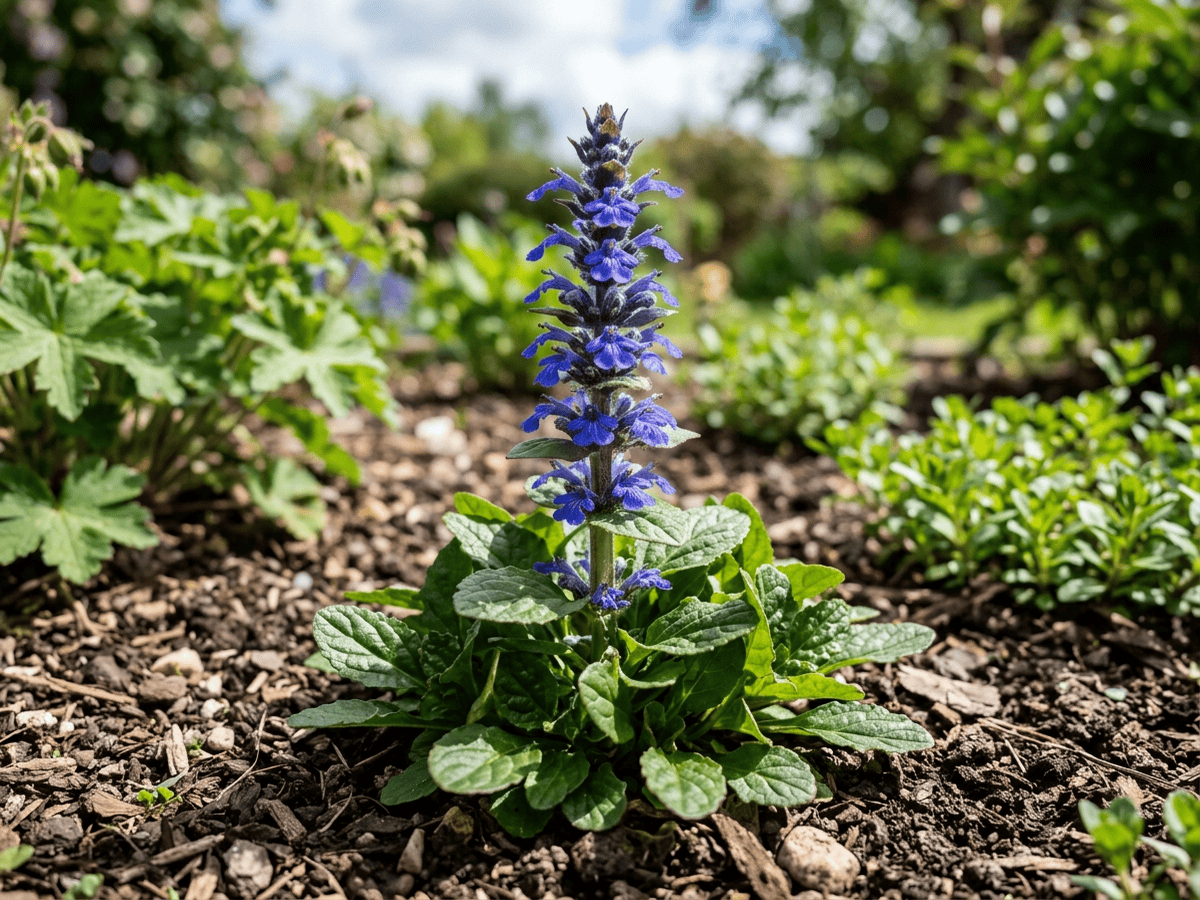 Blue BugleAjuga genevensis
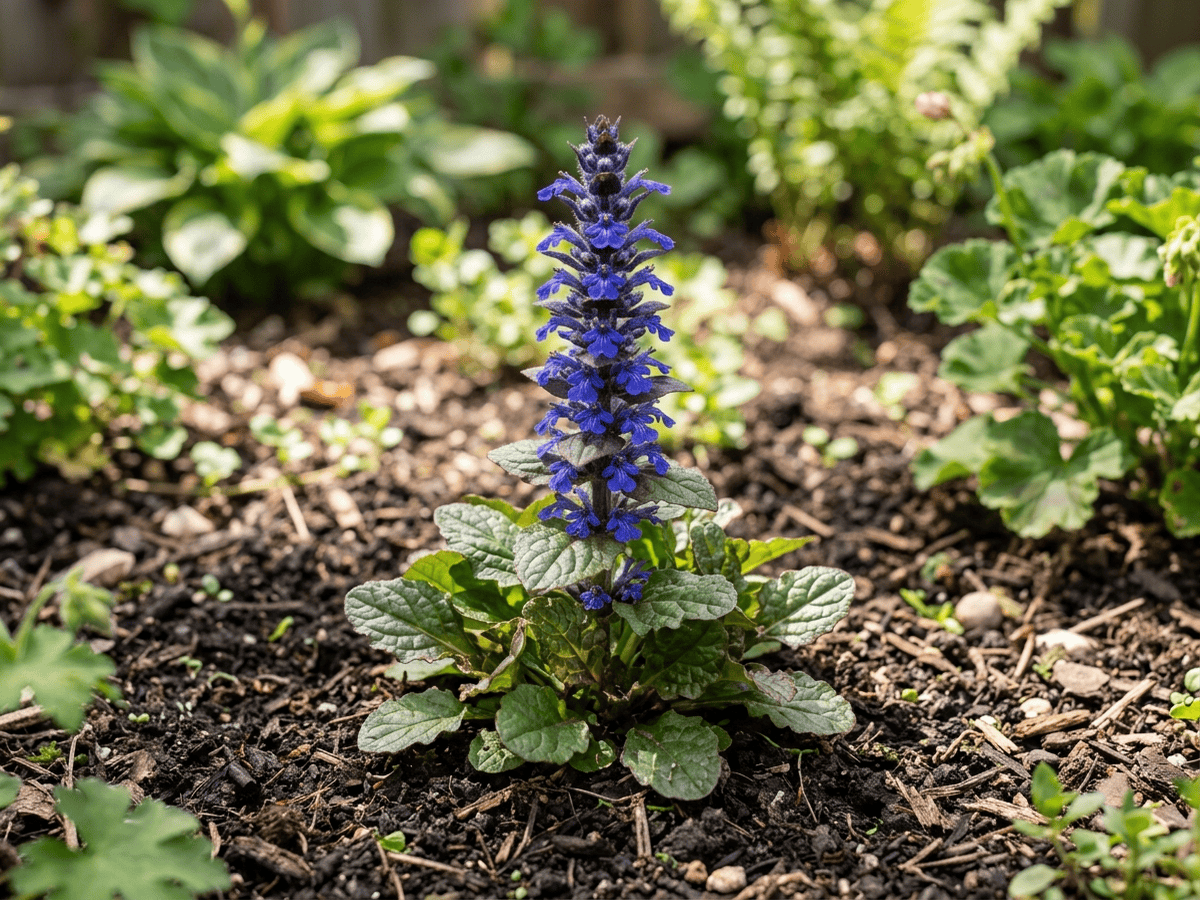 Pyramidal BugleAjuga pyramidalis
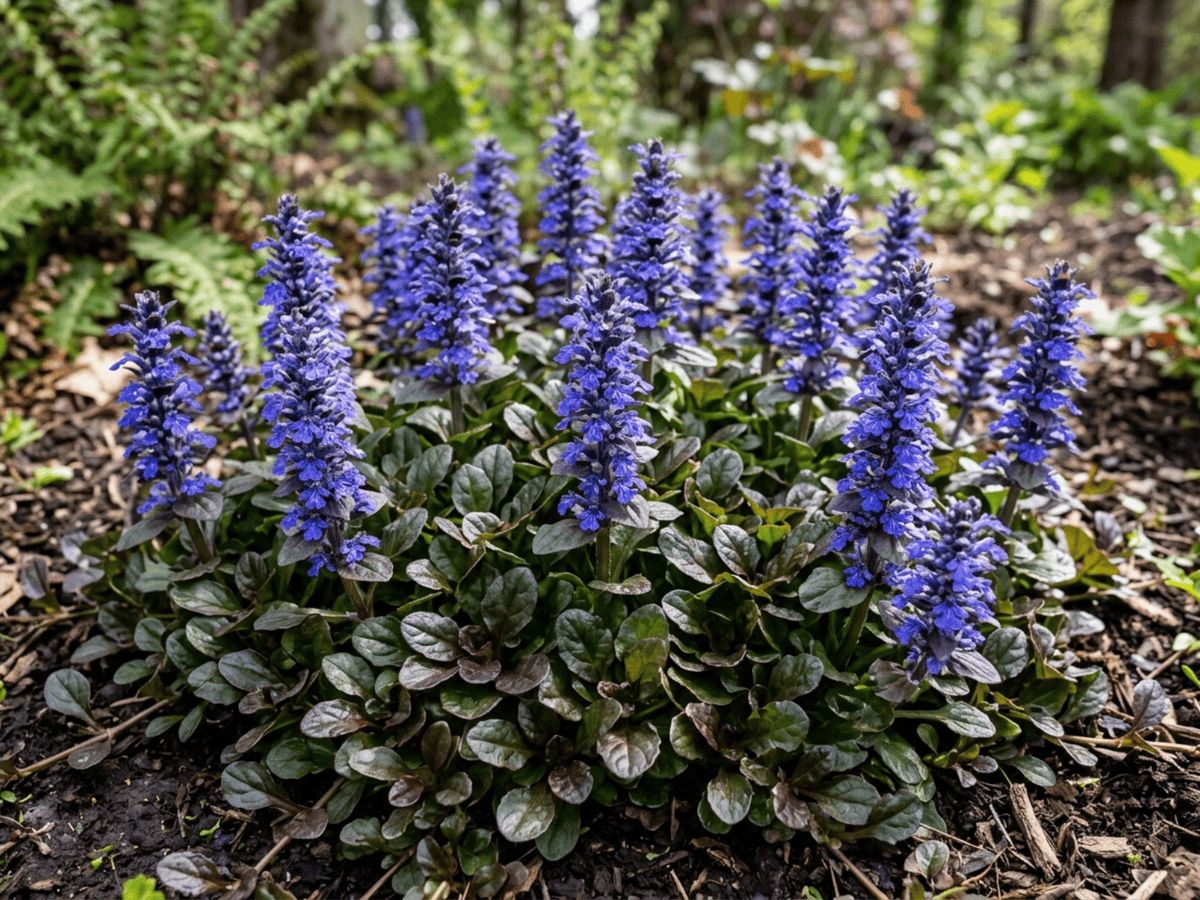 Carpet BugleAjuga reptans
Frequently asked questions
How often should I water Tall False-Buck's-Beard?
Water about every 5 days during the growing season, and always let excess water drain away.
How much light does Tall False-Buck's-Beard need?
Part shade: 2–4 hrs direct. Watch the leaves — scorching or stretching means the light needs adjusting.
Is Tall False-Buck's-Beard toxic to cats or dogs?
Pets Unknown (Dogs Unknown · Cats Unknown) Educational information, not medical or veterinary advice. If exposure is suspected, contact a doctor or veterinarian.
Is Tall False-Buck's-Beard easy to grow?
Yes — it is considered an easy, beginner-friendly plant.
When does Tall False-Buck's-Beard bloom?
It typically blooms Jun–Aug in the Northern Hemisphere.
YardMate
Identify any plant in seconds
Snap a photo — YardMate names the plant, diagnoses problems, and reminds you when to water.
Download on the App Store