 YardMate

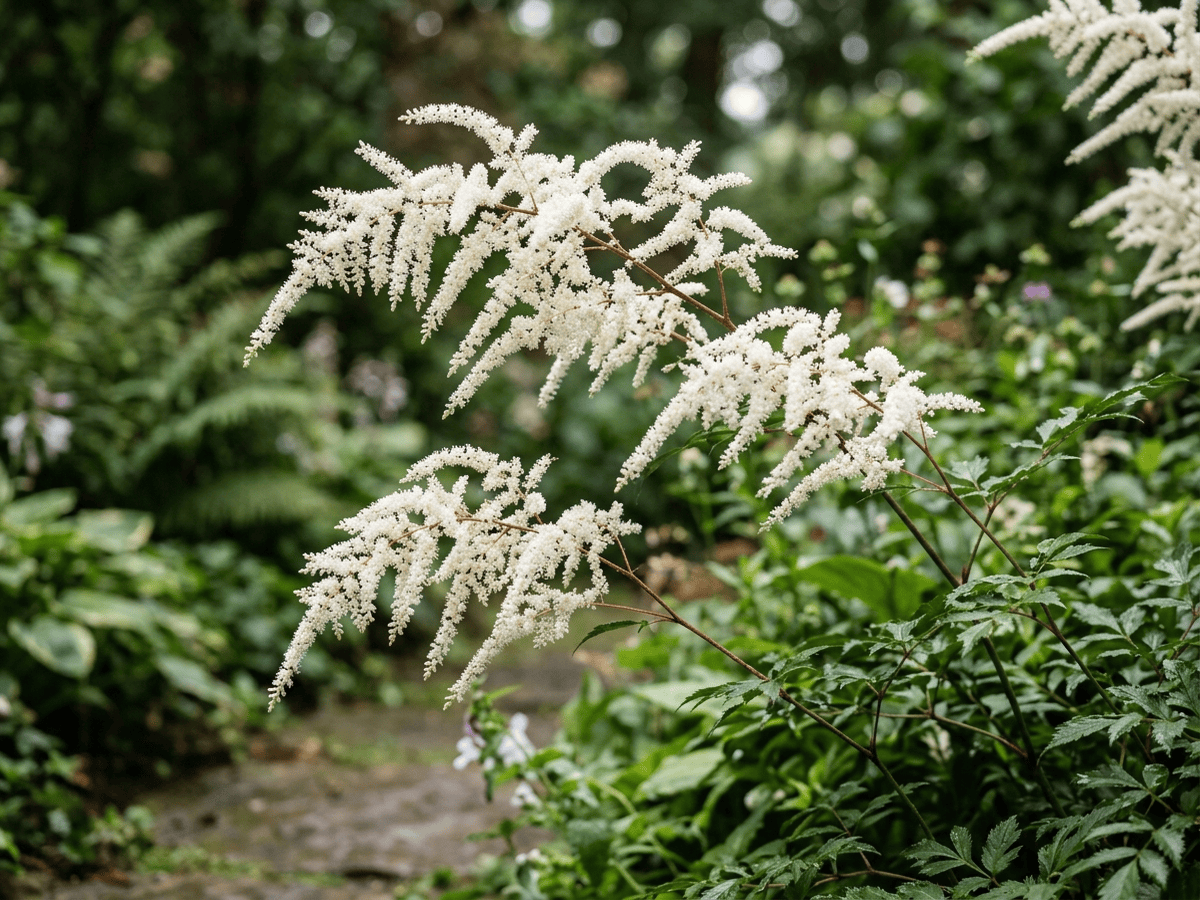


Ostrich Plume
Astilbe thunbergii
Easy · Beginner friendlyAbout Ostrich Plume
Thunberg's Astilbe is a Japanese species astilbe with arching panicles of tiny white or pink flowers and deeply divided compound foliage. Growing 2 to 4 feet tall in flower, it blooms in late summer, extending the astilbe season beyond the main flush of hybrid astilbes. A heritage shade-garden perennial valued for its graceful nodding flower plumes.
- Cold-hardy
- Shade-tolerant
- Deer-resistant
How to care for Ostrich Plume
Watering
- Springevery 5 days
- Summerevery 3 days
- Fallevery 7 days
- Winterpause watering
Soil · Moisture-retentive
- Top dressingSphagnum moss10%
- Main mixPeat + coco coir 1:180%
- DrainagePerlite / gravel10%
Keep it evenly moist — but the drainage layer still matters.
FERTILIZER
Balanced Feed 14-14-14
An even feed covers all three needs at once, keeping leaves, roots and blooms moving together with nothing pushed out of balance.
- Nitrogen · Leaves
- Phosphorus · Roots + Blooms
- Potassium · Strength
- Springevery 45 days
- Summerevery 45 days
At a Glance
- NativeEast Asia
- Height2–3 ft (0.6–0.9 m)
- Spread2–3 ft (0.6–0.9 m)
- Flower colorWhite, Pink
- Foliage colorGreen
- SoilLoamy, Moisture-retentive
- LocationsYard
Bloom time
BLOOM CYCLE
Peak bloom
Jun–Sep
White or pink arching plumes in late summer
Fragrance
LIGHT FRAGRANCE
Flower plumes have a light, delicate scent.
Toxicity
Toxicity unknown
None reported
Unknown
EXPOSURE Unspecified plant material.
EFFECT Toxic effects are not specified.
NOTE Toxicity for humans is not well documented; use caution until verified.
Unknown
EXPOSURE Unspecified plant material.
EFFECT Toxic effects are not specified.
NOTE Toxicity for dogs is not well documented; use caution until verified.
Unknown
EXPOSURE Unspecified plant material.
EFFECT Toxic effects are not specified.
NOTE Toxicity for cats is not well documented; use caution until verified.
Educational information, not medical or veterinary advice. If exposure is suspected, contact a doctor or veterinarian.
DISTRIBUTION


- Native
- East Asia
History

Astilbe thunbergii, known as Thunberg's astilbe, is a Japanese mountain woodland perennial native to central and northern Honshu, Shikoku, and Kyushu. German botanist Philipp Franz von Siebold and Austrian botanist Joseph Gerhard Zuccarini described the species in 1846, honoring Swedish physician-botanist Carl Peter Thunberg, who catalogued Japanese flora during his 1775 Deshima residency and earned the title father of Japanese botany. The plant produces finely divided compound leaves and arching 80 to 120 centimeter panicles of small white or pale pink flowers.
German breeder Georg Arends of Wuppertal incorporated A. thunbergii heavily into his 20th-century hybrid program, where its graceful habit and cold tolerance enriched the modern A. x arendsii hybrid complex. Cultivars such as Ostrich Plume and Professor van der Wielen remain standards in shade and rain gardens.
Symbolism & meaning
What It Symbolizes
Ostrich Plume makes visible patient grace, lifting its feathery white plumes just as the early summer flush begins to fade — a quiet flower that waits its turn. Paired with arching elegance, the nodding panicles bow as though listening to the shaded garden around them. It is a plant that rewards patience with a softness few showier blooms can match.
- Patient grace — blooms when others fade
- Arching elegance — graceful nodding flower plumes
Where the Name Comes From
'thunbergii' honors Carl Peter Thunberg (1743-1828), Swedish student of Linnaeus and pioneer Japanese botanist.
Uses & Fun Facts
- Arching white plumes and divided foliage for moist shaded borders
- Feathery flower plumes long-lasting in summer arrangements
- Frothy flower plumes attract small bees and beneficial flies
Related plants
More Astilbe plants
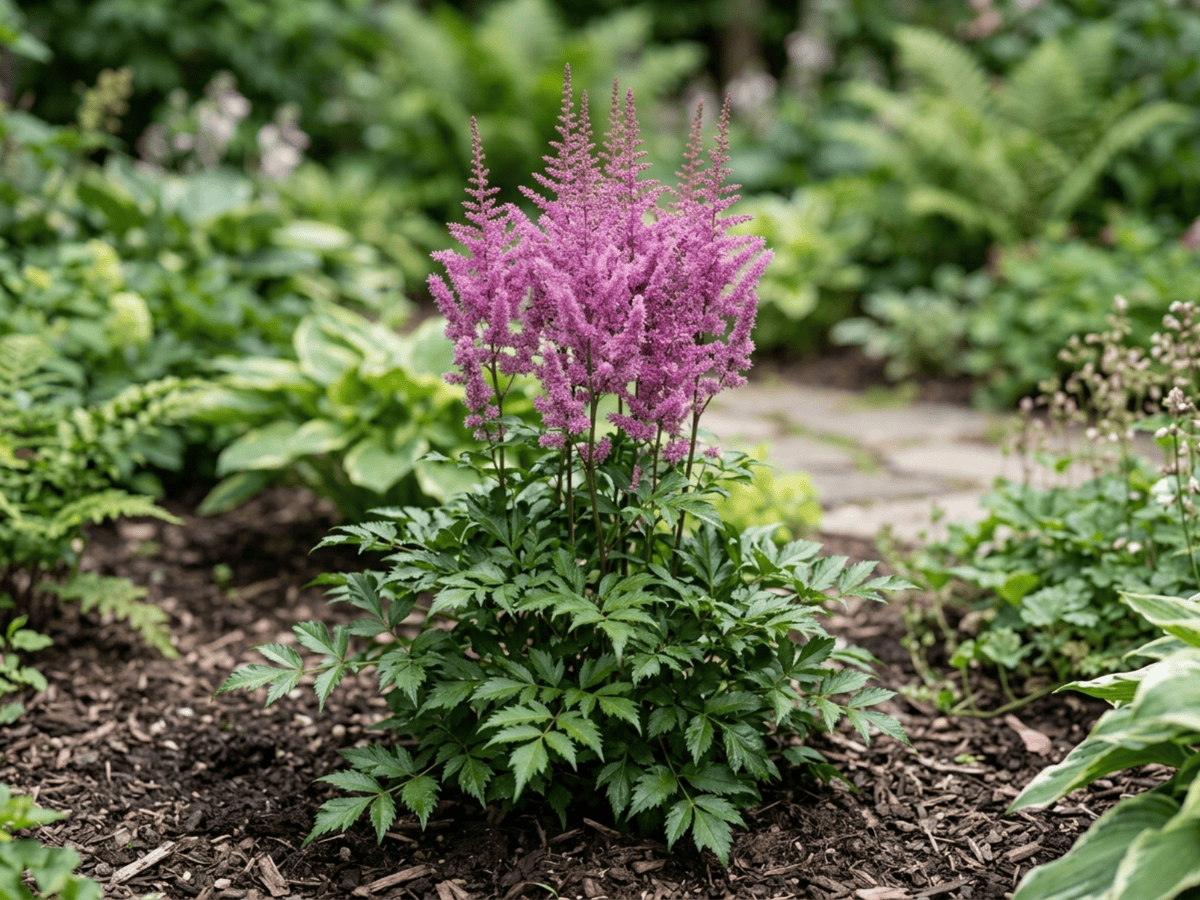 Tall False-Buck's-BeardAstilbe chinensis
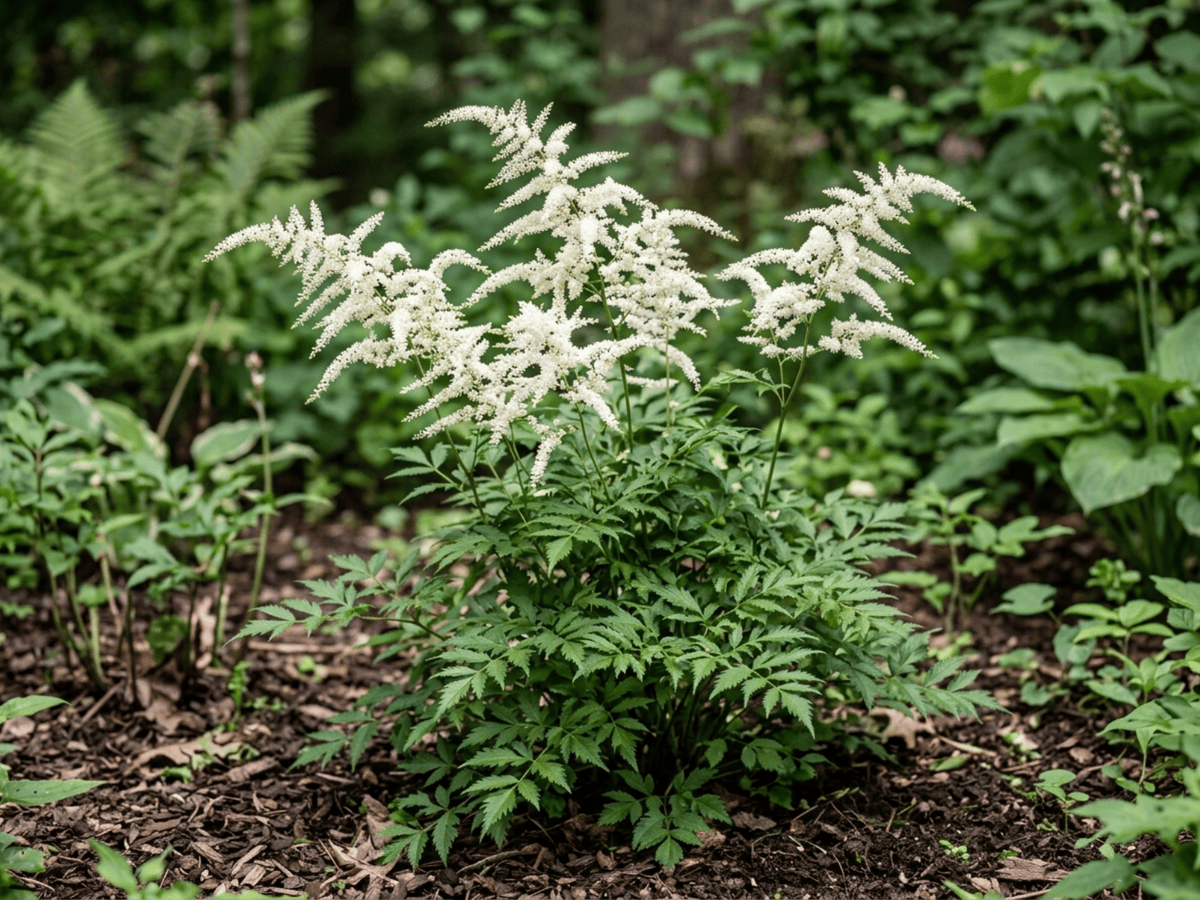 False-Buck's-BeardAstilbe japonica
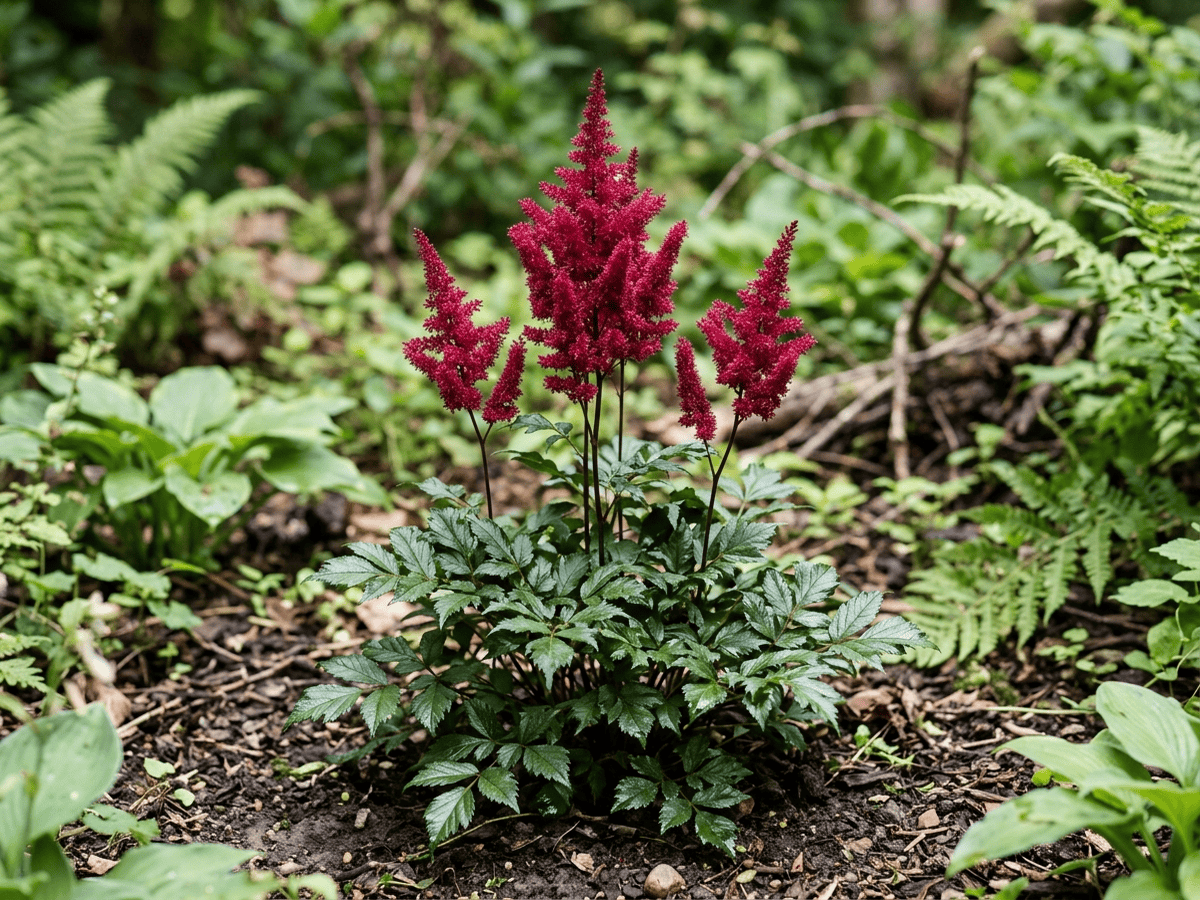 Tall False-Buck's-BeardAstilbe rubra
 Entire-Leaf False Goat’s BeardAstilbe simplicifolia
Plants with similar care
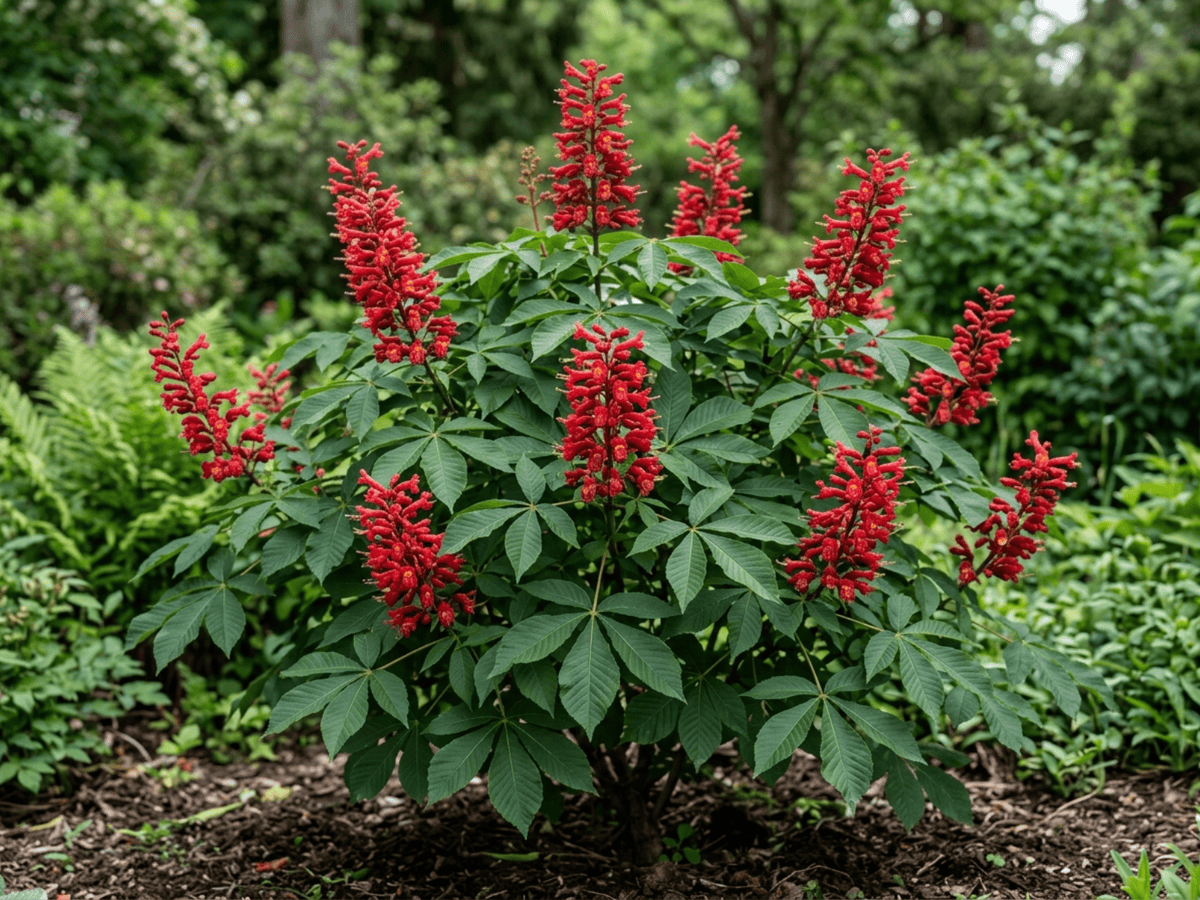 Red BuckeyeAesculus pavia
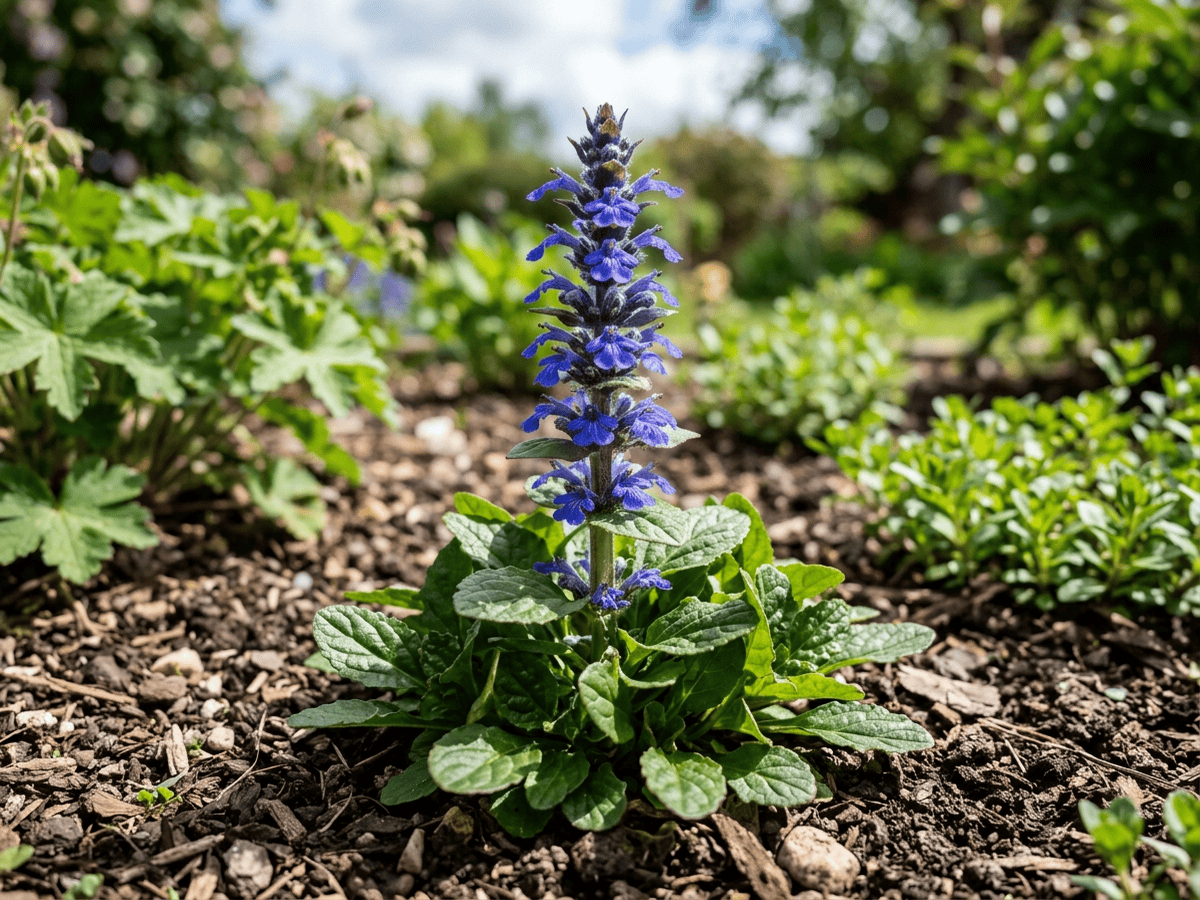 Blue BugleAjuga genevensis
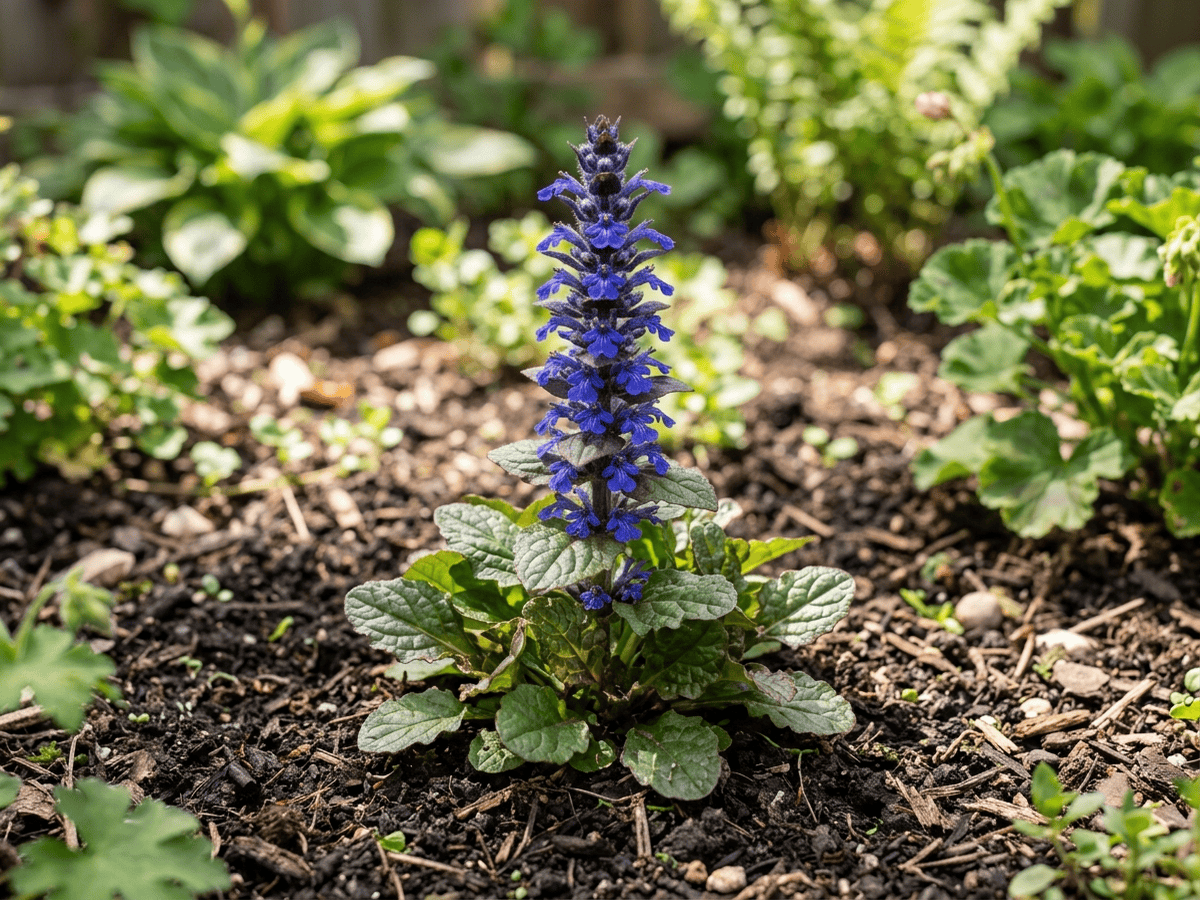 Pyramidal BugleAjuga pyramidalis
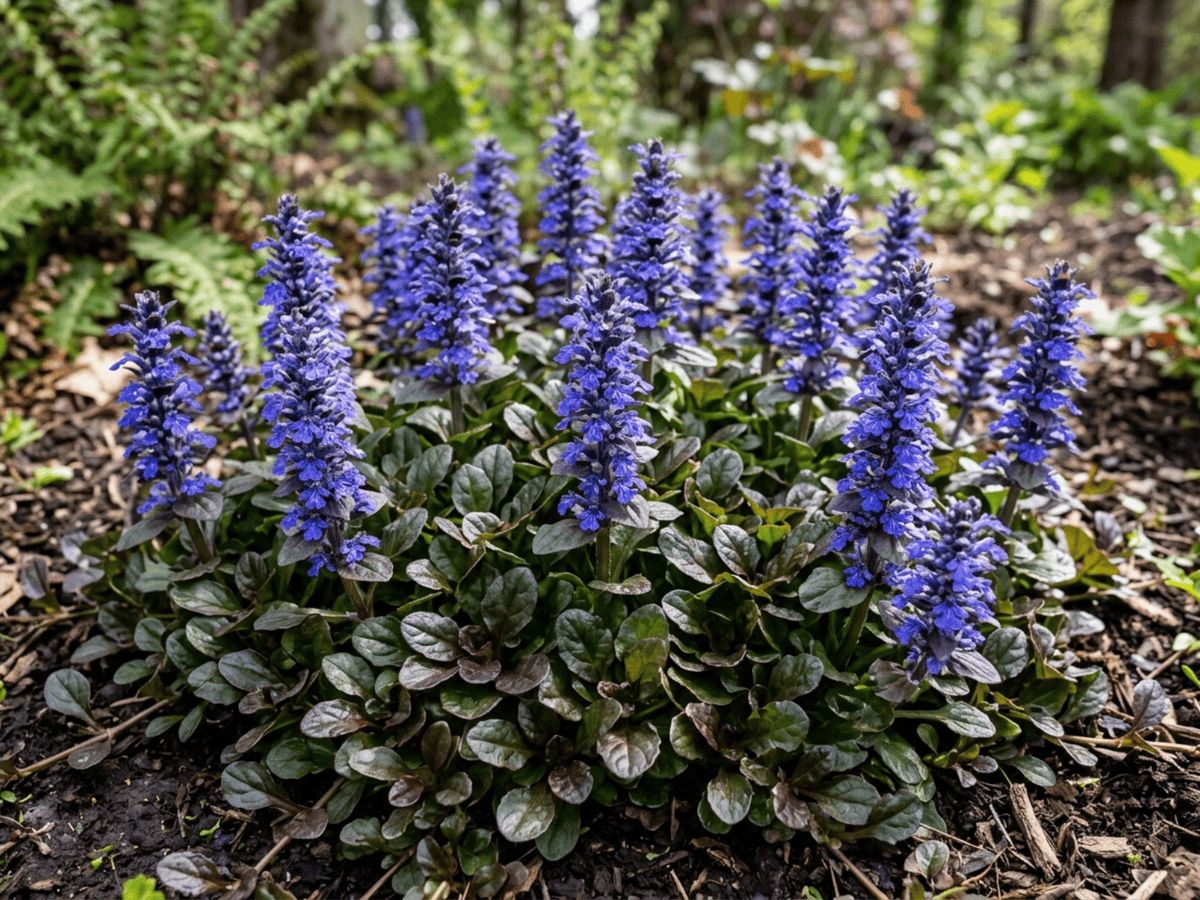 Carpet BugleAjuga reptans
Frequently asked questions
How often should I water Ostrich Plume?
Water about every 5 days during the growing season, and always let excess water drain away.
How much light does Ostrich Plume need?
Part shade: 2–4 hrs direct. Watch the leaves — scorching or stretching means the light needs adjusting.
Is Ostrich Plume toxic to cats or dogs?
Pets Unknown (Dogs Unknown · Cats Unknown) Educational information, not medical or veterinary advice. If exposure is suspected, contact a doctor or veterinarian.
Is Ostrich Plume easy to grow?
Yes — it is considered an easy, beginner-friendly plant.
When does Ostrich Plume bloom?
It typically blooms Jun–Sep in the Northern Hemisphere.
YardMate
Identify any plant in seconds
Snap a photo — YardMate names the plant, diagnoses problems, and reminds you when to water.
Download on the App Store