 YardMate


False-Buck's-Beard
Astilbe japonica
Easy · Beginner friendlyAbout False-Buck's-Beard
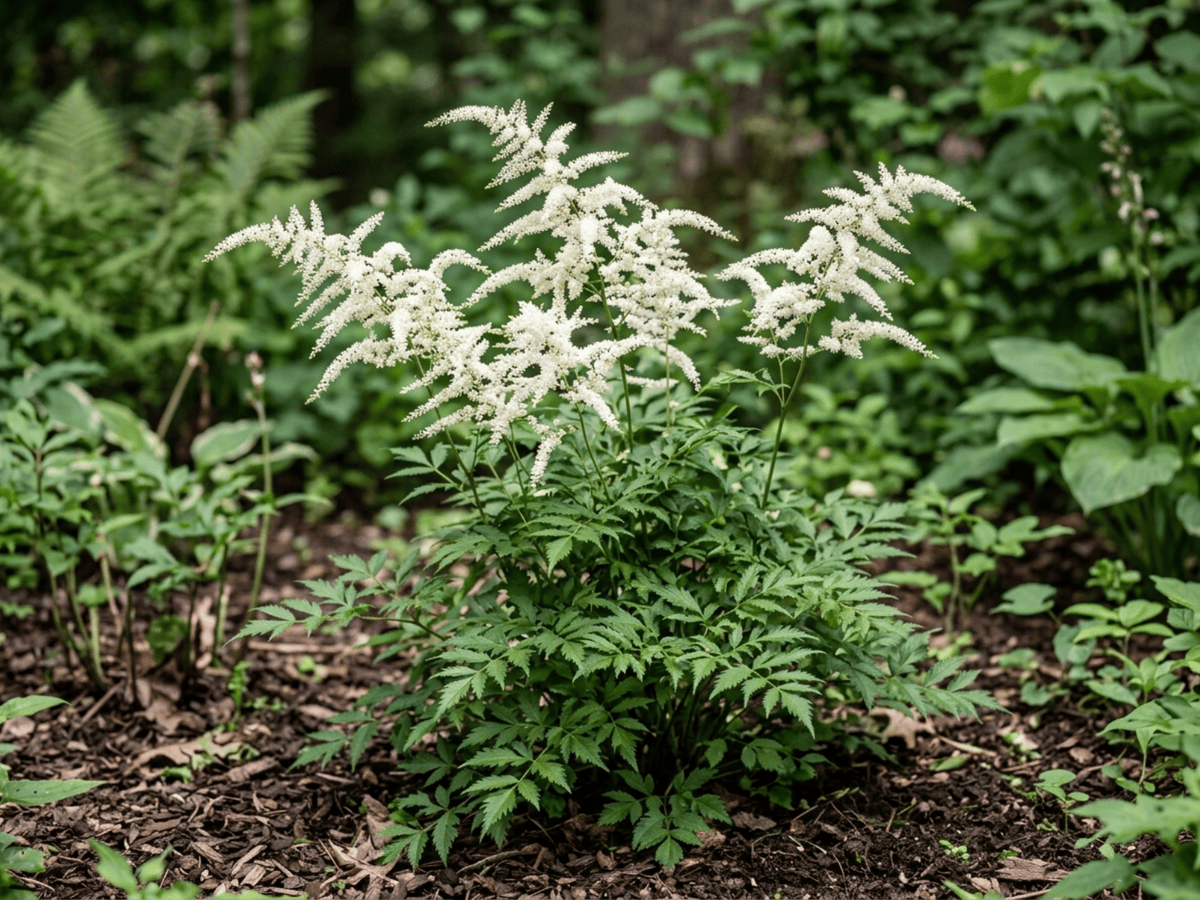
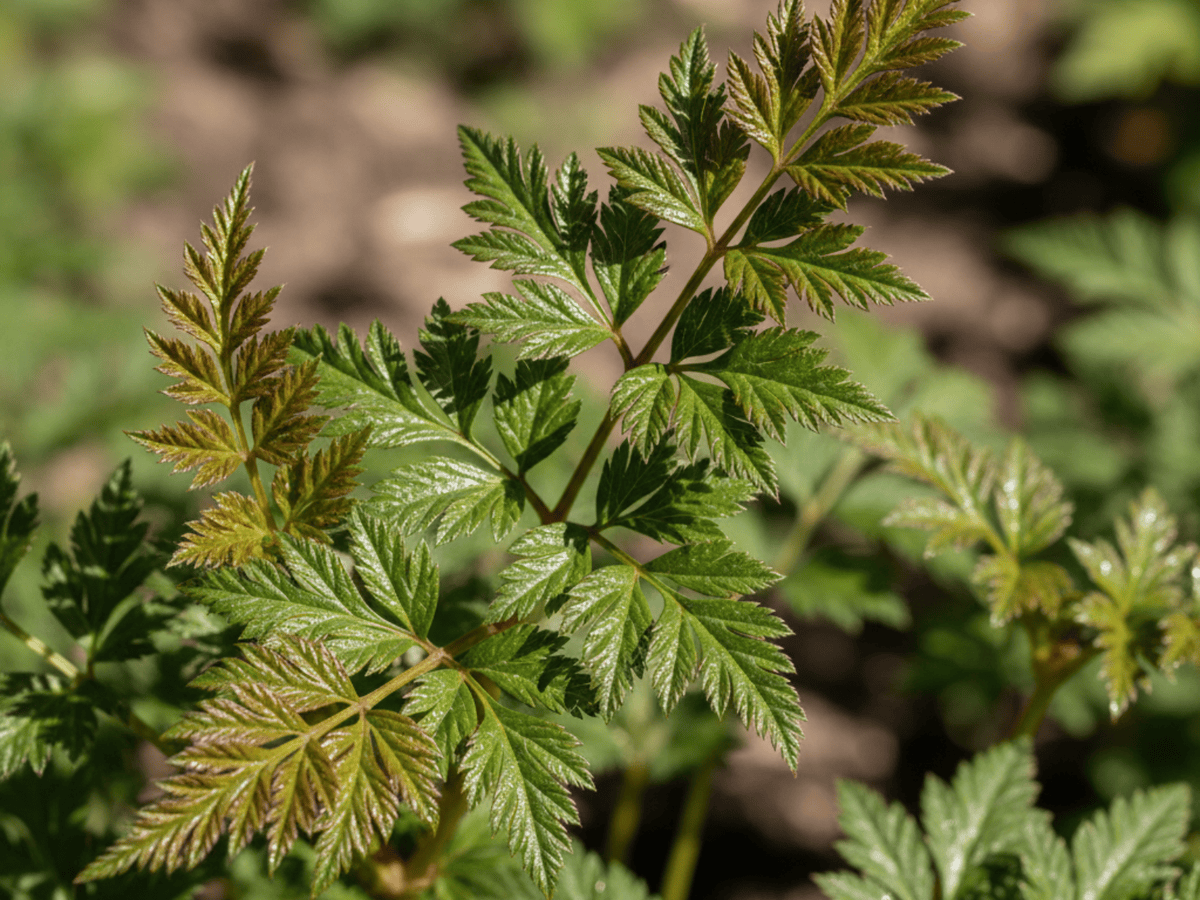
Japanese Astilbe is a perennial from Japan, 18–30 inches tall, with glossy deep green fern-like leaves and feathery white, pink, or red plume flowers in early to midsummer. Classic shade-border workhorse in American gardens, especially in New England, the Pacific Northwest, and the Upper Midwest. 'Deutschland' (white) and 'Europa' (pink) are long-standing favorites. Hardy zones 4–8.
- Shade-tolerant
- Deer-resistant
- Pollinator-friendly
How to care for False-Buck's-Beard
Watering
- Springevery 3 days
- Summerevery 2 days
- Fallevery 4 days
- Winterpause watering
Soil · Moisture-retentive
- Top dressingSphagnum moss10%
- Main mixPeat + coco coir 1:180%
- DrainagePerlite / gravel10%
Keep it evenly moist — but the drainage layer still matters.
FERTILIZER
Balanced Feed 14-14-14
An even feed covers all three needs at once, keeping leaves, roots and blooms moving together with nothing pushed out of balance.
- Nitrogen · Leaves
- Phosphorus · Roots + Blooms
- Potassium · Strength
- Springevery 30 days
- Summerevery 30 days
At a Glance
- NativeEast Asia
- Height1–3 ft (0.3–0.9 m)
- Spread1–2 ft (0.3–0.6 m)
- Flower colorWhite, Pink, Red
- Foliage colorGreen
- SoilLoamy, Moisture-retentive, Acidic
- LocationsYard
Bloom time
BLOOM CYCLE
Peak bloom
Jun–Jul
Feathery plumes early to midsummer
Fragrance
LIGHT FRAGRANCE
The flowers have a mild scent.
Toxicity
No toxicity has been reported for this plant. Still, it is wise to keep pets from chewing on any houseplant.
Educational information, not medical or veterinary advice. If exposure is suspected, contact a doctor or veterinarian.
DISTRIBUTION


- Native
- Introduced
- East Asia
History

Astilbe japonica is native to the main islands of Japan. German physician Philipp Franz von Siebold collected it during his residency at Dejima in Nagasaki (1823-1829) and introduced it to Leiden Botanic Garden by 1837. Dutch nurseries distributed it throughout Europe, where it was initially grown as a curiosity.
German plantsman Georg Arends (1863-1952) at Ronsdorf systematically crossed A. japonica with A. chinensis, A. thunbergii, and A. astilboides beginning in 1907, creating hundreds of cultivars under the collective name Astilbe x arendsii. These hybrids—including 'Rheinland', 'Deutschland', and 'Europa'—became iconic European shade perennials. Modern breeding at Walters Gardens and European nurseries continues to expand color and form based on these Siebold-era introductions.
Symbolism & meaning
What It Symbolizes
False-Buck's-Beard can symbolize devotion, the steadfast presence of a plant that returns each summer to brighten the shadiest corner of the garden. Its feathery plumes rise in pinks and whites and creams with an unmistakable grace, lifting elegance into places where most flowers refuse to bloom. In the language of shade gardens, astilbe is the loyal companion, asking only for moisture and giving back, year after year, a soft and unwavering beauty.
- Devotion — steadfast shade-garden companion
- Grace — feathery plumes rise elegantly
Where the Name Comes From
Genus name means 'not shining'; 'japonica' refers to Japanese origin.
Uses & Fun Facts
- Plumy spires cut fresh or dried for arrangements
- Feathery flower plumes attract small bees and butterflies
- Reliable bloomer for moist shaded woodland borders
- Ferny foliage and pink plumes brighten part shade
Related plants
More Astilbe plants
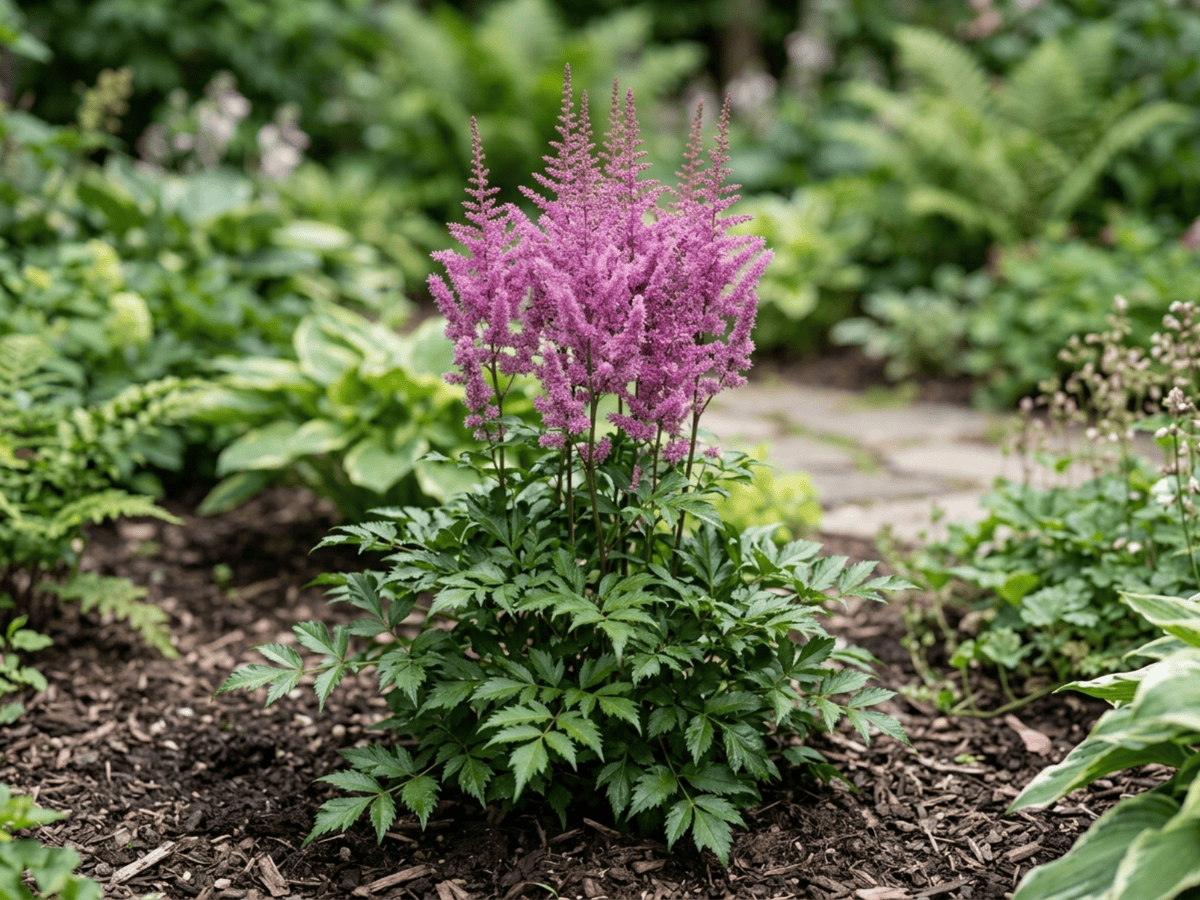 Tall False-Buck's-BeardAstilbe chinensis
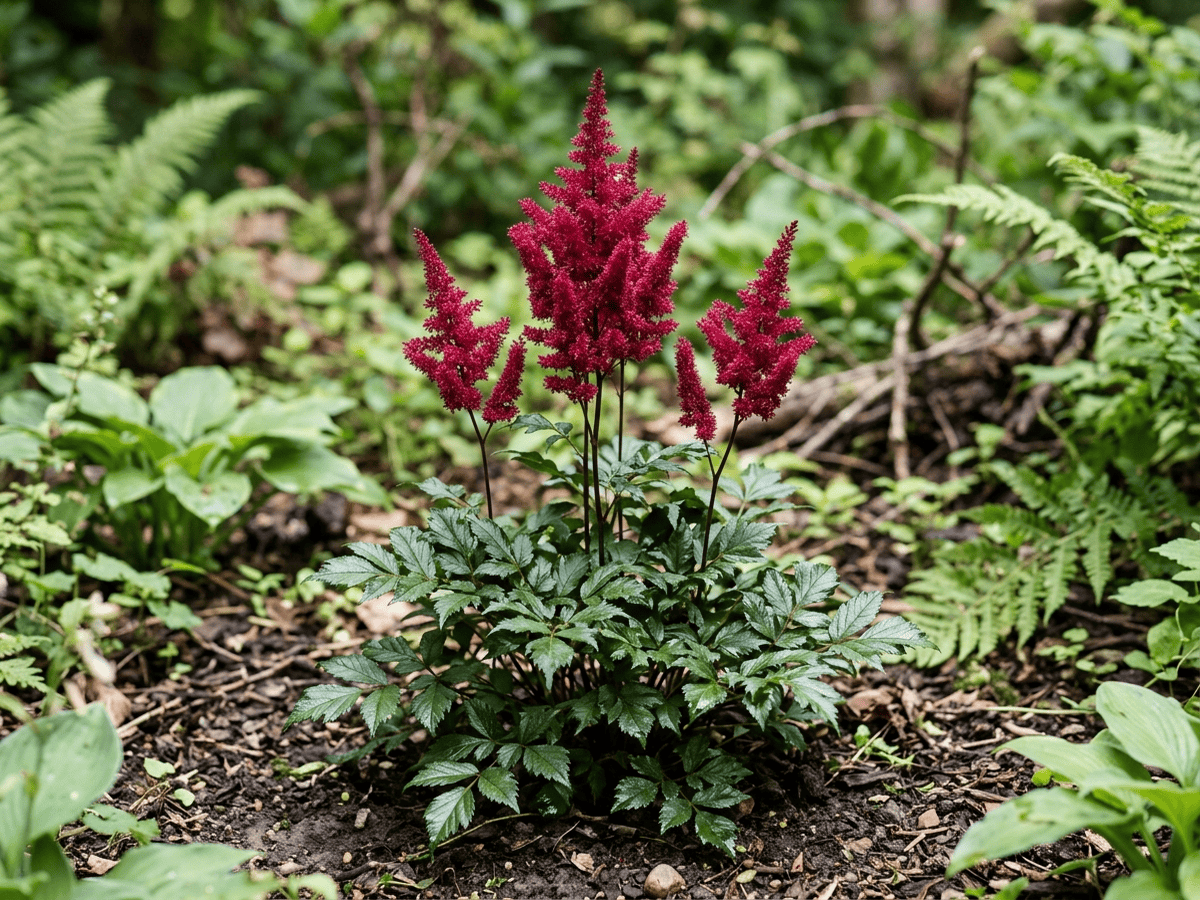 Tall False-Buck's-BeardAstilbe rubra
 Entire-Leaf False Goat’s BeardAstilbe simplicifolia
 Ostrich PlumeAstilbe thunbergii
Plants with similar care
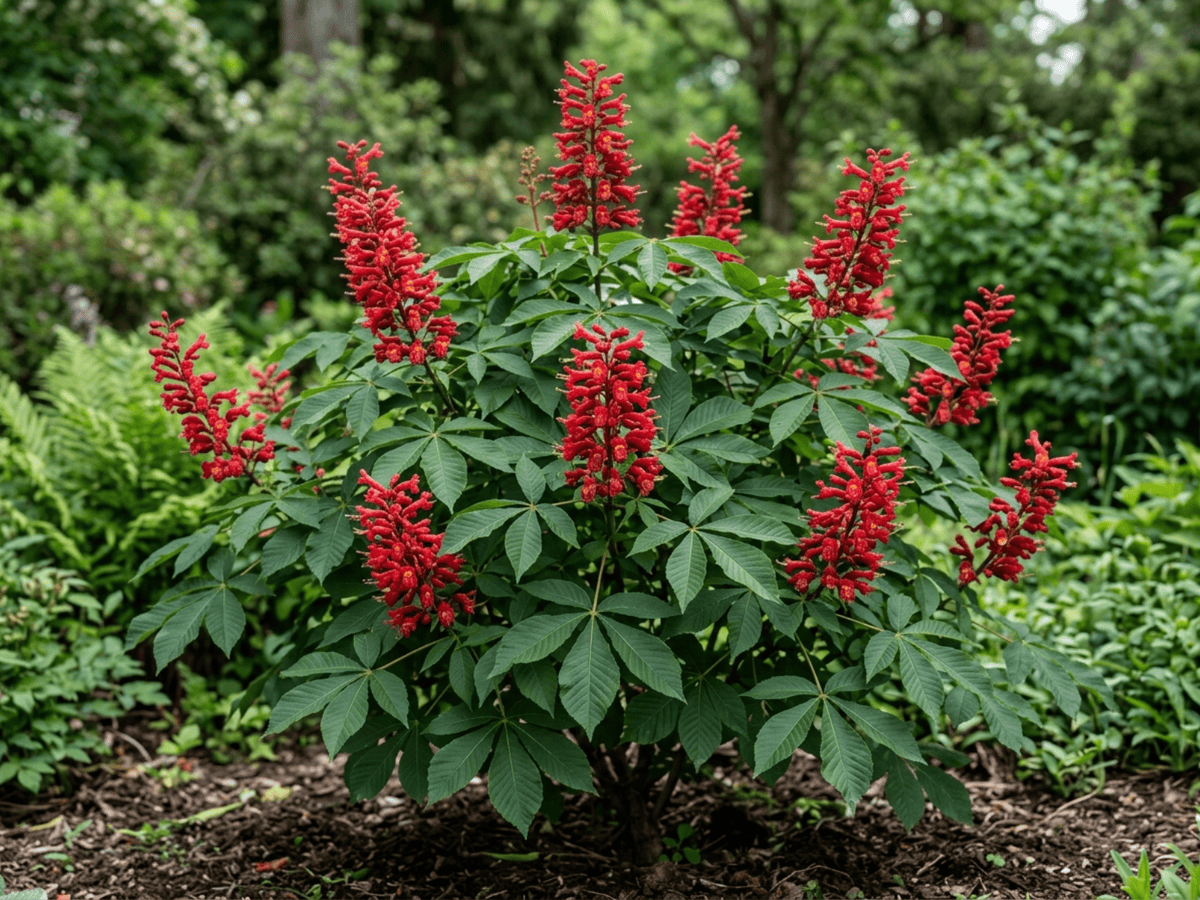 Red BuckeyeAesculus pavia
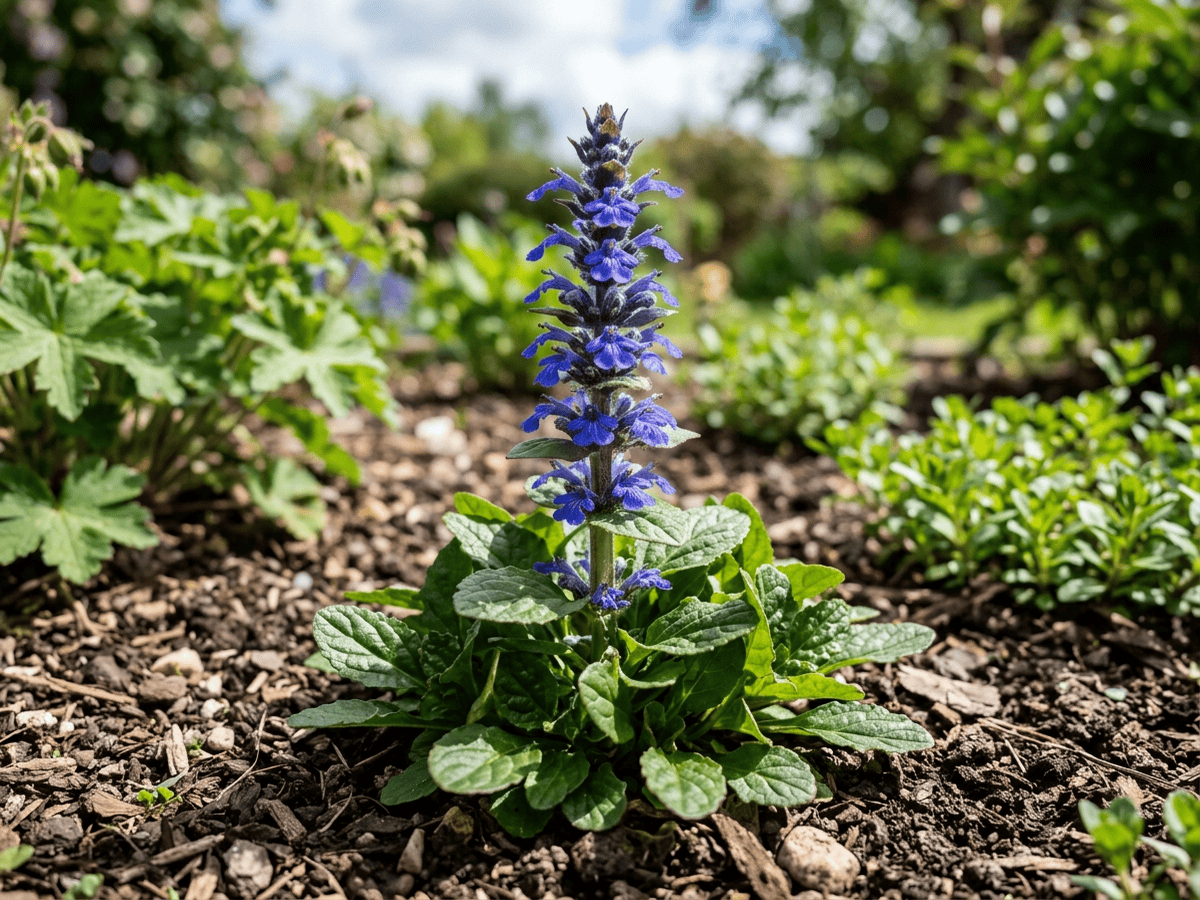 Blue BugleAjuga genevensis
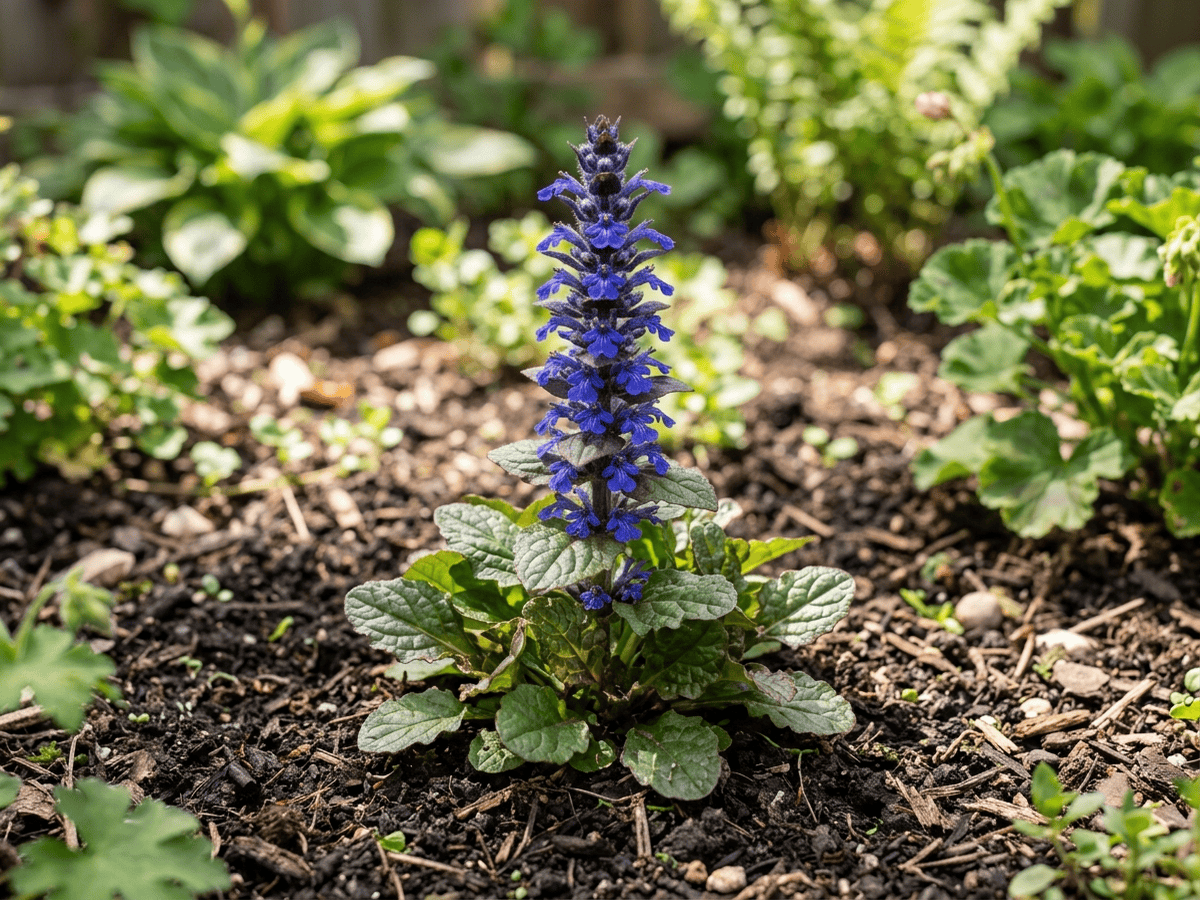 Pyramidal BugleAjuga pyramidalis
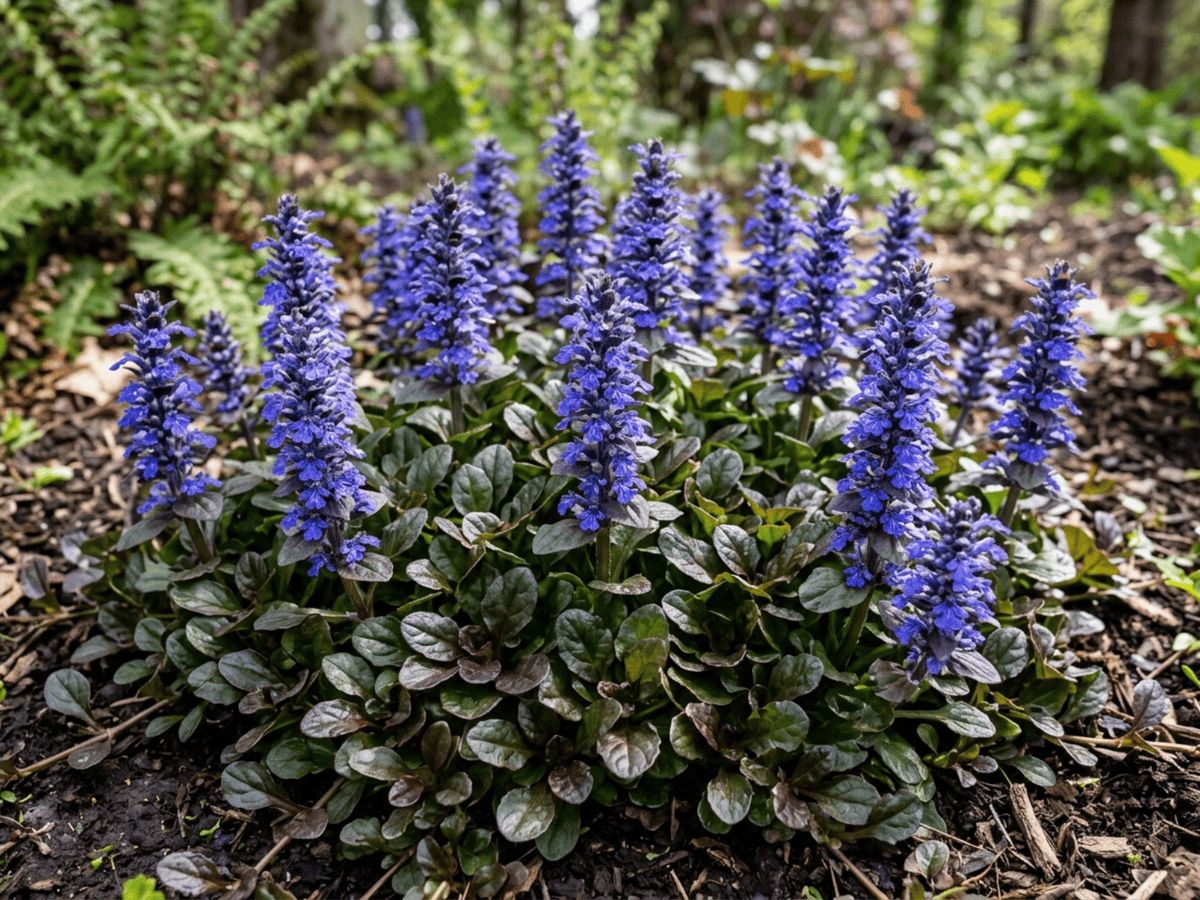 Carpet BugleAjuga reptans
Frequently asked questions
How often should I water False-Buck's-Beard?
Water about every 3 days during the growing season, and always let excess water drain away.
How much light does False-Buck's-Beard need?
Part shade: 2–4 hrs direct. Watch the leaves — scorching or stretching means the light needs adjusting.
Is False-Buck's-Beard toxic to cats or dogs?
No toxicity has been reported for this plant. Still, it is wise to keep pets from chewing on any houseplant. Educational information, not medical or veterinary advice. If exposure is suspected, contact a doctor or veterinarian.
Is False-Buck's-Beard easy to grow?
Yes — it is considered an easy, beginner-friendly plant.
When does False-Buck's-Beard bloom?
It typically blooms Jun–Jul in the Northern Hemisphere.
YardMate
Identify any plant in seconds
Snap a photo — YardMate names the plant, diagnoses problems, and reminds you when to water.
Download on the App Store