 YardMate
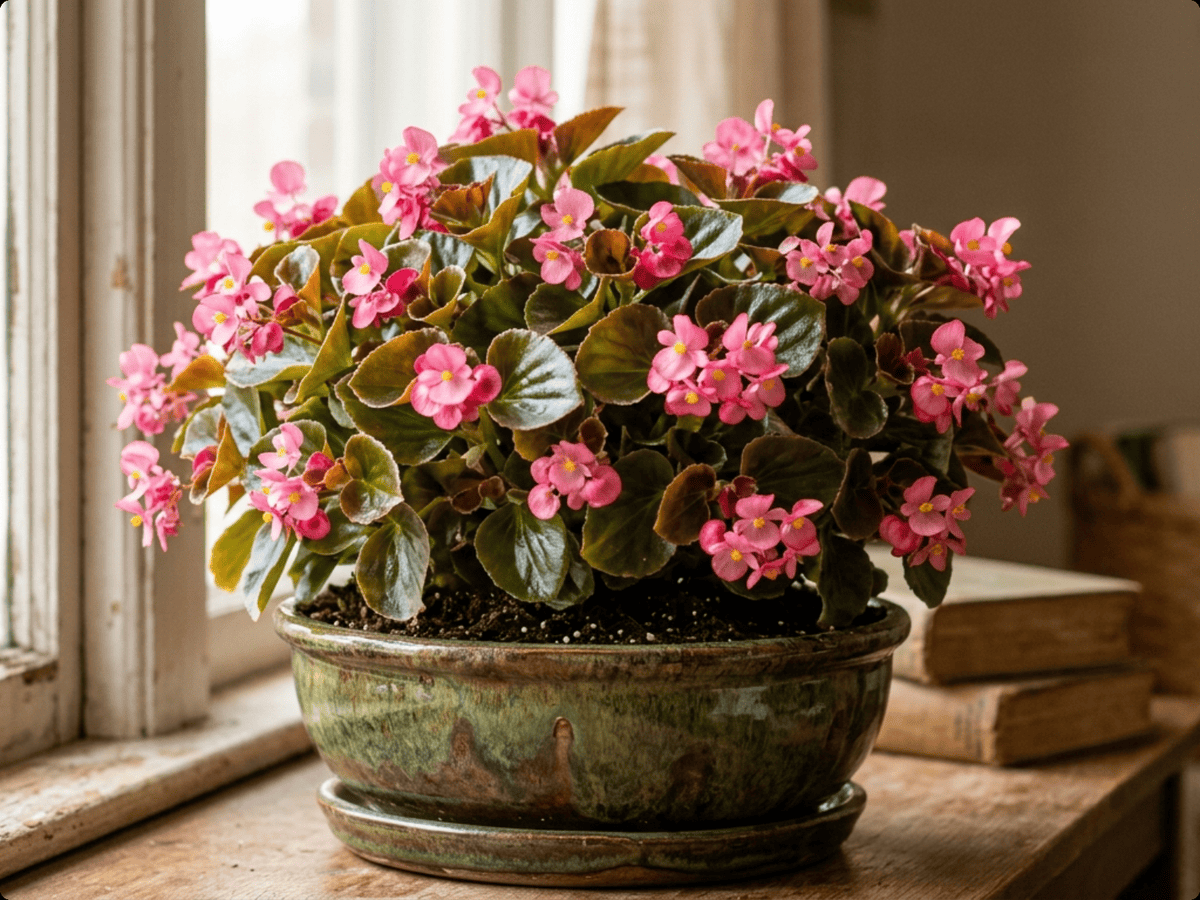


Wax Begonia
Begonia semperflorens
Easy · Beginner friendlyAbout Wax Begonia
Begonia semperflorens, the wax begonia, is a workhorse annual (technically perennial) producing nonstop flowers above waxy, rounded leaves in green or bronze. Flower colors include red, pink, white, and bicolors. At 20–30 cm tall, it is one of the most reliable bedding plants for both sun and shade. The waxy, succulent-like leaves give it moderate drought tolerance. It performs well in heat and humidity where many annuals struggle. The 'Big' series produces larger flowers and broader plants than traditional varieties. It is the second most commercially produced bedding plant in many markets.
- Shade-tolerant
- Heat-tolerant
- Long-blooming
How to care for Wax Begonia
Watering
- Springevery 5 days
- Summerevery 3 days
- Fallevery 7 days
- Winterpause watering
Soil · Well-draining
- Main mixLoam + coarse sand 3:175%
- DrainageGravel25%
Sharp drainage matters most — bulbs rot in wet soil while dormant.
FERTILIZER
Balanced Feed 14-14-14
An even feed covers all three needs at once, keeping leaves, roots and blooms moving together with nothing pushed out of balance.
- Nitrogen · Leaves
- Phosphorus · Roots + Blooms
- Potassium · Strength
- Springevery 21 days
- Summerevery 21 days
At a Glance
- NativeSouth America
- Height0.5–1 ft (0.2–0.3 m)
- Spread0.5–1 ft (0.2–0.3 m)
- Flower colorPink, White
- Foliage colorGreen, Bronze, Red
- SoilWell-drained, Loamy
- LocationsYard · Balcony
Bloom time
BLOOM CYCLE
Peak bloom
Jun–Sep
Nonstop flowers in sun or shade; bronze-leaved types handle more sun; self-cleaning
Fragrance
NO FRAGRANCE
No notable fragrance.
Toxicity
Humans Slight · Pets Moderate
soluble calcium oxalates
Slight
- All
- Ingestion
EXPOSURE Eating any part of the plant.
EFFECT Mild oral irritation from calcium oxalate and rarely consumed.
NOTE Documented concern for humans: Mild oral irritation from calcium oxalate and rarely consumed.
Moderate
- All
- Ingestion
EXPOSURE Eating any part of the plant.
EFFECT Oral irritation, vomiting, difficulty swallowing, kidney failure possible with large ingestion (per ASPCA).
NOTE ASPCA lists Begonia as toxic to dogs, cats, and horses; tubers are the most toxic part.
Moderate
- All
- Ingestion
EXPOSURE Eating any part of the plant.
EFFECT Oral irritation, vomiting, kidney failure possible with large ingestion.
NOTE ASPCA lists Begonia as toxic to dogs, cats, and horses; tubers are the most toxic part.
Educational information, not medical or veterinary advice. If exposure is suspected, contact a doctor or veterinarian.
DISTRIBUTION


- Native
- South America
History

Begonia cucullata (the correct name for what horticulturists call B. semperflorens) is native to Brazil and adjacent parts of South America, growing in the understory of humid forests. It reached European cultivation around 1821 via Berlin Botanic Garden. Nineteenth-century breeders crossed it with B. schmidtiana and other species to produce the semperflorens-cultorum hybrid group, known for bronze or green glossy foliage and continuous summer bloom.
In the 20th century F1 hybrid seed production — led by German and American seed houses — standardized the plant as one of the three top bedding annuals (with petunias and impatiens) for shade and part-shade plantings. The Belgian breeder Benary and Japanese Sakata developed many of the dwarf, self-cleaning series still grown today. Wax begonias owe their ubiquity to one of horticulture's great marketing successes.
In the 1960s, German and Danish breeders developed F1 hybrid seed technology that produced uniform, compact plants ideal for mass bedding — a manufacturing revolution for the ornamental industry. Before this, begonias were grown from cuttings. The 'Cocktail' series (1968) and 'Ambassador' series popularized bronze-leaved varieties. The species name 'semperflorens' (ever-flowering) is accurate — they genuinely never stop blooming. In frost-free regions, plants can survive for years, becoming small shrubs.
Symbolism & meaning
What It Symbolizes
Wax Begonia looks almost too tidy to be dangerous, with polished leaves and small continuous flowers; that is why its Victorian message, beware, feels so sharp. The plant asks the viewer to look twice, past prettiness into intention. In a bouquet it was a gentle warning wrapped in charm, a reminder that beauty and caution can share the same stem.
- Caution — In Victorian flower language, begonias meant 'beware' — a warning hidden in beauty
Where the Name Comes From
Begonia honors Michel Bégon, French colonial governor. Semperflorens means 'always flowering.'
Uses & Fun Facts
- Compact bedder ideal for shaded patio pots and edging
- Continuous pink white or red blooms in shaded borders
Related plants
More Begonia plants
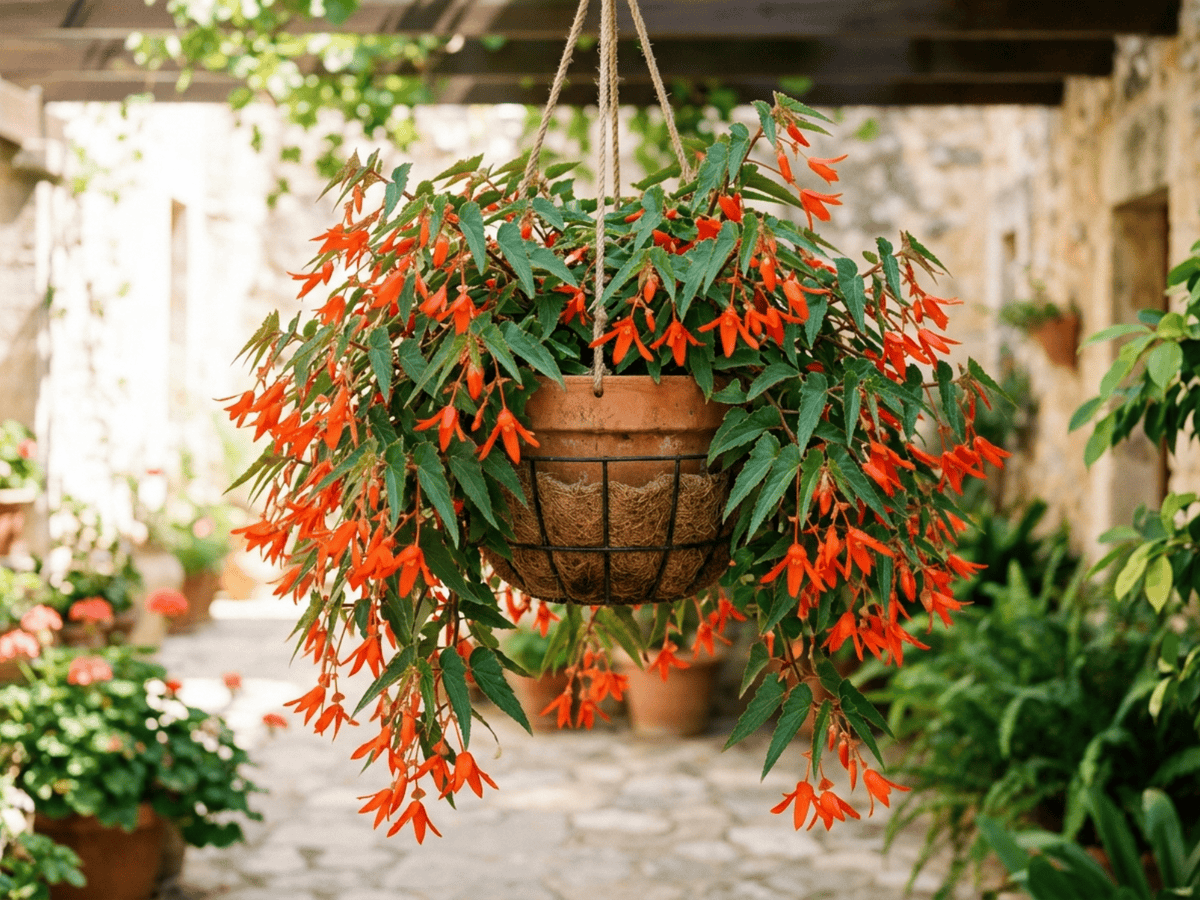 Tuberous BegoniaBegonia boliviensis
 Hardy BegoniaBegonia grandis
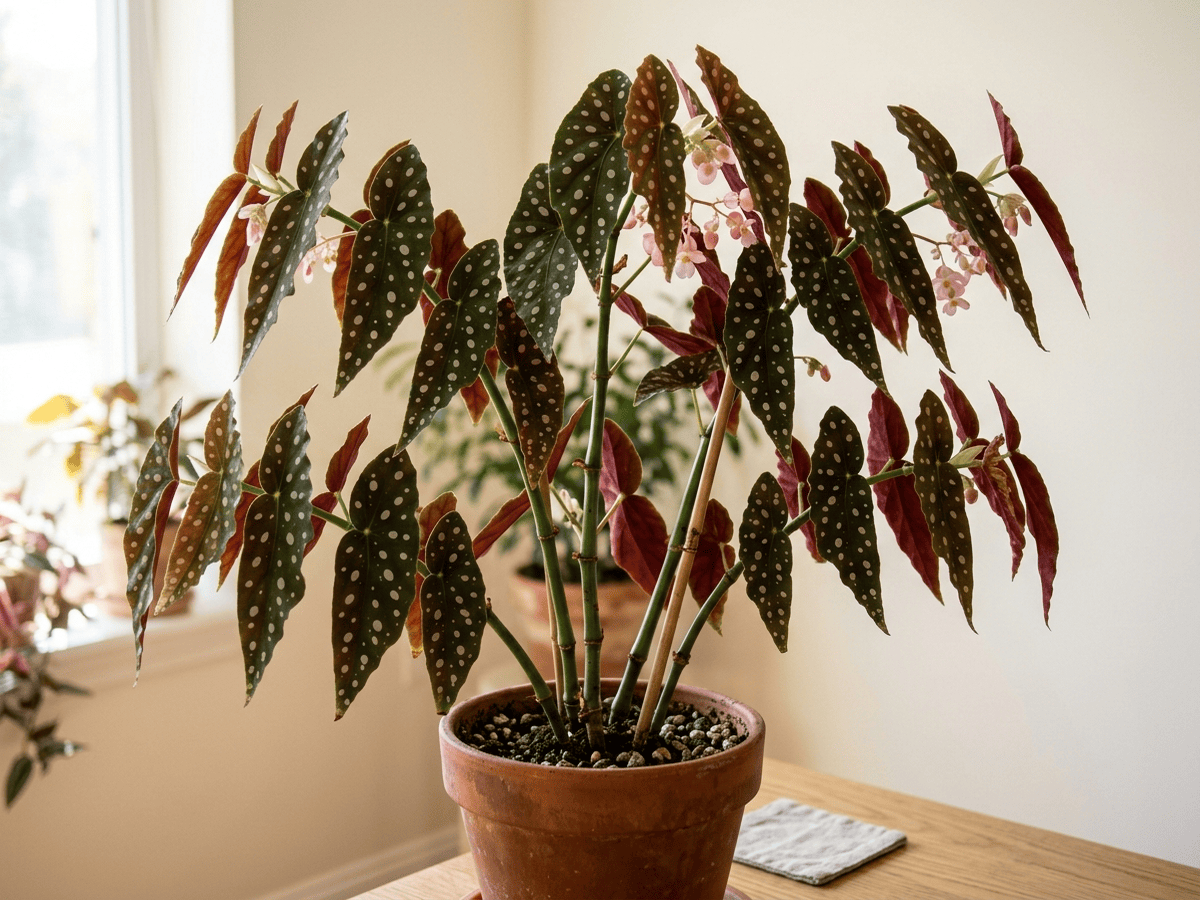 Polka Dot BegoniaBegonia maculata
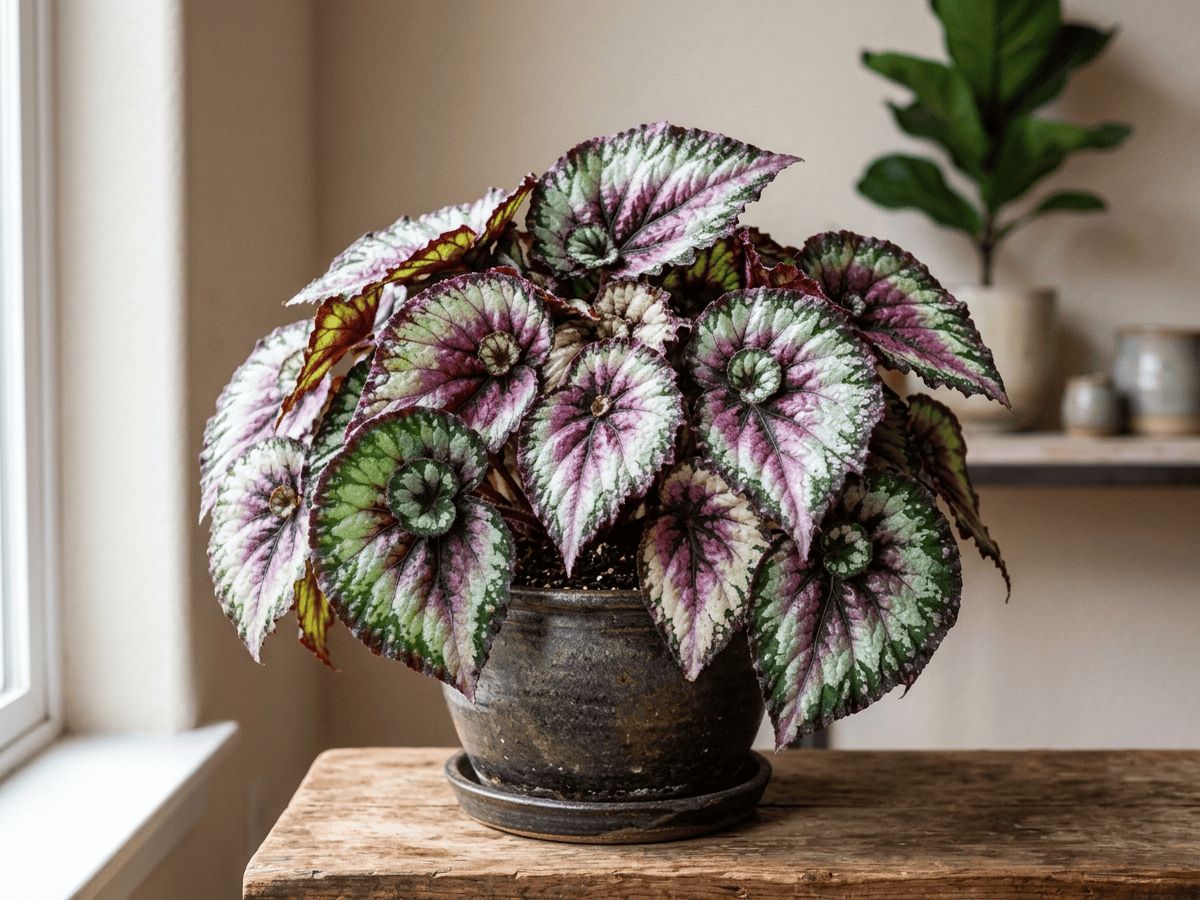 King BegoniaBegonia rex
Plants with similar care
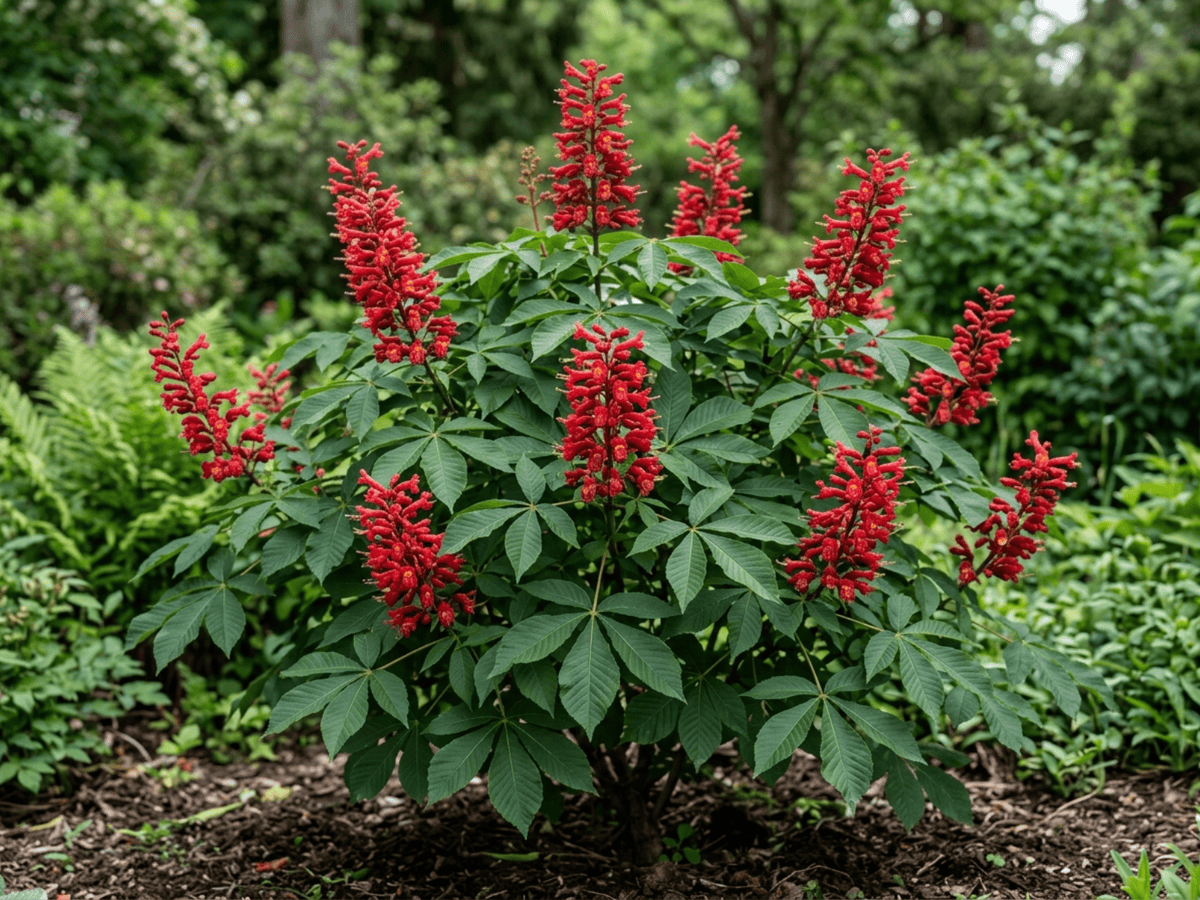 Red BuckeyeAesculus pavia
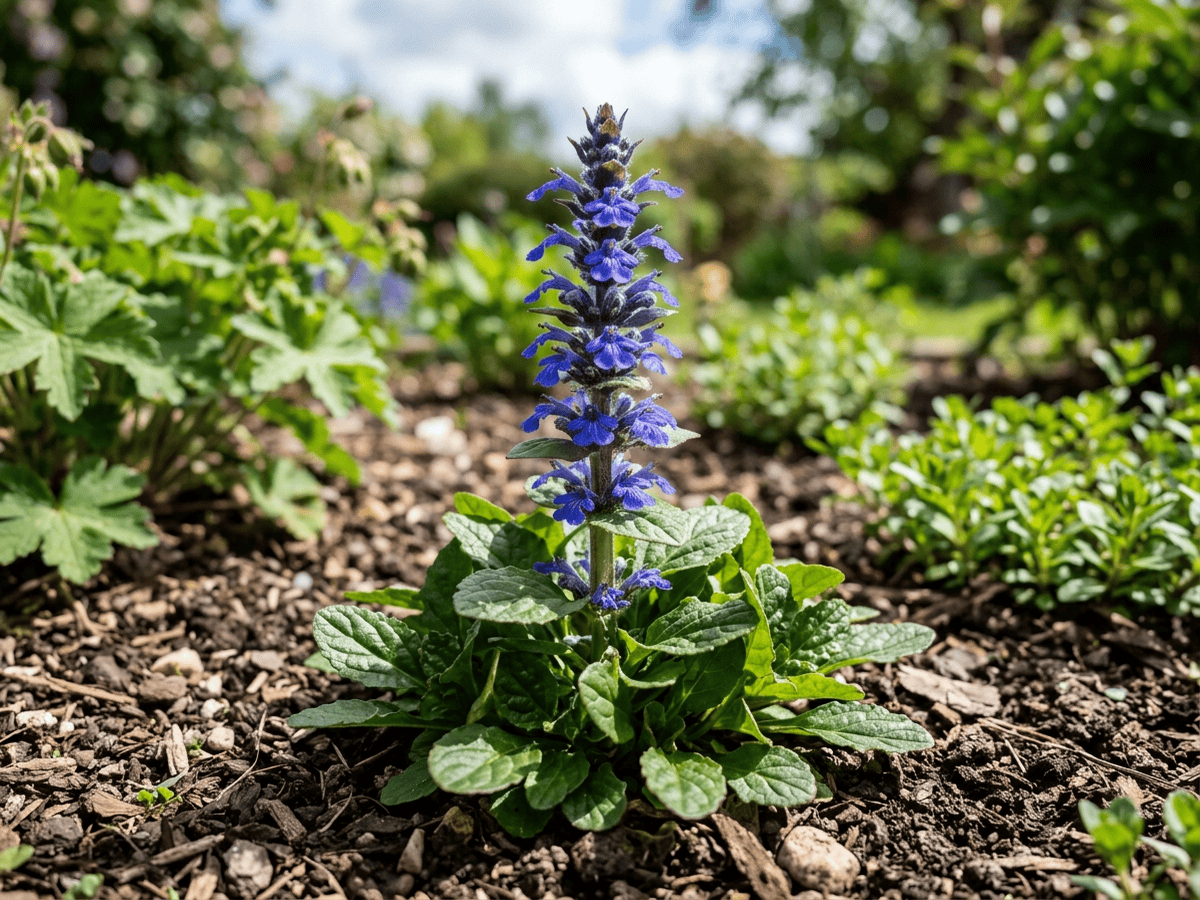 Blue BugleAjuga genevensis
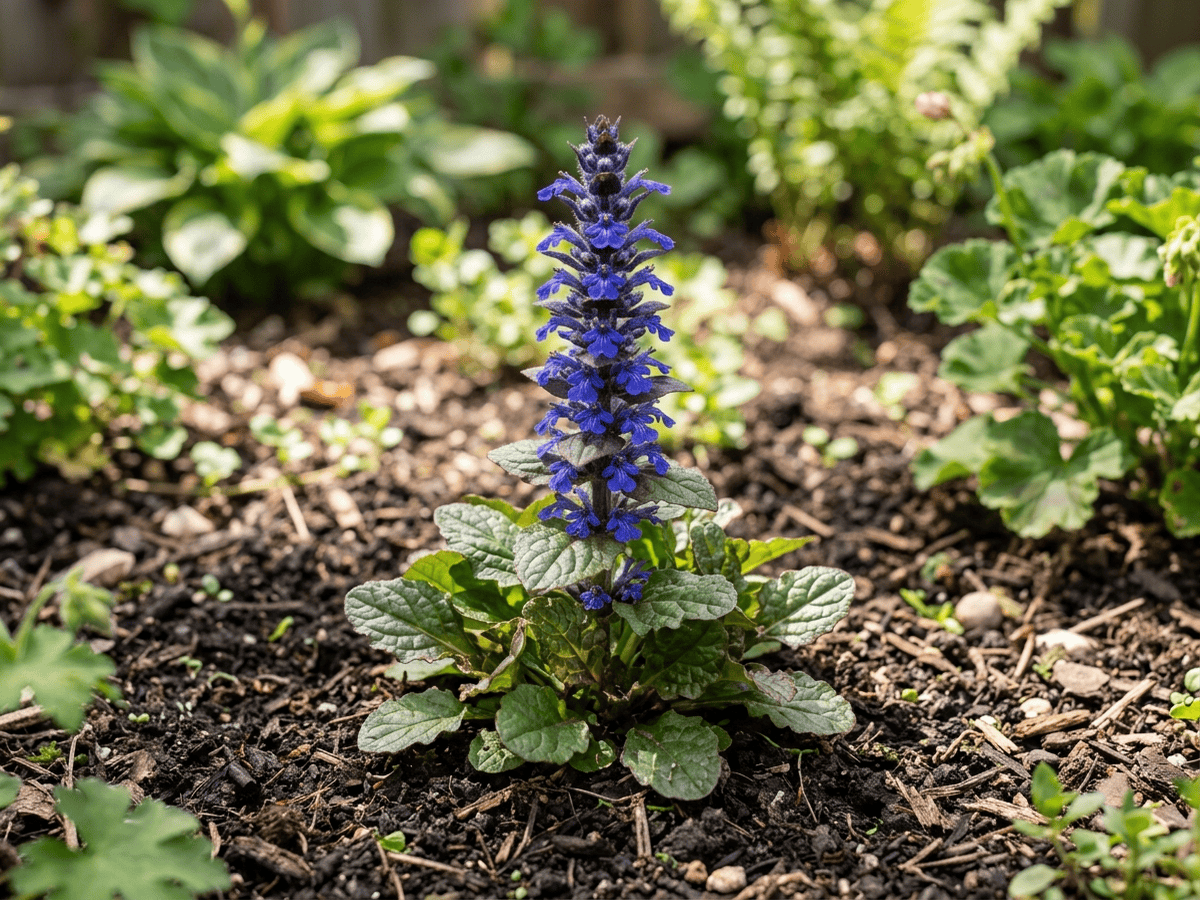 Pyramidal BugleAjuga pyramidalis
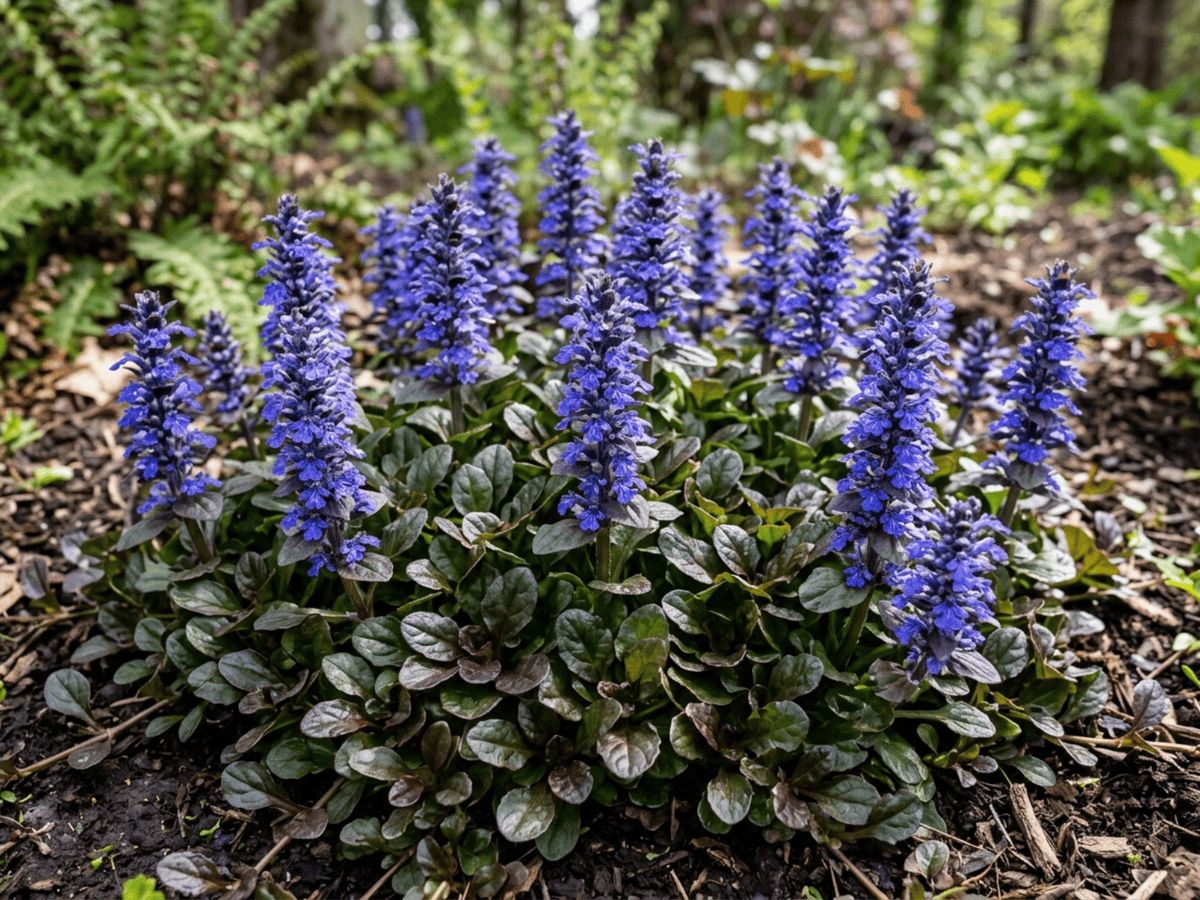 Carpet BugleAjuga reptans
Frequently asked questions
How often should I water Wax Begonia?
Water about every 5 days during the growing season, and always let excess water drain away.
How much light does Wax Begonia need?
Part shade: 2–4 hrs direct. Watch the leaves — scorching or stretching means the light needs adjusting.
Is Wax Begonia toxic to cats or dogs?
Pets Moderate (Dogs Moderate · Cats Moderate) Educational information, not medical or veterinary advice. If exposure is suspected, contact a doctor or veterinarian.
Is Wax Begonia easy to grow?
Yes — it is considered an easy, beginner-friendly plant.
When does Wax Begonia bloom?
It typically blooms Jun–Sep in the Northern Hemisphere.
YardMate
Identify any plant in seconds
Snap a photo — YardMate names the plant, diagnoses problems, and reminds you when to water.
Download on the App Store