 YardMate

King Begonia
Begonia rex
Medium · Some experienceAbout King Begonia
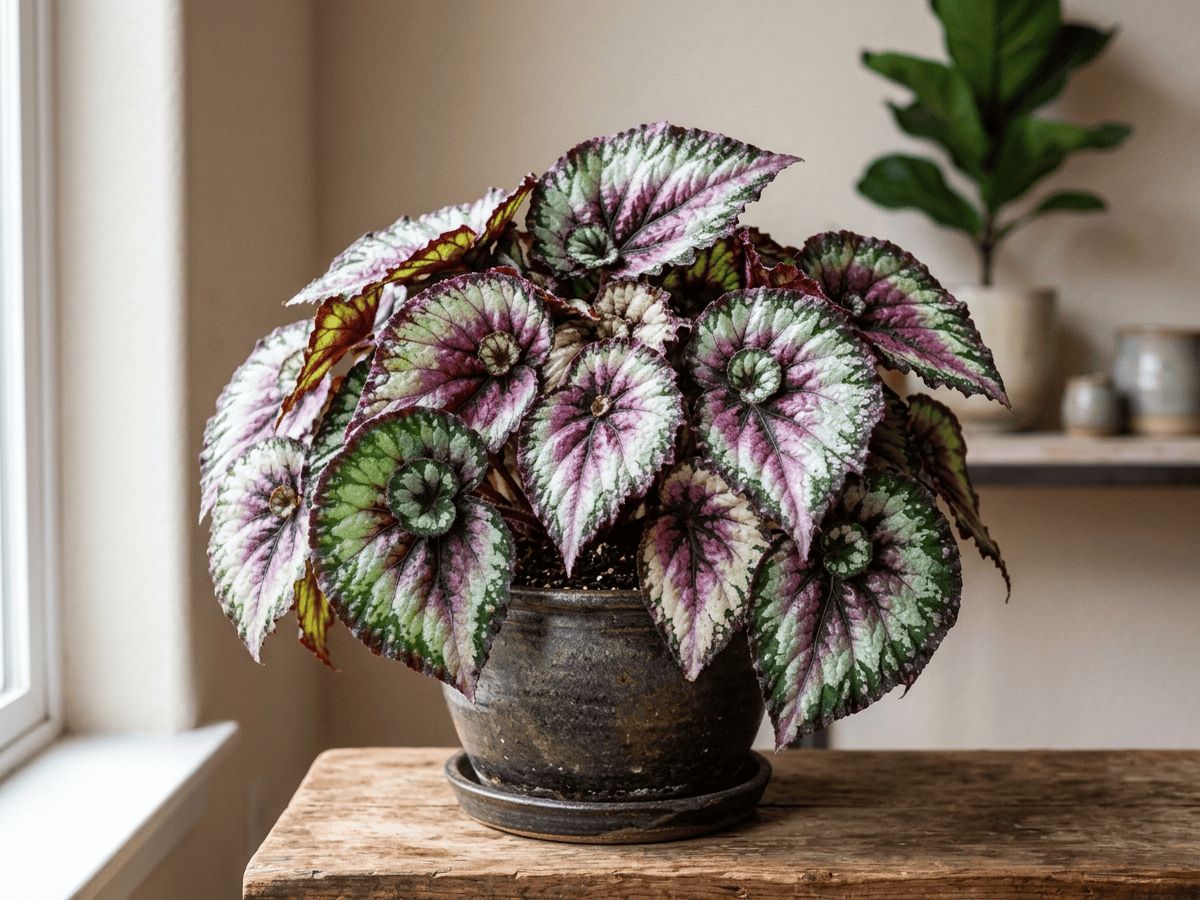
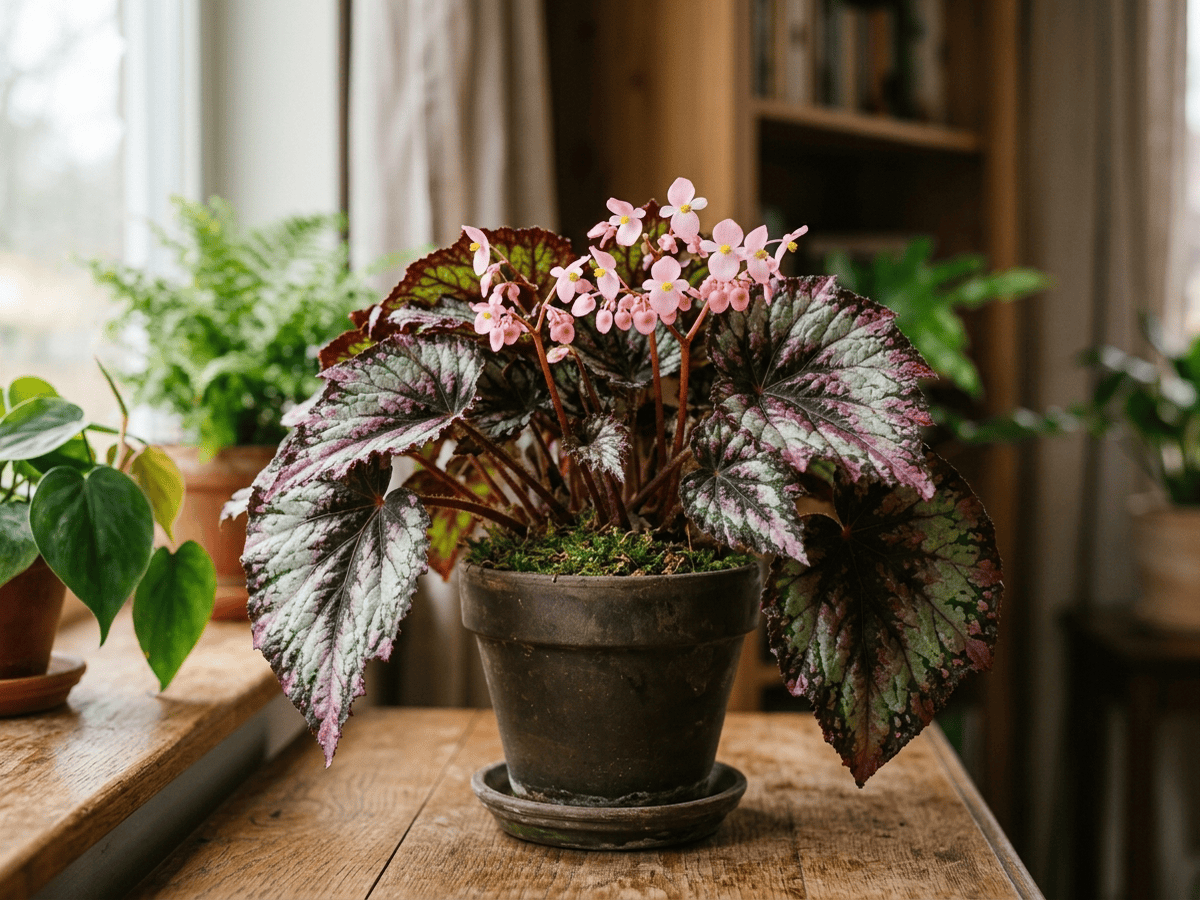
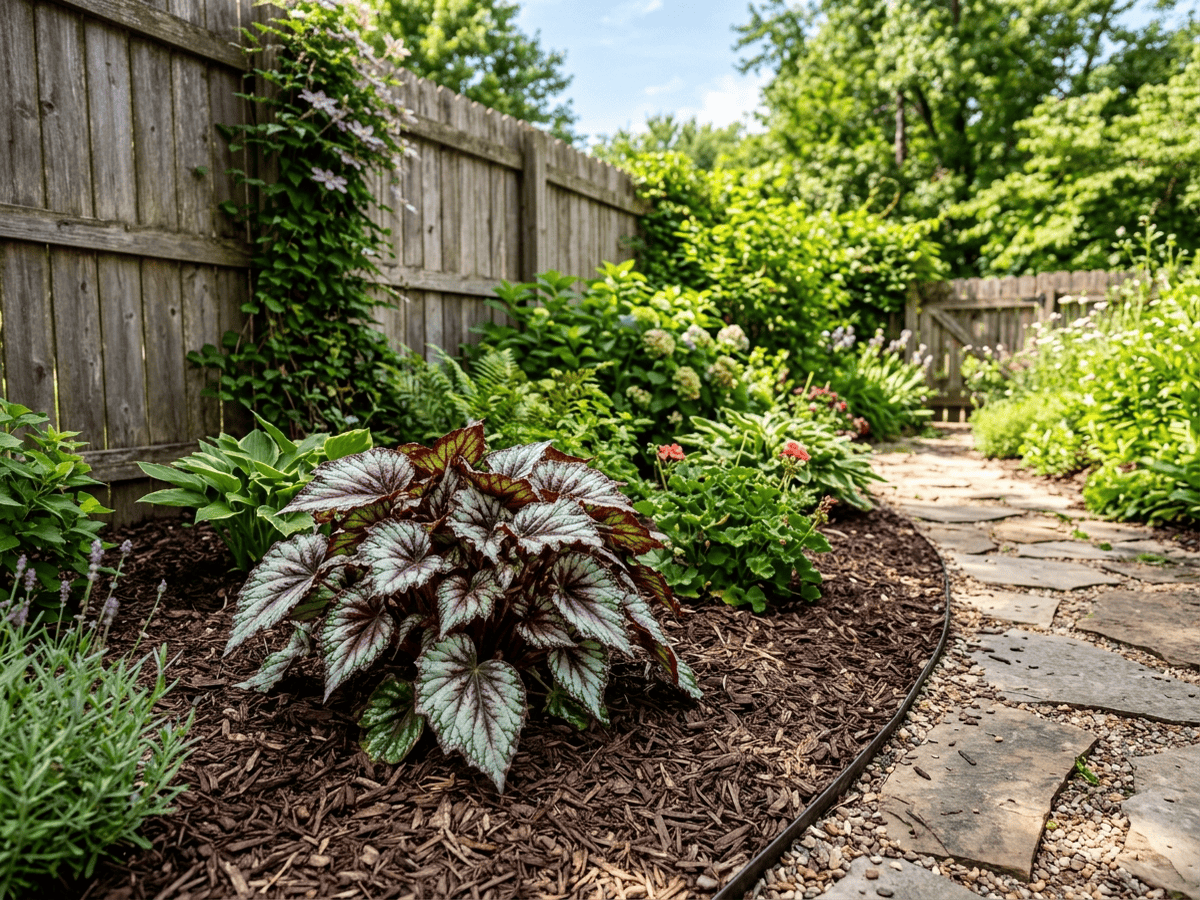
Begonia rex, the king begonia, produces some of the most spectacularly colored foliage in the plant kingdom. Leaves display spiraling patterns of silver, purple, pink, red, green, and black — often with a metallic sheen. Native to northeastern India and southern China, it is a rhizomatous species grown exclusively for foliage. Hundreds of cultivars exist, each a unique living painting. It prefers bright indirect light, moderate humidity, and careful watering — the rhizome is prone to rot if kept too wet. Leaves can be propagated by cutting veins and pressing onto moist soil.
- Tropical
- Shade-tolerant
- Container-friendly
- Compact
How to care for King Begonia
Watering
- Springevery 5 days
- Summerevery 4 days
- Fallevery 7 days
- Winterevery 10 days
Soil · Well-draining
- Main mixLoam + coarse sand 3:175%
- DrainageGravel25%
Sharp drainage matters most — bulbs rot in wet soil while dormant.
FERTILIZER
Balanced Feed 14-14-14
An even feed covers all three needs at once, keeping leaves, roots and blooms moving together with nothing pushed out of balance.
- Nitrogen · Leaves
- Phosphorus · Roots + Blooms
- Potassium · Strength
- Springevery 30 days
- Summerevery 30 days
- Fallevery 60 days
At a Glance
- NativeSouth Asia
- Height1–1.5 ft (0.3–0.5 m)
- Spread1–1.5 ft (0.3–0.5 m)
- Flower colorPink, White
- Foliage colorGreen, Silver, Red, Purple
- SoilLoamy, Well-drained, Moisture-retentive
- LocationsIndoor
Bloom time
BLOOM CYCLE
Peak bloom
Jun–Aug
Small pink flowers; often pinched off to favor foliage
Fragrance
NO FRAGRANCE
Not fragrant.
Toxicity
Humans Slight · Pets Slight
soluble calcium oxalates
Slight
- Root
- Leaf
- Ingestion
EXPOSURE Eating roots and leaves.
EFFECT Oral burning and GI upset if consumed and rhizome more toxic than foliage.
NOTE Toxicity is concentrated in the rhizome; above-ground leaves are only mildly irritating.
Slight
- Root
- Leaf
- Ingestion
EXPOSURE Eating roots and leaves.
EFFECT Kidney failure in grazing livestock recorded, but small ingestions in dogs typically cause vomiting and drooling and per ASPCA.
NOTE Toxicity is concentrated in the rhizome; above-ground leaves are only mildly irritating.
Slight
- Root
- Leaf
- Ingestion
EXPOSURE Eating roots and leaves.
EFFECT Vomiting, drooling, oral irritation and per ASPCA.
NOTE Toxicity is concentrated in the rhizome; above-ground leaves are only mildly irritating.
Educational information, not medical or veterinary advice. If exposure is suspected, contact a doctor or veterinarian.
DISTRIBUTION


- Native
- Introduced
- South Asia
History
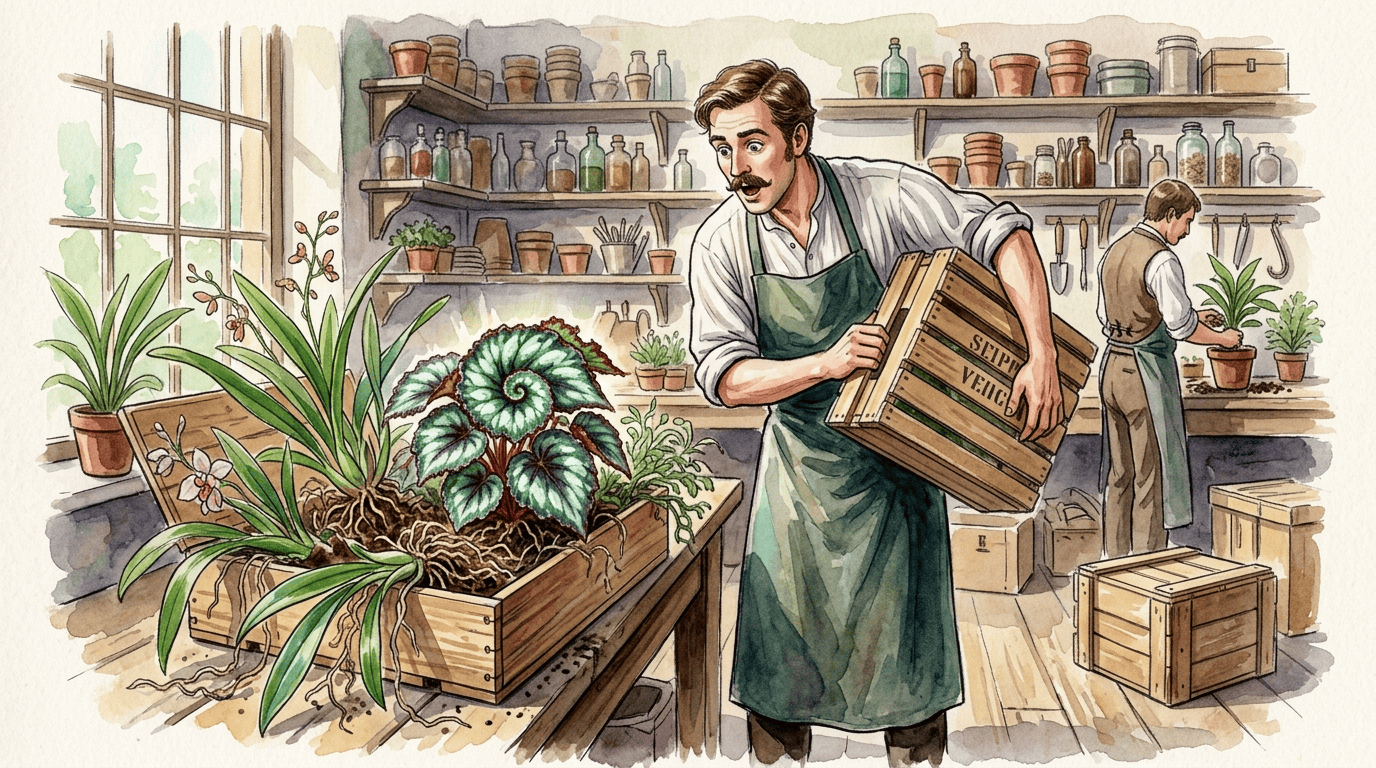
Begonia rex is native to northeast India, particularly Arunachal Pradesh and Assam, where it grows in the humid shaded understory of subtropical forest. Its introduction to Western horticulture in 1858 is a well-documented accident: a shipment of orchids from Assam arrived at the London firm of James Veitch & Sons containing a single unplanned-for plant with dramatic silver-green leaves. Within months European nurseries were cross-breeding it with other Asian begonias, and by 1870 the hundreds of 'Rex cultorum' hybrids that resulted had become a defining glasshouse obsession of Victorian horticulture.
Modern cultivars — thousands of named forms — show metallic silver, deep maroon, near-black, spiral, and iridescent leaves. Mildly toxic to pets, primarily through soluble calcium oxalate concentrated in the underground rhizome. Begonia rex was discovered in 1856 growing on the root of a shipment of orchids sent to England from Assam, India.
The hitchhiker plant caused a sensation — its metallic, spiraling leaves were unlike anything European horticulturists had seen. Within years, hybridizers produced hundreds of cultivars, launching a 'Rex craze' in Victorian England. The genus Begonia, with over 2,000 species, is named after Michel Bégon, a 17th-century French colonial governor and avid plant collector who sponsored botanical expeditions to the Caribbean. Today, the American Begonia Society maintains records of thousands of registered cultivars.
Symbolism & meaning
What It Symbolizes
King Begonia is a celebration of uniqueness — no two of its silver-swirled, plum-veined leaves are ever truly identical. Each plant produces its own private gallery of patterns, an argument in foliage for the value of individuality. To grow Rex begonias is to keep a small, ongoing collection of one-of-a-kind paintings that happen to be alive.
- Uniqueness — No two Rex begonia leaves are identical, celebrating individuality
Where the Name Comes From
Begonia honors Michel Bégon (1638–1710), French colonial governor and plant patron. Rex means 'king,' acknowledging this species' supremacy in foliage beauty.
Uses & Fun Facts
- Patterned foliage favored in shaded patio and indoor pots
- Silver, burgundy, and green leaf paintings for shade displays
Related plants
More Begonia plants
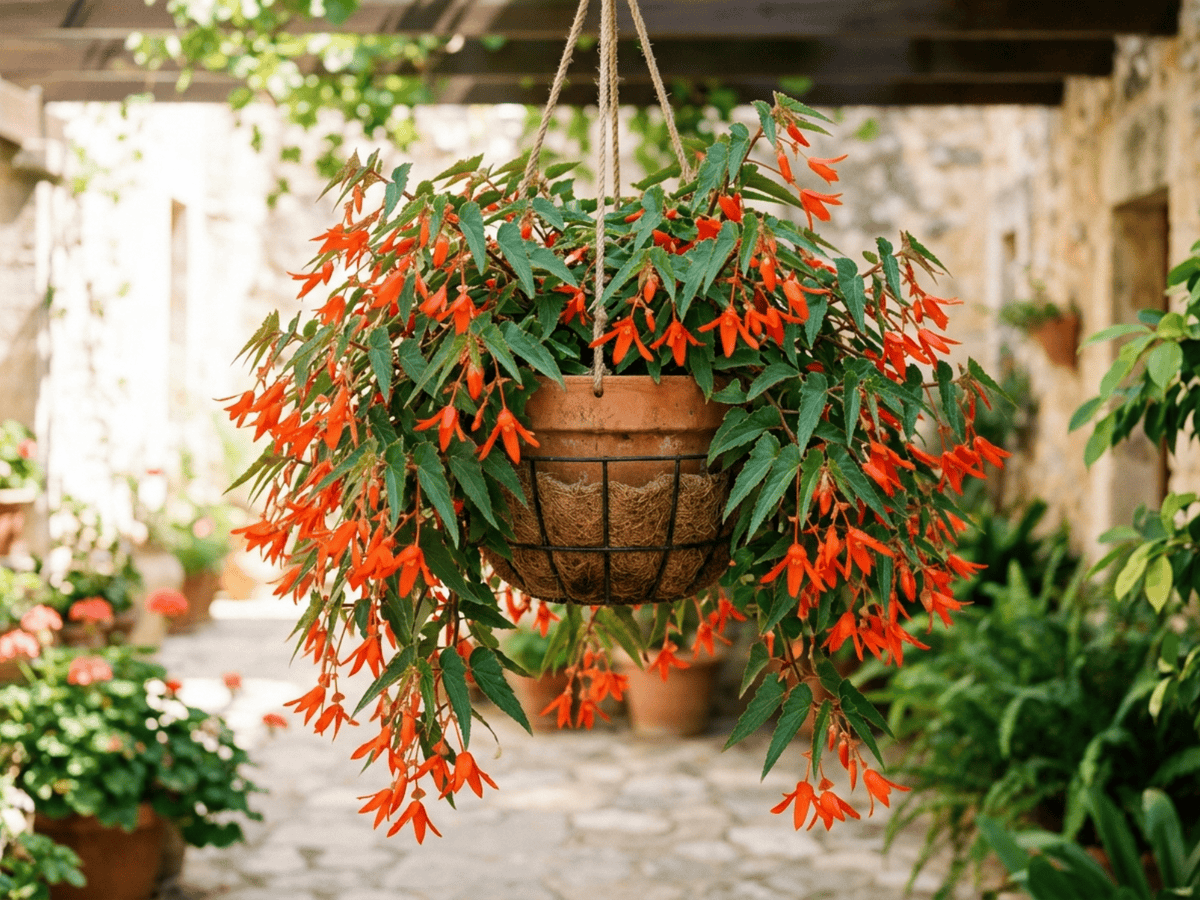 Tuberous BegoniaBegonia boliviensis
 Hardy BegoniaBegonia grandis
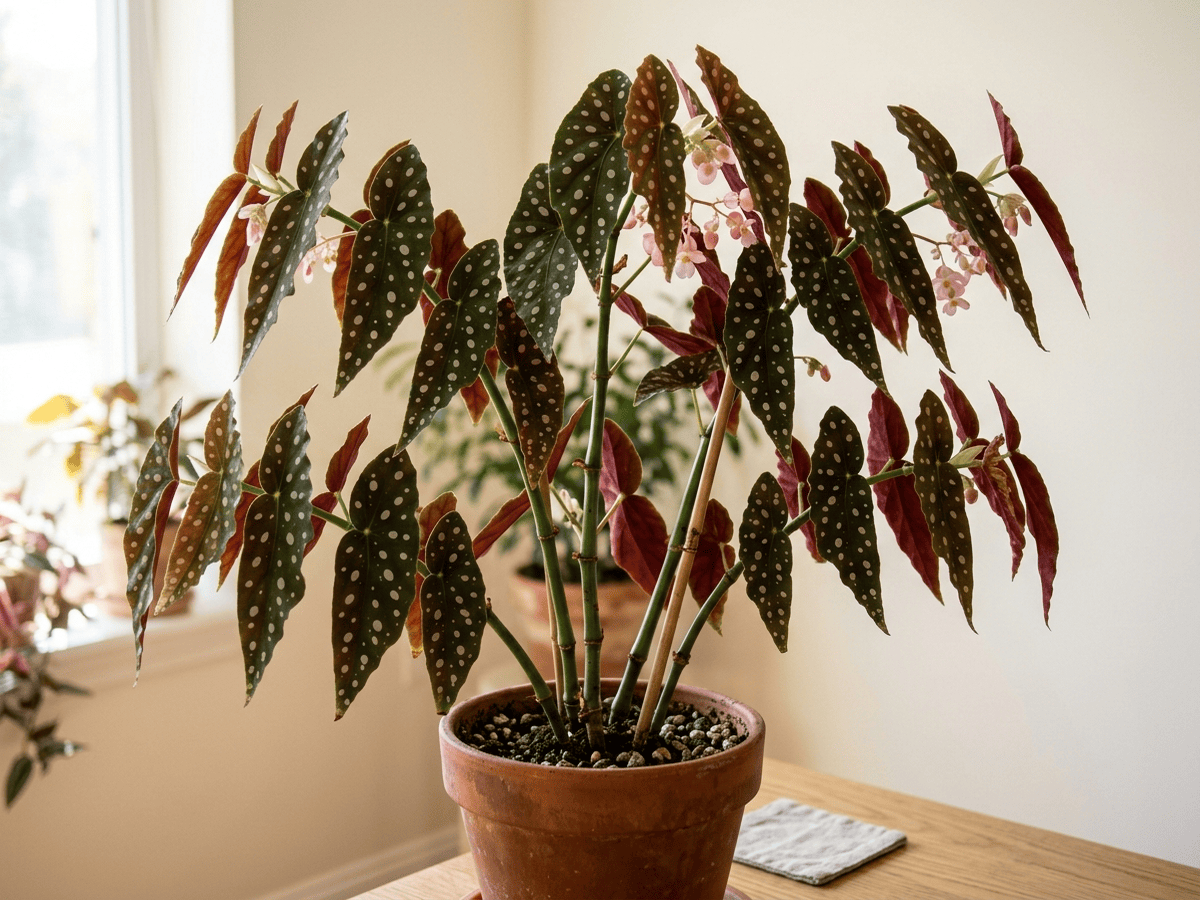 Polka Dot BegoniaBegonia maculata
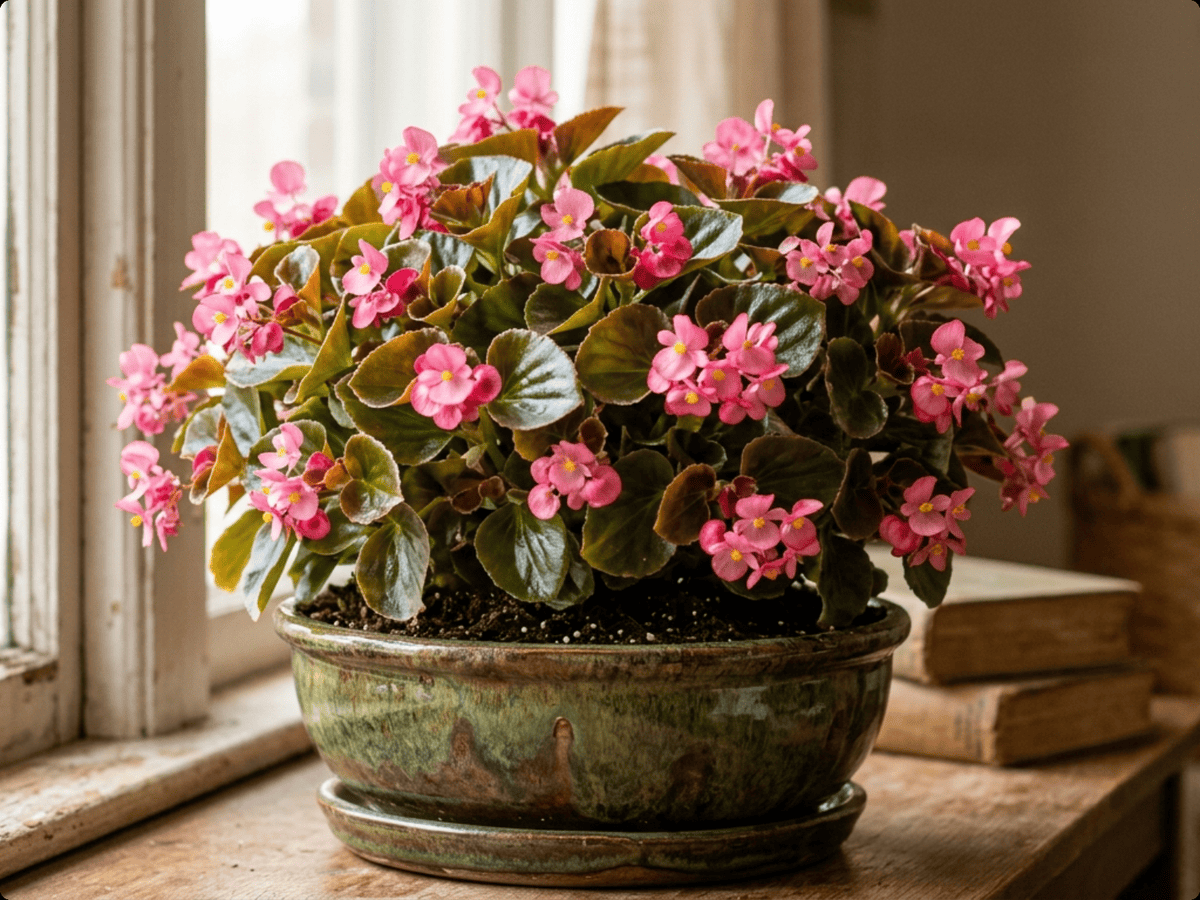 Wax BegoniaBegonia semperflorens
Plants with similar care
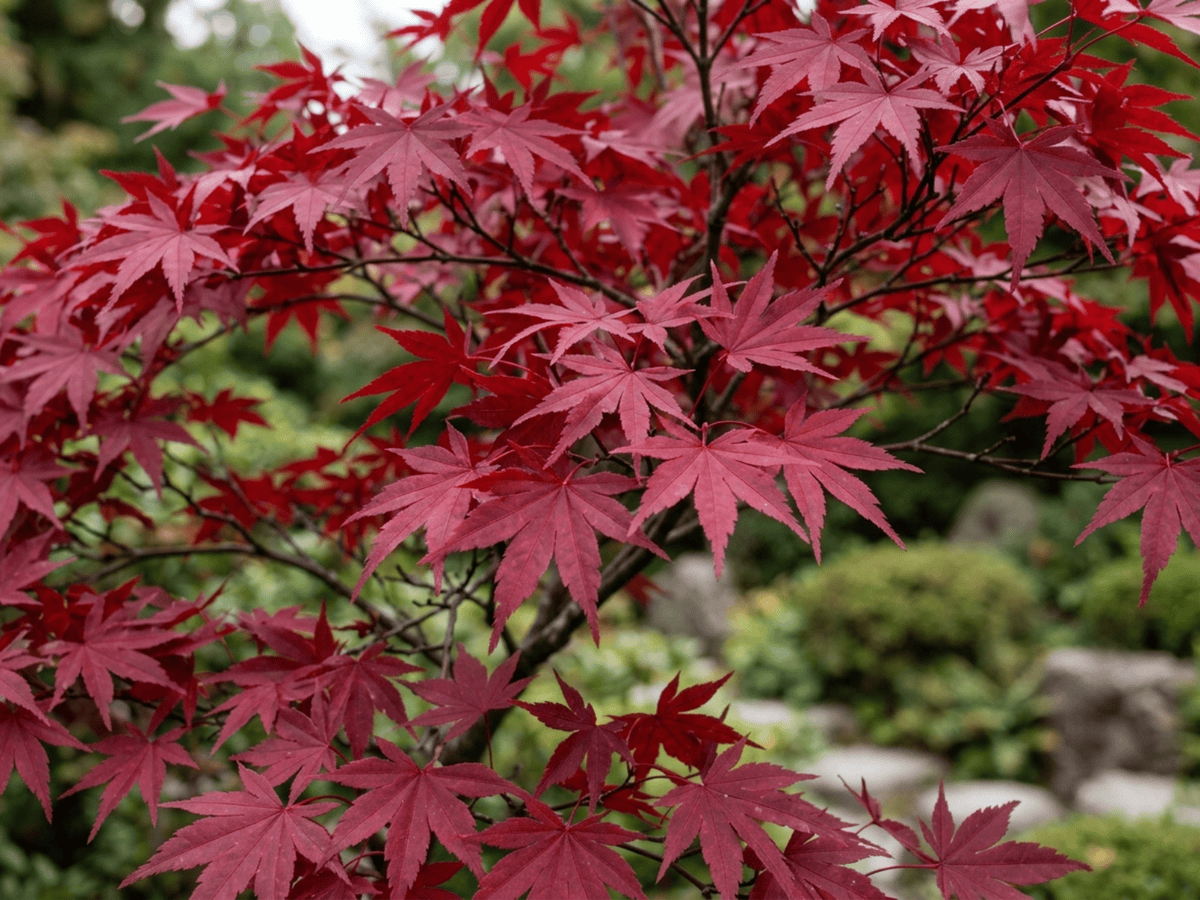 Japanese MapleAcer palmatum
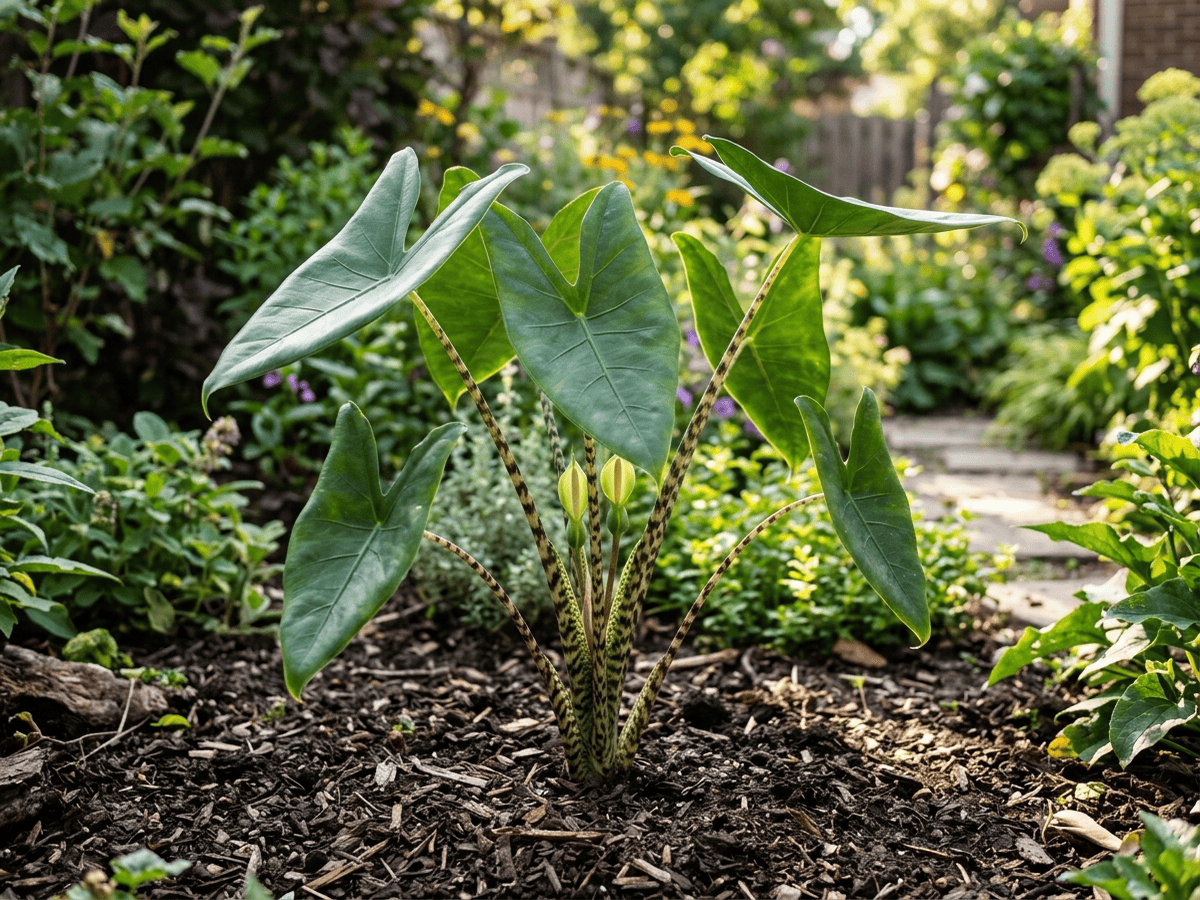 Alocasia zebrinaAlocasia zebrina
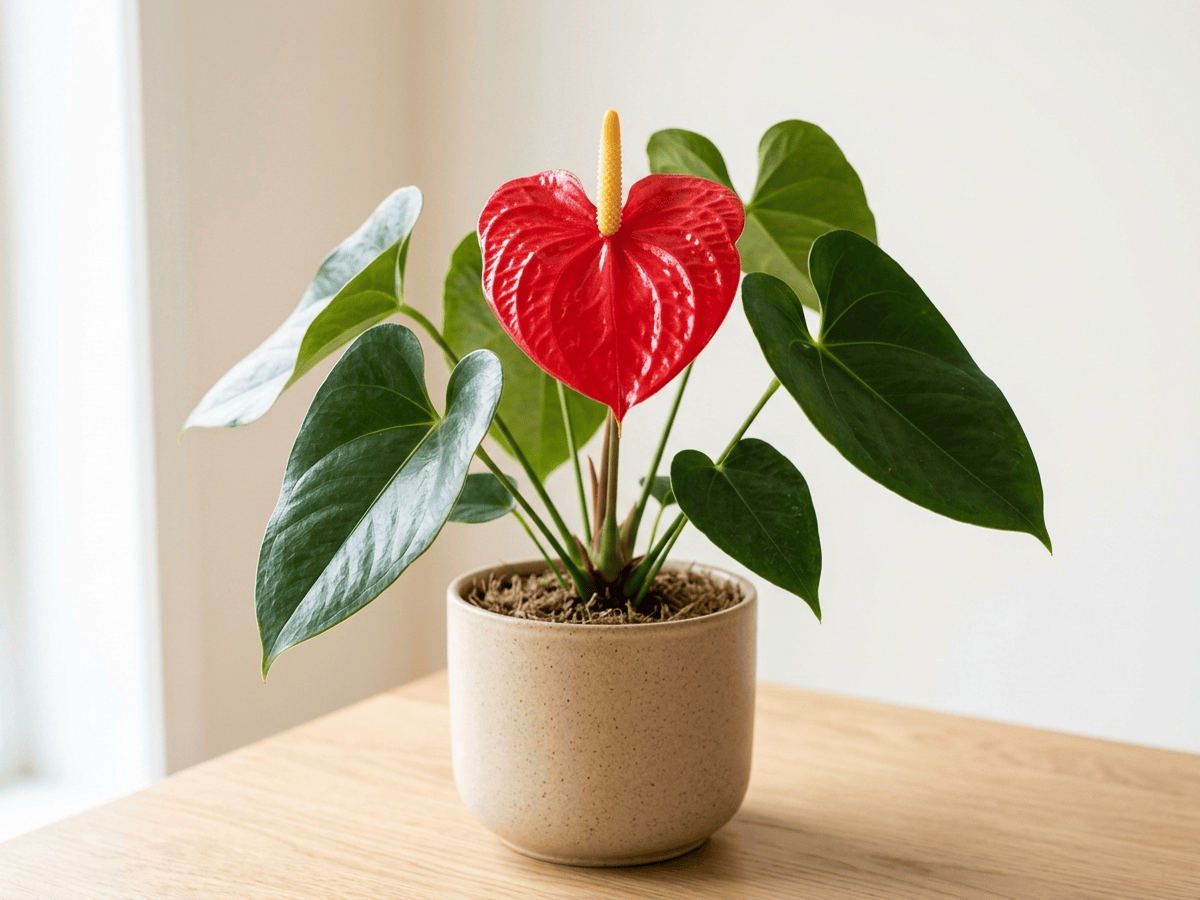 Painter's-PaletteAnthurium andraeanum
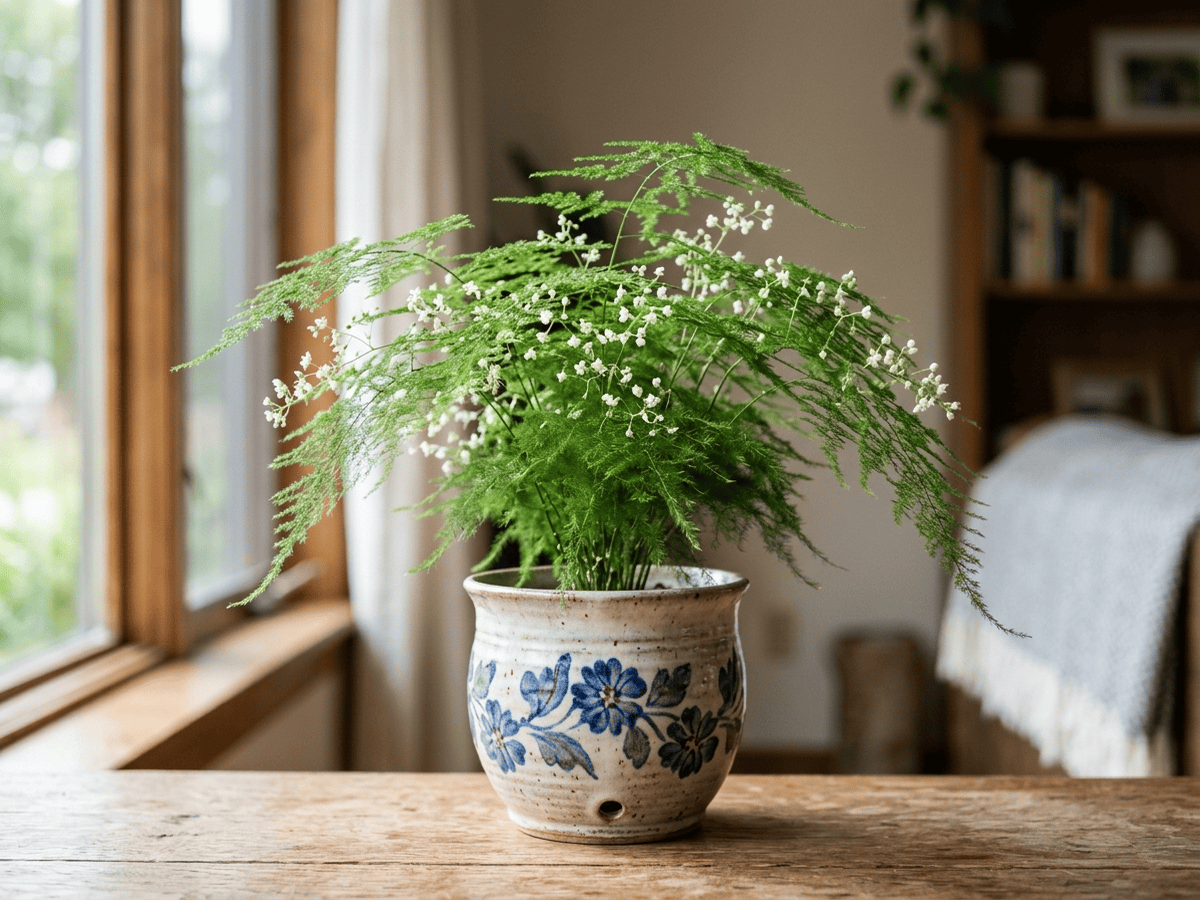 Common Asparagus FernAsparagus setaceus
Frequently asked questions
How often should I water King Begonia?
In summer, water about every 4 days; in winter, about every 10 days. Adjust for heat, pot size and drainage.
How much light does King Begonia need?
Part shade: 2–4 hrs direct. Watch the leaves — scorching or stretching means the light needs adjusting.
Is King Begonia toxic to cats or dogs?
Pets Slight (Dogs Slight · Cats Slight) Educational information, not medical or veterinary advice. If exposure is suspected, contact a doctor or veterinarian.
Is King Begonia easy to grow?
It is moderately demanding: a good choice once you have a little experience.
Can King Begonia be grown indoors?
Yes, it adapts well to indoor growing given the right light.
When does King Begonia bloom?
It typically blooms Jun–Aug in the Northern Hemisphere.
YardMate
Identify any plant in seconds
Snap a photo — YardMate names the plant, diagnoses problems, and reminds you when to water.
Download on the App Store