 YardMate

Polka Dot Begonia
Begonia maculata
Medium · Some experienceAbout Polka Dot Begonia
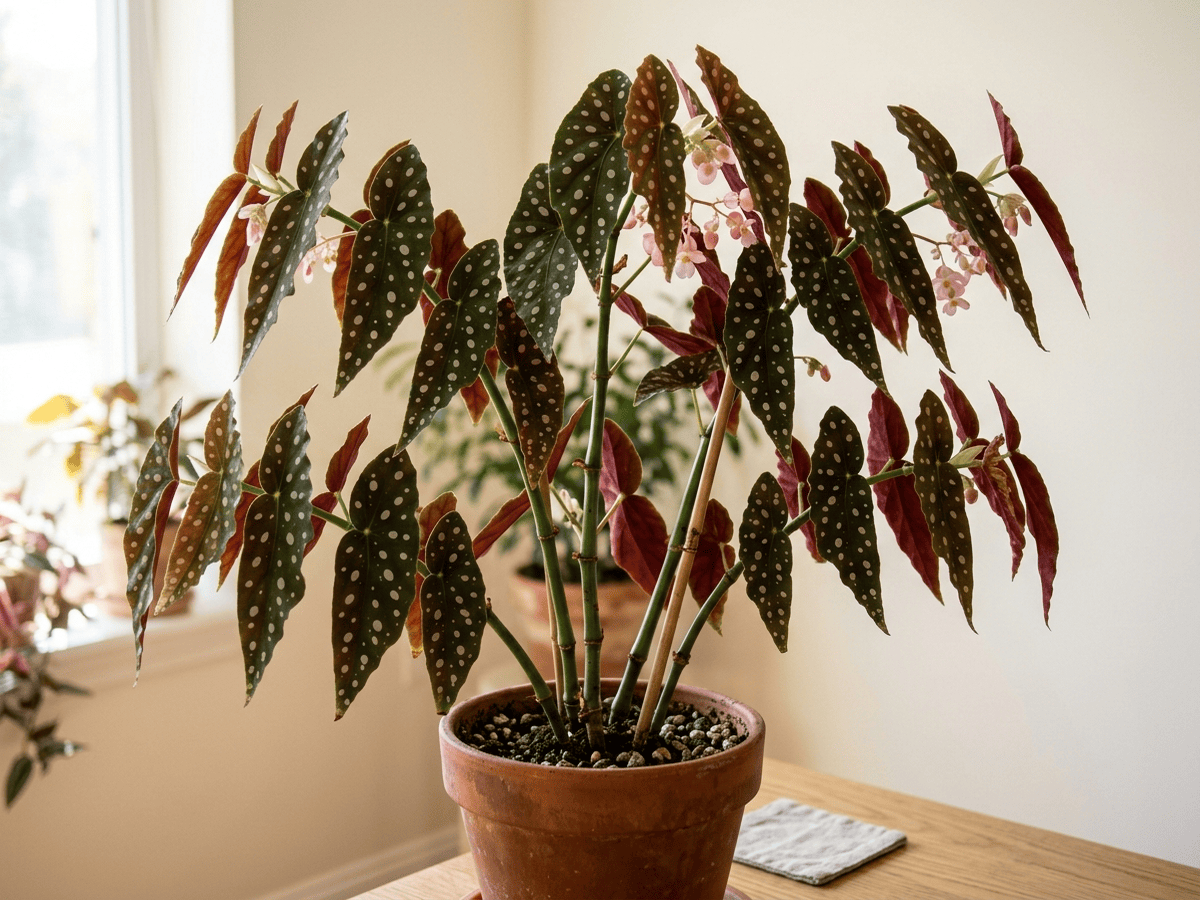
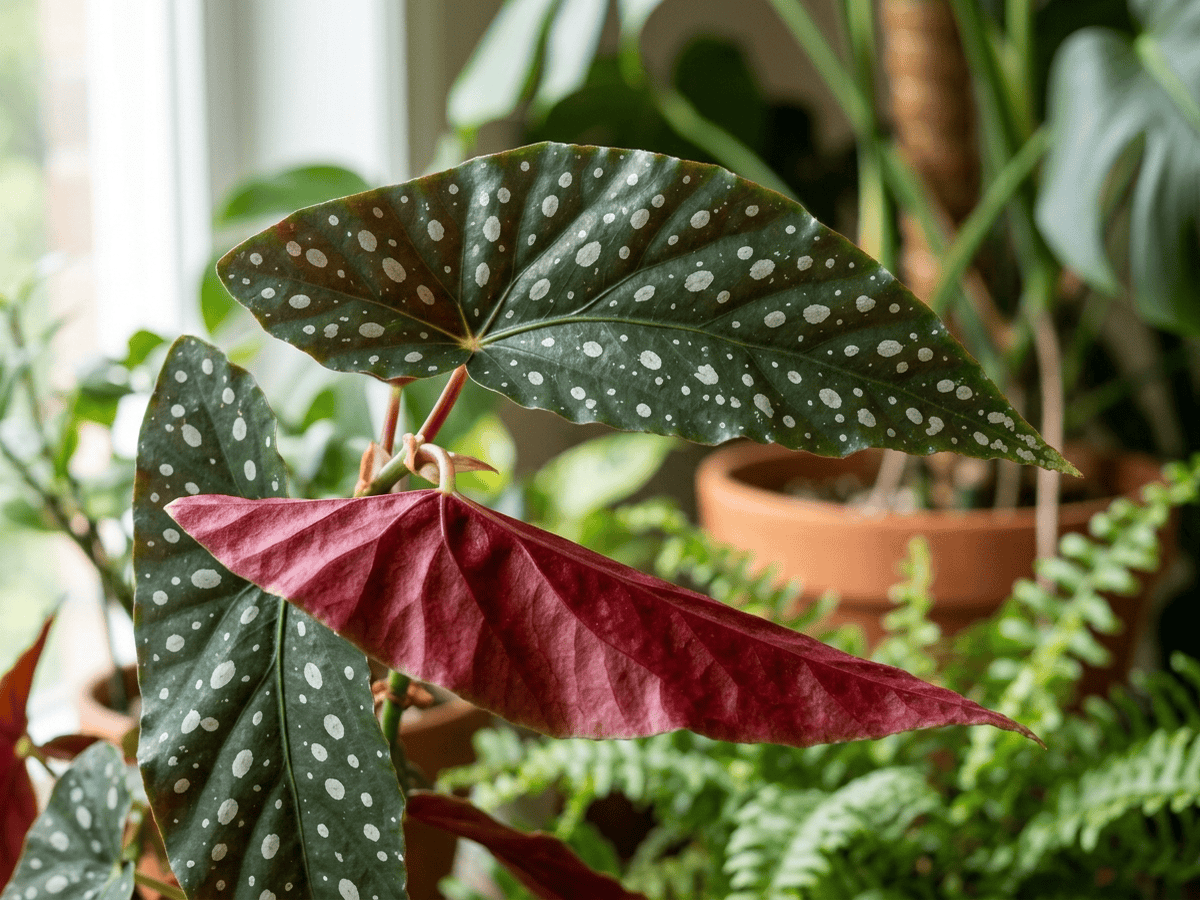
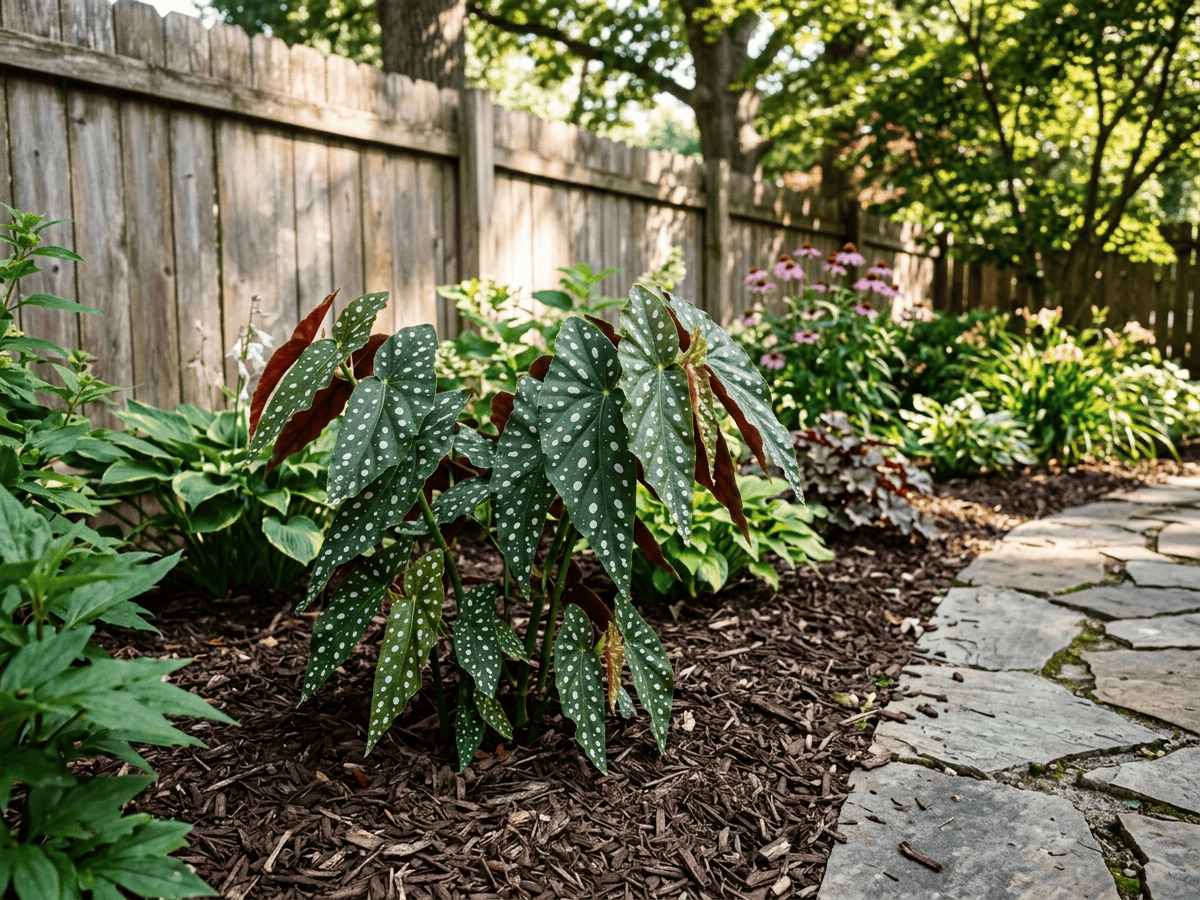
Begonia maculata, the polka dot begonia, is a cane-type begonia with elongated angel-wing leaves covered in silver polka dots on top and dramatic deep red undersides. Native to southeastern Brazil, it grows upright to about 1 meter with bamboo-like stems. The striking pattern has made it a social media darling since 2018. It produces graceful clusters of white or pale pink flowers. The plant prefers bright indirect light, well-draining soil, and moderate humidity. Regular pruning keeps it bushy; otherwise it becomes leggy and top-heavy.
- Tropical
- Shade-tolerant
- Container-friendly
- Architectural
How to care for Polka Dot Begonia
Watering
- Springevery 5 days
- Summerevery 4 days
- Fallevery 7 days
- Winterevery 10 days
Soil · Well-draining
- Main mixLoam + coarse sand 3:175%
- DrainageGravel25%
Sharp drainage matters most — bulbs rot in wet soil while dormant.
FERTILIZER
Balanced Feed 14-14-14
An even feed covers all three needs at once, keeping leaves, roots and blooms moving together with nothing pushed out of balance.
- Nitrogen · Leaves
- Phosphorus · Roots + Blooms
- Potassium · Strength
- Springevery 30 days
- Summerevery 30 days
- Fallevery 60 days
At a Glance
- NativeSouth America
- Height2–4 ft (0.6–1.2 m)
- Spread1–2 ft (0.3–0.6 m)
- Flower colorWhite, Pink
- Foliage colorGreen, Silver, Red
- SoilLoamy, Well-drained, Rich
- LocationsIndoor
Bloom time
BLOOM CYCLE
Peak bloom
Mar–Aug
White or pink pendulous flower clusters in spring/summer
Fragrance
NO FRAGRANCE
Not fragrant.
Toxicity
Humans Slight · Pets Slight
soluble calcium oxalates
Slight
- Root
- Leaf
- Ingestion
EXPOSURE Eating roots and leaves.
EFFECT Oral burning, GI upset and rhizome and stem base are the most irritating parts.
NOTE All Begonia species share similar mild toxicity; concentrated in underground parts.
Slight
- Root
- Leaf
- Ingestion
EXPOSURE Eating roots and leaves.
EFFECT Vomiting, drooling, oral irritation and per ASPCA Begonia listing.
NOTE All Begonia species share similar mild toxicity; concentrated in underground parts.
Slight
- Root
- Leaf
- Ingestion
EXPOSURE Eating roots and leaves.
EFFECT Vomiting, drooling, oral irritation and per ASPCA Begonia listing.
NOTE All Begonia species share similar mild toxicity; concentrated in underground parts.
Educational information, not medical or veterinary advice. If exposure is suspected, contact a doctor or veterinarian.
DISTRIBUTION


- Native
- Introduced
- South America
History
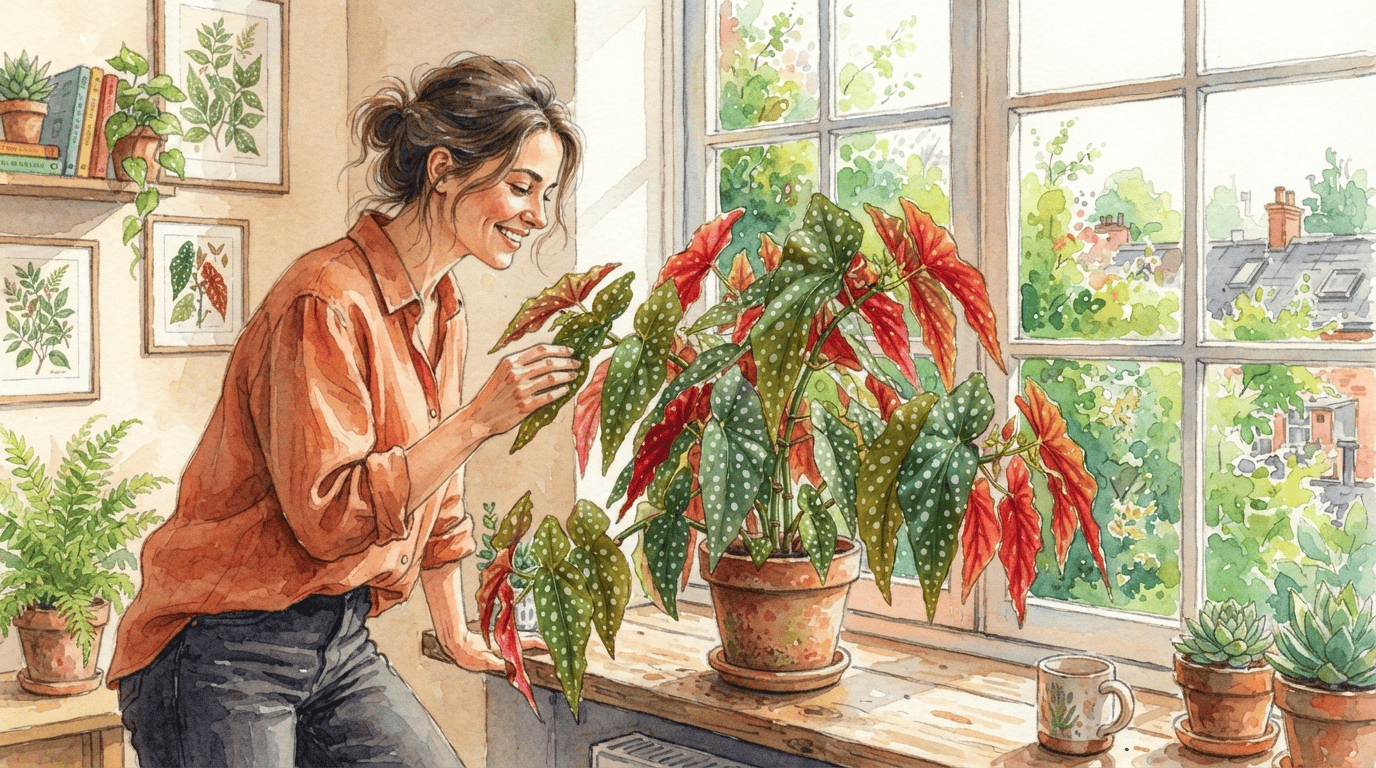
Begonia maculata was described in 1820 from specimens collected in the Atlantic rainforest of southeastern Brazil, where it grows as a cane-stemmed understory plant. It remained a minor specialist begonia in European and North American collections for nearly two centuries. Its sudden rise to mainstream fame is one of the most documented social-media-driven horticultural trends: a 2016 Instagram post by Dutch designer Ursula Wesselingh featuring an angel-wing cane with silver-spotted leaves and maroon undersides went viral, and within 18 months it had become one of the best-selling houseplants in Europe and North America.
The silver spots on the upper leaf surface are camouflage mimicry of fungal spots, thought to deter leaf-eating insects in the wild. Mildly toxic to pets. Begonia maculata was first described by Italian botanist Giuseppe Raddi in 1820 from specimens collected near Rio de Janeiro.
It remained a niche collector's plant for nearly 200 years until Instagram and TikTok plant influencers made it viral around 2018 — the photogenic polka dots were tailor-made for social media. Christian Louboutin reportedly cited the red undersides of B. maculata as inspiration for his signature red-soled shoes. In its native Brazilian Atlantic Forest, the silver spots may function as light-scattering devices, optimizing photosynthesis in the dappled understory light.
Symbolism & meaning
What It Symbolizes
The Polka Dot Begonia evokes imagination, its silver-spotted leaves looking as though a painter dotted them in playful afternoon mood. It invites creative thinking and a return to the whimsy that adult gardens too often forget. It is often read as a flower of delighted curiosity, a reminder that nature itself plays with pattern, and that beauty sometimes arrives wearing dots.
- Imagination — Its whimsical polka-dot pattern inspires creative thinking and playfulness
Where the Name Comes From
Begonia for Michel Bégon. Maculata means 'spotted' in Latin, for the silver polka-dot pattern on the leaves.
Uses & Fun Facts
- Silver-spotted angel-wing leaves star as houseplant
- Cane-type begonia for tall indoor pots
Related plants
More Begonia plants
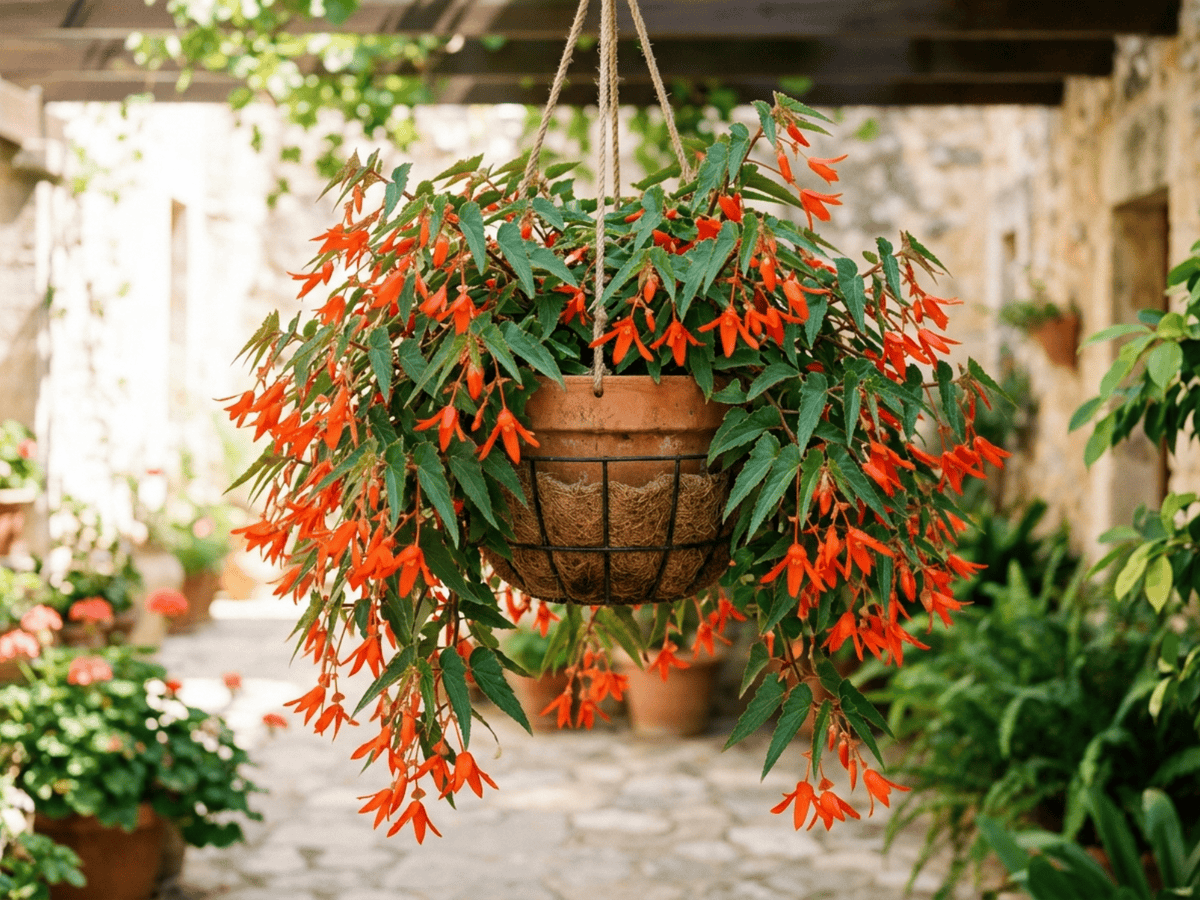 Tuberous BegoniaBegonia boliviensis
 Hardy BegoniaBegonia grandis
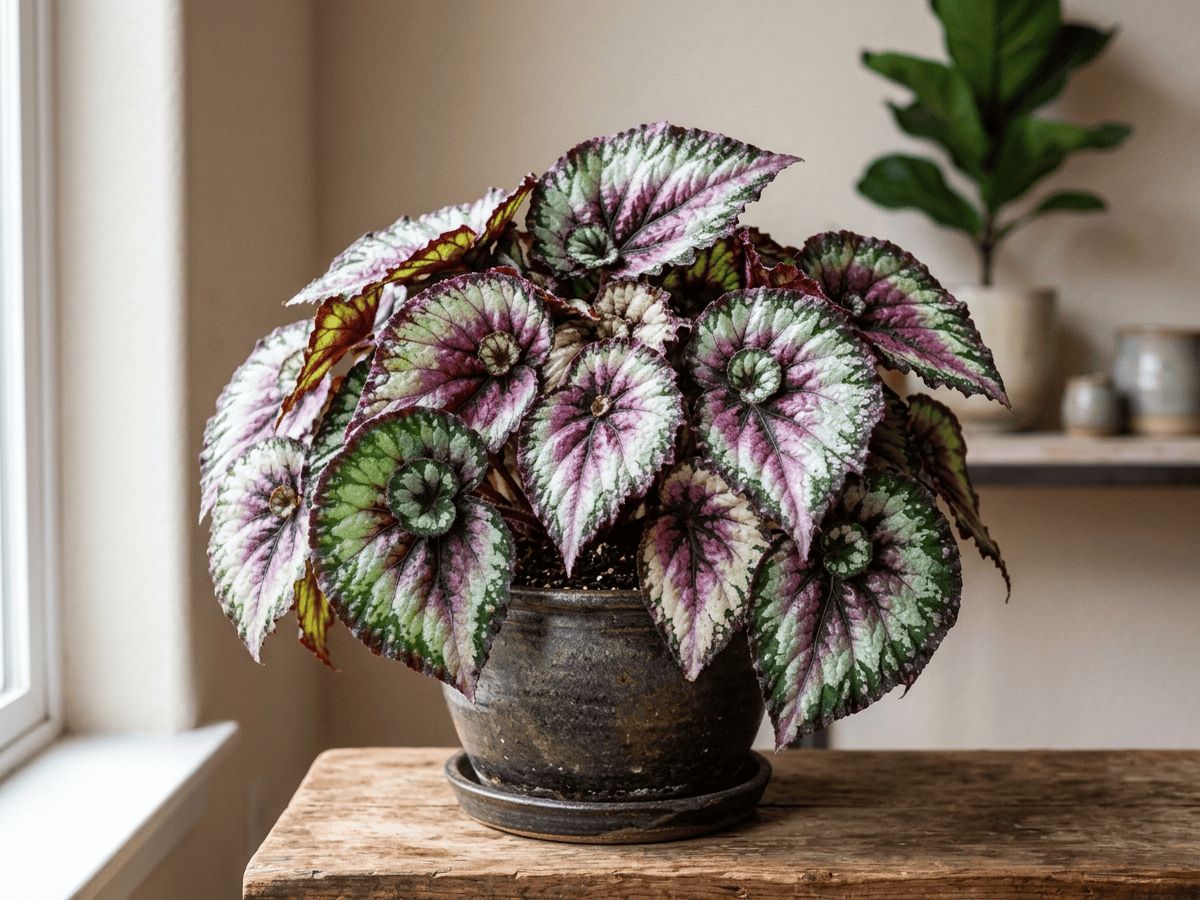 King BegoniaBegonia rex
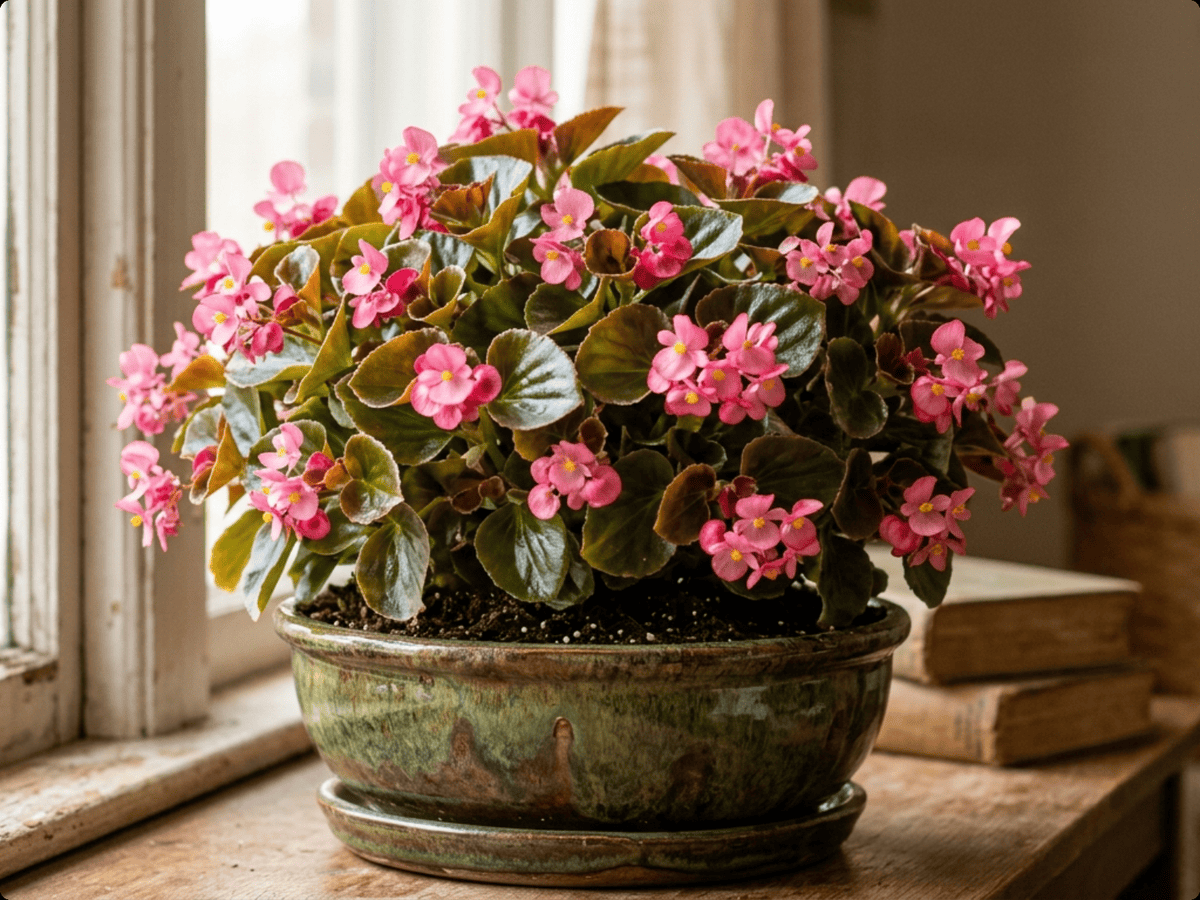 Wax BegoniaBegonia semperflorens
Plants with similar care
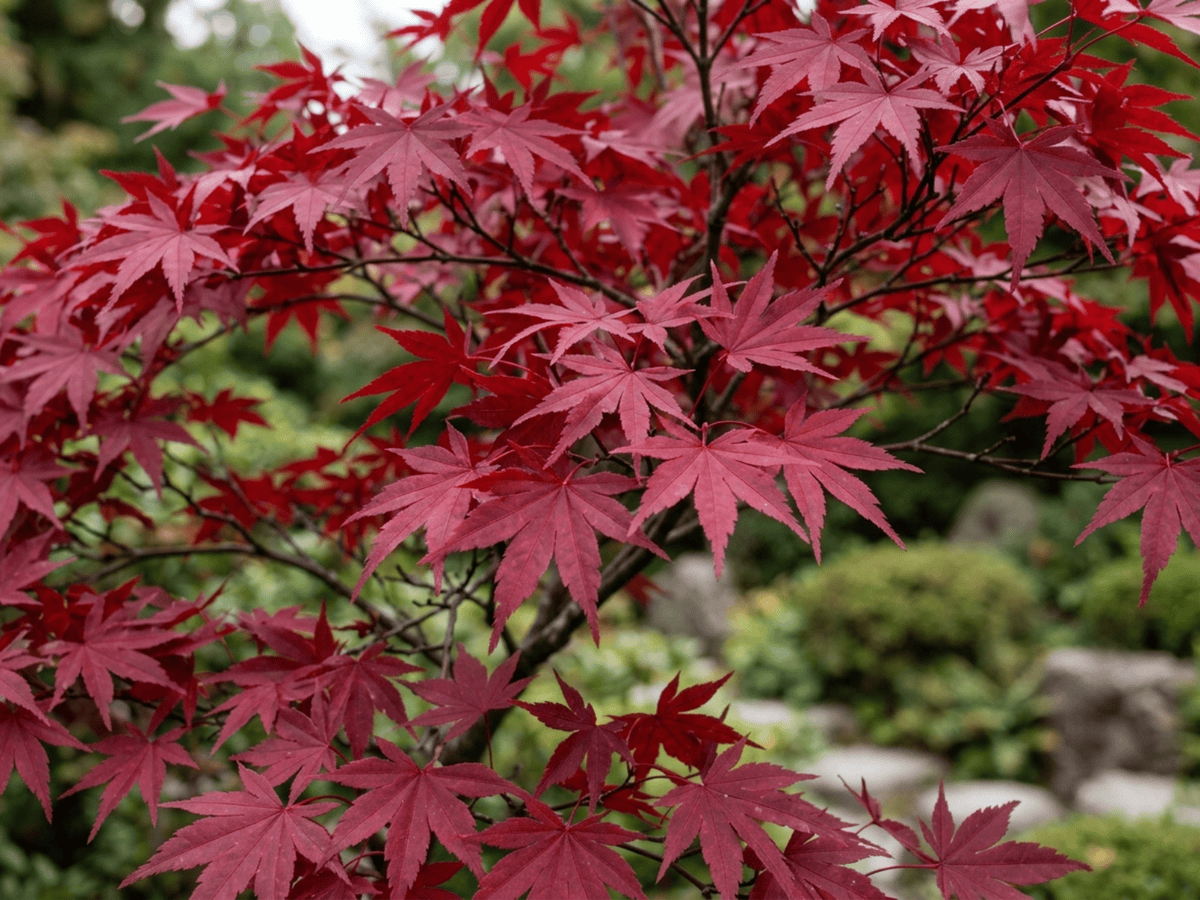 Japanese MapleAcer palmatum
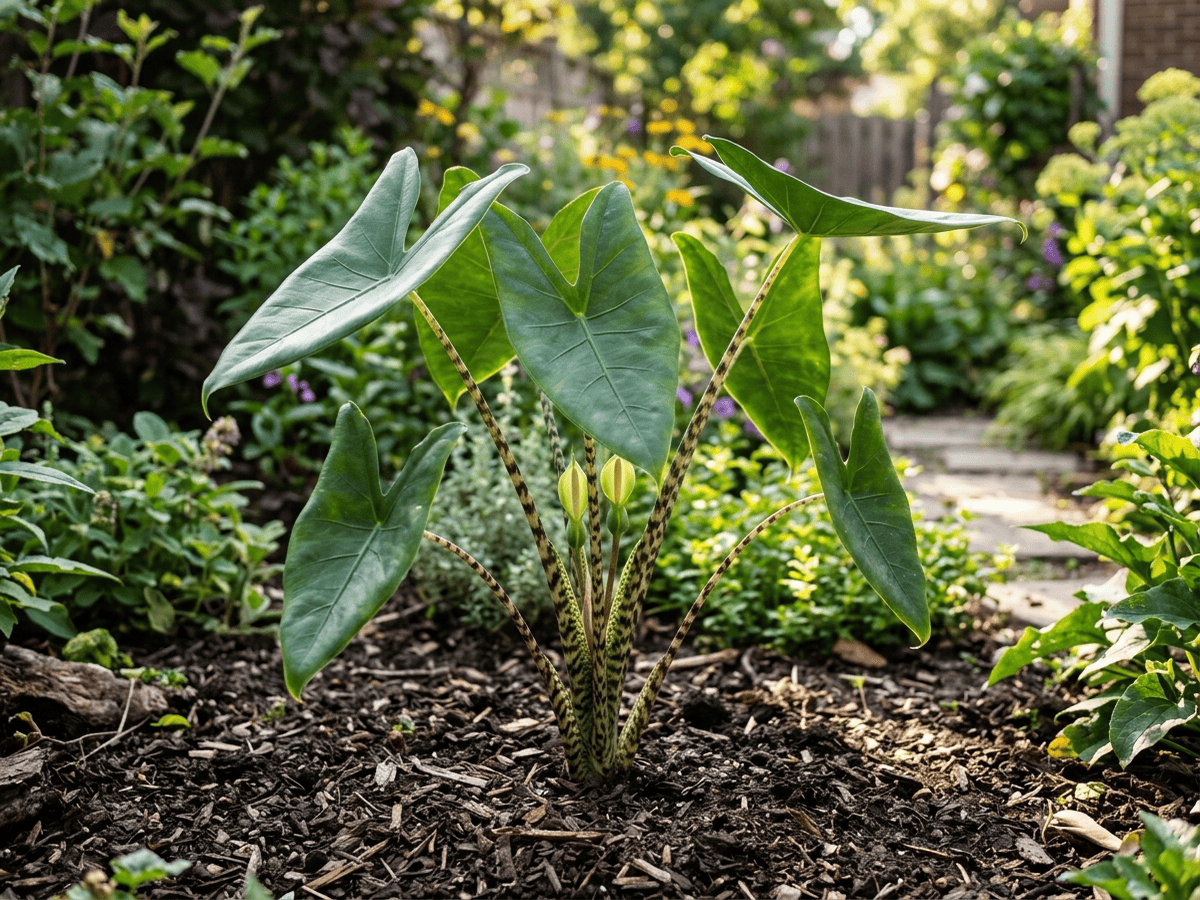 Alocasia zebrinaAlocasia zebrina
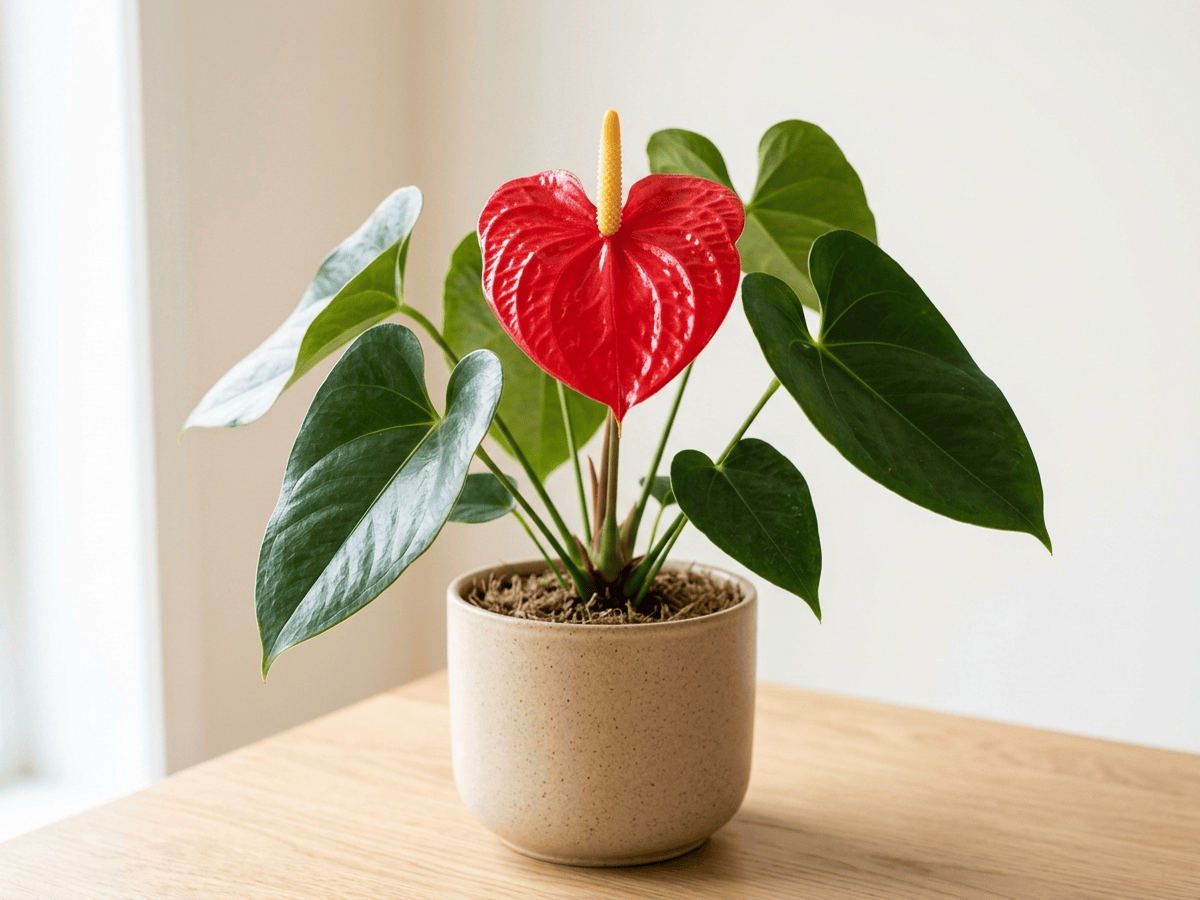 Painter's-PaletteAnthurium andraeanum
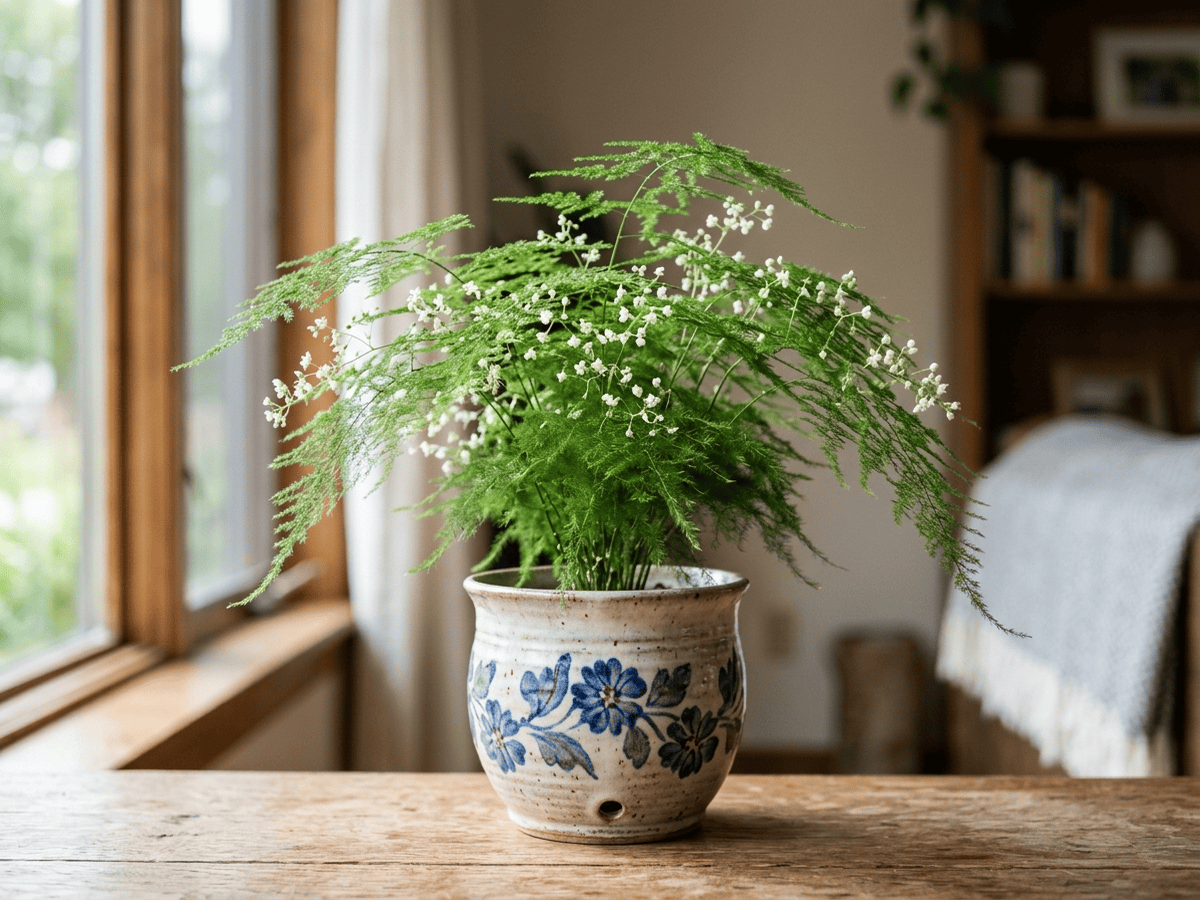 Common Asparagus FernAsparagus setaceus
Frequently asked questions
How often should I water Polka Dot Begonia?
In summer, water about every 4 days; in winter, about every 10 days. Adjust for heat, pot size and drainage.
How much light does Polka Dot Begonia need?
Part shade: 2–4 hrs direct. Watch the leaves — scorching or stretching means the light needs adjusting.
Is Polka Dot Begonia toxic to cats or dogs?
Pets Slight (Dogs Slight · Cats Slight) Educational information, not medical or veterinary advice. If exposure is suspected, contact a doctor or veterinarian.
Is Polka Dot Begonia easy to grow?
It is moderately demanding: a good choice once you have a little experience.
Can Polka Dot Begonia be grown indoors?
Yes, it adapts well to indoor growing given the right light.
When does Polka Dot Begonia bloom?
It typically blooms Mar–Aug in the Northern Hemisphere.
YardMate
Identify any plant in seconds
Snap a photo — YardMate names the plant, diagnoses problems, and reminds you when to water.
Download on the App Store