 YardMate


Fountain Butterfly-Bush
Buddleja alternifolia
Easy · Beginner friendlyAbout Fountain Butterfly-Bush
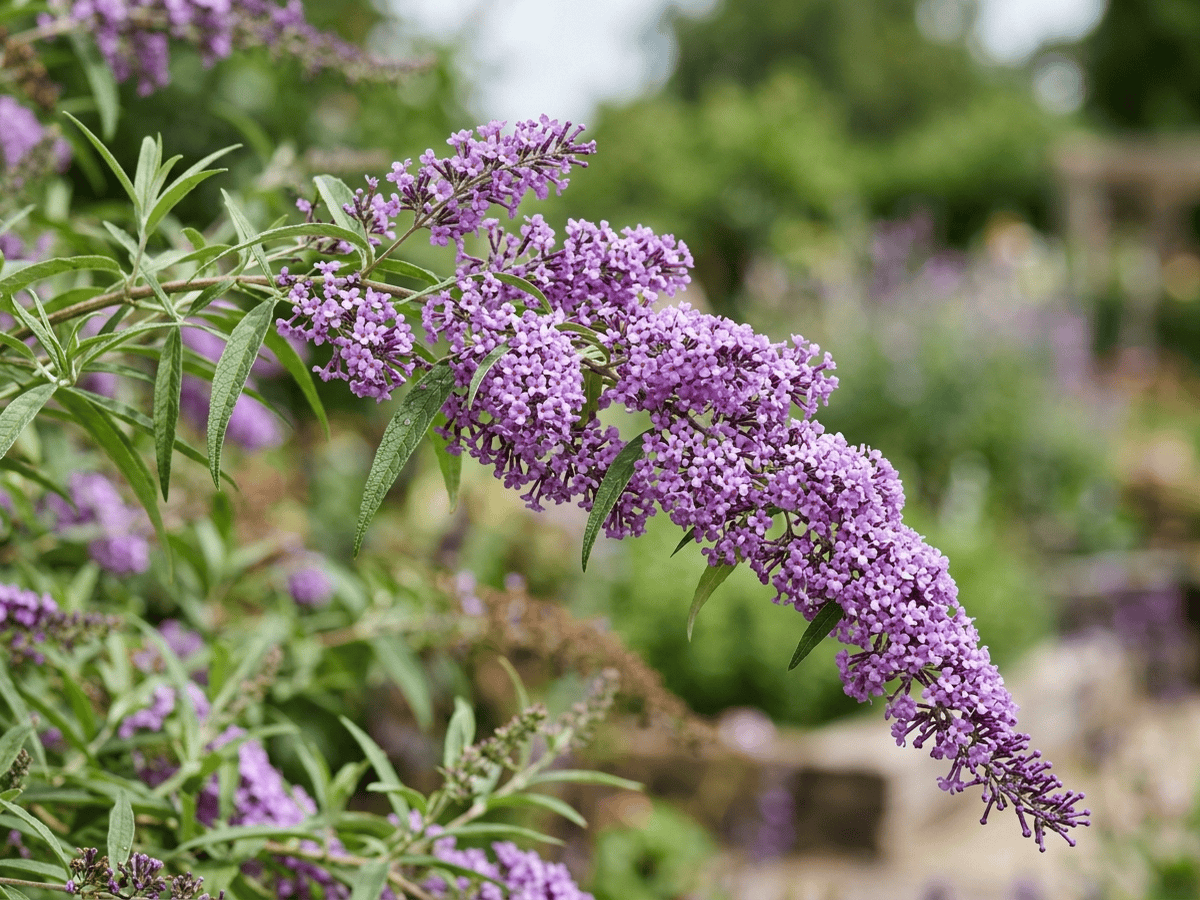
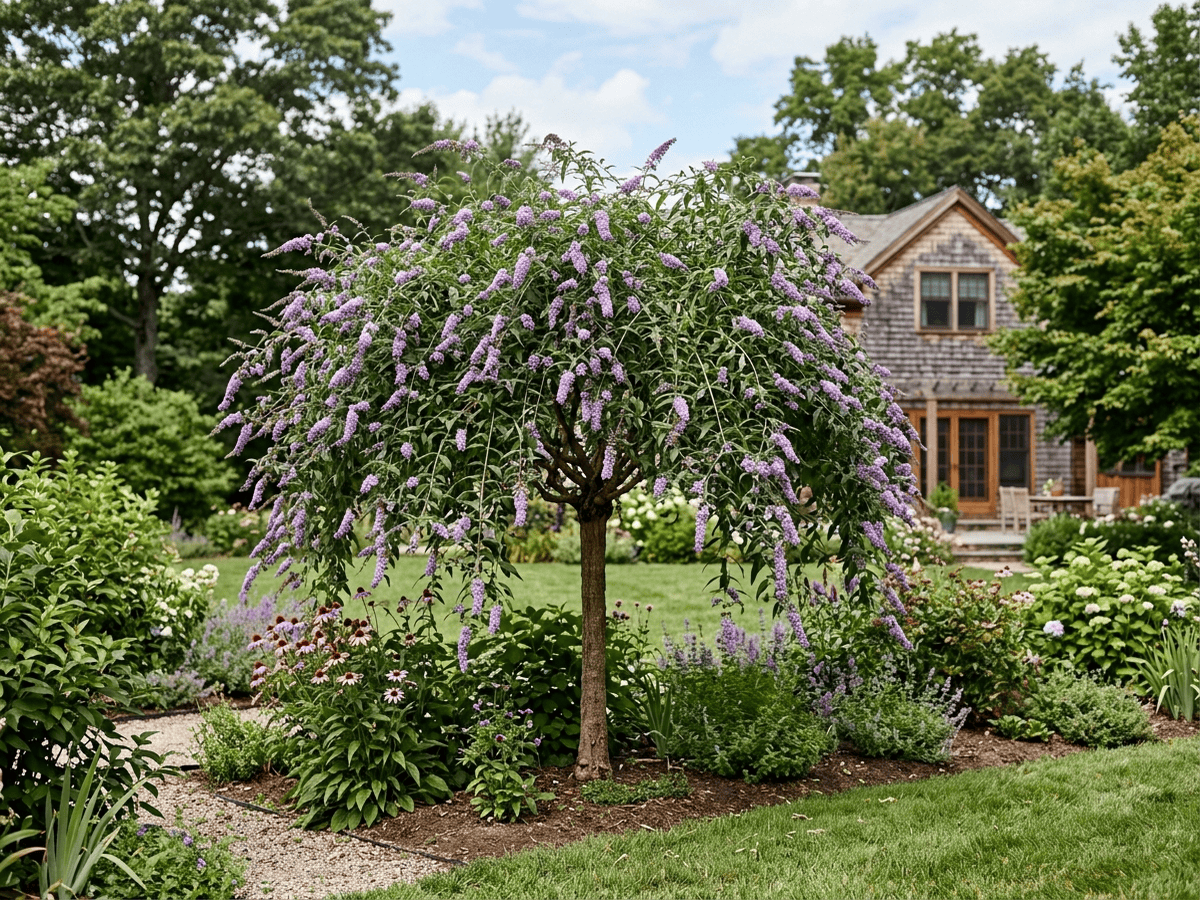
Fountain Butterfly Bush is a Chinese deciduous shrub or small tree growing 10 to 15 feet tall, unique among butterfly bushes for its alternate leaf arrangement and spring bloom. Fragrant lilac-purple flowers coat the long arching branches in late spring before most butterflies are active, making it a refined specimen for American cottage and pollinator gardens.
- Fragrant
- Drought-tolerant
- Cold-hardy
- Pollinator-friendly
How to care for Fountain Butterfly-Bush
Watering
- Springevery 7 days
- Summerevery 5 days
- Fallevery 10 days
- Winterevery 21 days
Soil · Rich & loamy
- Top dressingBark mulch15%
- Main mixRich loam + compost 3:170%
- DrainageGravel15%
Use fully finished compost — fresh compost burns roots.
FERTILIZER
Balanced Feed 14-14-14
An even feed covers all three needs at once, keeping leaves, roots and blooms moving together with nothing pushed out of balance.
- Nitrogen · Leaves
- Phosphorus · Roots + Blooms
- Potassium · Strength
- Springevery 45 days
- Summerevery 60 days
At a Glance
- NativeEast Asia
- Height10–20 ft (3–6.1 m)
- Spread10–15 ft (3–4.6 m)
- Flower colorPurple
- Foliage colorGreen, Silver
- SoilWell-drained, Loamy
- LocationsYard
Bloom time
BLOOM CYCLE
Peak bloom
Mar–May
Fragrant lilac-purple flowers coat arching stems in late spring
Fragrance
MODERATE FRAGRANCE
Flowers honey-sweet, attractive to butterflies.
Toxicity
Humans Slight
iridoid glycosides
Slight
- All
- Ingestion
EXPOSURE Eating any part of the plant.
EFFECT Mild GI upset.
NOTE Documented concern for humans: Mild GI upset.
Not reported
EXPOSURE No exposure route is reported.
EFFECT No toxic effect is reported.
NOTE No toxicity is reported for dogs in this catalog; this is not evidence that the plant is edible or harmless.
Not reported
EXPOSURE No exposure route is reported.
EFFECT No toxic effect is reported.
NOTE No toxicity is reported for cats in this catalog; this is not evidence that the plant is edible or harmless.
Educational information, not medical or veterinary advice. If exposure is suspected, contact a doctor or veterinarian.
DISTRIBUTION


- Native
- Introduced
- East Asia
History
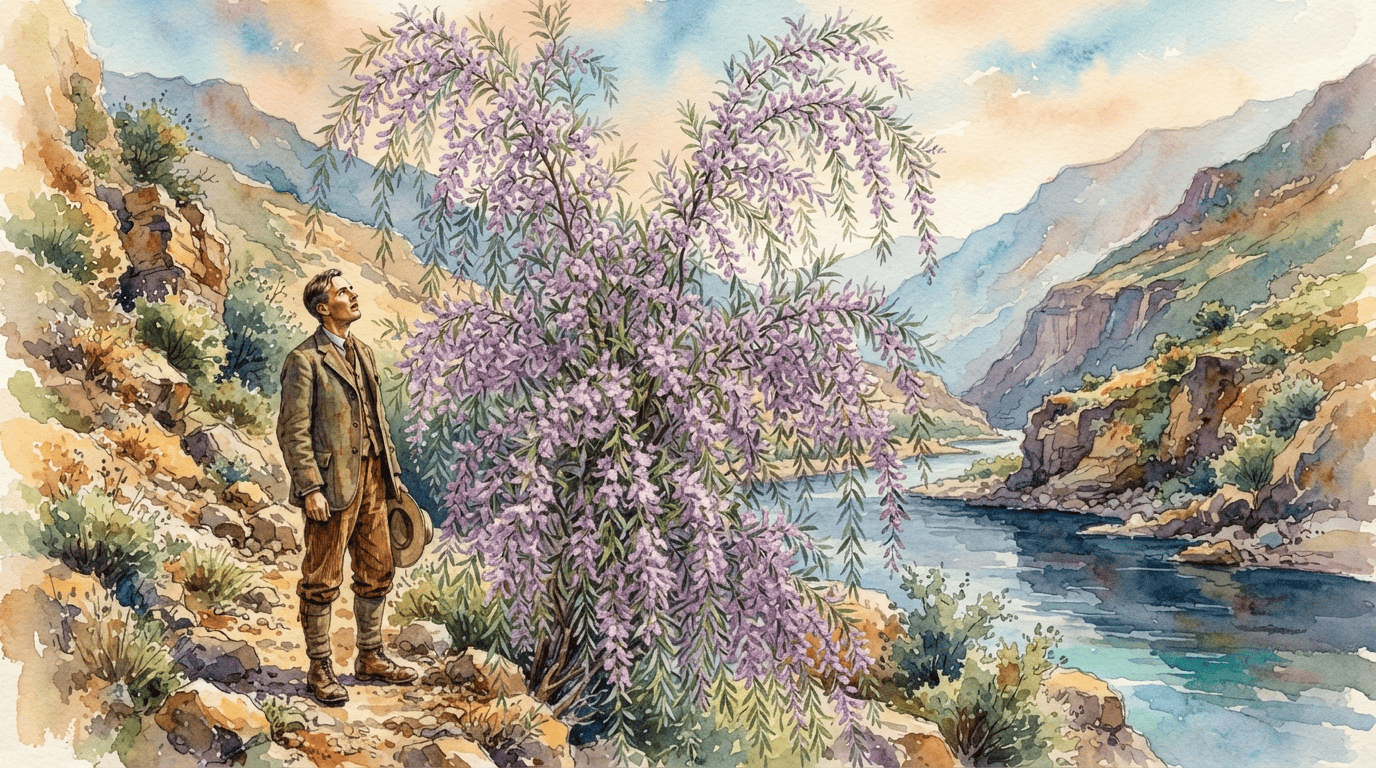
Buddleja alternifolia grows on dry rocky slopes and riverbanks of Gansu, Qinghai, Shaanxi, and Tibet in northwestern China. The English plant collector Reginald Farrer introduced it in 1914 after seeing it flowering along the Min River, describing it as a 'gracious small-leaved willow hung out all over with airy sprays of softest lilac'. Adrien Franchet had described the species botanically in 1887.
Unlike other Buddlejas, which flower on new wood, it blooms on the previous year's growth, requiring different pruning. Its graceful weeping habit led some to grow it as a small standard tree. It won the RHS Award of Garden Merit in 1993.
The silver-leaved cultivar 'Argentea' is particularly admired. It remains a connoisseur's buddleja, valued where gardeners want a more refined alternative to B. davidii. Discovered in Gansu, China by botanist William Purdom in 1914 and introduced to Western gardens via Reginald Farrer. Won the RHS Award of Garden Merit and became a favorite specimen shrub in American estate and refined cottage gardens, trained as a small weeping tree for specimen effect.
Symbolism & meaning
What It Symbolizes
Fountain Butterfly-Bush earns its name in May, when arching stems cascade in lavender bloom like a breaking spring of grace. As one of the earliest butterfly bushes to flower, it offers a feast for newly emerged bees and butterflies still searching for nectar. Its meaning is generosity poured out — a fountain in form, in fragrance, and in the welcome it gives every spring pollinator.
- Fountain of grace — arching stems cascade in bloom
- Spring bee feast — early butterfly bush for spring pollinators
Where the Name Comes From
The name Fountain Butterfly-Bush describes its fountain-like habit. 'alternifolia' from Latin means alternate-leaved, unique among butterfly bushes which typically have opposite leaves.
Uses & Fun Facts
- Honey-scented lavender flowers cascade along arching stems
- Arching spring sprays draw butterflies before many shrubs reach peak bloom
- Weeping form makes a striking small flowering tree
Related plants
More Buddleja plants
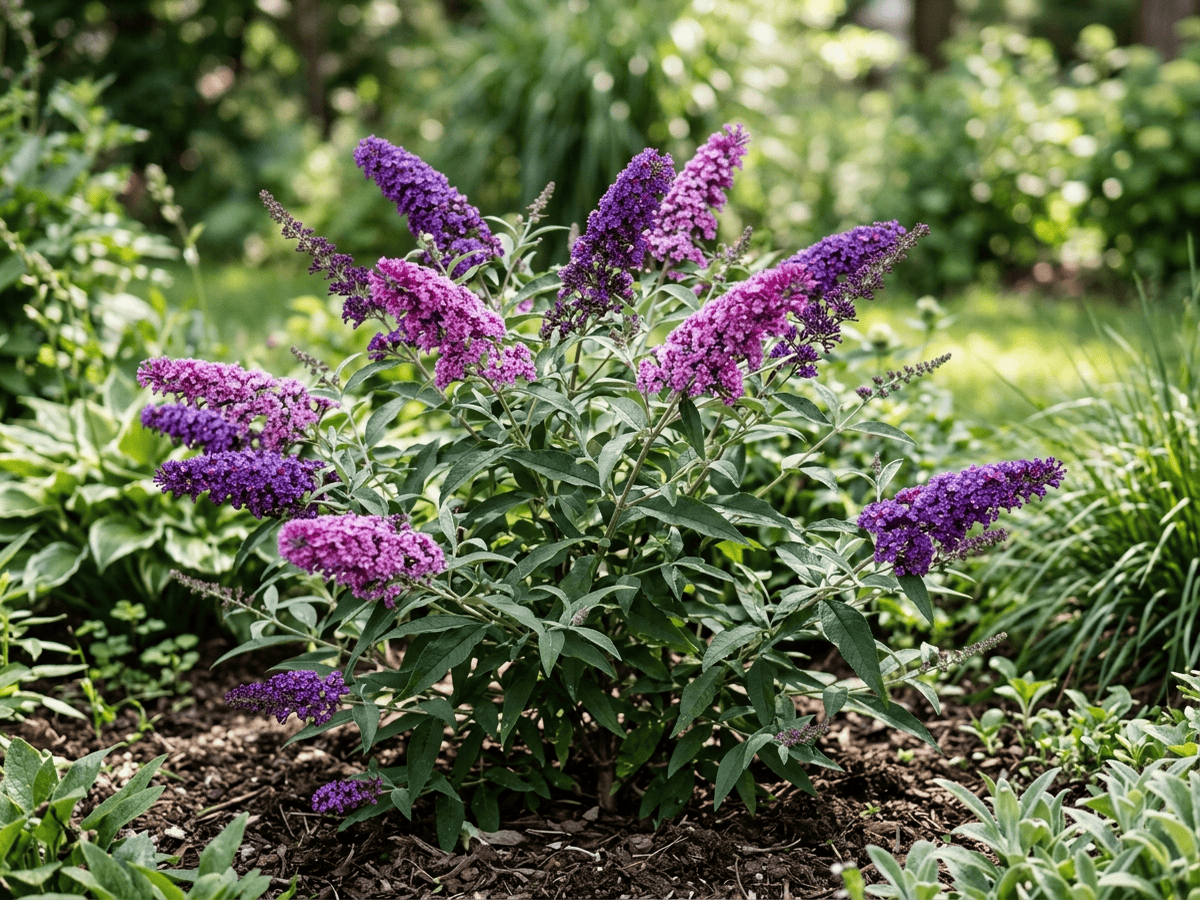 Butterfly BushBuddleja davidii
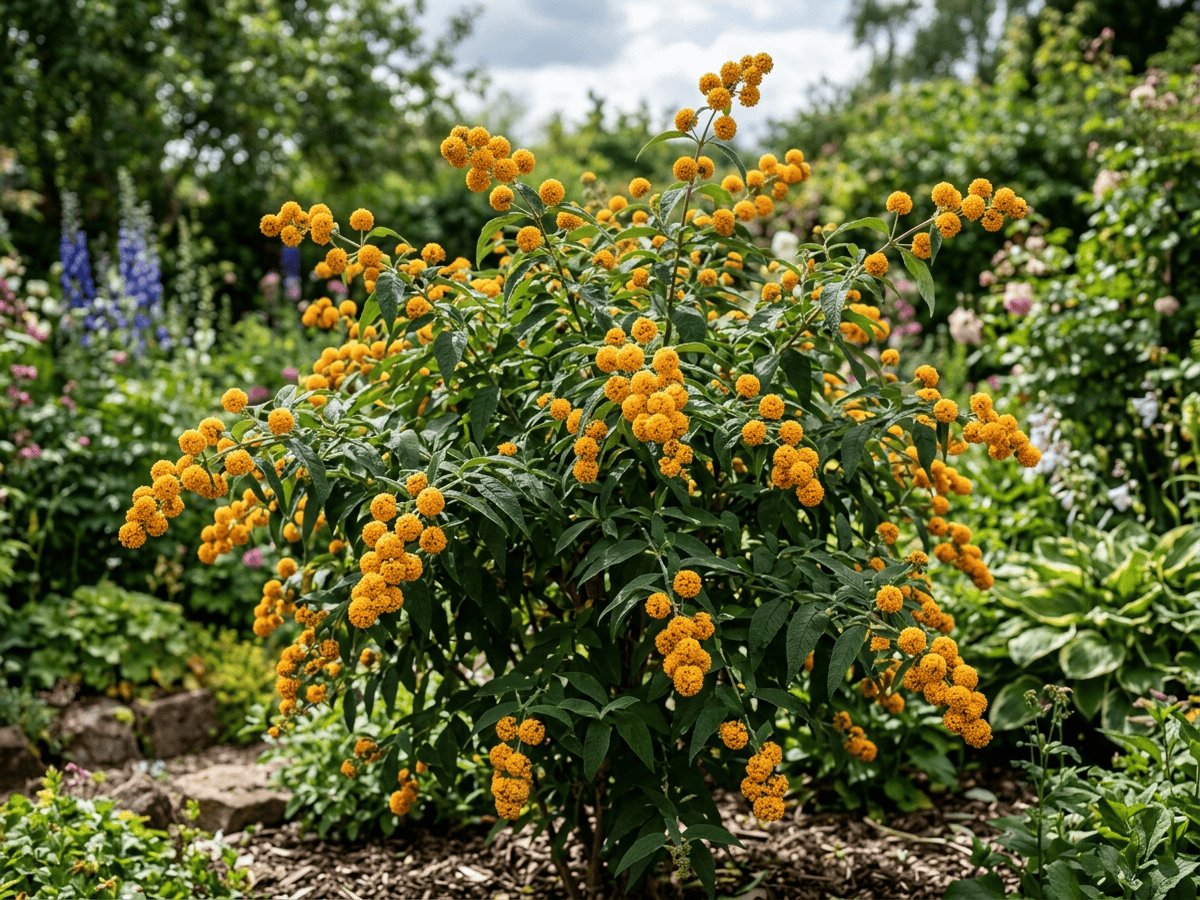 Orange-Ball TreeBuddleja globosa
 Lindley's ButterflybushBuddleja lindleyana
Plants with similar care
 Chinese AbeliaAbelia chinensis
 Fragrant AbeliaAbelia mosanensis
 Large-Flowered AbeliaAbelia uniflora
 Glossy AbeliaAbelia x grandiflora
Frequently asked questions
How often should I water Fountain Butterfly-Bush?
In summer, water about every 5 days; in winter, about every 21 days. Adjust for heat, pot size and drainage.
How much light does Fountain Butterfly-Bush need?
Full sun: 6+ hrs direct. Watch the leaves — scorching or stretching means the light needs adjusting.
Is Fountain Butterfly-Bush toxic to cats or dogs?
Pets Not reported (Dogs Not reported · Cats Not reported) Educational information, not medical or veterinary advice. If exposure is suspected, contact a doctor or veterinarian.
Is Fountain Butterfly-Bush easy to grow?
Yes — it is considered an easy, beginner-friendly plant.
When does Fountain Butterfly-Bush bloom?
It typically blooms Mar–May in the Northern Hemisphere.
YardMate
Identify any plant in seconds
Snap a photo — YardMate names the plant, diagnoses problems, and reminds you when to water.
Download on the App Store