 YardMate


Lindley's Butterflybush
Buddleja lindleyana
Easy · Beginner friendlyAbout Lindley's Butterflybush
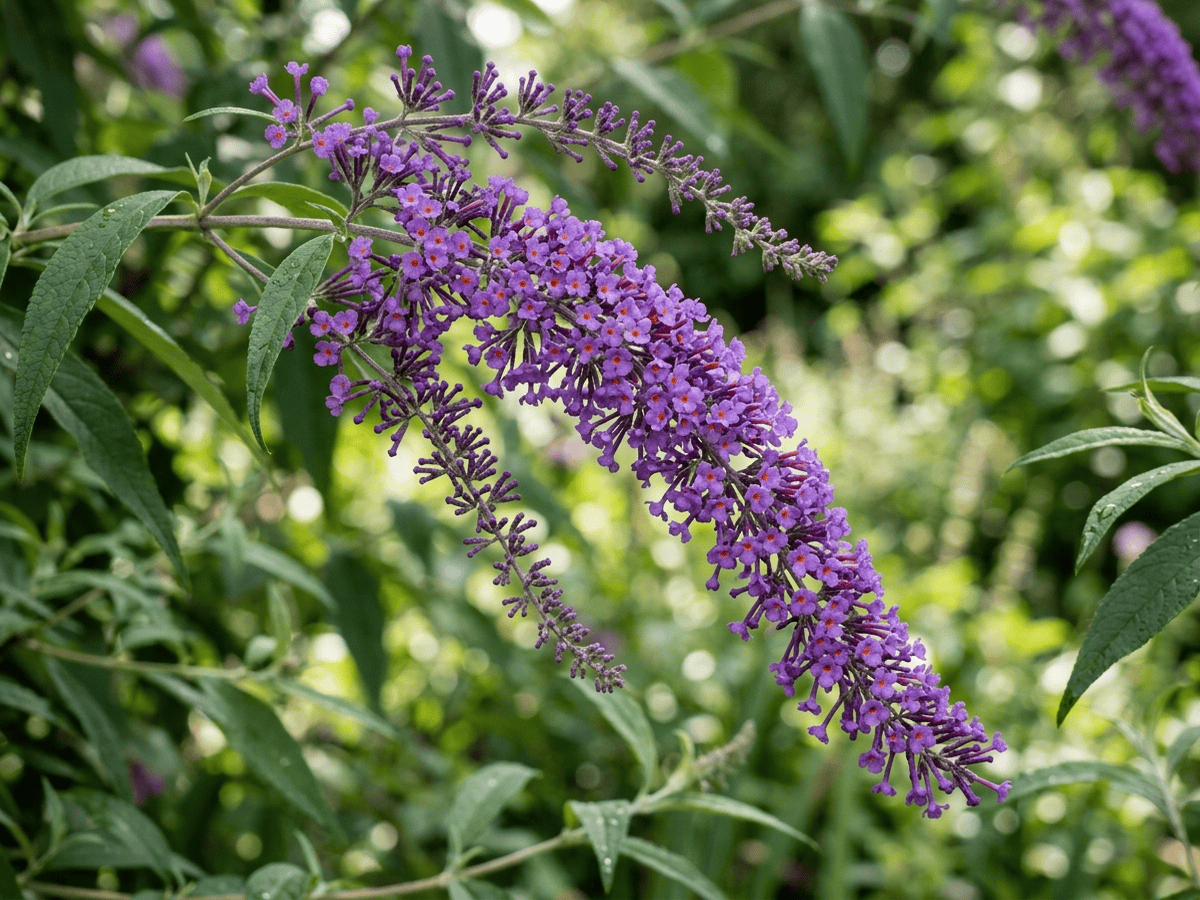
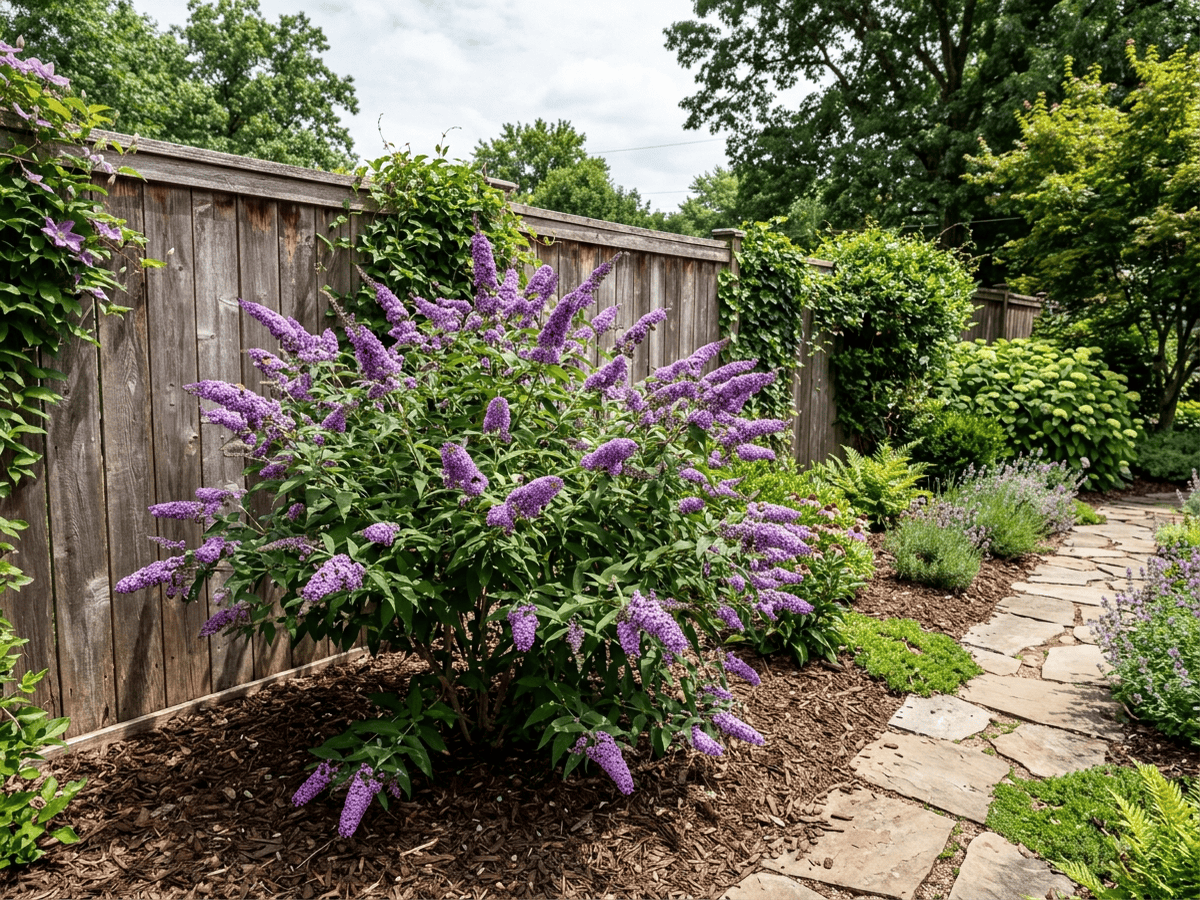
Lindley's Butterfly Bush or Weeping Butterfly Bush is a Chinese deciduous shrub growing 6 to 10 feet tall with gracefully arching to weeping branches bearing long slender purple flower spikes from summer through fall. More refined and less invasive than Buddleja davidii, it is admired for its elegant weeping form and extended bloom in American butterfly and cottage gardens.
- Drought-tolerant
- Long-blooming
- Pollinator-friendly
How to care for Lindley's Butterflybush
Watering
- Springevery 7 days
- Summerevery 5 days
- Fallevery 10 days
- Winterevery 21 days
Soil · Rich & loamy
- Top dressingBark mulch15%
- Main mixRich loam + compost 3:170%
- DrainageGravel15%
Use fully finished compost — fresh compost burns roots.
FERTILIZER
Balanced Feed 14-14-14
An even feed covers all three needs at once, keeping leaves, roots and blooms moving together with nothing pushed out of balance.
- Nitrogen · Leaves
- Phosphorus · Roots + Blooms
- Potassium · Strength
- Springevery 45 days
- Summerevery 60 days
At a Glance
- NativeEast Asia
- Height6–8 ft (1.8–2.4 m)
- Spread5–7 ft (1.5–2.1 m)
- Flower colorPurple
- Foliage colorGreen
- SoilLoamy, Well-drained
- LocationsYard
Bloom time
BLOOM CYCLE
Peak bloom
Jun–Nov
Slender purple weeping spikes summer to fall
Fragrance
LIGHT FRAGRANCE
Flowers lightly sweet-scented; less intense than B. davidii.
Toxicity
Humans Slight
iridoid glycosides
Slight
- All
- Ingestion
EXPOSURE Eating any part of the plant.
EFFECT Mild GI upset.
NOTE Documented concern for humans: Mild GI upset.
Not reported
EXPOSURE No exposure route is reported.
EFFECT No toxic effect is reported.
NOTE No toxicity is reported for dogs in this catalog; this is not evidence that the plant is edible or harmless.
Not reported
EXPOSURE No exposure route is reported.
EFFECT No toxic effect is reported.
NOTE No toxicity is reported for cats in this catalog; this is not evidence that the plant is edible or harmless.
Educational information, not medical or veterinary advice. If exposure is suspected, contact a doctor or veterinarian.
DISTRIBUTION


- Native
- Introduced
- East Asia
History

Buddleja lindleyana grows wild in thickets and waste places across central and southern China, with naturalized populations throughout much of the world. Robert Fortune introduced it to English cultivation in 1844, and John Lindley named it. It was one of the first butterfly bushes grown in the West, predating the more vigorous B. davidii by half a century.
Its elegantly arching stems of deep reddish-purple flowers made it a Victorian garden favorite and later a plantation staple across the American South. Unfortunately, in warm climates it spreads aggressively by root suckers and has been listed as invasive in several southeastern US states.
It is no longer widely recommended for new plantings in those regions, though its distinctive flower spikes remain attractive where it can be contained. Widely planted in American gardens as a less-aggressive alternative to Buddleja davidii, though still a butterfly favorite. 'Miss Ruby' and other modern sterile cultivars address invasiveness concerns.
Symbolism & meaning
What It Symbolizes
Lindley's Butterflybush extends a graceful invitation, its arching, weeping spikes drawing butterflies in a slow violet dance. More refined than its aggressive cousins, it offers the same nectar charm with quieter manners and gentler spread. In the garden it reads as elegance, a butterfly bush remembered to be a polite host instead of an enthusiastic conqueror.
- Graceful invitation — weeping spikes draw butterflies
- Refined charm — more elegant than aggressive relatives
Where the Name Comes From
'Buddleja' honors Adam Buddle (1662-1715), English botanist; 'lindleyana' honors John Lindley (1799-1865), English botanist.
Uses & Fun Facts
- Long purple spikes magnetize butterflies and hummingbirds
- Weeping branches give cottage and specimen border drama
- Refined arching shrub serves as accent in mixed plantings
Related plants
More Buddleja plants
 Fountain Butterfly-BushBuddleja alternifolia
 Butterfly BushBuddleja davidii
 Orange-Ball TreeBuddleja globosa
Plants with similar care
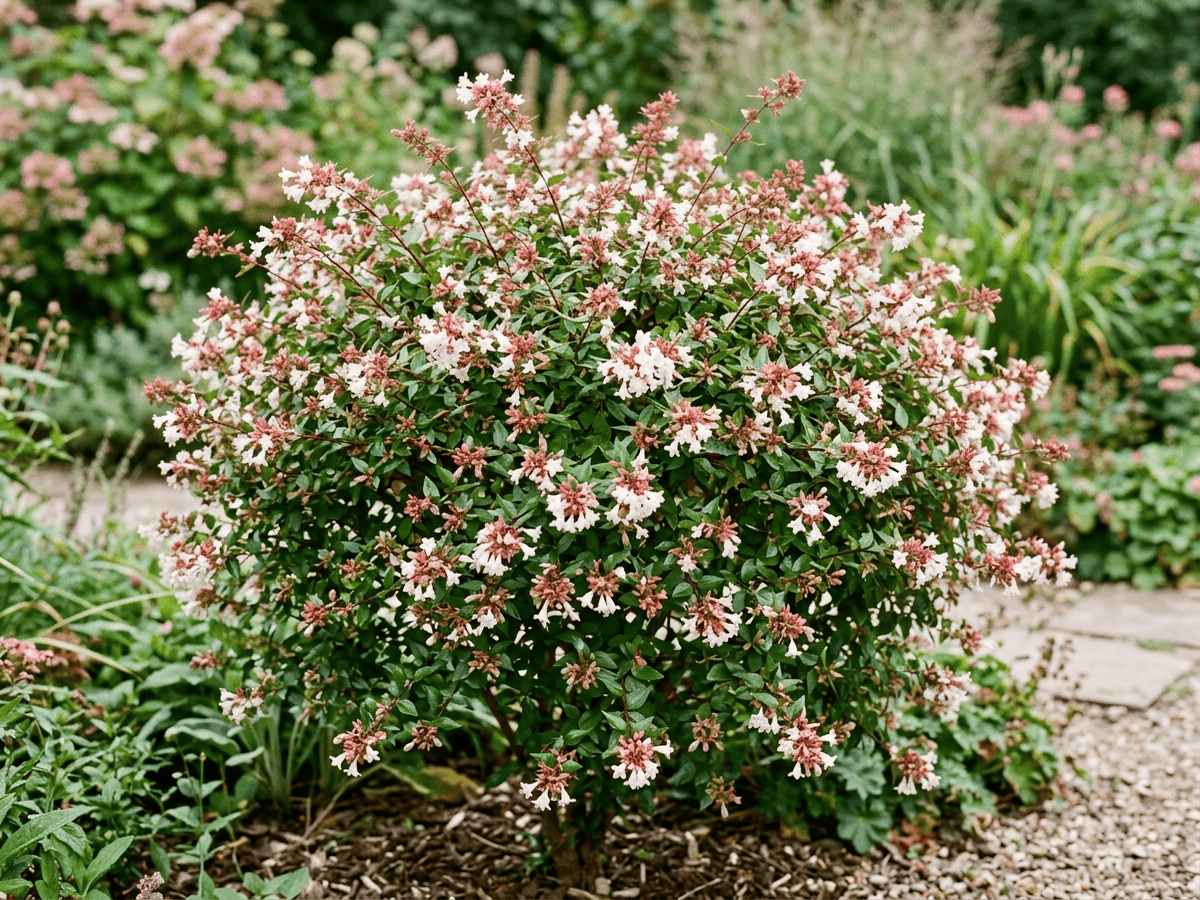 Chinese AbeliaAbelia chinensis
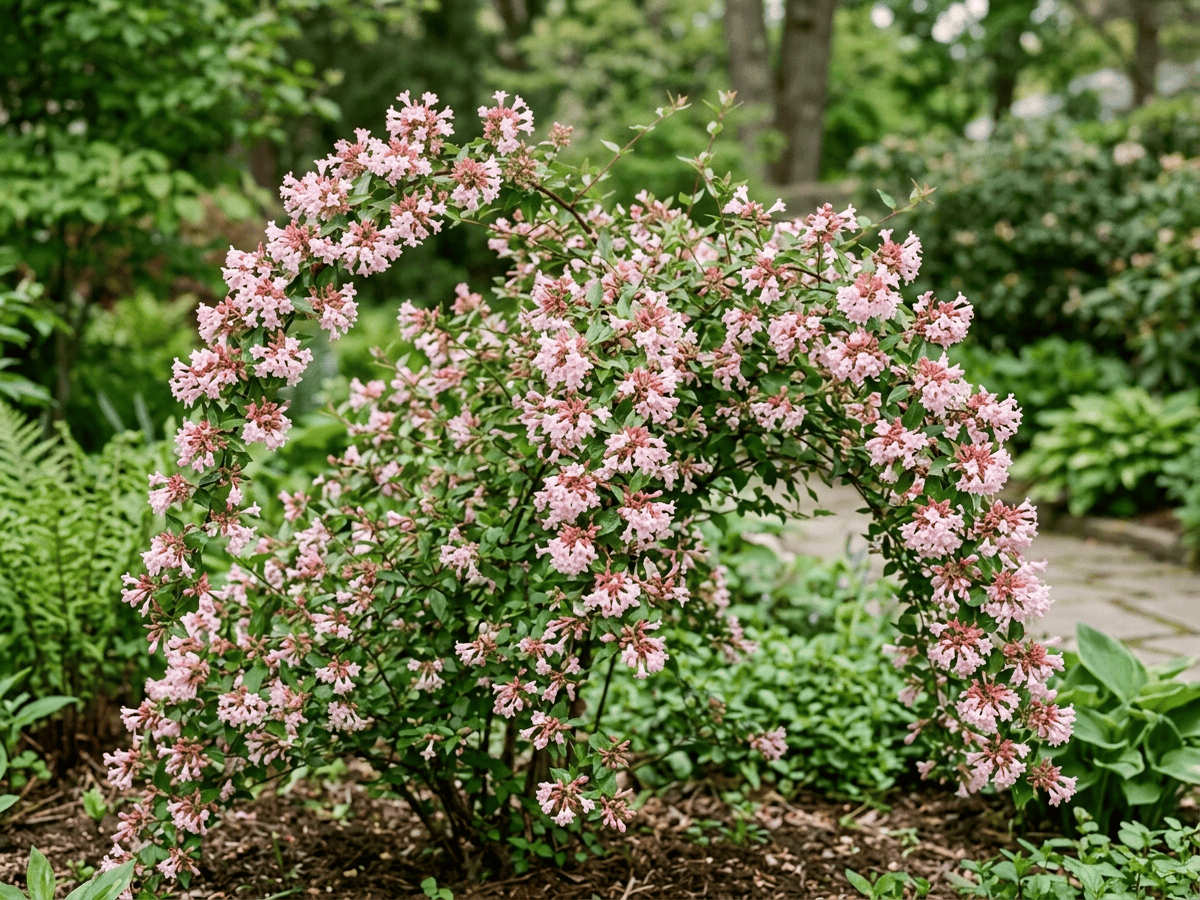 Fragrant AbeliaAbelia mosanensis
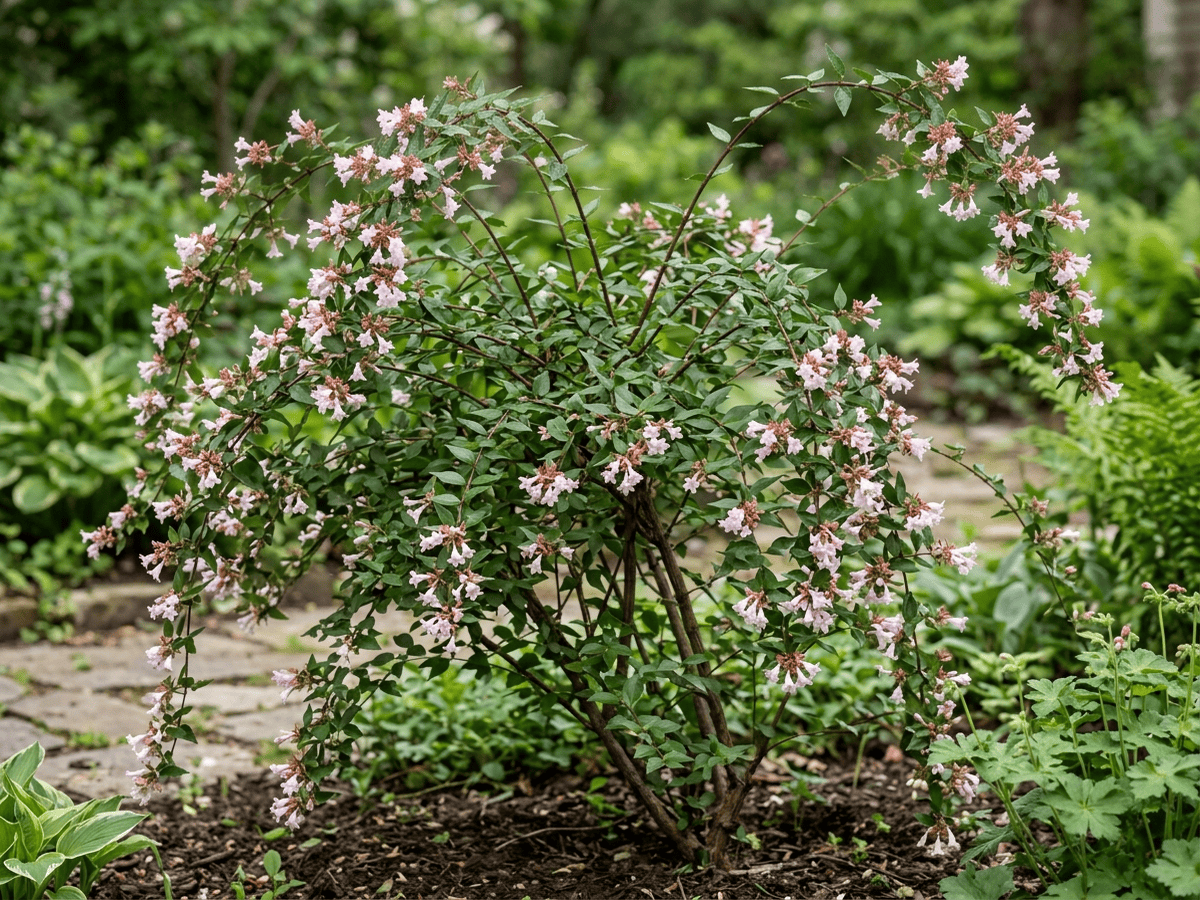 Large-Flowered AbeliaAbelia uniflora
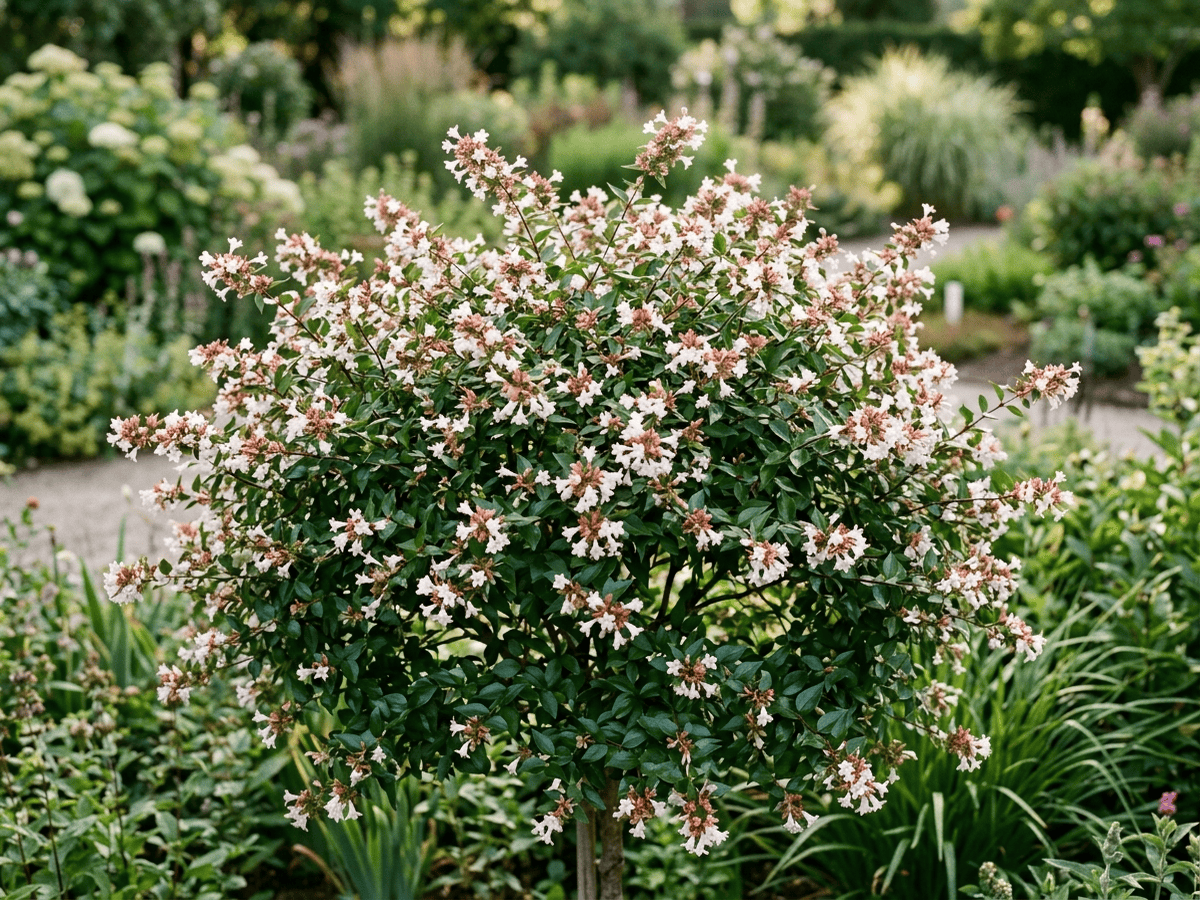 Glossy AbeliaAbelia x grandiflora
Frequently asked questions
How often should I water Lindley's Butterflybush?
In summer, water about every 5 days; in winter, about every 21 days. Adjust for heat, pot size and drainage.
How much light does Lindley's Butterflybush need?
Full sun: 6+ hrs direct. Watch the leaves — scorching or stretching means the light needs adjusting.
Is Lindley's Butterflybush toxic to cats or dogs?
Pets Not reported (Dogs Not reported · Cats Not reported) Educational information, not medical or veterinary advice. If exposure is suspected, contact a doctor or veterinarian.
Is Lindley's Butterflybush easy to grow?
Yes — it is considered an easy, beginner-friendly plant.
When does Lindley's Butterflybush bloom?
It typically blooms Jun–Nov in the Northern Hemisphere.
YardMate
Identify any plant in seconds
Snap a photo — YardMate names the plant, diagnoses problems, and reminds you when to water.
Download on the App Store