 YardMate

Orange-Ball Tree
Buddleja globosa
Medium · Some experienceAbout Orange-Ball Tree
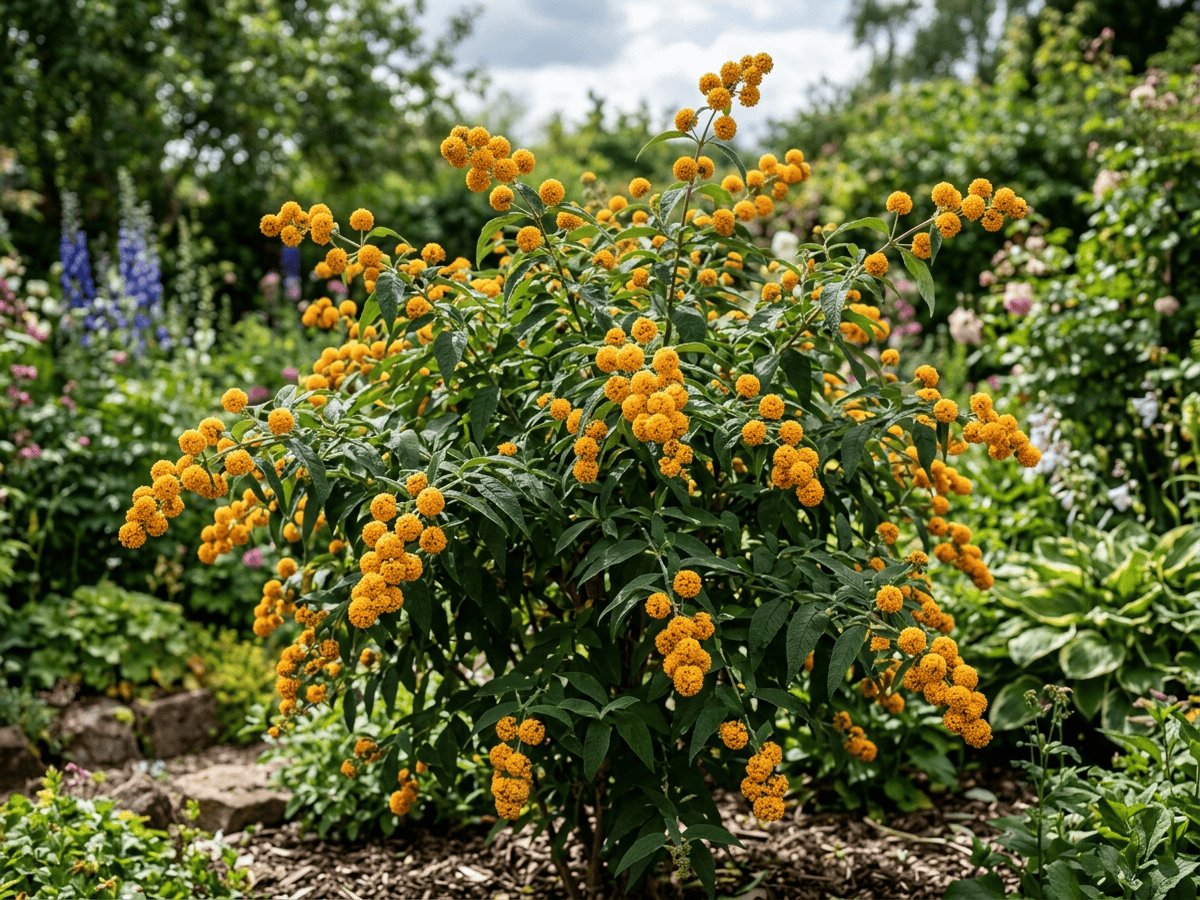
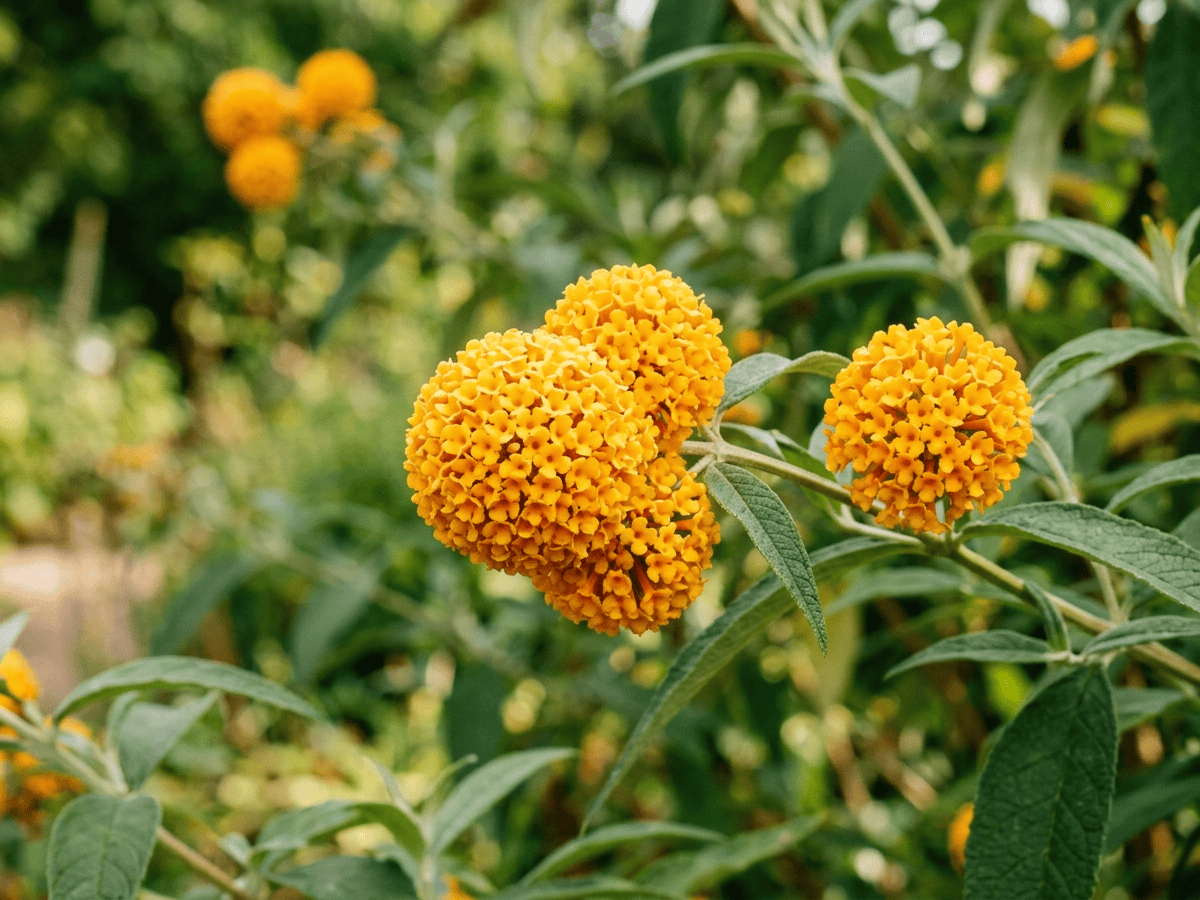
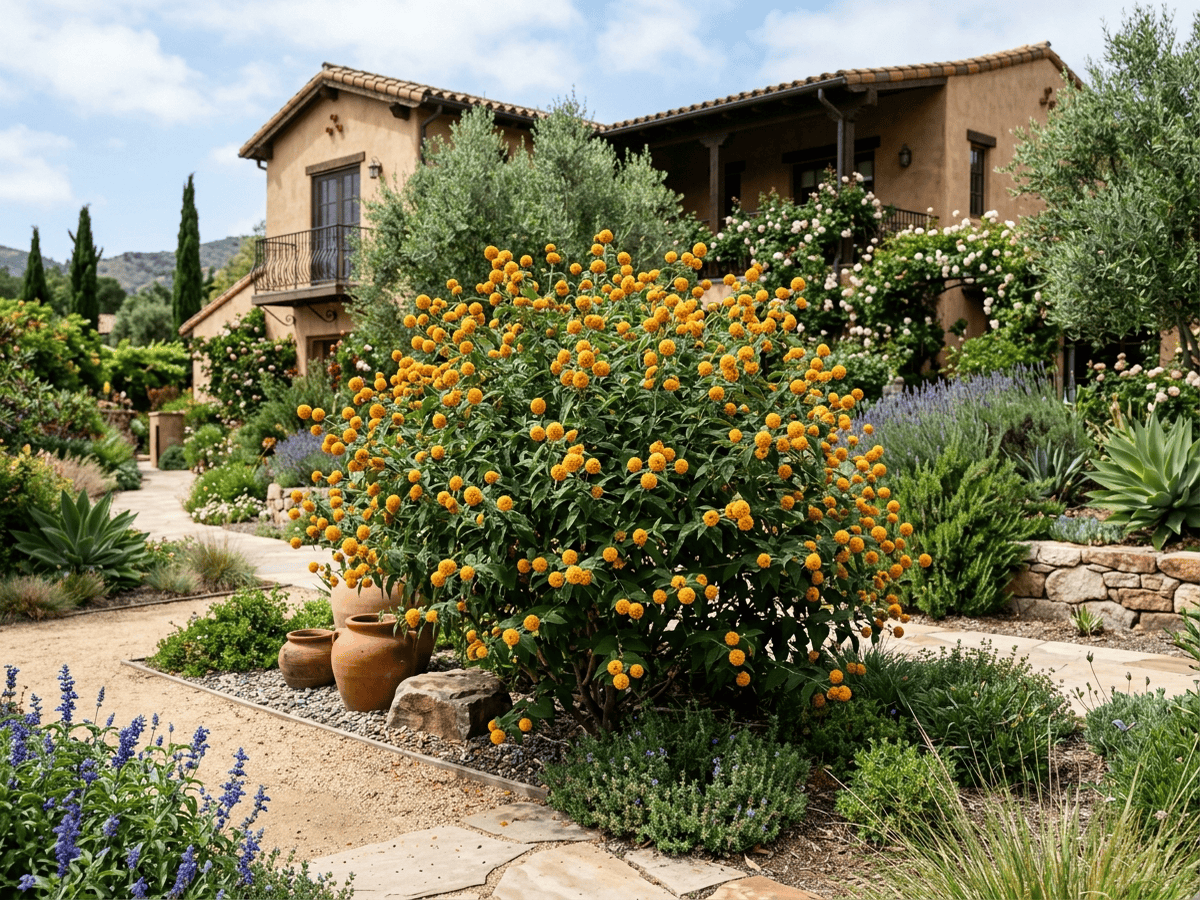
Orange Ball Tree or Globe Butterfly Bush is a South American semi-evergreen shrub growing 10 to 15 feet tall, native to Chile and Argentina. Unlike other butterfly bushes, it produces distinctive round orange-yellow ball-shaped flower clusters in early summer with a honey-rich fragrance. A unique specimen shrub for mild-climate American gardens along the Pacific Coast.
- Fragrant
- Drought-tolerant
- Evergreen
- Pollinator-friendly
How to care for Orange-Ball Tree
Watering
- Springevery 7 days
- Summerevery 5 days
- Fallevery 10 days
- Winterevery 21 days
Soil · Rich & loamy
- Top dressingBark mulch15%
- Main mixRich loam + compost 3:170%
- DrainageGravel15%
Use fully finished compost — fresh compost burns roots.
FERTILIZER
Balanced Feed 14-14-14
An even feed covers all three needs at once, keeping leaves, roots and blooms moving together with nothing pushed out of balance.
- Nitrogen · Leaves
- Phosphorus · Roots + Blooms
- Potassium · Strength
- Springevery 45 days
- Summerevery 60 days
At a Glance
- NativeSouth America
- Height10–15 ft (3–4.6 m)
- Spread8–12 ft (2.4–3.7 m)
- Flower colorOrange, Yellow
- Foliage colorGreen
- SoilWell-drained, Loamy, Neutral
- LocationsYard
Bloom time
BLOOM CYCLE
Peak bloom
May–Aug
Round orange-yellow ball flowers with honey scent early summer
Fragrance
MODERATE FRAGRANCE
Flowers honey-sweet with a faint citrus note.
Toxicity
No toxicity has been reported for this plant. Still, it is wise to keep pets from chewing on any houseplant.
Educational information, not medical or veterinary advice. If exposure is suspected, contact a doctor or veterinarian.
DISTRIBUTION


- Native
- Introduced
- South America
History
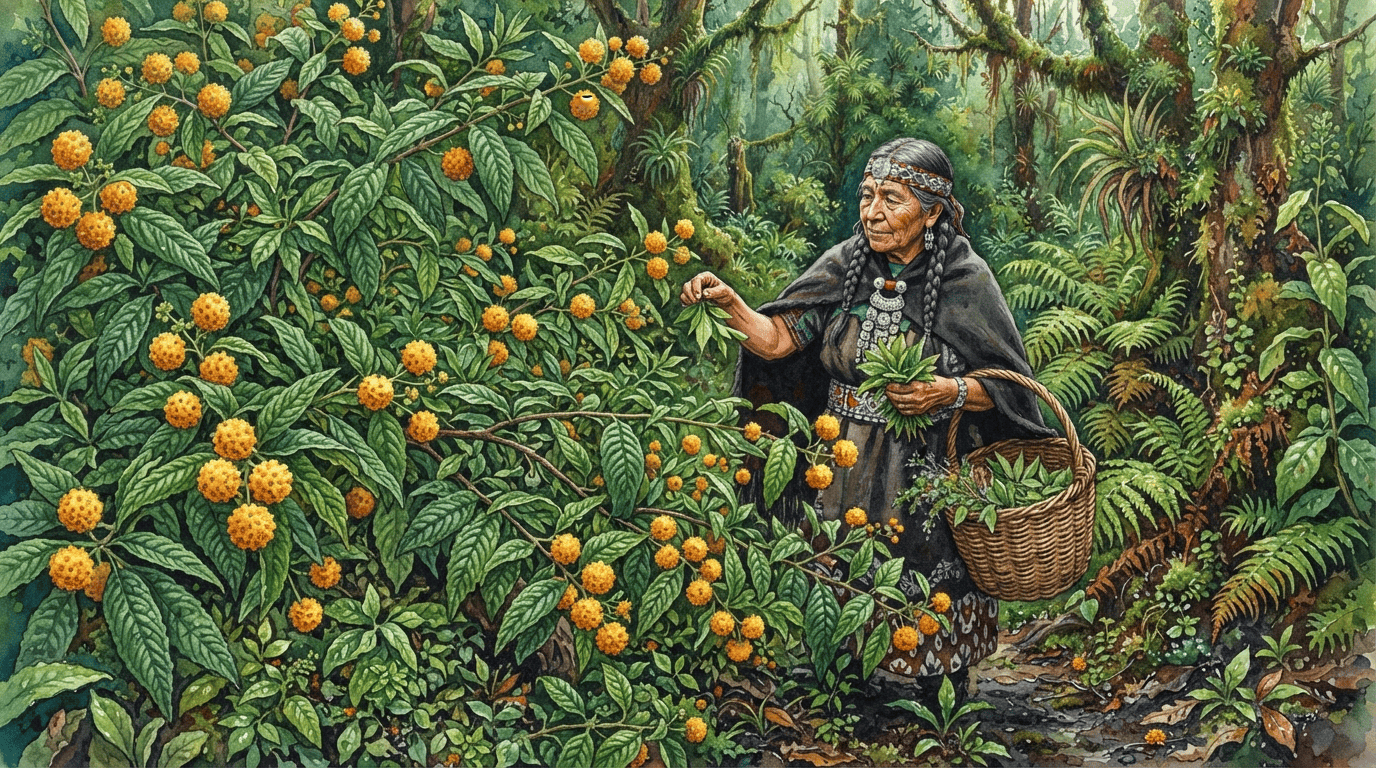
Buddleja globosa grows naturally in southern Chile and parts of Argentina, particularly in temperate rain-forest margins. The Mapuche people call it matico or palqui and used the leaves as a wound antiseptic and internal tonic for gastric ulcers, a medicinal use that has attracted modern pharmacological study. Jesuit missionaries sent specimens to Europe, and the plant reached British cultivation in 1774.
Philip Miller described it in the 1770s. Unlike the lilac-spiked B. davidii or B. alternifolia, it bears tight spherical orange-yellow flower clusters the size of marbles, resembling small pom-poms. It was the first Buddleja introduced to British horticulture and became popular in Victorian gardens.
It hybridizes with B. davidii; the golden cross B. × weyeriana was produced in England in 1914 by Major William van de Weyer. Introduced from Chile to European horticulture in 1774 by the Spanish expedition of Hipolito Ruiz. One of the earliest-cultivated buddlejas in Western gardens, used extensively in Victorian conservatory and outdoor gardens in mild climates. Mostly grown in the American West Coast and southern US where winters permit.
Symbolism & meaning
What It Symbolizes
The Orange-Ball Tree carries Southern sunshine in literal form — round orange globes glowing as if borrowed from Chilean afternoons. Its Honey heritage is just as vivid: every flower-ball releases a dense, sweet perfume that draws bees from long distances. To grow it is to keep a small piece of South American warmth humming at the garden gate.
- Southern sunshine — orange globes evoke South American warmth
- Honey heritage — richly honey-scented blooms
Where the Name Comes From
The common name highlights its orange coloring. 'globosa' from Latin means spherical or globe-shaped, for the round flower clusters.
Uses & Fun Facts
- Orange ball-shaped flowers swarm with bees and butterflies
- Honey-scented blossoms perfume late spring gardens
- Distinctive globe blooms set it apart from common buddleias
Related plants
More Buddleja plants
 Fountain Butterfly-BushBuddleja alternifolia
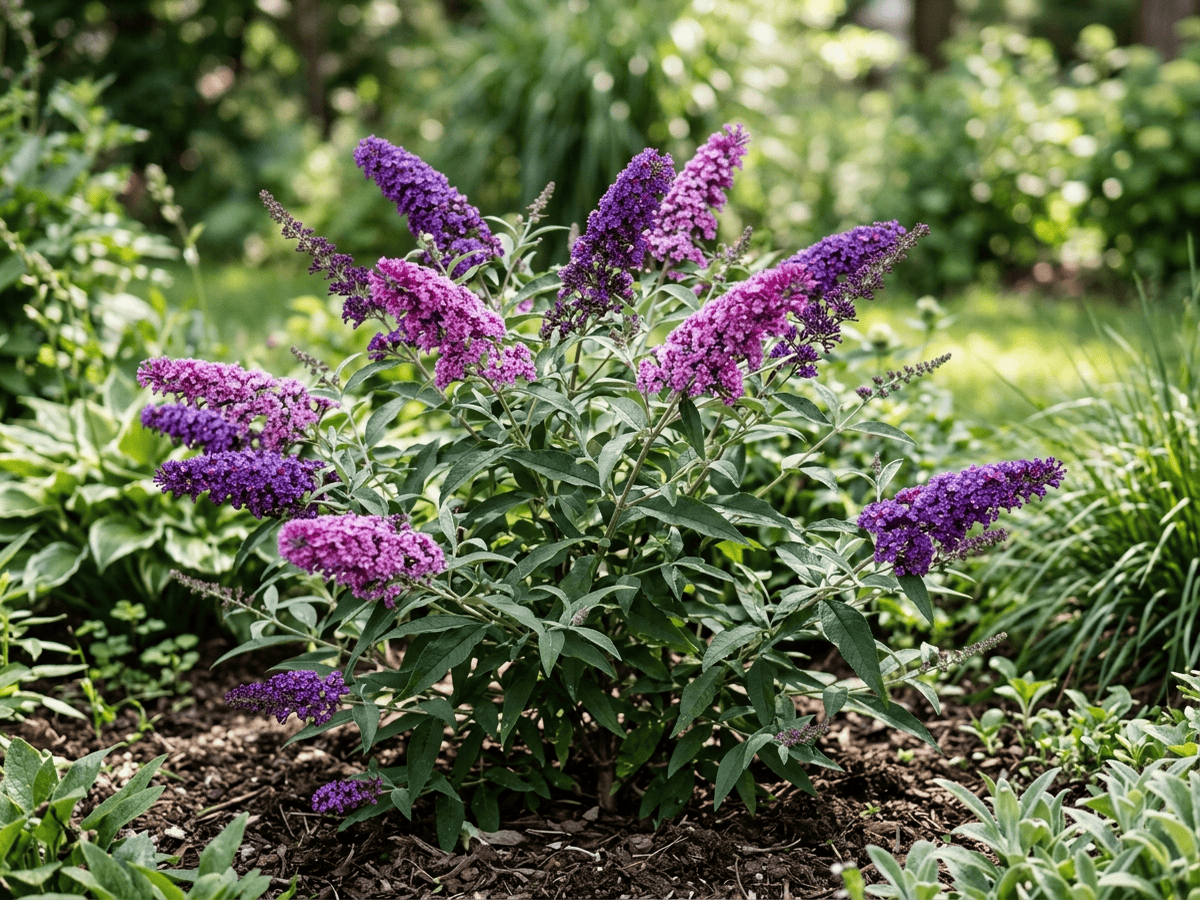 Butterfly BushBuddleja davidii
 Lindley's ButterflybushBuddleja lindleyana
Plants with similar care
 Mexican AbeliaAbelia floribunda
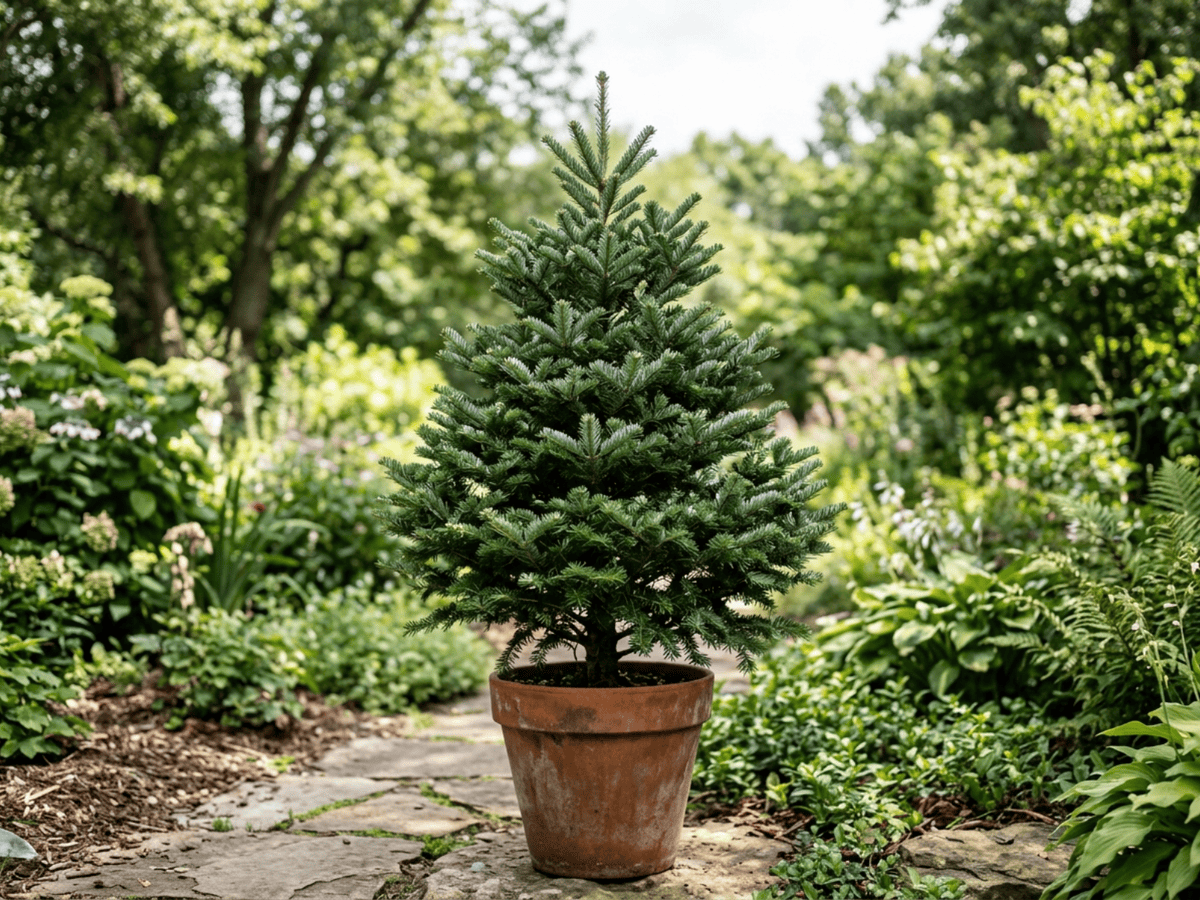 Fraser FirAbies fraseri
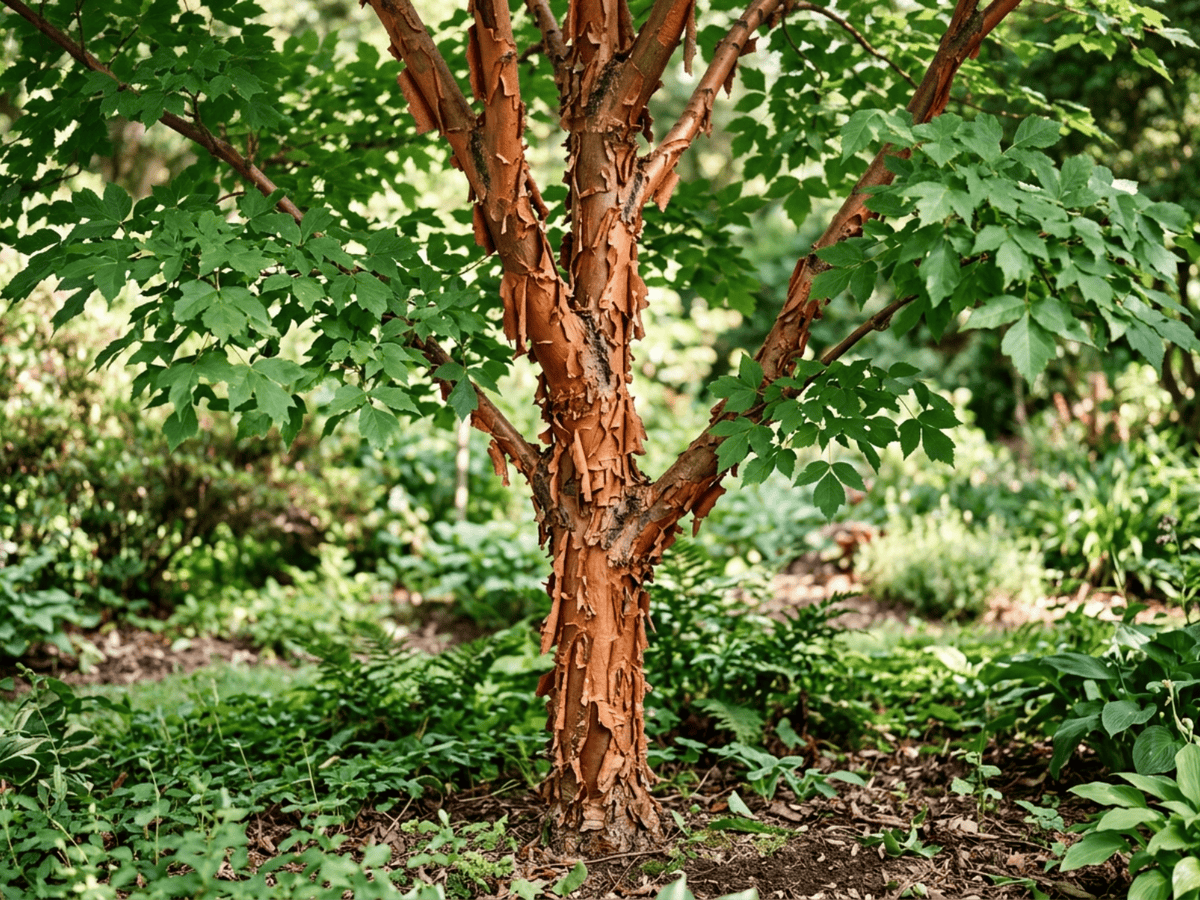 Paperbark MapleAcer griseum
 Sugar MapleAcer saccharum
Frequently asked questions
How often should I water Orange-Ball Tree?
In summer, water about every 5 days; in winter, about every 21 days. Adjust for heat, pot size and drainage.
How much light does Orange-Ball Tree need?
Full sun: 6+ hrs direct. Watch the leaves — scorching or stretching means the light needs adjusting.
Is Orange-Ball Tree toxic to cats or dogs?
No toxicity has been reported for this plant. Still, it is wise to keep pets from chewing on any houseplant. Educational information, not medical or veterinary advice. If exposure is suspected, contact a doctor or veterinarian.
Is Orange-Ball Tree easy to grow?
It is moderately demanding: a good choice once you have a little experience.
When does Orange-Ball Tree bloom?
It typically blooms May–Aug in the Northern Hemisphere.
YardMate
Identify any plant in seconds
Snap a photo — YardMate names the plant, diagnoses problems, and reminds you when to water.
Download on the App Store